Public support and cooperation with the Government will help safeguard national energy security amid rising tensions in the Middle East.
Situation overview
Military tensions between the US and Iran are escalating sharply. Iran has blocked the Strait of Hormuz, a strategic maritime route through which around 13 million barrels of oil are transported each day, equivalent to 31% of global seaborne crude oil trade. Global oil prices have already risen by 20% since the beginning of the year and could surge to USD 120 - 140 per barrel if supply disruptions persist.
Globally, Asia, particularly Southeast Asia, including Vietnam, is expected to face the most severe impacts due to its heavy reliance on energy imports from the Middle East.
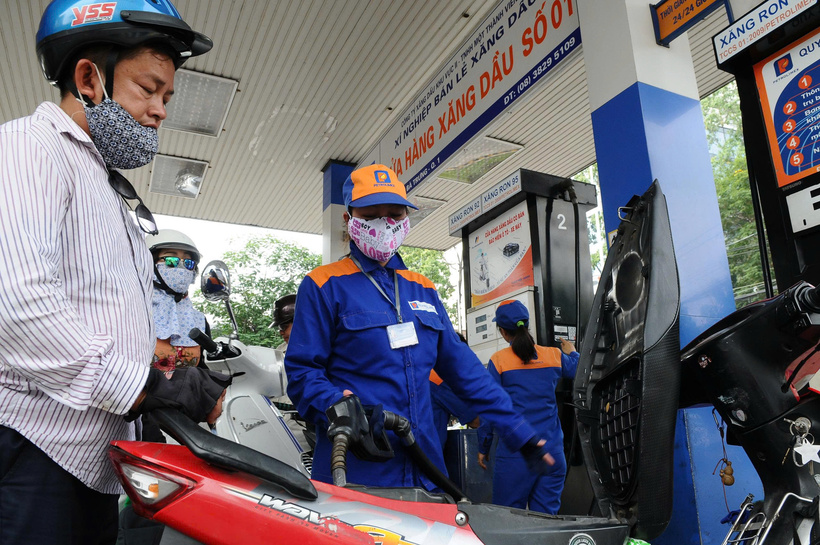
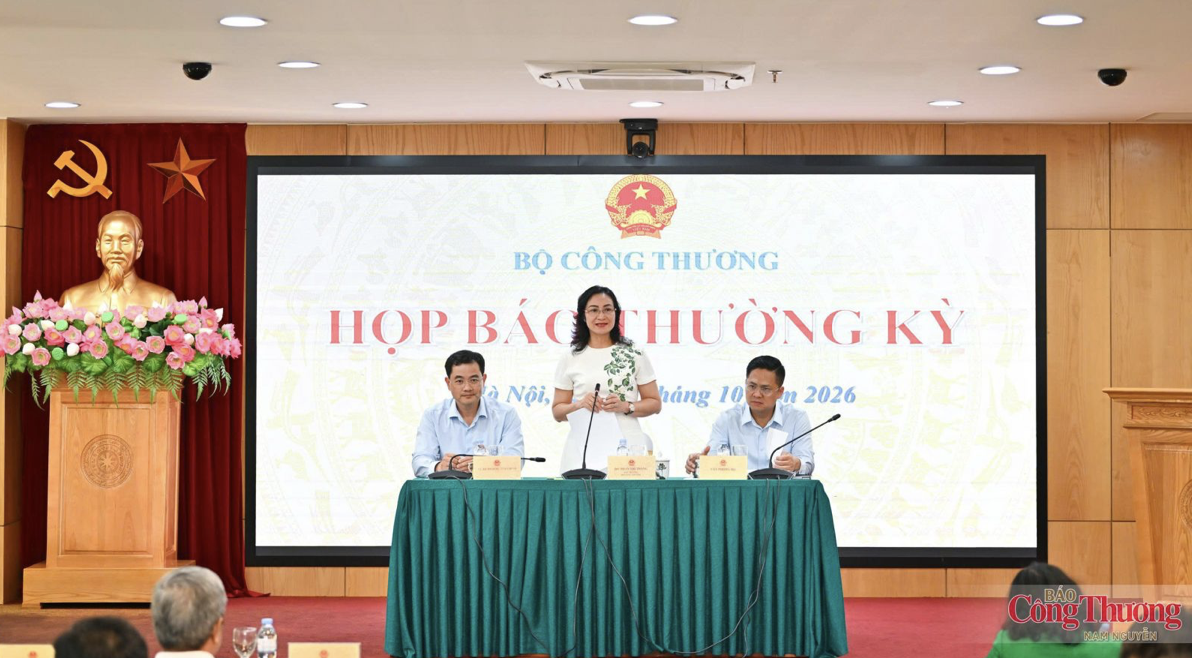
Public support and cooperation from citizens and businesses will help safeguard energy security amid the situation in the Middle East. Photo: Can Dung.
In Vietnam, total domestic petroleum consumption in 2025 reached approximately 28.6 million cubic metres/tonnes, averaging 2.2 - 2.3 million cubic metres/tonnes per month. Although the country operates two oil refineries, Nghi Son and Binh Son, it still depends significantly on imported supplies. As a result, the risk of localized fuel shortages in some areas cannot be ruled out.
Immediately after the conflict broke out, the Government and the Prime Minister issued prompt directives. Ministries, sectors and local authorities were assigned specific responsibilities and worked closely with the Ministry of Industry and Trade to safeguard national energy security.
On March 4, 2026, the Prime Minister signed Decision No. 385/QD-TTg establishing a task force to ensure energy security amid the complicated developments of the military conflict in the Middle East. The task force is headed by Deputy Prime Minister Bui Thanh Son and is responsible for monitoring developments, conducting reviews and reporting daily.
In recent days, the Ministry of Industry and Trade has developed plans and response scenarios to control the situation. The ministry has directed oil refineries and the entire national petroleum supply chain, from wholesalers and distributors to retailers, to address operational difficulties, seek new supply sources and maintain production and business activities to ensure uninterrupted fuel supply to the market.
The ministry has also instructed local authorities, provincial Departments of Industry and Trade and the market surveillance force to strengthen monitoring, inspections and strict handling of violations.
The Ministry of Industry and Trade and the Ministry of Finance are currently developing and submitting price stabilisation measures to the Prime Minister, including the use of the petroleum price stabilisation fund. At the same time, the ministry is coordinating with other ministries and sectors to report to the Government on additional solutions, such as proposing reductions in environmental protection taxes and other effective measures to ensure adequate fuel supply for the economy.
Regional developments
Countries in the region have also been strongly affected by the Middle East conflict.
Laos has recorded the sharpest fuel price increases in the region. On March 4, the price of regular gasoline rose by 890 kip to 23,260 kip per litre, while premium gasoline climbed to 28,420 kip per litre. Just two days later, on March 6, fuel prices in Laos surged again: diesel jumped 33% from 21,930 to 29,310 kip per litre, regular gasoline increased 16% to 27,070 kip per litre, and premium gasoline rose 11% to 31,570 kip per litre (around USD 1.46 per litre). This marked one of the largest price adjustments in recent months.
In Thailand, the price of Gasohol 95 as of March 5 stood at 30.55 baht per litre (around USD 0.92), while B7 diesel was priced at 29.94 baht per litre. On March 3, Shell Thailand raised diesel prices by 4.20 baht per litre to 34.14 baht per litre. Thailand is among the countries that have imposed restrictions on fuel exports to prioritise domestic demand.
Meanwhile, in China and Singapore, gasoline prices in China stood at 7.62 CNY per litre (USD 1.10) as of March 2, up 4.5% from the previous month. Singapore continues to maintain the highest fuel prices in the region, with RON95 gasoline priced at around SGD 3.05 per litre (USD 2.17).
The greatest risk at present is that the crisis surrounding the Strait of Hormuz shows no sign of easing. If the blockade persists, experts warn that Brent crude oil prices could exceed USD 120 - 140 per barrel.
Several countries, including China, Japan and Thailand, have already imposed restrictions on fuel exports. Many countries in the region have also introduced domestic fuel-saving measures and encouraged citizens to use alternative means of transport amid tightening supply.
Public and businesses urged to share responsibility
Amid these challenges, citizens and businesses are encouraged to work alongside the Government to help ensure national energy security.
The Ministry of Industry and Trade has promptly issued directives to the nationwide petroleum distribution system, requiring retailers to maintain stable fuel supplies and continue sales operations at all petrol stations.
At the same time, the ministry is revising and supplementing mechanisms and policies to facilitate businesses in diversifying supply sources and increasing fuel imports to serve domestic production and consumption. Citizens and businesses are urged to support government policies, avoid panic and refrain from hoarding fuel, which could cause temporary supply imbalances.
Speculation and hoarding must also be strictly avoided. Taking advantage of the situation to hoard or speculate on fuel is not only illegal but could also worsen supply shortages and negatively affect the broader community.
When detecting petrol stations suspending sales without legitimate reasons, charging prices higher than the listed rates or showing signs of hoarding, citizens are encouraged to report the cases to the Ministry of Industry and Trade (Agency for Domestic Market Surveillance and Development, hotline: 1900 888 655) or to local market surveillance authorities for prompt handling.
At the same time, joint efforts to save fuel are essential.
For individuals, reducing the use of private vehicles when unnecessary is recommended. People are encouraged to share rides, use public transportation or ride bicycles for short distances.
Regular vehicle maintenance can also help reduce fuel consumption. Checking tyre pressure, changing engine oil on schedule and turning off engines during long stops can cut fuel use by 10 - 15%.
Fuel-efficient driving is another important measure. Maintaining a steady speed, avoiding sudden acceleration and limiting unnecessary high-speed driving can significantly reduce fuel consumption.
Consumers are also encouraged to consider switching to electric vehicles, hybrid vehicles or vehicles using biofuels such as E5 and E10 in line with the roadmap starting from June 1, 2026.
For businesses, establishing fuel consumption norms for each production and transport process is recommended, along with adopting energy management systems in accordance with ISO 50001 standards.
Optimising logistics operations, including better route planning, appropriate load management and reducing empty trips, can also contribute to significant fuel savings.
Enterprises are also encouraged to invest in energy-efficient technologies, upgrade production equipment and shift to renewable energy sources such as solar and wind power for auxiliary operations.
Where possible, remote working arrangements may also help reduce travel and transport demand.
Petroleum is a strategic commodity, yet its supply is finite. As the US - Iran conflict continues to disrupt global energy markets, every litre of fuel saved represents a meaningful contribution to national energy security. Citizens, businesses and the media are therefore called upon to join efforts with the Government: remain calm, avoid hoarding and use energy efficiently for the shared interests of the country and for a sustainable energy future.
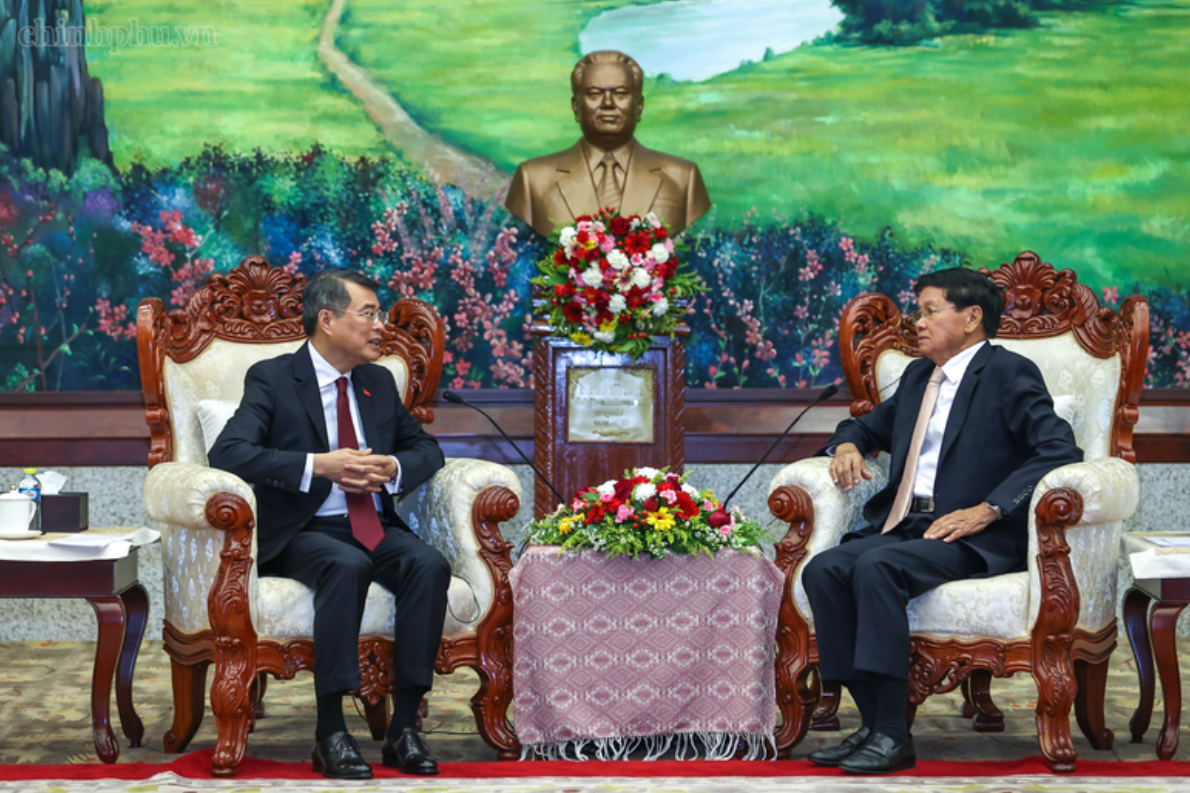
Prime Minister Le Minh Hung on October 8 paid a courtesy call on Lao General Secretary and President Thongloun Sisoulith in Vientiane as part of his on-going official visit to Laos.
The two sides expressed their delight at the positive developments in the bilateral relations in recent years, noting that there remains significant room for greater cooperation and complementarity, particularly in trade, investment and economic ties. They also held extensive discussions on strategic directions to further deepen and strengthen bilateral relations in a more substantive and practical manner.
Prime Minister Le Minh Hung arrived in Phnom Penh on Friday afternoon, starting his two-day official visit to Cambodia at the invitation of Cambodian counterpart Hun Manet.
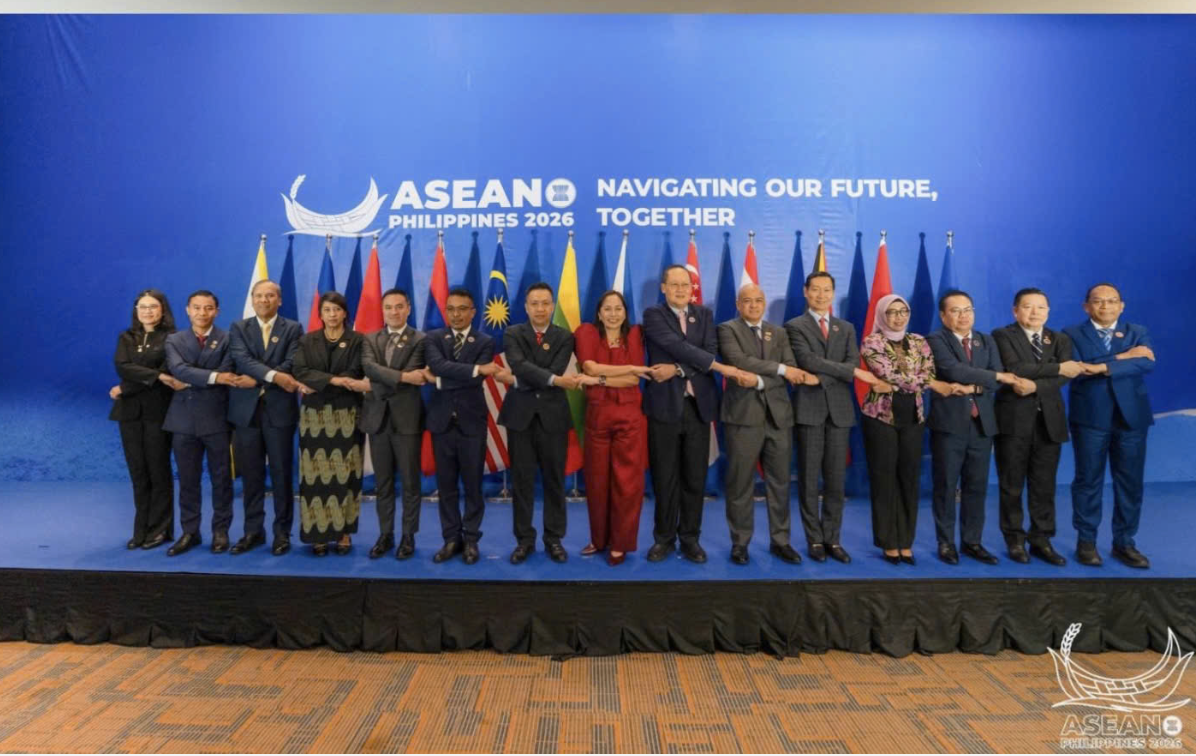
On 7 October 2026, the 44th ASEAN Ministers on Energy Meeting (AMEM 44) was held in Manila, the Philippines, under the chairmanship of Sharon S. Garin, Secretary of the Department of Energy of the Philippines. The meeting brought together energy ministers from ASEAN Member States, the Secretary-General of ASEAN, the ASEAN Centre for Energy, and representatives of ASEAN energy sector bodies and specialised networks. Deputy Minister of Industry and Trade Nguyen Viet Son led the Vietnamese delegati
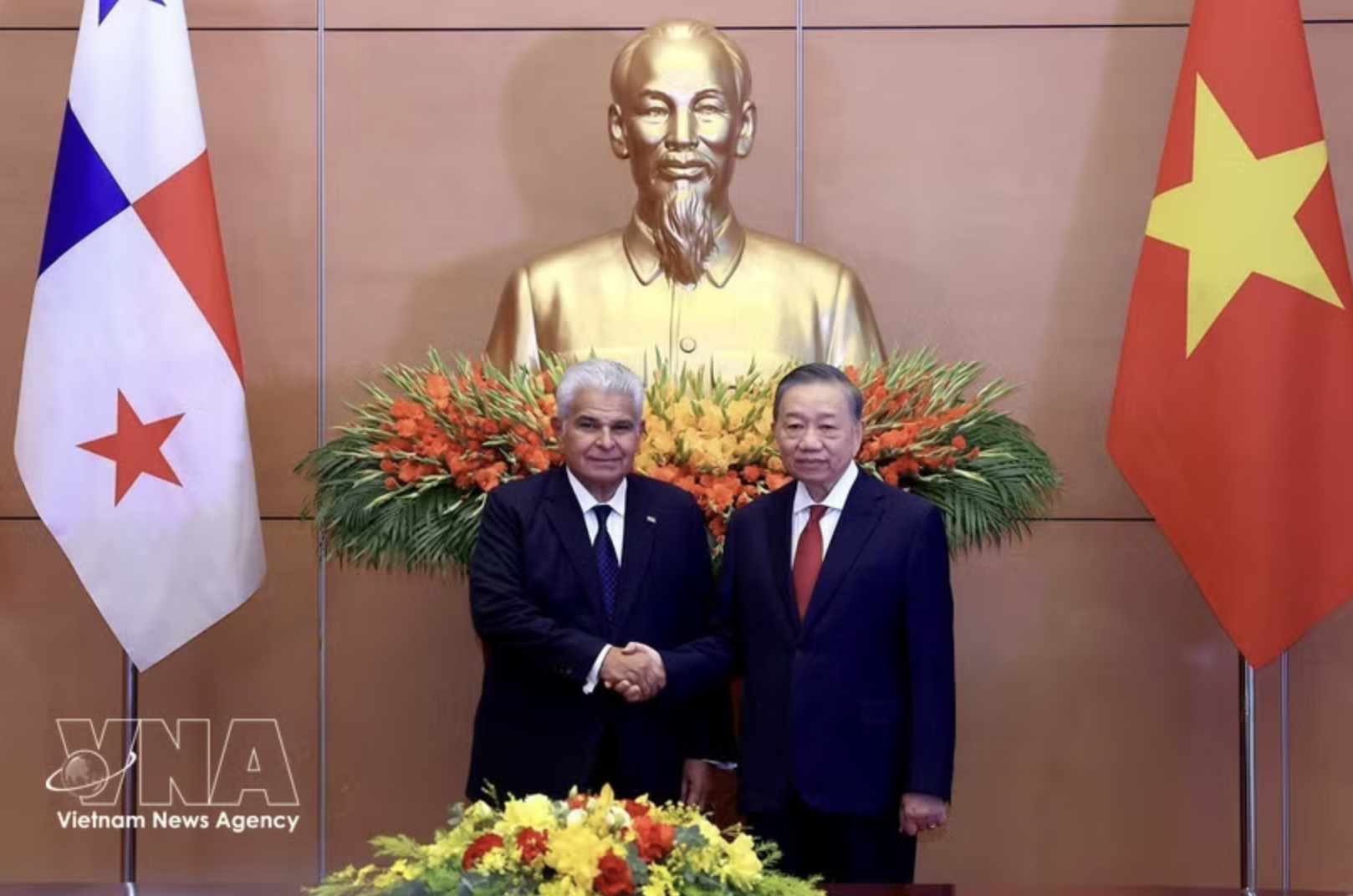
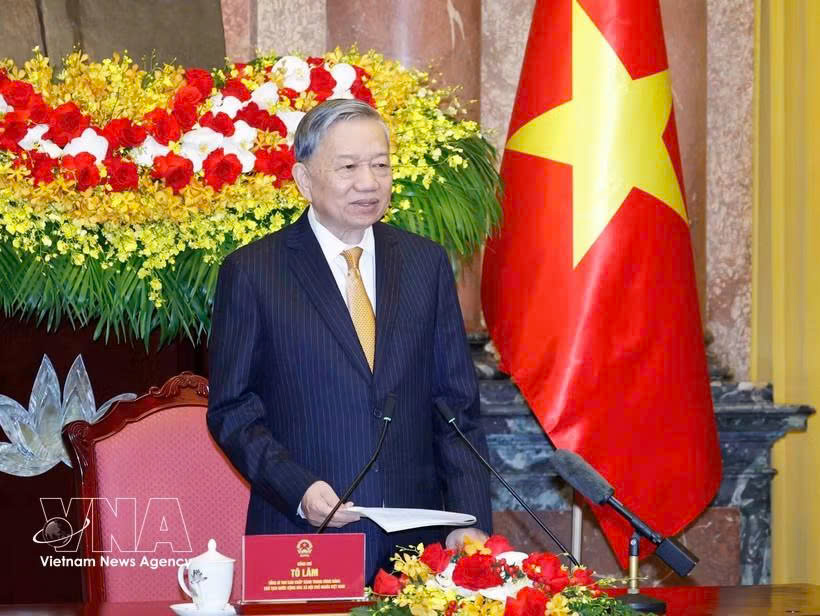
General Secretary of the Communist Party of Viet Nam Central Committee and State President To Lam, his spouse, and a high-ranking Vietnamese delegation will pay a state visit to Russia and an official visit to France, and attend the International Space Summit in Paris from September 7 to 12.