Resolution No. 10-NQ/TW sets out major orientations for attracting foreign investment capital to contribute to the country's ambitious development goals in the coming period.
Issued by the Politburo on June 8, 2026, Resolution No. 10-NQ/TW on the development of the foreign-invested economic sector marks a shift from a mindset of “attracting capital” to building a “national strategic investment platform,” with the goal of positioning Vietnam as a leading innovation and competitive manufacturing hub in Asia.
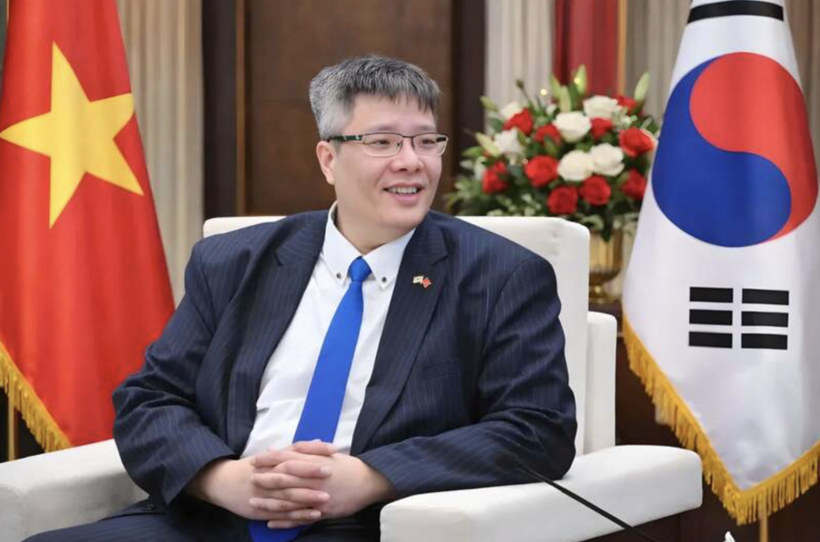
In an interview with Newspaper of Industry and Trade, Dr. Tran Hai Linh, Member of the Central Committee of the Vietnam Fatherland Front, President of the Vietnam-RoK Business and Investment Association, and Founding President of the Vietnam-RoK Association of Experts and Intellectuals, shared his views on the significance of the Resolution and the opportunities it creates for Vietnam-Korea investment cooperation in a new development phase.
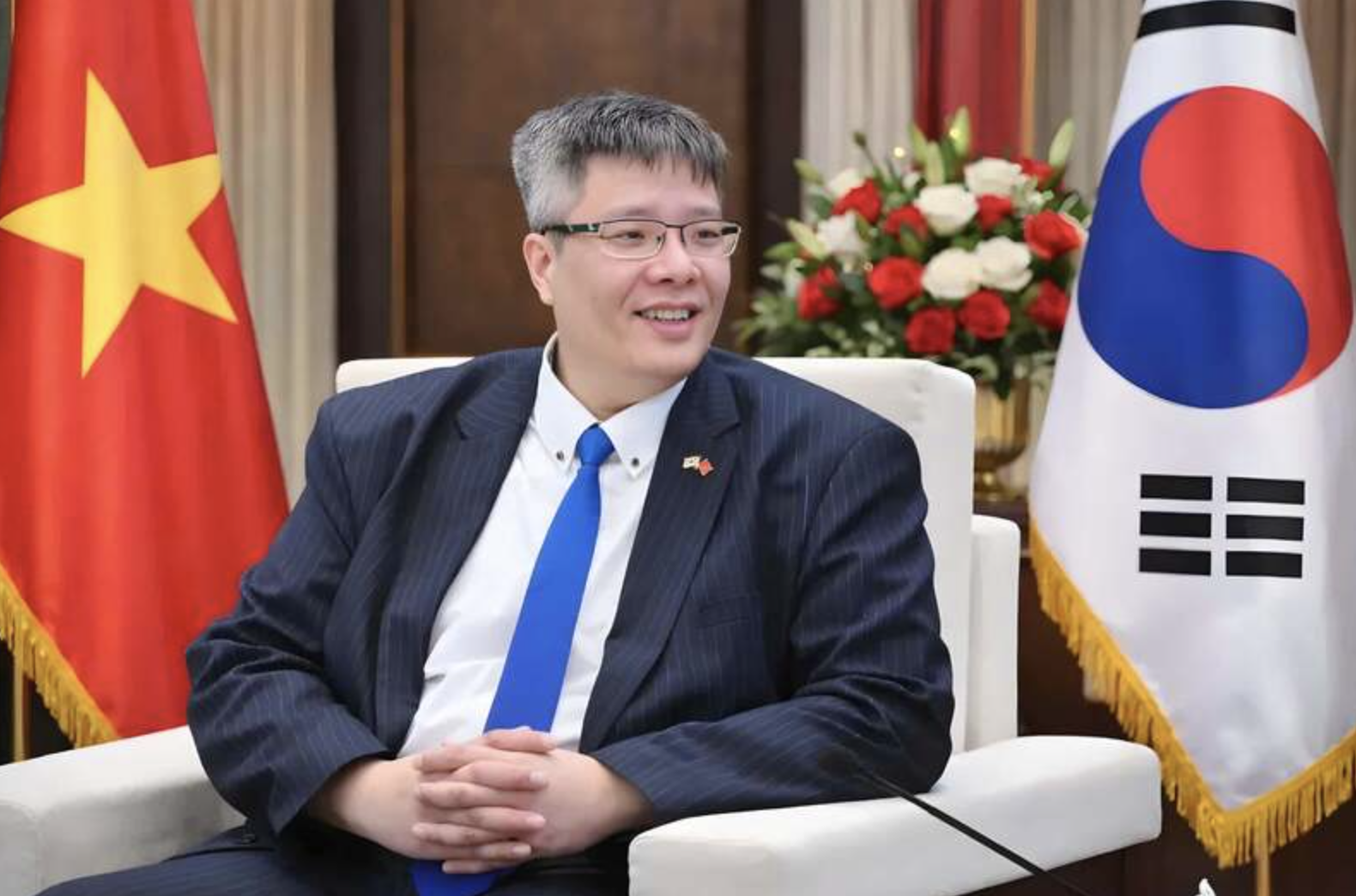
Dr. Tran Hai Linh, Member of the Central Committee of the Vietnam Fatherland Front, President of the Vietnam-RoK Business and Investment Association (VKBIA), and Founding President of the Vietnam-The RoK Experts and Intellectuals Association (VKEIA)
Repositioning Vietnam's FDI strategy
- Resolution No. 10-NQ/TW was issued as Vietnam enters a new stage of development, requiring higher-quality growth, stronger economic resilience, and greater competitiveness. In your view, what is the Resolution's most significant contribution?
Dr. Tran Hai Linh: Resolution No. 10-NQ/TW represents a major shift in Vietnam's development thinking regarding the foreign direct investment (FDI) sector. In the past, FDI was primarily viewed as a source of capital, employment generation, and export growth. Today, expectations are much higher: Vietnam seeks selective investment attraction, with a focus on enhancing the quality, efficiency, and spillover effects of foreign capital on the domestic economy.
The Resolution places FDI within the broader national development strategy, linking it to stronger economic self-reliance, enhanced national competitiveness, and deeper integration into global value chains. This approach is particularly appropriate amid intensifying geopolitical competition, global supply chain restructuring, and the rapid advance of the Fourth Industrial Revolution.
After nearly four decades of economic reform, Vietnam has achieved remarkable success in attracting FDI. However, challenges remain, including low localization rates, weak linkages between foreign-invested and domestic enterprises, limited technology transfer, and value creation that has yet to fully match the country's potential. The Resolution therefore aims to upgrade Vietnam's position within global supply chains.
In other words, Vietnam needs to move beyond its role as a manufacturing, processing, and assembly base toward higher-value activities, including research, innovation, technology development, value-added services, and supply chain management. For Vietnam-RoK cooperation, this presents significant opportunities to attract a new generation of FDI, particularly in semiconductors, artificial intelligence, green technologies, R&D centers, and supporting industries.
If implemented effectively, Resolution No. 10-NQ/TW will help Vietnam attract higher-quality investment, more advanced technologies, better-skilled human resources, and modern management models. This will provide an important foundation for achieving the country's goal of becoming a developed, high-income nation by 2045.
- One of the Resolution's key provisions is the gradual shift from input-based incentives to support mechanisms linked to investment performance and fulfillment of commitments. How should such a mechanism be designed to encourage foreign investors to deliver on commitments related to technology transfer, workforce development, environmental protection, and domestic supplier development?
Dr. Tran Hai Linh: As competition for investment becomes increasingly intense, many countries have moved away from traditional tax and land incentives toward performance-based support mechanisms that reward actual economic contributions. Vietnam should follow this trend to improve the quality of FDI inflows in the new era.
The core principle is that commitments must be accompanied by accountability, and benefits must be linked to measurable outcomes. Foreign-invested enterprises should receive support commensurate with the value they create for Vietnam, rather than solely based on registered capital or length of market presence.
In terms of technology, Vietnam should establish clear criteria for assessing technology transfer, including R&D spending, the number of patents and technical solutions transferred, and the level of participation of Vietnamese engineers and experts in research, design, and operational processes. Regarding human resources, large-scale FDI projects should be required to develop concrete plans for training Vietnamese engineers, transferring management skills, and collaborating with domestic universities and training institutions.
Environmental support mechanisms should be tied to ESG standards, green development, energy efficiency, and circular economy practices. Projects utilizing clean technologies should receive priority support, while those that waste resources, cause pollution, or fail to meet commitments should face strict penalties.
Another important benchmark is the development of domestic enterprises. Evaluation criteria should include localization rates, domestic procurement value, the number of Vietnamese firms integrated into supply chains, and initiatives aimed at enhancing supplier capabilities.
From my experience working with the RoK businesses, major corporations such as Samsung Electronics, LG Electronics, and SK Group are increasingly focused on workforce quality, supporting-industry ecosystems, and local innovation capacity. If Vietnam establishes a transparent, fair, and predictable support framework, it will be better positioned to attract strategic investors and evolve from a capital recipient into a genuine development partner of global investors.
Strengthening domestic enterprise capabilities
- The Resolution calls for stronger spillover effects from the FDI sector, closer linkages with domestic firms, and the development of local suppliers. What is the biggest obstacle preventing Vietnamese enterprises from participating more deeply in FDI supply chains?
Dr. Tran Hai Linh: The biggest bottleneck is not a lack of willingness from FDI enterprises to cooperate with Vietnamese companies, but rather the fact that many domestic firms still do not fully meet the requirements of global supply chains.
Through my work with Korean corporations operating in Vietnam, I have observed that FDI enterprises are eager to increase localization rates to reduce logistics costs, improve responsiveness to market changes, and optimize supply chains. However, when selecting suppliers, they impose strict standards on product quality, corporate governance, process control, environmental compliance, delivery schedules, and technological innovation capacity. Many Vietnamese enterprises, particularly small and medium-sized businesses, continue to face limitations in capital, technology, technical expertise, and international-standard management systems.
Another barrier is the lack of effective mechanisms connecting FDI enterprises with domestic businesses. Many Vietnamese companies have limited access to information on procurement demand, technical requirements, and supplier evaluation procedures used by multinational corporations. Conversely, foreign-invested enterprises often struggle to identify Vietnamese partners capable of meeting expectations regarding quality, scale, and consistency.
To effectively realize the spirit of Resolution No. 10-NQ/TW, Vietnam should move from broad-based support to targeted assistance tailored to specific industries and value chains. Priority should be given to enhancing domestic enterprise capabilities through digital transformation, technological upgrading, adoption of international standards, and high-quality workforce training. At the same time, systematic and regular business-matching programs should be organized to connect FDI enterprises with Vietnamese suppliers.
Major FDI corporations, including Korean companies such as Samsung Electronics, LG Electronics, and SK Group, should also be encouraged to play a more active role in training, consulting, technology transfer, and supplier development. Vietnam's success in the coming years should not be measured solely by the number of investment projects or total FDI capital, but by the number of Vietnamese enterprises that mature, integrate more deeply into global value chains, and contribute to strengthening the economy's self-reliance.
Opening new opportunities for the RoK investment in Vietnam
-The RoK is one of Vietnam's most important investment partners, particularly in manufacturing, electronics, and technology. In light of Resolution No. 10-NQ/TW, what opportunities do you see for attracting higher-quality the RoK investment into sectors such as semiconductors, artificial intelligence, big data, green industry, modern logistics, and innovation?
Dr. Tran Hai Linh: Resolution No. 10-NQ/TW comes at a time when global investment flows are undergoing significant restructuring. International corporations, including many Korean enterprises, are diversifying supply chains and seeking safe, stable, and innovation-driven investment destinations across Asia. This creates a valuable opportunity for Vietnam to attract a new generation of high-quality FDI.
The key is for Vietnam to focus on projects with advanced technology, high value-added content, and strong spillover effects for the domestic economy. This objective is fully aligned with the Resolution's emphasis on moving beyond capital attraction toward selecting strategic, high-tech investors committed to long-term partnership.
From the perspective of Vietnam-RoK cooperation, Korean corporations are clearly transitioning from traditional manufacturing models toward investment centered on research, innovation, and core technologies. Companies such as Samsung Electronics, SK Group, LG Electronics, Hyundai Motor Group, and Naver Corporation are increasingly investing in AI, big data, data centers, semiconductors, next-generation batteries, green energy, and digital technologies. These are precisely the sectors in which Vietnam can attract investment if it successfully develops its workforce, infrastructure, and supporting-industry ecosystem.
In the semiconductor industry, Vietnam's advantages include its strategic geographic location, stable political environment, young engineering workforce, and well-established electronics supply chain. However, Korean investors continue to place the greatest emphasis on talent quality and the ability to connect with capable domestic enterprises.
Therefore, Vietnam should focus on three priorities: developing internationally qualified talent in strategic technology sectors; building a transparent, stable, and predictable investment environment; and fostering a strong innovation and supporting-industry ecosystem. If these objectives are achieved, Vietnam can transform itself from a manufacturing destination into a regional hub for technology, innovation, and high-value supply chains.
- Thank you.
The Resolution aims for 75% of foreign investment capital to originate from developed economies with strong capabilities in technology, finance, and modern governance. It also targets a 30% increase in the number of Fortune 500 multinational corporations investing in Vietnam and seeks to attract global corporations to establish research, design, innovation, data, regional headquarters, operational centers, treasury centers, procurement hubs, and shared-service centers in the country. Notably, Vietnam aims to host at least three of the world's leading technology corporations with headquarters, offices, or research and development (R&D) centers located in Vietnam.
Resolution No. 10-NQ/TW sets out major orientations for attracting foreign investment capital to contribute to the country's ambitious development goals in the coming period.
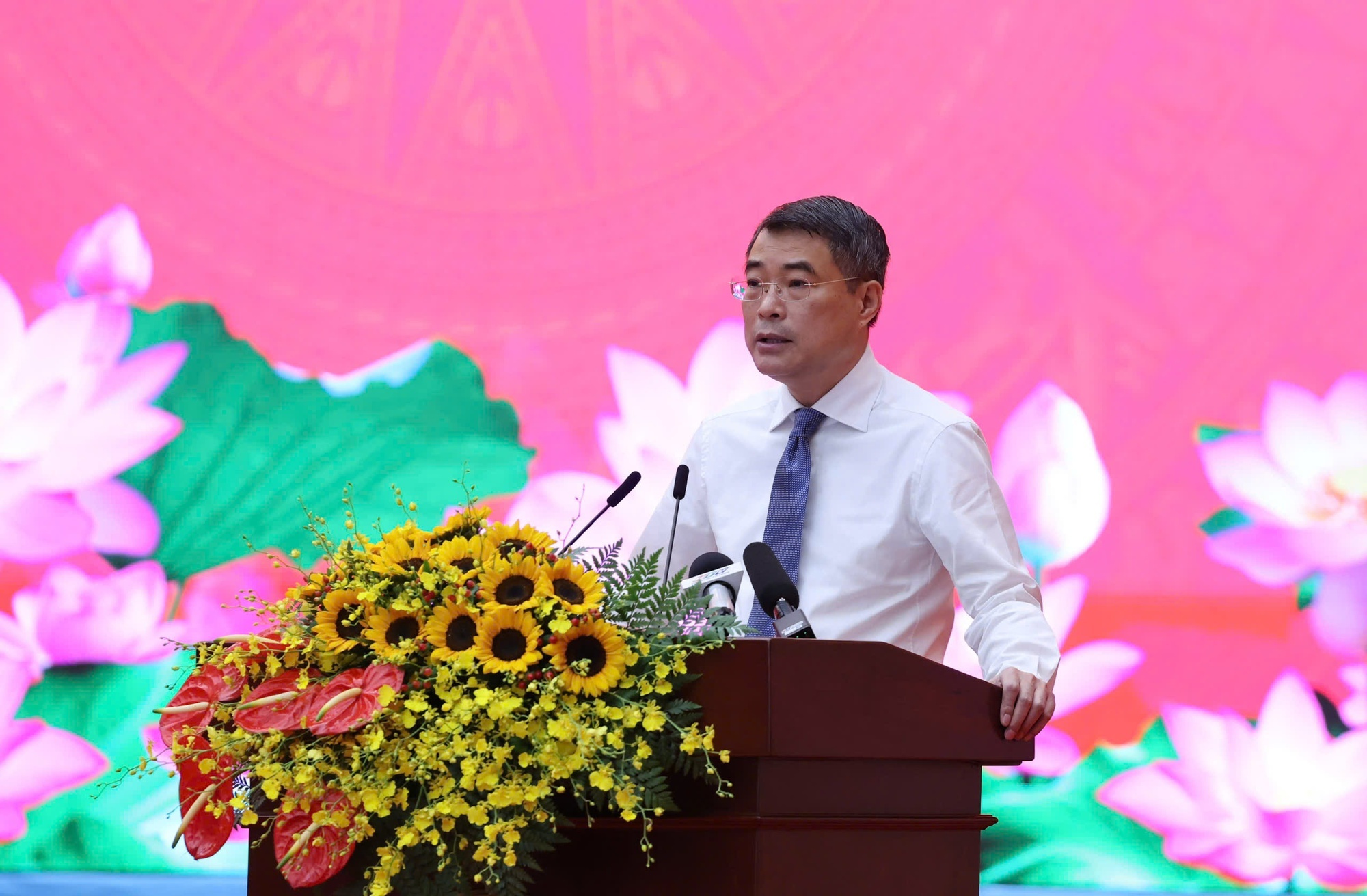
On the morning of June 13 in Ho Chi Minh City, Le Minh Hung, Politburo Member, Prime Minister, and Chairman of the Central Emulation and Commendation Council, officially launched the emulation movement entitled “Determined to Successfully Achieve Sustainable Double-Digit Growth Targets for the 2026-2030 Period.”
Resolution No. 10-NQ/TW sets out major orientations for attracting foreign investment capital to contribute to the country's ambitious development goals in the coming period.
On the morning of June 13 in Ho Chi Minh City, Le Minh Hung, Politburo Member, Prime Minister, and Chairman of the Central Emulation and Commendation Council, officially launched the emulation movement entitled “Determined to Successfully Achieve Sustainable Double-Digit Growth Targets for the 2026-2030 Period.”
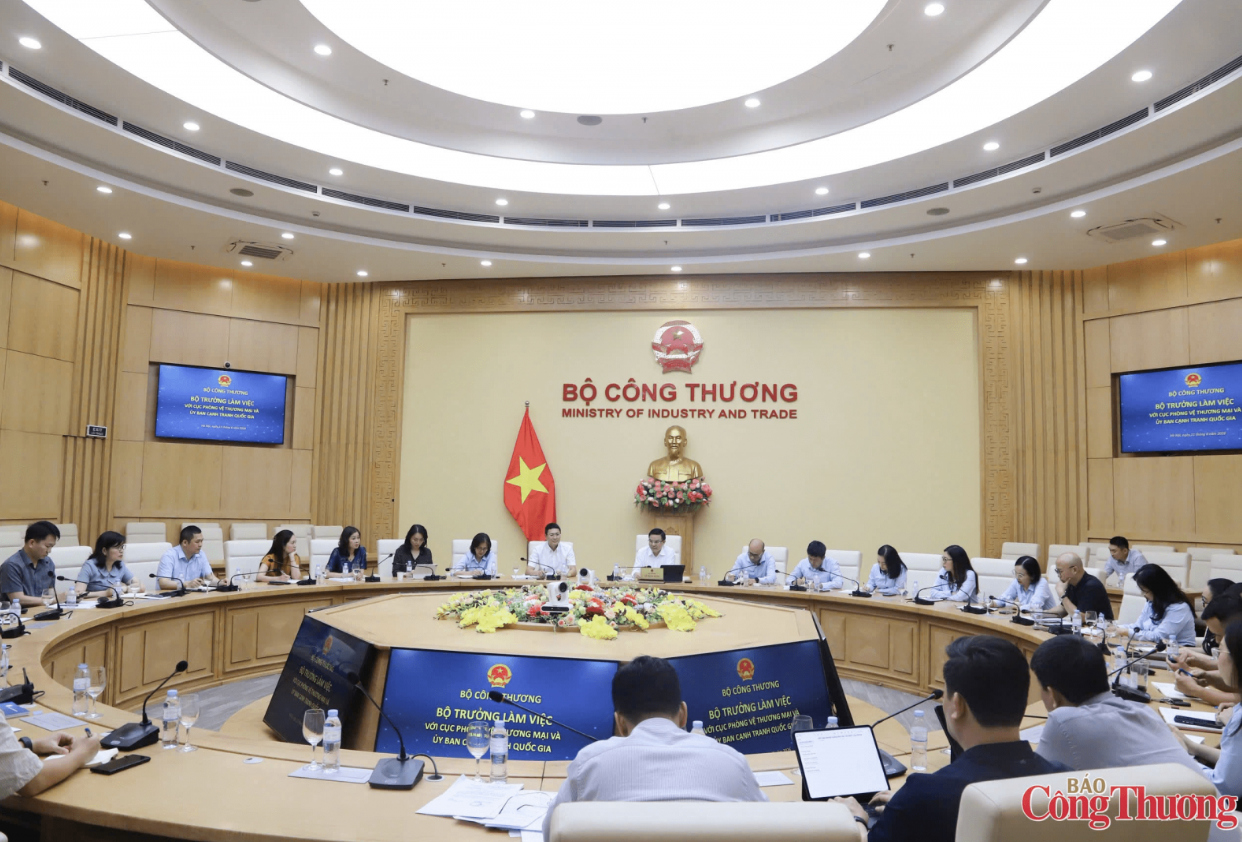
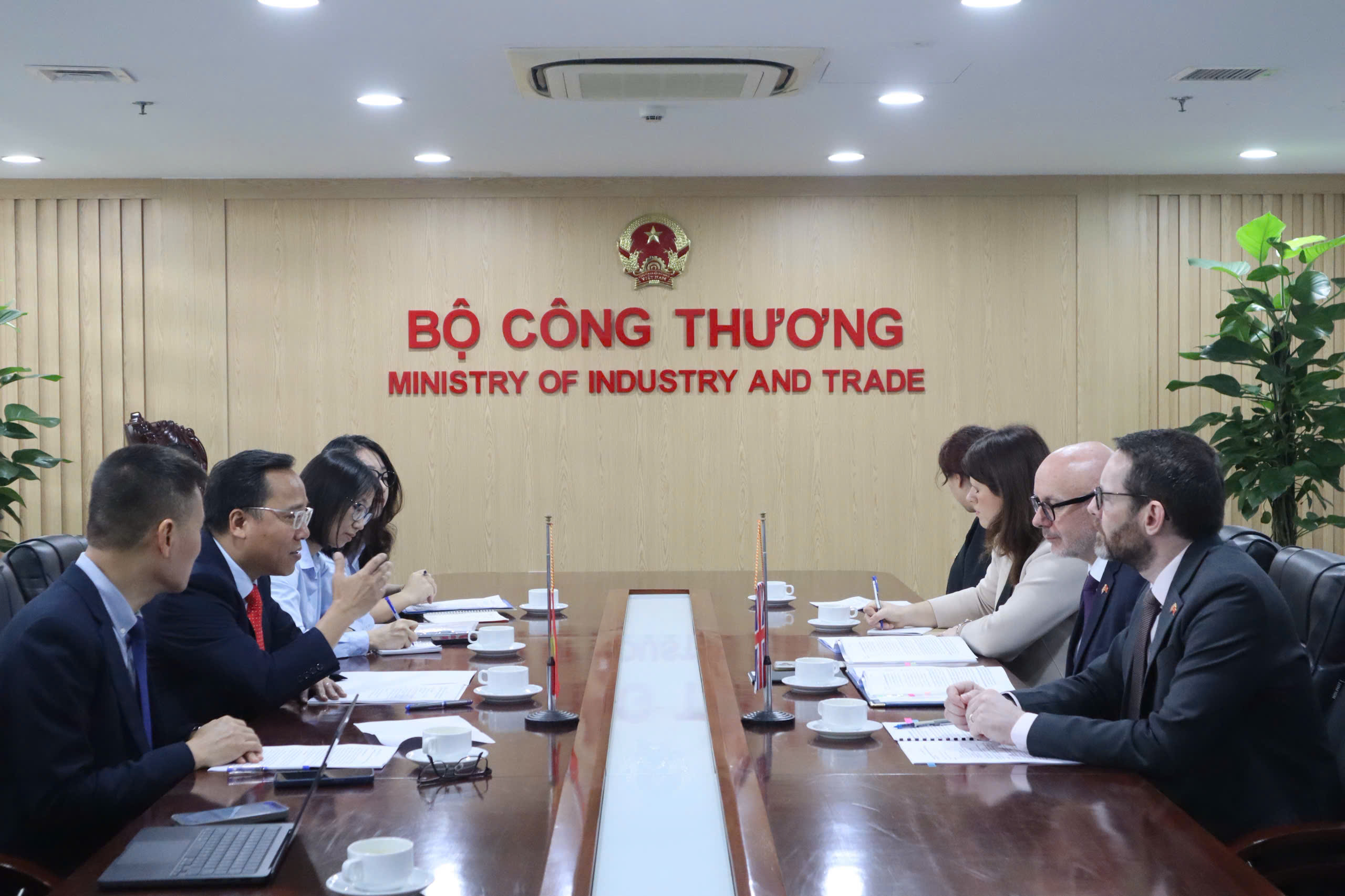
Deputy Minister Nguyen Hoang Long and the United Kingdom (UK)’s Trade Envoy Matt Western exchanged views on trade, market access and renewable energy cooperation.