Trade between Vietnam and Slovenia rebounded strongly in early 2026, driven by EVFTA benefits and growing opportunities for bilateral economic cooperation.
On June 9, the Slovenia’s Ministry of Economy, Tourism and Sport hosted the Slovenia Global Forum (SGF) 2026 under the theme “Slovenia on the Global Stage” in the city of Maribor. Newly appointed Deputy Prime Minister and Minister of Economy, Labour and Sport Anze Logar highlighted Slovenia’s trade achievements, noting that the country’s exports reached EUR 72 billion in 2025, supported by high-quality products and expertise.
Deputy Prime Minister and Minister of Economy, Labour and Sport Anze Logar delivers the opening remarks at the Slovenia Global Forum 2026.
Slovenia is a stable and prosperous developed economy, with GDP per capita reaching EUR 31,698 in 2024, higher than that of other transition economies in Central Europe. With a population of just over two million and an area of more than 20,000 square kilometers, Slovenia represents a market with relatively high-quality goods and services and a comparatively high standard of living among Eastern European countries.
In 2024, industry accounted for 19.4% of GDP and 29.2% of total employment. Mechanical engineering industries, including automotive manufacturing and machine tools, as well as high value-added sectors such as electronics, pharmaceuticals and chemicals, have experienced significant growth. Agriculture contributed 1.5% of GDP and employed 0.6% of the workforce. Agricultural land accounts for 30.6% of the country’s total area, with 4.8% devoted to organic production.
Forestry is also an important economic sector, with forests covering 58% of Slovenia’s land area and generating production value of EUR 315.9 million. Services remain the backbone of the Slovenian economy. Accounting for 79.1% of GDP and employing 70.2% of the workforce, the sector has demonstrated strong growth over the past decade, particularly in information and communications technology (ICT), financial services, wholesale and retail trade.
Tourism is highly dynamic and continues to experience rapid expansion. Slovenia welcomed seven million visitors in 2025, maintaining the sector’s stable and sustainable growth trajectory. A defining feature of the Slovenian economy is its openness, with approximately two-thirds of the country’s trade conducted with EU member states. Slovenia’s import management policies largely follow the EU’s common regulations.
Trade turnover between Vietnam and Slovenia has grown remarkably, rising from USD 46.1 million in 2012 to USD 573 million in 2022, an increase of more than twelvefold. However, since the outbreak of the Red Sea conflict in November 2023 following Hamas’ attack on October 7, 2023, the Houthi forces in Yemen have targeted commercial vessels passing through the strait, claiming support for Palestinians in Gaza. As a result, Vietnamese businesses shifted shipping routes away from Slovenia’s Port of Koper, significantly affecting bilateral trade.
In 2025, total bilateral trade between Vietnam and Slovenia reached USD 485.7 million, down 4.7% compared to the previous year. Vietnam recorded a trade surplus of USD 270 million. Exports totaled USD 377.9 million, down 5.9% year-on-year, while imports stood at USD 107.8 million, down 0.2%.
During the first five months of 2026, bilateral trade reached USD 231.25 million, up 16.9%. Vietnam posted a trade surplus of USD 127.3 million, with exports totaling USD 179.28 million, an increase of 11.9%, while imports rose 38.1% to USD 51.97 million.
As of May 31, 2026, Slovenia had three foreign direct investment projects in Vietnam with total registered capital of USD 2.27 million, ranking 95th among 154 countries and territories investing in Vietnam.
Overall, goods traded between the two countries mainly consist of light industrial products, chemicals and consumer goods. The import-export structures of Vietnam and Slovenia are not only non-competitive but also complementary, creating favorable conditions for developing cooperation in sectors where each side has strengths, including agriculture, fisheries, textiles and garments, footwear, furniture and household products.
Vietnam’s key exports to Slovenia include footwear, electrical equipment, textiles and garments, coffee and mobile phones. In the Slovenian market, pangasius is gaining popularity due to its competitive price and quality, yet export turnover of this product remains modest.
Under the EU-Vietnam Free Trade Agreement (EVFTA), Vietnam eliminated import tariffs on 65% of goods from the EU immediately after the agreement entered into force on August 1, 2020, with the remaining tariffs scheduled to be phased out over a ten-year period. In return, 99% of tariff lines on Vietnamese exports to the EU will be eliminated within seven years from the agreement’s entry into force.
The EVFTA has generated positive spillover effects across EU member states, including Slovenia. Products that have made the most effective use of EVFTA tariff preferences include rice (100%), footwear (74-98%), seafood (70-76%), and plastics and plastic products (53-70%).
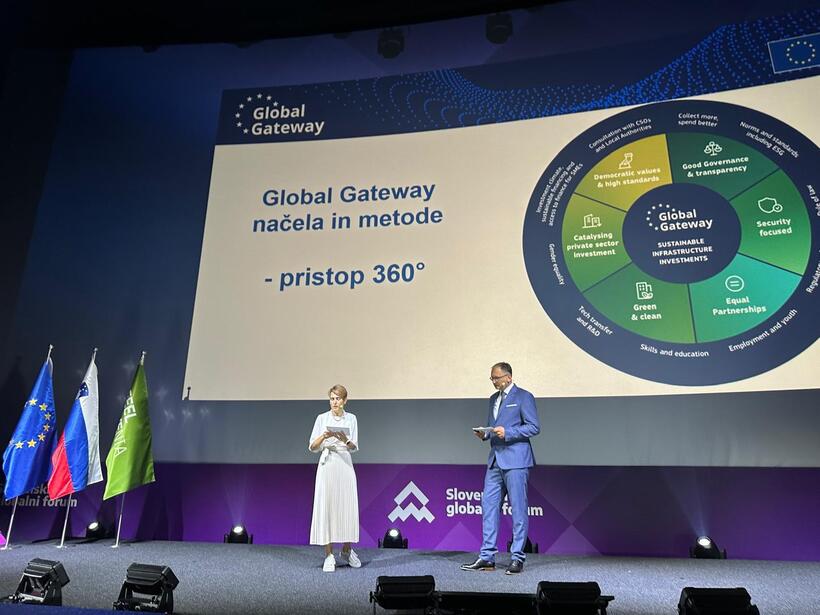
The EU's Global Gateway initiative is introduced to Slovenian businesses.
However, the EU market maintains stringent quality standards. First, businesses employing workers must commit to ensuring standard working conditions, workplace safety and environmental protection, particularly by prohibiting forced labor and child labor.
Agricultural products exported to the EU must comply with certifications such as GlobalGAP, HACCP, BRC or ISO 22000. The EU also imposes strict regulations on pesticide residues, chemicals and microorganisms in food products. Furthermore, products must have clear traceability throughout the supply chain, from raw materials to production and distribution.
Imported fruit and vegetable products must meet EU market standards on commercial quality, including product varieties, color, shelf life, external appearance and shape, as well as labeling requirements.
Although Vietnamese products are often competitively priced compared to those from rival exporters, particularly in textiles and garments, footwear and seafood, Vietnamese exporters need to continue modernizing production technologies, building strong brands and regularly updating their understanding of changes in import regulations.
The Vietnam Trade Office in Austria attends SGF 2026.
On the occasion of SGF 2026, the Vietnam Trade Office in Austria coordinated with the Chamber of Commerce and Industry of Slovenia (CCIS) to introduce the Vietnam International Sourcing 2026 (VIS 2026), which will be organized by the Ministry of Industry and Trade in Ho Chi Minh City from September 3-5, 2026, and invited Slovenian businesses to participate.
Thanks to the EVFTA, the Slovenian market has created numerous opportunities for Vietnamese goods. In the coming period, the new governments of both countries should continue advancing key areas of cooperation, particularly through the utilization of the EU’s Global Gateway initiative and preparations for the fourth meeting of the Vietnam-Slovenia Intergovernmental Committee in Vietnam, with the aim of restoring the momentum of bilateral trade affected by the Red Sea conflict.
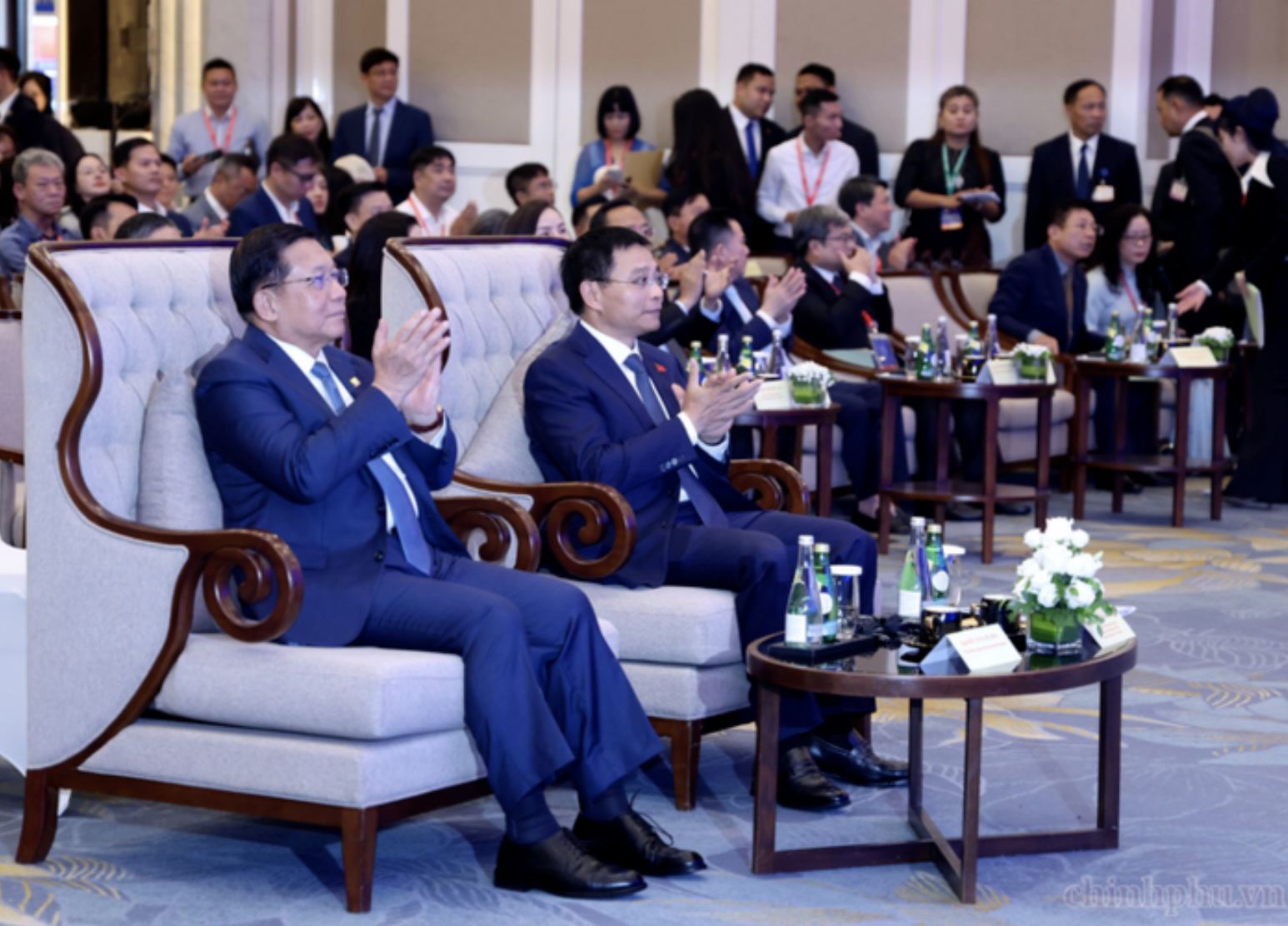
Addressing the Myanmar - Viet Nam Business Forum, Deputy Prime Minister Nguyen Van Thang said the two sides should expand the space for cooperation and leverage their respective resources to support the self-reliant and resilient development of each country, contributing to the implementation of agreements reached by the senior leaders of the two countries.
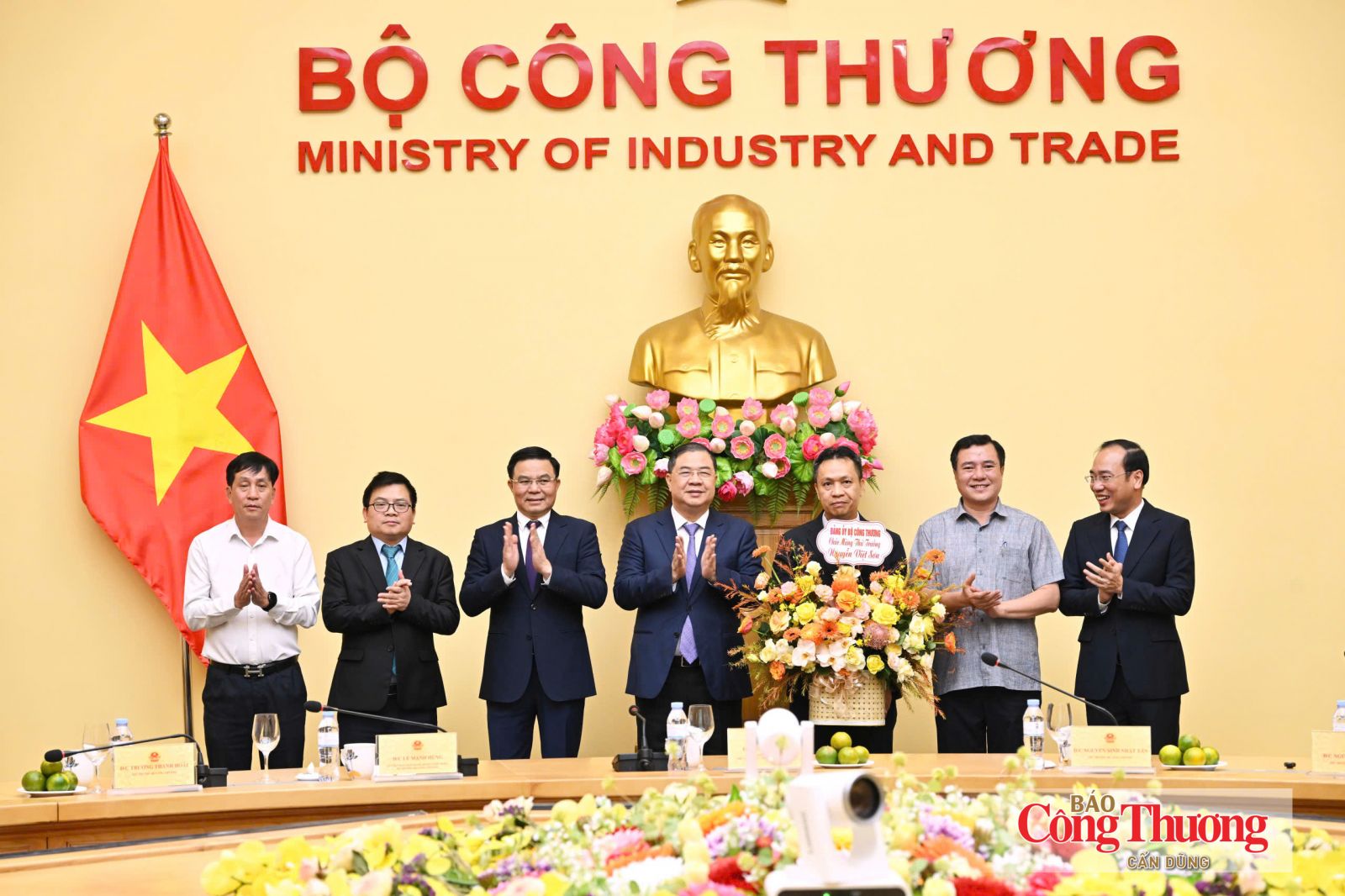
On the afternoon of September 6, at the headquarters of the Ministry of Industry and Trade (MoIT), Politburo member and Standing Deputy Prime Minister Pham Gia Tuc handed over the Prime Minister's decision appointing Nguyen Viet Son as Deputy Minister of Industry and Trade.
The iDEA and TikTok Shop launched the “Beyond Vietnam” initiative to help Vietnamese businesses build digital export capabilities and expand global market access.
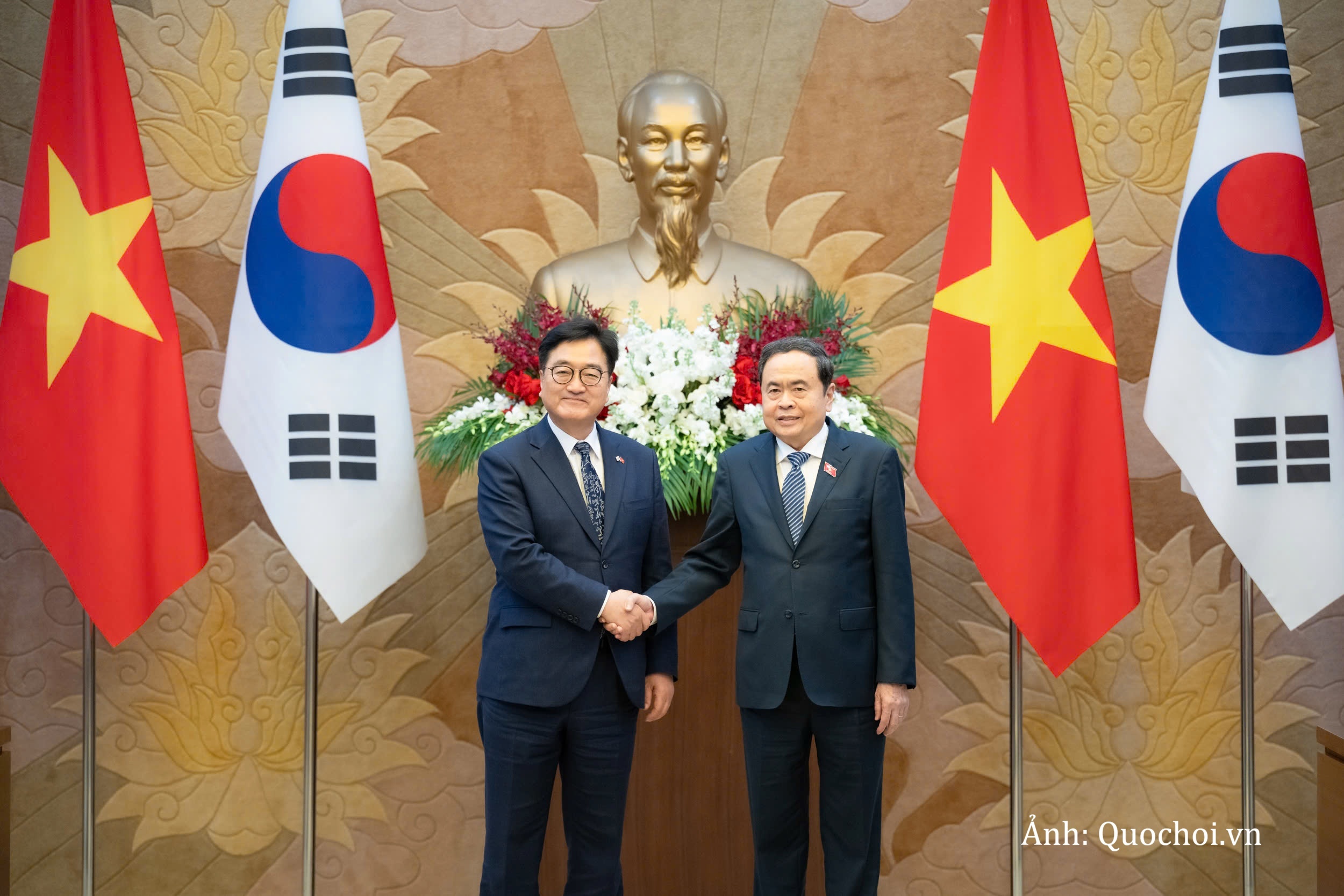
As Viet Nam and the Republic of Korea (RoK) work towards the goal of raising bilateral trade to USD 150 billion, the National Assemblies of the two countries have an important role to play in improving institutions and removing bottlenecks.
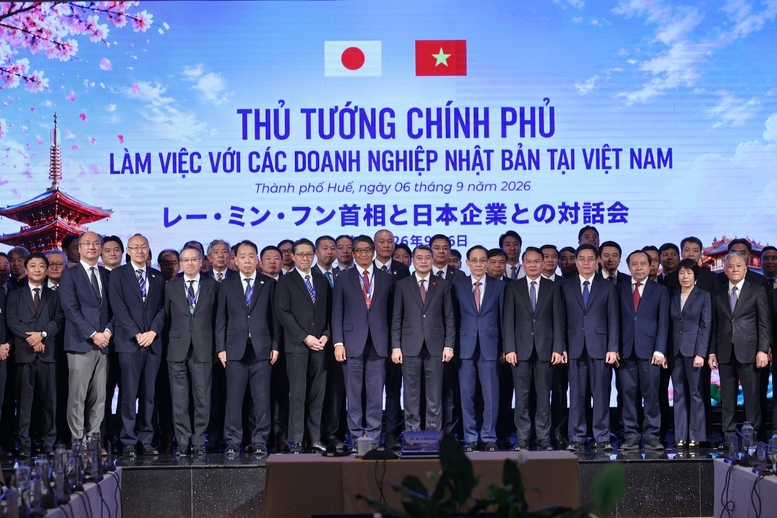
Chairing a meeting with Japanese businesses on the morning of September 6, Prime Minister Le Minh Hung called for Viet Nam - Japan investment ties to shift decisively from a relationship between “investors and investment destinations” toward a partnership for joint development and co-creation, involving joint research, innovation, production, and effective participation in and affirmation of their positions and roles in global value chains.
The iDEA and TikTok Shop launched the “Beyond Vietnam” initiative to help Vietnamese businesses build digital export capabilities and expand global market access.
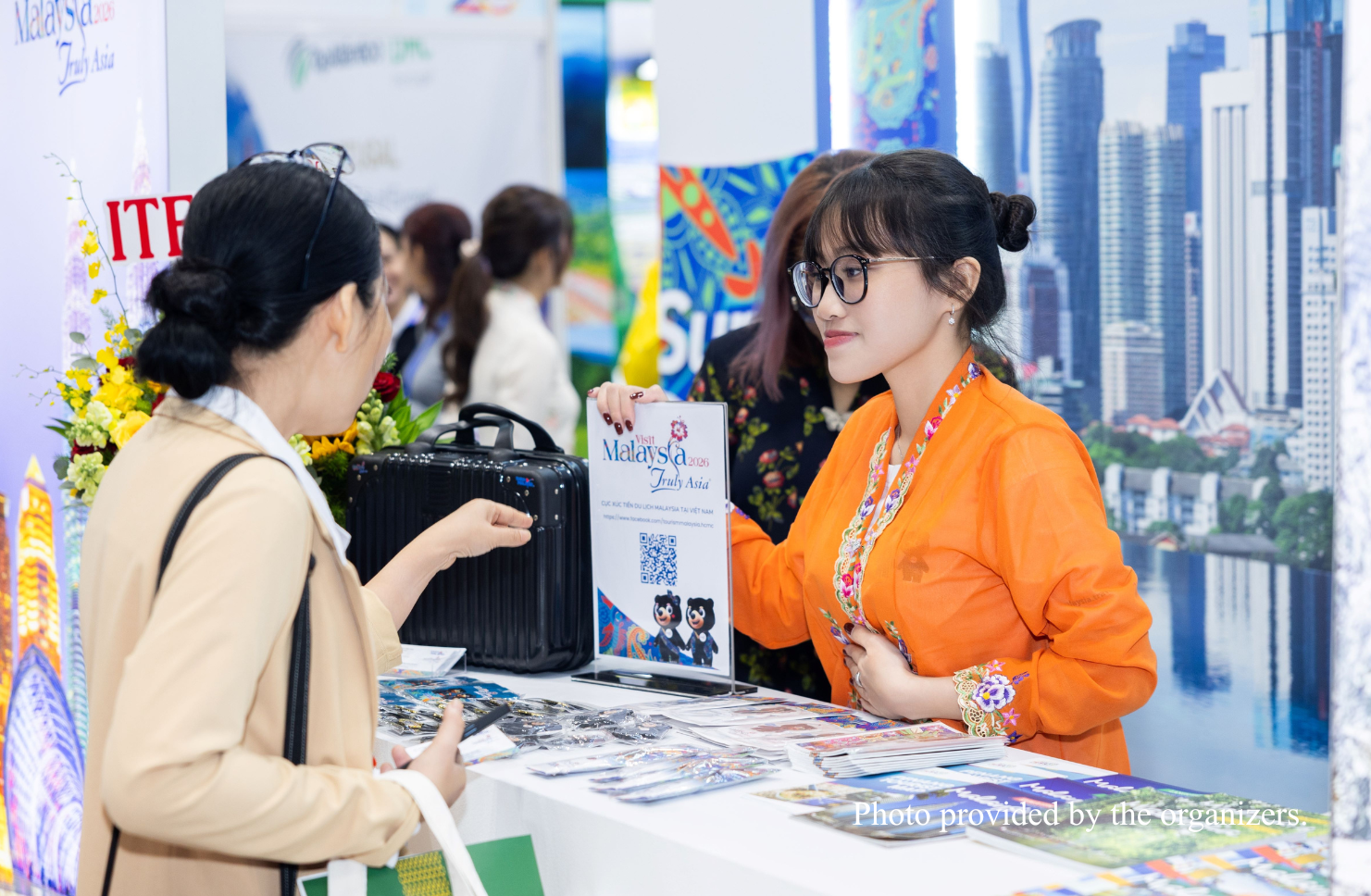
Tourism Malaysia reaffirmed its commitment to the Vietnamese market at ITE HCMC 2026, promoting the extended Visit Malaysia 2026 - 2027 campaign and expanding tourism cooperation.
Viet Nam Trade Office in Argentina is boosting business links to expand cooperation in timber, minerals and investment, opening new opportunities for firms in both countries.
Vitafoods Asia 2026 in Thailand highlighted the growing presence of Vietnamese health and nutrition products, opening new opportunities for global market expansion.
Viet Nam is addressing key bottlenecks and improving durian quality to boost exports, with the sector targeting USD 4 billion in export turnover this year.