Vietnam’s textile and garment industry targets export growth in 2025-2030, focusing on green transition and digitalisation to retain top three global positions.
According to the Vietnam Textile and Apparel Association (VITAS), the global outlook in the coming years is expected to remain complex and unpredictable. Trade liberalisation will continue to be a dominant trend, alongside a rise in protectionism, geopolitical and trade tensions, and growing environmental, climate and public health risks. The COVID-19 pandemic has left deep and lasting impacts, forcing economies and global supply chains to restructure toward greater flexibility, resilience and sustainability. Digital economy development, circular economy models, green growth and the increasingly profound influence of the Fourth Industrial Revolution are now shaping national development strategies worldwide.
On the domestic front, Vietnam is entering a new development phase with a number of favourable foundations. Macroeconomic stability has largely been maintained, the political and social environment remains steady, and confidence among businesses and the public has been strengthened. Deep participation in new-generation free trade agreements such as the CPTPP, EVFTA and RCEP continues to open up large market space, facilitating investment inflows, technology transfer and institutional reform. However, the economy’s high degree of openness also means Vietnam is directly exposed to external shocks, while many industries, including textiles and garments, still participate in global value chains mainly at low value-added stages.
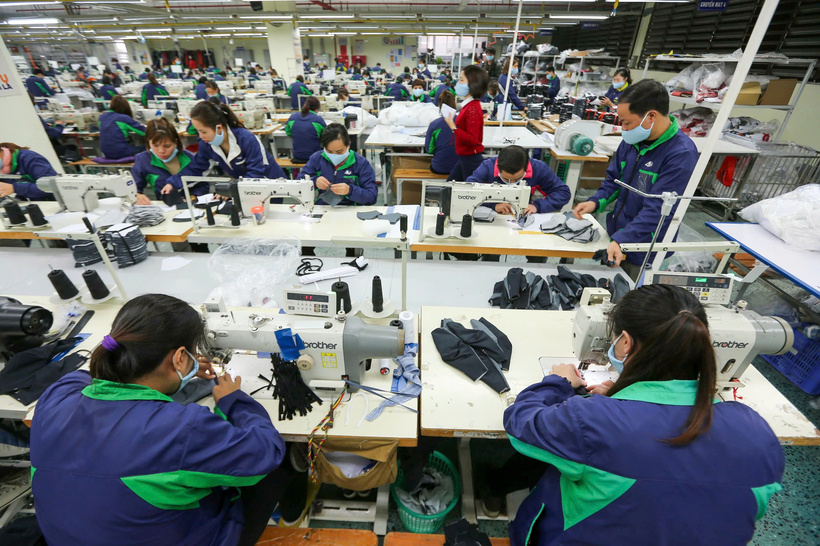
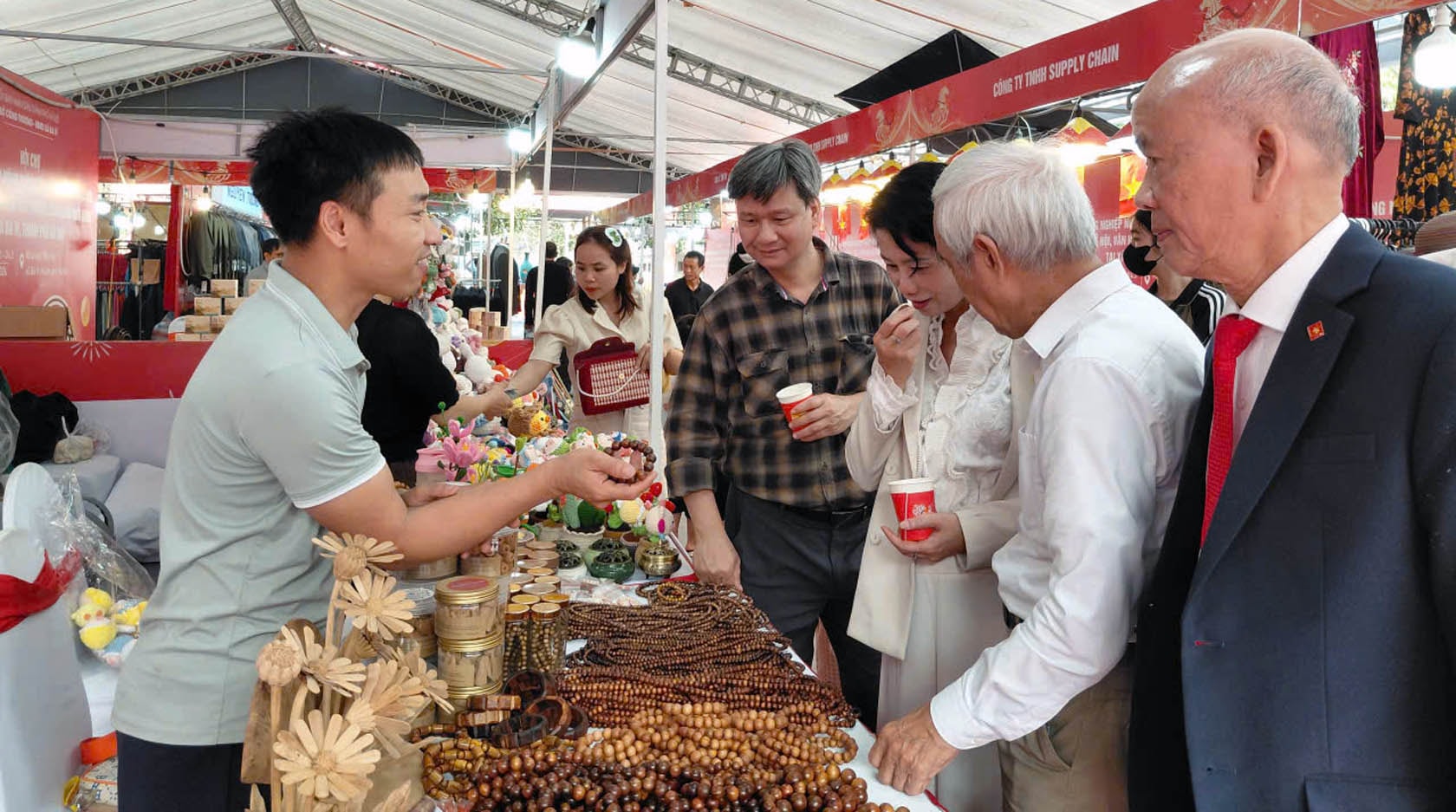
During the 2025-2030 period, Vietnam’s textile and garment industry targets the maintenance of its third global position in exports. Photo: Nguyen Nam
Against this backdrop, VITAS identifies 2025 - 2030 as a pivotal period in which the industry must both consolidate its export position and restructure in depth. Forecasts by international organisations suggest that the global textile and apparel market could reach USD 2.7 - 2.8 trillion by 2030, with average annual growth of 3.5 - 4 percent. The global industry is expected to recover along a more sustainable trajectory, closely linked to green transition and digitalisation. The EU, the US, China, and Japan will remain major consumer markets, while emerging markets are set to play an increasingly important role.
Notably, global production structures are being reshaped, gradually shifting toward higher value-added, lower-emission and more environmentally friendly segments. Around 90 percent of international brands have committed to net zero targets by 2050, placing ever more stringent requirements on suppliers. At the same time, the application of artificial intelligence, big data and blockchain in supply chain management and product design is expanding, alongside the rise of sustainable consumption and traceability.
Domestically, the 2025 - 2030 period is seen as highly promising, with a population exceeding 100 million, rapidly rising per capita income and an expanding middle class. The domestic apparel market is estimated to reach USD 5.0 - 5.5 billion in 2025 and could grow to USD 8 - 9 billion by 2030. Vietnamese consumers are paying increasing attention to quality, design, branding and sustainability, creating room for local textile and garment firms to develop domestic brands.
Based on its assessment of context and trends, VITAS has set out specific targets for the 2025 - 2030 term. The central objective is to maintain Vietnam’s position among the world’s top three textile and garment exporters, with export turnover targeted at around USD 64.5 billion by 2030 and average annual growth of 6.5 - 7 percent. In parallel, the industry aims to raise the localisation rate of raw and auxiliary materials to over 60 percent, increase the value added of export products and reduce dependence on imports.
Green transition, digital transformation and sustainable development are identified as cross-cutting pillars. The industry seeks to gradually implement emission reduction roadmaps and circular production models, moving toward the net zero 2050 goal. The domestic market is also positioned as a key pillar, with a target of accounting for about 15 - 18 percent of total industry revenue by 2030, helping to balance exports with domestic consumption.
In addition, the association underscores the need to invest in high-quality human resources capable of meeting technological, environmental and international integration standards, while stepping up trade promotion, international cooperation and the attraction of high-quality FDI to complete domestic supply chains.
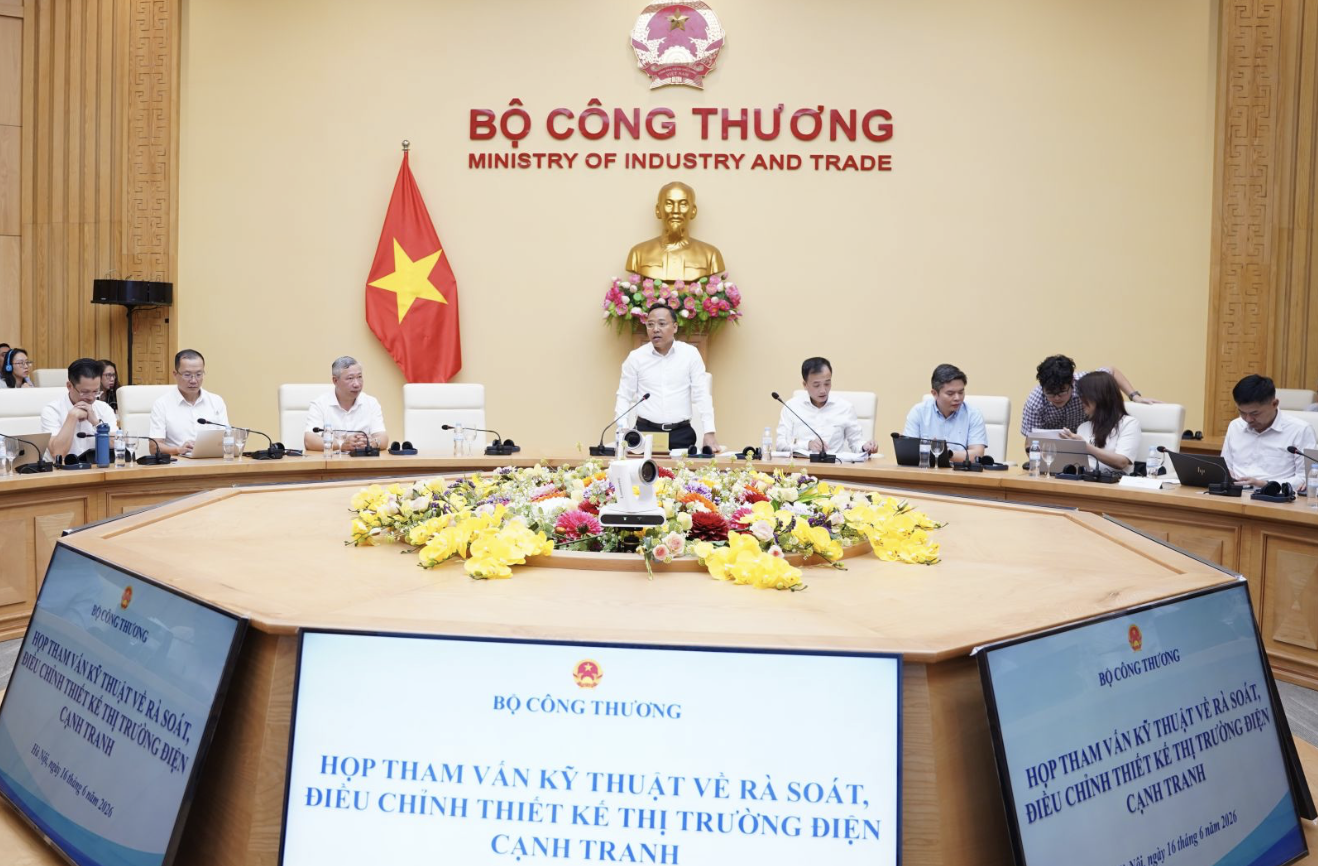
Ministry of Industry and Trade (MoIT) held a technical consultation in Hanoi on reviewing and adjusting the design of Vietnam’s competitive electricity market.
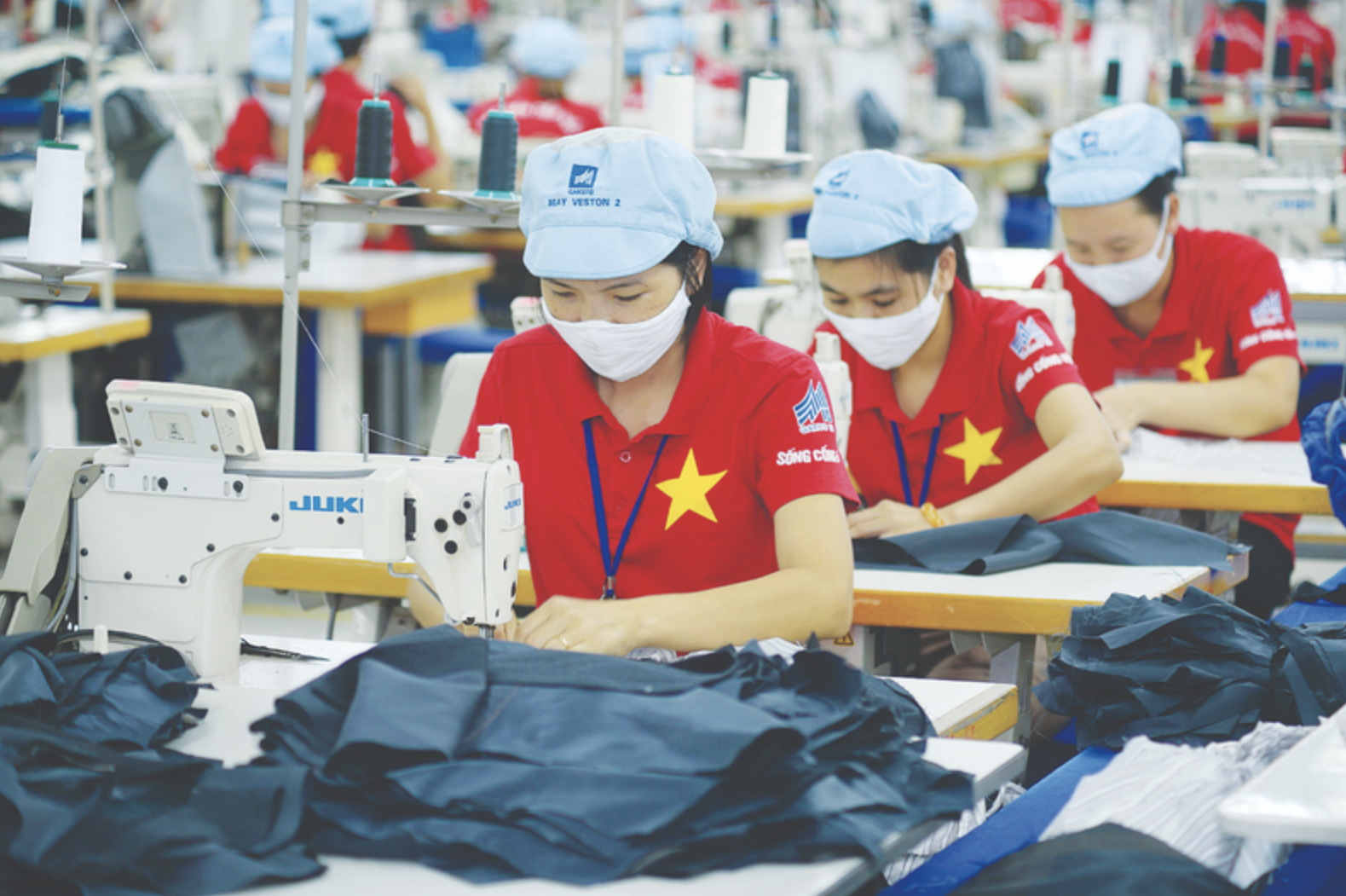
Textiles and garments continued to be one of Vietnam’s leading export categories to the Russian market in the first five months of 2026, generating export revenue of more than USD 106.99 million.
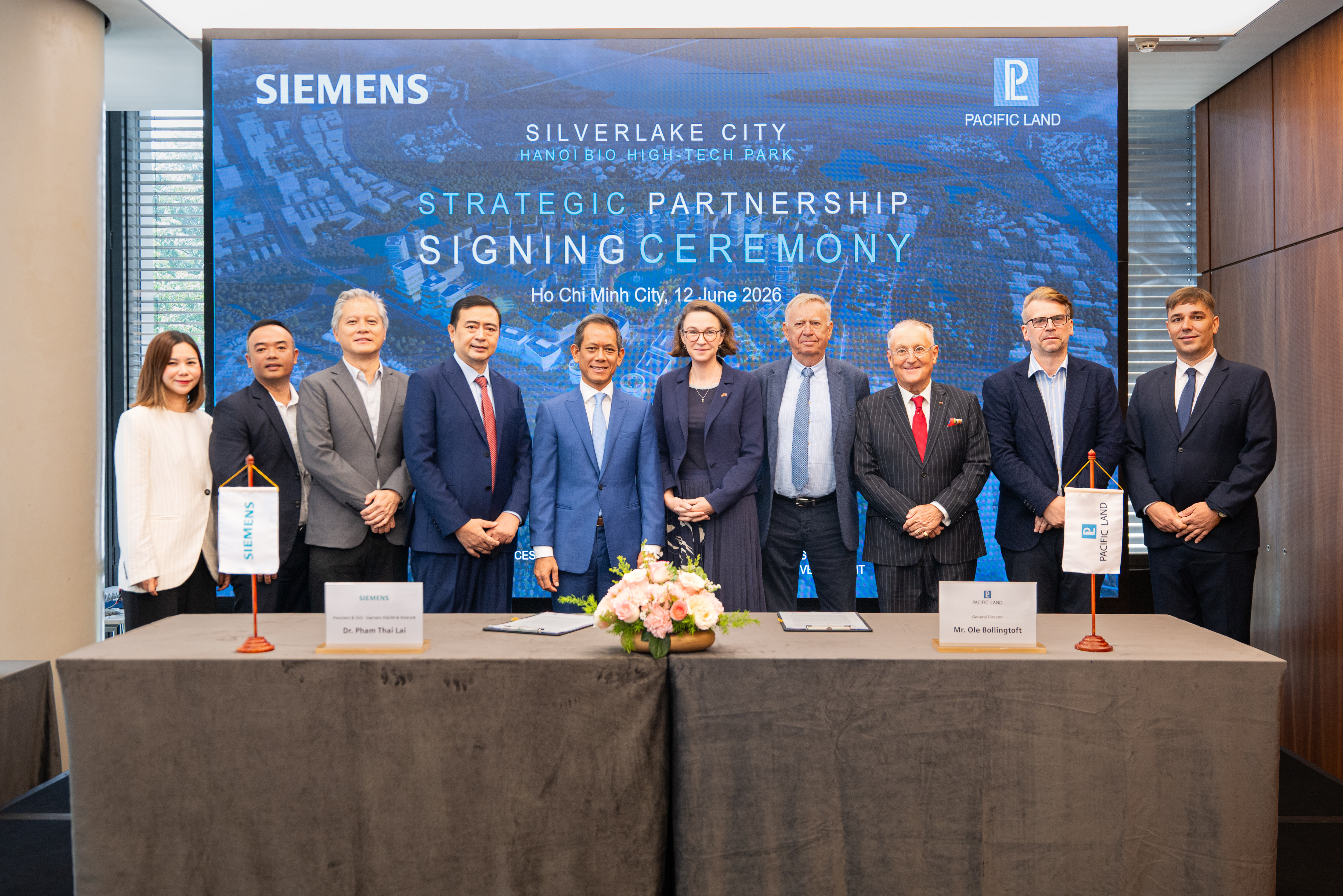
Siemens and Pacific Land will transform Silverlake Bio Hi-Tech Park into a smart, sustainable innovation hub supporting Vietnam’s high-tech growth ambitions.
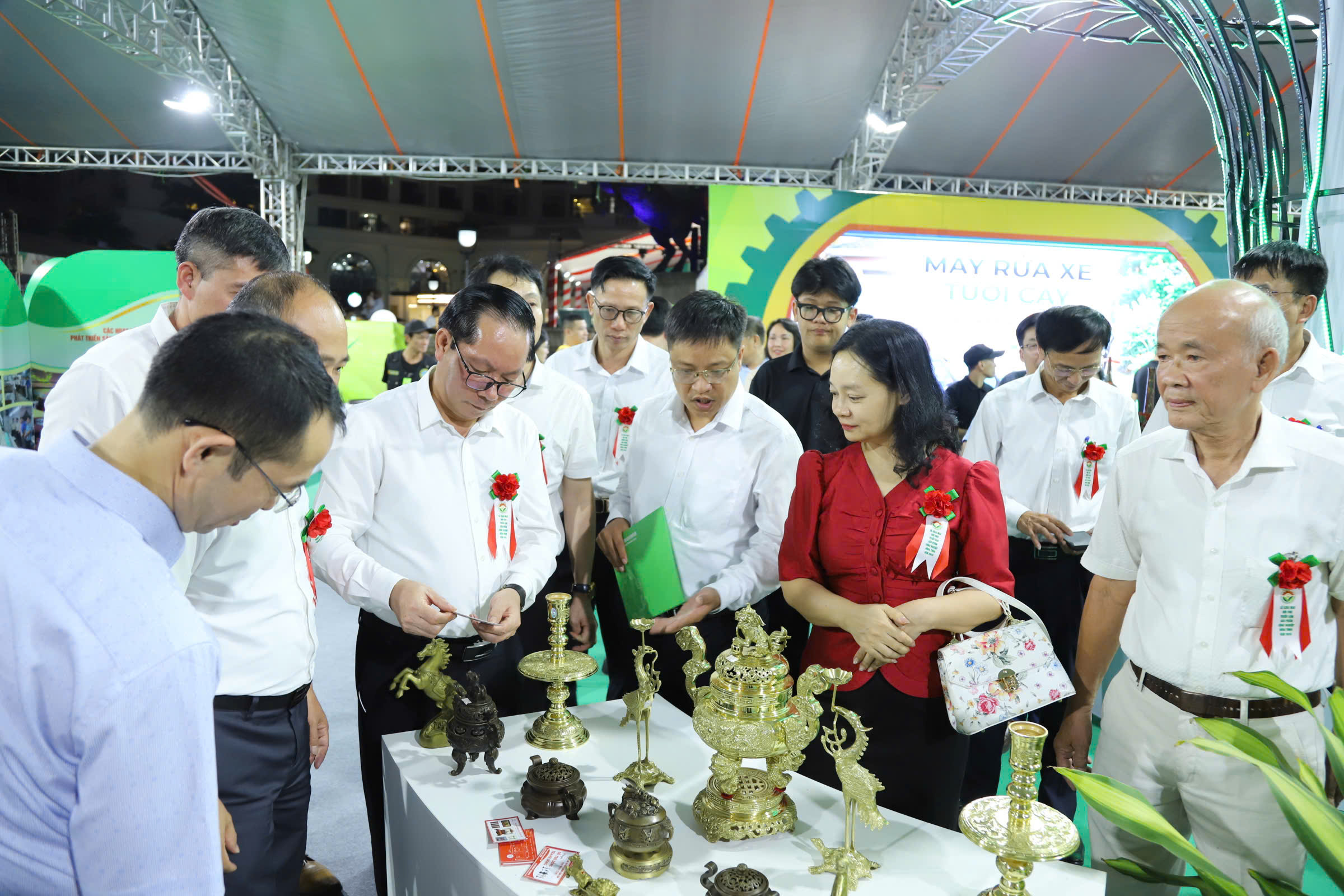
The Rural Industrial Products Fair and Exhibition 2026 has attracted more than 300 booths from provinces and cities across the country, helping promote outstanding rural industrial products, strengthen business connections, and expand consumer markets.
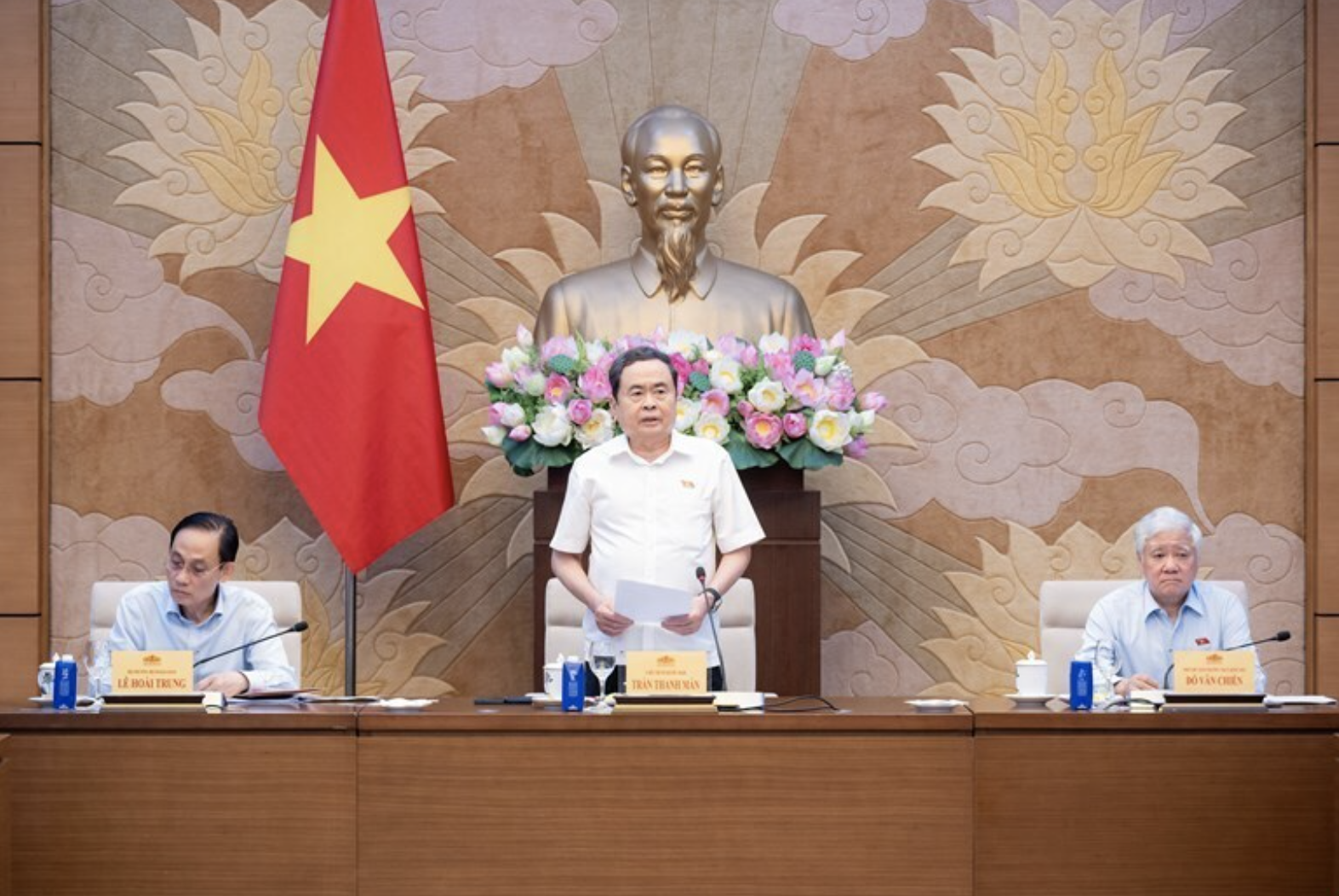
National Assembly Chairman Tran Thanh Man stressed that in the country's new stage of development, foreign affairs must not only contribute to safeguarding the nation from an early stage and from afar, but also serve as a key driver of development.
The Rural Industrial Products Fair and Exhibition 2026 has attracted more than 300 booths from provinces and cities across the country, helping promote outstanding rural industrial products, strengthen business connections, and expand consumer markets.
To further enhance the effectiveness of the national industrial promotion program, representatives from provincial Departments of Industry and Trade have proposed increasing support expenditures during the 2026-2030 period to align with the growing demands of digital transformation, green transition, and technological innovation at production facilities.
The Ministry of Industry and Trade (MoIT) delegation inspected TKV Minerals Corporation JSC (Vimico)’s 2026 storm-season preparations, highlighting AI-based monitoring and early warning systems to strengthen mine safety efforts