Refining oil and gas policy is an urgent task to address emerging challenges, unlock investment, and ensure energy security and sustainable development.
Refining oil and gas policy: An urgent imperative
The conference was convened to gather multi-dimensional input from regulatory authorities, localities, the business community, oil and gas contractors, associations, and experts, serving as a foundation for finalizing the policy dossier before submission to competent authorities for consideration.
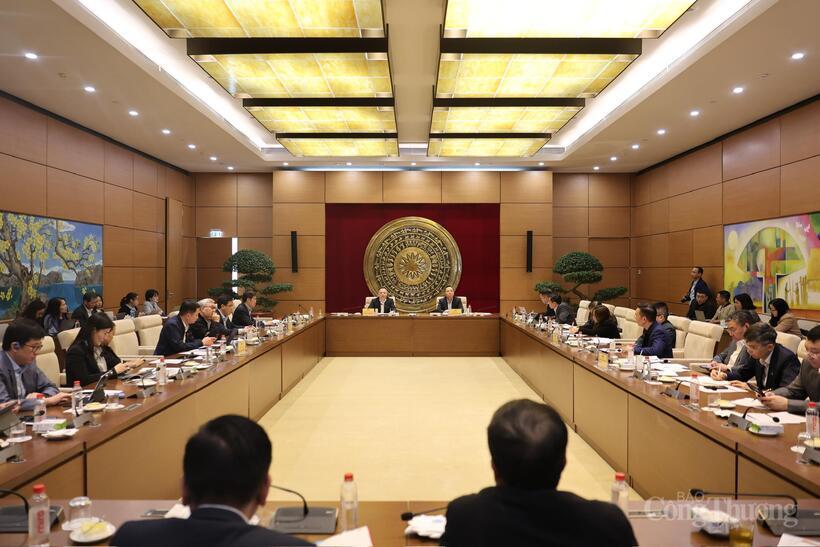
An overview of the conference. Photo: Quynh Trang
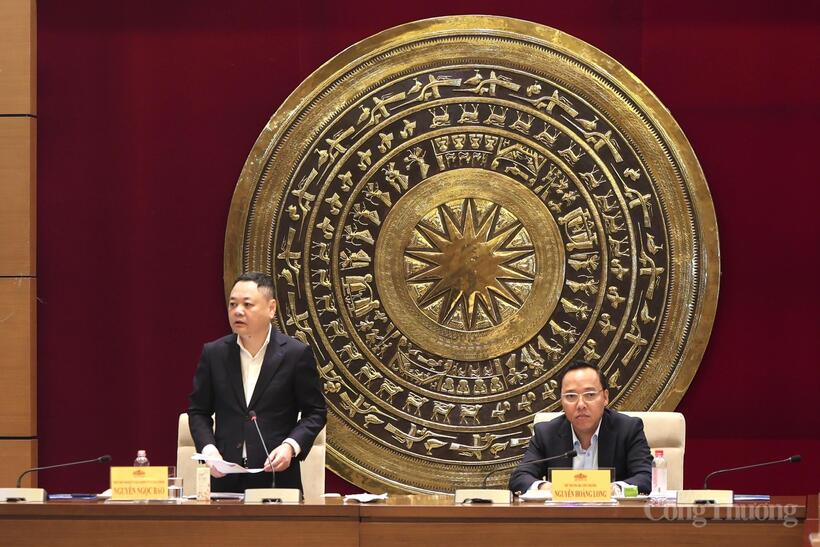
The event was co-chaired by Nguyen Ngoc Bao, Deputy Chairman of the National Assembly’s Economic and Financial Committee, and Nguyen Hoang Long, Deputy Minister of Industry and Trade. Participants included representatives from the Standing Members of National Assembly committees, the Ethnic Council, central ministries and agencies, National Assembly delegations from several localities, along with the Vietnam National Industry - Energy Group (Petrovietnam), oil and gas enterprises, contractors, associations, research institutes, and related organizations.
Against the backdrop of mounting challenges facing Vietnam’s oil and gas sector from declining reserves and rising extraction costs to the growing imperative of energy transition, the conference was seen as a crucial step toward strengthening the policy foundation. The goal is to ensure that the Oil and Gas Law remains closely aligned with practical realities while also consistent with renewed approaches to law-making in the country’s new development phase.
Addressing the conference, Deputy Minister Nguyen Hoang Long noted that the drafting of the amended Oil and Gas Law is taking place in a new national context, shaped by strategic resolutions of the Politburo that are exerting far-reaching influence on the energy sector as a whole and the oil and gas industry in particular. Firmly safeguarding national energy security has been identified as a fundamental pillar for national development, closely linked to the requirement for rapid and sustainable growth in the years ahead.
Deputy Chairman Nguyen Ngoc Bao and Deputy Minister Nguyen Hoang Long co-chair the conference. Photo: Quynh Trang
The 2022 Oil and Gas Law, which took effect on July 1, 2023, established a relatively comprehensive legal framework for basic surveys, exploration, appraisal, and production activities. However, its implementation has revealed a number of difficulties and bottlenecks under new conditions.
Most existing oil and gas fields have entered a phase of production decline, while new discoveries are largely small or marginal fields located in deepwater and offshore areas with complex geology, high investment costs, and elevated risks. At the same time, geopolitical volatility, unpredictable global oil and gas prices, and the accelerating global energy transition are directly influencing investment decisions by international contractors.
In addition, certain provisions of the 2022 Oil and Gas Law are not fully synchronized with recently enacted laws such as the Investment Law, Bidding Law, Land Law, and Environmental Protection Law, leading to overlaps in implementation, prolonged procedures, and higher compliance costs.
A review of the Law’s implementation indicates that, despite positive outcomes in resource management, budget contributions, and energy security, administrative procedures in the oil and gas sector remain multi-layered. Some appraisal and approval stages are still protracted and have yet to keep pace with the fast-changing and highly specialized nature of oil and gas operations.
Deputy Chairman Nguyen Ngoc Bao stressed the need to continue refining the legal framework toward a more favorable, healthy, and equitable investment and business environment. He underscored the importance of renewing legislative thinking so that laws focus on stable, long-term principles, while technical and frequently changing matters are delegated to the Government and competent authorities alongside stronger decentralization, innovation, science and technology advancement, and digital transformation in the oil and gas sector.
Furthermore, existing petroleum contract mechanisms do not fully cover complex, marginal, or late-life fields, while current investment incentives are not sufficiently attractive to encourage participation in high-risk projects. Notably, the 2022 Oil and Gas Law lacks a comprehensive legal framework for greenhouse gas emission reduction, carbon capture, and storage, an increasingly urgent requirement as Vietnam has committed to achieving net-zero emissions by 2050.
Unlocking resources
At the conference, the Ministry of Industry and Trade reaffirmed that amending the Oil and Gas Law aims to establish a stable, transparent, and highly competitive legal framework that harmonizes the interests of the State, investors, and society. The guiding principle is to promote decentralization in tandem with stronger post-inspection and power control. The Law will set out long-term principles, while detailed and dynamic provisions will be assigned to the Government and relevant authorities.
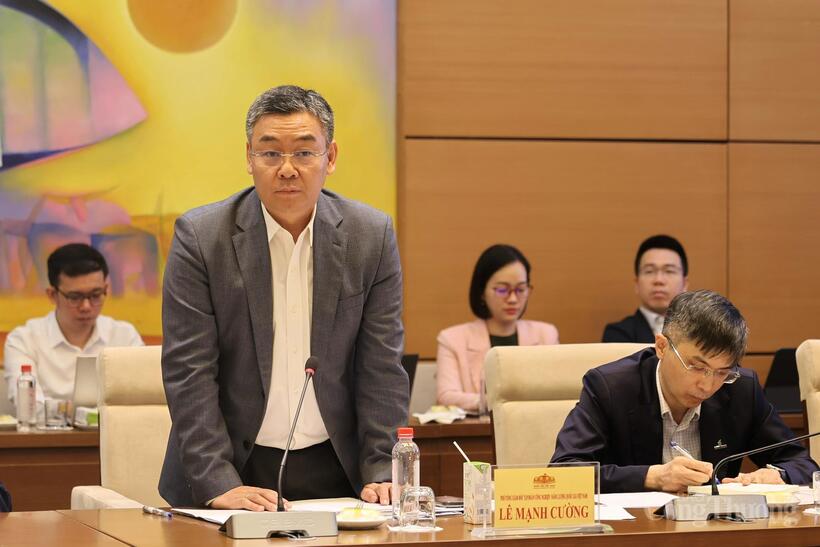
Le Manh Cuong, Deputy General Director of Petrovietnam. Photo: Quynh Trang
Representing the business community, Le Manh Cuong, Deputy General Director of Petrovietnam, noted that the 2022 Oil and Gas Law marked an important step forward, creating space for sectoral activities in recent years. However, rapid changes in the energy landscape now require a legal framework that is more adaptive to market volatility, technological progress, and offshore energy development trends.
He highlighted the growing similarities between the oil and gas value chain and offshore energy value chains, noting that both involve high technical requirements, stringent safety standards, offshore facility management, and critical national defense and security considerations. As such, an appropriate and coherent management approach is needed to avoid regulatory gaps as new offshore energy forms emerge.
The overarching objective of the amended Oil and Gas Law is to unlock investment resources, promote exploration and production, boost reserves and output, while ensuring energy security, maritime defense and security, and sustainable development.
The policy dossier focuses on five major policy groups:
- Streamlining procedures and enhancing decentralization in basic surveys and oil and gas activities.
- Supplementing and refining petroleum contract regulations.
- Improving investment incentive mechanisms, especially for technically and economically challenging fields.
- Encouraging the development of high-tech domestic oil and gas services.
- Establishing a legal framework for emission reduction, carbon capture, and storage.
Following extensive consultations with more than 120 agencies, organizations, localities, enterprises, and contractors, the majority of opinions strongly supported the necessity of amending the Law. These inputs emphasized clearer decentralization, strict management of areas sensitive to national defense and security, stronger environmental protection, and greater legal coherence. The Ministry of Industry and Trade has incorporated and clarified these views in the finalized policy dossier.
Ultimately, amending the Oil and Gas Law is not merely about resolving immediate bottlenecks, but about laying a strategic, long-term foundation. A coherent, flexible, and transparent legal framework will enable Vietnam’s oil and gas sector to adapt to new realities, utilize resources effectively, attract investment, and contribute meaningfully to national energy security and sustainable development goals.
Ministry of Industry and Trade (MoIT) held a technical consultation in Hanoi on reviewing and adjusting the design of Vietnam’s competitive electricity market.
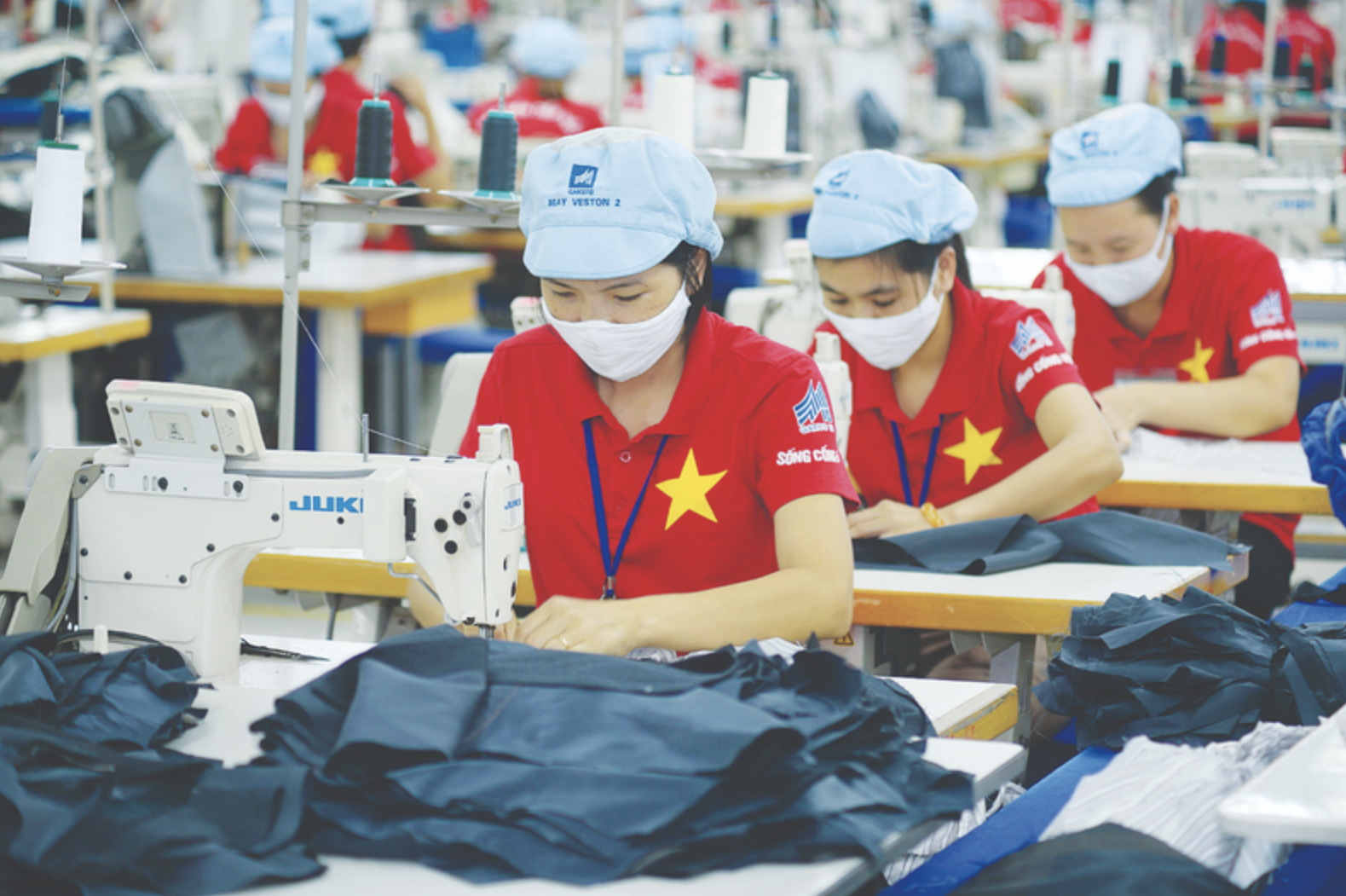
Textiles and garments continued to be one of Vietnam’s leading export categories to the Russian market in the first five months of 2026, generating export revenue of more than USD 106.99 million.
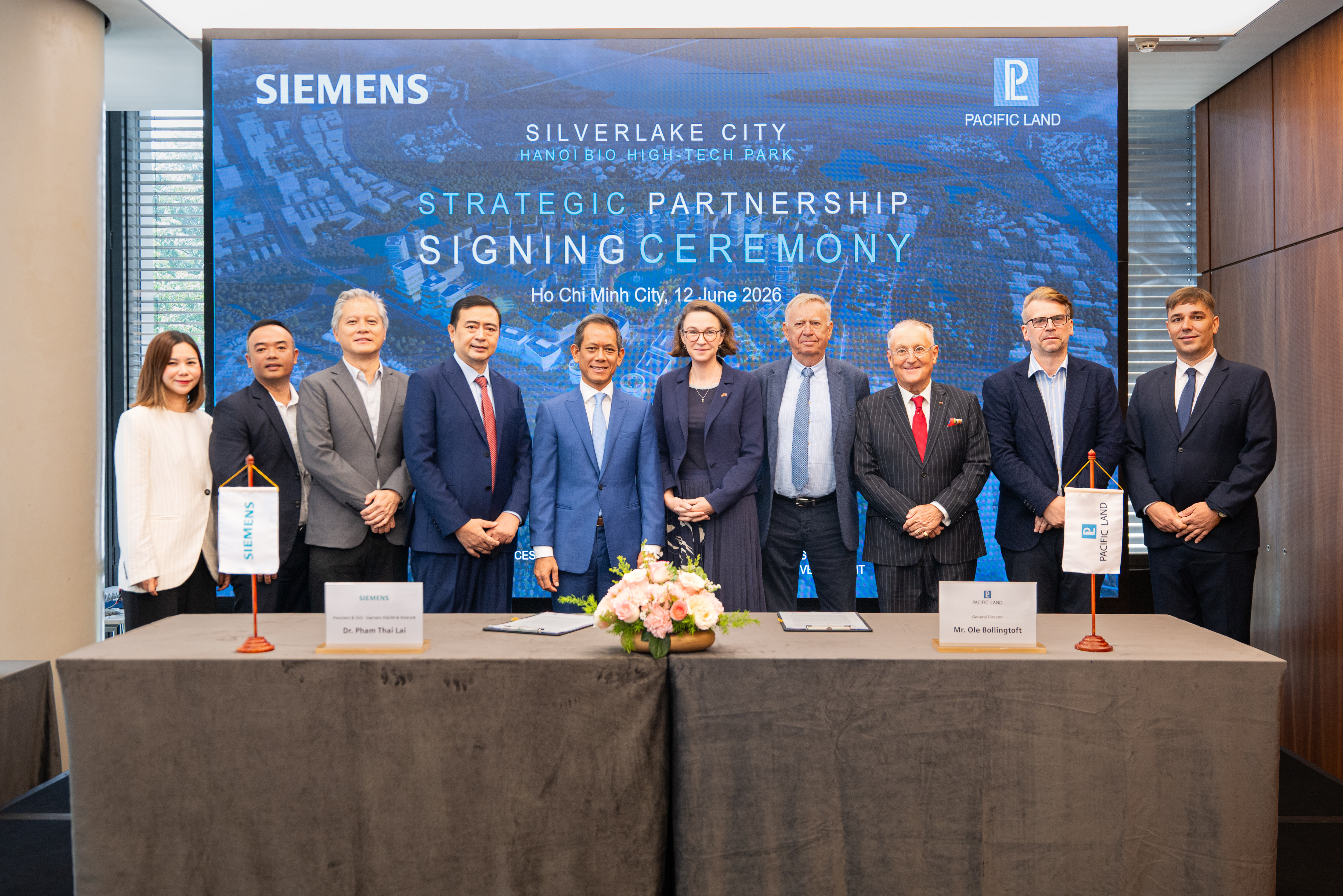
Siemens and Pacific Land will transform Silverlake Bio Hi-Tech Park into a smart, sustainable innovation hub supporting Vietnam’s high-tech growth ambitions.
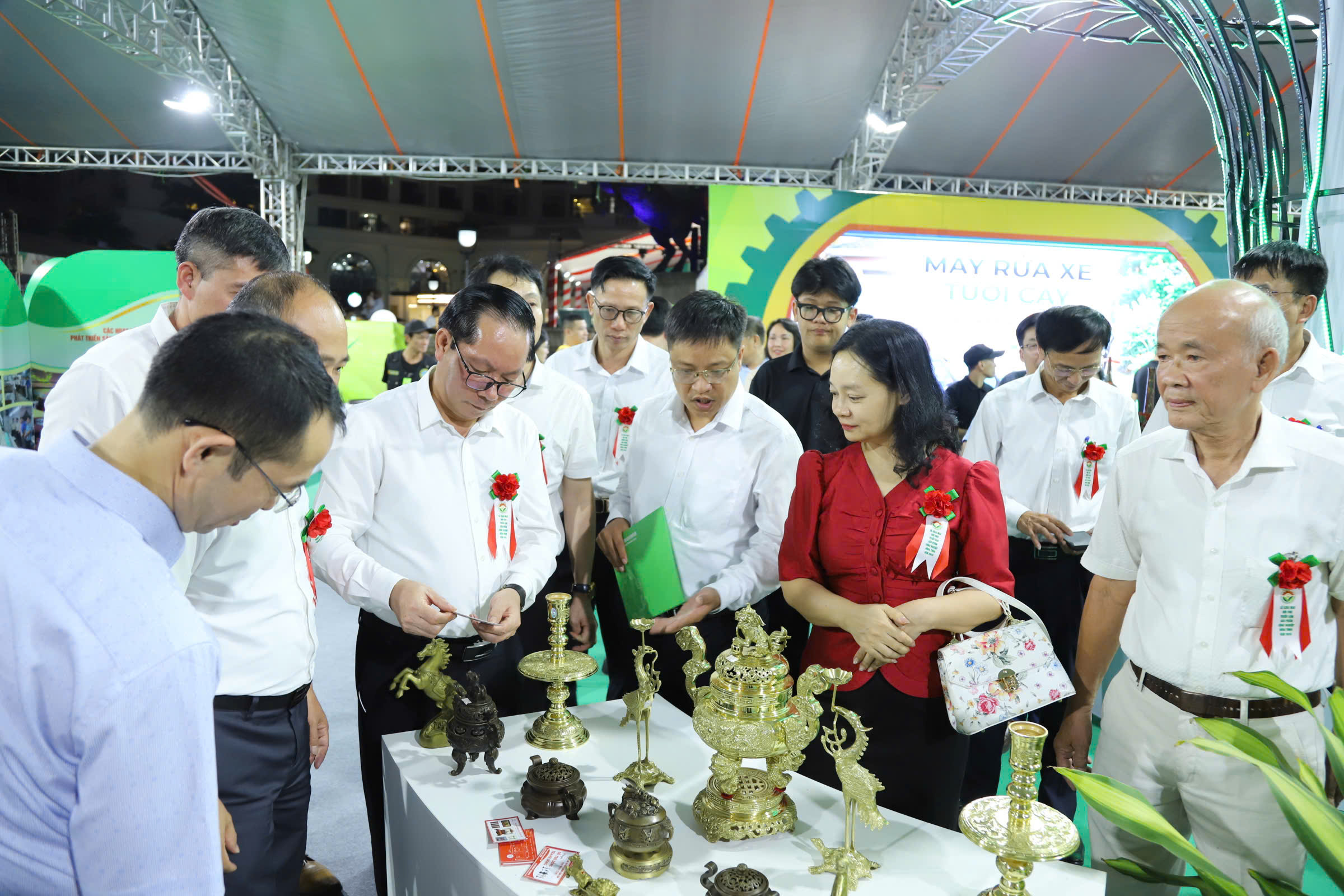
The Rural Industrial Products Fair and Exhibition 2026 has attracted more than 300 booths from provinces and cities across the country, helping promote outstanding rural industrial products, strengthen business connections, and expand consumer markets.
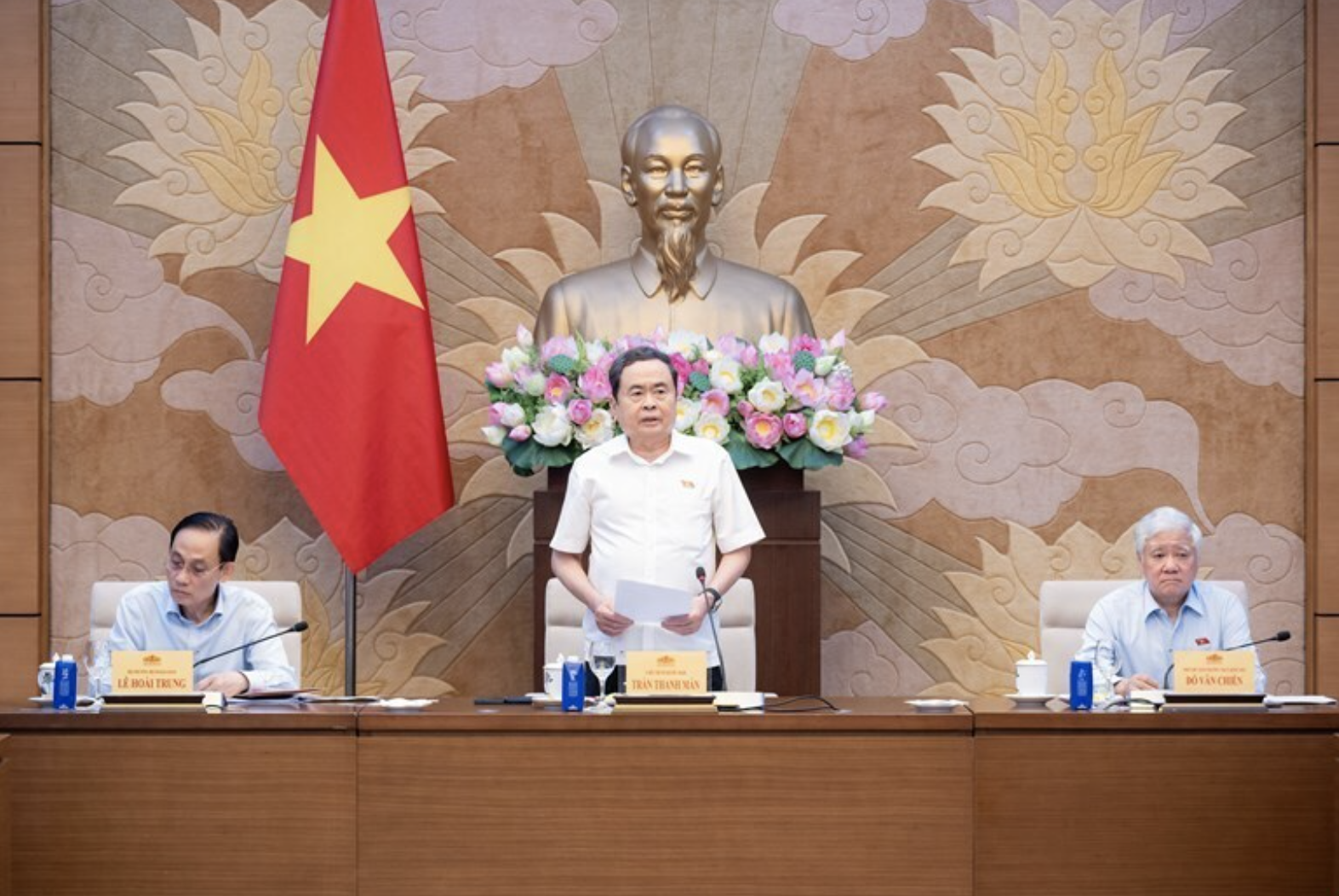
National Assembly Chairman Tran Thanh Man stressed that in the country's new stage of development, foreign affairs must not only contribute to safeguarding the nation from an early stage and from afar, but also serve as a key driver of development.
The Rural Industrial Products Fair and Exhibition 2026 has attracted more than 300 booths from provinces and cities across the country, helping promote outstanding rural industrial products, strengthen business connections, and expand consumer markets.
To further enhance the effectiveness of the national industrial promotion program, representatives from provincial Departments of Industry and Trade have proposed increasing support expenditures during the 2026-2030 period to align with the growing demands of digital transformation, green transition, and technological innovation at production facilities.
The Ministry of Industry and Trade (MoIT) delegation inspected TKV Minerals Corporation JSC (Vimico)’s 2026 storm-season preparations, highlighting AI-based monitoring and early warning systems to strengthen mine safety efforts