Mastering core components and scaling up production are key for Vietnam’s supporting industries to break through and join global supply chains
As supporting industries play a pivotal role in developing the manufacturing sector and enhancing national competitiveness, Vietnam is making strong efforts to promote deeper participation of domestic enterprises in global supply chains. To clarify the opportunities, challenges and development orientations for businesses in the sector, Vietnam Economic News spoke conducted an interview with Vu Dang Khoa, Deputy General Director of JK Industry Joint Stock Company.
- It is known that JK has been involved in the field of manufacturing spare parts and components for motor vehicles for nearly 20 years and has now become a supplier of many major brands such as Honda, Yamaha and Piaggio. Can you share JK's journey from the early days of entering the supporting industry until approaching and gradually successfully participating in the supply chain of car manufacturers?
Vu Dang Khoa: Since its establishment in 2007, JK recognized the strong growth trend of the manufacturing industry and the rising demand for supporting industries, particularly in the motorcycle and automobile sectors. At the same time, foreign enterprises such as Honda and Yamaha were expanding their investment in Vietnam, motivating JK to position itself as a component manufacturer for this industry. In our view, any product or industrial sector requires a supporting-industry ecosystem. Once a company has built a technical foundation and production capability within one value chain, transitioning to another industry becomes much easier, requiring mainly additional investment in new technologies.
When starting production, a business must clearly define its objectives and choose an appropriate path, whether to join FDI supply chains or focus on the domestic market. To become a global supplier, the first step is to establish a strong foothold at home. So far, JK has entered multiple international supply chains but continues to set targets for expanding into other industrial sectors. In its 5 to 10 year plan, JK will invest in technology to gradually move into product groups with higher requirements, including fields such as aviation
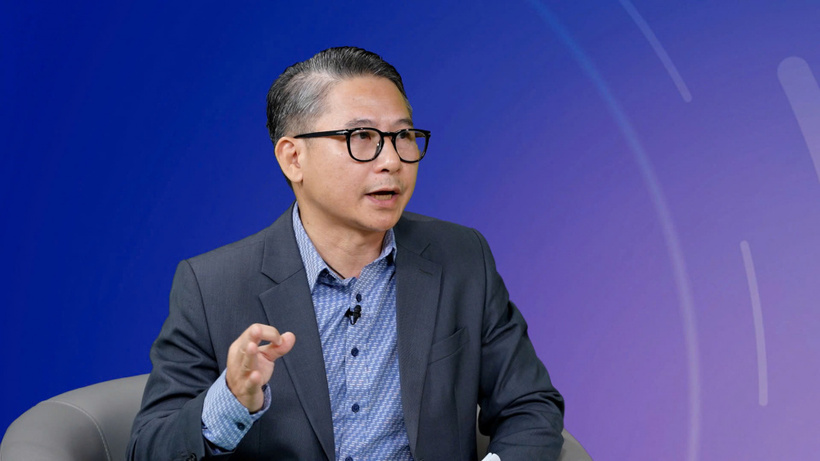
Vu Dang Khoa, Deputy General Director of JK Industrial Joint Stock Company
- Sir, with many years of cooperation with multinational corporations, how does JK view the system of standards that FDI enterprises and international partners apply to suppliers in the supporting industry, especially automobiles and motorbikes? To meet those requirements, what solutions has JK implemented and how has the enterprise received support during this process?
Vu Dang Khoa: In terms of standards, from a technical perspective, it is not a matter of being easy or difficult. The main challenge lies in whether a company’s existing technology can meet tolerance requirements. When JK shifted from manufacturing motorcycle components to automobile components, we immediately faced higher precision demands. As we explored expanding into office equipment such as photocopiers, the requirements became even more stringent. And if we move toward supplying the aviation industry, tolerances will be tightened further still. What matters is that a business must clearly determine where it stands within the technological chain in order to set an appropriate investment roadmap
When faced with complex technical challenges, JK always chooses to work directly with the customer's R&D department rather than communicating only between the two business teams. Only when engineers from both sides sit together to analyze the design intent, product functions and the possibility of adjusting tolerances or dimensions can an optimal solution be found. In many cases, the initial design is based on old habits or inherited models and through joint discussions, both sides can revise it to reduce costs while still meeting technical requirements.
Another experience is that JK proactively invites design engineers from partners in South Korea, Japan or the United States to visit Vietnam. When they directly observe our production lines and technologies, they gain an accurate understanding of our actual manufacturing capabilities. As a result, subsequent designs align more closely with the capabilities of Vietnamese suppliers, significantly reducing quality issues and minimizing unnecessary, prolonged rounds of discussion.
Regarding standards, each country has its own system, such as Japan’s JIS, China’s GB, Europe’s EN or the United States ASTM. If a company mechanically tries to follow each standard one by one, it will disrupt its entire internal quality management and technological system. Therefore, JK adopts a more flexible approach by comparing standards to identify their technical equivalence. When we can demonstrate that a commonly used material in Vietnam has properties equivalent to the standard required by the customer and does not affect product performance, we can fully propose a substitution. This approach is both practical and cost-optimal for customers.
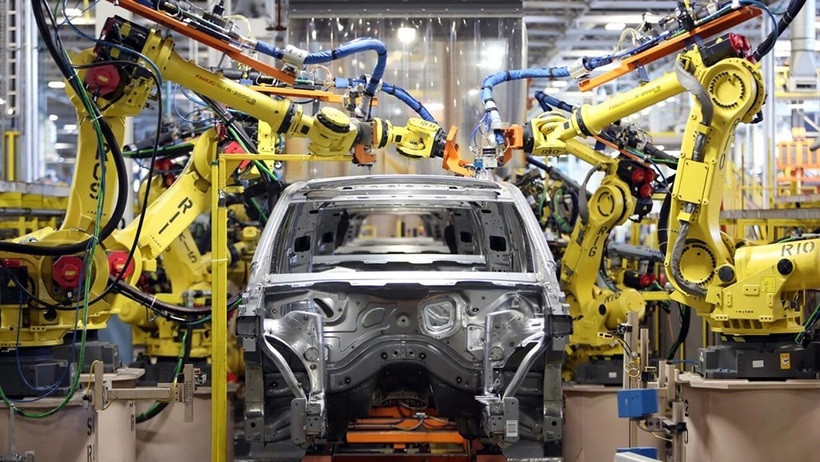
Expanding production combined with mastering component technology helps supporting industry enterprises improve quality standards, reduce costs and anticipate market demand.
- In the coming period, what are JK’s business and production objectives to continue developing and expanding its markets? At the same time, what recommendations does the company have regarding the legal framework and support policies for the development of supporting industries and what expectations does it have for continued cooperation from regulatory agencies and local authorities?
Vu Dang Khoa: From our observation, the domestic market still has significant potential. Vietnam consumes about 2.4 million motorcycles each year and FDI enterprises continue to expand their search for suppliers, giving domestic companies ample opportunities to participate more deeply in supply chains. In addition to the domestic market, businesses also need to consider exports, as we have the capability to do so
An important step is shifting from single-part production to producing component clusters that include mechanical, plastic and rubber parts. Mastering these clusters helps reduce costs, better control tolerances and lays the foundation for producing complete products in the future. In the short term, a reasonable goal is to master component clusters, while the complete-product strategy can be set for the next 5 to 10 years.
Regarding policy, the government has advocated the development of supporting industries but businesses hope that policies will be more specifically detailed for each aspect and element, providing clear incentives and encouraging companies to boldly invest and expand both domestically and internationally.
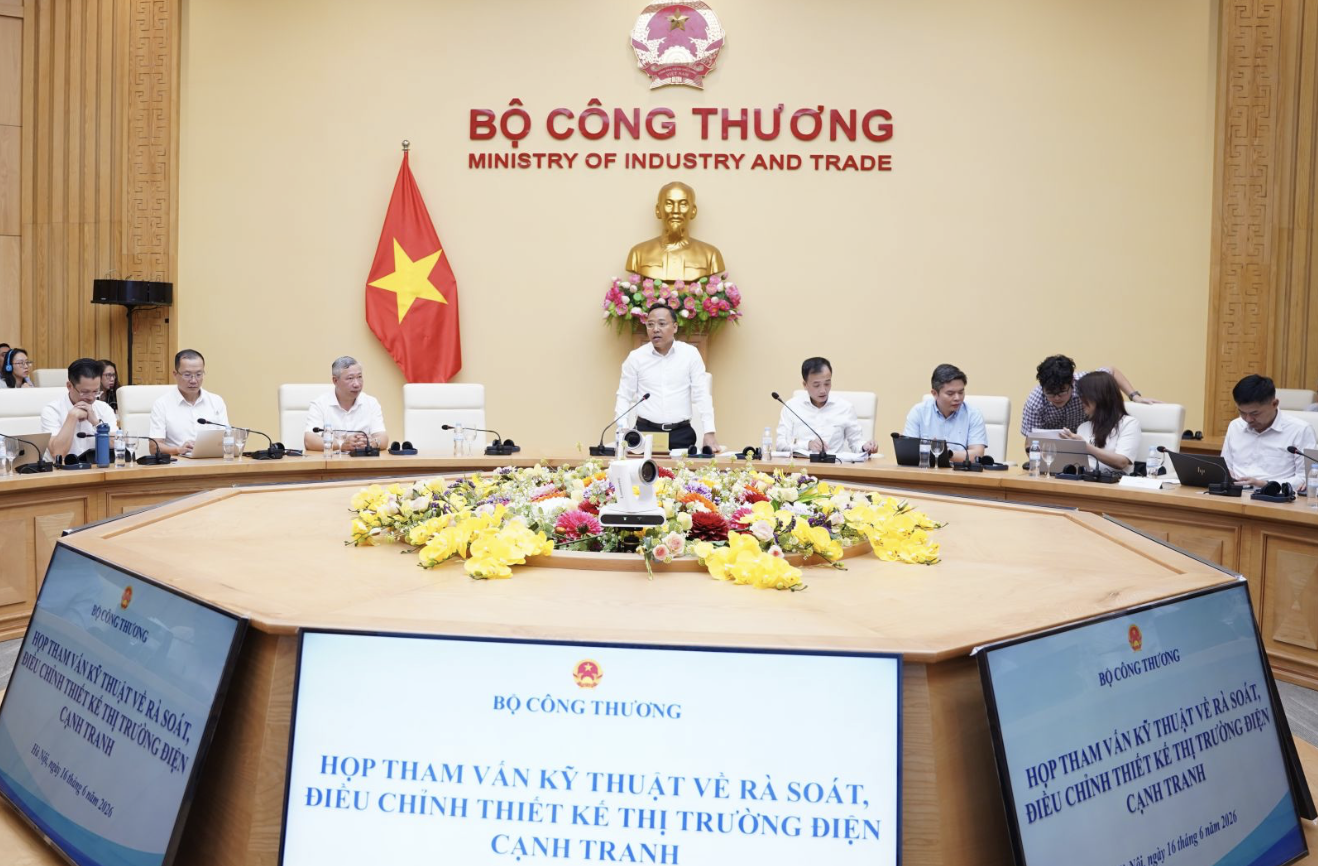
Ministry of Industry and Trade (MoIT) held a technical consultation in Hanoi on reviewing and adjusting the design of Vietnam’s competitive electricity market.
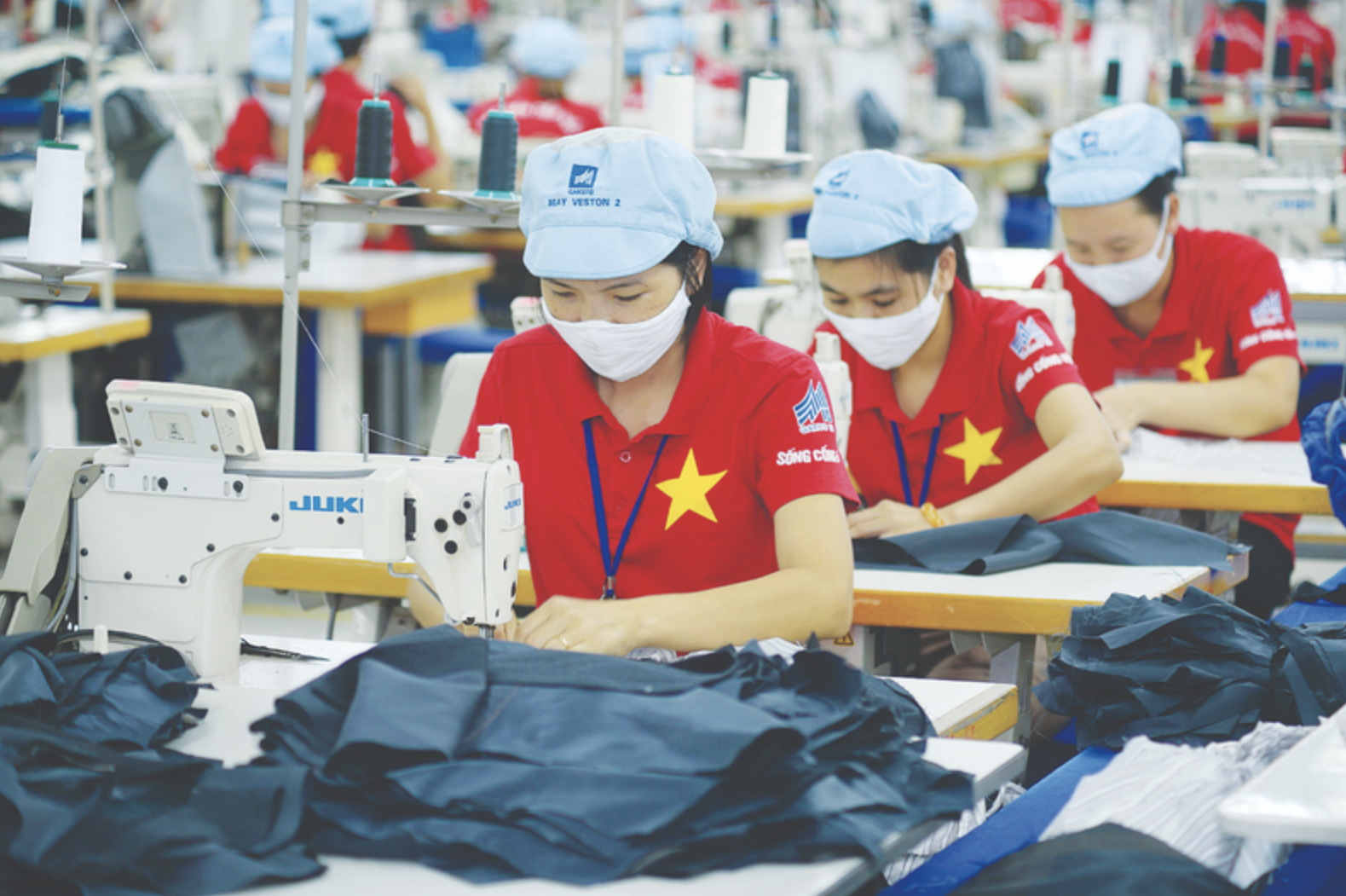
Textiles and garments continued to be one of Vietnam’s leading export categories to the Russian market in the first five months of 2026, generating export revenue of more than USD 106.99 million.
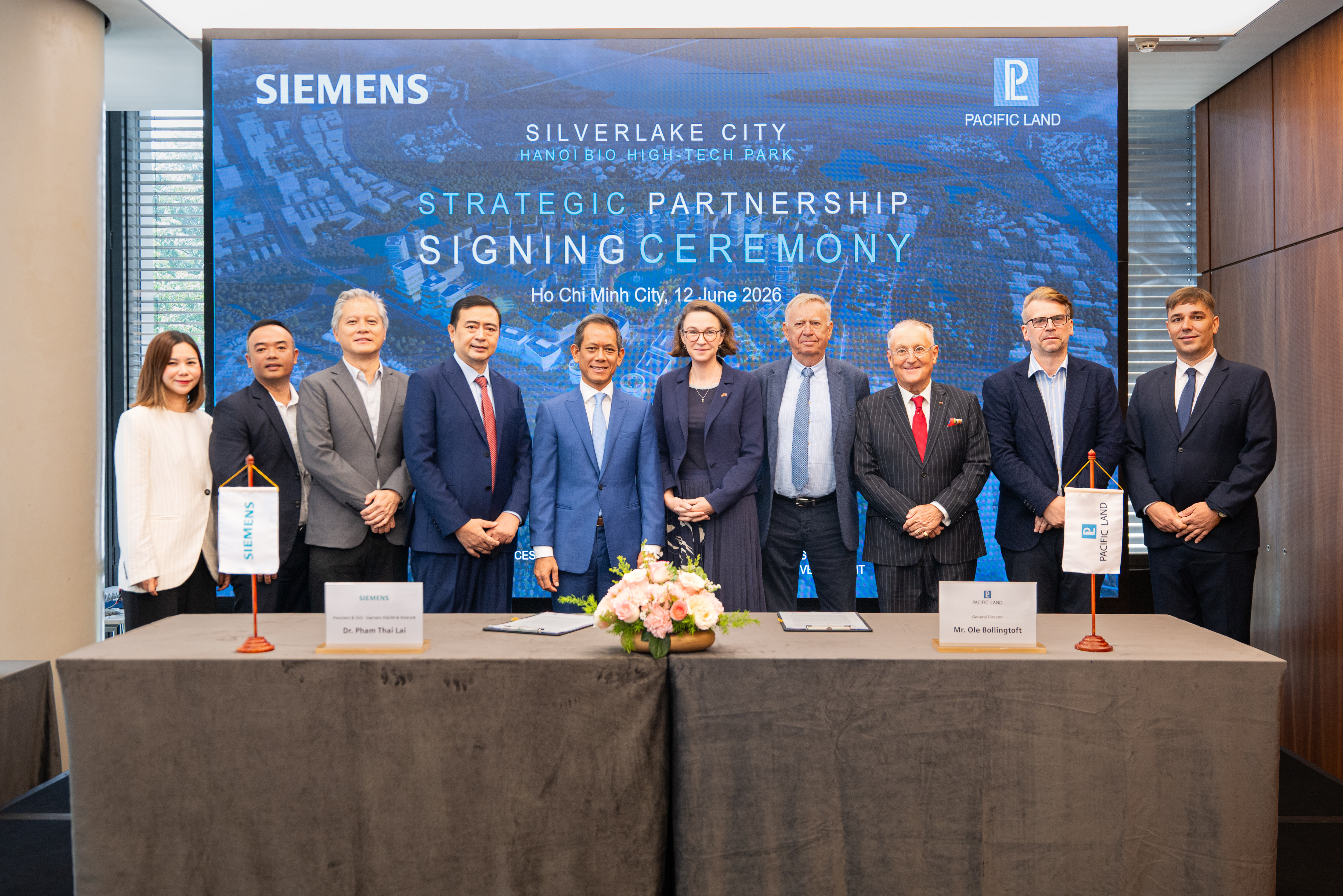
Siemens and Pacific Land will transform Silverlake Bio Hi-Tech Park into a smart, sustainable innovation hub supporting Vietnam’s high-tech growth ambitions.
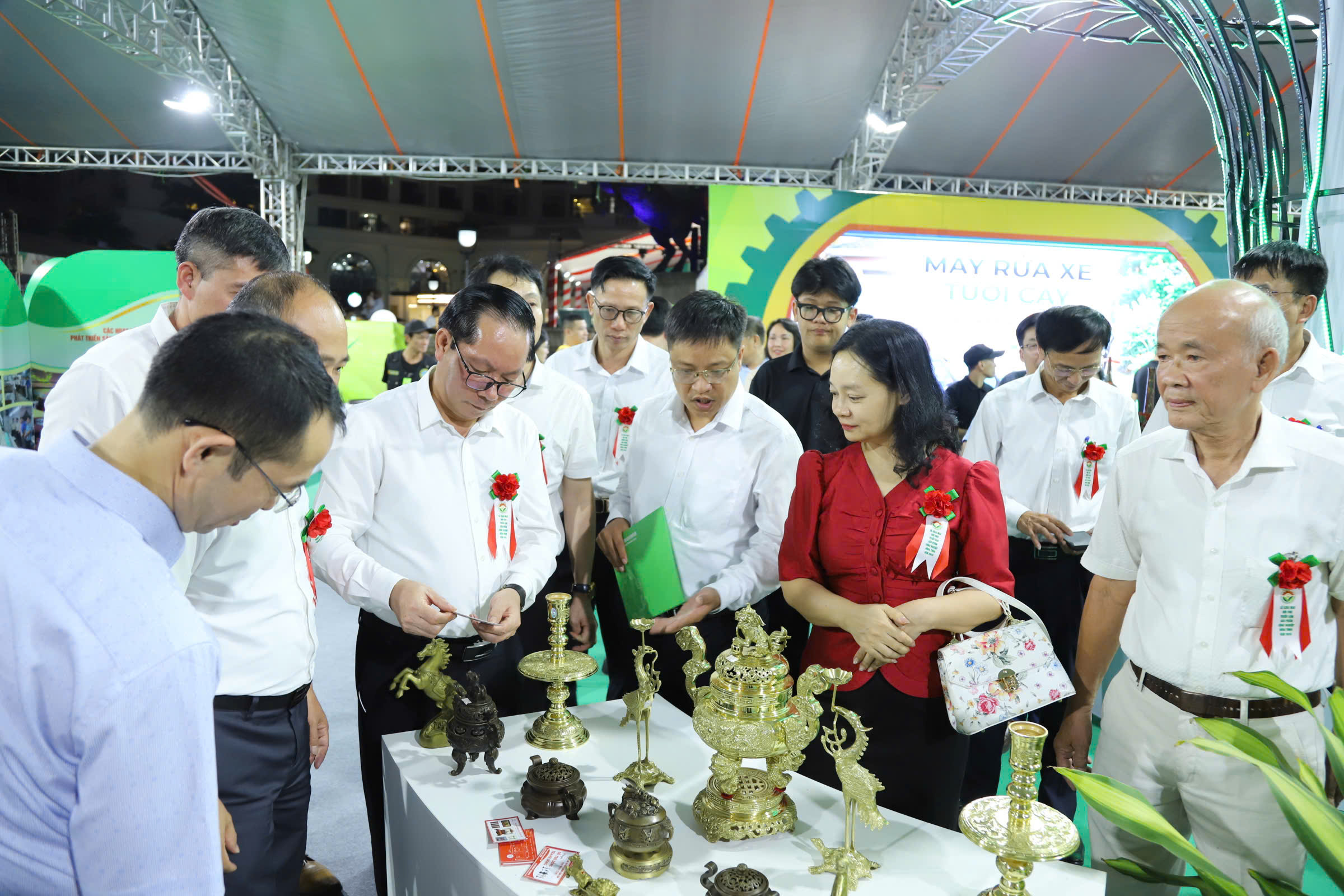
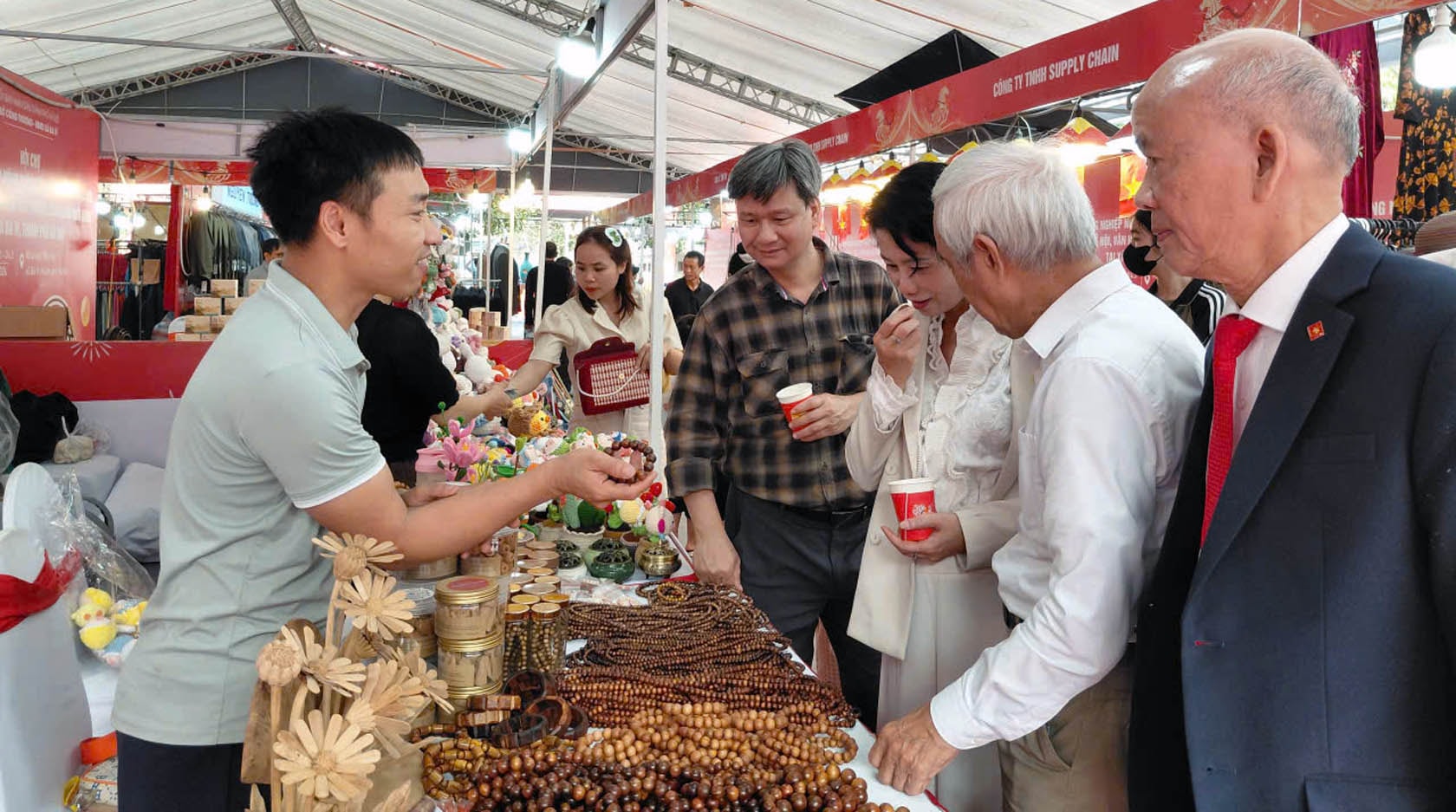
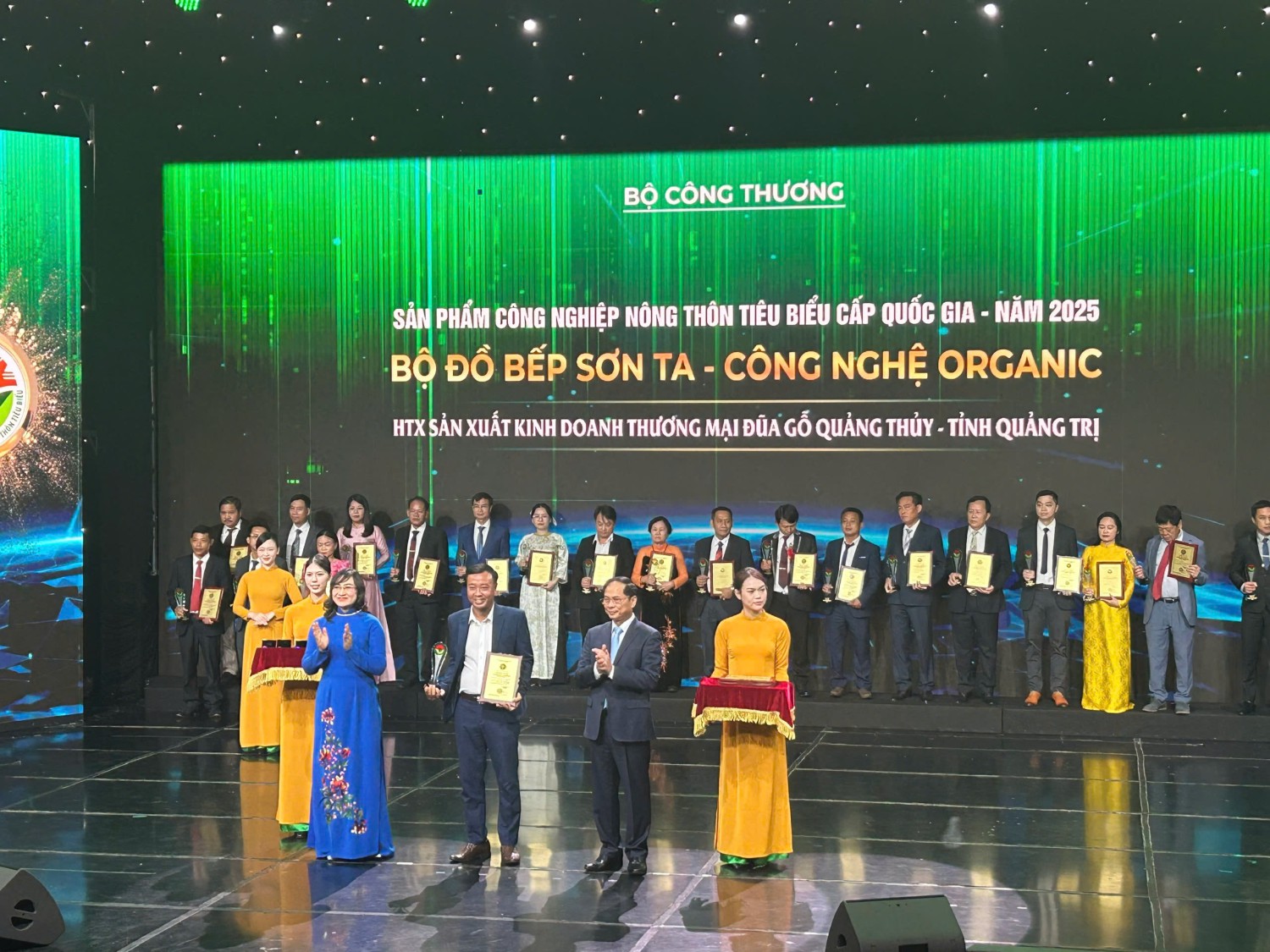
The Rural Industrial Products Fair and Exhibition 2026 has attracted more than 300 booths from provinces and cities across the country, helping promote outstanding rural industrial products, strengthen business connections, and expand consumer markets.
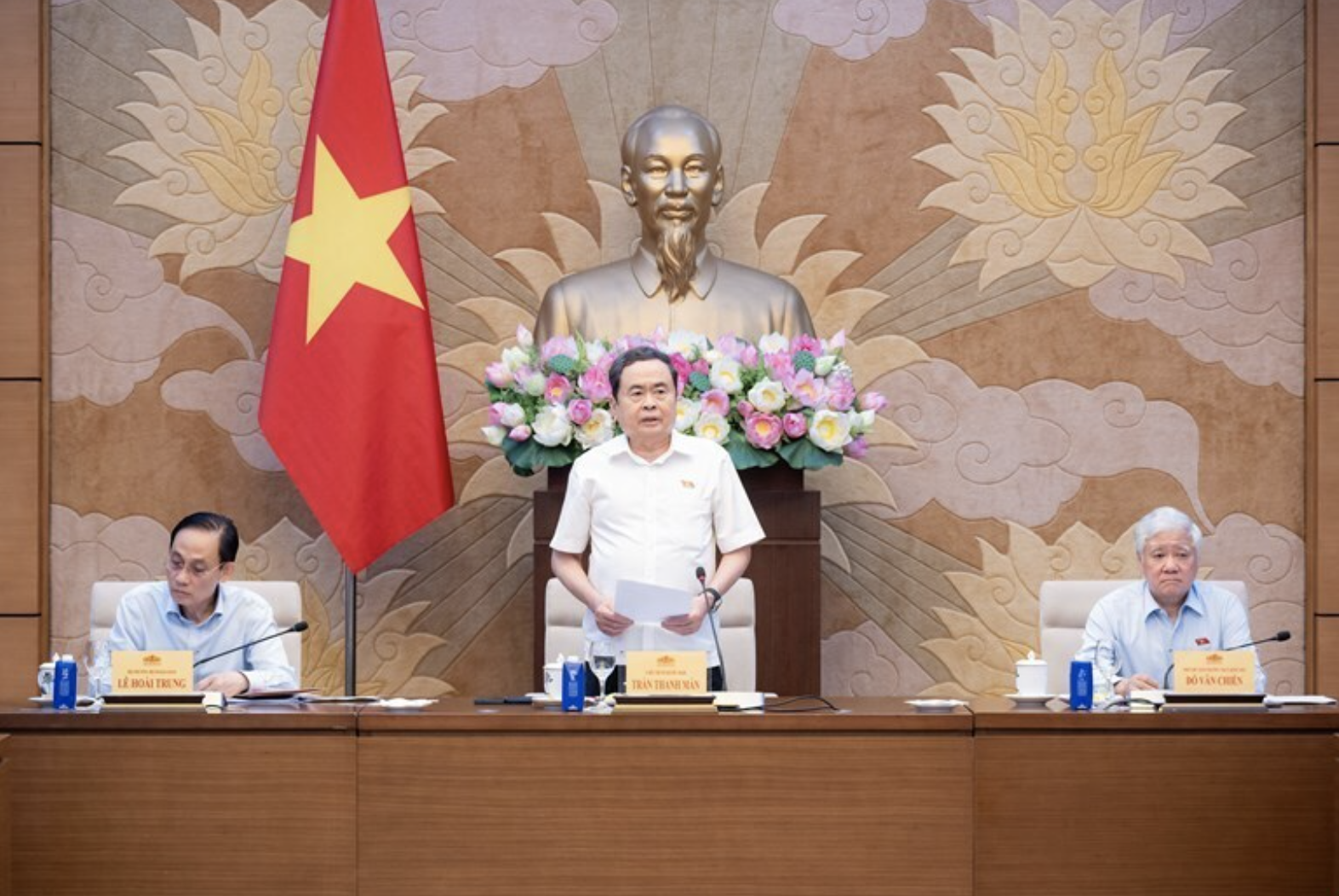
National Assembly Chairman Tran Thanh Man stressed that in the country's new stage of development, foreign affairs must not only contribute to safeguarding the nation from an early stage and from afar, but also serve as a key driver of development.
The Rural Industrial Products Fair and Exhibition 2026 has attracted more than 300 booths from provinces and cities across the country, helping promote outstanding rural industrial products, strengthen business connections, and expand consumer markets.
To further enhance the effectiveness of the national industrial promotion program, representatives from provincial Departments of Industry and Trade have proposed increasing support expenditures during the 2026-2030 period to align with the growing demands of digital transformation, green transition, and technological innovation at production facilities.
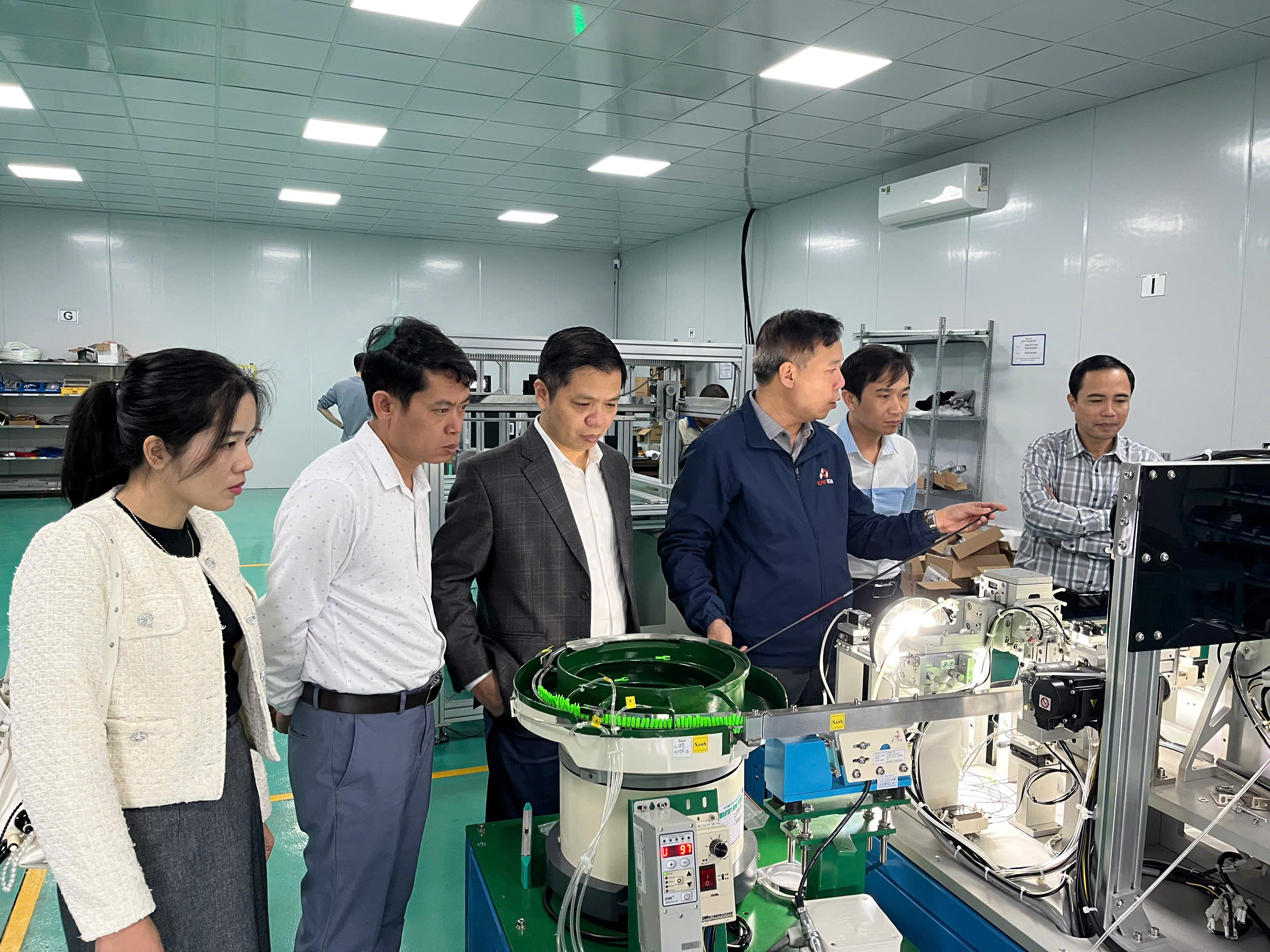
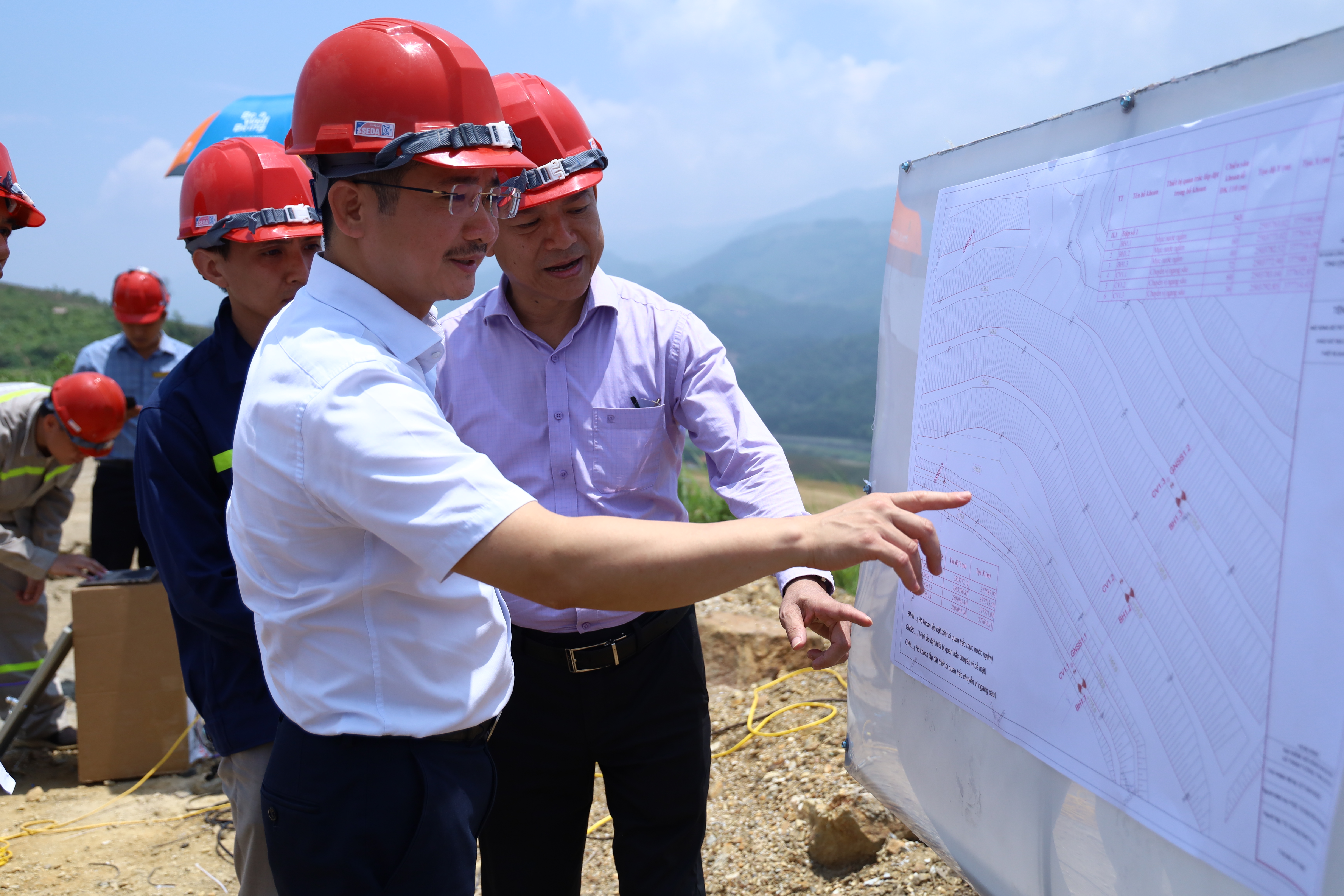
The Ministry of Industry and Trade (MoIT) delegation inspected TKV Minerals Corporation JSC (Vimico)’s 2026 storm-season preparations, highlighting AI-based monitoring and early warning systems to strengthen mine safety efforts