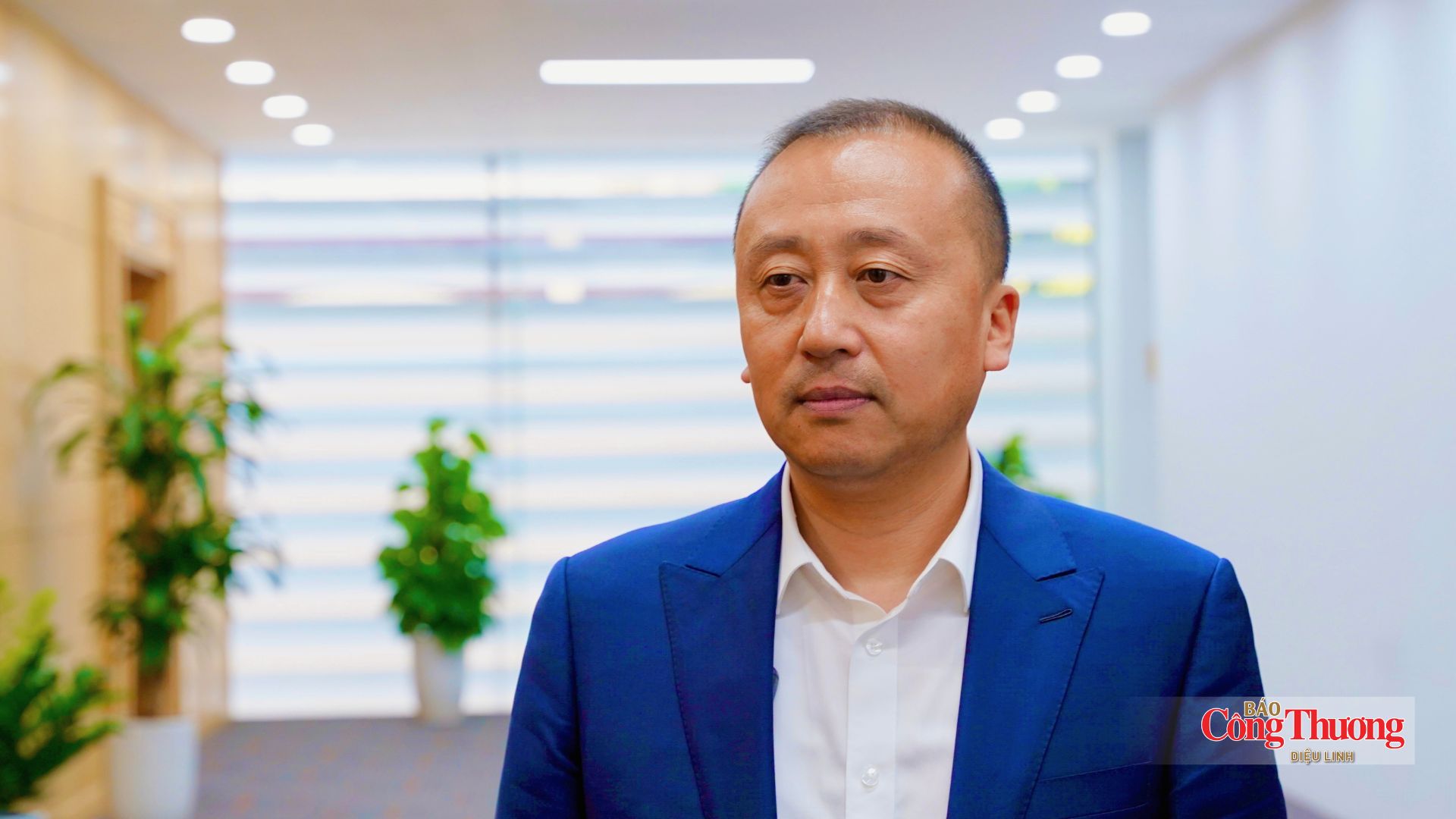
According to Dr. Nguyen Si Dung, Resolution No. 10-NQ/TW comes at a pivotal moment when Vietnam requires a qualitative transformation in its development thinking.
On June 8, 2026, on behalf of the Politburo, General Secretary and State President To Lam signed and promulgated Resolution No. 10-NQ/TW on the development of the foreign-invested economic sector.
To explore the significance and key innovations of the Resolution, a reporter from Newspaper of Industry and Trade, spoke with Dr. Nguyen Si Dung, a public policy expert, former Vice Chairman of the National Assembly Office, and member of the Prime Minister’s Advisory Group.
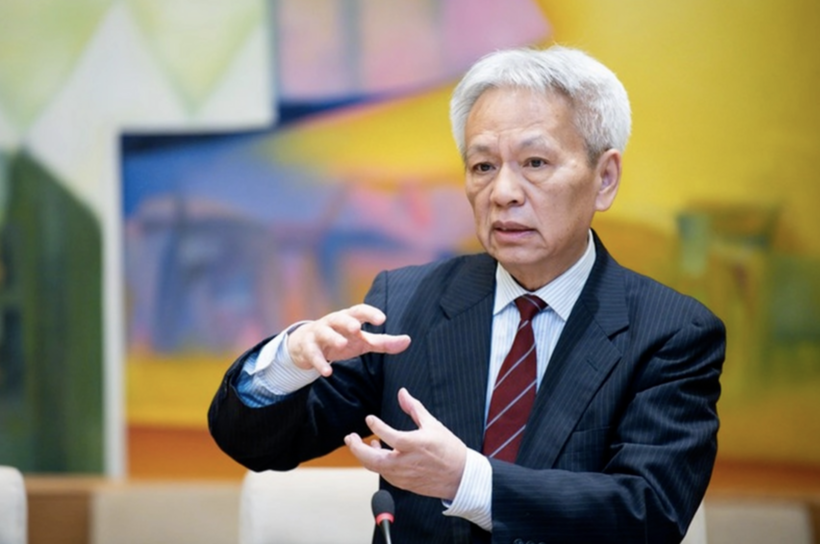
Dr. Nguyen Si Dung, public policy expert, former Vice Chairman of the National Assembly Office, and member of the Prime Minister’s Advisory Group
A qualitative transformation
-Resolution No. 10-NQ/TW calls for a decisive shift from a “capital-attraction mindset” to a “national strategic investment platform development mindset.” How do you assess the timing and urgency of this strategic transition?
Dr. Nguyen Si Dung: Resolution No. 10-NQ/TW arrives precisely when Vietnam needs a qualitative shift in its development mindset.
Over the past four decades of Doi Moi, attracting foreign direct investment (FDI) has been one of Vietnam’s greatest achievements, making substantial contributions to economic growth, exports, job creation, and international integration. However, the context has changed significantly.
Global competition for investment is becoming increasingly intense. Countries are no longer competing primarily through tax incentives or low-cost labour, but through institutional quality, human capital, innovation capacity, and positioning within global value chains.
Vietnam has set the goal of becoming a high-income developed nation by 2045. To achieve this ambition, the country must attract not only additional capital but also advanced technologies, management expertise, research and development capabilities, and future-oriented industries.
At the same time, the restructuring of global supply chains, digital transformation, the green transition, and intensifying technological competition are creating unprecedented opportunities for Vietnam to accelerate its development. If FDI continues to be viewed merely as a source of capital, the country risks missing those opportunities.
The shift from a “capital-attraction mindset” to a “national strategic investment platform development mindset” represents a fundamental transformation in policy thinking. What Vietnam needs today are projects that strengthen national competitiveness, foster innovation, support the growth of domestic enterprises, and create new engines of economic expansion, rather than simply increasing the number of FDI projects.
The key question is no longer, “How much investment can we attract?” but rather, “How can FDI help Vietnam advance to a higher stage of development?” That is both the strategic significance and the urgency of Resolution No. 10-NQ/TW.
-How will the transition from input-based incentives to performance-based support affect the mindset of multinational corporations considering investment in Vietnam?
Dr. Nguyen Si Dung: This shift will send a positive signal to multinational corporations pursuing long-term investment strategies.
In previous decades, many countries competed for FDI through input-based incentives such as tax breaks, land concessions, and various forms of direct support. While this approach proved effective for a time, it also revealed limitations, as not every heavily incentivised project generated substantial added value for the economy.
Moving towards a performance-based support mechanism marks an important advancement in policy thinking. The government will no longer provide incentives primarily on the basis of what investors promise to do, but on what they actually deliver. The greater a company’s contribution to innovation, technology transfer, high-quality workforce development, or domestic supply chain expansion, the greater the support it will receive.
For technology corporations and strategic investors, this is not a disadvantage. In reality, what concerns them more than tax incentives is policy stability, transparency in the investment environment, and long-term predictability.
The new mechanism makes support criteria clearer, fairer, and more closely linked to tangible outcomes. More importantly, it enables Vietnam to attract investors genuinely committed to long-term engagement. The message is straightforward: Vietnam welcomes FDI, but prioritises projects that generate high added value, drive innovation, and enhance national competitiveness.
In my view, this is also a sign of a maturing economy—one that is moving from competing through incentives to competing through the quality of its development.
Specialised support mechanisms are essential
-To achieve the goal of attracting at least three of the world’s leading technology corporations to establish headquarters and R&D centres in Vietnam by 2030, what breakthrough support mechanisms will be required?
Dr. Nguyen Si Dung: I believe the goal of attracting at least three global technology leaders to establish headquarters and R&D centres in Vietnam by 2030 is entirely achievable. However, it cannot be accomplished through traditional investment promotion tools alone.
Leading technology corporations are not short of capital, nor are they particularly attracted by conventional tax incentives. What they seek is an innovation ecosystem capable of supporting long-term research, development, and commercialisation of technology.
Vietnam should therefore focus on three groups of breakthrough mechanisms.
First, special institutional arrangements. The country should establish dedicated innovation zones featuring flexible governance structures, one-stop administrative procedures, regulatory sandboxes, and rapid-response mechanisms for issues related to emerging technologies. In the technology sector, speed can be just as important as incentives.
Second, exceptional talent policies. Today’s competition is fundamentally a competition for intellectual capital. Vietnam needs targeted policies to attract world-class scientists, technology experts, leading engineers, and overseas Vietnamese professionals. At the same time, R&D centres should be granted greater autonomy in recruiting, managing, and rewarding talent according to international standards.
Third, co-investment mechanisms for innovation. The government could provide support for research activities, high-quality workforce training, shared laboratory facilities, data infrastructure, and high-performance computing systems. These are among the most attractive factors for global R&D centres.
To attract technology “eagles,” Vietnam must move beyond an investment incentive mindset and embrace the creation of a world-class innovation ecosystem. Ultimately, it is the strength of that ecosystem that will determine where global technology corporations choose to build their future.
-One of the Resolution’s new features is the establishment of a post-audit mechanism and the withdrawal of incentives from enterprises that fail to fulfil their commitments. How can such a mechanism be implemented fairly and transparently without creating obstacles for investors?
Dr. Nguyen Si Dung: This is one of the most important provisions of Resolution No. 10-NQ/TW because it reflects a transition from a management model based on prior approval and control to a modern governance model built on commitments and accountability.
For the post-audit mechanism to function effectively, Vietnam must establish a transparent and predictable monitoring system. In my opinion, three principles should be ensured.
First, commitments must be quantified from the outset. Enterprises receiving incentives should make clear commitments regarding measurable outcomes, such as localisation rates, R&D investment levels, the number of highly skilled workers trained, the extent of technology transfer, or green development indicators. These criteria must be specific, measurable, and agreed upon when investment licences are granted.
Second, evaluation should be data-driven rather than reliant on manual inspections. In the digital era, most performance indicators can be monitored through integrated electronic data systems linking investment authorities, tax agencies, customs, social insurance institutions, and businesses. Real-time data updates would make supervision more objective while significantly reducing administrative burdens on investors.
Third, the withdrawal of incentives must follow the principles of transparency and proportionality. Strong enforcement measures should apply only in cases of clear breaches of commitments or deliberate misrepresentation. If businesses face objective difficulties arising from market fluctuations or technological changes, appropriate dialogue and adjustment mechanisms should be available.
The purpose of post-audit supervision is to ensure fairness between commitments made and benefits received. When investors clearly understand the rules from the beginning, know the evaluation criteria, and can anticipate the consequences of their decisions, the post-audit mechanism will cease to be an administrative hurdle and instead strengthen investor confidence in Vietnam’s business environment.
This is, in essence, the hallmark of modern governance: managing through data, performance, and accountability rather than through discretionary approvals and overlapping inspections.
-Thank you so much for your insights.
Dr. Nguyen Si Dung: “The transition towards a modern governance model based on post-audit supervision and verifiable commitments will become a genuine magnet for multinational corporations with long-term visions, rather than short-term projects seeking incentives alone.”
Polish Prime Minister Donald Tusk will pay an official visit to Viet Nam from October 24 to 26 as the bilateral trade continues to grow, creating opportunities for deeper cooperation.
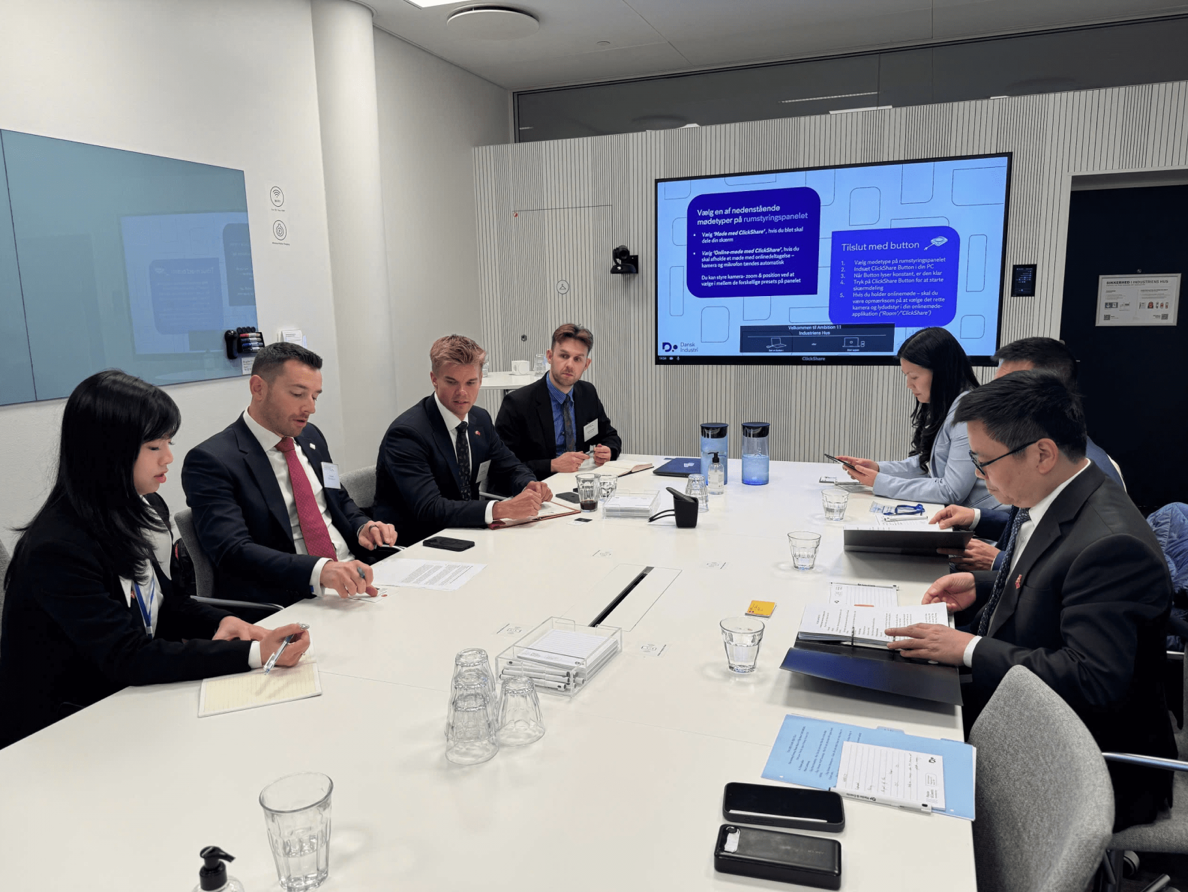
Deputy Minister Truong Thanh Hoai met with LEGO and Carlsberg in Denmark on October 20 to discuss green investment and sustainable manufacturing in Viet Nam.
For more than three decades, Ms. Dang Thi Thanh Huong has quietly shaped the legacy of Dong Phuong Cake & Confectionery, a brand rooted in tradition, craftsmanship.
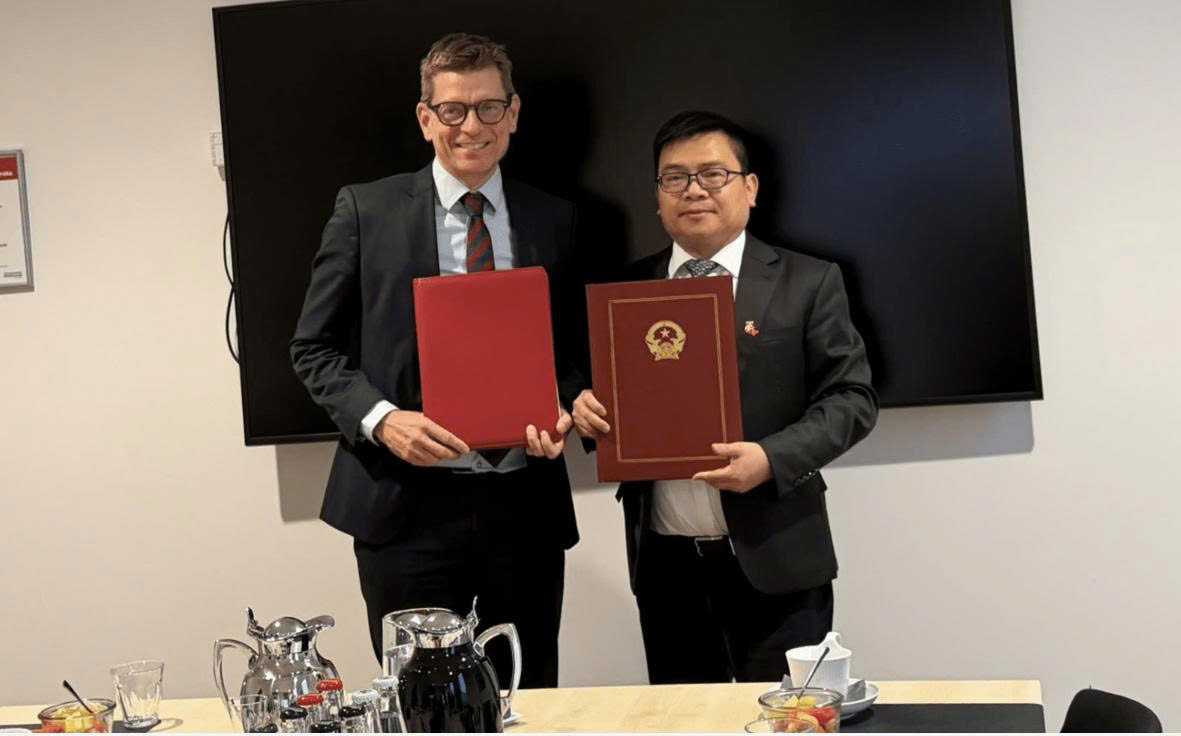
Viet Nam and Denmark have signed an MoU on energy cooperation to strengthen bilateral ties and advance collaboration in renewable energy and the green transition.
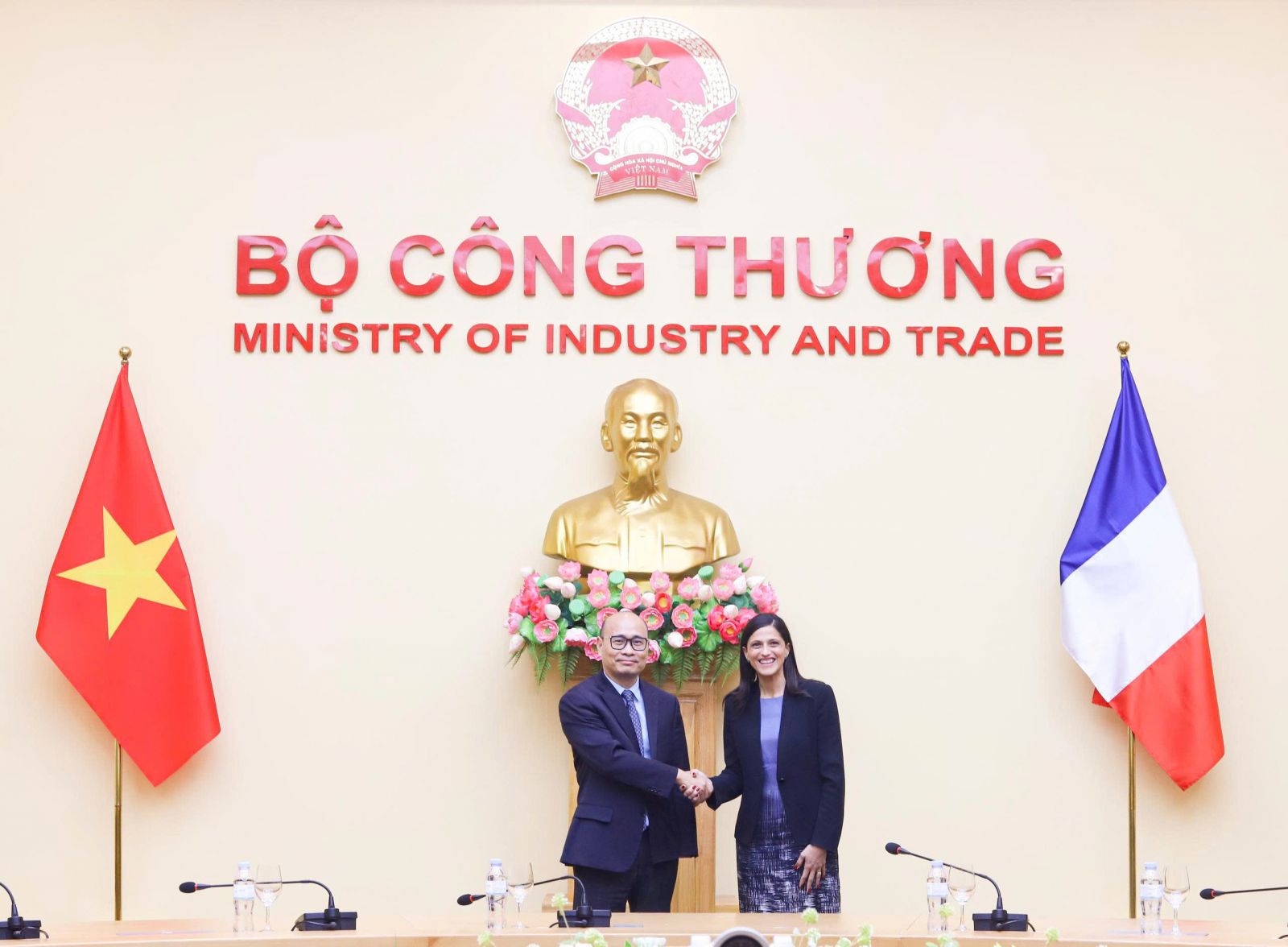
Deputy Minister Luong Hoang Thai met French Minister Delegate Eleonore Caroit on October 19 to discuss ways to strengthen Viet Nam - France cooperation.
Facing the challenges of renewable energy transmission, CWEA suggests off-grid consumption approaches and opportunities for global supply chain cooperation.
In the seven months of 2026, industry, retail sales and imports and exports all posted strong growth. The Ministry of Industry and Trade (MoIT) continues to roll out solutions to contribute to achieving the double-digit growth target.
In the first six months of 2026, Viet Nam’s total merchandise import and export turnover reached USD 549.69 billion, up 27.1% year on year. Exports increased by 21%, while imports rose by 33.4%. The country recorded a merchandise trade deficit of USD 16.65 billion. These figures underscore Viet Nam’s determination to further expand the presence of Vietnamese goods and brands in international markets.
Moonfolks has officially entered the Vietnamese market, aiming to connect the country’s rapidly growing digital economy with broader opportunities across Southeast Asia and support Vietnamese businesses in expanding internationally.