Resolution 10 calls for a shift from broad-based investment promotion to targeted support for strategic investors, with a focus on long-term project development.
Moving from a broad-based approach to a more selective one, and from licensing to accompanying projects throughout their entire lifecycle, Resolution No.10-NQ/TW is reshaping the overall mindset on investment attraction in the industry and trade sector.
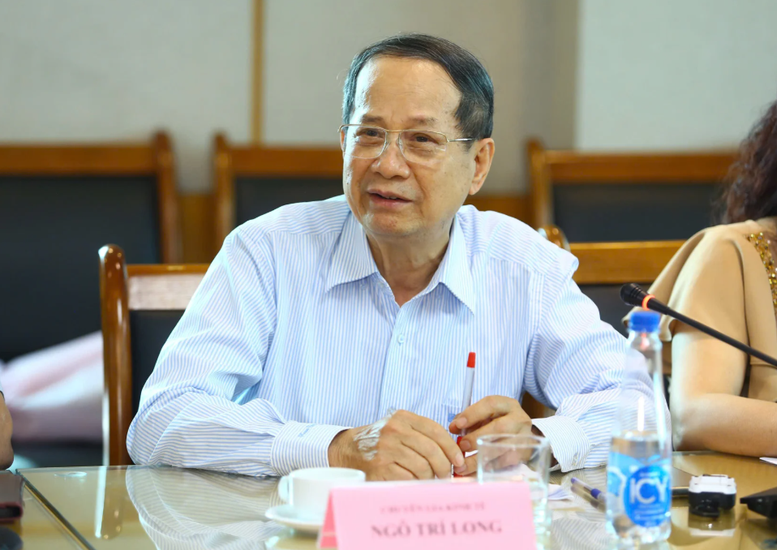
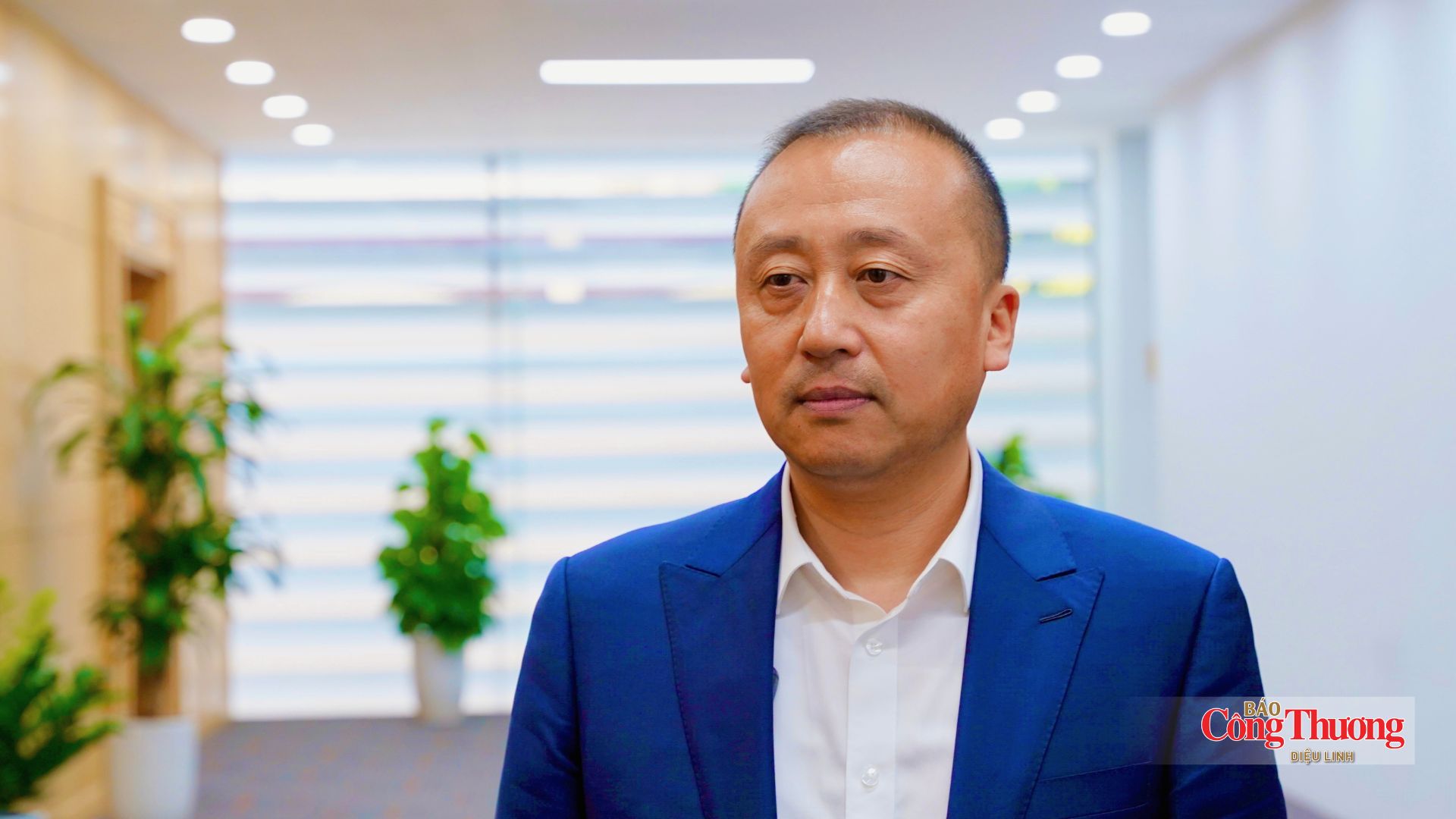
Resolution No.10-NQ/TW issued by the Politburo calls for a fundamental shift in investment attraction, from broad-based investment promotion to targeted engagement, outreach, negotiation and long-term support for strategic investors and strategic projects. This orientation carries particular significance for the industry and trade sector, which has consistently led the country in attracting foreign direct investment (FDI). Regarding this issue, the Newspaper of Industry and Trade had an interview with Associate Professor, Dr. Ngo Tri Long, of the Vietnam Financial Consulting Association.
Associate Professor, Dr. Ngo Tri Long, of the Vietnam Financial Consulting Association. Photo: VGP.
Lacking a professional, data-driven investment promotion system
- Resolution No.10-NQ/TW requires a shift “from broad-based investment promotion to engaging, approaching, negotiating and accompanying strategic investors and strategic projects.” In your view, where does investment promotion in the industrial sector currently stand compared to this requirement?
Associate Professor, Dr. Ngo Tri Long: Resolution No.10-NQ/TW sets out a highly relevant and timely requirement for investment promotion today: moving from “inviting investors” to “selecting investors,” and from campaign-based promotion to strategy-driven promotion.
Particularly in the industrial sector, Vietnam has built a fairly solid foundation. Manufacturing and processing industries have remained the largest recipients of FDI for many years, playing an important role in exports, job creation and the development of production hubs for electronics, textiles and garments, footwear, mechanical engineering, energy and logistics. This demonstrates Vietnam’s genuine attractiveness as an investment destination.
However, compared to the new requirements set out in Resolution No.10-NQ/TW, there remains a considerable gap in current investment promotion efforts. Previously, many localities and industrial parks pursued investment attraction under the mindset that any investor was welcome, focusing heavily on registered capital, occupancy rates and the number of newly licensed projects. This approach was suitable during a period when Vietnam urgently needed capital and employment opportunities, but it is no longer sufficient for the new stage of development, when the country requires projects featuring advanced technologies, high added value, energy efficiency, alignment with green and digital transformation, and the ability to integrate domestic enterprises into supply chains.
At present, Vietnam lacks a professional investment promotion system built on data and capable of supporting projects throughout their entire lifecycle. The country has yet to develop sufficiently comprehensive databases on strategic investors, global supply chains, manufacturing relocation trends, and requirements related to energy, logistics, human resources, cleared land and domestic suppliers. As a result, investment promotion activities often remain generic and fail to provide tailored engagement packages for specific corporations, industries or localities.
For the industry and trade sector, what is needed is a decisive shift toward promotion based on industrial clusters and value chains. If Vietnam aims to attract investment in semiconductors, electronics, green industries, new energy, advanced materials or modern logistics, it cannot rely solely on presenting tax incentives or available land. It must demonstrate stable electricity supply, high-quality logistics infrastructure, skilled technical workers, supporting industries, domestic sourcing capabilities, environmental standards and effective post-licensing support mechanisms.
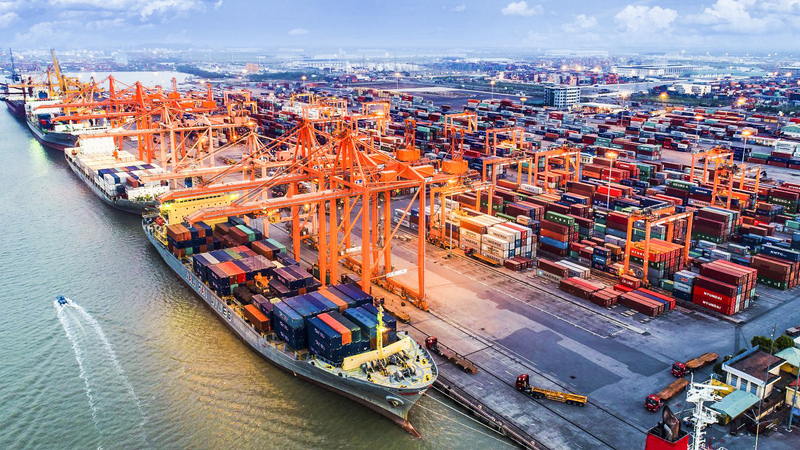
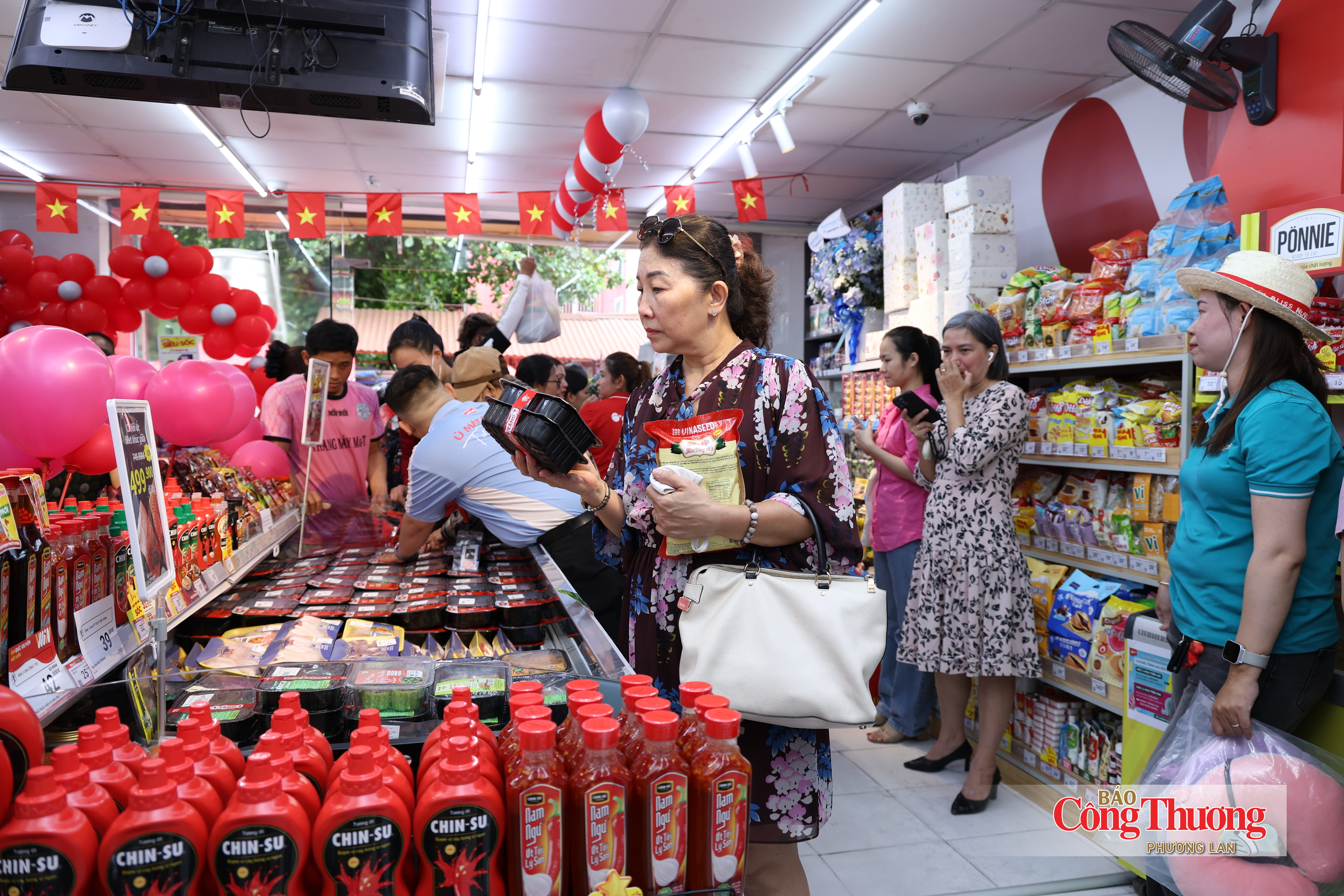
Photo for illustration.
- The Resolution emphasizes that “post-licensing support, the removal of obstacles facing existing projects, and encouragement of high-quality project expansion should be regarded as important components of investment attraction policies.” How do you assess current efforts to support investors after licensing, and what improvements are needed to retain high-quality projects?
Associate Professor, Dr. Ngo Tri Long: One of the most significant and commendable aspects of Resolution No.10-NQ/TW is that it views investment promotion not merely through the stages of attraction and licensing, but across the entire lifecycle of a project. For strategic investors, what matters is not only initial incentives, but also whether projects can be implemented smoothly after licensing and whether electricity, land, infrastructure, labour, logistics, customs procedures, and market conditions remain stable, transparent and predictable.
In recent years, post-licensing support has improved. Many localities have established task forces and dialogue mechanisms to help resolve difficulties faced by FDI enterprises. However, it must be acknowledged that the post-licensing stage remains a weak point. In some places, substantial efforts are devoted to attracting projects, yet support during implementation remains slow and lacks a focal agency responsible for seeing issues through to completion. Investors continue to face obstacles related to land procedures, construction permits, fire prevention and fighting requirements, environmental regulations, power grid connections, logistics, skilled labour, and inconsistencies among different levels of government and agencies.
For the industry and trade sector, this issue is even more critical. Most high-quality FDI projects are concentrated in manufacturing and processing industries, electronics, semiconductors, energy, supporting industries, logistics and supply chains. To retain such projects, the sector must do more than promote investment. It must become more deeply involved in the post-licensing stage by ensuring stable electricity supply, supporting the development of supporting industries, connecting FDI enterprises with Vietnamese businesses, removing market barriers, enhancing logistics capacity, promoting green transformation and helping businesses meet international standards.
In my view, improvements are needed in three areas.
First, there must be a single focal mechanism for monitoring projects after licensing. Every major or strategic project should be managed as a “living dossier,” with a designated agency responsible for updating progress, identifying obstacles and coordinating inter-agency solutions.
Second, post-licensing support must be data-driven. Authorities should not wait until businesses report difficulties before taking action. A comprehensive database covering project progress, electricity demand, land requirements, labour needs and supplier networks is needed to identify potential bottlenecks at an early stage.
Third, support should shift from an administrative approach to a development-oriented one. The objective should not only be to help businesses complete procedures, but also to support production expansion, increase localisation rates, connect enterprises with domestic suppliers, promote technological innovation and facilitate compliance with green standards.
Retaining high-quality investors is not about offering more incentives, but about building greater confidence. Such confidence stems from a stable policy environment, transparent procedures, synchronised infrastructure, reliable power supply, a workforce capable of meeting industry requirements and authorities that genuinely accompany investors throughout the investment process.
For the industry and trade sector, this is the time to move decisively from a mindset of “sector management” to one of “building industrial and supply-chain ecosystems,” ensuring that FDI not only comes to Vietnam, but stays, expands and generates meaningful spillover effects for domestic enterprises.
Selecting investors based on value chains
- The Resolution calls for the development of specialised databases on strategic investors, along with tailored engagement strategies for each market and industry group. In your view, which groups of investors and source markets should Vietnam prioritise in the manufacturing, energy and logistics sectors during the 2026-2030 period?
Associate Professor, Dr. Ngo Tri Long: For the industry and trade sector, this is not simply a matter of attracting FDI. It is about selecting investors based on value chains, technological capabilities, market leadership and their potential to create spillover effects for Vietnamese enterprises.
During the 2026-2030 period, Vietnam should prioritise three groups of investors in manufacturing and processing industries.
The first group comprises high-tech corporations operating in semiconductors, electronics, components, smart devices, automation, robotics and advanced materials.
The second group includes leading enterprises in supporting industries, precision engineering, automotive components, electric vehicles, medical equipment, basic chemicals and industrial materials.
The third group consists of corporations committed to establishing research and development centres, design centres, engineering training programmes and domestic supplier networks, rather than merely setting up assembly plants.
In terms of source markets, Vietnam should pursue a focused approach targeting Japan, the Republic of Korea, Taiwan (China), Singapore, the US, Germany, and several EU economies with strong industrial foundations.
In the energy sector, priority should be given to building a clean energy ecosystem, ensuring stable energy supplies and developing transmission infrastructure. Vietnam should focus on investors with expertise in LNG power, wind power, solar power, energy storage, smart grids, green hydrogen, electrical equipment and energy management services. Suitable source markets include the EU, particularly Germany, Denmark and the Netherlands, as well as Japan, the Republic of Korea, the US and infrastructure and energy investment funds from Singapore, the UAE, Qatar, and Saudi Arabia.
In logistics, Vietnam should target corporations capable of developing seaports, cold-storage facilities, logistics centres, e-commerce logistics systems, cross-border logistics services, multimodal transportation networks and digital supply-chain management solutions. Priority markets include Singapore, Japan, the Republic of Korea, the Netherlands, Germany, the US, the UAE, and several major logistics hubs across Asia.
The right approach is not to compile a generic list of investors, but to develop specific “target profiles” for each industry. The semiconductor industry requires investors specialising in design, packaging, testing, materials, and highly skilled technical personnel. The energy sector needs investors with long-term financial capacity, clean technologies, and strong risk-management capabilities. Logistics requires investors with global networks, digital platforms and the ability to connect seaports, road transport, railways, and aviation.
- Thank you very much!
According to Associate Professor, Dr. Ngo Tri Long, investment promotion in the new development phase must shift from “looking for projects” to “finding the right investors for the right development strategy.” For the industry and trade sector, three criteria should be prioritised above all others: More advanced technology, deeper linkages with domestic enterprises, and stronger contributions to Vietnam’s industrial, energy and trade competitiveness.
Polish Prime Minister Donald Tusk will pay an official visit to Viet Nam from October 24 to 26 as the bilateral trade continues to grow, creating opportunities for deeper cooperation.
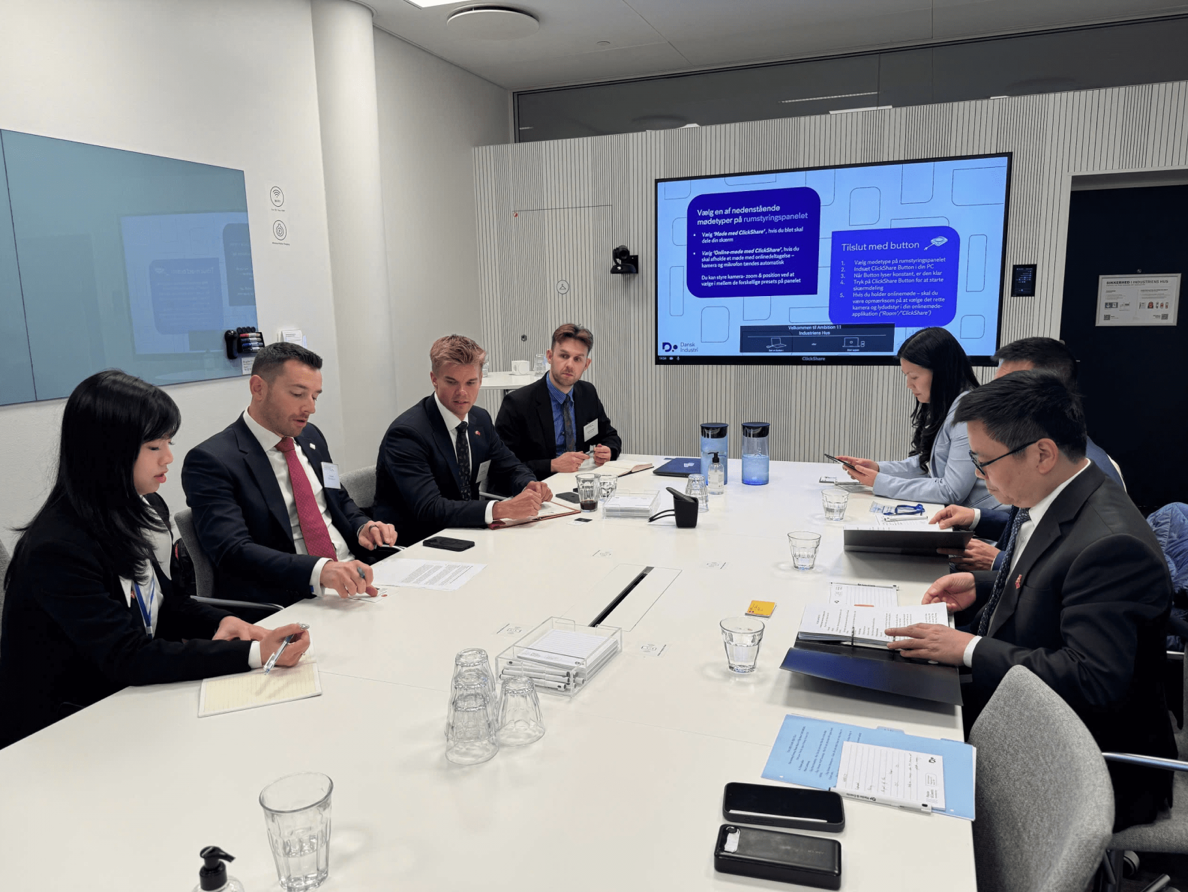
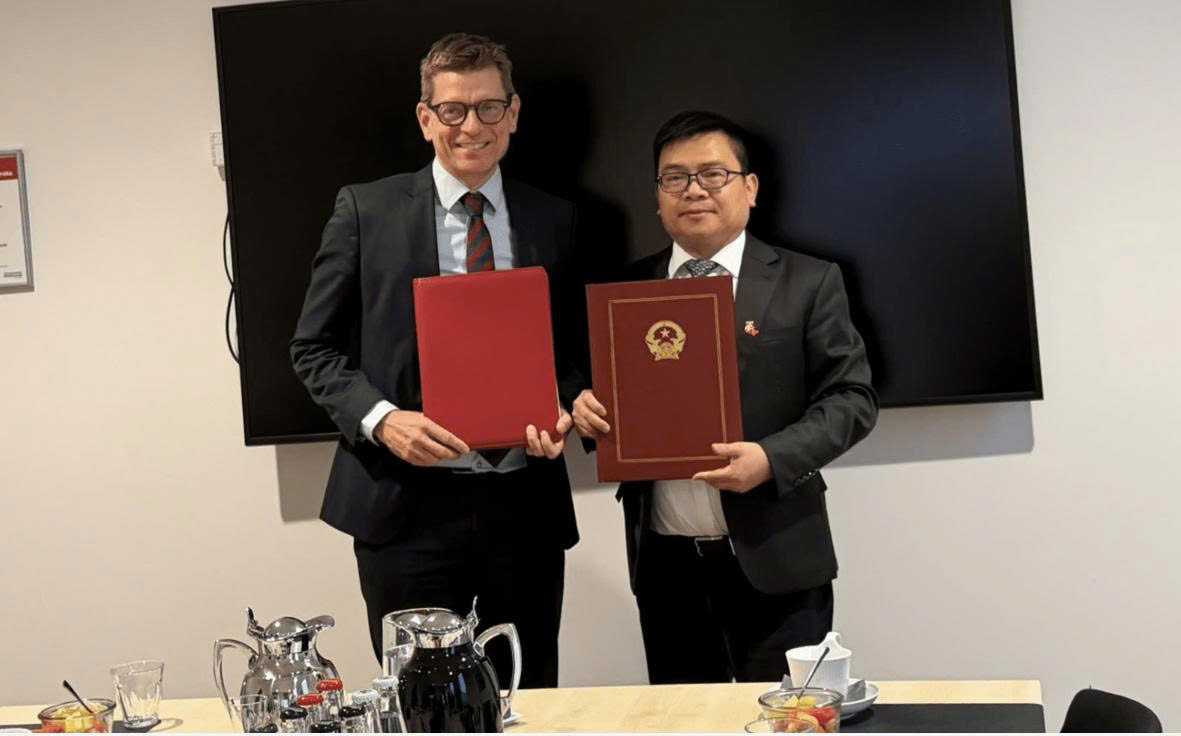
Deputy Minister Truong Thanh Hoai met with LEGO and Carlsberg in Denmark on October 20 to discuss green investment and sustainable manufacturing in Viet Nam.
For more than three decades, Ms. Dang Thi Thanh Huong has quietly shaped the legacy of Dong Phuong Cake & Confectionery, a brand rooted in tradition, craftsmanship.
Viet Nam and Denmark have signed an MoU on energy cooperation to strengthen bilateral ties and advance collaboration in renewable energy and the green transition.
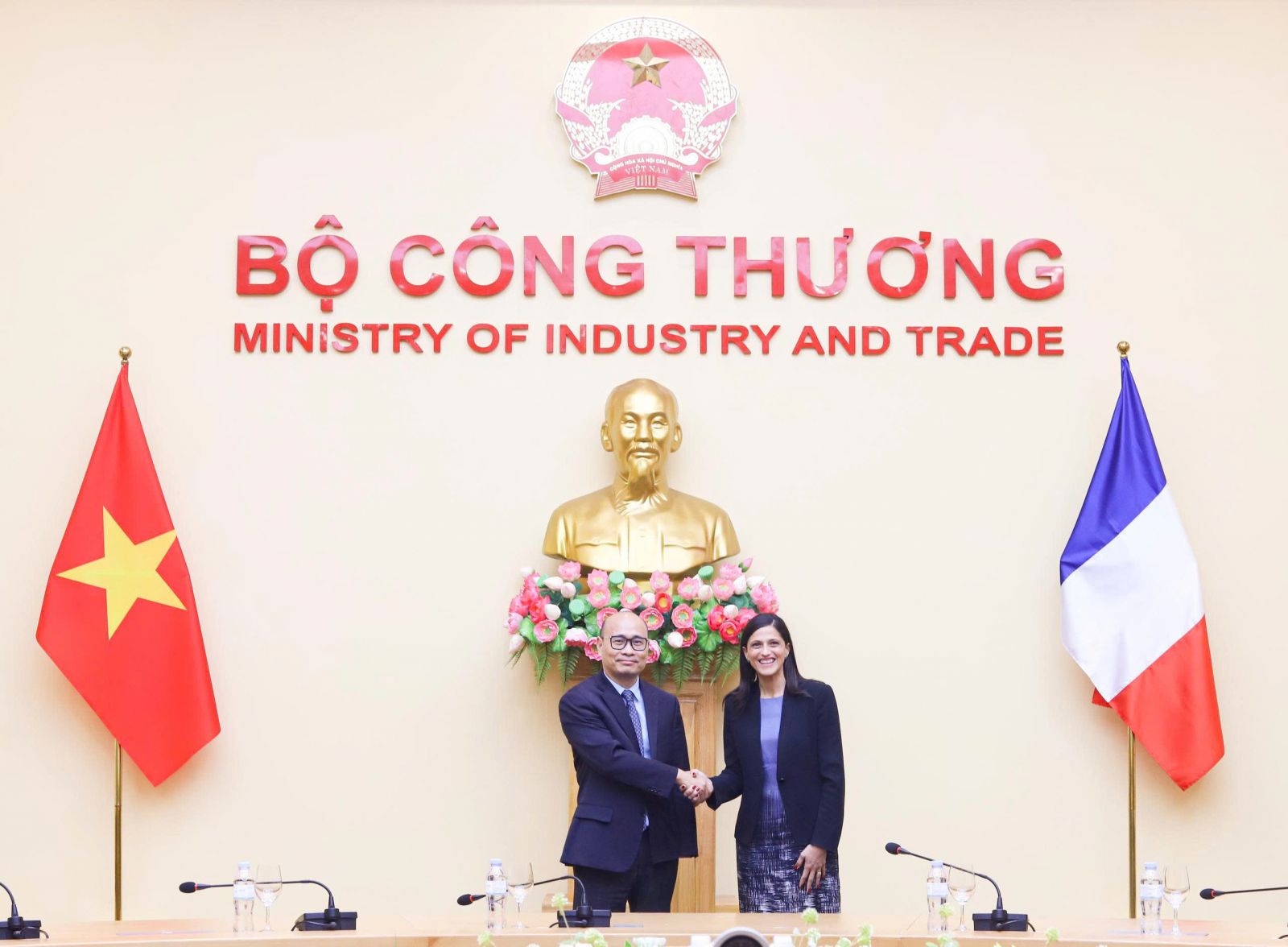
Deputy Minister Luong Hoang Thai met French Minister Delegate Eleonore Caroit on October 19 to discuss ways to strengthen Viet Nam - France cooperation.
Facing the challenges of renewable energy transmission, CWEA suggests off-grid consumption approaches and opportunities for global supply chain cooperation.
In the seven months of 2026, industry, retail sales and imports and exports all posted strong growth. The Ministry of Industry and Trade (MoIT) continues to roll out solutions to contribute to achieving the double-digit growth target.
In the first six months of 2026, Viet Nam’s total merchandise import and export turnover reached USD 549.69 billion, up 27.1% year on year. Exports increased by 21%, while imports rose by 33.4%. The country recorded a merchandise trade deficit of USD 16.65 billion. These figures underscore Viet Nam’s determination to further expand the presence of Vietnamese goods and brands in international markets.
Moonfolks has officially entered the Vietnamese market, aiming to connect the country’s rapidly growing digital economy with broader opportunities across Southeast Asia and support Vietnamese businesses in expanding internationally.