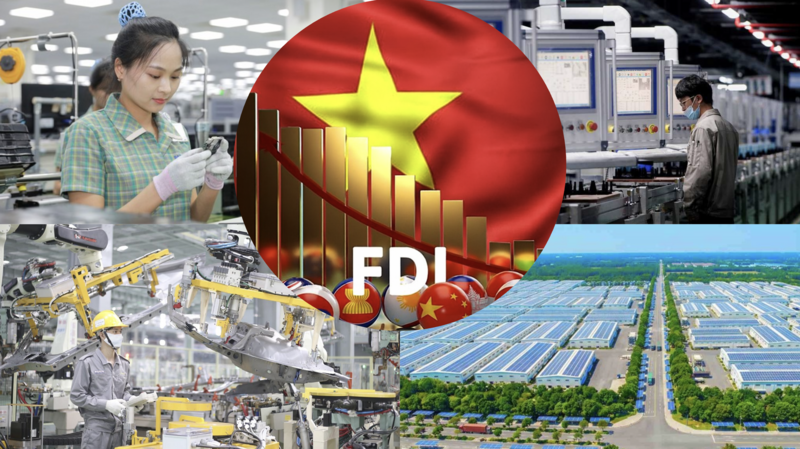
Resolution No.10-NQ/TW shifts Vietnam's FDI strategy from capital attraction to strategic investment, prioritizing technology, quality and spillovers nationwide.
Resolution No.10-NQ/TW, issued by the Politburo on June 8, 2026, on developing the foreign-invested economic sector (FDI), marks an important shift in the approach to developing the FDI sector, moving from capital attraction to building a national strategic investment foundation. As global capital flows increasingly shift toward high technology, semiconductors, artificial intelligence, the green economy and innovation, Vietnam faces the need to select higher-quality FDI projects with greater spillover effects and stronger linkages with domestic enterprises.
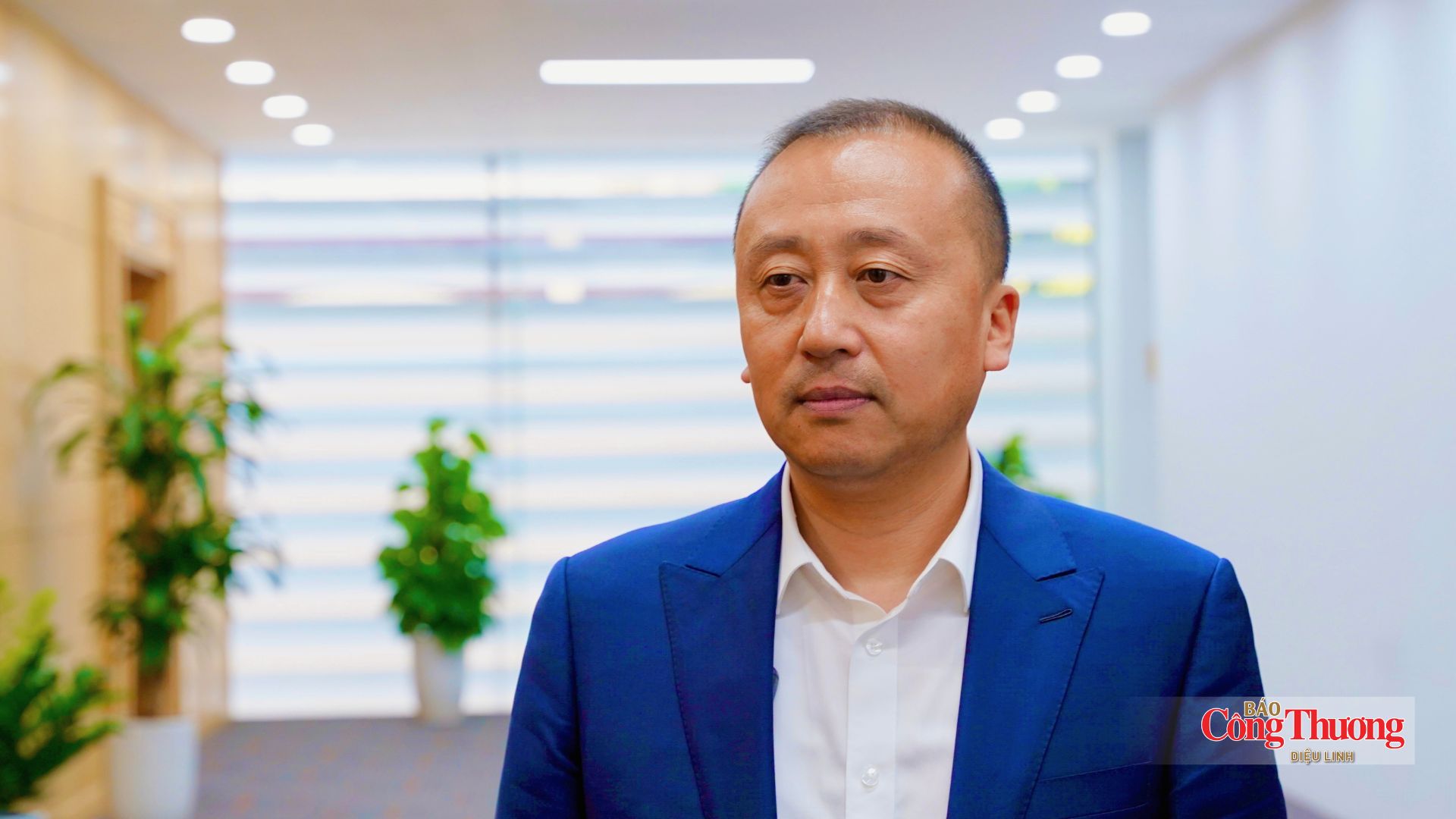
Regarding this issue, a reporter from Newspaper of Industry and Trade interviewed Dr. Phan Huu Thang, Chairman of the Vietnam Industrial Park Finance Association and former Director of the Foreign Investment Agency under the Ministry of Planning and Investment.
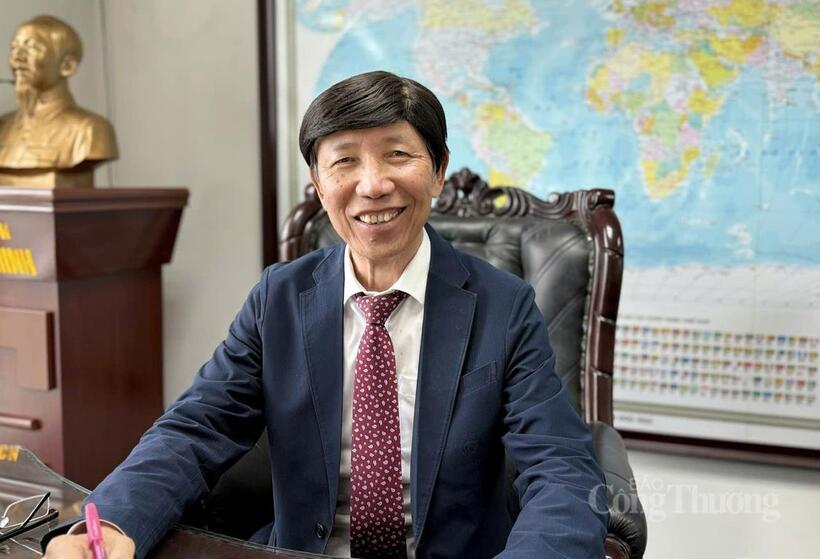
Phan Huu Thang, Chairman of the Vietnam Industrial Park Finance Association and former Director of the Foreign Investment Agency under the Ministry of Planning and Investment. Photo: Nguyen Thao
Upgrading the strategy for FDI inflows
Resolution No.10-NQ/TW demonstrates an important shift in thinking on the development of the FDI sector. In your view, what is the strategic significance of this transition for Vietnam's growth model in the new development phase?
Phan Huu Thang: At present, Vietnam's economy has become deeply integrated into the global economy. As global investment trends increasingly move toward high technology, innovation, digital transformation and green growth, Vietnam must follow this new development trajectory if it is to avoid falling behind.
This creates a requirement to build a new growth model based on science and technology, innovation, digital transformation and green transition. These are important pillars for improving growth quality, competitiveness and the resilience of the economy in the new context.
Resolution No.10-NQ/TW was issued at a time when Vietnam needed a more specific and in-depth orientation for the development of the foreign-invested economic sector. After nearly 40 years of attracting and utilizing FDI, the foreign-invested sector has come to be recognized as an important component of the national economy. The sector has helped supplement medium- and long-term capital for development investment while serving as a channel for acquiring advanced technologies, modern management practices, high-quality human resources and expanded markets.
The effective implementation of Resolution No.10-NQ/TW will help Vietnam improve the efficiency of attracting, managing and utilizing FDI; strengthen strategic autonomy; enhance economic competitiveness; expand market networks; and participate more deeply in global supply chains. It will also provide an important foundation for promoting industrialization and modernization, creating momentum for rapid and sustainable growth, maintaining political stability, national defense and security, and enhancing Vietnam's position and reputation in the international arena.
Based on these major policies and orientations, Vietnam should continue to effectively leverage foreign investment as an important driver for achieving rapid, sustainable development and strengthening the economy's self-reliance.
Resolution No.10-NQ/TW marks an important shift in the development approach to the foreign-invested economic sector, moving from capital attraction to building a national strategic investment foundation.
Prioritizing technology-driven capital flows
The Resolution sets a target of attracting approximately USD 200-300 billion in registered foreign investment during the 2026-2030 period and prioritizes sectors such as electronics manufacturing, semiconductors, artificial intelligence, biotechnology and energy technology. In your view, how should Vietnam innovate its approach to selecting, promoting and supporting strategic investors so that FDI genuinely flows into sectors with strong spillover effects?
Phan Huu Thang: First of all, it should be emphasized that the target of attracting USD 200-300 billion in foreign investment during the 2026 - 2030 period, equivalent to an average of approximately USD 40-60 billion annually, is highly ambitious and will not be easy to achieve. However, it is a target with a solid basis for optimism, particularly as foreign investment inflows into Vietnam continue to maintain positive growth momentum.
In 2025, total registered foreign investment in Vietnam, including newly registered capital, additional capital and capital contributions through share purchases, reached USD 38.42 billion, up 0.5% compared to 2024. At the same time, Resolution No.10-NQ/TW on developing the foreign-invested economic sector was issued at an appropriate moment, providing an important policy orientation for the next development phase.
After nearly four decades of attracting and utilizing FDI, Vietnam has accumulated extensive experience in managing foreign-invested projects of various scales. This practical foundation provides a basis for moving into a new phase focused on selecting higher-quality investors associated with requirements for greater efficiency, advanced technology, stronger governance capacity and broader spillover effects for the domestic economy.
Today's context is also very different from the past. Global FDI flows are entering a period of profound transformation driven by comprehensive digitalization, artificial intelligence, semiconductors, biotechnology, the green economy, the circular economy and the energy transition. In this context, Resolution No.10-NQ/TW calls for a shift from a growth model heavily reliant on capital toward a new model based on science and technology, innovation, digital transformation, green transition and enhanced strategic autonomy.
Regarding the selection, promotion and support of strategic investors, Resolution No.10-NQ/TW clearly outlines several major guiding principles.
First, the development of the foreign-invested economic sector must be linked to improving efficiency, strengthening strategic autonomy, enhancing national competitiveness, expanding market networks and participating more deeply in global supply chains.
Second, Vietnam needs to move decisively from a mindset focused primarily on attracting capital to one centered on developing a national strategic investment foundation. This means the country should not focus solely on the scale of registered capital but should place greater emphasis on project quality, technology, linkage capacity, knowledge transfer and contributions to long-term development goals.
Third, developing a synchronized and unified foreign investment ecosystem must go hand in hand with the development strategy for domestic enterprises. This is particularly important because FDI can only create sustainable value when it establishes substantive linkages with Vietnamese enterprises, supports supporting industries, enhances production capabilities and enables deeper participation in value chains.
Fourth, the State recognizes and protects intellectual property rights, property rights, invested capital, income and other lawful rights and interests of foreign investors. This is an important commitment that helps strengthen investor confidence and create a stable, transparent and predictable investment environment.
Therefore, in order to achieve the target of USD 200-300 billion during the coming period, Vietnam needs to move beyond traditional investment promotion methods and work toward building a strategic investment ecosystem. The focus should be on selecting the right investors, the right sectors, the right technologies and the right partners capable of accompanying Vietnam in its long-term goal of achieving rapid, sustainable development and strengthening economic autonomy.
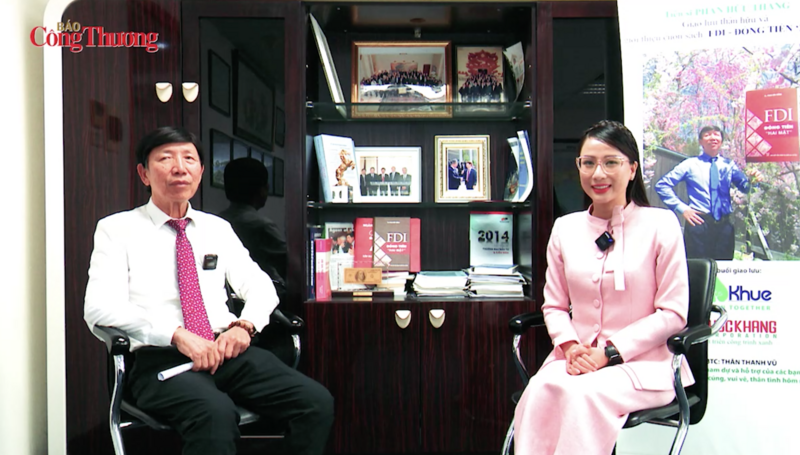
Dr. Phan Huu Thang in an interview with Newspaper of Industry and Trade. Photo: Dong Cuong
The Resolution emphasizes attracting multinational corporations to invest in research centers, design centers, innovation hubs, data centers, regional headquarters and operational centers in Vietnam. In your opinion, what are the key conditions for Vietnam to move beyond its role as a manufacturing base and gradually become a location where ideas, technologies, management expertise and high-value-added activities are created?
Phan Huu Thang: As mentioned earlier, the current trend among multinational corporations is to place greater emphasis on research and development, innovation, high technology, digital transformation and green growth. In this context, if Vietnam wants to move beyond a growth model based largely on capital, low-cost labor and natural resource exploitation, the country's approach to attracting and utilizing FDI must also enter a new phase, with technology, innovation and labor productivity serving as the foundation.
This requires Vietnam to be more selective in choosing FDI projects, giving priority to investors with strong technological capabilities, modern management expertise and commitments to knowledge transfer, workforce training and substantive linkages with domestic enterprises. In the coming period, FDI should be viewed as a channel for promoting economic restructuring, upgrading value chains and strengthening the autonomy of Vietnamese enterprises.
To achieve this, existing bottlenecks must be addressed. First, linkages between FDI enterprises and domestic firms remain weak, limiting the expected spillover effects in technology, management and market access. In addition, shortages of high-quality human resources have become a major obstacle to attracting projects in high technology, semiconductors, artificial intelligence and green industries. Furthermore, some projects may still pose pressures on the environment, energy resources and natural resources.
Therefore, attracting FDI in the new phase must be based on the criteria of quality, efficiency, technology, and sustainable development. Vietnam needs to move away from a broad-based investment attraction approach and instead focus on selecting the right strategic investors, right priority sectors, and right values that can be generated for the economy.
Thank you very much!
Resolution No.10-NQ/TW sets a target for Vietnam to rank among ASEAN's leading countries by 2030 in terms of the business and investment environment, competitiveness, innovation, public service quality and the capacity to absorb high-quality foreign investment projects. During the 2026 - 2030 period, the country aims to attract USD 200 - 300 billion in registered foreign investment, equivalent to approximately USD 40 - 50 billion per year, while realized foreign investment is projected to reach USD 150-200 billion, or around USD 30 - 40 billion annually.
Polish Prime Minister Donald Tusk will pay an official visit to Viet Nam from October 24 to 26 as the bilateral trade continues to grow, creating opportunities for deeper cooperation.
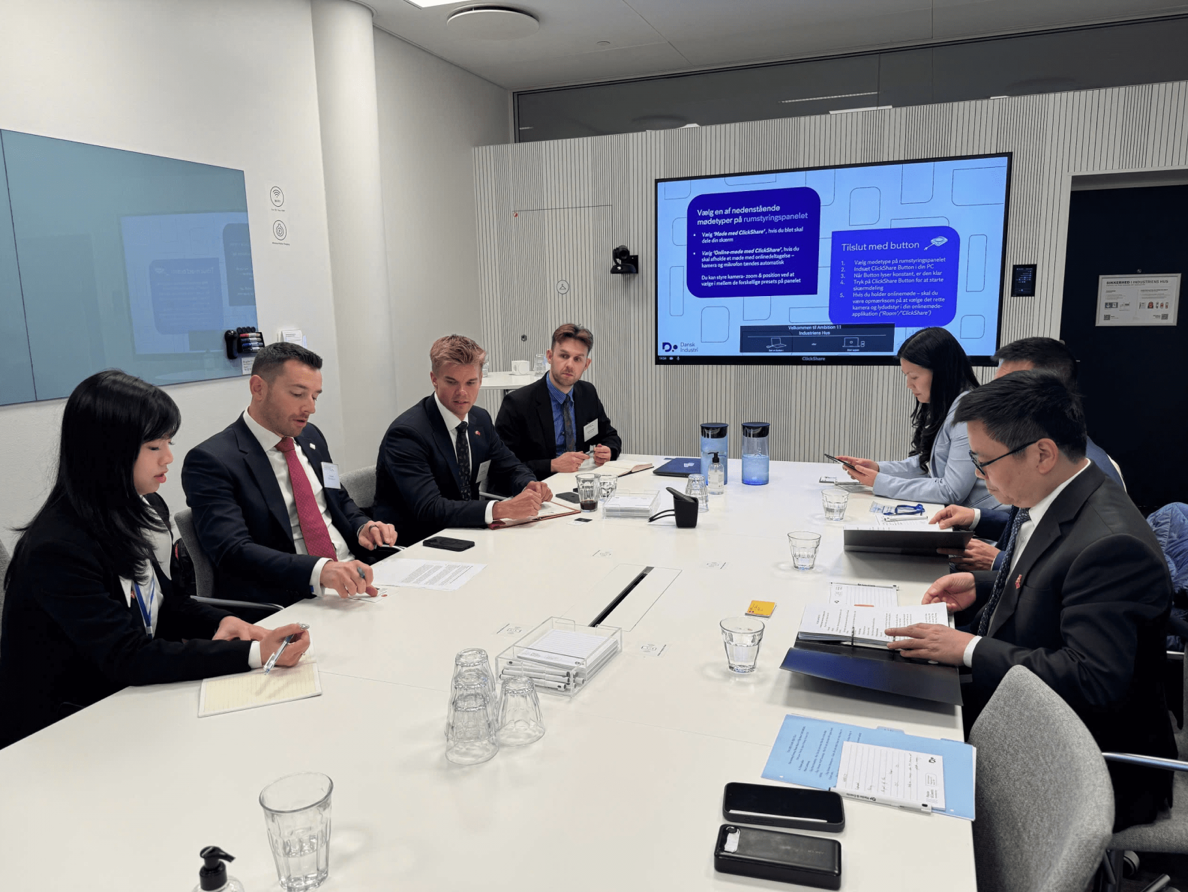
Deputy Minister Truong Thanh Hoai met with LEGO and Carlsberg in Denmark on October 20 to discuss green investment and sustainable manufacturing in Viet Nam.
For more than three decades, Ms. Dang Thi Thanh Huong has quietly shaped the legacy of Dong Phuong Cake & Confectionery, a brand rooted in tradition, craftsmanship.
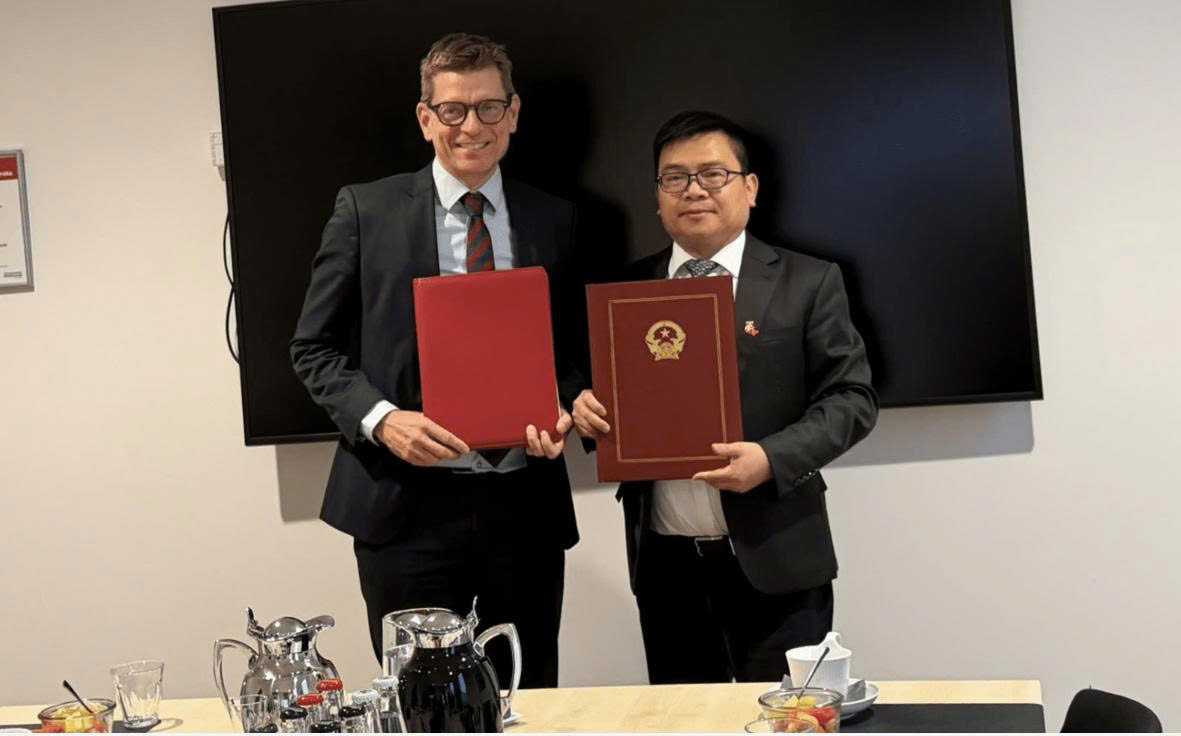
Viet Nam and Denmark have signed an MoU on energy cooperation to strengthen bilateral ties and advance collaboration in renewable energy and the green transition.
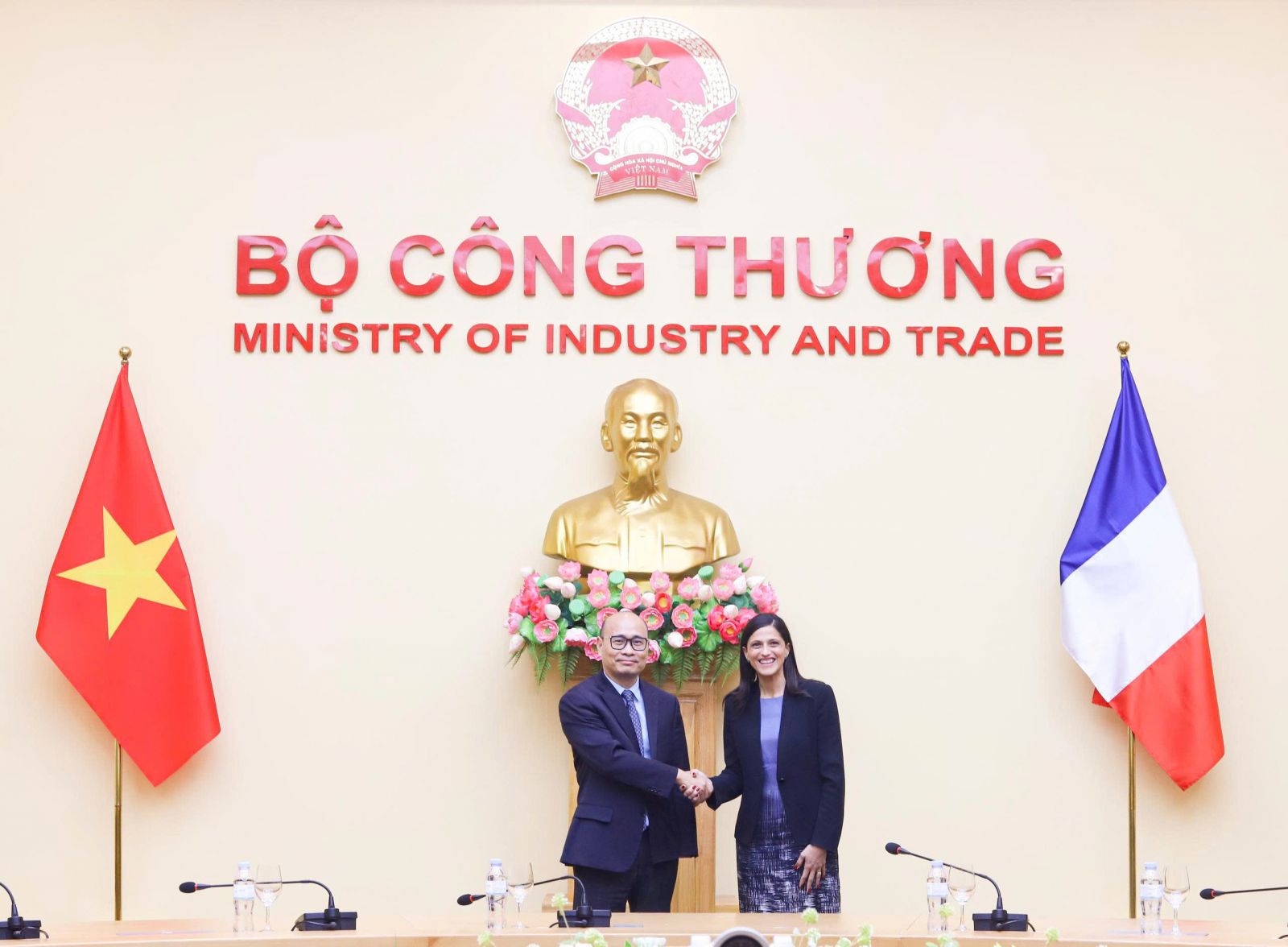
Deputy Minister Luong Hoang Thai met French Minister Delegate Eleonore Caroit on October 19 to discuss ways to strengthen Viet Nam - France cooperation.
Facing the challenges of renewable energy transmission, CWEA suggests off-grid consumption approaches and opportunities for global supply chain cooperation.
In the seven months of 2026, industry, retail sales and imports and exports all posted strong growth. The Ministry of Industry and Trade (MoIT) continues to roll out solutions to contribute to achieving the double-digit growth target.
In the first six months of 2026, Viet Nam’s total merchandise import and export turnover reached USD 549.69 billion, up 27.1% year on year. Exports increased by 21%, while imports rose by 33.4%. The country recorded a merchandise trade deficit of USD 16.65 billion. These figures underscore Viet Nam’s determination to further expand the presence of Vietnamese goods and brands in international markets.
Moonfolks has officially entered the Vietnamese market, aiming to connect the country’s rapidly growing digital economy with broader opportunities across Southeast Asia and support Vietnamese businesses in expanding internationally.