The new policy removes tech, financial, and networking barriers, enabling supporting industries to upgrade and integrate deeper into the global supply chain.
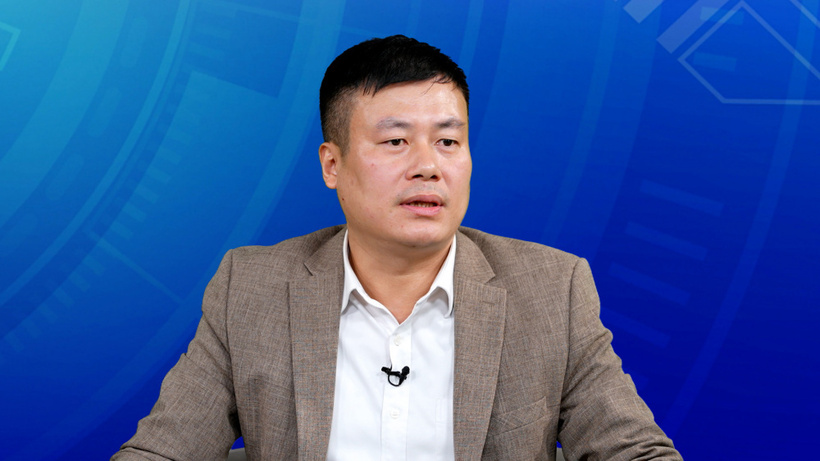
In the context where supporting industries play a key role in boosting national production capacity and meeting the demands of deeper integration into global supply chains, Vietnam is promoting policy improvements and helping businesses enhance their technological capabilities. To clarify the main directions and solutions for developing supporting industries today, the Industrial and Commercial Newspaper reporter spoke with Chu Viet Cuong, Director of the Industrial Development Support Center (IDC), Department of Industry, Ministry of Industry and Trade.
Chu Viet Cuong, Director of the Industrial Development Support Center.
Reporter: How do you assess the production capacity, supply capability, and technological level of domestic supporting industry enterprises? In recent times, what measures has the Ministry of Industry and Trade implemented to enhance these capabilities, and how have the results benefited the businesses?
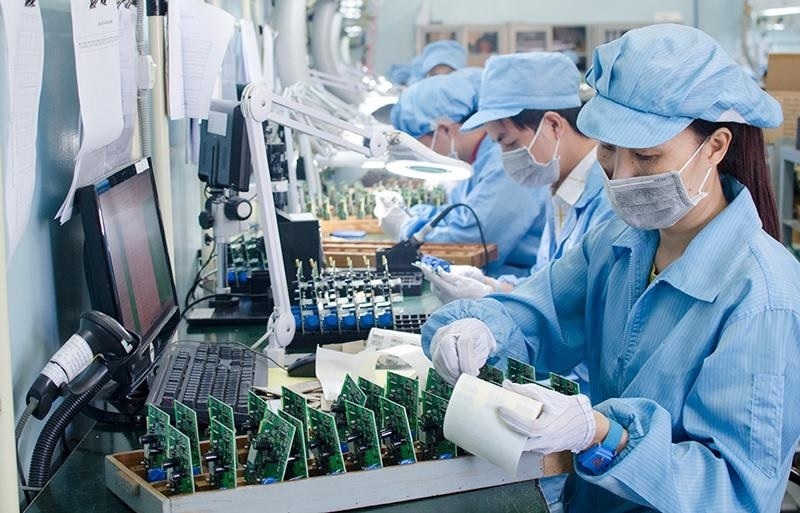
Chu Viet Cuong: In recent years, Vietnam’s supporting industry has made significant progress. The country now has nearly 7,000 supporting industry enterprises, concentrated in five main sectors: mechanical engineering, automotive, electronics, textiles and high technology. Among them, about 300 companies have joined the supply chains of major corporations such as Samsung, Honda, Toyota, and LG. Some enterprises have mastered complex production processes that require advanced technical expertise.
However, the localization rate remains low, at only around 30 - 40%, falling short of the 50 - 60% target. Price competitiveness is limited, technological capacity is average and many enterprises have weak research and development capabilities.
In response, the Ministry of Industry and Trade has implemented various measures. First, since 2016, it has carried out the Supporting Industry Development Program, assisting hundreds of enterprises with production improvement consulting, workforce training, technology transfer and pilot production.
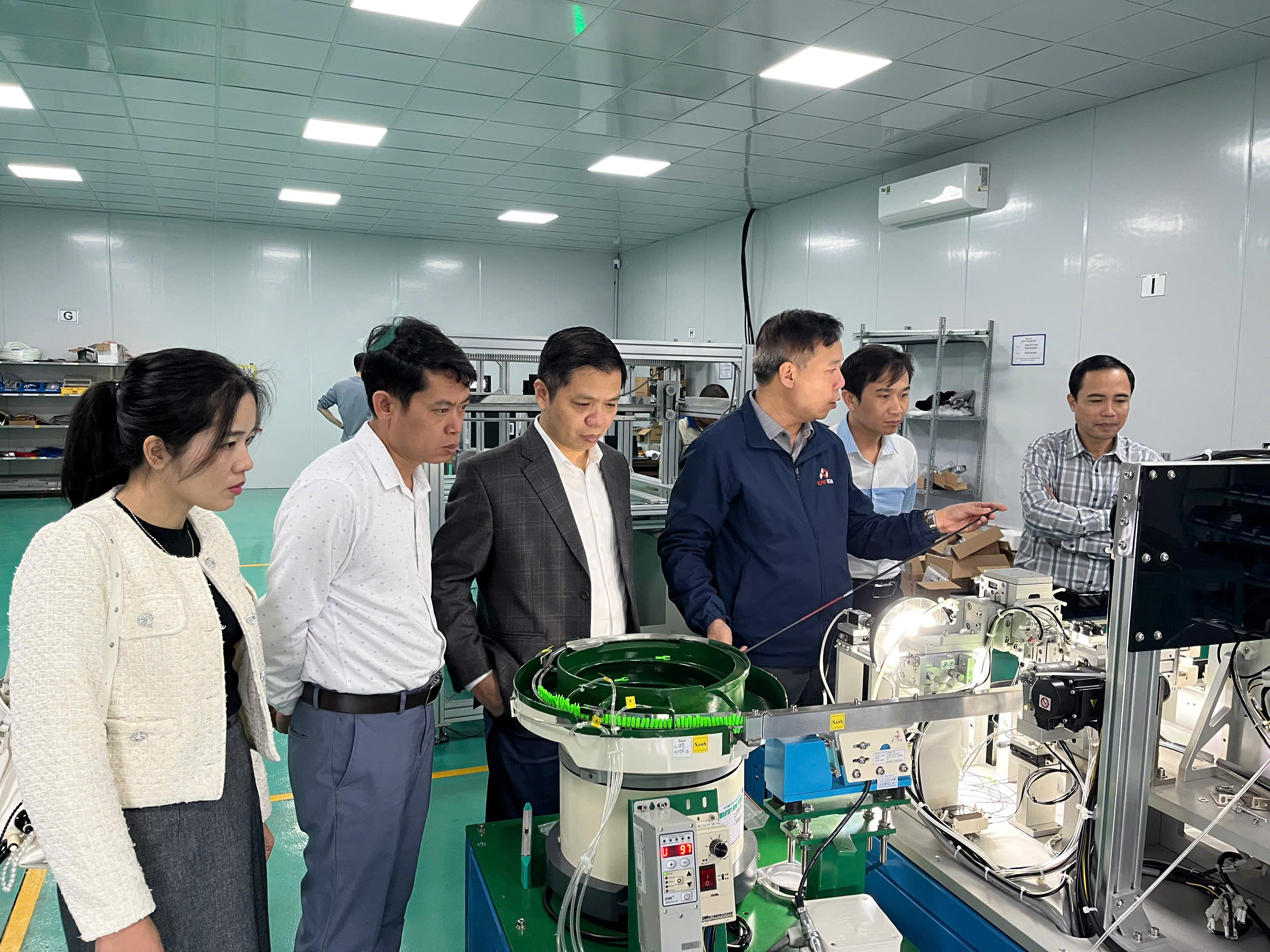
Second, the Ministry has established a network of Industrial Development Support Centers, with the IDC model receiving significant investment in modern machinery such as 3-axis and 5-axis machining tools, X-ray testing equipment, tensile and compression machines and material analysis devices, enabling enterprises to easily conduct trial production and product standard testing.
Third, the Ministry collaborates with FDI corporations to integrate Vietnamese enterprises into their supply chains. Each year, around five companies are supported to access Toyota. Since 2016, Samsung has also partnered in training, production improvement consulting and digital transformation support. In 2025, five enterprises joined the Smart Factory program, with Nhua An Lap and Nhua Van Long becoming Samsung’s first-tier vendors and Ama Holdings becoming a second-tier vendor.
In 2025, support is planned for another five enterprises in the North and five in the South. Becoming a first or second tier vendor cannot be achieved quickly, but with continuous support, Vietnamese companies can gradually deepen their participation in the supply chains of major corporations.
Improved policies and direct support from the Ministry are driving supporting industry firms to innovate, compete and grow their markets.
Reporter: How do you assess the opportunities and challenges businesses are facing in the current economic context?
Chu Viet Cuong: Currently, amid international and domestic fluctuations, unprecedented opportunities are emerging for Vietnamese enterprises. Global supply chains are shifting post pandemic, and major corporations are adopting risk mitigation strategies instead of concentrating production in China or India. Recently, many large corporations have gradually moved production to Vietnam, creating significant opportunities for Vietnam’s industrial and supporting industries. This positions Vietnam to become a regional hub for component and semi-finished goods manufacturing.
Additionally, Vietnam’s policies on attracting high-tech investment, green energy and the circular economy provide a favorable foundation for domestic enterprises to integrate more deeply into global supply chains. However, there are significant challenges. The first is financial constraints, the second is technological gaps and the third is the shortage of high-quality human resources to meet the requirements of major corporations.
Regarding technological transformation, for companies like Smart Vietnam, upgrading and innovating technology requires substantial financial resources. In recent years, the Ministry of Industry and Trade has provided extensive support through tax incentives, corporate income tax relief, credit, land and environmental assistance. It has also helped enterprises develop software and offered consulting and support for applying new technologies, such as digital transformation, AI in production, and management software like MES, ERP and IoT. Smart Vietnam and many other enterprises have been actively implementing these measures.
Next, the current collaboration between research institutes, universities, technical centers and enterprises remains weak. This is also a significant challenge for the development of Vietnam’s supporting industry.
Reporter: How will new policies such as the Politburo’s quartet of resolutions and Decree 205 remove barriers for businesses? In your opinion, what should be noted during the implementation process so that the policies can truly come to life?
Chu Viet Cuong: The 2023 - 2025 period is seen as a breakthrough phase for supporting industries, marked by four key resolutions from the Party Central Committee and notably Government Decree No.205/2025/ND-CP, amending Decree 111. These policies create a more open legal framework for technological innovation, R&D development and public - private cooperation.
They also allow Industrial Development Support Centers to operate more flexibly and independently in finance and international collaboration, providing faster and more practical support to enterprises. Decree 205 introduces a three way linkage mechanism between the State, research institutes/universities and enterprises to address bottlenecks in technology, testing, and standardization.
To effectively implement these policies, several points should be noted. First, policies must be translated into concrete actions. The Ministry of Industry and Trade regularly surveys enterprises and organizes workshops with associations and provincial Departments of Industry and Trade to promote policies. Second, enterprises should be placed at the center, ensuring support delivers real impact through technology consulting, trial production and guidance on tax, land, or credit incentives. Third, regional and sectoral coordination and supply chain linkage should be strengthened to create an innovation ecosystem with active participation from associations. Fourth, cooperation between the State, research institutes/universities, enterprises, and associations should be promoted to generate a synergistic effect in policy implementation.
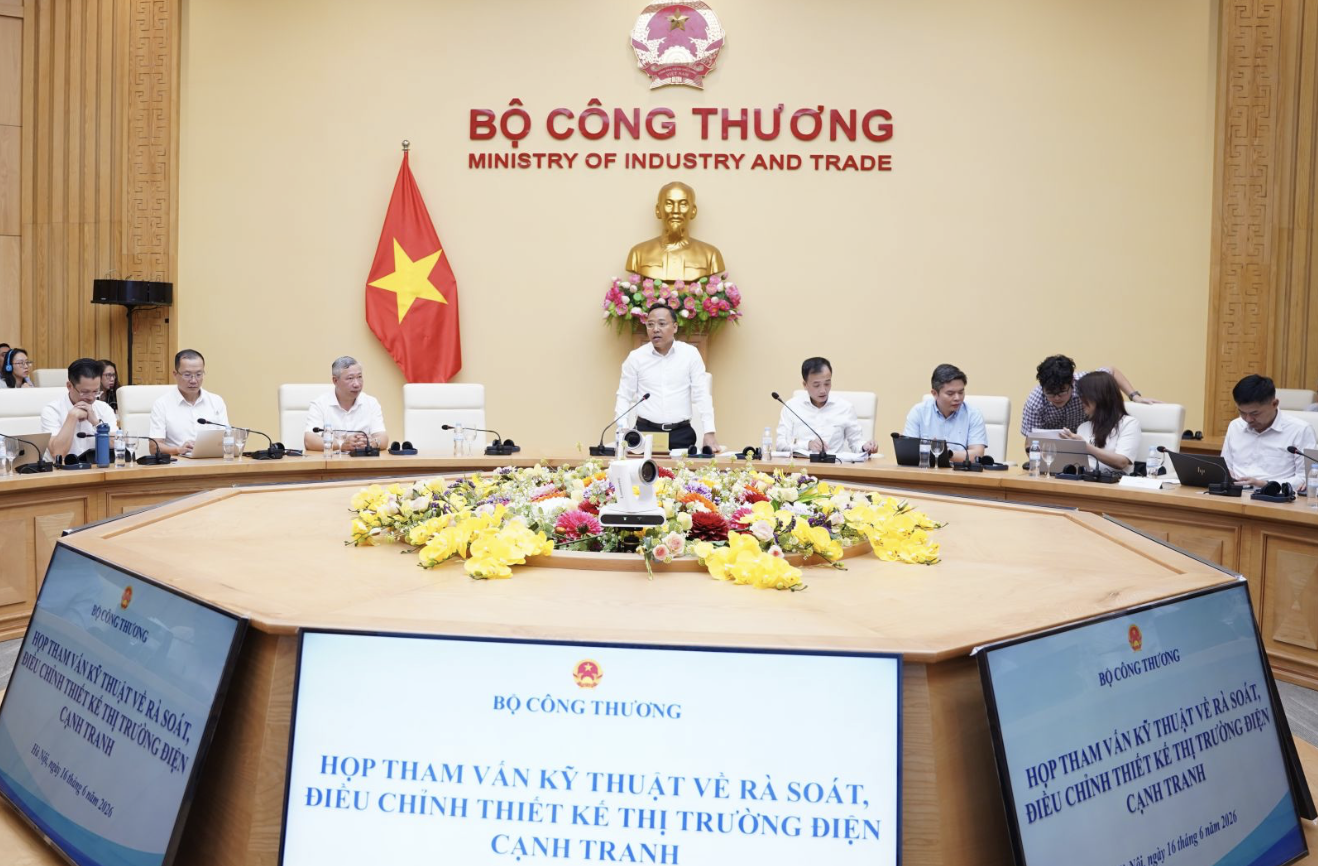
Ministry of Industry and Trade (MoIT) held a technical consultation in Hanoi on reviewing and adjusting the design of Vietnam’s competitive electricity market.
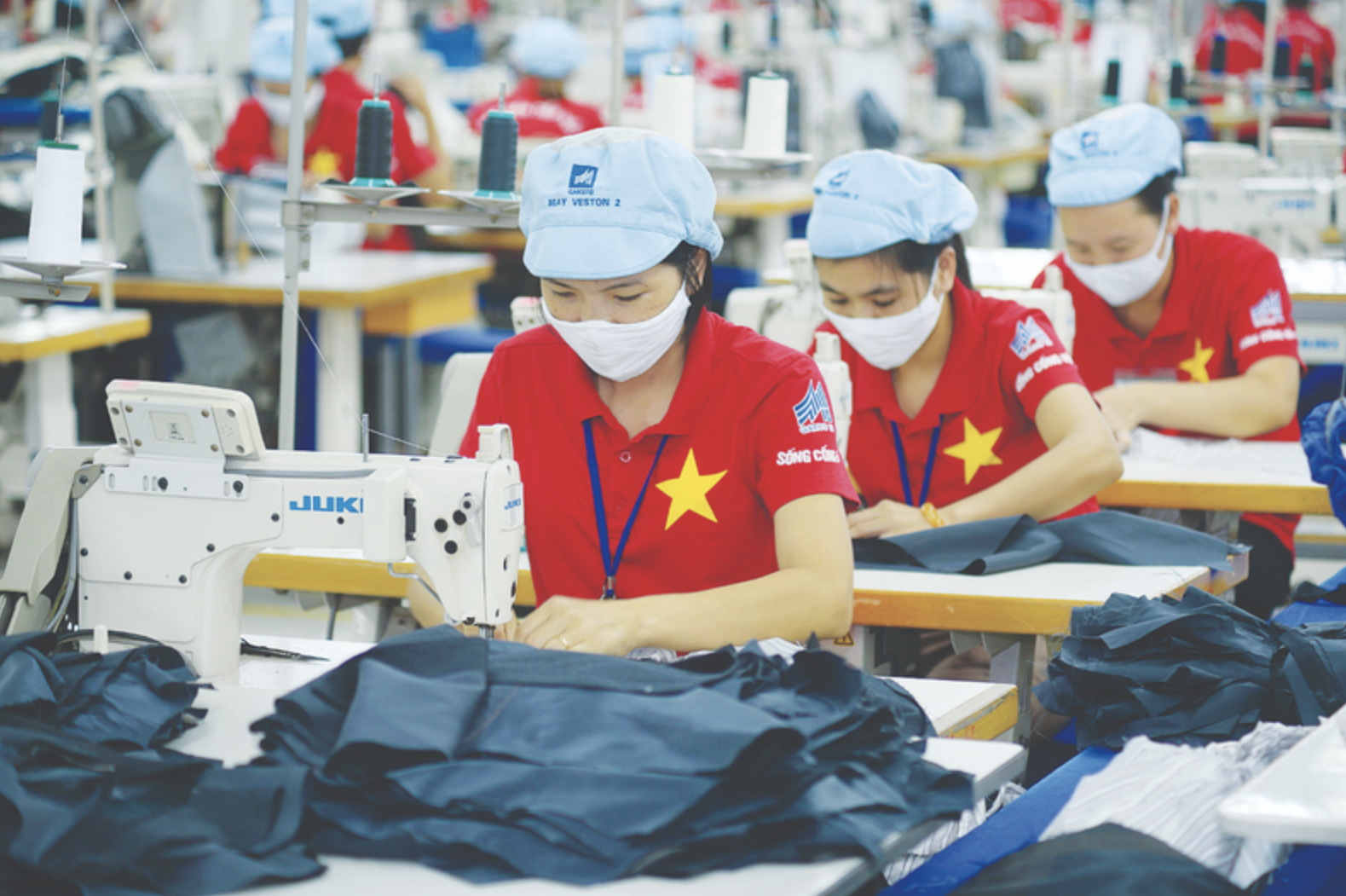
Textiles and garments continued to be one of Vietnam’s leading export categories to the Russian market in the first five months of 2026, generating export revenue of more than USD 106.99 million.
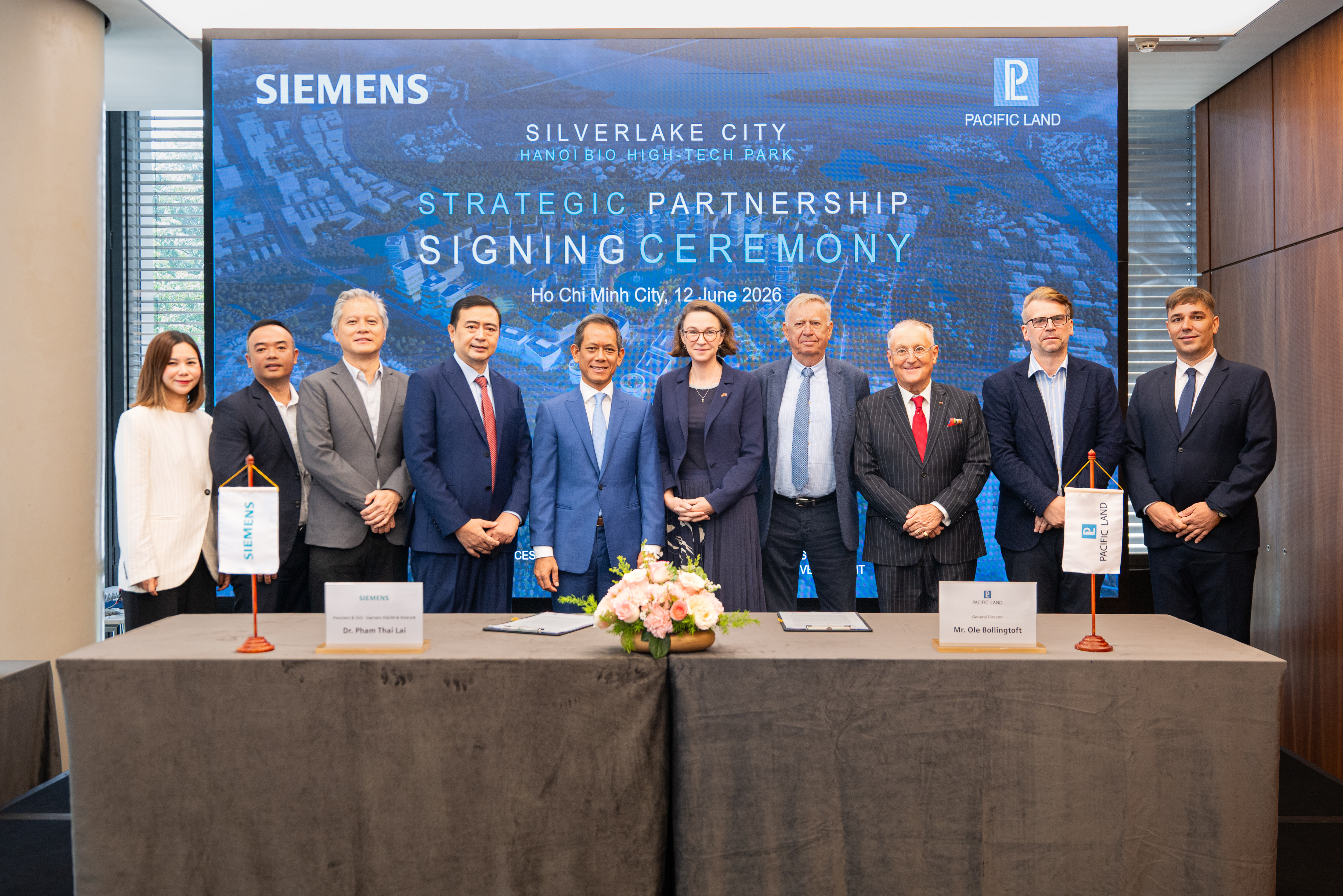
Siemens and Pacific Land will transform Silverlake Bio Hi-Tech Park into a smart, sustainable innovation hub supporting Vietnam’s high-tech growth ambitions.
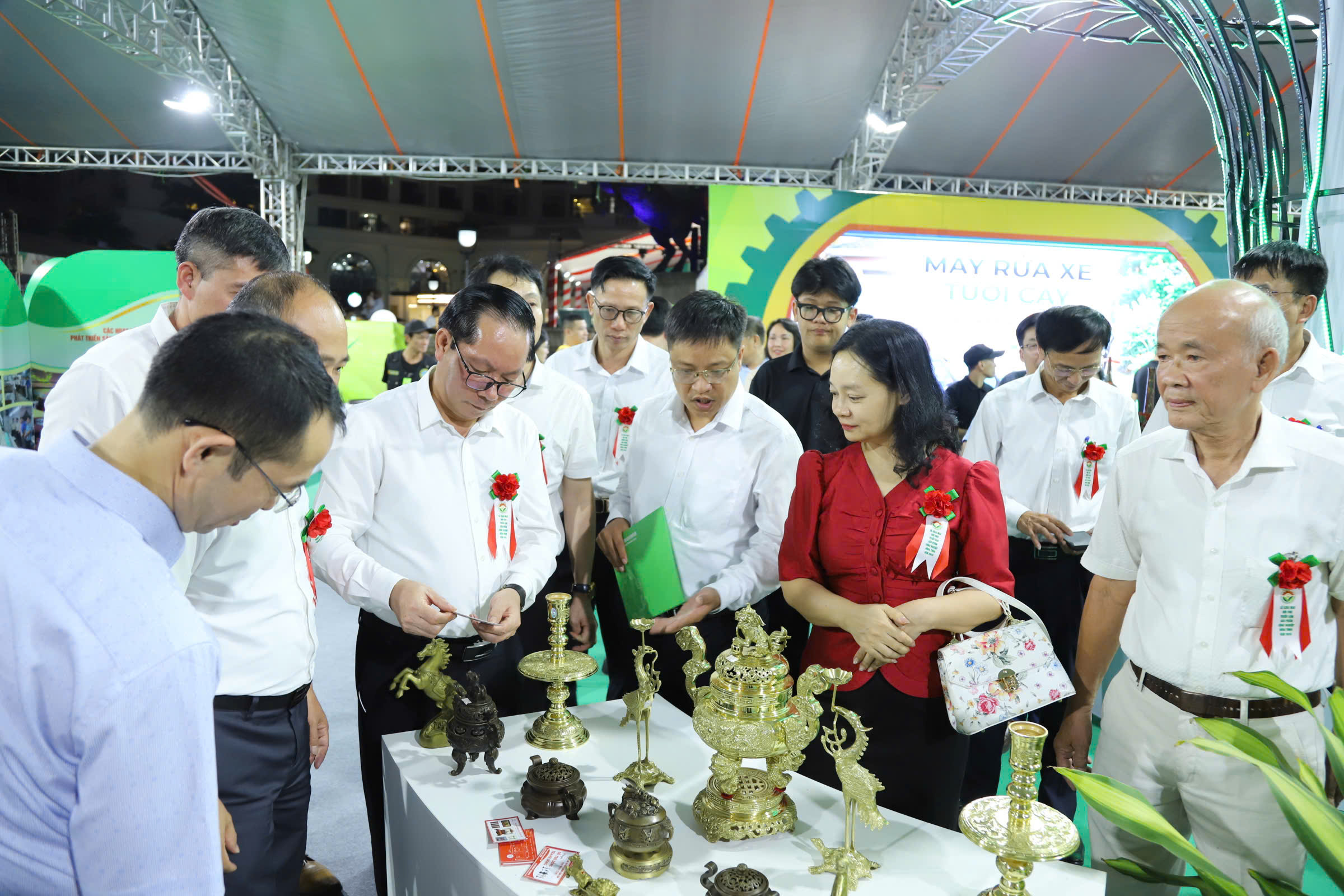
The Rural Industrial Products Fair and Exhibition 2026 has attracted more than 300 booths from provinces and cities across the country, helping promote outstanding rural industrial products, strengthen business connections, and expand consumer markets.
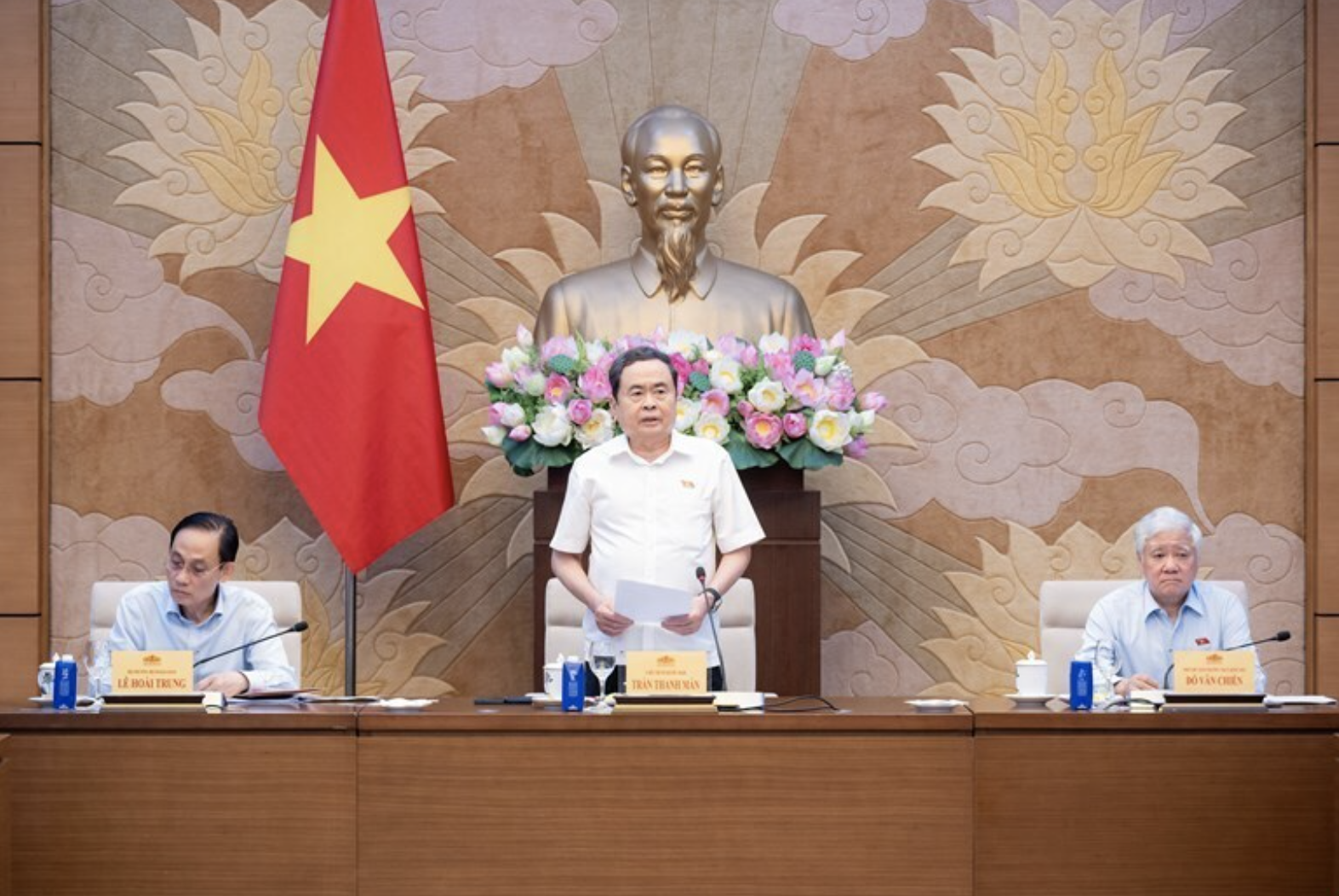
National Assembly Chairman Tran Thanh Man stressed that in the country's new stage of development, foreign affairs must not only contribute to safeguarding the nation from an early stage and from afar, but also serve as a key driver of development.
The Rural Industrial Products Fair and Exhibition 2026 has attracted more than 300 booths from provinces and cities across the country, helping promote outstanding rural industrial products, strengthen business connections, and expand consumer markets.
To further enhance the effectiveness of the national industrial promotion program, representatives from provincial Departments of Industry and Trade have proposed increasing support expenditures during the 2026-2030 period to align with the growing demands of digital transformation, green transition, and technological innovation at production facilities.
The Ministry of Industry and Trade (MoIT) delegation inspected TKV Minerals Corporation JSC (Vimico)’s 2026 storm-season preparations, highlighting AI-based monitoring and early warning systems to strengthen mine safety efforts