Speaking at a National Assembly session on April 10, Prime Minister Le Minh Hung stressed that Vietnam will not pursue rapid or high growth in exchange for macroeconomic instability.
Enormous challenges require strong resolve
On the morning of April 10, as part of the first session of the 16th National Assembly, legislators discussed supplementary assessments of the 2025 socio-economic development and state budget performance, the situation in the early months of 2026, and the five-year socio-economic development plan for 2026-2030.
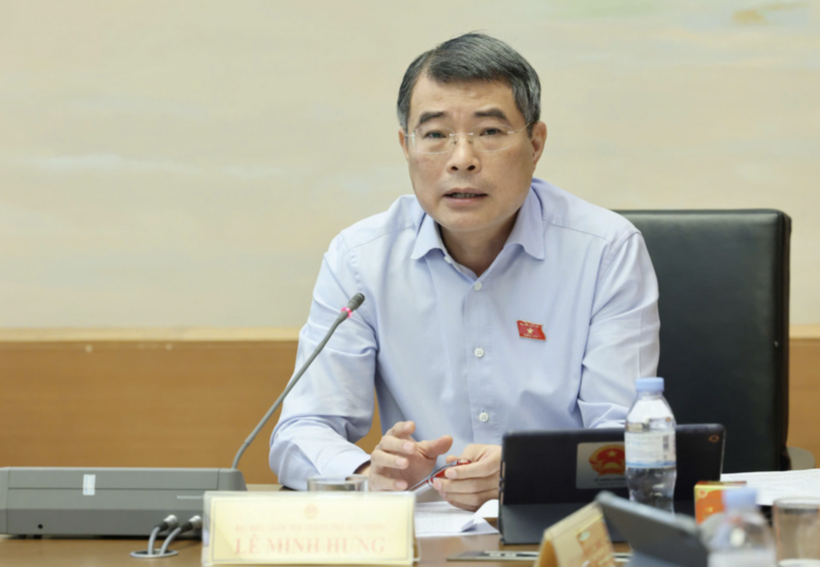
Prime Minister Le Minh Hung delivers remarks at the session
Addressing the session, Prime Minister Le Minh Hung said the country is targeting double-digit growth during this term. The Party Central Committee has issued Conclusion No. 18, outlining key tasks and solutions to achieve this goal. The National Assembly is deliberating and will adopt a resolution for the Government to implement, ensuring the target is met.
According to the Prime Minister, the most critical requirement set out in the Central Committee’s conclusions and the Government’s report to the National Assembly is unity in both thinking and action across all levels and sectors. This is an especially important condition for achieving the set objectives.
“The challenges are immense, but we must remain determined. With the support of the National Assembly, government agencies, ministries, local authorities, businesses, and the public, the targets are achievable. We have a solid basis for these goals,” he said.
The Prime Minister also highlighted that the Government’s submission to the National Assembly has laid out targets for 2026 and the broader five-year period, with specific objectives for each sector and locality. To achieve double-digit growth in 2026, every sector, field, and locality must strive to meet its assigned targets.
To support growth, he reiterated the three strategic breakthroughs identified in the 13th and 14th Party Congress resolutions. Regarding institutions, he likened them to “roads” that create an enabling environment for the “vehicle” of Vietnam’s economy to move forward.
The Central Committee has tasked the Politburo and the Central Policy and Strategy Commission with developing a resolution on reforming the growth model, to be submitted at the third plenum. Pending this, efforts will continue to keep the economy moving.
“With the same vehicle, if institutions are improved like high-quality roads, higher speeds can be achieved. Therefore, institutions are the most decisive factor,” the Prime Minister noted.
In 2026, a series of institutional issues must be comprehensively addressed, including a full review of Vietnam’s legal system, the development of a legal strategy for a new era, and resolving bottlenecks affecting the operation of the two-tier local government model.
In the second quarter of 2026, the Government will coordinate to remove regulatory obstacles to ensure the smooth and effective functioning of local administrations. For localities aiming at double-digit growth, grassroots-level authorities play a decisive role in development facilitation. Accordingly, 2026 is designated as a “year focusing on the grassroots,” with improving the quality of local officials as a key priority.
On special policy mechanisms, the Prime Minister noted that “one size does not fit all.” Legal regulations suitable for Hanoi and Ho Chi Minh City may not apply to other provinces. The legal system should provide different frameworks, allowing localities that meet specific criteria to apply appropriate mechanisms.
A key priority in institutional reform this year is to review special policies and mechanisms, standardizing those proven effective nationwide to avoid inconsistencies in the legal system.
Administrative reform and business conditions must be improved
Alongside institutional reform, the Prime Minister emphasized the need to streamline administrative procedures, improve business conditions, and enhance enforcement capacity.
The Ministry of Justice has been tasked with coordinating a comprehensive review of administrative requirements and business procedures, with a firm mandate to cut compliance time and costs.
Deputy prime ministers have been assigned to work directly with ministries to develop reduction plans, which must be submitted to the Government by April 15.
“This is something we can do immediately to support businesses and citizens, build trust in policies, and reduce compliance costs, thereby promoting investment and production,” he said.
On infrastructure, the Prime Minister stated that major strategic projects in transport, including roads, airports, ports, and energy, will be accelerated. The Power Development Plan VIII will be revised to adapt to changing global and regional dynamics.
The Government has also proposed plans to build national reserves of essential goods beyond petroleum. At the same time, efforts will continue to develop baseload power sources alongside renewable energy, applying advanced technologies while meeting environmental standards.
Regarding human resources, the Prime Minister noted that the implementation program for the Politburo’s resolution on education and training development includes concrete plans. The Ministry of Education and Training, in coordination with the Ministry of Science and Technology, has been tasked with improving workforce quality to meet innovation and technological development needs.
On resources, he acknowledged that achieving double-digit growth requires substantial capital. Before fully benefiting from science and technology advancements, the economy must still rely on traditional growth drivers such as exports, industry and construction, and trade and services.
Vietnam’s development, he added, must be grounded in macroeconomic stability. “Like building a house, the foundation must be solid before adding more floors,” he said, stressing the need to maintain stability and control major economic balances.
“We do not accept rapid or high growth at the cost of macroeconomic instability, as the price to pay would be far greater. Short-term growth driven by investment at the expense of medium- and long-term stability would impose significant costs on the economy. The Government is fully aware of this and will implement measures to safeguard macroeconomic stability,” he emphasized.
In recent days, the Prime Minister has directed ministries, particularly the Ministry of Finance, the State Bank of Vietnam, and the Ministry of Industry and Trade, to coordinate in managing the petroleum and monetary markets to mitigate external shocks.
“External impacts are inevitable, but we must act proactively to minimize their effects on the domestic market. These measures must be implemented simultaneously,” he said.
He concluded that 2026 will be a crucial “pivot year” in laying the foundation for the next phase of growth.
Polish Prime Minister Donald Tusk will pay an official visit to Viet Nam from October 24 to 26 as the bilateral trade continues to grow, creating opportunities for deeper cooperation.
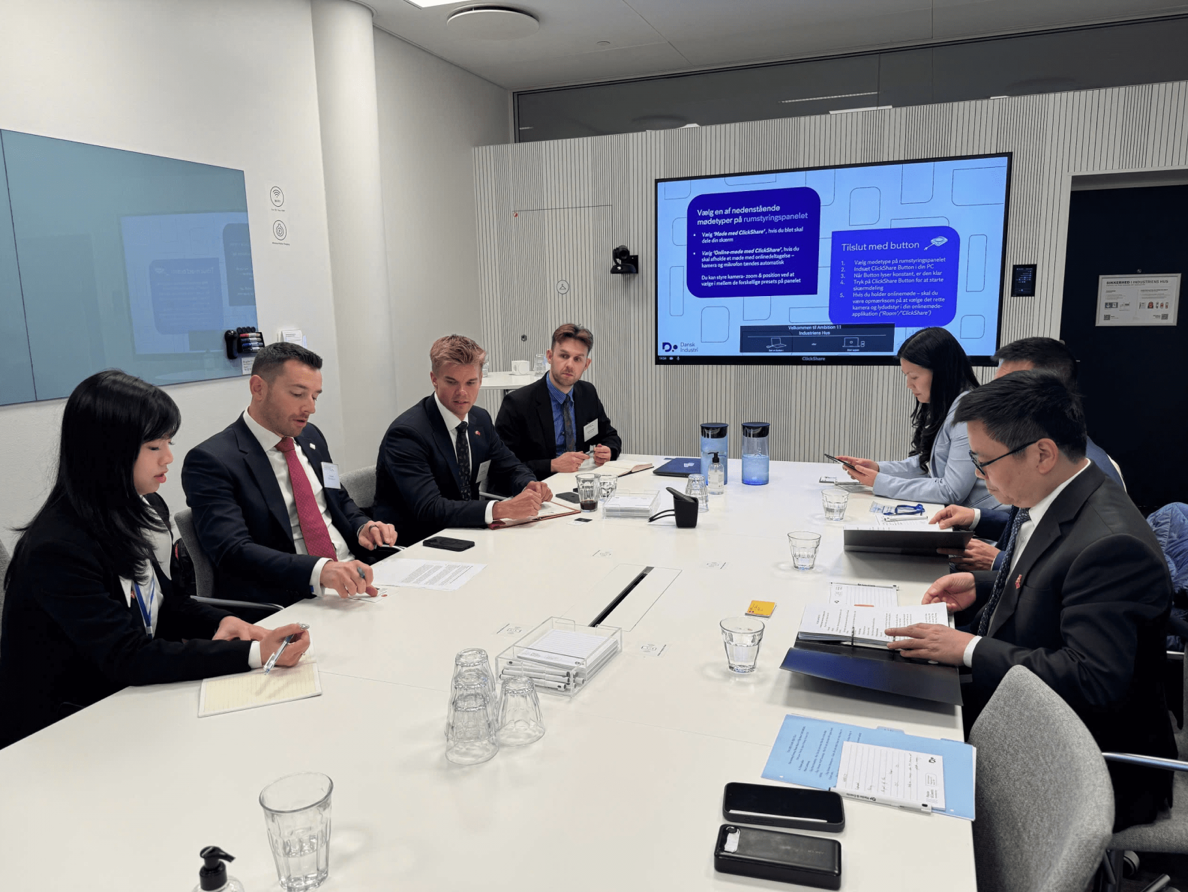
Deputy Minister Truong Thanh Hoai met with LEGO and Carlsberg in Denmark on October 20 to discuss green investment and sustainable manufacturing in Viet Nam.
For more than three decades, Ms. Dang Thi Thanh Huong has quietly shaped the legacy of Dong Phuong Cake & Confectionery, a brand rooted in tradition, craftsmanship.
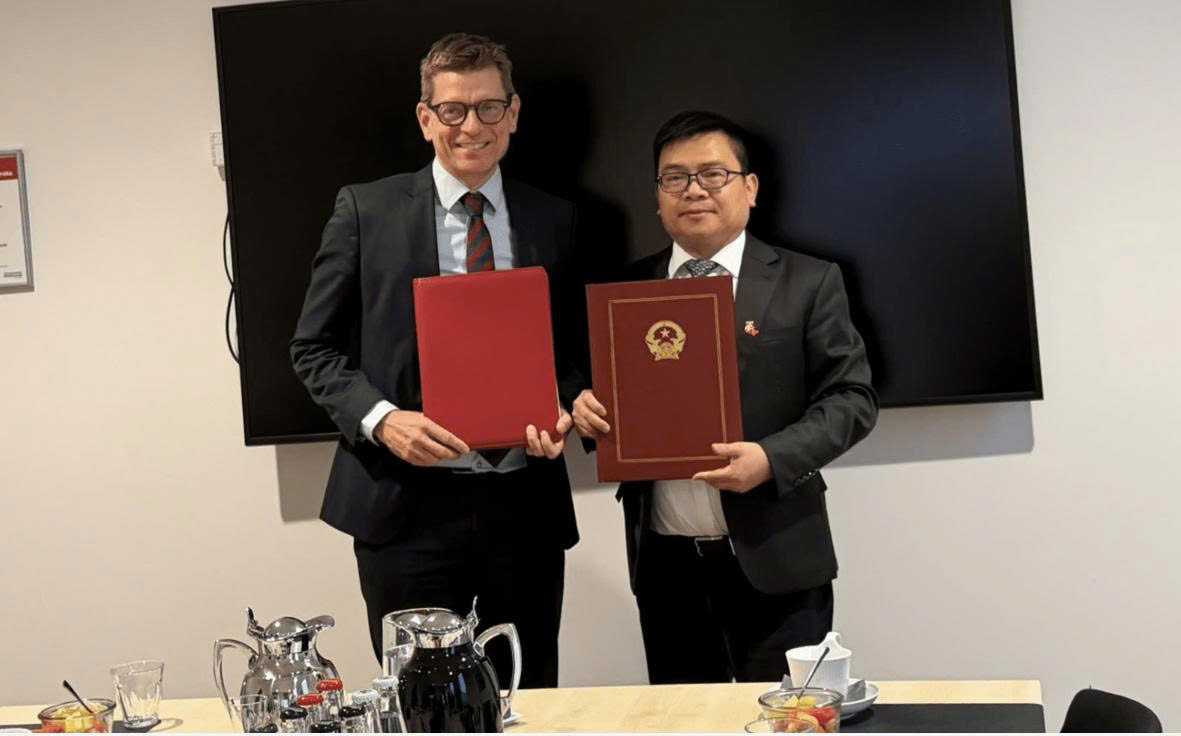
Viet Nam and Denmark have signed an MoU on energy cooperation to strengthen bilateral ties and advance collaboration in renewable energy and the green transition.
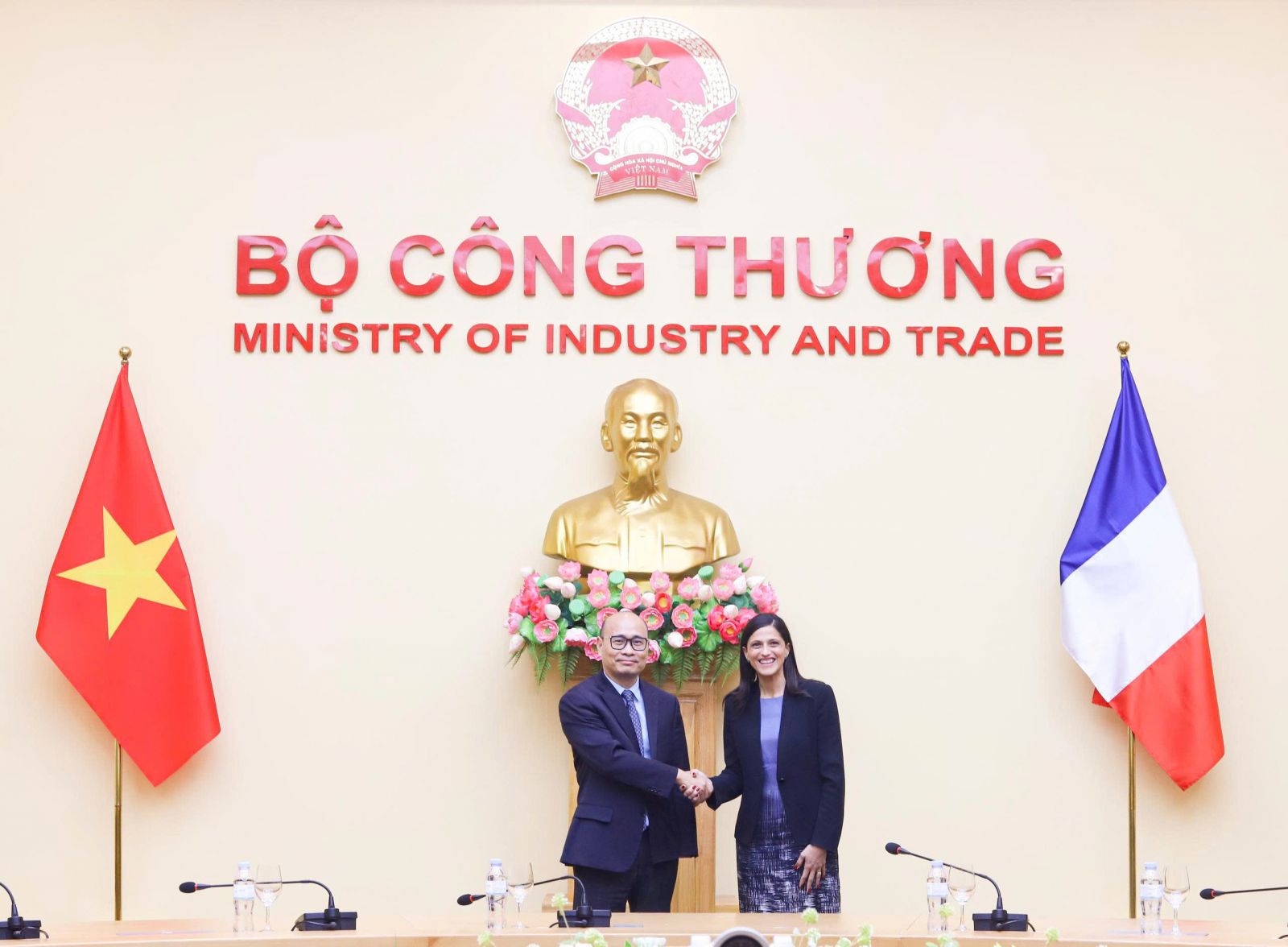
Deputy Minister Luong Hoang Thai met French Minister Delegate Eleonore Caroit on October 19 to discuss ways to strengthen Viet Nam - France cooperation.
Facing the challenges of renewable energy transmission, CWEA suggests off-grid consumption approaches and opportunities for global supply chain cooperation.
In the seven months of 2026, industry, retail sales and imports and exports all posted strong growth. The Ministry of Industry and Trade (MoIT) continues to roll out solutions to contribute to achieving the double-digit growth target.
In the first six months of 2026, Viet Nam’s total merchandise import and export turnover reached USD 549.69 billion, up 27.1% year on year. Exports increased by 21%, while imports rose by 33.4%. The country recorded a merchandise trade deficit of USD 16.65 billion. These figures underscore Viet Nam’s determination to further expand the presence of Vietnamese goods and brands in international markets.
Moonfolks has officially entered the Vietnamese market, aiming to connect the country’s rapidly growing digital economy with broader opportunities across Southeast Asia and support Vietnamese businesses in expanding internationally.