Nghe An’s exports are recording strong growth, driving up demand for certificates of origin. The province is stepping up support for businesses to help them make better use of preferential treatment under free trade agreements (FTAs).
Rising exports drive demand for certificates of origin
As Viet Nam has joined and implemented 18 free trade agreements (FTAs), taking advantage of tariff preferences has become an important solution for businesses seeking to expand markets and enhance the competitiveness of their products. However, to turn FTA opportunities into tangible benefits, businesses must fully comply with the relevant rules of origin. In Nghe An, alongside strong export growth, the province is stepping up guidance and support for businesses in complying with origin regulations and obtaining Certificates of Origin (C/Os), thereby enabling them to make more effective use of international trade commitments.
Viet Nam’s import and export activities have continued to deliver positive results. In the first 10 months of 2026, the country’s total import-export turnover reached approximately USD 1,010.6 billion, up 32.3% year on year, with exports estimated at USD 499 billion, up 27.4%.
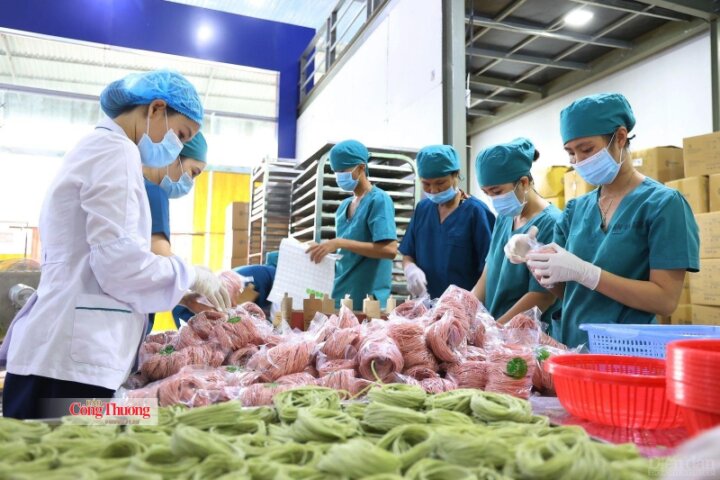
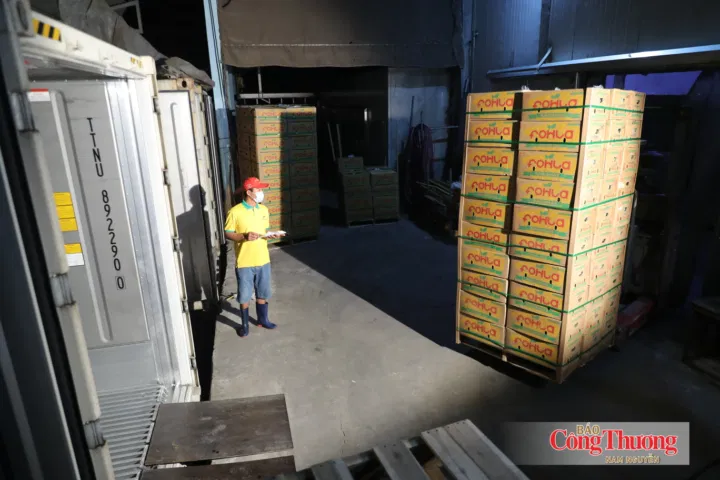
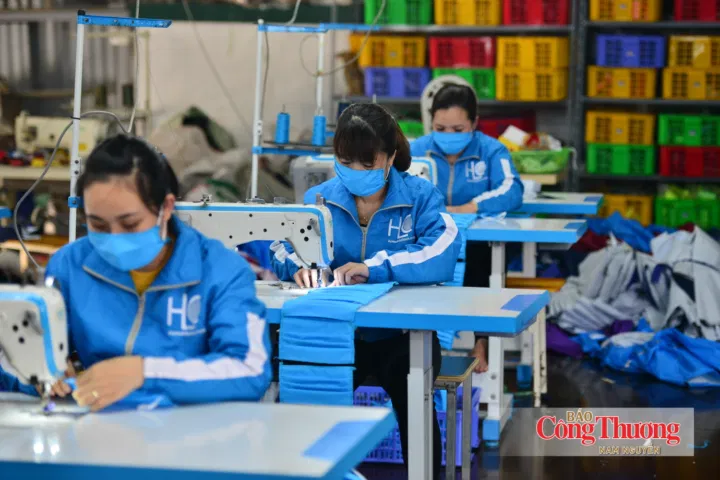
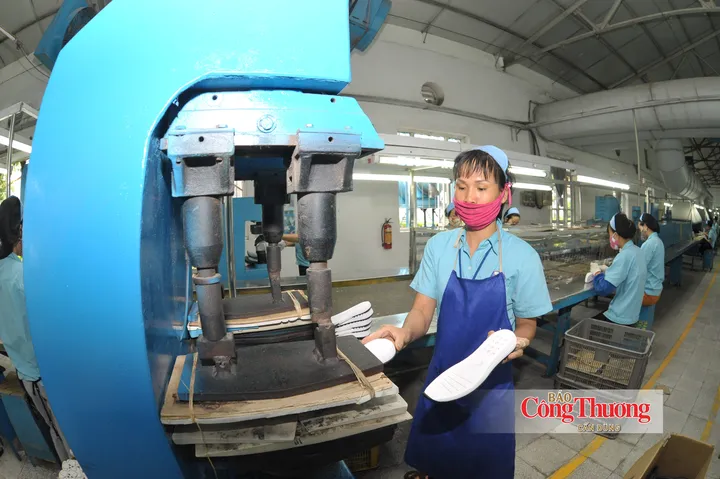
Businesses in Nghe An are stepping up production and leveraging FTAs to boost exports.
These results highlight the increasingly important role of international trade in economic growth while underscoring the need to make better use of the advantages offered by Viet Nam’s network of 18 FTAs. These agreements create opportunities to access markets, reduce tariffs and improve the competitiveness of Vietnamese goods. However, to qualify for preferential import tariffs in partner markets, products must meet the rules of origin stipulated in each agreement.
This is also a particular priority for Nghe An, where exports have been growing strongly. In the first 10 months of 2026, the province’s merchandise export turnover exceeded USD 5.18 billion, up 56.02% year on year and surpassing its full-year export target.
Alongside the expansion of export activities, demand for origin certification procedures has also increased. As of November 20, 2026, the Nghe An Department of Industry and Trade had received, processed and issued 21,500 sets of C/Os under 20 different forms through its two C/O issuance systems, representing an increase of more than 45% compared with the same period in 2025.
The range of products receiving C/Os has become increasingly diverse, covering electronic components, textiles and garments, footwear, agricultural products, various types of stone, electrical equipment, packaging, plastic additive granules and many other products. This indicates that demand for tariff preferences under FTAs is no longer concentrated in a few traditional sectors but is expanding in line with the diversification of the province’s export product structure.
However, many businesses still face difficulties in determining origin criteria, controlling material sources, preparing supporting documents and completing applications for C/O issuance. Failure to meet the rules of origin means that goods exported to markets with which Viet Nam has signed FTAs may still be ineligible for preferential tariffs. This directly affects business costs, competitiveness and operational efficiency.
Recognising these challenges, on November 27, the Nghe An Department of Industry and Trade, in coordination with the Viet Nam Chamber of Commerce and Industry (VCCI) - Nghe An, Ha Tinh and Quang Tri Branch, organised a training conference on leveraging rules of origin under FTAs. The event was held under the theme “The Key to Taking Vietnamese Goods to the World: Practical Considerations in the C/O Issuance Process”.
At the conference, Tran Ngoc Binh, former Head of the Ho Chi Minh City Regional Import-Export Management Office under the Ministry of Industry and Trade’s Agency of Foreign Trade, directly provided technical guidance on FTA rules of origin and practical considerations in the C/O issuance process. Through specific case studies, businesses were guided in identifying common difficulties in preparing applications, proving the origin of goods and completing procedures for C/O issuance.
The Nghe An Provincial People's Committee has recently issued Plan No. 1039/KH-UBND to implement the Scheme on an FTA Utilisation Ecosystem for the 2026–2030 period, with a vision to 2035, in the province. Under the plan, rules of origin are identified as one of the key areas in which businesses need support to access and implement relevant requirements.
The province aims to ensure that 100% of ecosystem members receive information and support in accessing at least one relevant area, including FTA policies and commitments, rules of origin, standards in importing markets, supply chain connectivity and logistics. The Department of Industry and Trade has been assigned as the standing agency of the Ecosystem Task Force, responsible for receiving businesses’ needs and difficulties, coordinating with relevant agencies to address them, and monitoring feedback and resolution results.
Through these activities, Nghe An aims to help businesses not only understand regulations but also improve their production organisation, material management and capacity to prepare documentation proving origin. These are essential conditions for businesses to take a more proactive approach to benefiting from tariff preferences, mitigating risks and maintaining stable export operations.
Proactively securing material supplies and strengthening compliance with rules of origin
According to Pham Van Hoa, Director of the Nghe An Department of Industry and Trade, maintaining export growth requires the province to implement coordinated measures to help businesses expand markets, make effective use of FTAs and enhance their competitiveness. In particular, market information, guidance on rules of origin, C/O issuance procedures and importing-market standards must be provided in a manner closely aligned with the needs of individual sectors and businesses.
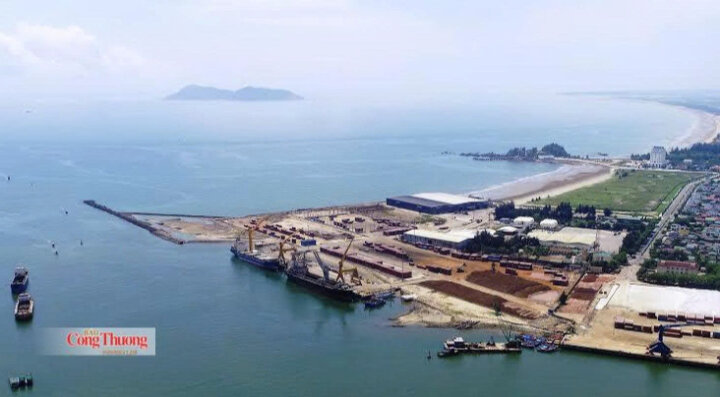
Promoting exports through Cua Lo Port.
In addition, amid fluctuations in international transport costs, businesses need to proactively restructure their export markets, optimize logistics operations and strengthen cooperation in the transportation and supply of goods. In the longer term, improving product quality, investing in technology, and meeting requirements on traceability and environmental standards will be important factors in helping Nghe An’s products participate more deeply in global supply chains and make better use of opportunities arising from international economic integration.
From the business perspective, compliance with rules of origin goes beyond completing C/O applications. It must begin with production organisation, material control and supply chain development. This is particularly important for agricultural products and processed foods, which are subject to stringent requirements concerning raw material sources, quality and traceability.
Dinh Cao Khue, Vice Chairman of the Viet Nam Fruit and Vegetable Association and Chairman of the Board of Directors and General Director of Dong Giao Foodstuff Export Joint Stock Company (DOVECO), said Viet Nam’s fruit and vegetable sector had maintained strong growth. Export turnover rose from USD 3.2 billion in 2020 to USD 8.56 billion in 2025 and is projected to reach USD 10 billion in 2026. With effective production organisation and market development, the sector could aim for export turnover of USD 20 billion in the coming years.
According to Khue, improving pineapple productivity and quality requires changes in cultivation practices, with particular attention to land preparation, raised beds to ensure proper drainage, pH control and the selection of suitable varieties. For the MD2 pineapple variety, a planting density of approximately 65,000-70,000 plants per hectare is considered capable of increasing productivity while reducing weeding costs. Actual experience in several growing areas in Nghe An shows that yields can reach 50–60 tonnes per hectare, generating profits of approximately VND 150-200 million per hectare when proper technical procedures are followed.
For passion fruit, export turnover in 2026 is estimated at approximately USD 300 million. DOVECO currently has the capacity to process around 400 tonnes of passion fruit per day and is ready to support farmers with seedlings, technical transfers and product marketing linkages.
Drawing on production experience, Khue emphasised the importance of developing raw material areas through linked value chains, covering seedling supply, cultivation, harvesting and product consumption. Contracts between businesses and producers help farmers minimise risks arising from market fluctuations while ensuring stable supplies of raw materials for processing plants.
This is also an important foundation for businesses to proactively control the origin of raw materials and product quality and meet rules-of-origin requirements for exports. With stable raw material supplies, controlled production processes and complete documentation, businesses will find it easier to prove the origin of their products and benefit from tariff preferences under FTAs.
Under Plan No. 1039/KH-UBND, Nghe An also aims to support agricultural products and processed foods through the development of raw material areas, growing area codes, packing facilities, quality standards and traceability systems, while strengthening processing, preservation and logistics capacity. In the industrial sector, the province is focusing on connecting domestic businesses with foreign-invested enterprises (FDI) and lead firms in supply chains, while supporting businesses in completing their capability profiles and improving production standards.
Clearly, making effective use of rules of origin is becoming an increasingly practical requirement for Nghe An businesses as they expand exports. Combining policy guidance and C/O issuance support with stronger production organisation capabilities will help businesses not only meet the conditions for preferential tariffs but also improve their competitiveness in international markets. This is an important pathway for translating FTA advantages into tangible export value, sustaining growth momentum and enhancing the position of Nghe An’s products in global supply chains.
In the coming period, the effective implementation of FTA commitments will depend not only on businesses’ understanding of preferential tariff policies but also on their ability to adapt production and supply chains to increasingly stringent market requirements. For Nghe An, strengthening the connection between local authorities, industry associations and the business community will be essential to addressing practical difficulties and improving access to trade-related information. More targeted support for individual industries, combined with better coordination in origin certification and market development, will help businesses make informed decisions when selecting export markets and organising production. These efforts are expected to create a stronger foundation for sustainable export growth and enable more local products to benefit from Viet Nam’s expanding network of trade agreements.
Nghe An’s exports are recording strong growth, driving up demand for certificates of origin. The province is stepping up support for businesses to help them make better use of preferential treatment under free trade agreements (FTAs).
VEFTA's rules of origin set out specific requirements concerning materials, production processes, certification and verification. Businesses need to make thorough preparations to ensure compliance with these requirements.
The CPTPP offers significant tariff advantages for Vietnamese footwear in Mexico. However, to fully capitalise on these preferences, businesses need to exercise strict control over the origin of raw materials, maintain transparent documentation and take a proactive approach to organising their supply chains from the production stage.
The RCEP offers new trade opportunities, but mastering its rules of origin is essential to securing tariff benefits and boosting export competitiveness.
The 11th CPTPP Council Meeting delivers significant outcomes, underscoring Viet Nam's proactive, innovative and leadership role during its 2026 CPTPP Chairmanship.
VEFTA's rules of origin set out specific requirements concerning materials, production processes, certification and verification. Businesses need to make thorough preparations to ensure compliance with these requirements.
The CPTPP offers significant tariff advantages for Vietnamese footwear in Mexico. However, to fully capitalise on these preferences, businesses need to exercise strict control over the origin of raw materials, maintain transparent documentation and take a proactive approach to organising their supply chains from the production stage.
Mexico has imposed additional import tariffs of 5–35% on 185 tariff lines. However, Vietnamese goods can still benefit from preferential treatment under the CPTPP. To capitalise on this advantage, businesses are advised to fully understand rules of origin, control raw material sources and establish transparent traceability systems.
The EVFTA offers Vietnamese footwear tariff advantages in the E.U. market. To capitalize on these opportunities sustainably, businesses need to secure material supplies, strengthen production capacity and meet green requirements.