MOIT aims to help businesses better tap FTA benefits, raising preferential C/O utilization to nearly 50% under the EVFTA and 15-20% under the CPTPP.
Viet Nam currently has 20 free trade agreements (FTAs), 17 of which have been implemented. However, the rates at which businesses use preferential certificates of origin (C/Os) vary considerably across agreements. To make better use of tariff preferences, businesses need to proactively develop market strategies, meet rules of origin requirements and improve their competitiveness.
In an interview with a reporter from the Newspaper of Industry and Trade, Ngo Chung Khanh, Deputy Director-General of the Department of Foreign Market Development and Multilateral Trade under the Ministry of Industry and Trade (MOIT), outlined the current picture of businesses' use of preferential origin provisions under FTAs, the challenges they need to address and the support measures planned for the coming period.
Preferential C/O utilization rates vary across FTAs
- Viet Nam currently has an extensive network of FTAs. How would you assess the extent to which businesses are making use of tariff preferences, particularly through preferential C/Os?
Ngo Chung Khanh: Viet Nam currently has 20 FTAs, 17 of which have been implemented. We are also negotiating several FTAs and preferential trade agreements (PTAs).
The extent to which Vietnamese businesses utilize FTAs needs to be assessed on an agreement-by-agreement basis. For agreements that were signed and have been implemented for a relatively long time, such as those within the ASEAN framework and several bilateral FTAs, Vietnamese businesses have recorded relatively high rates of preferential certificate of origin (C/O) utilization, averaging 70-80% or higher.
Ngo Chung Khanh, Deputy Director-General of the Department of Foreign Market Development and Multilateral Trade under MOIT.
However, the rates are lower for several new-generation FTAs, such as the Comprehensive and Progressive Agreement for Trans-Pacific Partnership (CPTPP), the Viet Nam-E.U. Free Trade Agreement (EVFTA), and the Viet Nam-United Kingdom Free Trade Agreement (UKVFTA). This depends on how long each agreement has been in effect, business practices and the rules of origin stipulated in each agreement.
In practice, having an FTA in place and being eligible for tariff preferences does not mean that businesses can automatically benefit from them. They must meet the requirements of the agreement, including rules of origin, and proactively complete the necessary procedures to qualify for preferential treatment.
- What are the biggest challenges preventing businesses from effectively utilizing preferences under new-generation FTAs, particularly requirements concerning product origin and standards in importing markets?
Ngo Chung Khanh: When Viet Nam opens its market to trading partners, those partners also open their markets to Vietnamese goods. At the same time, businesses must meet new requirements.
Through our work with numerous businesses and associations, as well as conferences, local reports and recommendations from business associations, I have identified several groups of issues that businesses need to address.
First, businesses need information about markets, partners and contracts. This is a common need across all businesses. Some proactively seek information and are willing to spend money attending seminars and conferences, viewing such expenses as part of their business operations. Through these activities, they can find partners, orders and contracts. However, many businesses lack the necessary resources or are not yet prepared to invest in these activities, leaving them with insufficient information.
In addition, businesses must meet standards in overseas markets. An increasing number of markets are concerned not only with sanitary and phytosanitary (SPS) requirements and technical barriers to trade (TBT), but also with standards relating to sustainable development, labor, the environment and, in particular, traceability.
These are all requirements that businesses need to pay attention to when accessing markets and organizing production. Meeting standards and ensuring traceability are also important to demonstrating that goods satisfy the conditions stipulated by importing markets and relevant agreements.
Another issue is business capacity. Objectively speaking, most Vietnamese businesses are small and medium-sized enterprises (SMEs). Accessing market information, upgrading production capacity and adjusting operations to meet new standards are not always easy.
Many SMEs believe they lack the financial and human resources to meet these requirements. However, experience has also shown that many SMEs have succeeded, with some even building their own brands and bringing their products to overseas markets.
Therefore, although these challenges affect many businesses, they do not affect all businesses in the same way. With the right approach, a clear strategy and systematic planning, businesses can overcome them.
Building an ecosystem and setting targets to increase FTA utilization
- Given this situation, what is the most important change businesses need to make to increase their use of preferential C/Os? What measures is MOIT implementing to support them?
Ngo Chung Khanh: In my view, the most important issue is first and foremost the mindset of businesses.
Businesses need to determine whether they are genuinely interested in and committed to promoting FTA utilization. Some believe their current markets are sufficient and their business operations are stable, so there is no need to expand into other markets. Even when a new FTA is concluded with a large and attractive market, they may be unwilling to make use of it if doing so requires changes or adjustments to their production and business operations. This reluctance to change causes businesses to overlook or waste the opportunities offered by FTAs.
Another issue is that some businesses believe that, as SMEs, they cannot meet the standards of overseas markets. Once they adopt this mindset, they are unlikely to proactively seek ways to meet those requirements, thereby missing opportunities to benefit from the preferences offered by FTAs.
Changing mindsets and improving business capacity are important factors in promoting the use of preferential C/Os under FTAs.
Businesses need to change their approach, recognize that they are capable of meeting these requirements, view FTAs as market opportunities and proactively seek ways to capitalize on them.
Once they have established their objectives, businesses need to develop strategies for utilizing FTAs. For example, under the Viet Nam-UAE Comprehensive Economic Partnership Agreement (CEPA), businesses seeking to benefit from its preferences need to study the market, relevant regulations and the agreement's provisions, while clearly identifying the support they require.
Such support may be needed from ministries, sectors or business associations, or may involve actions that businesses themselves must take. Businesses need to determine which issues should be raised through their associations and which should be submitted directly to state management agencies so that relevant ministries and sectors can develop appropriate support measures.
For its part, MOIT does not simply wait for businesses to submit recommendations. We have proactively developed plans and strategies to support FTA utilization.
Once an agreement is signed and implemented, an implementation plan is required. Based on the plan issued by the Government, ministries, sectors and localities then develop their own plans for implementation in line with their respective responsibilities. Notably, we are currently developing an FTA implementation management system based on three pillars.
The first is the FTA Portal (FTAP), which aims to provide businesses with guidance and detailed information on agreements, market information and updates on regulations in importing markets.
The second is the FTA Index, which assesses FTA implementation at the local level and encourages local authorities to play a more active and determined role in helping businesses make use of these agreements.
The third is an FTA utilization ecosystem designed to connect all relevant stakeholders, from central government agencies to local authorities, and from businesses within a particular sector to those in other sectors. The aim is to maximize the combined strengths of the public and private sectors and, in doing so, help businesses make better use of FTAs.
Through these three pillars, we aim to establish a more effective management system for FTA implementation and utilization. I believe that with a sound management system in place, businesses will pay greater attention to FTAs and make more effective use of them.
- Has MOIT set specific targets for increasing FTA utilization, particularly the rate of preferential C/O use, in the coming period?
Ngo Chung Khanh: In proposing the development of an FTA utilization ecosystem to the Government, we have also set specific targets.
The ecosystem cannot support every business indiscriminately; it needs members and stakeholders who share common objectives. We encourage businesses and other stakeholders, including farmers, to join the ecosystem if they take a systematic approach to business, seek to build their brands and aim to generate as much added value in Viet Nam as possible. Through this approach, resources and support activities can be concentrated on developing products under Vietnamese brands with high domestic added value.
Once this has been achieved, businesses will have greater confidence in setting specific targets for increasing their utilization of FTA preferences. For example, the current utilization rate under the EVFTA is around 34%. We aim to raise it to nearly 50% within approximately five years. Under the CPTPP, the current rate is around 10%, and the target is to increase it to 15-20%.
These targets will go beyond general figures and be linked to individual businesses participating in the ecosystem. After approximately two to three years of participation, each business should gradually increase its use of preferences over time, with a specific target rate to be achieved within around five years.
- Thank you very much for your time.
Ngo Chung Khanh, Deputy Director-General of the Department of Foreign Market Development and Multilateral Trade: Our overarching objective is to concentrate resources on supporting businesses that are genuinely committed, have strategies for brand development, seek to increase added value and proactively make use of FTA preferences. This will gradually improve the effectiveness of preferential C/O utilization and enable Vietnamese goods to better capitalize on the benefits offered by free trade agreements.
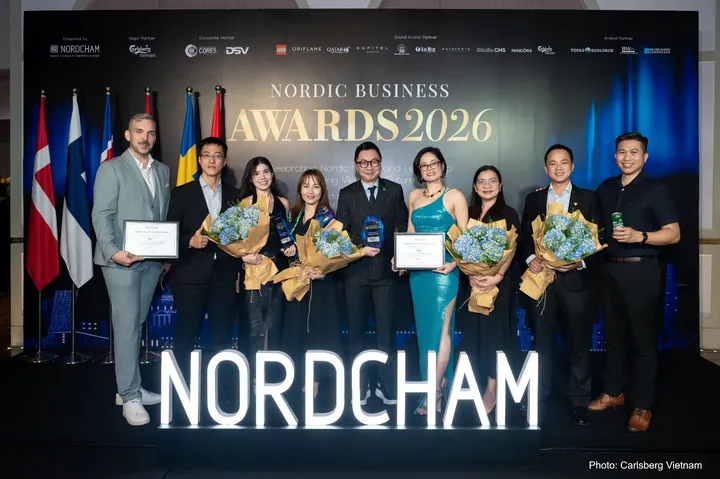
Carlsberg Viet Nam was named Nordic Company of the Year at the Nordic Business Awards 2026 and recognized for its workplace, sustainability and community efforts.
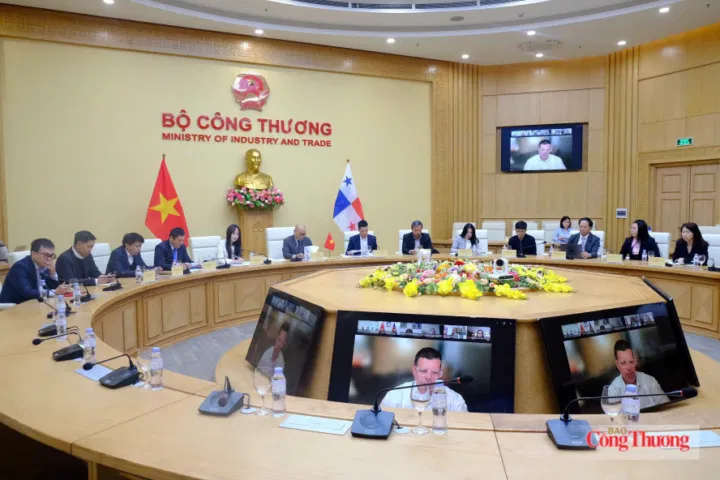
Viet Nam and Panama agreed to promote economic, trade and investment cooperation in key areas, aiming to effectively tap the market potential of both countries.
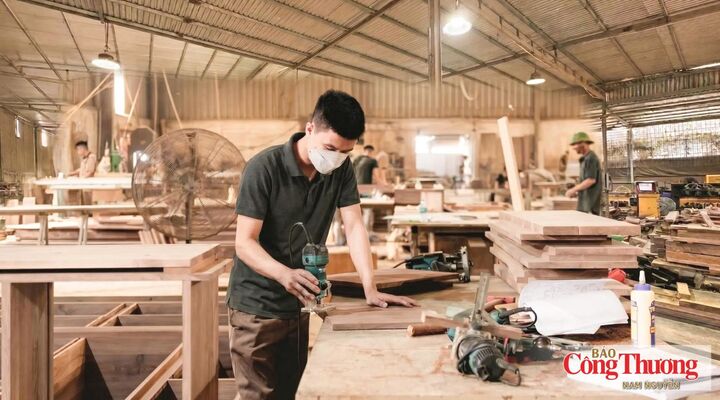
The EVFTA offers Vietnamese footwear tariff advantages in the E.U. market. To capitalize on these opportunities sustainably, businesses need to secure material supplies, strengthen production capacity and meet green requirements.
Tariff preferences under free trade agreements (FTAs) are creating new opportunities for Vietnamese pepper exports. However, businesses need to proactively meet rules of origin requirements.
Ha Noi is set to host CPTPP ministerial dialogues with the E.U. and ASEAN on November 26, 2026, but the dialogues do not mean either is joining the agreement.