The State encourages Vietnamese and foreign organisations and individuals to invest in basic oil and gas surveys and oil and gas activities in Viet Nam.
Investment incentives to increase resources
The amended Petroleum Law, recently adopted by the National Assembly, provides regulations on basic oil and gas surveys and oil and gas activities within the mainland, islands, territorial waters and other maritime areas under the sovereignty, sovereign rights and jurisdiction of the Socialist Republic of Viet Nam. The law applies to Vietnamese and foreign agencies, organisations and individuals involved in basic oil and gas surveys and oil and gas activities.
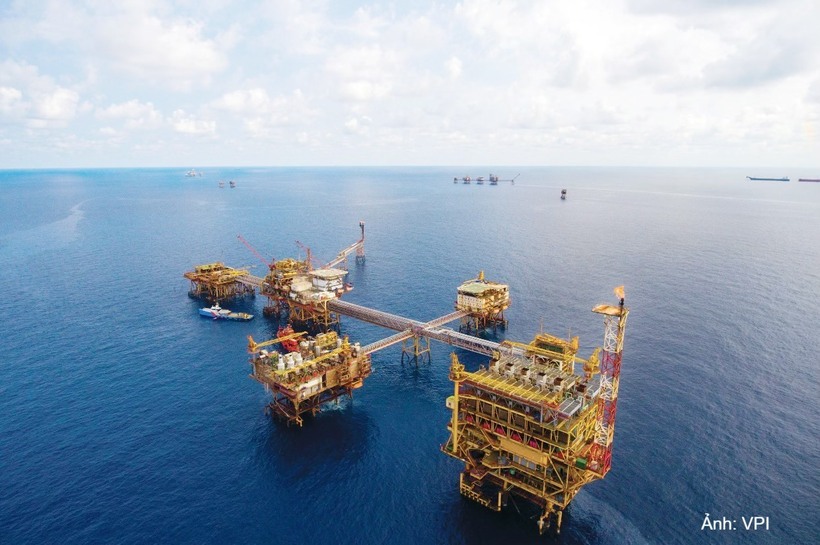
Oil and gas exploitation activities. Photo: VPI
Article 5 on the State's policies on petroleum under Chapter I of the amended Petroleum Law stipulates that the State encourages Vietnamese and foreign organisations and individuals to invest in basic oil and gas surveys and oil and gas activities in Viet Nam to increase oil and gas resources, reserves and production in potential areas, deepwater and offshore areas; contribute to ensuring national energy security and national economic development; and protect Viet Nam's legitimate rights and interests in accordance with treaties to which the Socialist Republic of Viet Nam is a member.
In addition, the State guarantees ownership rights over investment capital and assets, as well as other lawful rights and interests, of Vietnamese and foreign organisations and individuals conducting basic oil and gas surveys and oil and gas activities in Viet Nam.
The State does not collect fees for the use of sea areas for basic oil and gas surveys and oil and gas activities, or for the treatment and transportation of oil and gas resources to shore by pipeline; or for facilities and pipeline systems for the capture, transportation and storage of CO2.
At the same time, the State has investment incentive policies for oil and gas projects involving blocks and fields to encourage the exploration, development and exploitation of unconventional oil and gas; oil and gas blocks and fields located in deepwater and offshore areas, areas with particularly difficult geographical conditions or complex geology; marginal oil and gas fields; and the application of solutions or technologies to enhance oil and gas recovery.
The State encourages Vietnamese and foreign organisations and individuals to share, access and use oil and gas infrastructure and facilities for basic oil and gas surveys and oil and gas activities.
The amended Petroleum Law also stipulates that the State encourages Vietnamese and foreign organisations and individuals to use goods and services provided by domestic suppliers for basic oil and gas surveys and oil and gas activities.
The State has policies to encourage the sharing and utilisation of existing infrastructure and available information and data from the oil and gas sector to support the development of the marine economy.
Meanwhile, Article 7 on the bases for conducting oil and gas activities of the amended Petroleum Law clearly states that oil and gas activities shall be conducted on one of the following bases: a petroleum contract signed for an oil and gas field, group of fields or block; or a management, operation and financial mechanism for marginal field exploitation projects involving an oil and gas field, group of fields or block, issued by the state management agency in charge of petroleum and applicable to a project taken over from a contractor or a marginal field exploitation project.
The state management agency in charge of petroleum shall submit to the Prime Minister for approval the list of oil and gas blocks and the list of adjusted oil and gas blocks based on proposals from the Viet Nam National Industry-Energy Group.
Incentives for oil and gas activities
Chapter VI on incentives for oil and gas activities and resource exploitation policies for marginal fields, groups of fields and blocks sets out that oil and gas blocks and fields shall be eligible for investment incentives if they meet one of the following criteria: the oil and gas block is located in deepwater and offshore areas, areas with difficult geographical conditions or complex geology; or a conventional oil and gas block has been put out to tender under the economic and technical conditions of a petroleum contract but no contractor or investor has submitted a bid.
Alternatively, an oil and gas block may be formed from an area relinquished under a petroleum contract applicable to a conventional oil and gas block; a conventional oil and gas block returned by a contractor before the expiry of the petroleum contract; a block formed from the consolidation of an area relinquished under point c and an oil and gas block returned by a contractor under point d of this clause; or marginal oil and gas fields belonging to conventional oil and gas blocks under an effective petroleum contract.
At the time a petroleum contract expires, oil and gas fields belonging to a conventional oil and gas block may continue production but may fail to achieve minimum investment efficiency when the economic and technical conditions of the signed petroleum contract are applied; newly identified oil and gas targets that have not yet been explored or oil and gas discoveries in a sedimentary basin; and other cases for reasons of national defence, security or external relations as decided by the Prime Minister.
Oil and gas blocks and fields shall be eligible for special investment incentives if they meet one of the following criteria: the oil and gas block is located in deepwater and offshore areas, areas with particularly difficult geographical conditions or complex geology; the oil and gas block has been put out to tender under the conditions applicable to an oil and gas block eligible for investment incentives but no contractor or investor has submitted a bid;
an oil and gas block is formed from an area relinquished under a petroleum contract applicable to an oil and gas block eligible for investment incentives; an oil and gas block eligible for investment incentives is returned by a contractor before the expiry of the petroleum contract; an oil and gas block is formed from the area relinquished under point c and an oil and gas block returned by a contractor under point d; or marginal oil and gas fields belonging to conventional oil and gas blocks or oil and gas blocks eligible for investment incentives under an effective petroleum contract.
At the time a petroleum contract expires, an oil and gas field belonging to a conventional oil and gas block or an oil and gas field belonging to an oil and gas block eligible for investment incentives may continue production but may fail to achieve minimum investment efficiency when the economic and technical conditions of the signed petroleum contract are applied.
The amended Petroleum Law also stipulates that incentives applicable to oil and gas blocks and fields shall be implemented through petroleum contracts.
In addition, petroleum contracts for oil and gas blocks and fields eligible for investment incentives shall be subject to a corporate income tax rate of 32%, a crude oil export tax rate of 10% and a maximum cost recovery rate of 70% of the oil and gas output produced in the year.
Petroleum contracts for oil and gas blocks and fields eligible for special investment incentives shall be subject to a corporate income tax rate of 25%, a crude oil export tax rate of 5% and a maximum cost recovery rate of 80% of the oil and gas output produced in the year.
The Prime Minister shall decide on the application of other investment incentives where it is necessary to encourage the development of particularly important oil and gas projects.
Regarding investment incentives for enhanced oil and gas recovery, where a contractor applies solutions or technologies to enhance oil and gas recovery, it may propose an additional cost recovery incentive of no more than 10% above the cost recovery rate stipulated in the effective petroleum contract to recover costs for enhanced oil and gas recovery activities from the time the adjusted oil and gas field development plan is approved. After these costs have been fully recovered, the cost recovery rate shall be implemented in accordance with the provisions of the petroleum contract.
On the morning of August 23, at the National Assembly House, under the chairmanship of National Assembly Chairman Tran Thanh Man and with Deputy National Assembly Chairman Nguyen Hong Dien presiding over the session, the National Assembly voted to pass the amended Petroleum Law. The voting result showed that 473 out of 475 National Assembly deputies, accounting for 94.60% of those participating in the vote, voted in favour of the amended Petroleum Law.
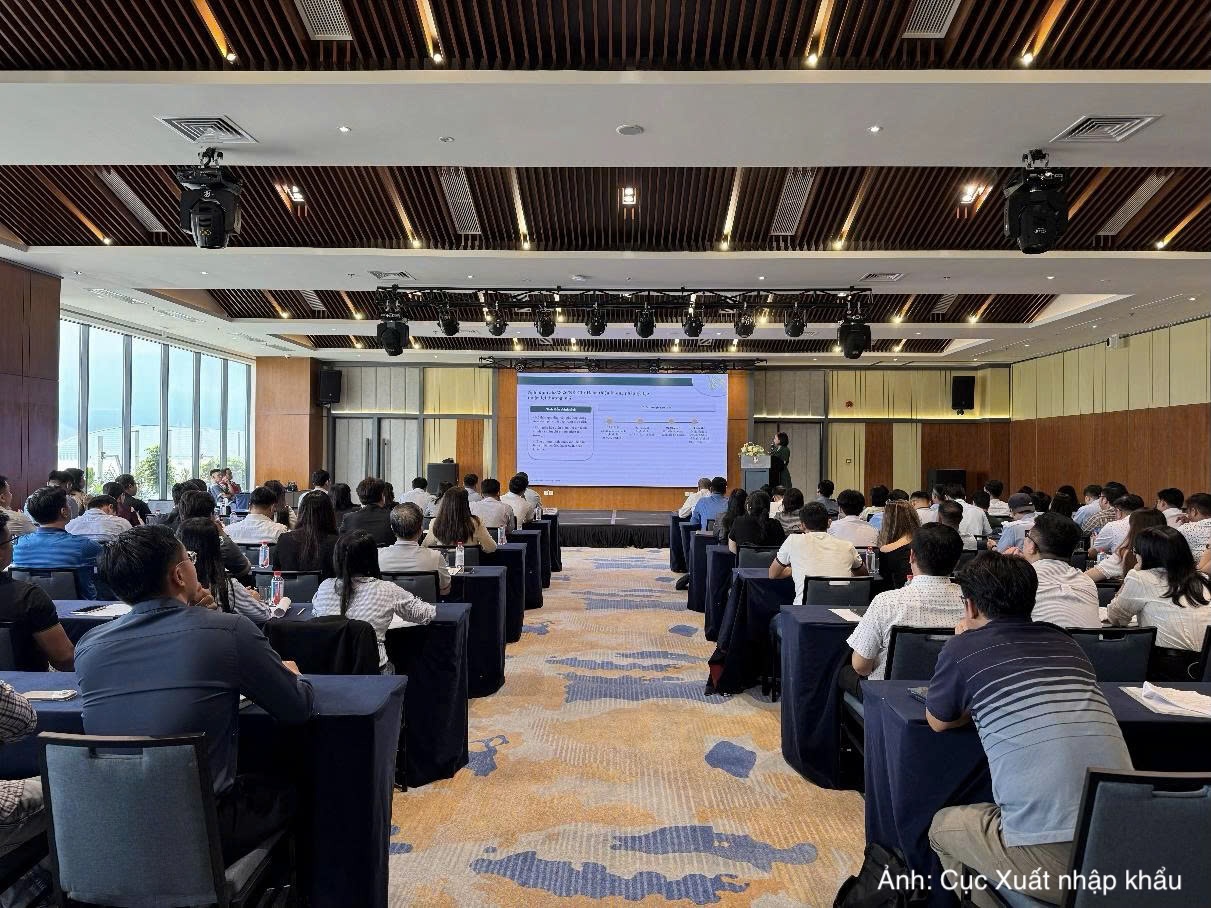
On October 13, the Agency of Foreign Trade under the Ministry of Industry and Trade (MoIT) held a conference in Dong Thap province to disseminate Government Decree No.365/2026/ND-CP dated September 23, 2026, on rice export and import business, and Circular No.65/2026/TT-BCT dated October 1, 2026, issued by the Minister of Industry and Trade, detailing certain provisions and measures for implementing Decree No.365/2026/ND-CP.
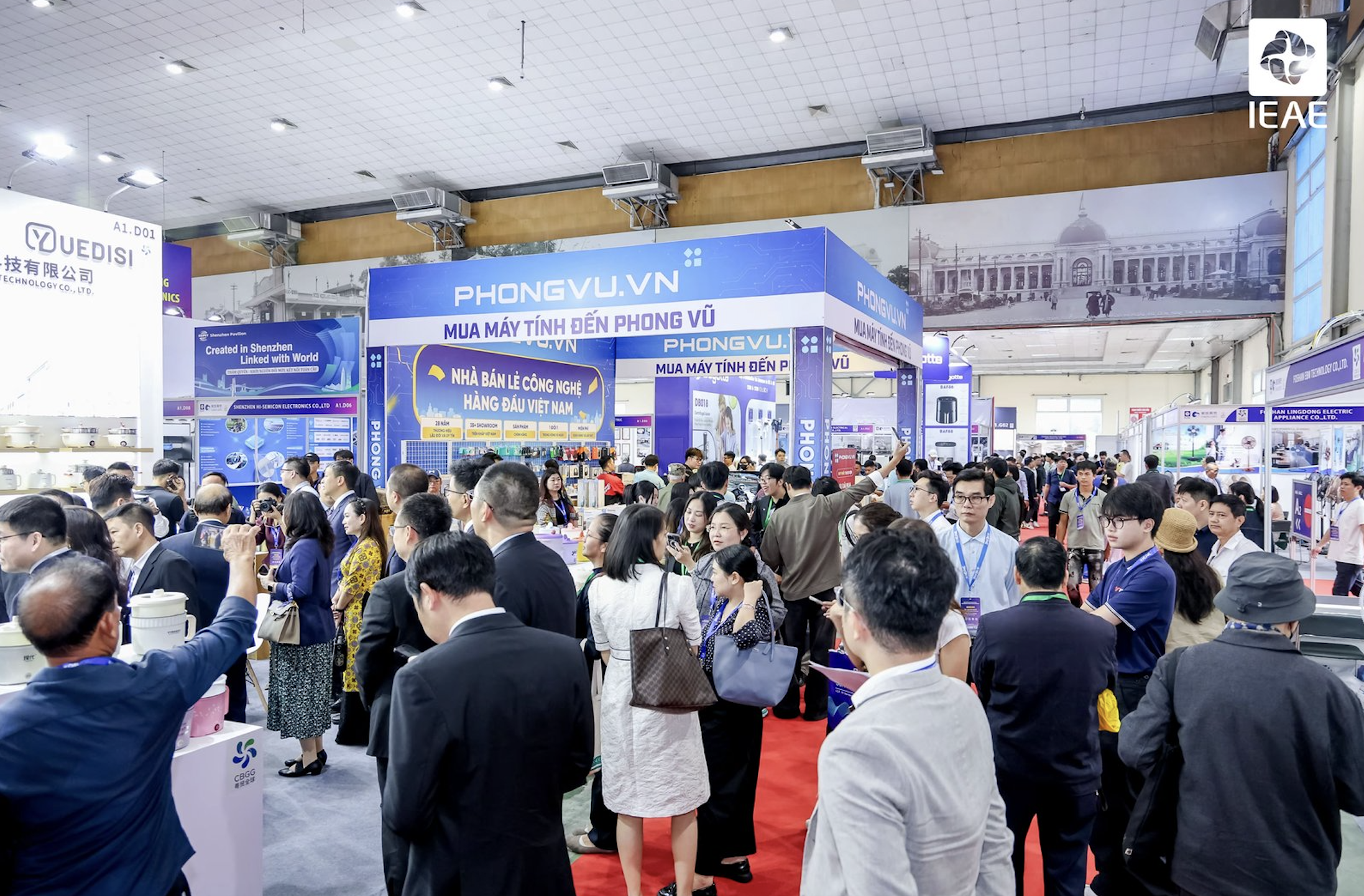
IEAE Hanoi 2026 will gather over 300 exhibitors, showcasing electronics, smart appliances and connecting businesses with sourcing and trade opportunities in Vietnam.
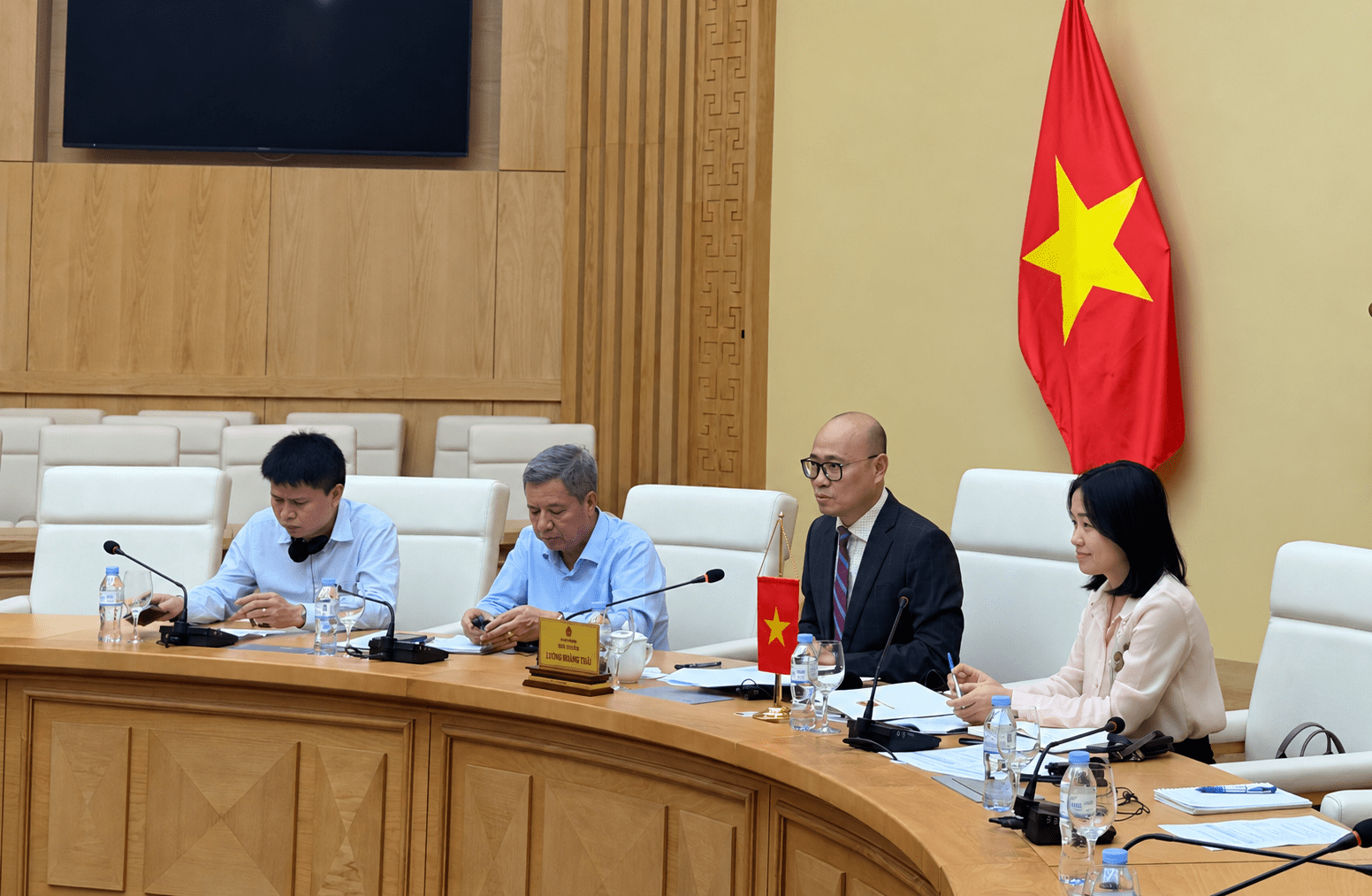
On October 13, Deputy Minister of Industry and Trade Luong Hoang Thai held a working session with MEDEF International, a French business organization, and representatives of French corporations operating in various sectors, including energy, industry, transport, construction and infrastructure development, food and beverages, and services, at the Ministry of Industry and Trade's headquarters.
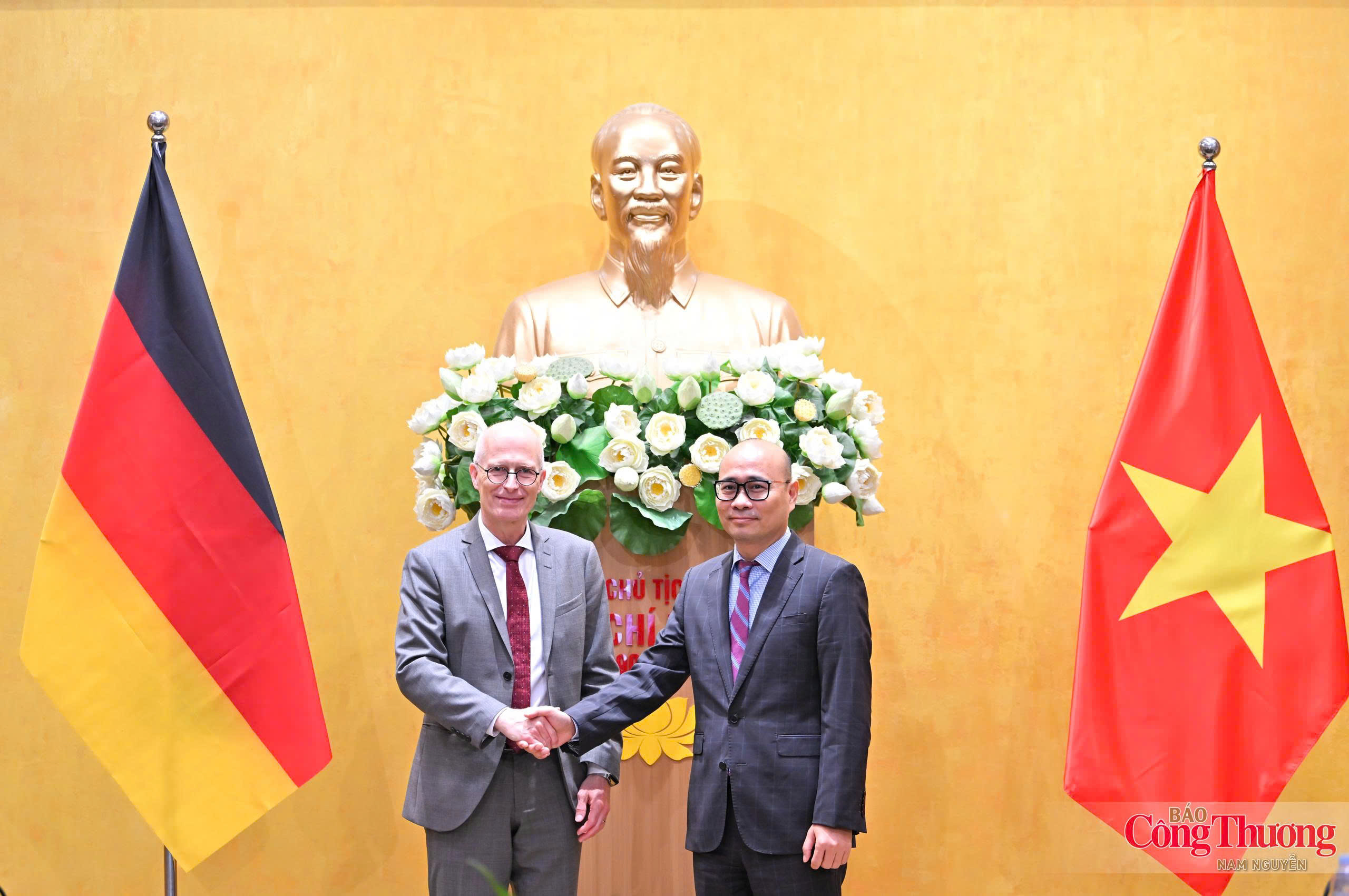
On October 14, Deputy Minister of Industry and Trade Luong Hoang Thai received and held a working session with a delegation from Hamburg, Germany, led by the city's First Mayor Peter Tschentscher at the Ministry of Industry and Trade's headquarters.
The Copyright Office is working closely with relevant agencies to develop plans for inspections and enforcement action against copyright and related rights infringements in the digital environment.
The Vietnam Industry Agency under the Ministry of Industry and Trade and Samsung Vietnam continue to strengthen cooperation in developing supporting industries, enhancing the capabilities of domestic enterprises and expanding opportunities for their participation in global supply chains.
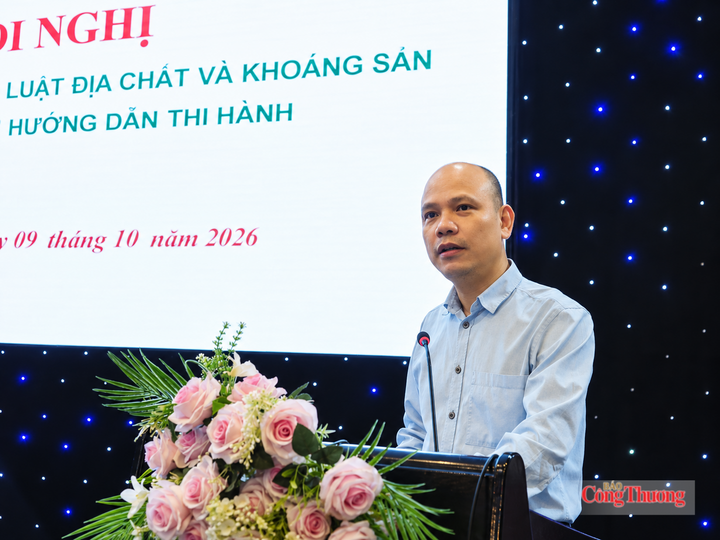
On October 9, the Viet Nam Department of Geology and Minerals, in coordination with the Thai Nguyen Department of Industry and Trade, held a conference in Thai Nguyen province to disseminate the Law on Geology and Minerals and its implementing regulations.
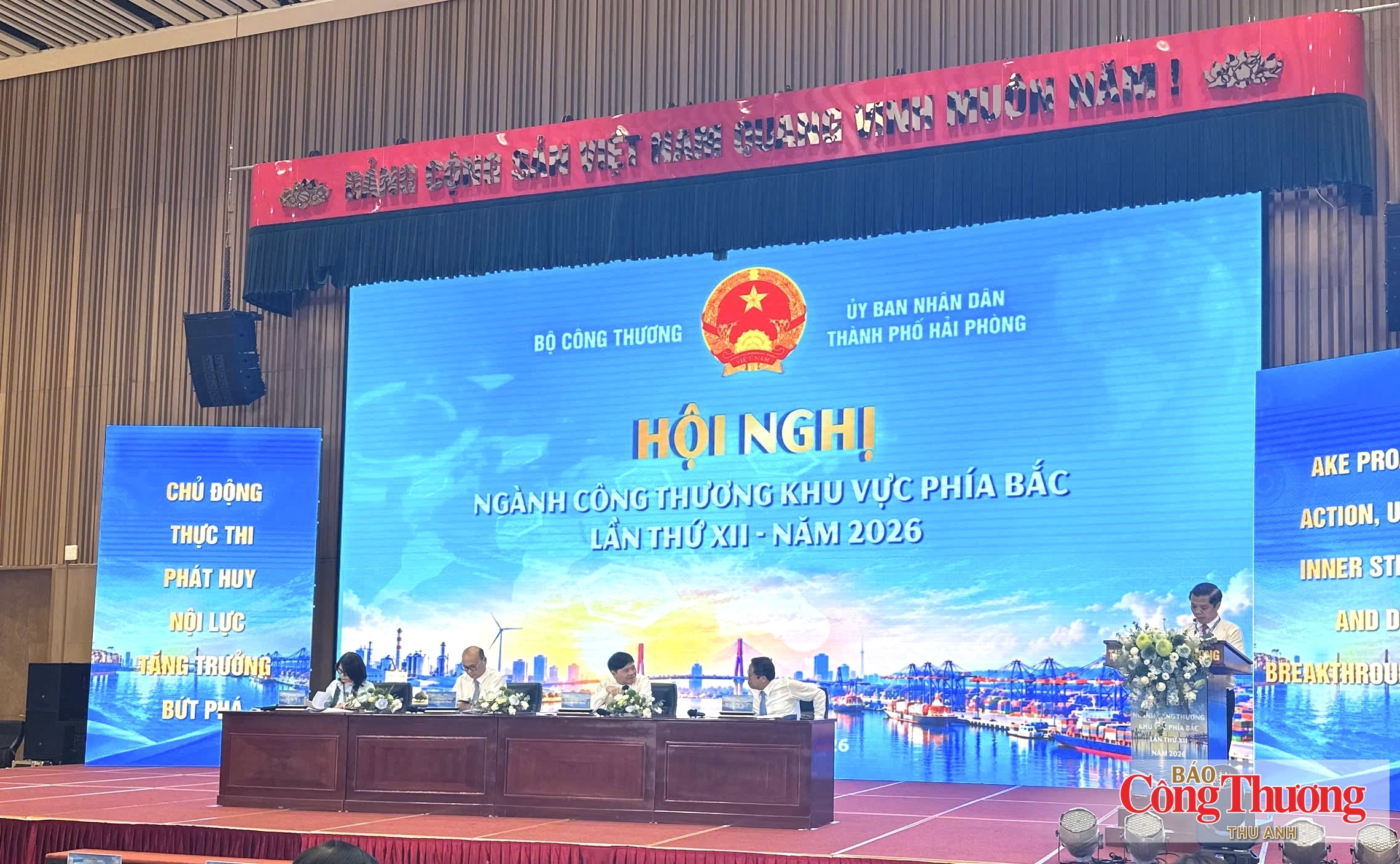
Northern localities are strengthening links in supporting industries, energy and logistics to build competitive value chains and create new growth drivers.
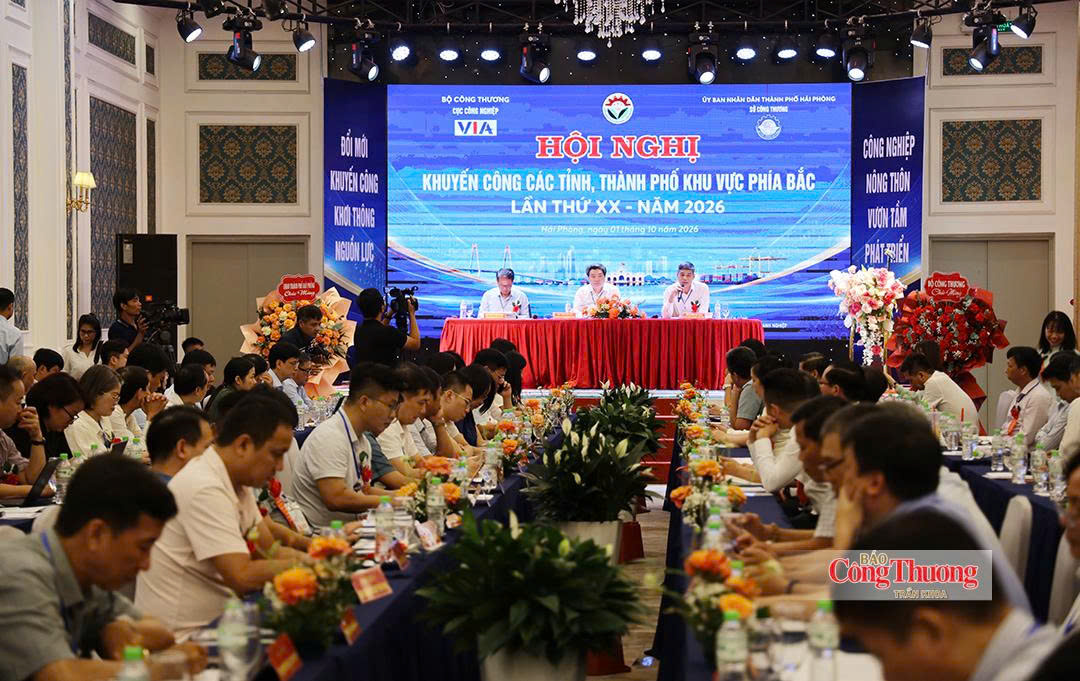
The 20th Industrial Promotion Conference for Northern Provinces and Cities in 2026 was held in Hai Phong City on October 1, with discussions focusing on renewing industrial promotion activities.
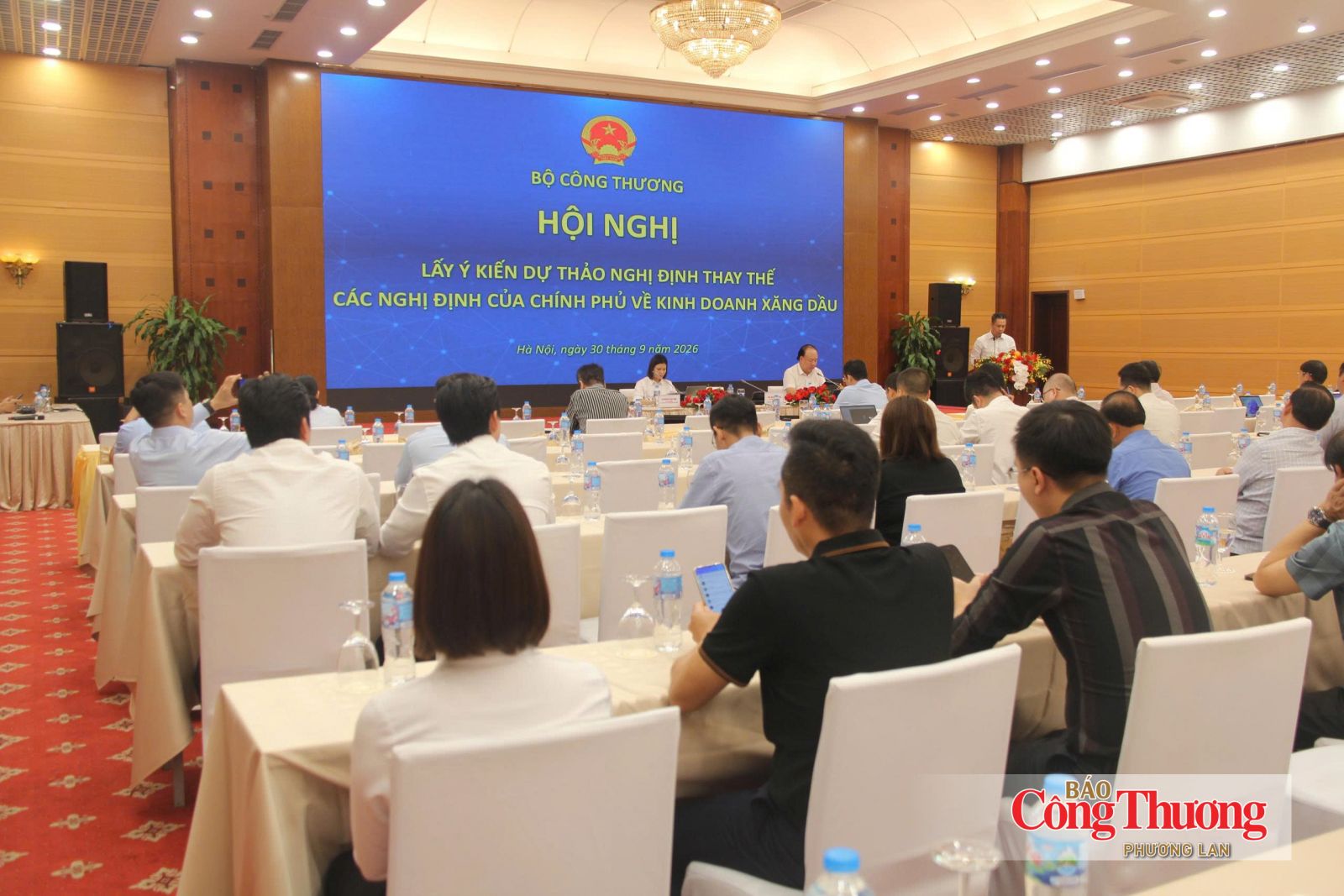
On September 30 in Ha Noi, the Ministry of Industry and Trade (MoIT) held a conference to gather broad feedback on a draft decree replacing the Government’s existing decrees on petroleum trading.