On August 14, in Da Nang city, the Agency for Innovation, Green Transition and Industry Promotion (IGIP) under the Ministry of Industry and Trade organized the National Conference on Economical and Efficient Use of Energy 2026.
The conference brought together representatives of central ministries and agencies; provincial and municipal Departments of Industry and Trade and local specialized units; Viet Nam Electricity (EVN) and power sector units; international organizations, banks, funds, financial institutions, associations, research institutes, universities, experts and the business community. It served as a forum for stakeholders to review the results of implementing the National Program on Economical and Efficient Use of Energy, identify difficulties and obstacles, and propose key tasks and solutions to improve energy efficiency in the coming period.
Improving policy, promoting efficient energy use
Economical and efficient use of energy is one of the key solutions to ensuring national energy security, enhancing the competitiveness of the economy, reducing greenhouse gas emissions and promoting sustainable development. For businesses, energy savings not only help cut production and operating costs but also improve operational efficiency, meeting increasingly demanding requirements for green production and participation in global supply chains.
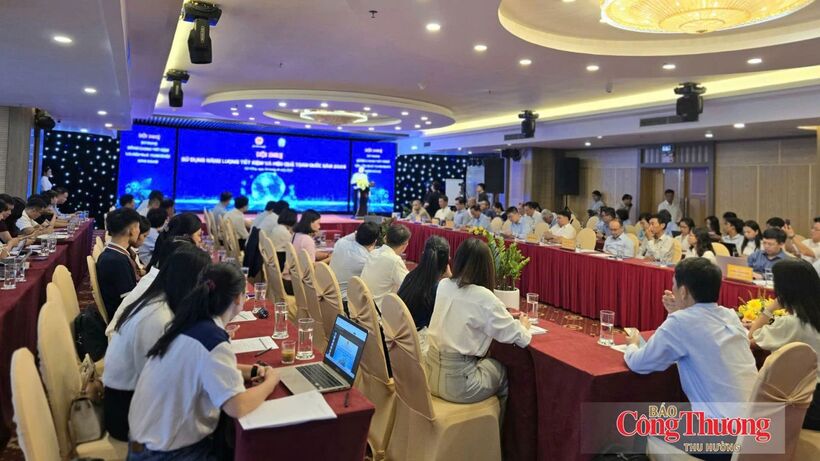
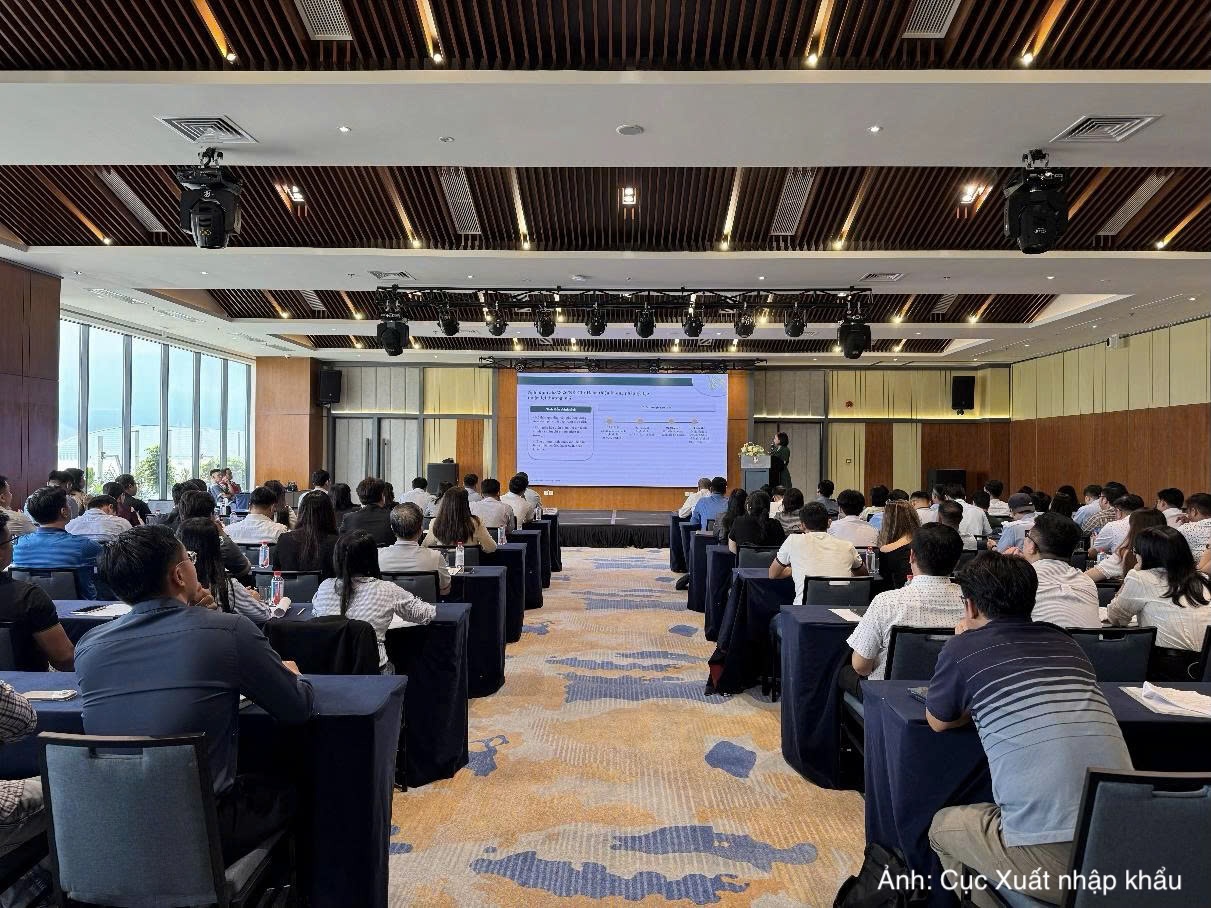
Overview of the conference.
The National Program on Economical and Efficient Use of Energy for the 2019 - 2030 period (VNEEP3), approved by the Prime Minister under Decision No.280/QD-TTg dated March 13, 2019, sets a target of saving 8 - 10% of national total energy consumption over the entire period. More than halfway through implementation, the Program has helped raise awareness, strengthen management capacity and promote the adoption of energy-saving solutions across many sectors, localities and enterprises.
Alongside these results, implementation still faces certain difficulties, such as uneven progress across localities and sectors; significant remaining potential for energy savings in industry; long payback periods for many projects or difficulty accessing suitable capital; and limited capacity for energy management, energy auditing and technology application at some facilities.
At the opening of the conference, Dang Hai Dung, Deputy Director of the Agency for Innovation, Green Transition and Industry Promotion under the Ministry of Industry and Trade, said the conference was an occasion to review the results of implementing the VNEEP3 Program, accurately assess difficulties and obstacles, and agree on key tasks for the coming period. He stressed the need to continue improving mechanisms and policies; strengthen the responsibility of management agencies, localities and energy-using facilities; and put energy-saving solutions into practice in a synchronized, substantive and measurable manner.
"The views exchanged at the conference will therefore be an important source of practical information for the Agency for Innovation, Green Transition and Industry Promotion to continue researching and advising the Ministry of Industry and Trade's leadership on improving policy and enhancing the effectiveness of the Program's implementation in the coming period," Dang Hai Dung emphasized.
New legal framework and the need to improve enforcement effectiveness
According to Dang Hai Dung, 2026 marks an important turning point for energy conservation and efficiency work, as Law No.77/2025/QH15 and Decree No.30/2026/ND-CP take effect. In addition, Directive No.09/CT-TTg continues to require the resolute implementation of energy- and electricity-saving solutions and the completion of the dossier to establish the Fund for Promoting Economical and Efficient Use of Energy.
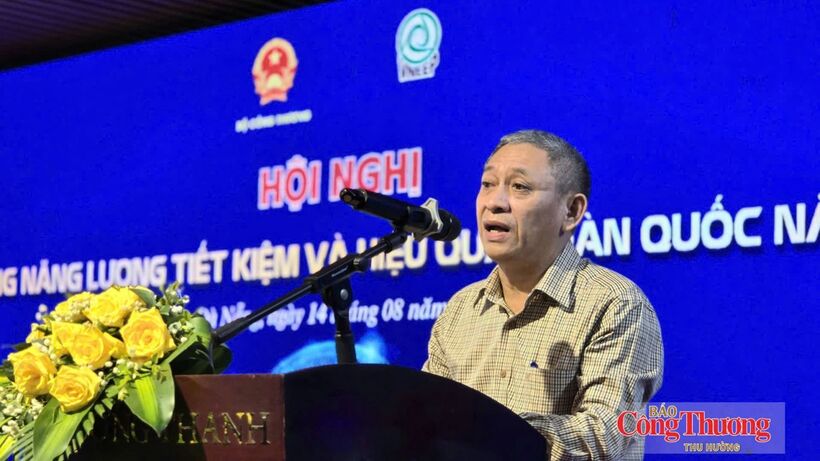
Dang Hai Dung, Deputy Director of the Agency for Innovation, Green Transition and Industry Promotion under the Ministry of Industry and Trade.
The new legal framework provides a basis for strengthening the responsibility of management agencies, localities and energy-using facilities; promoting energy audits, the application of energy management systems, investment in technology innovation and the mobilization of social resources. The requirement for the coming period is to put regulations and energy-saving solutions into practice in a synchronized and substantive manner, with the ability to monitor and measure results.
One of the focal points discussed at the conference was the mechanism for mobilizing resources for energy-saving projects. The proposed Fund for Promoting Economical and Efficient Use of Energy is expected to provide an additional tool to support promising projects that face difficulties in capital, technical capacity or access to credit. Establishing the Fund needs to be linked to a transparent and accountable governance mechanism, an appropriate operating model, and the participation of banks and financial institutions.
At the conference, Nguyen Thanh Quang, Deputy Director of the Da Nang Department of Industry and Trade, stressed: "Saving energy does not mean limiting development, but using energy more intelligently, creating more value from the same unit of energy; thereby reducing production costs, enhancing competitiveness, cutting emissions and creating more room for green growth."
Practical experience in recent years shows that economical and efficient energy use has made positive progress. Awareness among all levels, sectors, the business community and the public has gradually improved. Many solutions relating to energy management, technology innovation, the use of high-efficiency equipment, renewable energy development, load management and production process optimization have been implemented.
However, given new development requirements, Nguyen Thanh Quang said the potential for energy savings in the economy remains very large, particularly in energy-intensive industries and production facilities using old, low-efficiency technology; commercial and service buildings, transportation and residential areas still have considerable room to improve energy efficiency.
According to Mr. Quang, the issue today is not only how much energy can be saved, but more importantly, how to turn energy efficiency into a component of competitiveness, labor productivity and the quality of economic growth. It is therefore necessary to shift decisively from an approach based mainly on communication and advocacy to modern energy management; from individual saving measures to synchronized investment programs; from behavioral change to technological innovation; and from energy savings at individual facilities to optimizing energy use at the scale of industries, cities and the entire economy.
In this process, digital transformation, artificial intelligence, smart energy management systems, and real-time metering and data analysis technologies will play an increasingly important role. These are tools that help businesses and management agencies measure more accurately, forecast better and make more effective energy-use decisions.
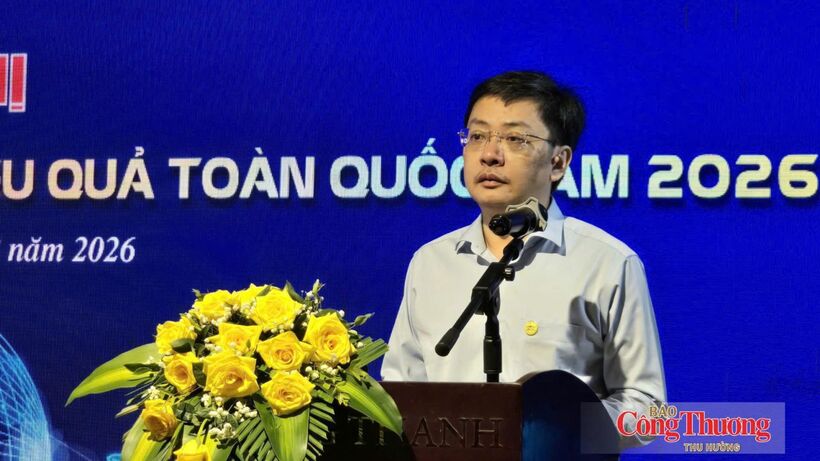
Nguyen Thanh Quang, Deputy Director of the Da Nang Department of Industry and Trade.
Nguyen Thanh Quang expressed hope that the National Conference on Economical and Efficient Use of Energy 2026 would become an important forum for management agencies, localities, businesses, experts and organizations to exchange experience, share effective models, identify difficulties and bottlenecks, and propose solutions suited to development requirements in the new period.
The conference also focused on clarifying the role of technology in improving energy efficiency. Digital solutions, IoT and artificial intelligence can help businesses monitor energy consumption in real time, detect anomalies, forecast demand and optimize operations. However, technology application needs to stem from actual needs, be suited to scale, and ensure the investment efficiency of enterprises.
Within the framework of the conference, delegates discussed the results of VNEEP3 implementation through June 2026 and orientations for 2027; the model of the Fund for Promoting Economical and Efficient Use of Energy; results of the electricity-saving program; experience in trust management and lending for energy-saving projects; energy-saving solutions for enterprises; and the application of IoT and artificial intelligence in evaluating, monitoring and optimizing energy use.
The views expressed at the conference are an important source of practical information for Agency IGIP to continue researching and advising the Ministry of Industry and Trade's leadership on improving mechanisms, policies and the effectiveness of the Program's implementation. Localities need to strengthen guidance and inspection of compliance with legal regulations and support key energy-using facilities; businesses need to proactively develop projects, invest in high-efficiency equipment and apply digital technology; and banks, funds, financial institutions and consulting units need to develop suitable products and accompany businesses.
By connecting management agencies, localities, the power sector, financial institutions, experts and the business community, the conference has helped promote the sharing of experience, the replication of effective models, and greater resource mobilization for economical and efficient energy use activities nationwide.
On October 13, the Agency of Foreign Trade under the Ministry of Industry and Trade (MoIT) held a conference in Dong Thap province to disseminate Government Decree No.365/2026/ND-CP dated September 23, 2026, on rice export and import business, and Circular No.65/2026/TT-BCT dated October 1, 2026, issued by the Minister of Industry and Trade, detailing certain provisions and measures for implementing Decree No.365/2026/ND-CP.
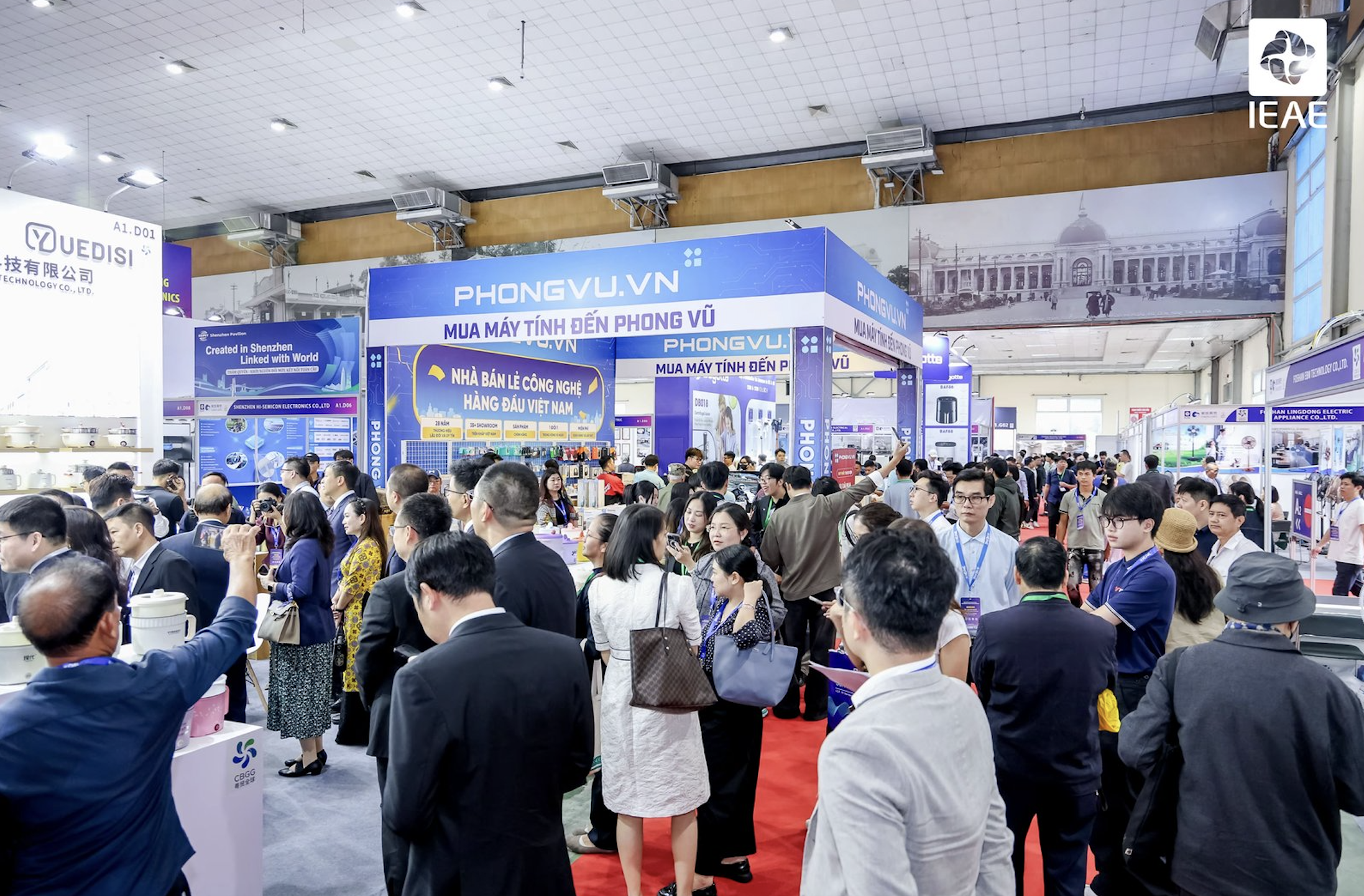
IEAE Hanoi 2026 will gather over 300 exhibitors, showcasing electronics, smart appliances and connecting businesses with sourcing and trade opportunities in Vietnam.
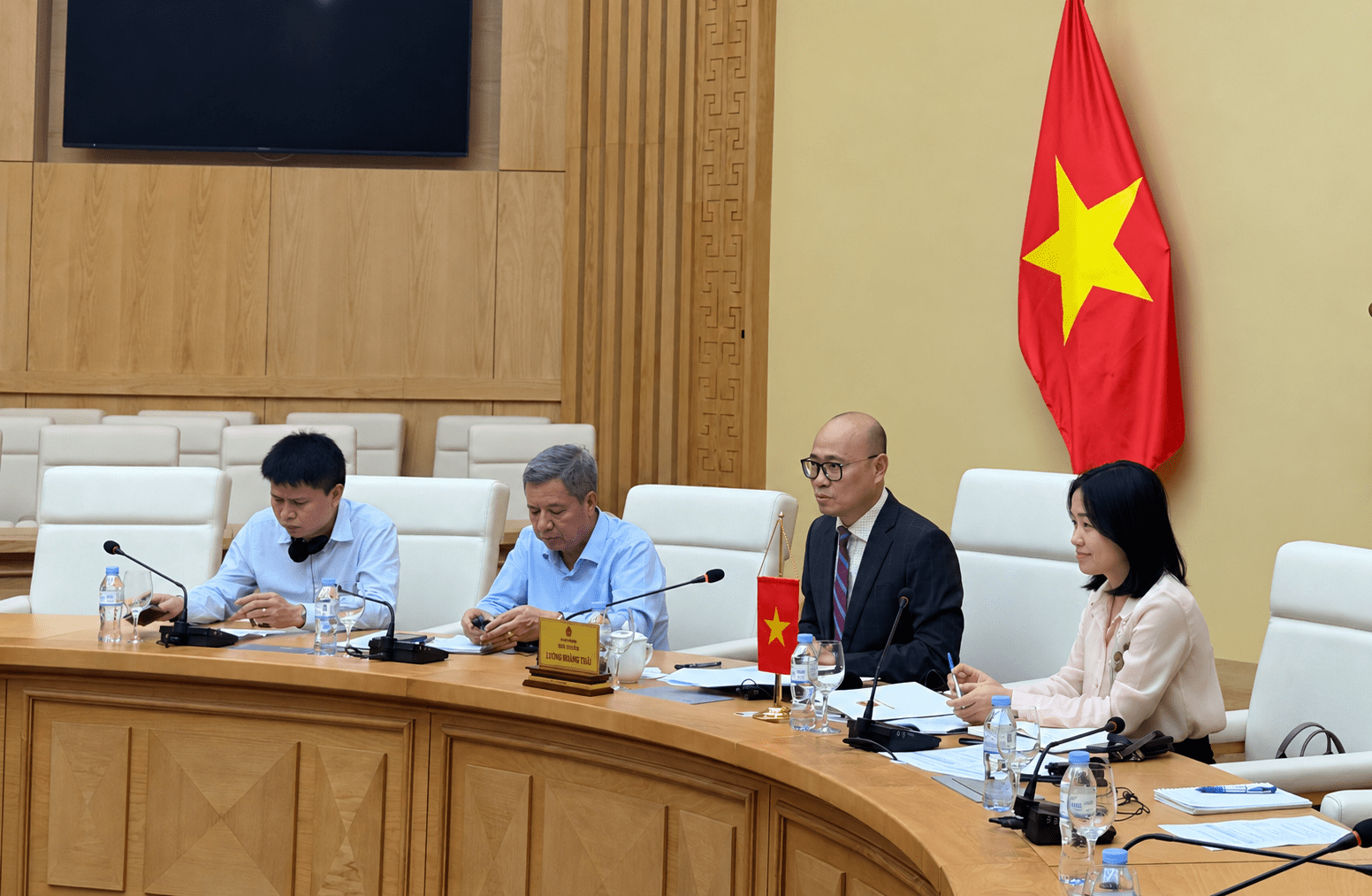
On October 13, Deputy Minister of Industry and Trade Luong Hoang Thai held a working session with MEDEF International, a French business organization, and representatives of French corporations operating in various sectors, including energy, industry, transport, construction and infrastructure development, food and beverages, and services, at the Ministry of Industry and Trade's headquarters.
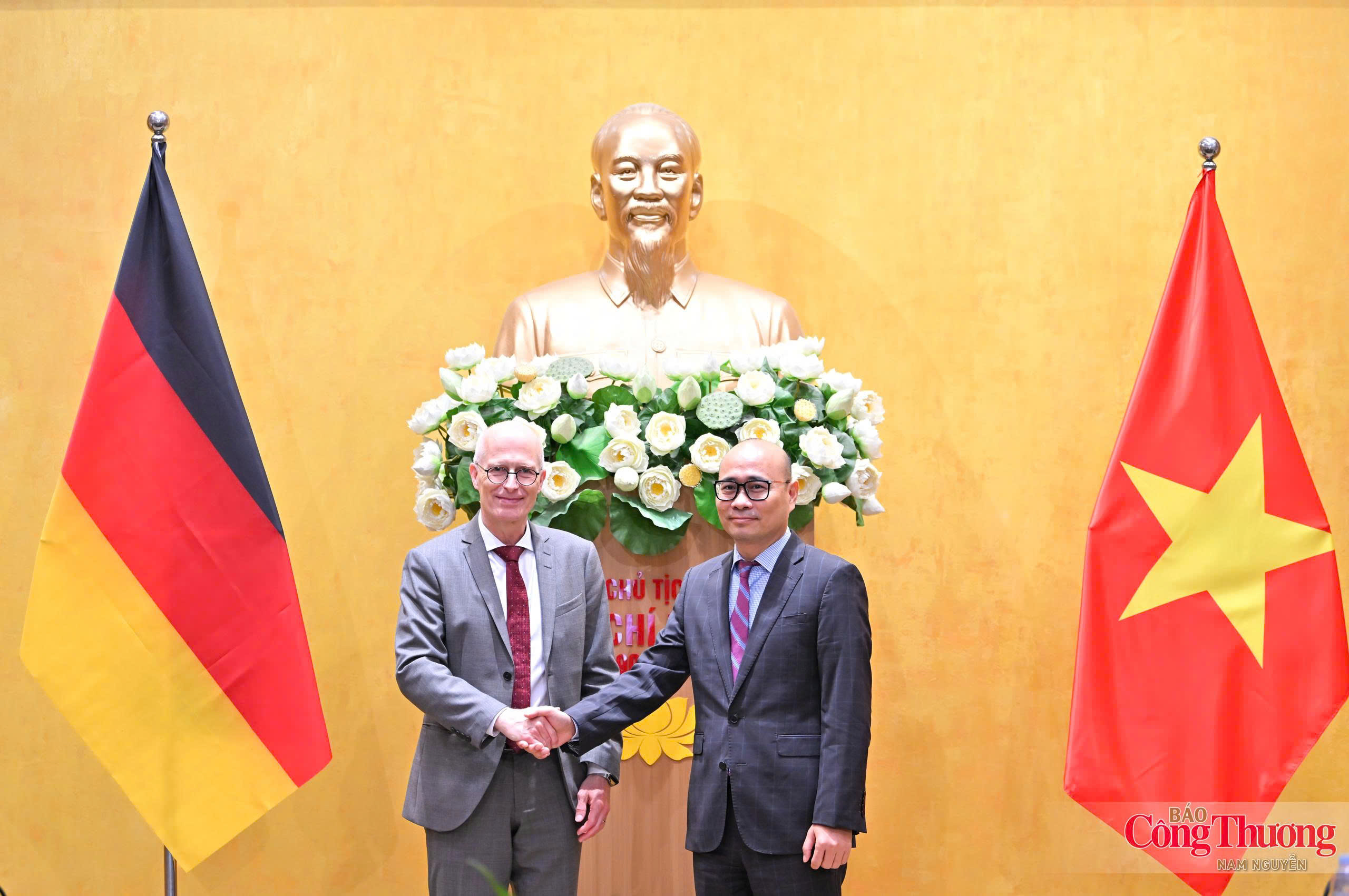
On October 14, Deputy Minister of Industry and Trade Luong Hoang Thai received and held a working session with a delegation from Hamburg, Germany, led by the city's First Mayor Peter Tschentscher at the Ministry of Industry and Trade's headquarters.
The Copyright Office is working closely with relevant agencies to develop plans for inspections and enforcement action against copyright and related rights infringements in the digital environment.
The Vietnam Industry Agency under the Ministry of Industry and Trade and Samsung Vietnam continue to strengthen cooperation in developing supporting industries, enhancing the capabilities of domestic enterprises and expanding opportunities for their participation in global supply chains.
On October 9, the Viet Nam Department of Geology and Minerals, in coordination with the Thai Nguyen Department of Industry and Trade, held a conference in Thai Nguyen province to disseminate the Law on Geology and Minerals and its implementing regulations.
Northern localities are strengthening links in supporting industries, energy and logistics to build competitive value chains and create new growth drivers.
The 20th Industrial Promotion Conference for Northern Provinces and Cities in 2026 was held in Hai Phong City on October 1, with discussions focusing on renewing industrial promotion activities.
On September 30 in Ha Noi, the Ministry of Industry and Trade (MoIT) held a conference to gather broad feedback on a draft decree replacing the Government’s existing decrees on petroleum trading.