Viet Nam’s manufacturing industry must move beyond processing and assembly, master technology, raise localization and generate higher value across production chains.
Processing and assembly remain major bottlenecks
According to a report by the Viet Nam Industry Agency under the Ministry of Industry and Trade, Viet Nam’s industrial sector has recorded a number of notable achievements in recent years.
Industry has played an important role in economic growth, economic restructuring and exports, helping Viet Nam gradually emerge as a regional manufacturing hub. The internal structure of the sector has also shifted in a positive direction, with the share of resource- and labor-intensive industries gradually declining, while processing and manufacturing, capital-intensive and technology-intensive industries have expanded.
Viet Nam needs to raise localization rates and added value across industrial production chains.
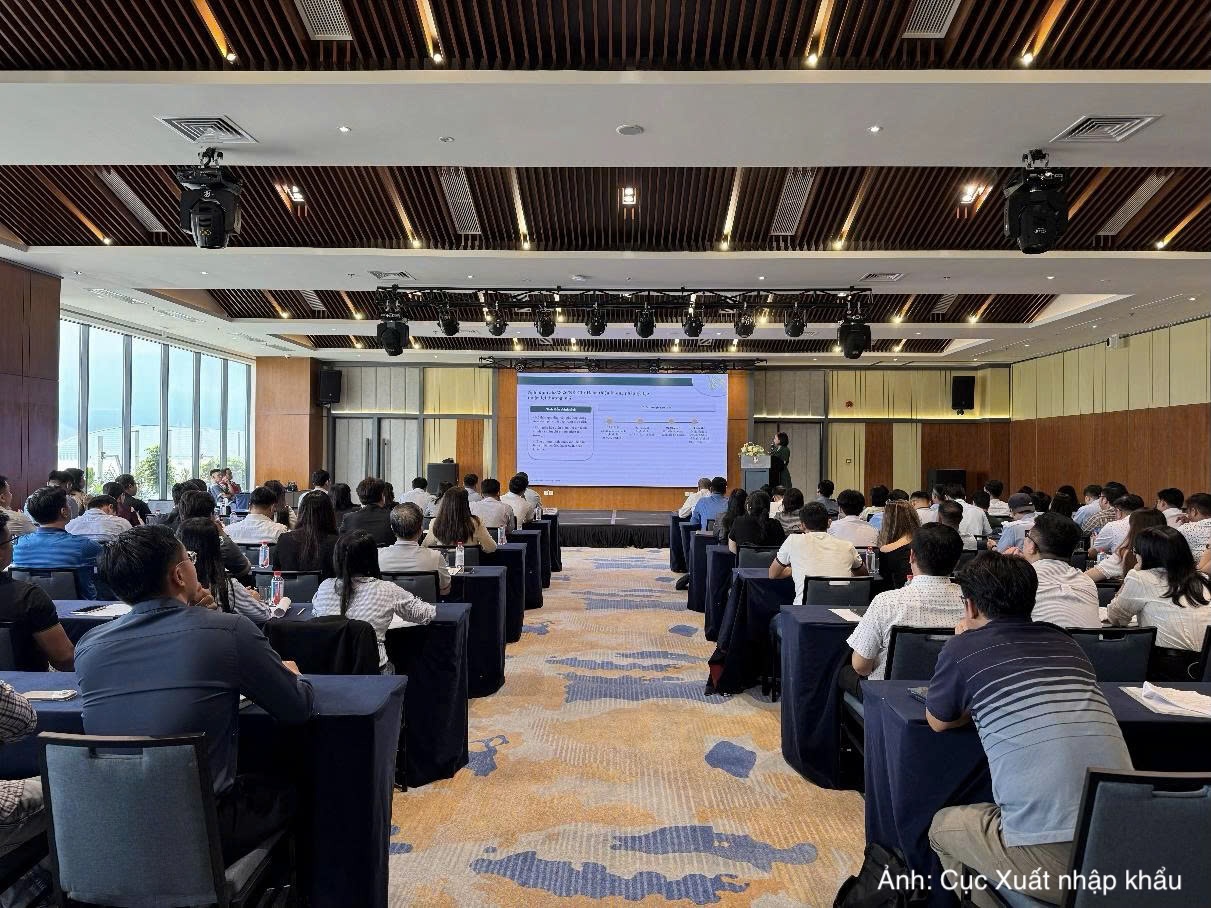
At the Viet Nam - Netherlands Manufacturing Industry Cooperation Workshop organized by the Viet Nam Trade Promotion Agency under the Ministry of Industry and Trade on August 6, Pham Van Quan, Deputy Director of the Vietnam Industry Agency, said a number of key and foundational industries had been established and developed, including electronics, telecommunications, information technology, oil and gas, metallurgy, iron and steel, mechanical engineering, automobiles, motorcycles, chemicals, cement and construction materials.
Production and export capacity for many products has also improved. In 2025, seven groups of processed industrial products each recorded export turnover exceeding USD 15 billion. However, Pham Van Quan also pointed to a number of limitations that continue to constrain the sector’s sustainable development.
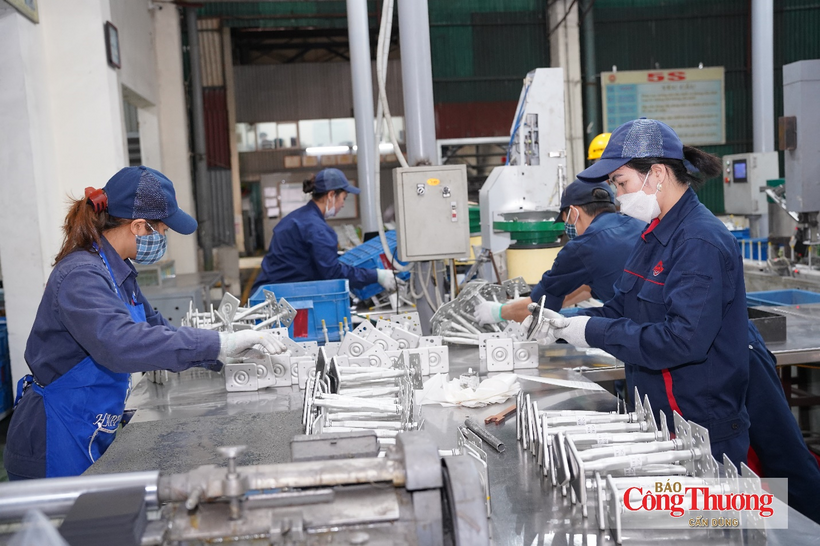
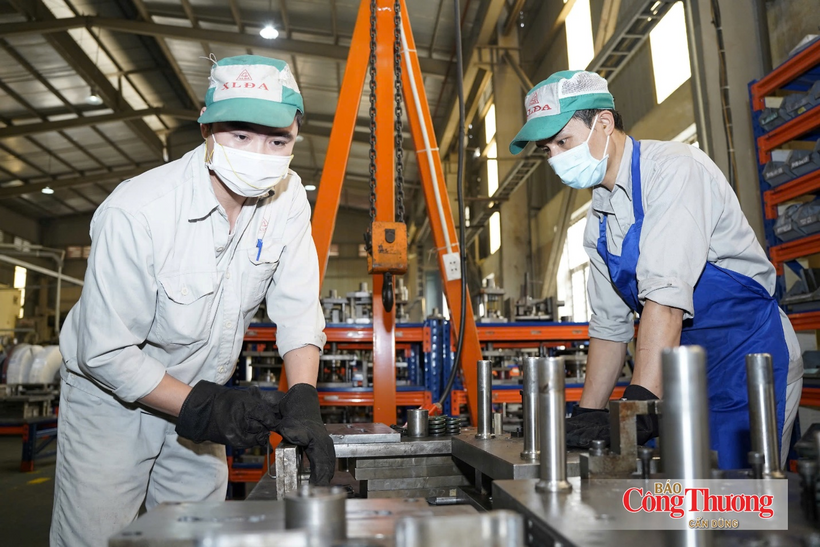
The current development model remains largely extensive, with production still heavily dependent on processing and assembly, low-cost labor and imported inputs. At the same time, localization rates remain modest because the capacity to master core technologies is still limited.
The highest value-added stages, including research and development, industrial design, specialized equipment manufacturing and brand distribution, are still largely controlled by FDI corporations.
Notably, the industrial sector’s self-reliance remains limited because supporting industries and the materials industry have developed slowly, leaving domestic enterprises vulnerable to shocks and disruptions in global supply chains.
“The main causes of these limitations are the still-low level of science, technology and innovation. Most domestic enterprises are small and medium-sized, lack long-term capital, and face constraints in management capacity as well as production linkages,” Pham Van Quan said.
Also at the workshop, Hoang Manh Trung, a representative of the Viet Nam Association of Mechanical Industry (VAMI), said Vietnamese businesses should not approach markets individually but should instead form “capability clusters,” in which lead firms connect with satellite enterprises to build sufficiently strong capability profiles when working with international corporations.
Focusing on six key solutions
From the perspective of a state management agency, Pham Van Quan added that Viet Nam has set a target for the processing and manufacturing sector to contribute around 28% of GDP by 2030. However, achieving this goal will require Viet Nam to address a number of challenges, particularly its heavy dependence on foreign-invested enterprises.
Industrial development should be based on the domestic market as the foundation, while overseas markets serve as an important driver.
To address these bottlenecks, Pham Van Quan outlined orientations for restructuring Viet Nam’s industrial sector in the coming period, emphasizing the domestic market as the foundation and international markets as an important driver, while shifting from pure processing towards deeper processing, system integration and co-design, with a focus on six major solutions.
First, industrial development should be based on the domestic market as the foundation, while overseas markets serve as an important driver. Developing the domestic market is an important basis for sustainable industrial growth and should go hand in hand with export expansion. Viet Nam needs to select industries and industrial products with strong market potential while ensuring economic efficiency in industrial production.
Second, the industrial system should be restructured towards greater integration, ensuring close linkages across all stages, from input supply and materials production to manufacturing, design and integration, industrial project implementation and market connectivity.
At the same time, linkages between the FDI sector and domestic enterprises should be strengthened in order to build a capable domestic supplier ecosystem and gradually enhance the industrial sector’s level of self-reliance.
Third, foundational industries should be developed towards high technology, automation and smart manufacturing. The sector should move from processing and assembly towards deeper processing and greater participation in high value-added stages such as design, materials development, manufacturing technology and distribution.
Through this process, localization rates and added value across the entire industrial production chain can be improved.
Fourth, industrial development should move in a green, digital and circular direction. Viet Nam should promote the development of eco-industrial parks, smart industrial parks and carbon-neutral production models in order to improve the adaptability of the industrial sector amid the global economic transition.
Fifth, science, technology, innovation, digital transformation and Industry 4.0 technologies should become the most important drivers of industrial development. Greater attention should be paid to investment in research and development, while innovation in production and the development of high-value products should be encouraged. Cooperation models linking enterprises, research institutes and universities should also be strengthened to promote domestic technological development.
Sixth, high-quality human resources will be a decisive factor in improving industrial productivity and quality. Viet Nam needs to train engineers and highly skilled workers capable of meeting the requirements of modern industry. It is also necessary to develop a workforce capable of absorbing and mastering core and strategic technologies, as well as modern business management knowledge, creating a nucleus for the formation of innovative industrial startups.
To enhance the industrial sector’s self-reliance, the Ministry of Industry and Trade is focusing on developing the Law on Key Industries, prioritizing mechanical engineering, electric vehicles, semiconductor electronics and offshore energy equipment. At the same time, the Supporting Industry Development Program to 2035 aims to support around 2,000 enterprises in participating more deeply in global supply chains.
On October 13, the Agency of Foreign Trade under the Ministry of Industry and Trade (MoIT) held a conference in Dong Thap province to disseminate Government Decree No.365/2026/ND-CP dated September 23, 2026, on rice export and import business, and Circular No.65/2026/TT-BCT dated October 1, 2026, issued by the Minister of Industry and Trade, detailing certain provisions and measures for implementing Decree No.365/2026/ND-CP.
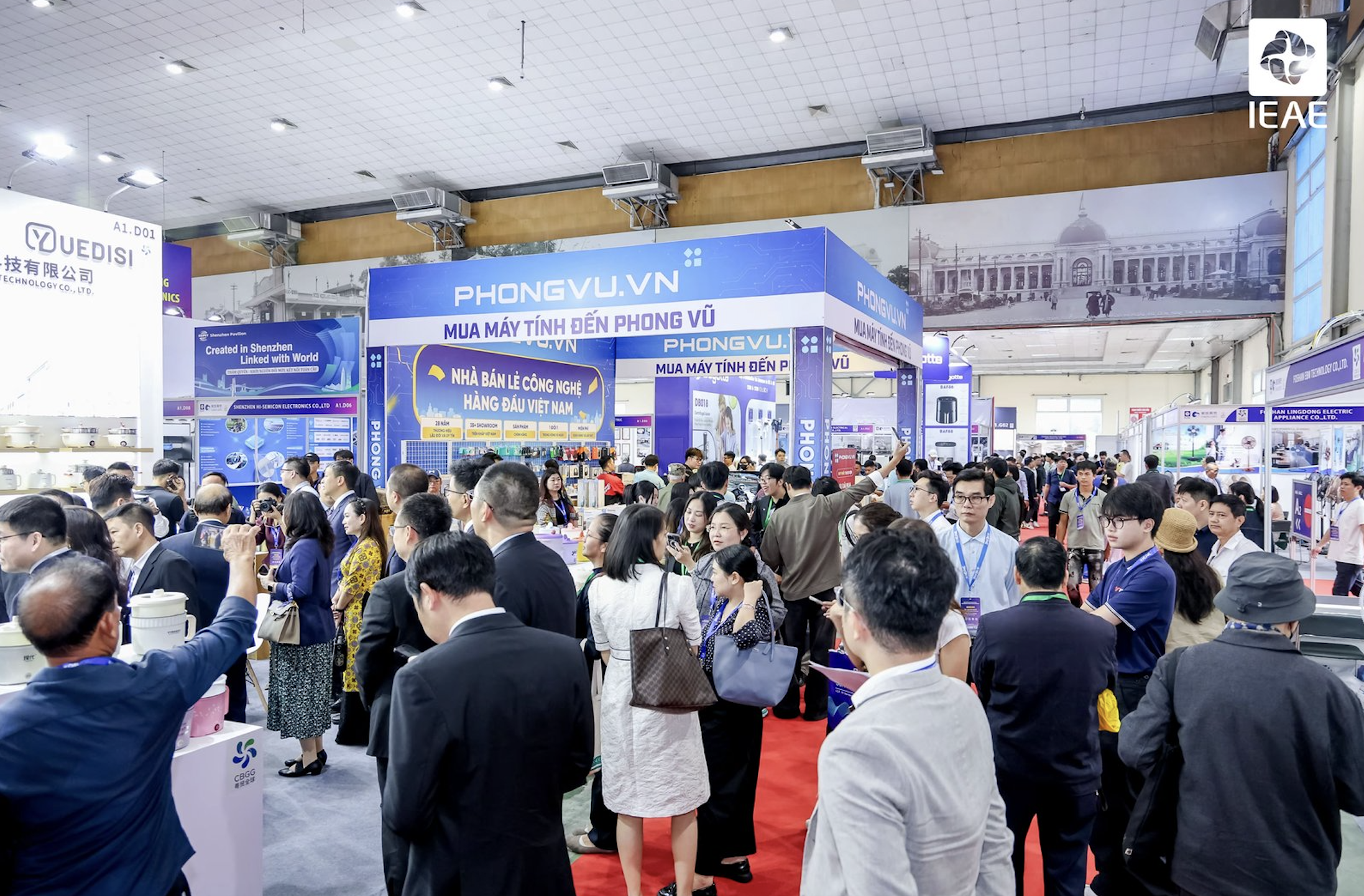
IEAE Hanoi 2026 will gather over 300 exhibitors, showcasing electronics, smart appliances and connecting businesses with sourcing and trade opportunities in Vietnam.
On October 13, Deputy Minister of Industry and Trade Luong Hoang Thai held a working session with MEDEF International, a French business organization, and representatives of French corporations operating in various sectors, including energy, industry, transport, construction and infrastructure development, food and beverages, and services, at the Ministry of Industry and Trade's headquarters.
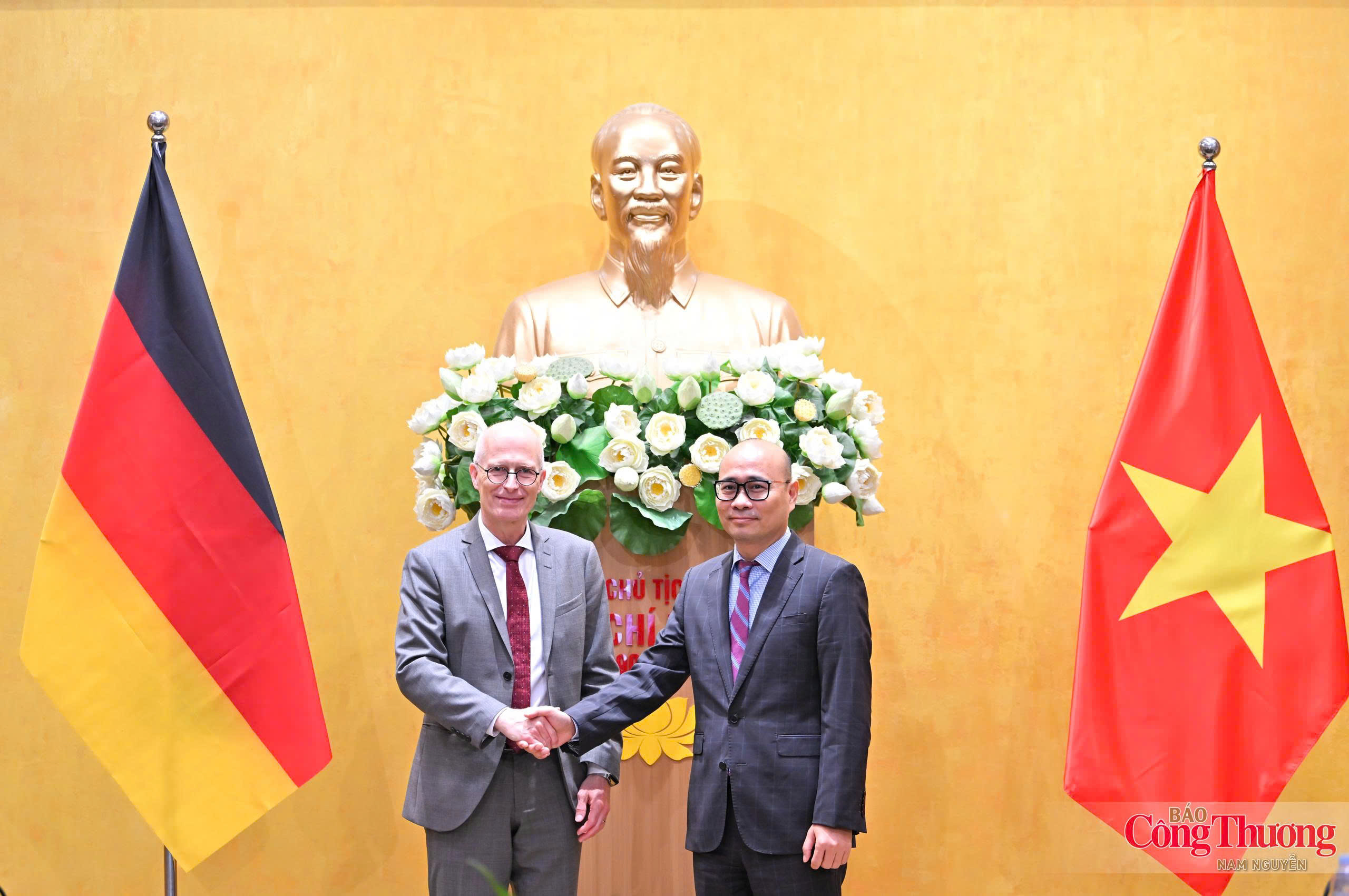
On October 14, Deputy Minister of Industry and Trade Luong Hoang Thai received and held a working session with a delegation from Hamburg, Germany, led by the city's First Mayor Peter Tschentscher at the Ministry of Industry and Trade's headquarters.
The Copyright Office is working closely with relevant agencies to develop plans for inspections and enforcement action against copyright and related rights infringements in the digital environment.
The Vietnam Industry Agency under the Ministry of Industry and Trade and Samsung Vietnam continue to strengthen cooperation in developing supporting industries, enhancing the capabilities of domestic enterprises and expanding opportunities for their participation in global supply chains.
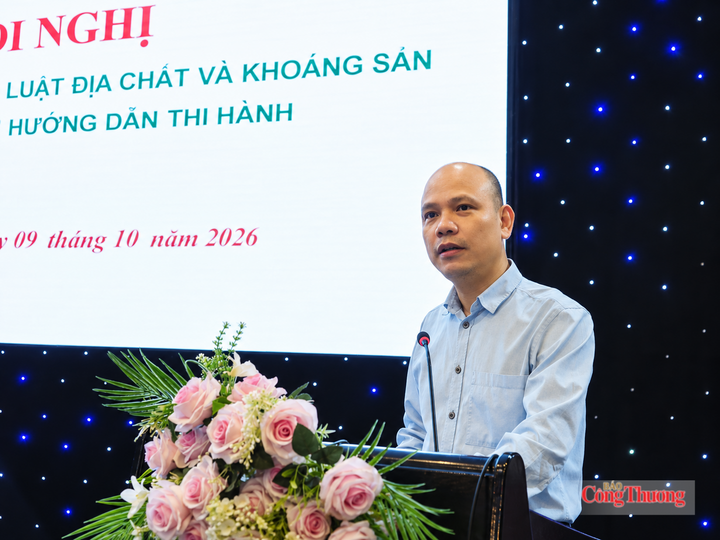
On October 9, the Viet Nam Department of Geology and Minerals, in coordination with the Thai Nguyen Department of Industry and Trade, held a conference in Thai Nguyen province to disseminate the Law on Geology and Minerals and its implementing regulations.
Northern localities are strengthening links in supporting industries, energy and logistics to build competitive value chains and create new growth drivers.
The 20th Industrial Promotion Conference for Northern Provinces and Cities in 2026 was held in Hai Phong City on October 1, with discussions focusing on renewing industrial promotion activities.
On September 30 in Ha Noi, the Ministry of Industry and Trade (MoIT) held a conference to gather broad feedback on a draft decree replacing the Government’s existing decrees on petroleum trading.