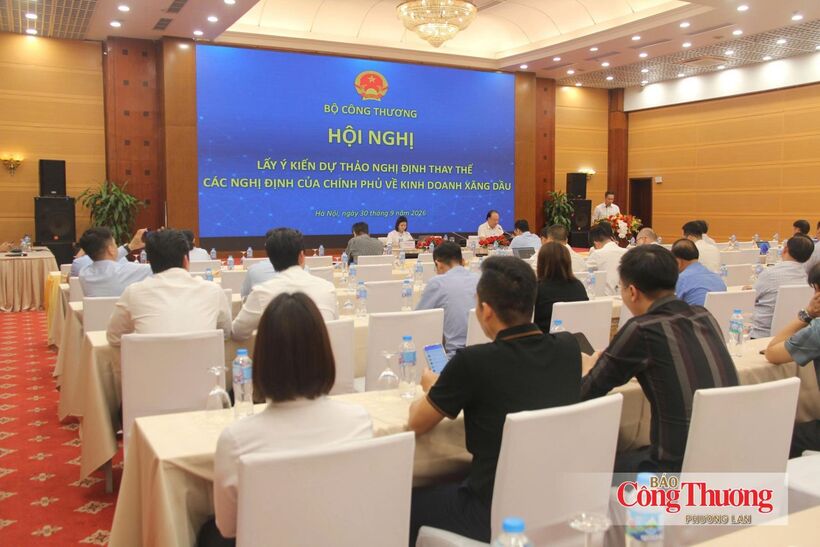
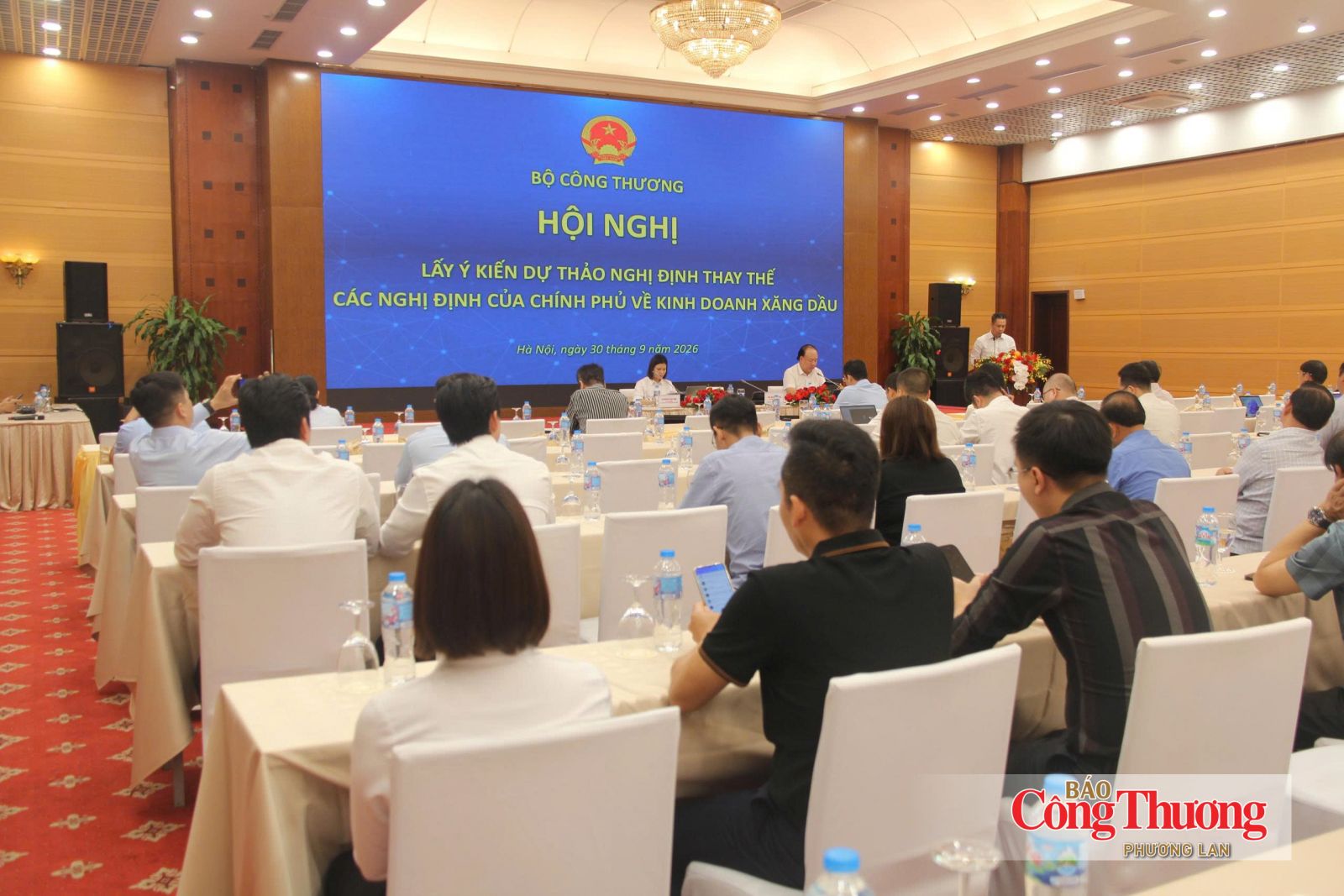
On September 30 in Ha Noi, the Ministry of Industry and Trade (MoIT) held a conference to gather broad feedback on a draft decree replacing the Government’s existing decrees on petroleum trading.
Deputy Minister of Industry and Trade Nguyen Viet Son chaired the conference. Participants included leaders of the Agency for Domestic Market Surveillance and Development; representatives of ministries, sectors and associations; the Viet Nam Chamber of Commerce and Industry (VCCI); provincial and municipal Departments of Industry and Trade; as well as petroleum producers, wholesalers and distributors.
Improving institutions, restructuring distribution system
Following the Prime Minister’s direction on improving the petroleum distribution system in conjunction with finalizing the draft decree replacing the existing decrees, the MoIT has sought feedback from Government members, ministries, ministerial-level agencies and relevant stakeholders.
Conference gathers broad feedback on draft decree replacing the Government’s decrees on petroleum trading.
To date, the draft decree has undergone four rounds of consultation with Government members and continues to be refined in line with the Prime Minister’s direction set out in Notice No.488/TB-VPCP dated September 17, 2026, issued by the Office of the Government.
In his opening remarks, Deputy Minister Nguyen Viet Son stressed that the decree has a broad scope and complex provisions, directly affecting thousands of petroleum businesses, the retail network and consumers, while also being closely linked to energy security, petroleum supply and macroeconomic stability.
The overarching approach of the new decree is to improve the institutional framework for state management of petroleum trading in a transparent and stable manner consistent with market mechanisms; eliminate unnecessary intermediary stages; reduce administrative procedures; create a level playing field; and enhance business autonomy.
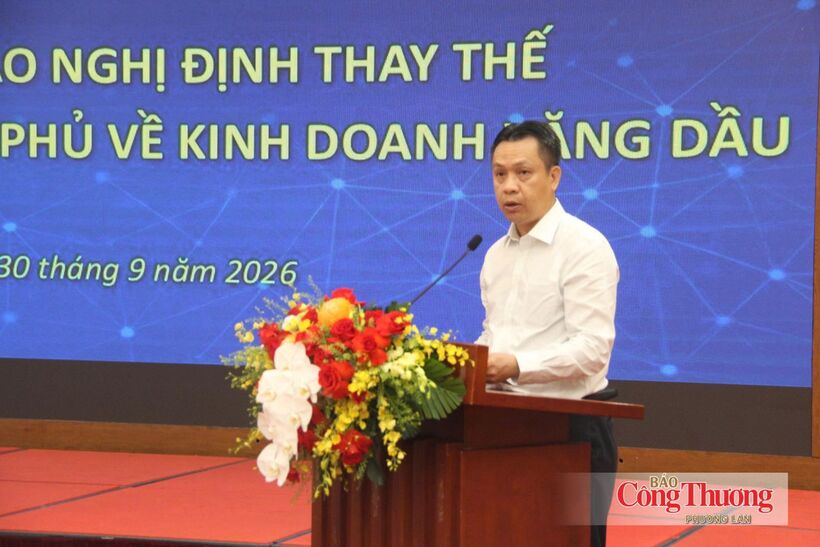
Deputy Minister Nguyen Viet Son delivers remarks at the conference.
However, petroleum is an essential commodity that has a major impact on production, business activities and people’s daily lives, while being closely associated with national energy security. Therefore, reforms to the management mechanism must go hand in hand with ensuring adequate supply, maintaining the distribution system and strengthening the capacity to respond to extraordinary circumstances.
Regarding the distribution model, the draft decree has been developed towards reviewing and restructuring the system, reducing intermediary stages and clearly defining the roles and responsibilities of each participant, from supply sourcing to distribution and retail.
Notably, according to Tran Huu Linh, Director of the Agency for Domestic Market Surveillance and Development, the draft focuses on three areas that could bring major changes to petroleum market management: reducing intermediary entities, enhancing pricing autonomy and strengthening data-driven management.
For petroleum wholesalers, the draft sets higher standards to ensure that they properly fulfil their role as entities responsible for supplying petroleum products to the market. One of the proposed conditions requires wholesalers to meet their assigned total supply volume for two consecutive years, with a minimum of 300,000 cu.m per year. Failure to comply would result in handling in accordance with regulations.
For petroleum distributors, the draft seeks to streamline the system by abolishing various licences applicable to distributors, retailers, agents and franchised retail outlets, consolidating them into a single category of petroleum distributor. Distributors would submit online notifications to provincial-level People’s Committees and the MoIT for management purposes.
Another notable feature of the draft decree is the proposed reform of the petroleum price management mechanism towards giving businesses greater autonomy while increasing their responsibilities.
Under the proposal currently under consultation, the State would no longer directly announce the base price at regular intervals as under the existing mechanism. Instead, businesses would independently determine and announce selling prices within their systems based on the formulas and principles stipulated in the decree.
According to Tran Huu Linh, under the new mechanism, petroleum prices would be determined by the market, with businesses empowered to set their selling prices, while the State would perform management and supervisory functions and intervene when market fluctuations occur.
The objective is to allow petroleum prices to relatively fully reflect market movements, while ensuring that the management mechanism remains sufficiently transparent and effective to protect consumers’ legitimate interests and maintain market stability.
Alongside greater autonomy for businesses, the draft decree requires stronger post-inspection and data-driven management. Accordingly, the MoIT will develop a national petroleum management system. Petroleum wholesalers and distributors will be required to report inventory costs and trading activities, while data from retail outlets, including sales invoice information, will be transmitted to tax authorities and the MoIT.
Data-driven management is expected to provide regulatory authorities with accurate and timely information, enabling the early detection of market risks, trade fraud and unusual developments.
Another new provision addressed in the draft concerns petroleum traceability. According to Tran Huu Linh, petroleum is a conditional business commodity associated with a high level of risk. It is therefore necessary to track the movement of products from supply sourcing, production and import to the supply chain, storage facilities, tanks, retail outlets and ultimately consumers.
Traceability is regarded as a tool to support inspection and post-inspection and prevent trade fraud, thereby helping curb speculation, hoarding and transactions involving unnecessary circulation of goods without substantive commercial purposes.
The draft also continues to place strong emphasis on ensuring supply and reserves and defining traders’ responsibilities. The new regulations need to clearly establish the responsibilities of each participant in securing supplies, maintaining inventories and reserves, and ensuring petroleum availability, particularly in the event of major market fluctuations, natural disasters, geopolitical conflicts, supply disruptions or other extraordinary circumstances.
Regarding business conditions and administrative procedures, the guiding principle is to retain only those conditions genuinely necessary to ensure supply security, safety and consumer rights. Conditions that are no longer appropriate and impose compliance costs without delivering effective management outcomes should be removed.
The draft decree also emphasizes decentralization of state management responsibilities, a stronger shift from pre-inspection to post-inspection, greater accountability among businesses, and enhanced disclosure and transparency of data.
Tran Huu Linh stressed that differing views on the draft decree were understandable, given the far-reaching impact of petroleum on businesses, consumers and numerous sectors, including manufacturing, transport and logistics. The MoIT will study and take into consideration feedback from businesses within the petroleum distribution system to further refine the policy.
The objective is to ensure an adequate petroleum supply for the economy under all circumstances, prevent shortages and contribute to maintaining macroeconomic stability.
According to Deputy Minister Nguyen Viet Son, as the new decree will directly affect existing businesses and operating establishments, transitional provisions need to be clear and appropriate, safeguarding the legitimate rights and interests of businesses operating in compliance with the law while avoiding legal gaps or disruptions to business operations that could affect petroleum supply.
“Today’s conference is important as it provides an opportunity for the Ministry of Industry and Trade to more fully hear the views of state management agencies, the business community, associations and VCCI before finalizing the dossier for submission to the Government,” Deputy Minister Nguyen Viet Son emphasized.
The draft decree will continue to be refined for submission to the Government and is expected to be promulgated in October 2026.
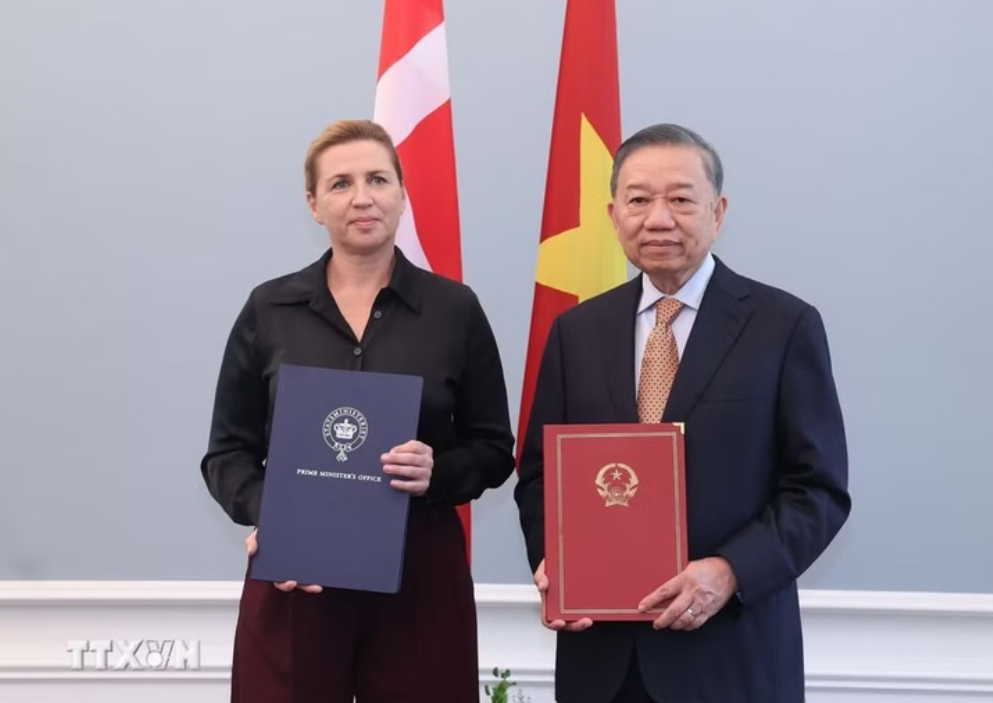
The Viet Nam Economic News respectfully presents the full text of the Joint Statement on the Establishment of a Comprehensive Strategic Partnership between Viet Nam and Denmark.
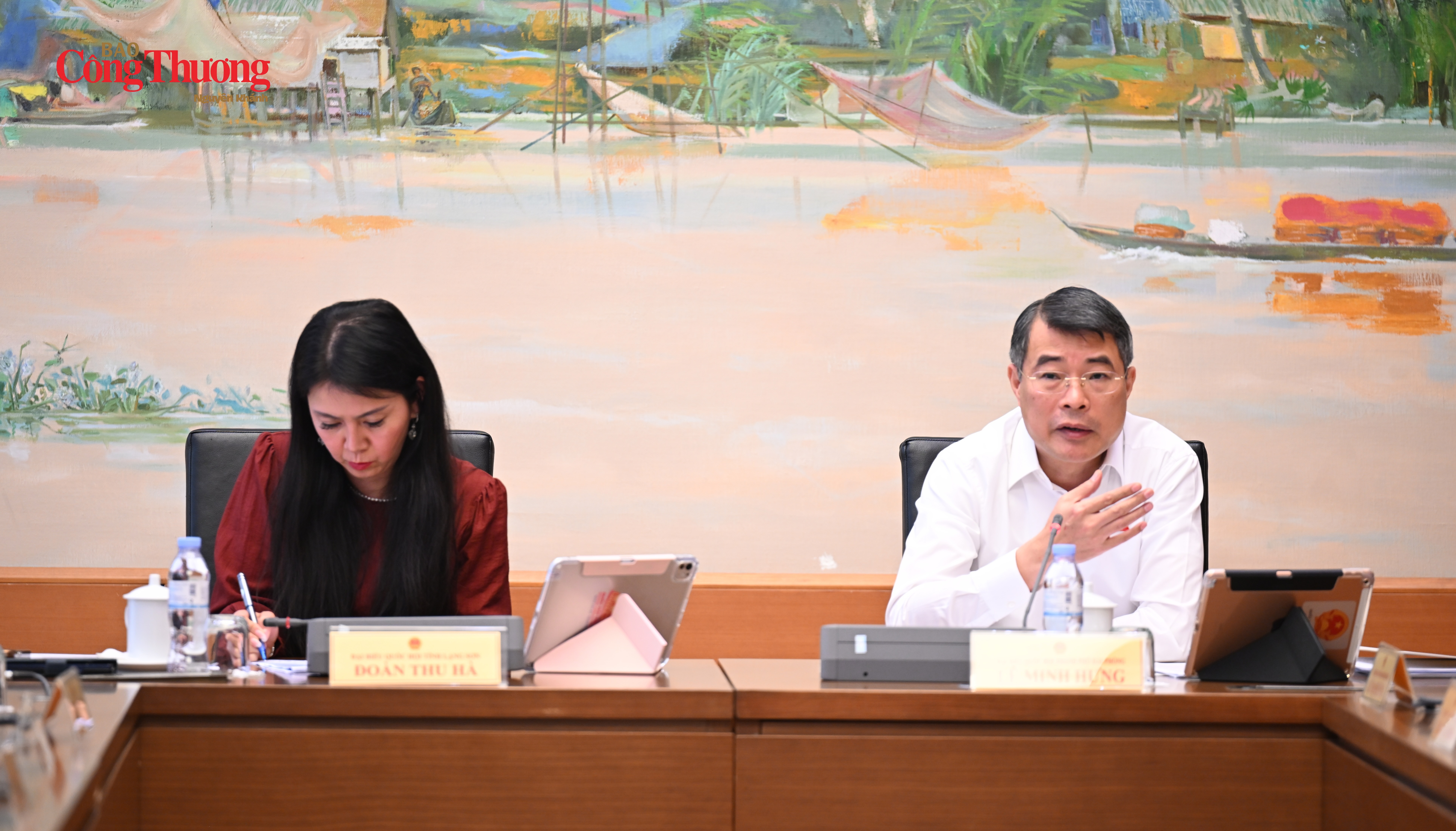
Prime Minister Le Minh Hung urged Electricity Law amendments to ensure consistency, balance state, public and investor interests, and mobilize resources.
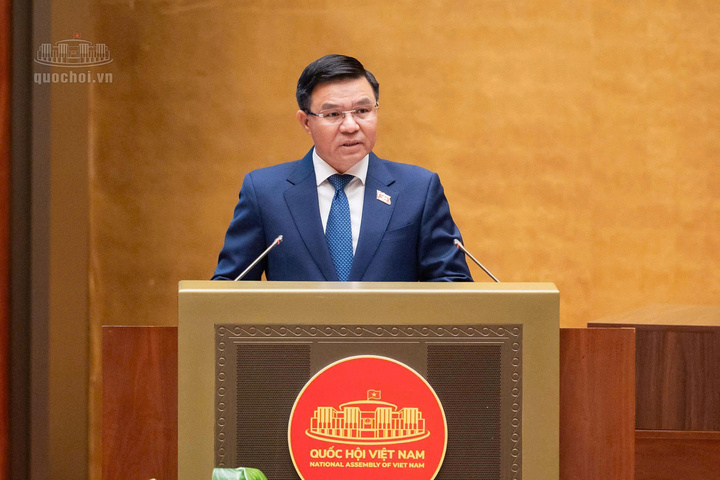
On October 20, at the second session of the 16th National Assembly, Minister of Industry and Trade Le Manh Hung presented the Government's submission on the draft Law amending and supplementing a number of articles of the Electricity Law.
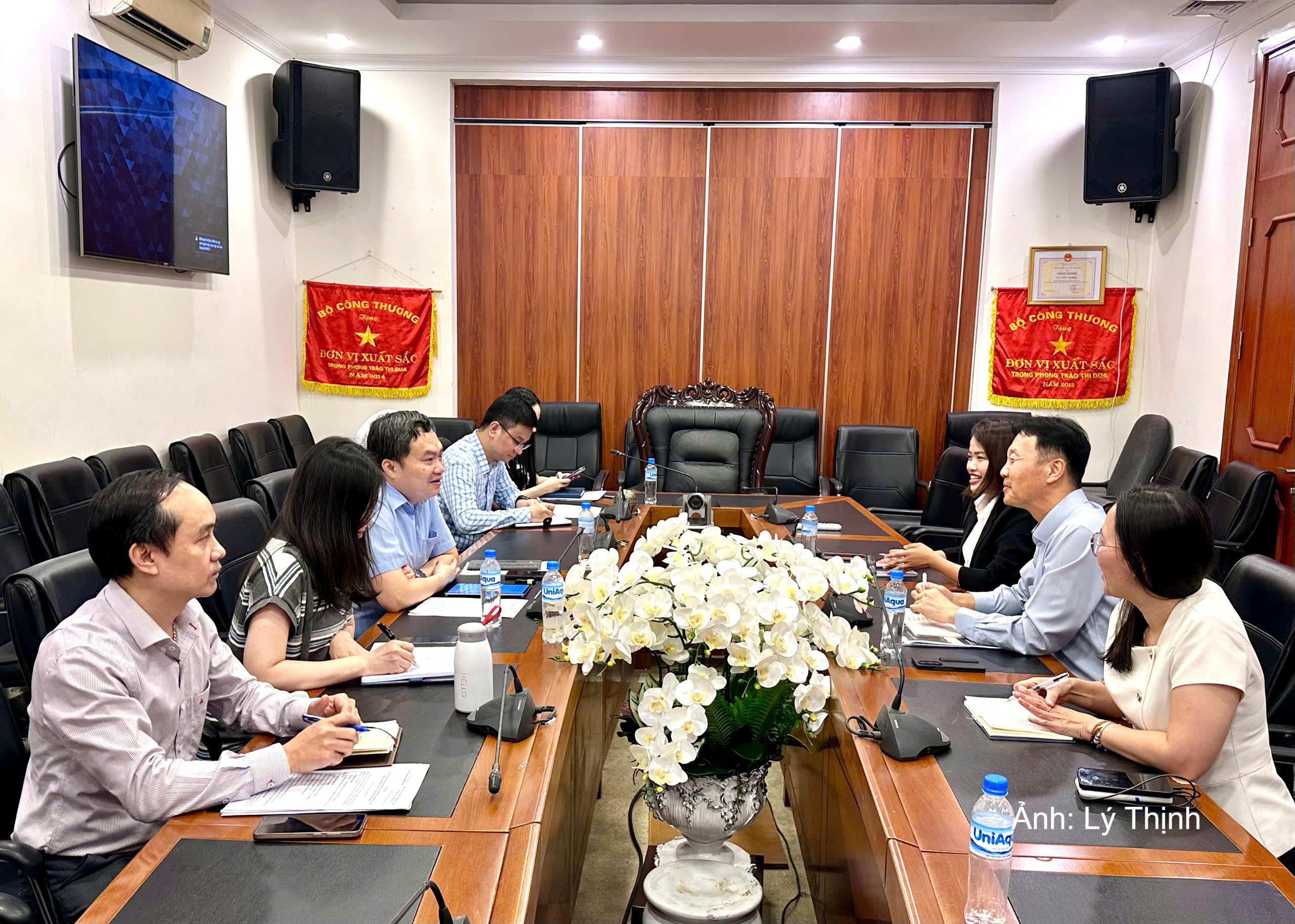
The Vietnam Industry Agency under the Ministry of Industry and Trade and Samsung Vietnam continue to strengthen cooperation in developing supporting industries, enhancing the capabilities of domestic enterprises and expanding opportunities for their participation in global supply chains.
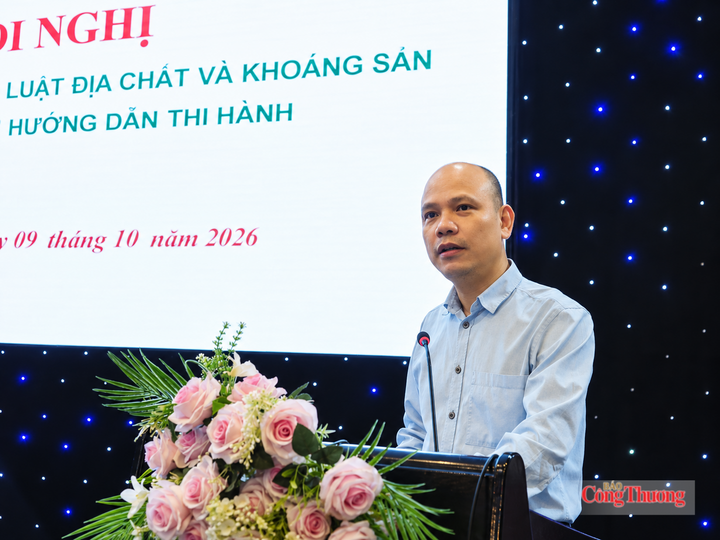
On October 9, the Viet Nam Department of Geology and Minerals, in coordination with the Thai Nguyen Department of Industry and Trade, held a conference in Thai Nguyen province to disseminate the Law on Geology and Minerals and its implementing regulations.
Northern localities are strengthening links in supporting industries, energy and logistics to build competitive value chains and create new growth drivers.
The 20th Industrial Promotion Conference for Northern Provinces and Cities in 2026 was held in Hai Phong City on October 1, with discussions focusing on renewing industrial promotion activities.
On September 30 in Ha Noi, the Ministry of Industry and Trade (MoIT) held a conference to gather broad feedback on a draft decree replacing the Government’s existing decrees on petroleum trading.