Prime Minister Le Minh Hung urged Electricity Law amendments to ensure consistency, balance state, public and investor interests, and mobilize resources.
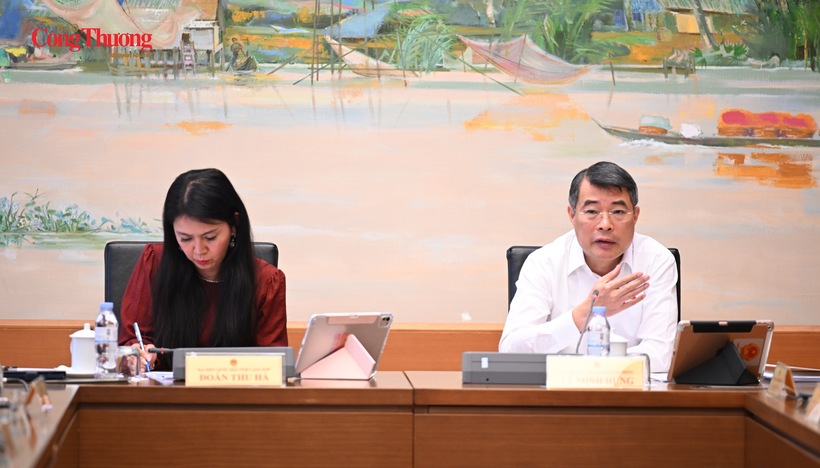
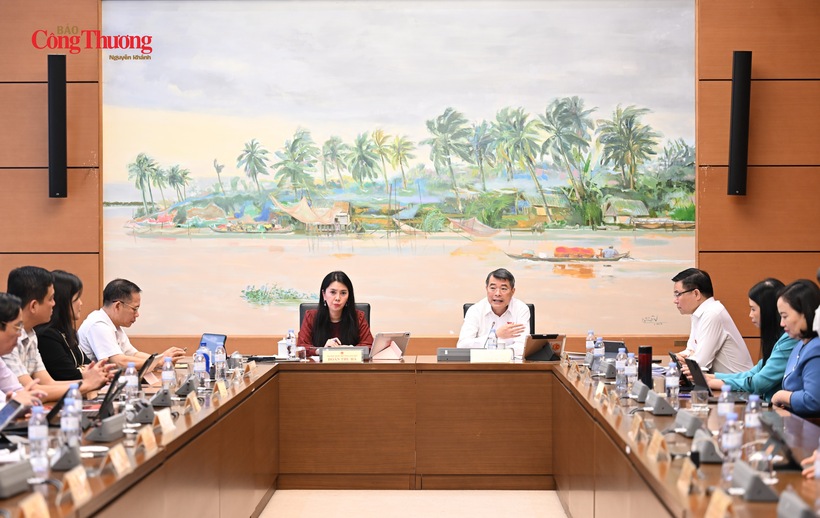
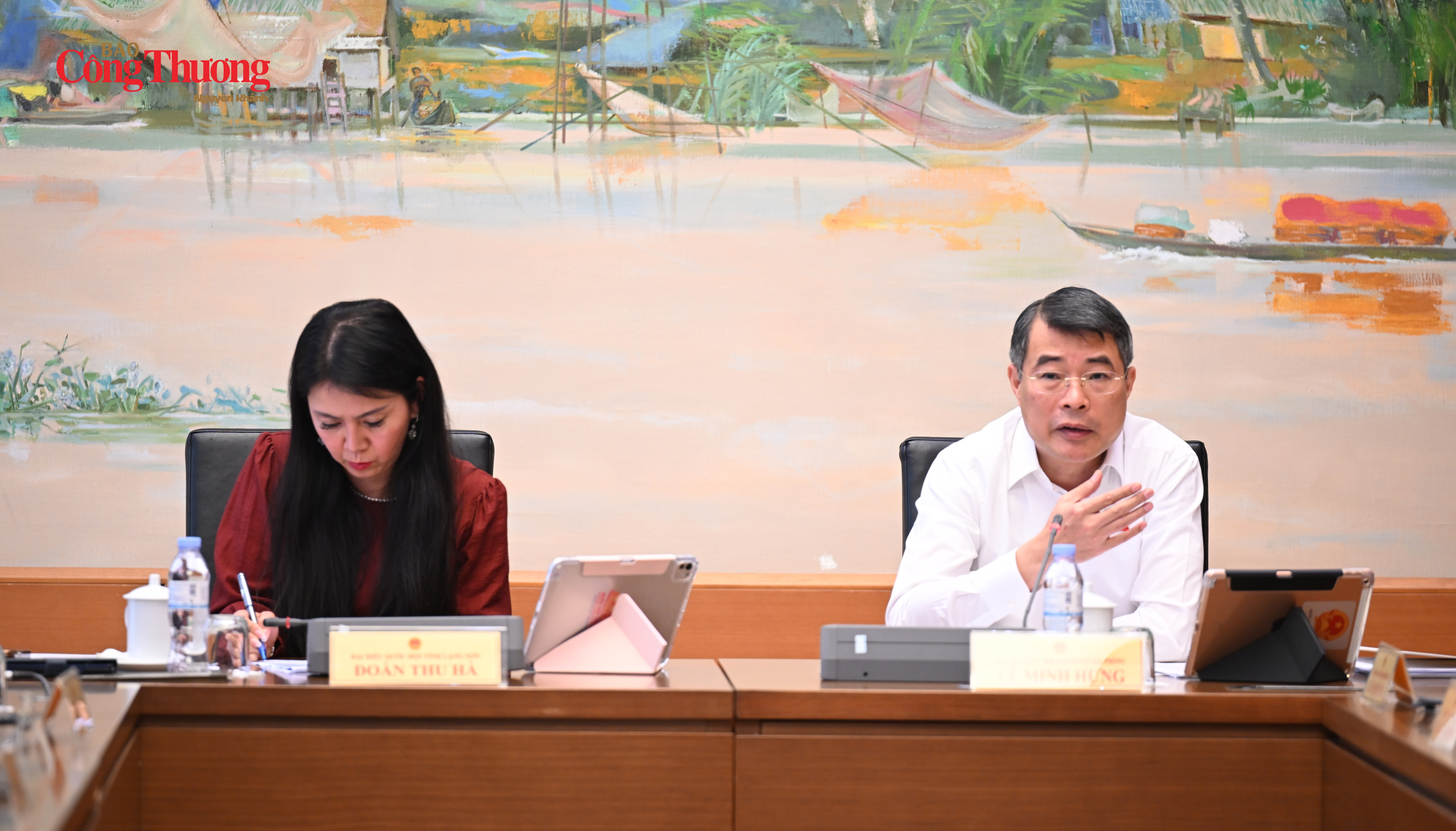
On October 20, during the second session of the 16th National Assembly, Group 3, comprising National Assembly delegations from Hai Phong city and Ha Tinh and Lang Son provinces, discussed several draft laws, including the draft Law amending and supplementing a number of articles of the Electricity Law.
The discussion was attended by Political Bureau member and Prime Minister Le Minh Hung; Political Bureau member and Standing Deputy Prime Minister Pham Gia Tuc; and Party Central Committee member and Minister of Industry and Trade Le Manh Hung.
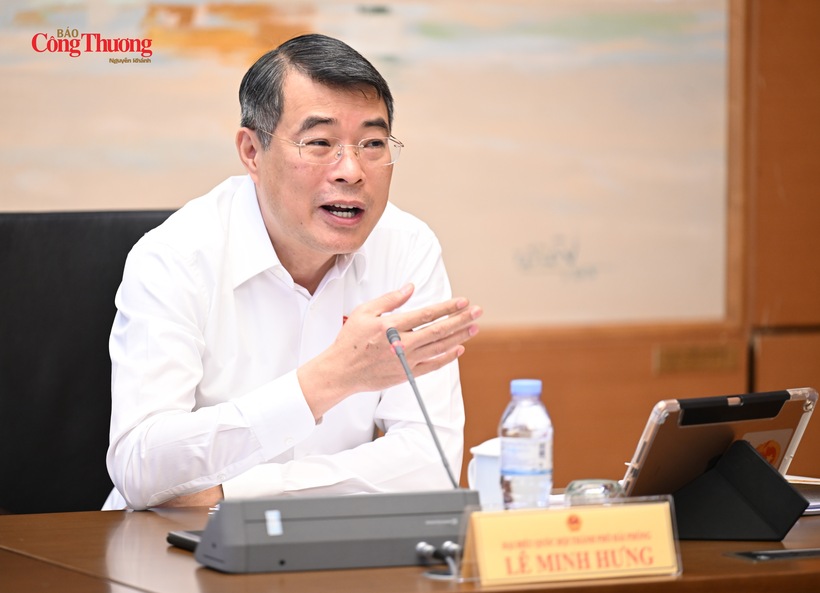
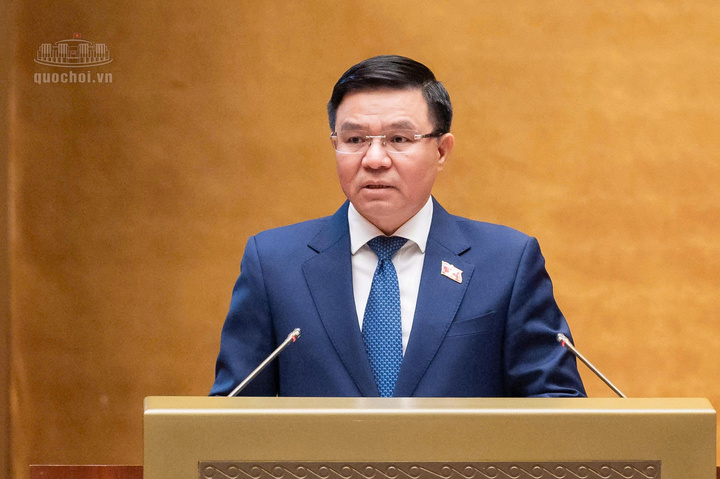
Prime Minister Le Minh Hung delivers remarks at the Group 3 discussion.
Substantial electricity demand
Addressing the discussion, Prime Minister Le Minh Hung noted that the Electricity Law had been adopted by the National Assembly only recently. However, as the legislature had subsequently amended and supplemented numerous related laws, revisions to the Electricity Law were also necessary to ensure consistency across the legal framework.
Furthermore, the double-digit economic growth target, underpinned by science, technology and digital transformation, entails substantial investment requirements. Viet Nam needs to develop numerous data centers, including a national data center, backup facilities in localities, and data centers serving ministries, sectors and local administrations. These facilities require enormous amounts of energy.
The Prime Minister emphasizes that ensuring sufficient electricity supply is also a requirement under the Political Bureau's Resolution No.70-NQ/TW on national energy security.
Citing the US as an example, the Prime Minister said the country's largest technology corporations were required to make their own arrangements for adequate electricity supplies when investing in data centers. Otherwise, such projects would place considerable upward pressure on electricity prices in the localities concerned.
Viet Nam faces a similar challenge. The double-digit growth target alone will generate enormous electricity demand, while advances in science and technology, the construction of data centers and efforts to attract foreign investment in high-tech industries will further increase the need for a reliable and sufficient power supply.
The Prime Minister stressed that ensuring adequate electricity supply was also a requirement set out in Resolution No.70-NQ/TW of the Political Bureau on ensuring national energy security. Power generation capacity must meet the country's needs, first to support economic growth and second to facilitate scientific and technological development. These requirements make amendments to the law imperative.
Striking a balance between interests
Drawing on his experience of working with foreign investors in the energy sector, the Prime Minister observed that power projects require substantial capital investment and long implementation periods. Investors must seek financial backing and secure loans from foreign banks. They therefore need a predictable and competitive investment environment that safeguards their investments and offers simplified administrative procedures.
At the same time, the State must safeguard its own rights and interests, while ensuring that citizens have access to electricity at reasonable prices.
According to the Prime Minister, it is essential to strike a balance between the interests of investors and those of the State and the people. The Electricity Law must be amended to address investors' concerns; otherwise, it will be impossible to mobilize the substantial resources required for power sector development.
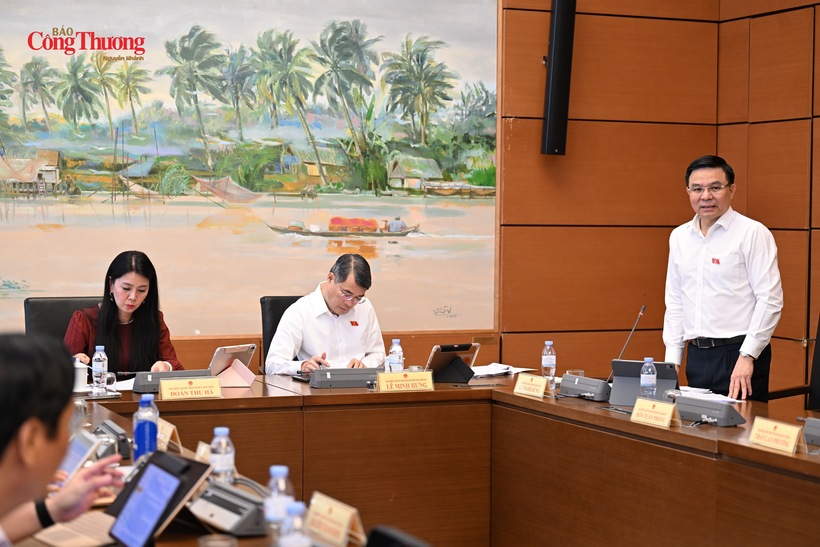
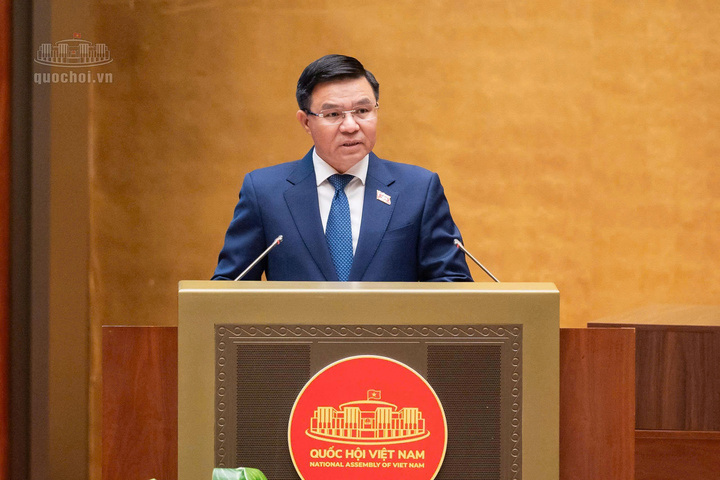
Minister of Industry and Trade Le Manh Hung delivers remarks at the Group 3 discussion.
Regarding the power generation mix, the Prime Minister said that, according to reports from the Ministry of Industry and Trade (MoIT), the potential for further hydropower development was now very limited. Consequently, greater attention must be directed towards gas-fired power using domestic natural gas, imported liquefied natural gas (LNG), wind power, solar power and offshore wind power.
To mobilize investment in these power sources, administrative procedures must be considerably simplified. The Prime Minister noted that the National Assembly had recently amended the Petroleum Law, while the current amendments to the Electricity Law were intended to ensure consistency between the relevant legal provisions.
He further stated that the Government was directing the MoIT to coordinate with other ministries, sectors and localities in reviewing, revising and updating Power Development Plan VIII.
The objective is to ensure that projects incorporated into the plan are feasible and can be implemented without delays that could adversely affect electricity supply or the evacuation of generated power. This process also requires a transparent and clearly defined legal framework.
The Prime Minister also noted that, through a combination of coordinated measures, including the application of science and technology, tighter management and reductions in the operating costs of Vietnam Electricity (EVN), as well as efforts to resolve issues involving renewable energy projects, EVN had become profitable and was in a position to address its accumulated losses.
Its financial position was now fundamentally sound, providing the conditions necessary for continued investment in new power generation and grid infrastructure projects.
He underscored the importance of transmission grid projects in evacuating electricity generated by power plants, particularly given the need to transmit electricity from the central region to the north. Major economic zones must also ensure coordinated investment in both power generation facilities and transmission networks.
The Prime Minister stresses the need to safeguard the interests of the State, the people and the nation while addressing investors' interests.
The head of Government once again emphasized the importance of safeguarding the interests of the State, the people and the nation, while also addressing investors' interests, particularly certain technical issues arising in agreements.
"Otherwise, they will not be able to commit such substantial investment resources over a very long period, and they will be extremely hesitant in the face of risks. This is an issue that requires very careful consideration," the Prime Minister said.
He added that, once the National Assembly authorized and adopted the amendments to the Electricity Law, the Government would direct the MoIT to coordinate with relevant ministries, sectors and localities in reviewing, revising and updating the power development plan, ensuring that any additional projects were feasible.
Prime Minister Le Minh Hung affirmed that the Government would direct the MoIT to incorporate feedback from National Assembly deputies and appraisal opinions from the National Assembly's relevant agencies to finalize the draft law, while also completing and updating draft decrees and circulars.
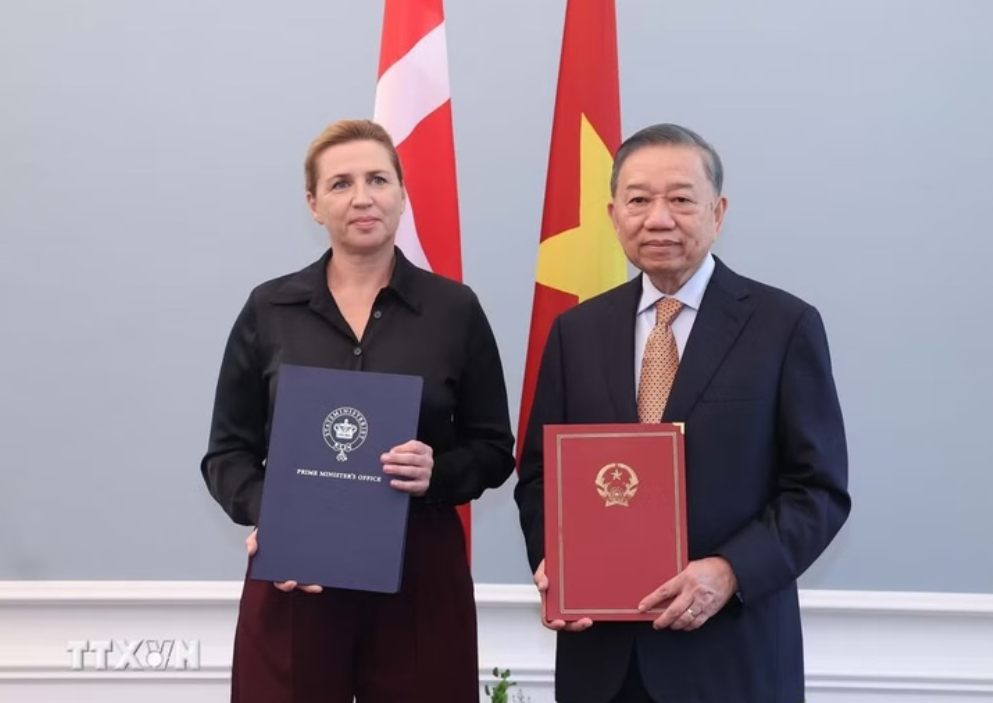
The Viet Nam Economic News respectfully presents the full text of the Joint Statement on the Establishment of a Comprehensive Strategic Partnership between Viet Nam and Denmark.
Prime Minister Le Minh Hung urged Electricity Law amendments to ensure consistency, balance state, public and investor interests, and mobilize resources.
On October 20, at the second session of the 16th National Assembly, Minister of Industry and Trade Le Manh Hung presented the Government's submission on the draft Law amending and supplementing a number of articles of the Electricity Law.
On October 20, Minister Le Manh Hung presented proposed amendments to four laws on commerce, competition, foreign trade management and consumer rights.
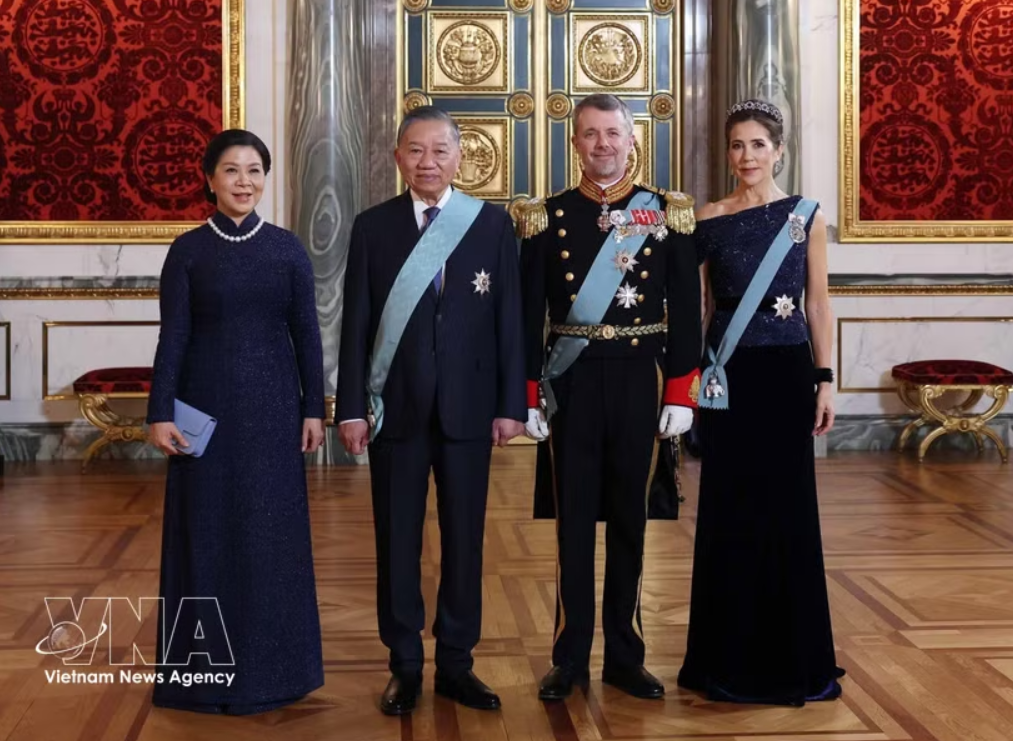
General Secretary of the Communist Party of Vietnam Central Committee and State President To Lam, his spouse and a high-ranking Vietnamese delegation attended a state banquet hosted by King Frederik X and Queen Mary in Copenhagen on the evening of October 19 (local time).
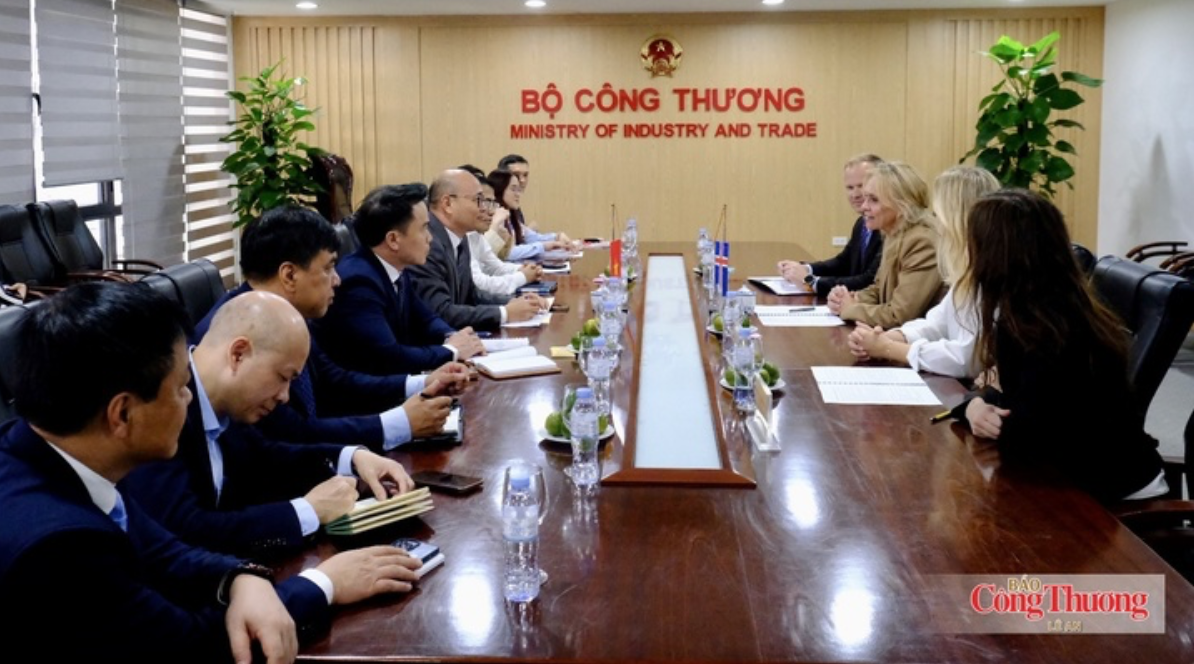
Viet Nam and Iceland discussed accelerating the Viet Nam - EFTA Free Trade Agreement deal and expanding cooperation in geothermal energy, fisheries and clean energy.
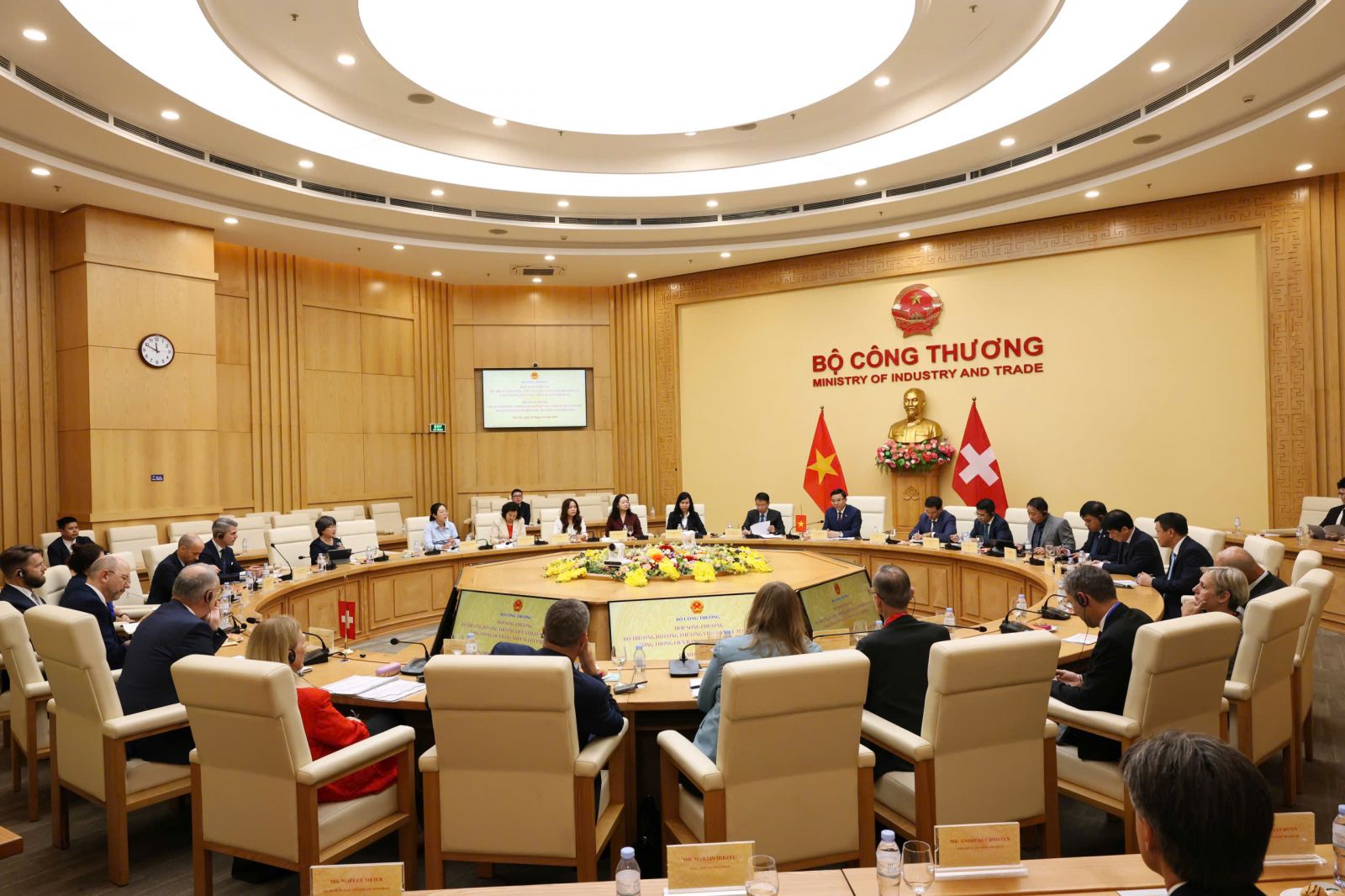
Minister Le Manh Hung and Swiss President Guy Parmelin discussed steps to bring the Viet Nam-EFTA FTA into force in early 2027 and deepen trade and investment ties.