Northern localities are strengthening links in supporting industries, energy and logistics to build competitive value chains and create new growth drivers.
Deepening supporting industry development
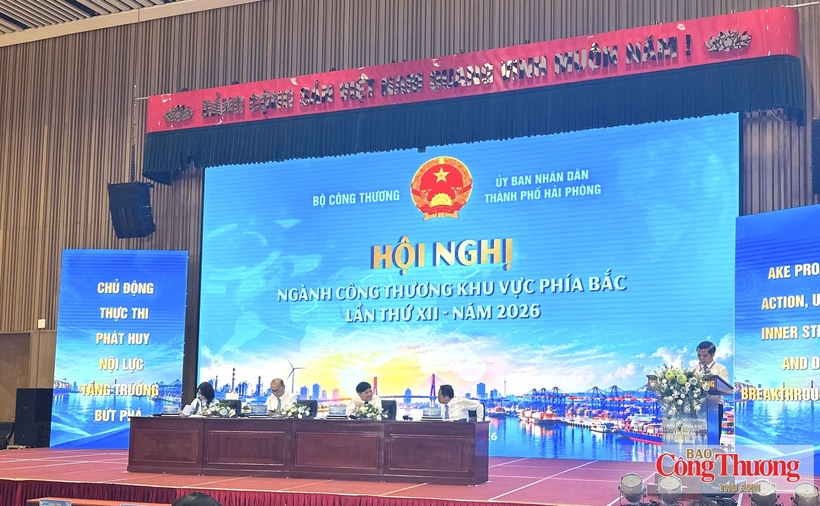
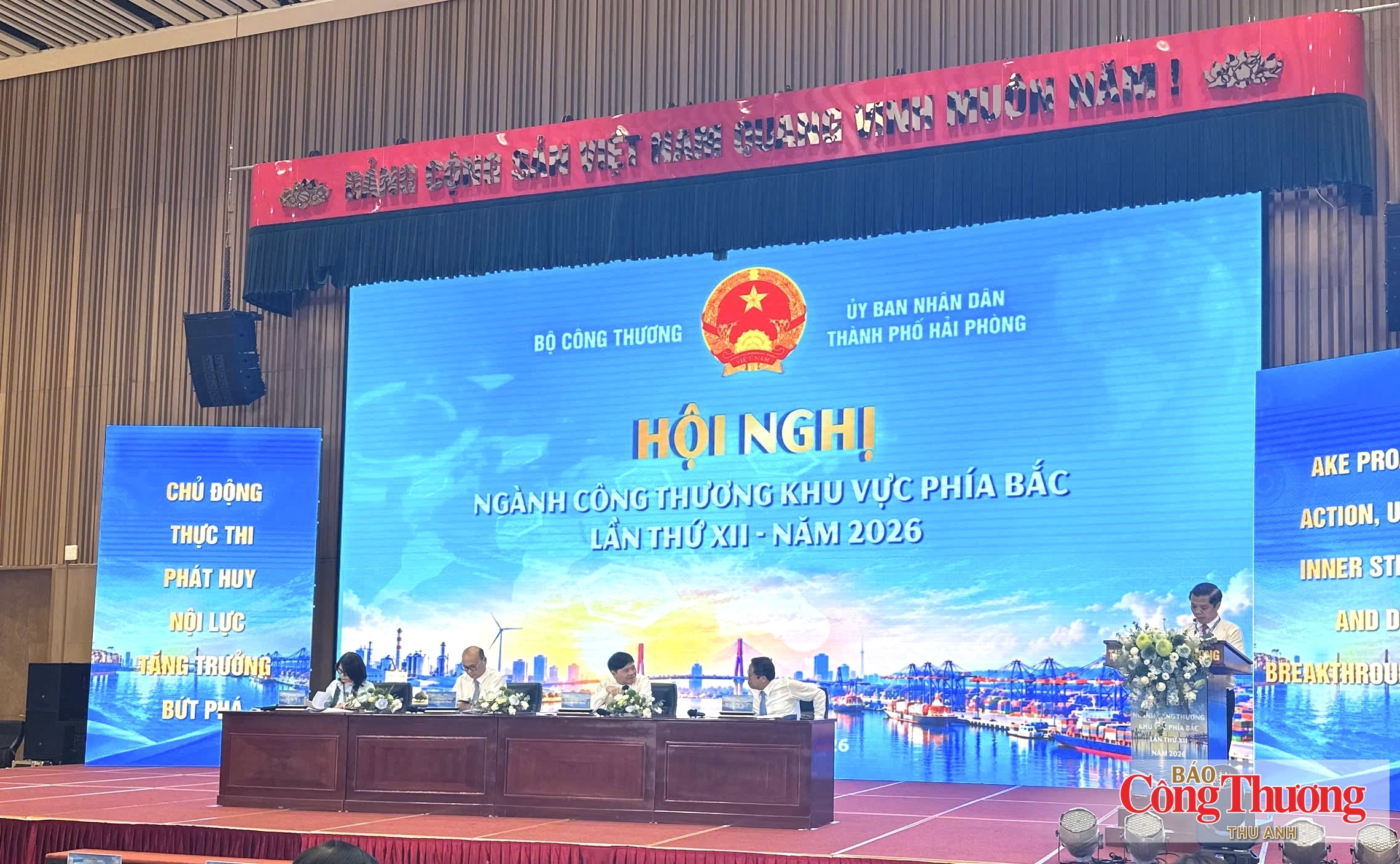
On October 2, delegates attending the 12th Industry and Trade Conference of 15 Northern Provinces and Cities in 2026, held in Hai Phong, focused their discussions on a range of practical issues.
Representatives from Bac Ninh focused on proposing solutions to promote more in-depth development of supporting industries, enhance the capabilities of domestic enterprises and strengthen linkages with leading companies.
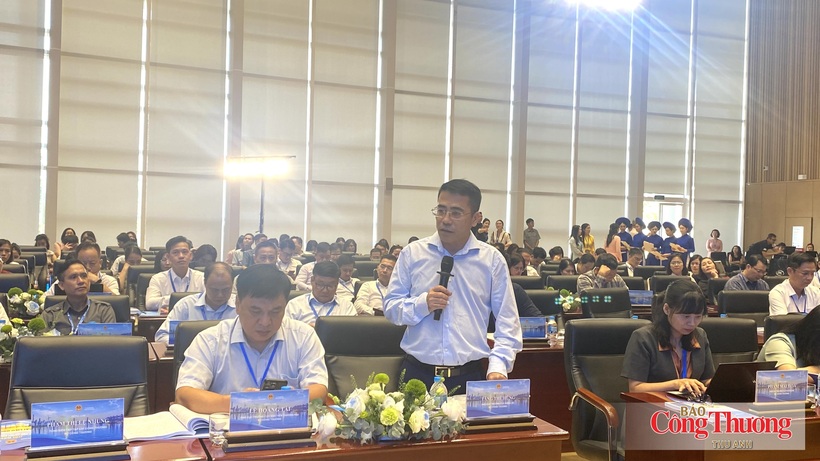
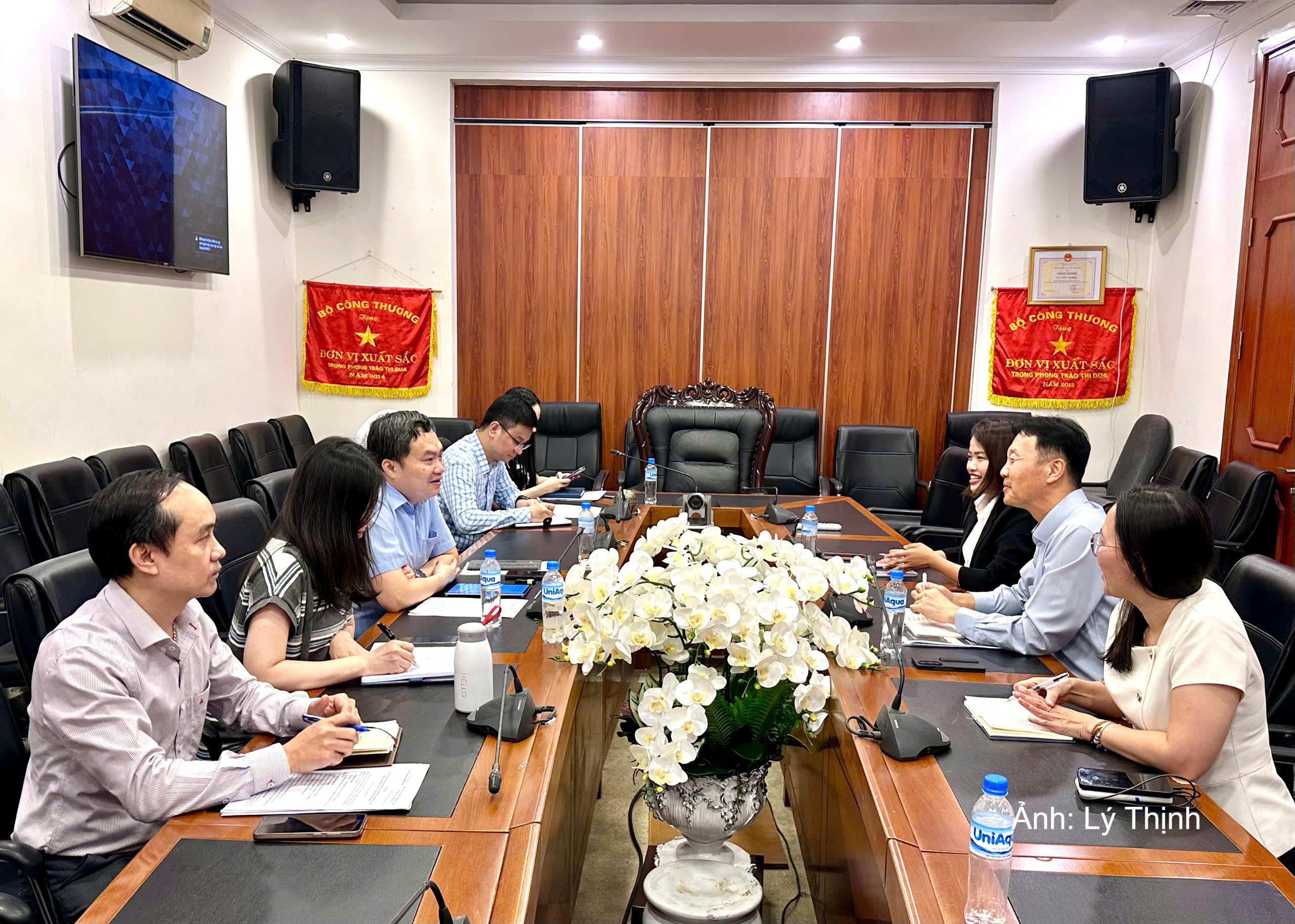
Delegates attend the event.
Under Bac Ninh's development orientation for the 2026 - 2030 period, with a vision to 2035, supporting industry development should go beyond merely increasing the number of enterprises. Instead, the focus needs to shift towards upgrading their capabilities and developing suppliers capable of meeting requirements for technology, quality, production management, technical standards and reliable delivery.
This requirement reflects the fact that Bac Ninh has already developed a relatively diverse industrial ecosystem, with the presence of many major companies and foreign-invested enterprises operating in electronics, equipment manufacturing and high-tech industries. While this advantage provides favorable conditions for developing a network of supporting industry enterprises, it also creates a need to strengthen the capabilities of domestic businesses.
Bac Ninh proposed strengthening regional linkages in supporting industry development, as supply chains in practice are not confined by administrative boundaries. Enterprises in Bac Ninh can become suppliers to businesses in Hai Phong, Hung Yen, Hai Duong, Thai Nguyen, and Ha Noi, and vice versa. The locality proposed studying the establishment of a northern regional supplier development network through which localities could share data on enterprises, products, production capabilities, technical standards and procurement needs; gradually introduce relatively consistent assessment criteria; and organize business matching activities for individual industry supply chains.
The locality also proposed further improving the legal framework for supporting industry development; simplifying procedures for accessing support policies; increasing resources for the Supporting Industry Development Program for 2026 - 2035; improving financial mechanisms; and developing a system of laboratories, testing facilities and certification services for enterprises. It also called for stronger linkages between foreign-invested and domestic enterprises, encouraging leading companies to share their procurement needs, technical standards and quality requirements, thereby creating opportunities for Vietnamese enterprises to undergo assessments and trials and gradually participate in supply chains.
Harnessing energy potential while ensuring energy security
As a mountainous and border locality characterized by fragmented terrain, dispersed populations and frequent exposure to floods and landslides, Lai Chau views energy security as closely intertwined with socio-economic development and resilience to natural disasters.
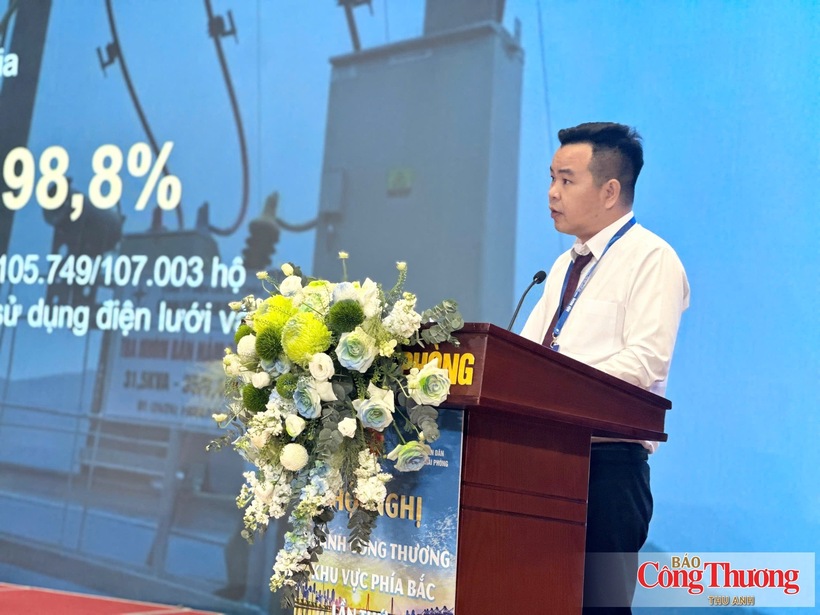
A representative of the Lai Chau provincial leadership delivers remarks at the event.
According to a representative of Lai Chau, energy security is not simply about ensuring sufficient supplies of electricity, petroleum and liquefied petroleum gas for production and daily life. It also requires supplies to be safe, continuous, proactive and suited to the locality's particular conditions.
By the end of August 2026, all 38 communes and wards in Lai Chau had access to the national power grid. Of the province's 616 villages and hamlets, 613 had access to grid electricity, equivalent to 99.52%. Meanwhile, 105,749 out of 107,003 households had access to electricity from the national grid and other power sources, accounting for 98.8%.
However, the remaining households are primarily located in particularly disadvantaged areas, scattered over wide areas and far from the existing power grid. The high cost of extending the grid to these areas has created a need to explore appropriate power supply models. While awaiting further expansion of the national grid, Lai Chau has provided support for self-generated, self-consumed solar power systems and post-meter electrical equipment for households without electricity. To date, 1,062 households have received support, with total investment of approximately VND 13.41 billion.
Alongside ensuring electricity supply, Lai Chau pays particular attention to supplies of petroleum and liquefied petroleum gas. As most fuel has to be transported by road from other localities, the risk of supply disruptions can increase during heavy rainfall, flash floods or landslides. The province said it is strengthening the monitoring of supplies, inventories and sales activities, while requiring petroleum and liquefied petroleum gas businesses to develop plans to secure supplies, particularly in areas far from urban centers and those at risk of being cut off.
In terms of power source development, Lai Chau identifies hydropower as one of its key advantages. Under the power supply network development plan incorporated into the adjusted provincial planning approved by the provincial People's Committee in Decision No. 333/QD-UBND dated February 27, 2026, the province has 342 energy projects with a combined capacity of 24,688.5 MW. Of these, 150 power generation projects with a total capacity of 5,384 MW have received investment policy approval, with their combined capacity expected to reach 6,243.8 MW following adjustments and expansions. Lai Chau currently has 73 operational hydropower projects with a combined capacity of 3,268.4 MW.
Against this backdrop, Lai Chau stressed that power source development must go hand in hand with grid development. Investment in power lines, substations and transmission infrastructure needs to be carried out in a coordinated manner to ensure that generated electricity can be effectively transmitted, avoiding a situation in which investment in power generation fails to deliver its full potential because of transmission constraints.
Lai Chau also proposed that Central authorities and power sector entities give greater attention to investment in and upgrades of the power grid in remote, isolated and border areas; accelerate power line and substation projects; and strengthen coordination in site clearance, grid connection and project implementation. Alongside hydropower, the province plans to study renewable and new energy sources suited to its natural conditions and the power system's capacity to accommodate them, while promoting more economical and efficient use of energy.
From the perspective of a port city and logistics hub, Hai Phong stressed the need to strengthen linkages among production, logistics, trade and markets. Efforts to capitalize on the city's advantages in seaports, logistics infrastructure and market connectivity are being pursued as part of broader linkages with other localities in the region.
Delegates exchange views and hold discussions at the event.
Presentations at the conference showed that linkages within the Industry and Trade sector can no longer be limited to information exchanges among localities, but need to move towards substantive connections spanning raw material areas, production, supporting industries, logistics, trade and exports.
Accordingly, each locality needs to capitalize on its own advantages while strengthening complementarities across regional value chains. Bac Ninh, for example, has strengths in the electronics industry, supporting industries and high technology; Lai Chau holds advantages in energy; while Hai Phong plays an important role in seaports, logistics and trade.
When connected through infrastructure, data, enterprises and markets, these advantages can create a broader development space for the entire region.
In his concluding remarks, Deputy Minister of Industry and Trade Luong Hoang Thai called on local Industry and Trade authorities to remain proactive in carrying out their tasks, focus on addressing difficulties and obstacles arising from production and business activities, and further improve the effectiveness of coordination between central and local authorities.
One of the consistent requirements highlighted at the conference was the need for a decisive shift from a management-oriented mindset towards one centered on partnership, facilitation and development support, with enterprises and the effectiveness of production and business activities placed among the key priorities of sectoral management.
Responding to the guidance, Nguyen Hoang Long, Director of the Hai Phong Department of Industry and Trade, affirmed that the department would coordinate with other localities in the region to translate the issues agreed at the conference into concrete action, strengthen information exchange and experience sharing, and promote practical cooperation programs.
From policy and infrastructure connectivity to production linkages, logistics, e-commerce and markets, presentations at the 12th Industry and Trade Conference of 15 Northern Provinces and Cities in 2026 underscored the growing need to develop more competitive value chains. This is not merely an issue for individual localities but a requirement for the entire region as it seeks to reduce costs, strengthen business capabilities, expand markets and generate new drivers of growth in the new period.
Polish Prime Minister Donald Tusk will pay an official visit to Viet Nam from October 24 to 26 as the bilateral trade continues to grow, creating opportunities for deeper cooperation.
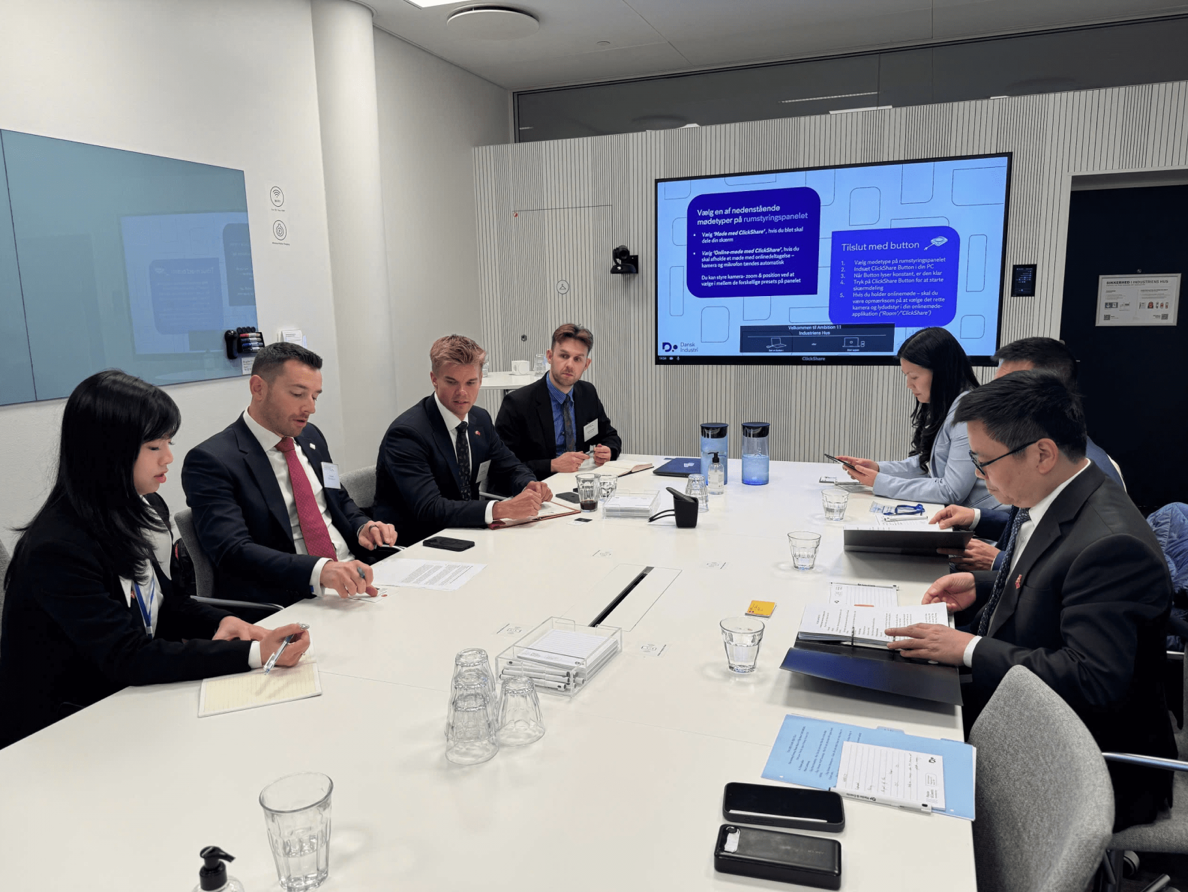
Deputy Minister Truong Thanh Hoai met with LEGO and Carlsberg in Denmark on October 20 to discuss green investment and sustainable manufacturing in Viet Nam.
For more than three decades, Ms. Dang Thi Thanh Huong has quietly shaped the legacy of Dong Phuong Cake & Confectionery, a brand rooted in tradition, craftsmanship.
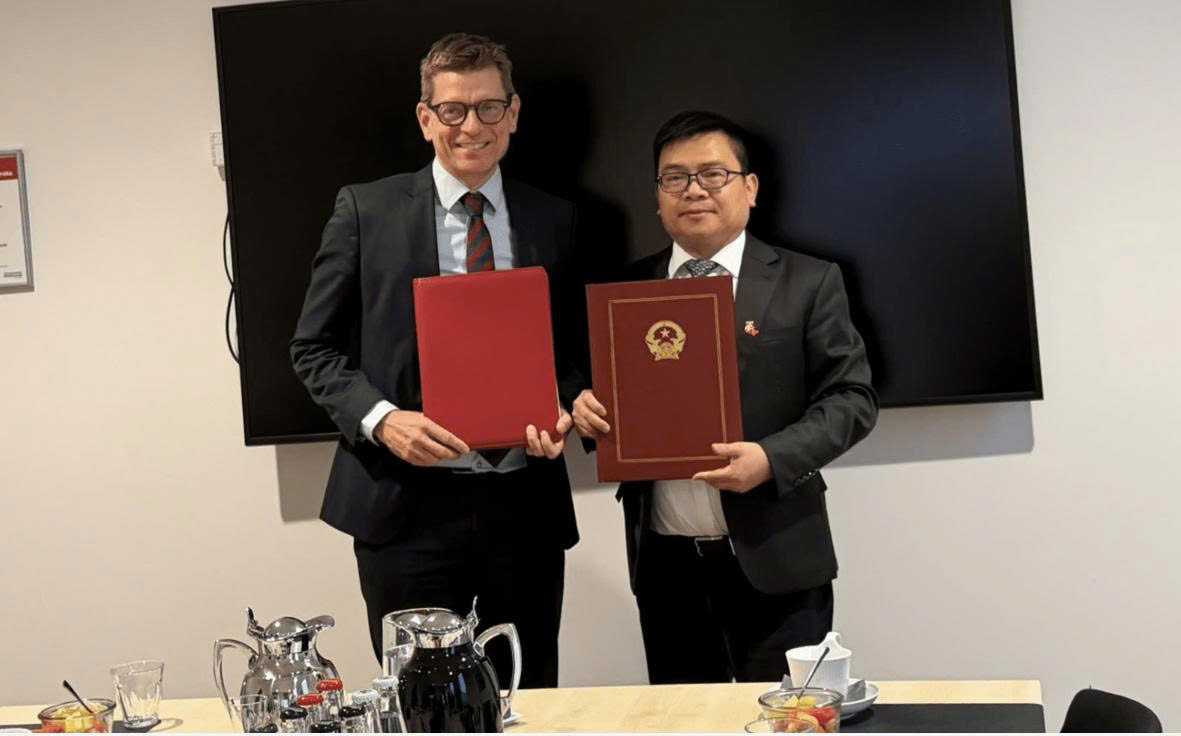
Viet Nam and Denmark have signed an MoU on energy cooperation to strengthen bilateral ties and advance collaboration in renewable energy and the green transition.
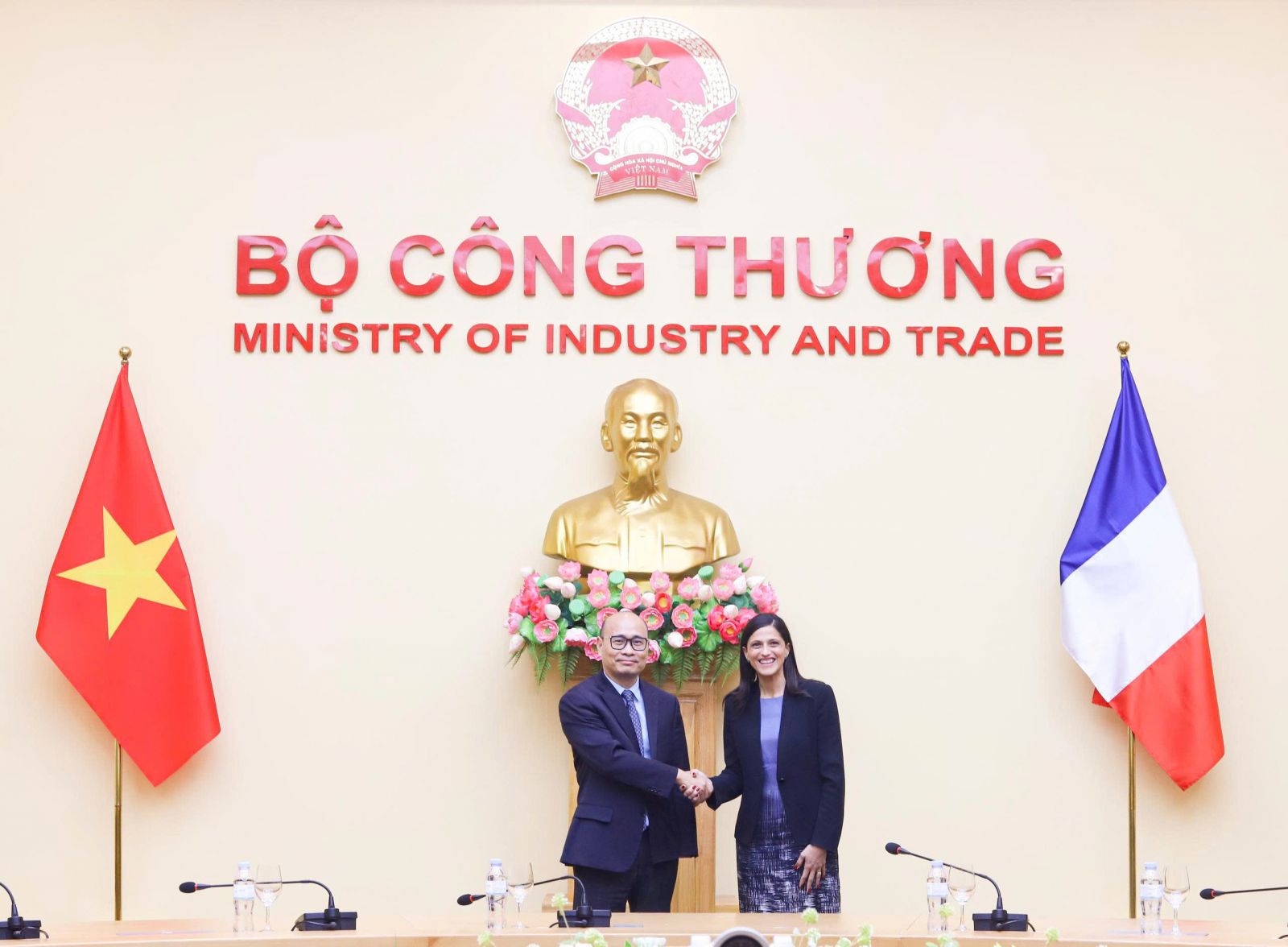
Deputy Minister Luong Hoang Thai met French Minister Delegate Eleonore Caroit on October 19 to discuss ways to strengthen Viet Nam - France cooperation.
The Vietnam Industry Agency under the Ministry of Industry and Trade and Samsung Vietnam continue to strengthen cooperation in developing supporting industries, enhancing the capabilities of domestic enterprises and expanding opportunities for their participation in global supply chains.
On October 9, the Viet Nam Department of Geology and Minerals, in coordination with the Thai Nguyen Department of Industry and Trade, held a conference in Thai Nguyen province to disseminate the Law on Geology and Minerals and its implementing regulations.
Northern localities are strengthening links in supporting industries, energy and logistics to build competitive value chains and create new growth drivers.
The 20th Industrial Promotion Conference for Northern Provinces and Cities in 2026 was held in Hai Phong City on October 1, with discussions focusing on renewing industrial promotion activities.
On September 30 in Ha Noi, the Ministry of Industry and Trade (MoIT) held a conference to gather broad feedback on a draft decree replacing the Government’s existing decrees on petroleum trading.