On October 9, the Viet Nam Department of Geology and Minerals, in coordination with the Thai Nguyen Department of Industry and Trade, held a conference in Thai Nguyen province to disseminate the Law on Geology and Minerals and its implementing regulations.
The conference brought together leaders of the Viet Nam Department of Geology and Minerals; representatives of the Departments of Industry and Trade of Thai Nguyen, Tuyen Quang, and Cao Bang provinces; local authorities; and representatives of agencies, organizations and enterprises operating in the geology and minerals sector.
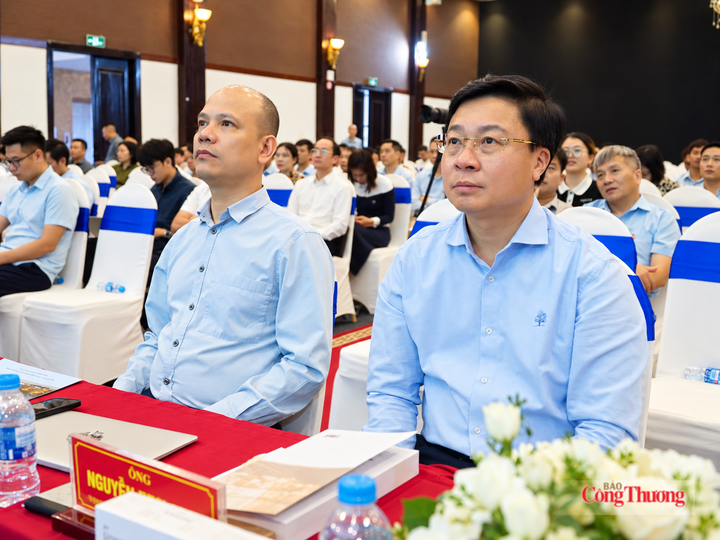
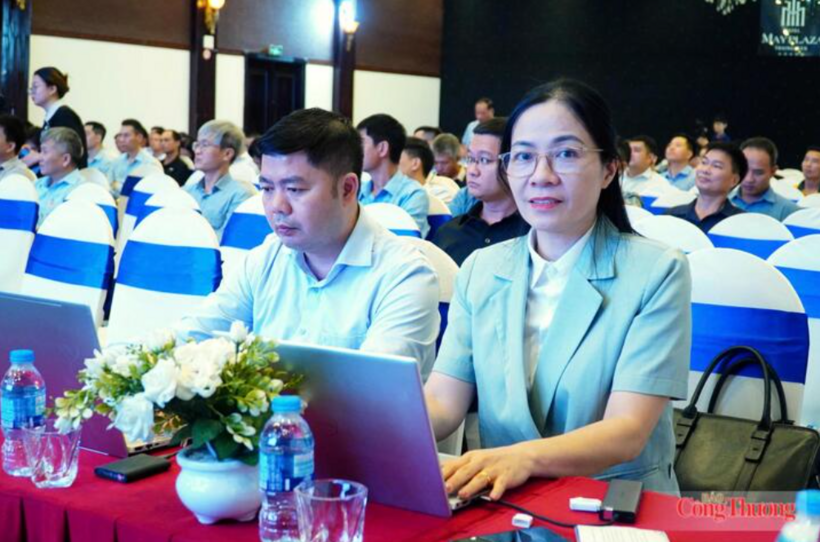
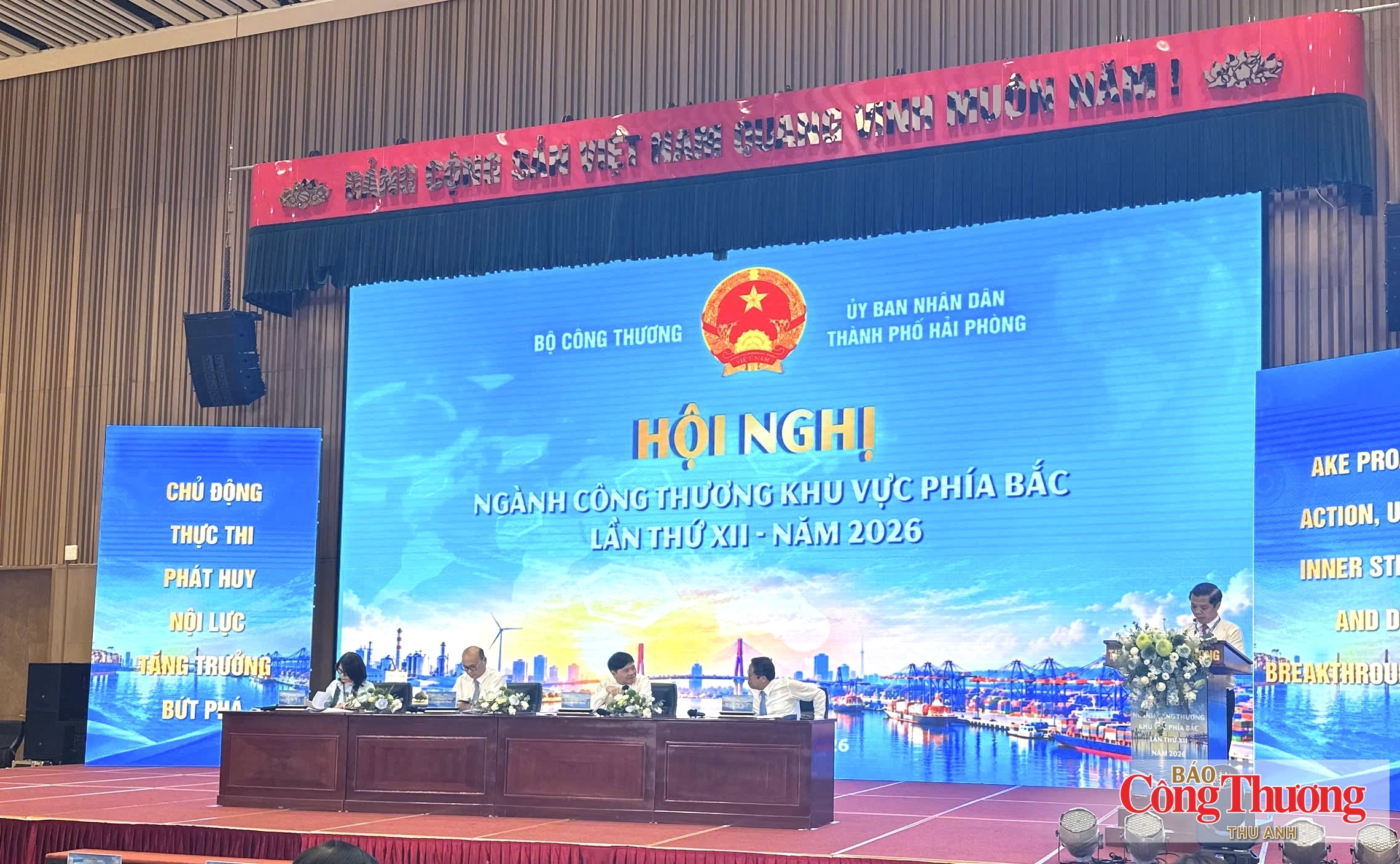
Delegates attending the conference. Photo: Minh Duc
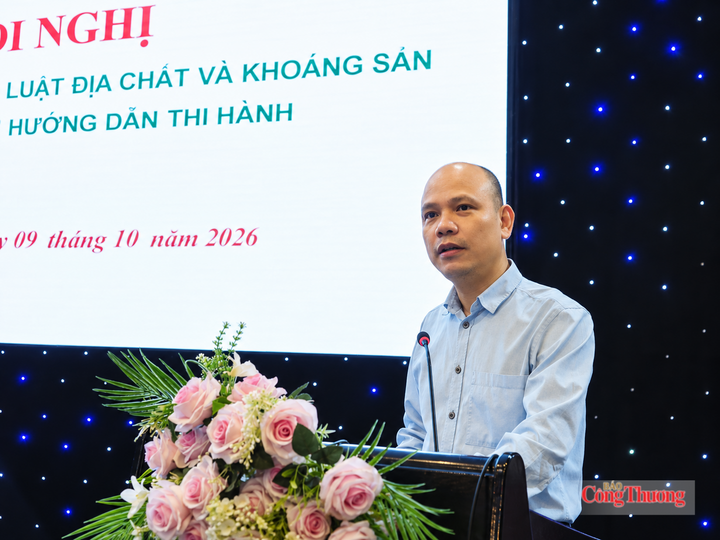
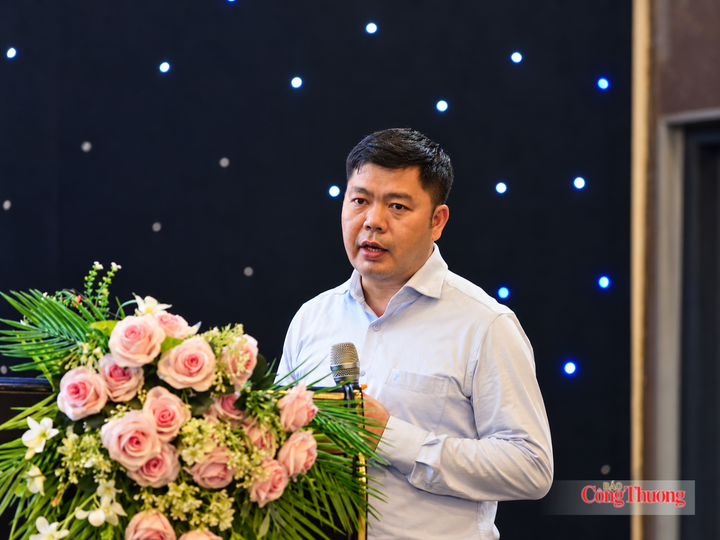
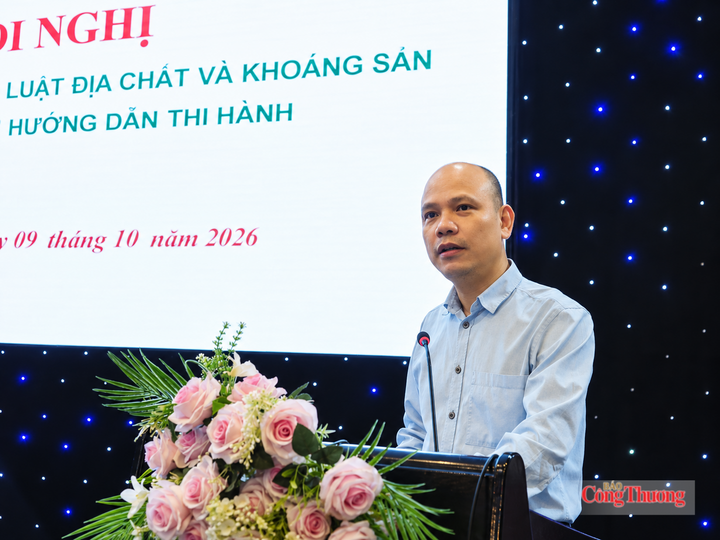
In his opening remarks, Tran Phuong, Deputy Director-General of the Viet Nam Department of Geology and Minerals under the Ministry of Industry and Trade (MoIT), emphasized that the 2024 Law on Geology and Minerals marked a significant shift in the approach to mineral resource management compared with the 2010 Law on Minerals. One of its most notable provisions is the classification of minerals into four groups, allowing appropriate management mechanisms to be applied instead of imposing uniform regulations on minerals with different characteristics, values and roles.
Tran Phuong, Deputy Director-General of the Viet Nam Department of Geology and Minerals under the Ministry of Industry and Trade, addresses the conference. Photo: Minh Duc
The Department's leadership noted that regulatory authorities are continuing to study amendments to the Law on Geology and Minerals, with a focus on further decentralizing powers to local authorities, reforming management methods and accelerating the application of digital data.
Tran Phuong emphasized that one of the key directions for reform is to reduce ex-ante inspections and strengthen ex-post supervision. Accordingly, regulatory authorities are considering introducing green, yellow and red classifications based on the level of legal compliance demonstrated by organizations and individuals, enabling appropriate inspection and supervision measures.
At the same time, greater attention will be given to deep processing and mineral resource management along value chains, contributing to improving the effectiveness and efficiency of state management.
Translating new policies into mineral resource management practices
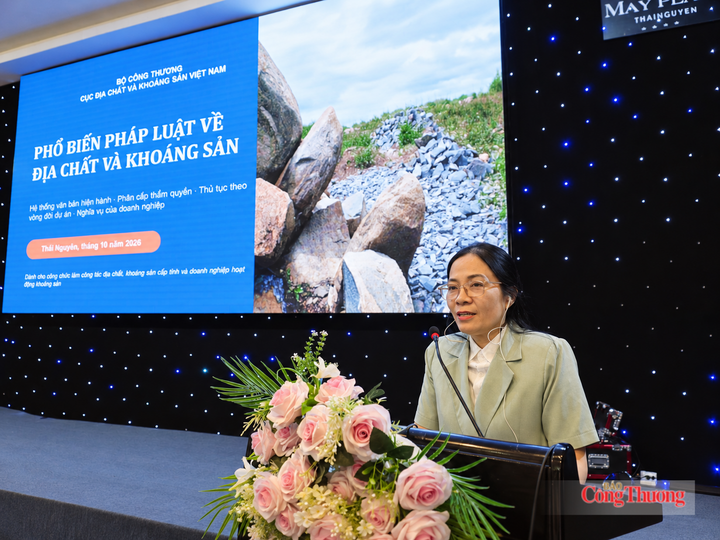
Presenting an overview of the regulatory framework, Pham Thi Thanh, Deputy Head of the Legal Affairs and Inspection Division under the Viet Nam Department of Geology and Minerals, said that the legal framework governing geology and minerals had undergone continuous updates and improvements between July 2025 and September 2026.
Notably, Law No.147/2025/QH15 amended and supplemented Law No.54/2024/QH15 on Geology and Minerals, alongside decrees and resolutions providing implementation guidance and addressing practical difficulties. On September 15, 2026 alone, the MoIT issued 10 circulars, numbered from No.51/2026/TT-BCT to No.60/2026/TT-BCT, detailing regulations in the sector.
Pham Thi Thanh, Deputy Head of the Legal Affairs and Inspection Division, under the Viet Nam Department of Geology and Minerals, addresses the conference. Photo: Minh Duc
According to Pham Thi Thanh, these adjustments are closely linked to the need to institutionalize Resolution No.10-NQ/TW, issued by the Politburo on February 10, 2022, on strategic orientations for geology, minerals and the mining industry through 2030, with a vision to 2045.
Under these orientations, geological and mineral resources are regarded not only as important resources for socio-economic development but also as long-term national reserves, requiring rational, economical and efficient management, exploitation and utilization.
"Minerals are not merely a source of immediate revenue but also long-term national reserve assets, whose exploitation must be linked to deep processing, resource conservation and environmental protection," she emphasized.
In line with these orientations, the current legal framework focuses on addressing five major areas: strengthening decentralization and delegation of authority to local administrations; unlocking supplies of materials for construction works and projects; enhancing transparency in monitoring mineral extraction output; reforming administrative procedures; and ensuring continuity in state management during the transfer of functions and responsibilities.
Against this backdrop, Pham Thi Thanh highlighted five core messages that regulatory authorities, organizations and enterprises must fully understand when implementing the new policies.
First, applying the appropriate legal instruments. Relevant stakeholders must have a thorough understanding of the Law on Geology and Minerals, its amendments and supplements, decrees, special resolutions and implementing circulars. They must also clearly distinguish between provisions currently in force and mechanisms that apply only for specified periods.
Second, correctly identifying mineral groups. The accurate classification of minerals into four groups serves as the basis for determining licensing authority, applicable procedures, recognition of mineral exploration results and relevant statutory deadlines.
Third, identifying the competent authorities. Amid stronger decentralization, delegation of powers and the transfer of state management functions to the MoIT, accurately determining which agencies are responsible for receiving and processing applications is essential to ensuring compliance with prescribed procedures.
Fourth, using the appropriate new forms. Organizations and individuals must use the relevant forms issued together with the 10 circulars promulgated by the MoIT on September 15, 2026, from Circular No.51/2026/TT-BCT to Circular No.60/2026/TT-BCT.
Fifth, strictly observing statutory deadlines. Particular attention must be paid to registration and notification deadlines before activities commence, deadlines for submitting periodic reports and maps showing the current status of mining operations, and the prescribed time limits for procedures to replace mineral extraction licenses.
Reforming the calculation and settlement of mineral extraction rights fees
Presenting a report on mineral extraction rights fees, Quach Duc Diep, Deputy Head of the Geological Resource Economics Division under the Viet Nam Department of Geology and Minerals, said the Law on Geology and Minerals had introduced significant changes to the basis for calculating these fees, payment and collection methods, and fee settlement procedures.
Quach Duc Diep, Deputy Head of the Geological Resource Economics Division under the Viet Nam Department of Geology and Minerals, speaks at the conference. Photo: Minh Duc
One of the changes is the removal of two coefficients from the formula used to calculate mineral extraction rights fees. These include K1, which relates to the mining method, whether open-pit or underground, and K2, which reflects socio-economic conditions in the mining area.
Under the new regulations, mineral extraction rights fees are determined based on the mineral reserves and volumes permitted for extraction, the price used to calculate the fees and the corresponding collection rate.
Explaining the adjustment, Quach Duc Diep said that settling mineral extraction rights fees based on actual mining output had rendered coefficient K1 unnecessary, while the removal of coefficient K2 was associated with preferential policies already provided for under investment legislation.
"Mineral extraction rights fees are now settled based on actual mining output. Therefore, coefficient K1 is no longer necessary," he emphasized.
The settlement of mineral extraction rights fees is considered one of the new provisions with a direct impact on business operations. Under the regulations, settlement must be conducted once every five years; upon the extension, adjustment or reissuance of licenses, or the transfer of mineral extraction rights; upon mine closure; and for licenses issued before the Law took effect that are subject to the first settlement requirement.
Changes have also been introduced to payment and collection procedures. From 2026, geological and mineral resource management agencies will no longer separately calculate and notify the annual amounts of mineral extraction rights fees payable.
Instead, tax authorities will determine and notify organizations and individuals of their financial obligations based on decisions approving or adjusting the fees, or on fee settlement notifications.
Notably, for licenses subject to the first settlement under transitional provisions, the process must be completed before December 31, 2026. However, monitoring has shown that implementation in several localities remains slow, despite the Viet Nam Department of Geology and Minerals having issued written reminders urging progress.
In light of these circumstances, Quach Duc Diep called on the Departments of Industry and Trade of Thai Nguyen, Tuyen Quang and Cao Bang provinces to urgently carry out the settlement procedures and ensure their completion within the prescribed deadline.
During the conference, delegates exchanged views, discussed and received clarification on difficulties and obstacles arising from the implementation of the Law on Geology and Minerals and its implementing regulations. Particular attention was given to provisions governing mineral activity licensing, mineral extraction rights fees and the implementation of administrative procedures under the new regulations.
On October 12 , the Ministry of Culture, Sports and Tourism launched the Viet Nam Cultural Industries Development Network and announced a list of 16 key challenges for 2026.
Viet Nam - Malaysia trade hit USD 17.4 billion in the first nine months of 2026, exceeding the 2025 full-year total and signaling a stronger-than-expected year.
The Vietnam Industry Agency under the Ministry of Industry and Trade and Samsung Vietnam continue to strengthen cooperation in developing supporting industries, enhancing the capabilities of domestic enterprises and expanding opportunities for their participation in global supply chains.
The Vietnamese National Assembly (NA) leader thanked the CPAFFC, the China-Viet Nam Friendship Association and Chinese friendship figures for their deep affection for Viet Nam and their sustained contributions to Viet Nam-China relations over the years.
The Vietnam Industry Agency under the Ministry of Industry and Trade and Samsung Vietnam continue to strengthen cooperation in developing supporting industries, enhancing the capabilities of domestic enterprises and expanding opportunities for their participation in global supply chains.
On October 9, the Viet Nam Department of Geology and Minerals, in coordination with the Thai Nguyen Department of Industry and Trade, held a conference in Thai Nguyen province to disseminate the Law on Geology and Minerals and its implementing regulations.
Northern localities are strengthening links in supporting industries, energy and logistics to build competitive value chains and create new growth drivers.
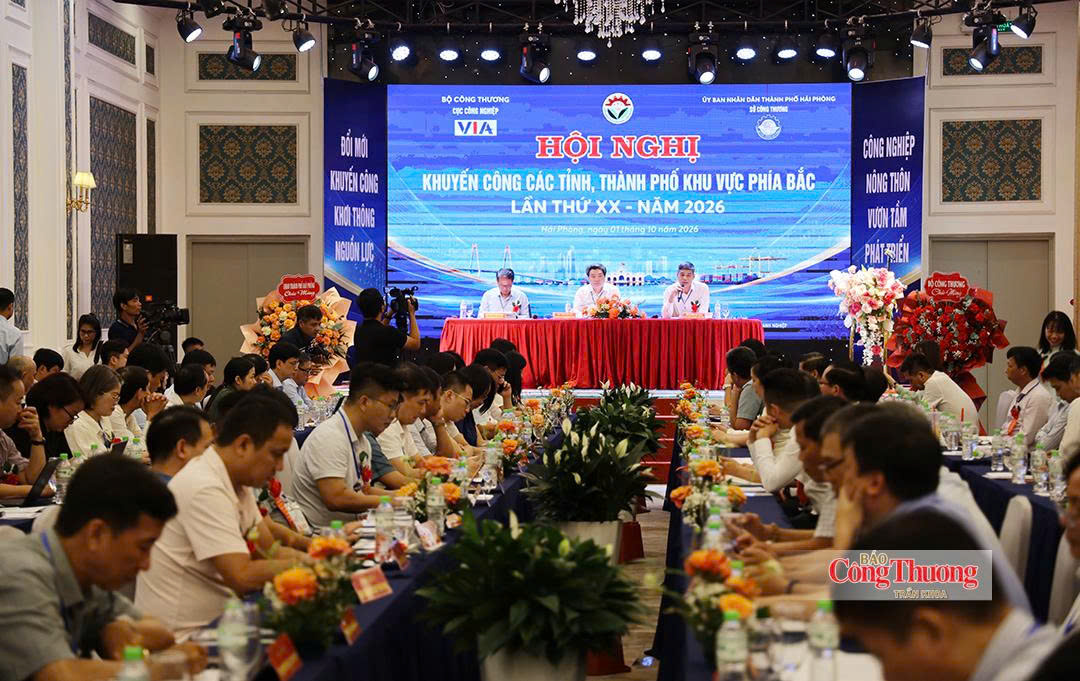
The 20th Industrial Promotion Conference for Northern Provinces and Cities in 2026 was held in Hai Phong City on October 1, with discussions focusing on renewing industrial promotion activities.
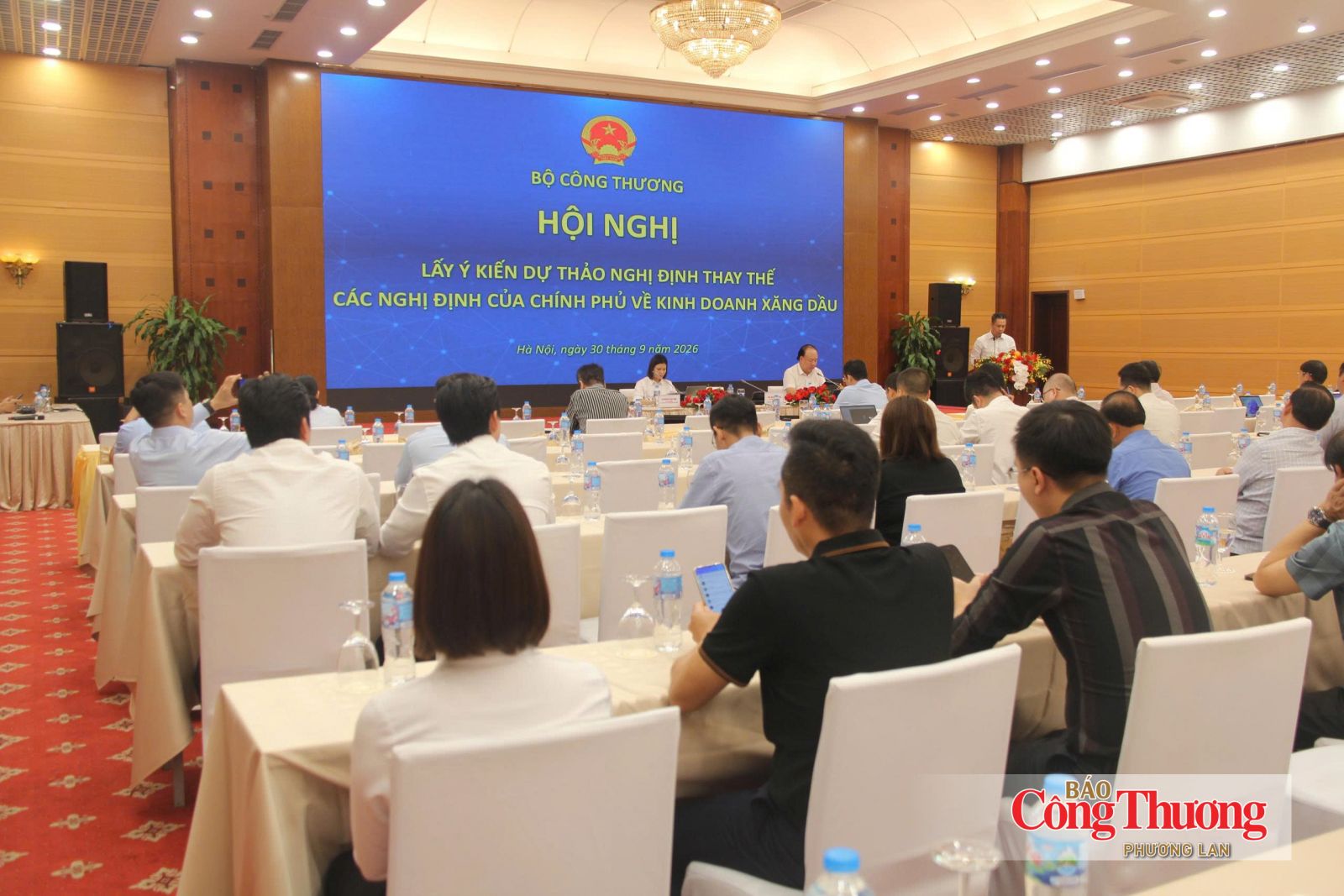
On September 30 in Ha Noi, the Ministry of Industry and Trade (MoIT) held a conference to gather broad feedback on a draft decree replacing the Government’s existing decrees on petroleum trading.