The MoIT calls for proactive risk management and supply diversification to prevent energy supply disruptions amid global geopolitical and market uncertainties.
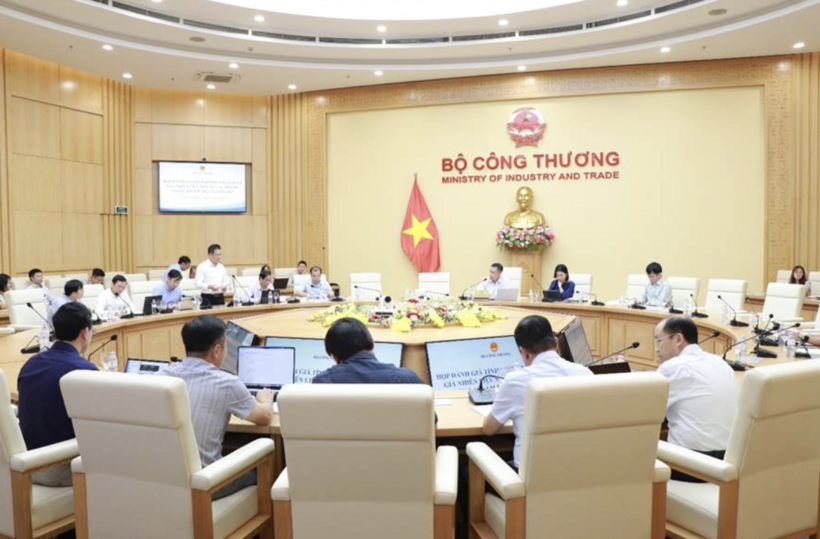
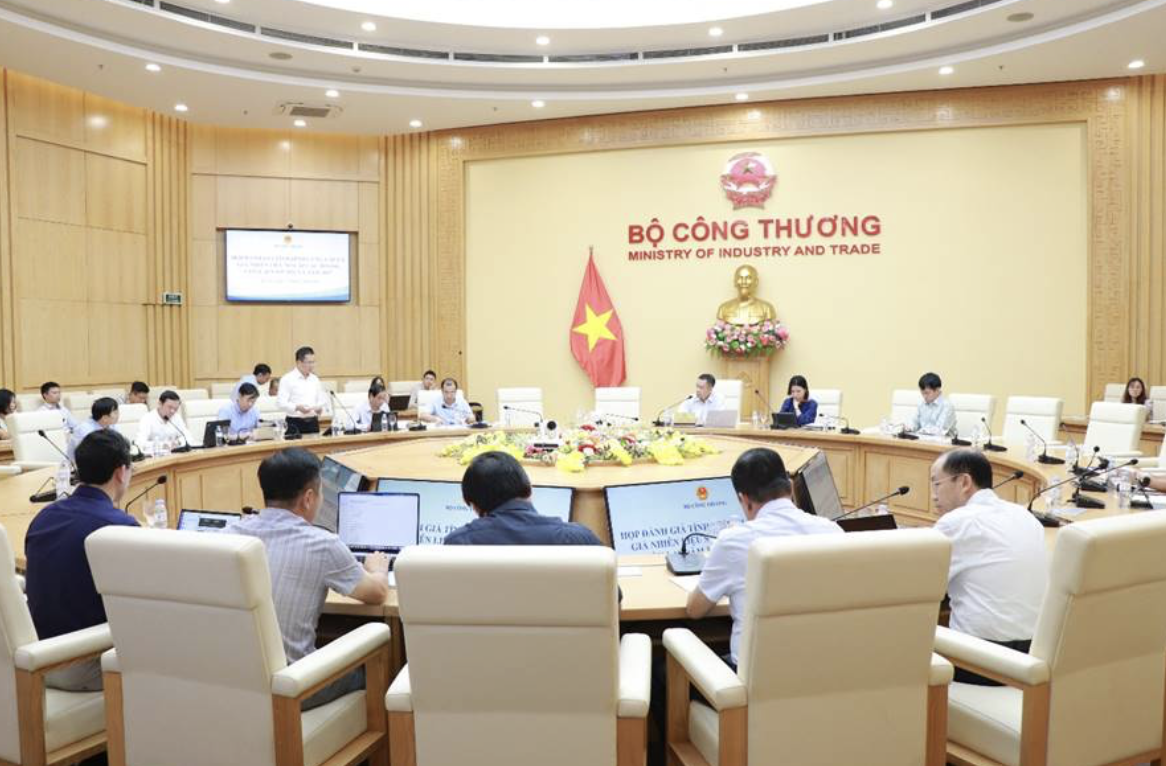
On the morning of September 17, in Hanoi, the Ministry of Industry and Trade (MoIT) held a meeting to assess the supply, demand and prices of primary fuels for the remaining months of 2026 and 2027. Deputy Minister of Industry and Trade Nguyen Viet Son chaired the meeting.
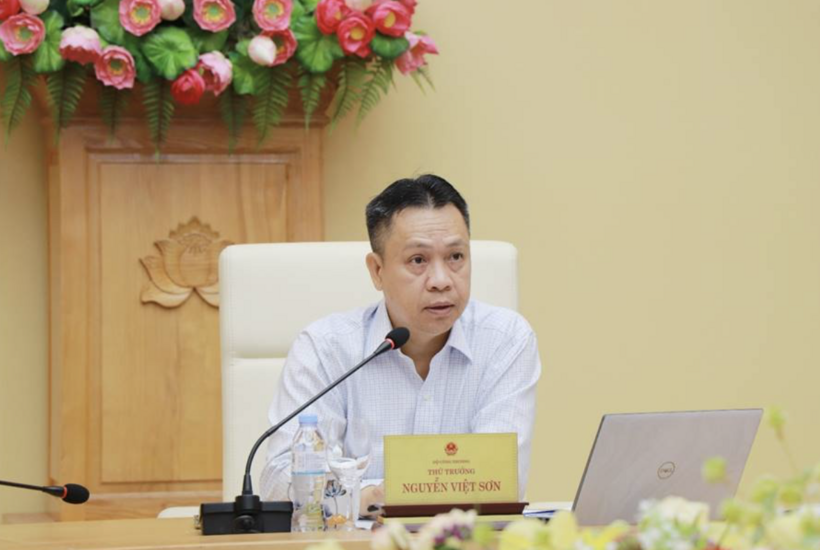
Deputy Minister of Industry and Trade Nguyen Viet Son chairs the meeting.
The meeting was attended by representatives from units under the Ministry of Industry and Trade, Viet Nam Electricity (EVN), Petrovietnam, the Viet Nam National Coal and Mineral Industries Group (TKV), Dong Bac Corporation, the National Power System and Market Operation Company (NSMO), and other relevant agencies and enterprises.
At the meeting, Nguyen Thuy Hien, Deputy Director of the Domestic Market Administration and Development Department, delivered a report assessing the supply, demand and prices of primary fuels for the remaining months of 2026 and 2027.
According to the report, global energy markets in the remaining months of 2026 and throughout 2027 are expected to remain significantly affected by geopolitical developments, the conflict in the Middle East, changes in energy demand, transportation and insurance costs, as well as the potential disruption of international supply routes.
According to Nguyen Thuy Hien, energy supplies in the remaining months of 2026 are generally expected to remain secure. In particular, there are currently no signs of systemic shortages of petroleum products, coal or gas for power generation.
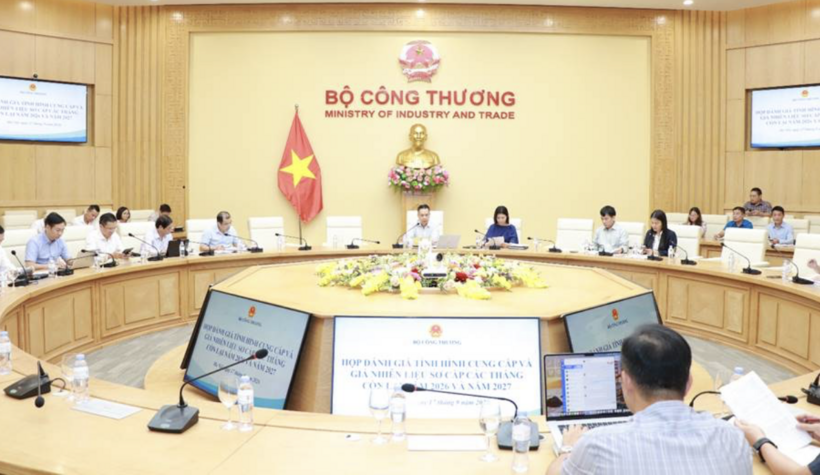
Delegates attend the meeting.
Entering 2027, there is a need to shift decisively from a reactive approach to proactive risk management, diversify supply sources, maintain appropriate reserves, and closely align fuel supply plans with power system operating plans. Ensuring a stable, uninterrupted and reasonably priced energy supply in 2027 will be an important factor in safeguarding national energy security, maintaining macroeconomic stability and supporting economic growth.
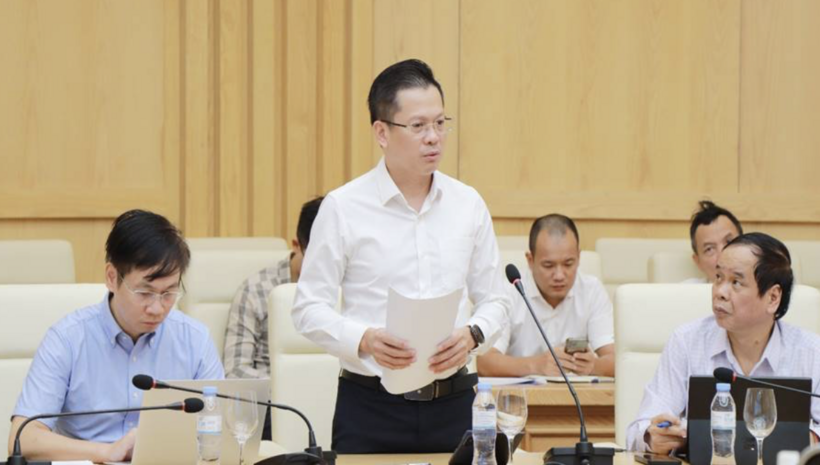
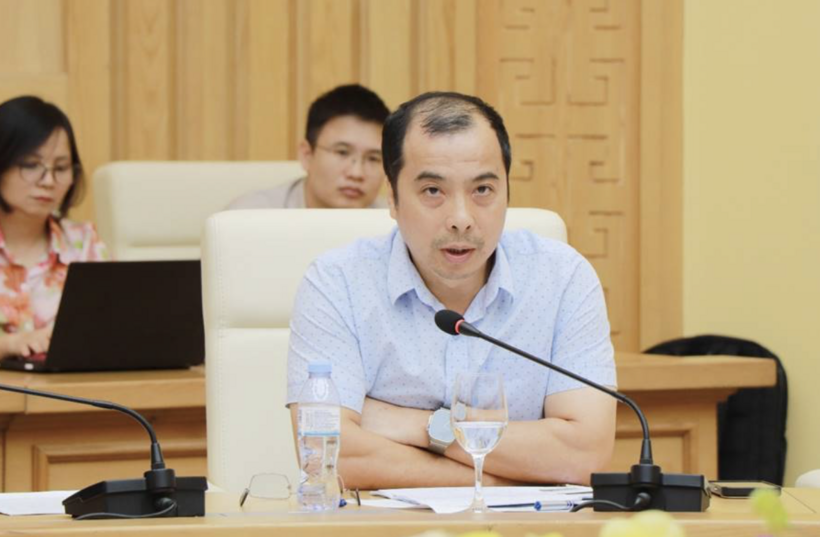
Delegates speak at the meeting.
At the meeting, representatives of relevant agencies and enterprises focused their discussions on solutions to ensure adequate supplies of coal, gas, LNG and crude oil for power generation and oil refining and petrochemical production in the remaining months of 2026 and throughout 2027. They also discussed contingency plans, supply diversification and measures to respond to fluctuations in international energy prices.
The discussions provided a basis for the Ministry of Industry and Trade to continue reviewing and refining its management and response plans, while strengthening coordination among groups, enterprises and relevant agencies. These efforts are aimed at ensuring sufficient fuel supplies for the economy, particularly for power generation, under all circumstances.
In his concluding remarks, Deputy Minister Nguyen Viet Son spoke highly of the efforts made by Petrovietnam, Petrolimex, EVN, TKV and Dong Bac Corporation. During the first nine months of the year, these entities had worked diligently to ensure energy supplies for the country, ranging from petroleum products and electricity to primary energy sources.
After responding to proposals raised by enterprises and assigning tasks to units under the Ministry of Industry and Trade, the Deputy Minister called on all relevant units to maintain a high level of focus and make every effort to fulfill their key responsibilities, with the absolute priority of preventing any disruption to the country's energy supply under any circumstances. He stressed that this is a top priority in ensuring national energy security.
Representatives from units under the Ministry of Industry and Trade and energy groups and corporations attend the meeting.
The Deputy Minister stressed that agencies and enterprises assigned relevant responsibilities must proactively monitor and update developments in domestic and international supply, demand and prices of crude oil, petroleum products, coal, gas and LNG. They must promptly identify risks that could affect national energy security, particularly those associated with supply disruptions or international transportation disruptions.
Whenever signs of supply shortages, unusual price fluctuations or incidents that could affect the energy system emerge, relevant units must promptly report to the Ministry's leadership and propose specific response measures, avoiding any situation in which authorities are caught off guard. Coordination with ministries, sectors, local authorities and enterprises must also be strengthened to address difficulties and obstacles at an early stage.
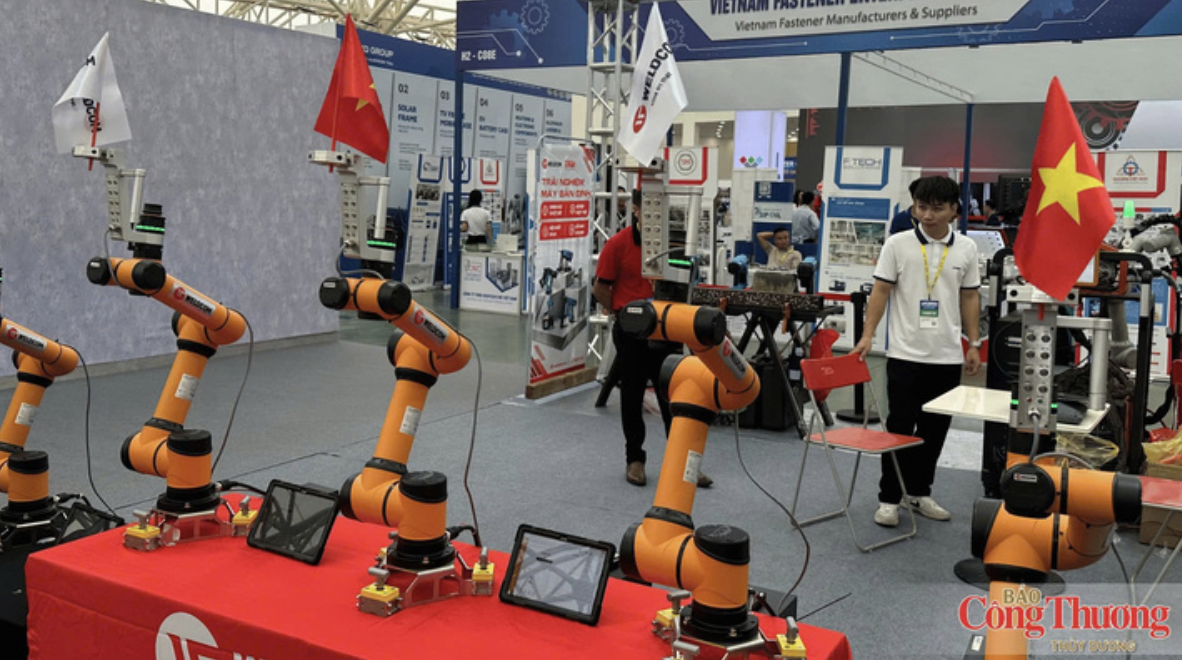
GREENTECH HA NOI 2026 showcases green technologies and energy-efficient solutions that help businesses cut emissions, optimize costs, promote sustainable production.
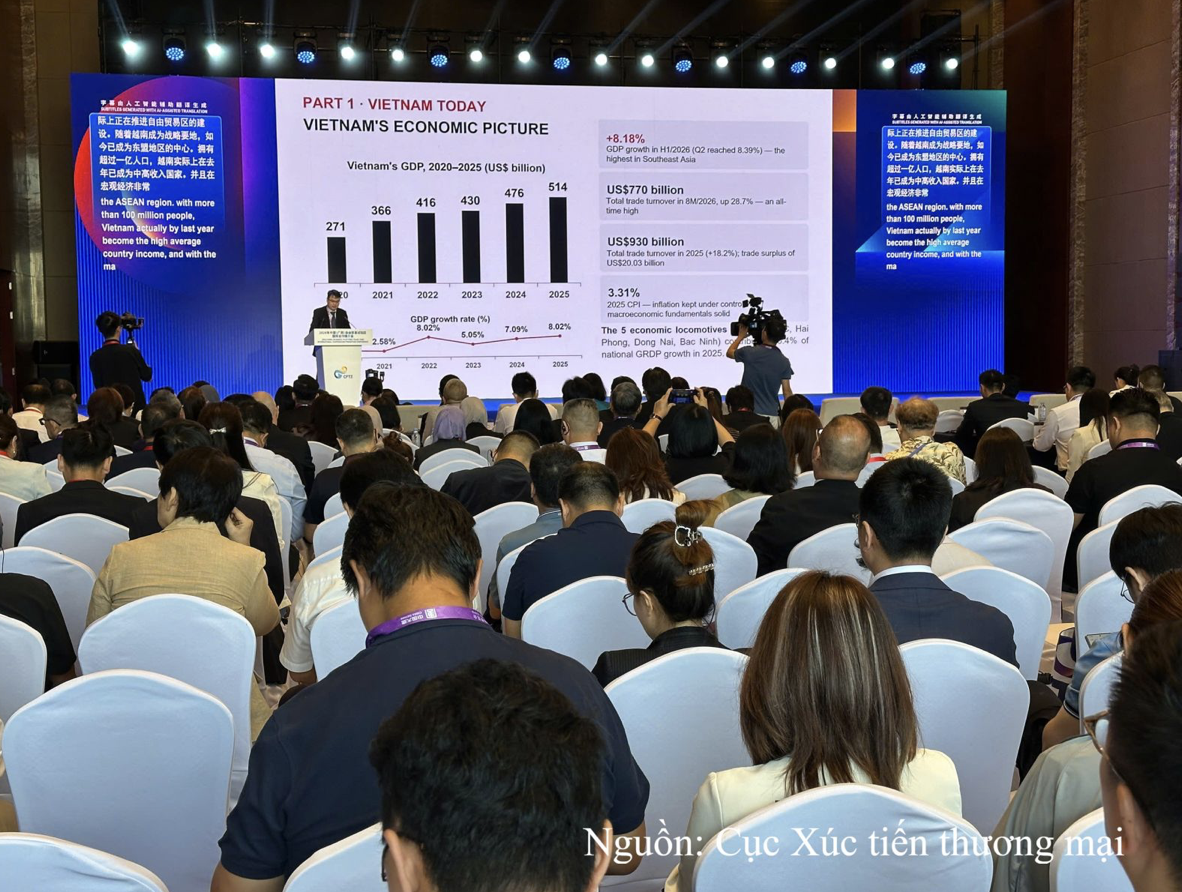
The programme connects Vietnamese businesses with Chinese investors, expanding opportunities for investment, technology cooperation and supply chain links.
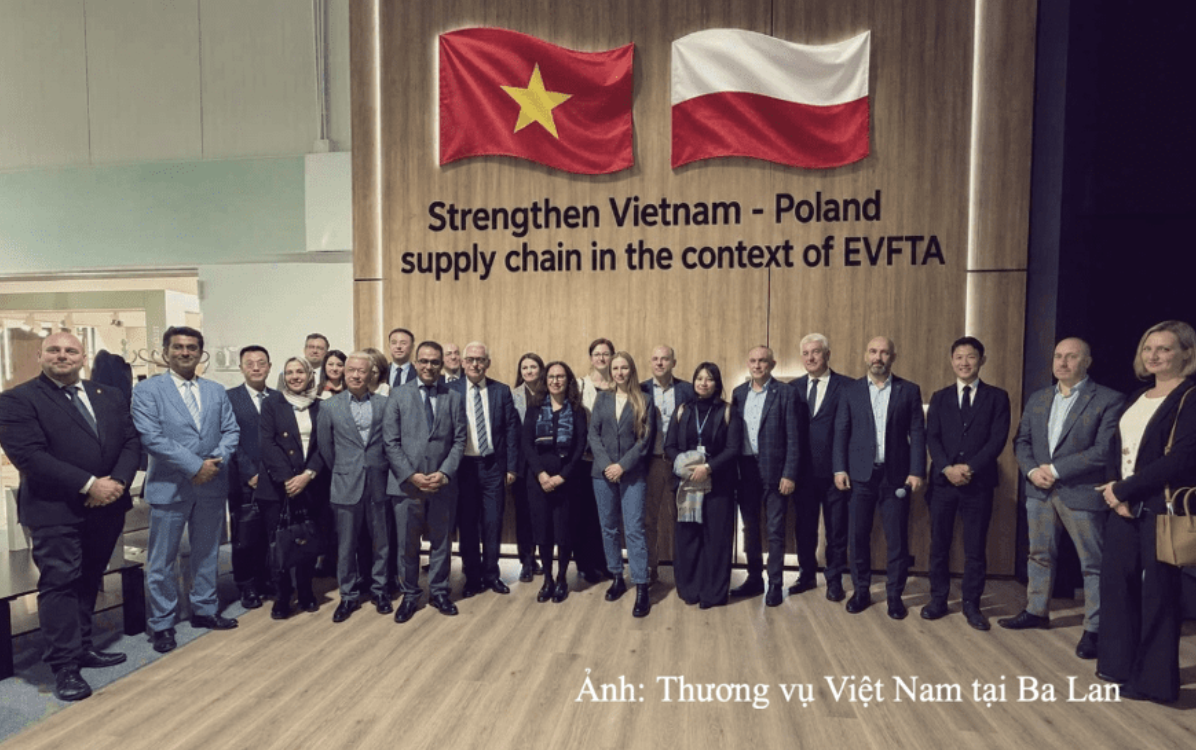
Viet Nam and Poland are exploring complementary strengths in furniture manufacturing, machinery, raw materials and technology to develop regional supply chains.
The MoIT calls for proactive risk management and supply diversification to prevent energy supply disruptions amid global geopolitical and market uncertainties.
On September 14, in Hanoi, the Ministry of Industry and Trade (MoIT) held a conference to receive and hand over State management functions and tasks concerning geology, minerals and industrial parks.
A green industrial ecosystem, capable suppliers and synchronized infrastructure are emerging as new requirements for Viet Nam to attract the next generation of foreign direct investment (FDI).
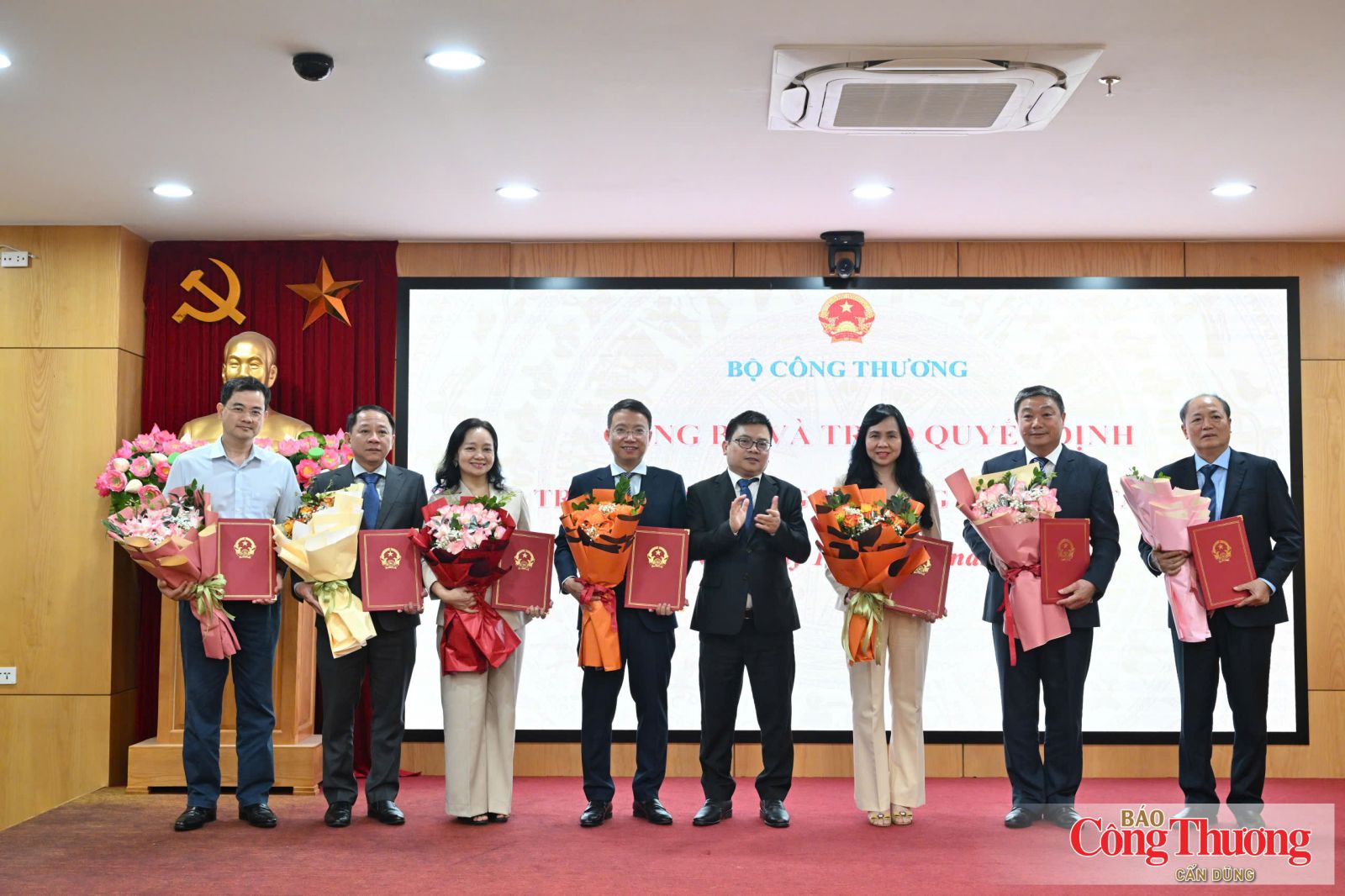
On September 15, in Ha Noi, the Ministry of Industry and Trade (MoIT) held a conference to announce and present decisions of the Minister of Industry and Trade on personnel work.
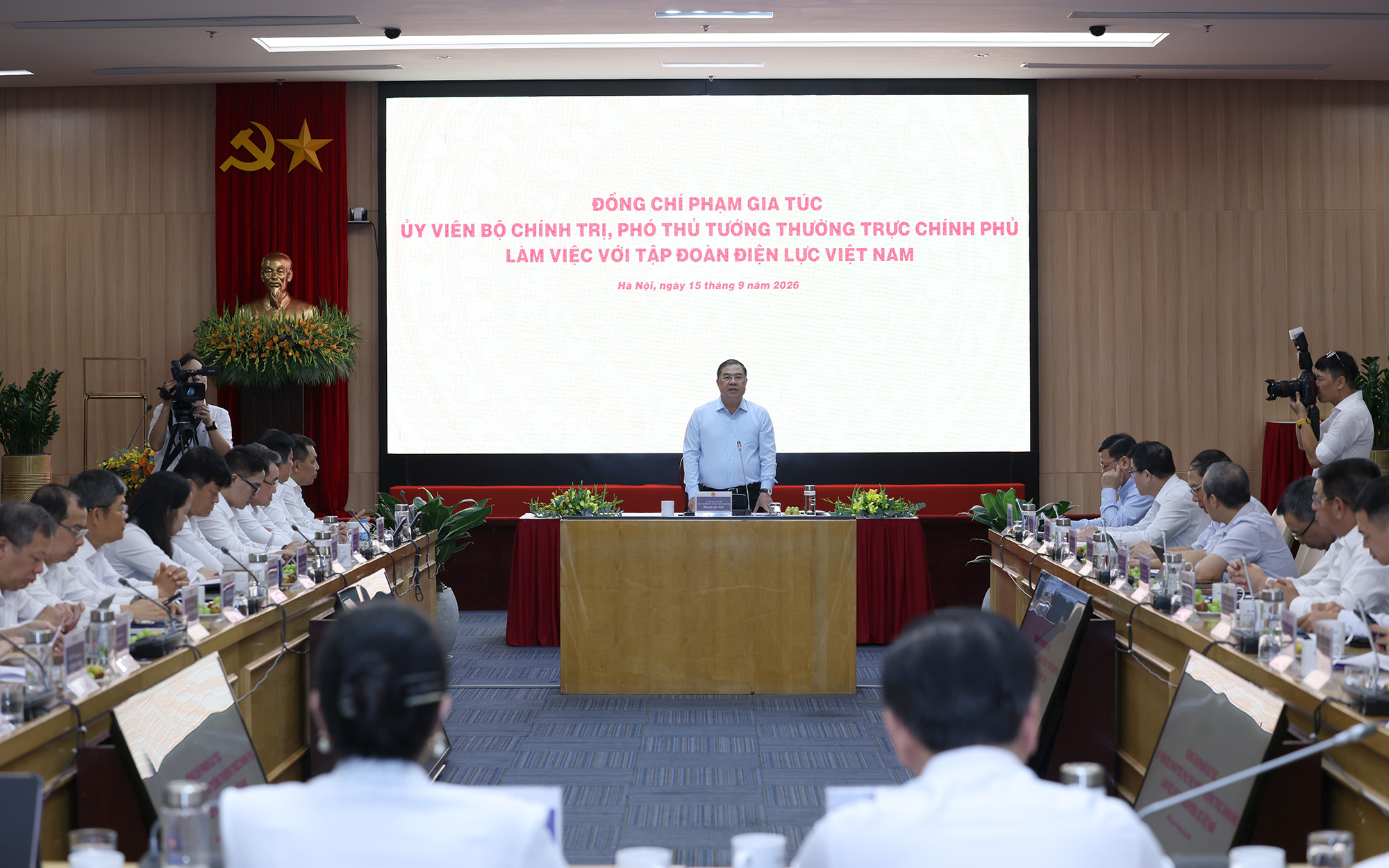
On September 15 in Ha Noi, Political Bureau member and Standing Deputy Prime Minister Pham Gia Tuc held a working session with the Vietnam Electricity (EVN).
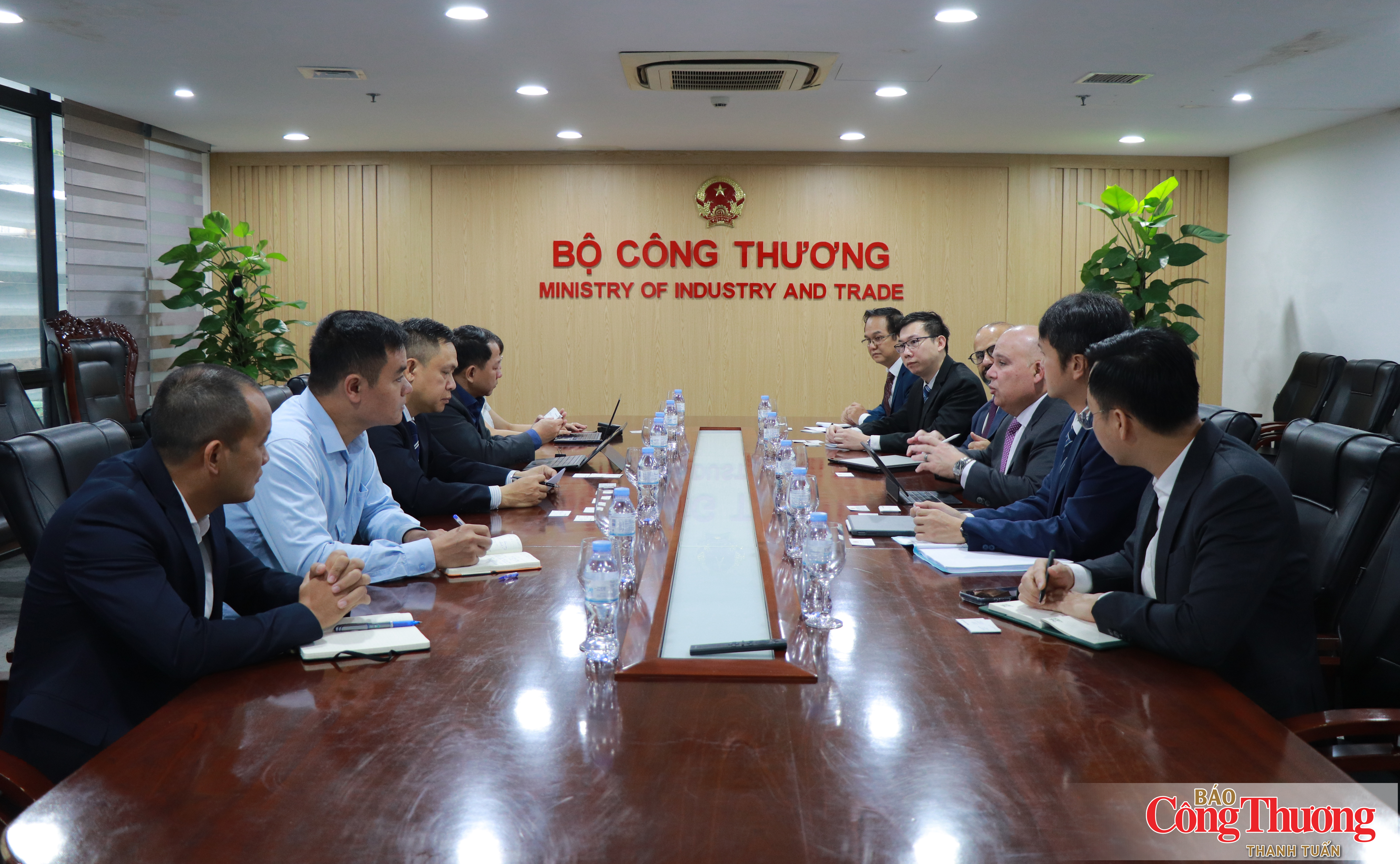
The MoIT and Baker Hughes discussed expanding cooperation in oil and gas, digital transformation and clean energy technologies to support Viet Nam’s energy transition.