A green industrial ecosystem, capable suppliers and synchronized infrastructure are emerging as new requirements for Viet Nam to attract the next generation of foreign direct investment (FDI).
At the seminar “Green Ecosystems for Supporting Industries - A Foundation for Attracting the Next Generation of FDI,” held on the afternoon of September 17 on the sidelines of the 10th FBC ASEAN 2026 International Manufacturing Trade Exhibition at the Viet Nam Exhibition Center (VEC), experts, government agencies and businesses said that advantages in land availability and investment incentives are no longer sufficient to attract high-quality FDI.
Instead, Viet Nam needs to develop a green manufacturing ecosystem with shared infrastructure, efficient logistics, capable supporting-industry suppliers and stronger linkages with multinational corporations. This approach is also reflected in the Politburo's Resolution No.10 on developing the foreign-invested economic sector.
Overview of the seminar. Photo: Phuong Ha
The next generation of FDI requires a new ecosystem
Speaking at the opening of the seminar, Pham Van Quan, Deputy Director General of the Industry Agency under the Ministry of Industry and Trade, said that GDP grew by 8.78% in the first six months of 2026, while total import and export turnover reached approximately USD 770 billion in the first eight months, up more than 28% year on year.
However, Viet Nam also recorded a trade deficit of around USD 20 billion during the period. According to Quan, part of the deficit was attributable to supply chain disruptions, the impact of conflicts and increased imports of equipment as businesses resumed and expanded production.
Nevertheless, the Ministry of Industry and Trade representative said the outlook remained positive, as businesses were gaining confidence in the Government’s institutional reforms and administrative procedure cuts, while stepping up investment in machinery, equipment and raw materials to expand production.
“We believe that some businesses have confidence in the institutional reforms that the Government has been implementing,” Quan said.
For the supporting industry, Quan said one of the major challenges lies in the capacity of domestic enterprises to invest in infrastructure, machinery, equipment and technology. The Ministry of Industry and Trade is developing and finalizing policies, including the Law on Key Industries and amendments to Decree No.111 on supporting-industry development, to facilitate businesses’ access to preferential financing, interest-rate support and investment in new technologies.
Under Resolution No.10, Viet Nam aims to have 10% of its industrial parks meet eco-industrial park criteria by 2030. With around 430 industrial parks nationwide, achieving this target will require pioneering models and practical approaches that can be replicated.
Against this backdrop, the Ministry of Industry and Trade representative called on VASI and DTJ Industrial to focus on three tasks: linking industrial park development with eco-industrial ecosystems; strengthening linkages between domestic and FDI enterprises; and providing training and improving capacity and international standards so that Vietnamese businesses can participate more deeply in global supply chains.
At the seminar, Truong Thi Chi Binh, Vice Chairwoman and Secretary General of the Vietnam Association for Supporting Industries (VASI), said requirements for FDI were changing significantly. Drawing on the experience of bringing Vietnamese businesses to Hannover Messe in Germany, Binh said the image and capabilities of Viet Nam’s manufacturing sector had made significant progress over the past decade.
However, to attract the next generation of FDI, Viet Nam needs more than green factories and advanced technologies. It needs a sufficiently developed ecosystem encompassing suppliers, infrastructure, logistics and supply chain resilience.
“What does the next generation of FDI require? ESG is a given... But what else do they require alongside it? First and foremost, an ecosystem,” Binh emphasized.
Accordingly, developing an on-site supply ecosystem would enable Viet Nam to better meet the requirements of multinational corporations while creating more opportunities for domestic businesses to participate more deeply in global production chains.
She cited semiconductor equipment manufacturing as an emerging opportunity for Vietnamese businesses as corporations seek to diversify their production locations. The drone and unmanned aerial vehicle (UAV) sectors also hold potential, as some North American and European customers are seeking production locations outside China and see Viet Nam as a potential manufacturing base.
According to Binh, Vietnamese businesses need to move from producing individual components to component clusters and original equipment manufacturing (OEM), gradually advancing toward original design manufacturing (ODM) and original brand manufacturing (OBM). This is not simply a matter of upgrading products, but also requires businesses to gain greater control over supply chains, technology and markets.
More importantly, the capabilities of domestic suppliers will directly affect Viet Nam’s ability to attract and retain FDI.
Greening infrastructure to strengthen investment appeal
From a policy perspective, Pham Thanh Binh, Director of the Northern Investment Promotion, Information and Support Center under the Foreign Investment Agency of the Ministry of Finance, said competition among countries for FDI was becoming increasingly intense, while international capital was shifting toward greener, smarter and higher-value-added investments.
Therefore, attracting FDI can no longer be measured simply by the amount of capital or number of projects. Viet Nam needs to focus on investment efficiency, technology transfer, human resource development, linkages with domestic businesses and strengthening its position in global value chains.
Binh said Resolution No. 10 introduced a new approach, shifting the focus from attracting foreign investment to developing the foreign-invested economic sector in a long-term and effective manner. High-tech and innovation-driven projects with modern management practices and the capacity to participate deeply in global value chains are being prioritized.
At the same time, investment incentives will increasingly be linked to the actual contributions of projects, including technology, R&D, human resource training, linkages with Vietnamese businesses, digital transformation, green transformation and the value added generated in Viet Nam.
“The investment decisions of multinational corporations depend not only on incentives, but also heavily on the quality of infrastructure, institutions, human resources and logistics. A green industrial park with strong linkages among foreign investors, Vietnamese supporting-industry businesses, R&D partners and financial institutions will create conditions for capital not only to enter Viet Nam but also to expand production and business activities here,” Binh emphasized.
From the infrastructure development perspective, Tran Thi Thu Hien, a member of VASI’s Infrastructure Committee and General Director of DTJ Industrial, said the concept of “green” should go beyond increasing green space or using renewable energy.
A green ecosystem should incorporate circular energy and water systems, recycled materials, industrial symbiosis among businesses and interconnected data to optimize operations.
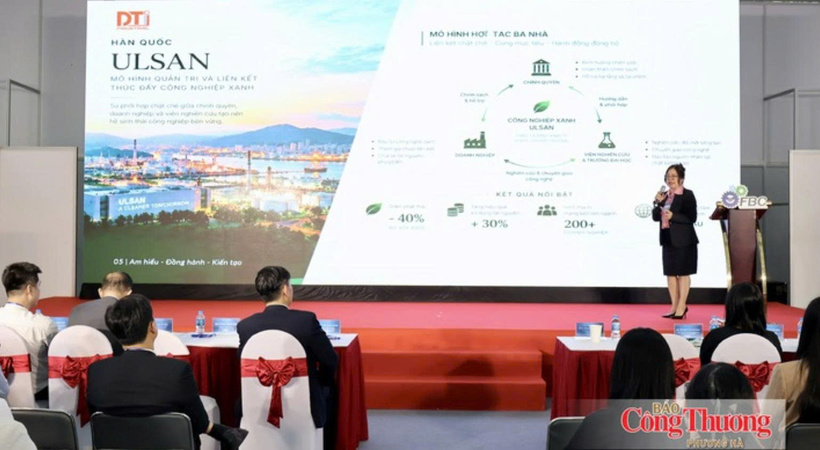
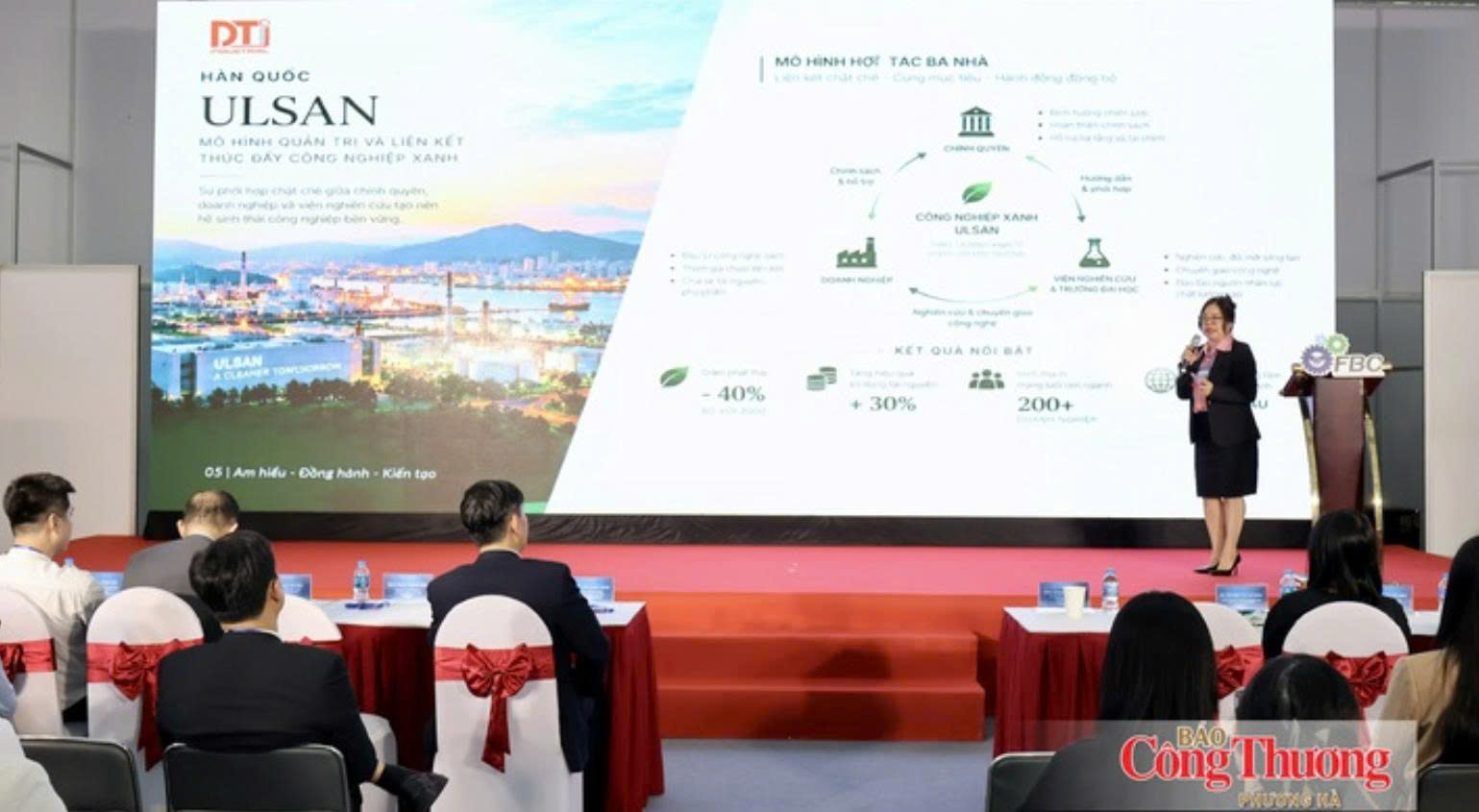
Hien cited three international models: Kalundborg in Denmark, known for its industrial symbiosis model; Jurong Island in Singapore, with shared infrastructure for energy, water and logistics; and Ulsan in South Korea, which features linkages among government agencies, research institutes and businesses.
Drawing on these models, she said Viet Nam could develop an approach suited to its own conditions, initially through specialized industrial parks and clusters. Infrastructure should be developed based on actual business needs, supported by clear operating mechanisms and designed to make effective use of shared resources to reduce costs.
In northern Viet Nam, VASI and DTJ Industrial have identified areas such as Thai Nguyen, Bac Ninh, Hai Phong, Hung Yen and Ninh Binh as having potential to develop supporting-industry ecosystems, thanks to their industrial strengths, transport infrastructure and logistics advantages.
According to Hien, the model should initially be implemented through pilot locations and sectors, followed by the development of criteria, interconnected data and operating mechanisms before being expanded. ESG, the circular economy, efficient resource use, emissions reduction and green finance should be integrated from the planning and infrastructure development stages.
The next generation of FDI is therefore placing higher demands on both infrastructure and Vietnamese businesses. Viet Nam needs more than locations where investors can build factories. It needs an ecosystem with established suppliers, logistics, human resources, technology, finance and green infrastructure.
When domestic supply chains are prepared in advance, Vietnamese businesses improve their capacity to meet demand, and industrial parks are able to operate in a green and interconnected manner, Viet Nam will have a stronger foundation for attracting high-tech projects while increasing its ability to retain existing investors and support their expansion.
A green ecosystem is not simply about green infrastructure. It must provide an established supply chain, connect Vietnamese businesses with FDI enterprises and help optimize production costs.
A green industrial ecosystem, capable suppliers and synchronized infrastructure are emerging as new requirements for Viet Nam to attract the next generation of foreign direct investment (FDI).
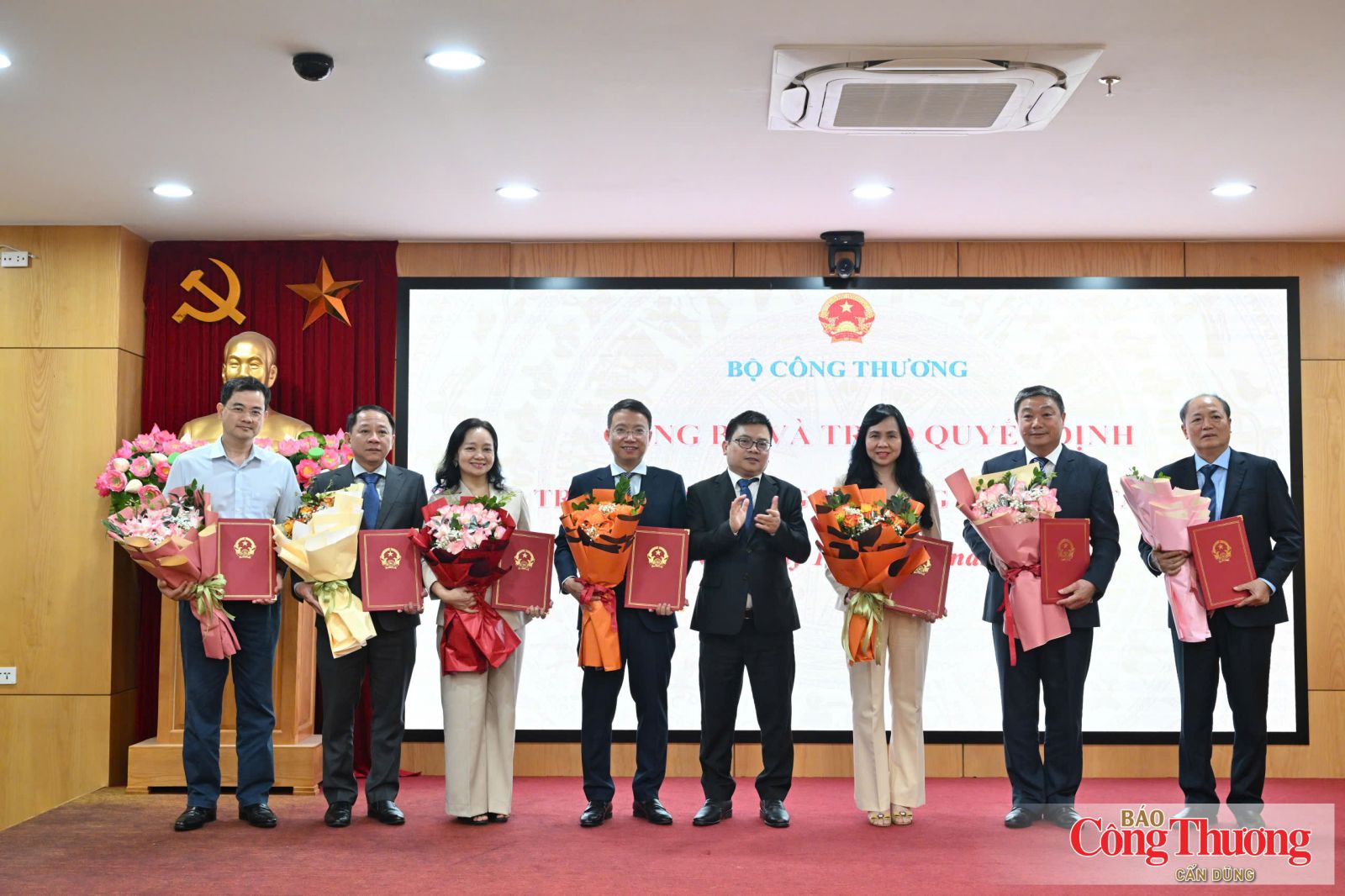
On September 15, in Ha Noi, the Ministry of Industry and Trade (MoIT) held a conference to announce and present decisions of the Minister of Industry and Trade on personnel work.
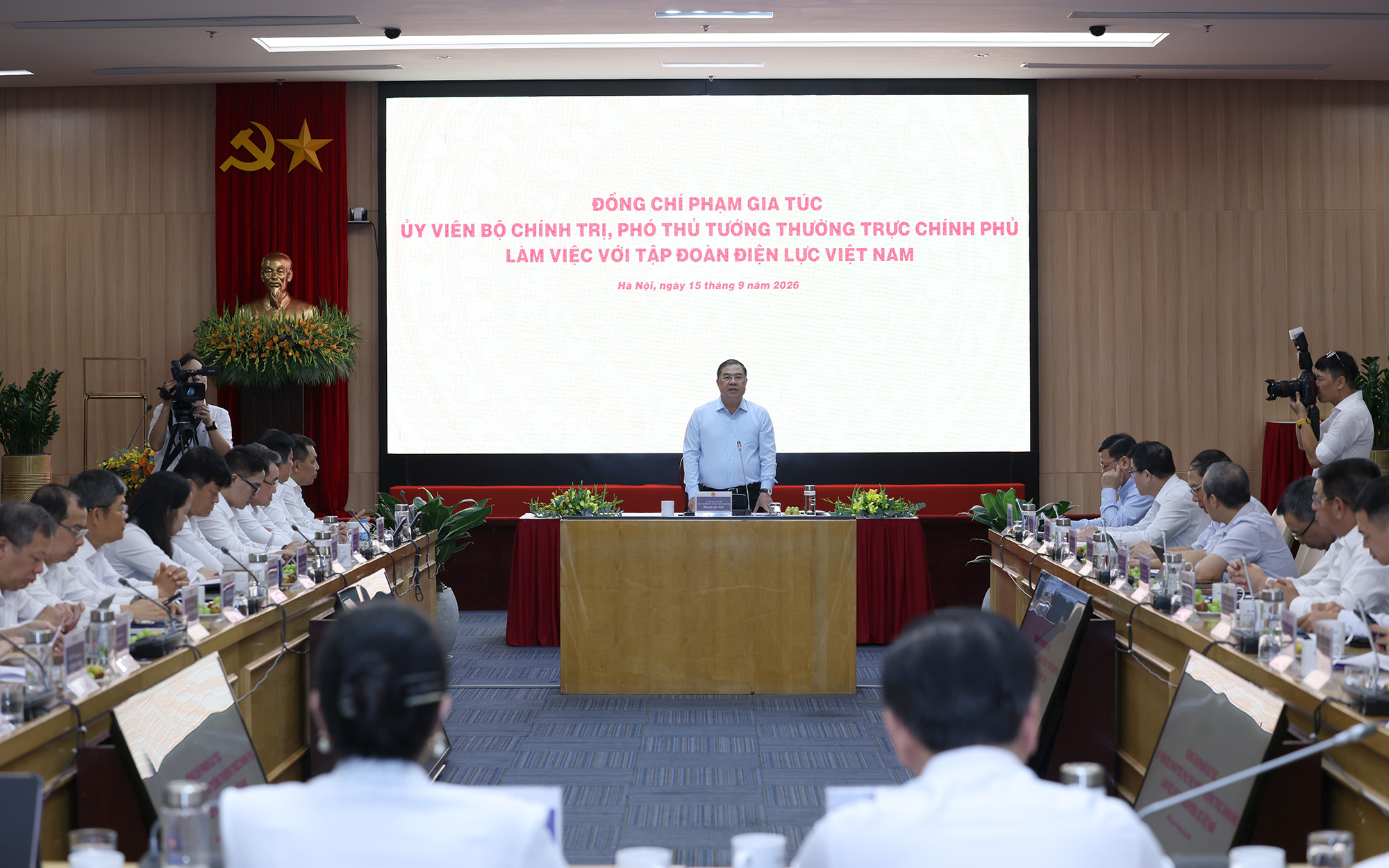
On September 15 in Ha Noi, Political Bureau member and Standing Deputy Prime Minister Pham Gia Tuc held a working session with the Vietnam Electricity (EVN).
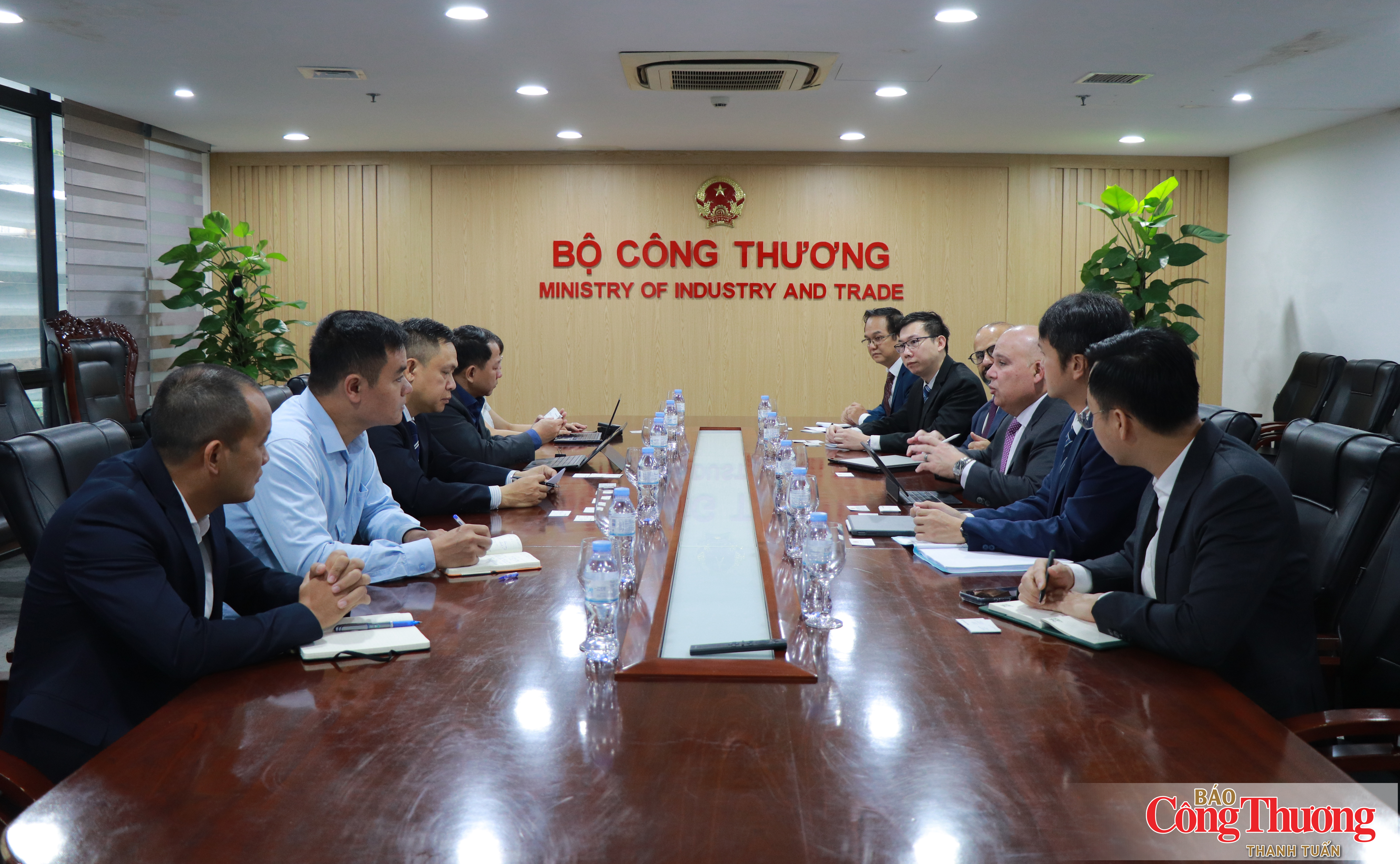
The MoIT and Baker Hughes discussed expanding cooperation in oil and gas, digital transformation and clean energy technologies to support Viet Nam’s energy transition.
A green industrial ecosystem, capable suppliers and synchronized infrastructure are emerging as new requirements for Viet Nam to attract the next generation of foreign direct investment (FDI).
On September 15, in Ha Noi, the Ministry of Industry and Trade (MoIT) held a conference to announce and present decisions of the Minister of Industry and Trade on personnel work.
On September 15 in Ha Noi, Political Bureau member and Standing Deputy Prime Minister Pham Gia Tuc held a working session with the Vietnam Electricity (EVN).
The MoIT and Baker Hughes discussed expanding cooperation in oil and gas, digital transformation and clean energy technologies to support Viet Nam’s energy transition.