The Ministry of Industry and Trade (MoIT) is helping ethnic-minority communities in northern mountainous localities build sustainable supply-demand networks.
Strengthening supply-demand linkages
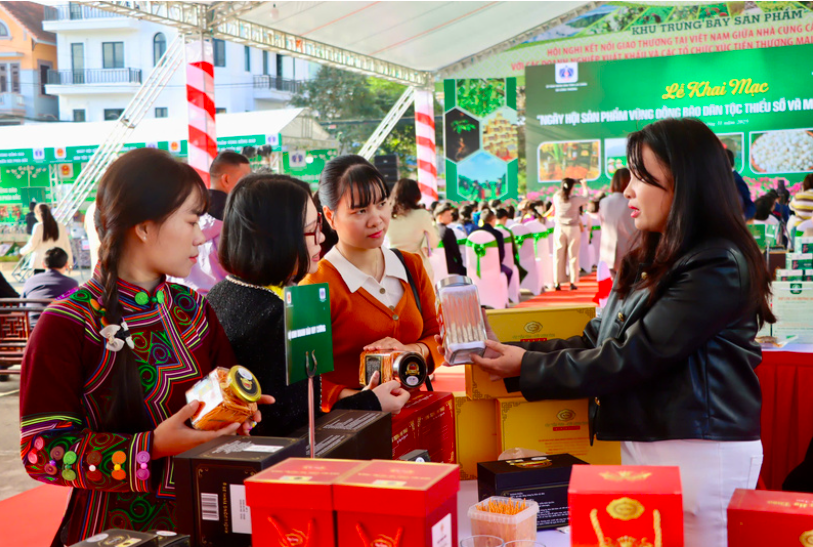
Hundreds of signature agricultural products from the Northwestern region, such as ancient Shan Tuyet tea, wild honey, smoked buffalo meat, and rare herbal goods, have long been a source of pride for ethnic-minority communities. Yet for many years, the sale of these products remained limited, dependent on traders, lacking market linkages, and vulnerable to the familiar cycle of “bumper harvest, falling prices.”
To break that cycle, ethnic communities need strategic market guidance. The MoIT has been taking on this task through a comprehensive and long-term set of solutions.
In recent years, the ministry has deployed major programs, including the implementation of the Politburo-launched “Buy Vietnamese Goods” campaign and the project on “Developing trade in mountainous, remote, and island areas,” alongside numerous specialized trade-promotion activities. All are geared toward building a seamless supply-demand network that brings highland products into modern distribution systems.
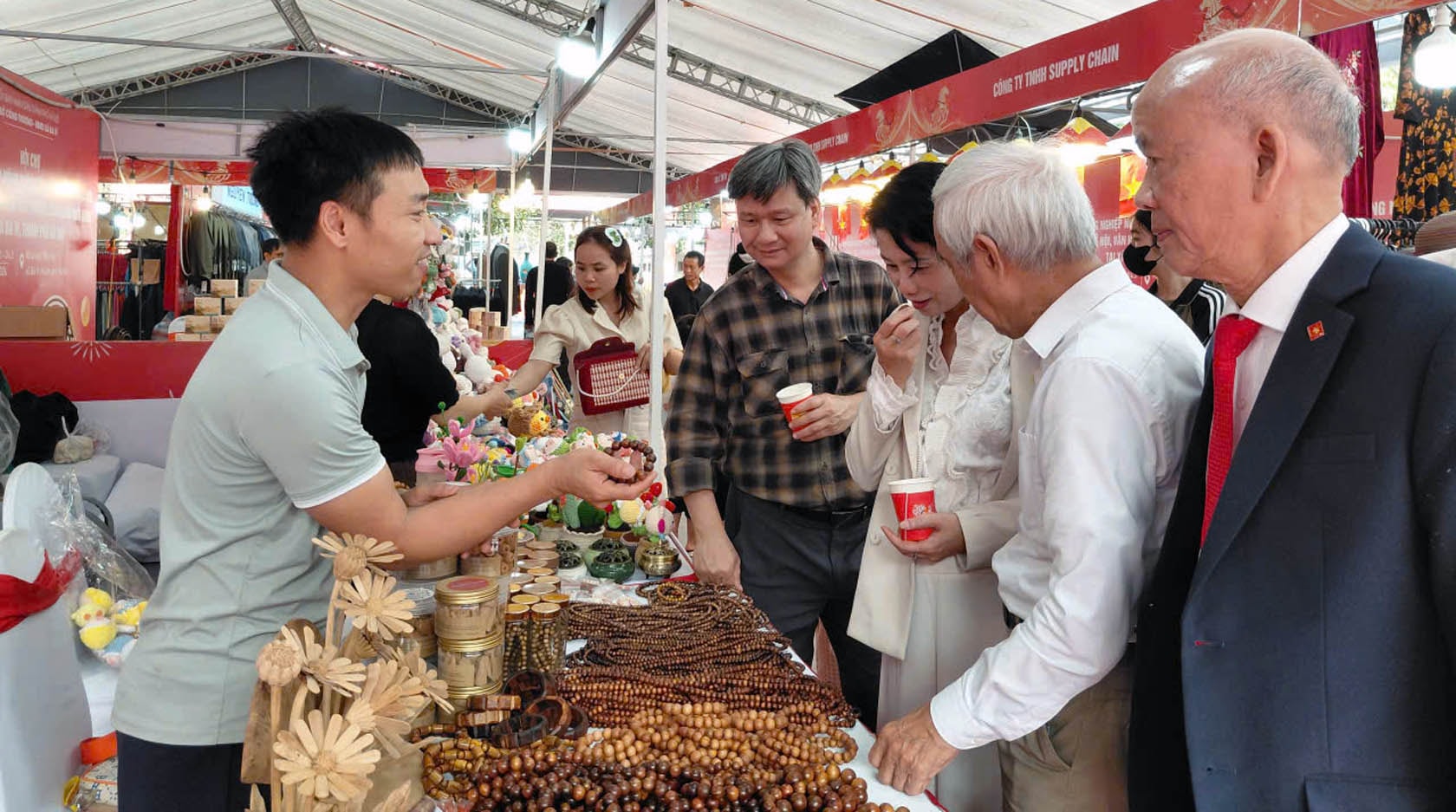
Northwestern provinces actively promote and connect ethnic-minority products. Photo: Quyen Luu
At a festival recently held to introduce specialty products of ethnic-minority communities in the northern mountainous region, Tran Huu Linh, Director General of the Domestic Markets Department under the MoIT, affirmed: “We will continue to accompany and support localities with market information, consultancy, and distribution linkages, helping highland products strengthen their market position not only domestically but also internationally.”
Support efforts go beyond showcasing products. They focus on fostering real commercial linkages, connecting highland producers with major distributors such as Saigon Co.op, Central Retail, and WinCommerce through large-scale inter-regional supply-demand conferences.
Thanks to these connections, local agricultural products are no longer excluded from modern market channels. The distribution ecosystem now extends to supermarkets, retail chains, urban markets, and online platforms.
Giang A Tinh, Vice Chairman of the Lai Chau provincial People’s Committee, said the province is prioritizing traceability, branding, and product standardization to participate more deeply in modern supply chains. The support from the MoIT ensures these efforts are not isolated. When distributors engage at the source, producers operate based on market demand, improving product quality and achieving more sustainable income growth.
As e-commerce expands rapidly, relying solely on fairs or supermarkets is no longer enough. Digital transformation has become an essential component of trade-promotion activities.
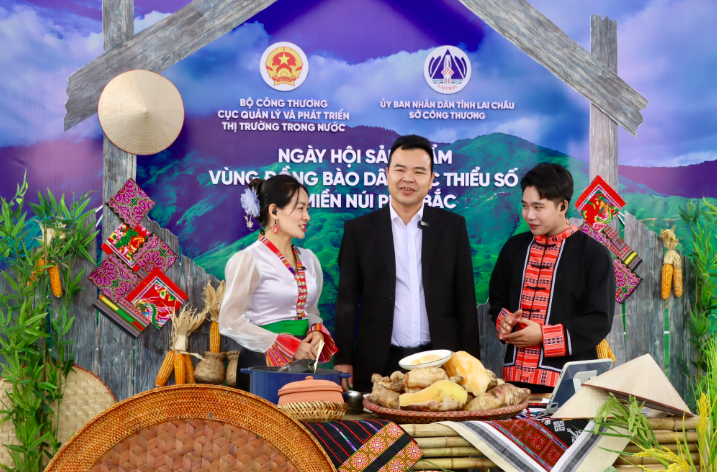
Livestream sales, where local leaders and KOLs directly promote specialties from their own provinces, have emerged as a new trend. Urban consumers can now purchase smoked buffalo meat, cordyceps, or Lai Chau ginseng tea with just a few taps on their phones.
Tran Van Hung, Deputy Director of the Lai Chau provincial Department of Industry and Trade, noted: “Digital transformation enables highland agricultural products to reach consumers directly, opening new pathways for local specialties through e-commerce platforms.”
Each successful livestream essentially becomes an online booth operating year-round, reaching customers nationwide without waiting for fairs or seasonal events.
At the same time, the MoIT and local authorities are expanding digital business training for cooperatives and households. The goal is to ensure producers not only make quality goods but also sell them to the right customers at the right time.
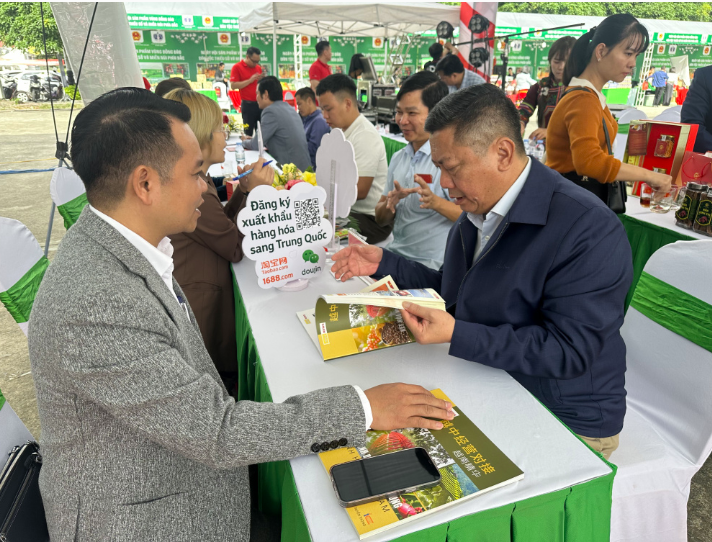
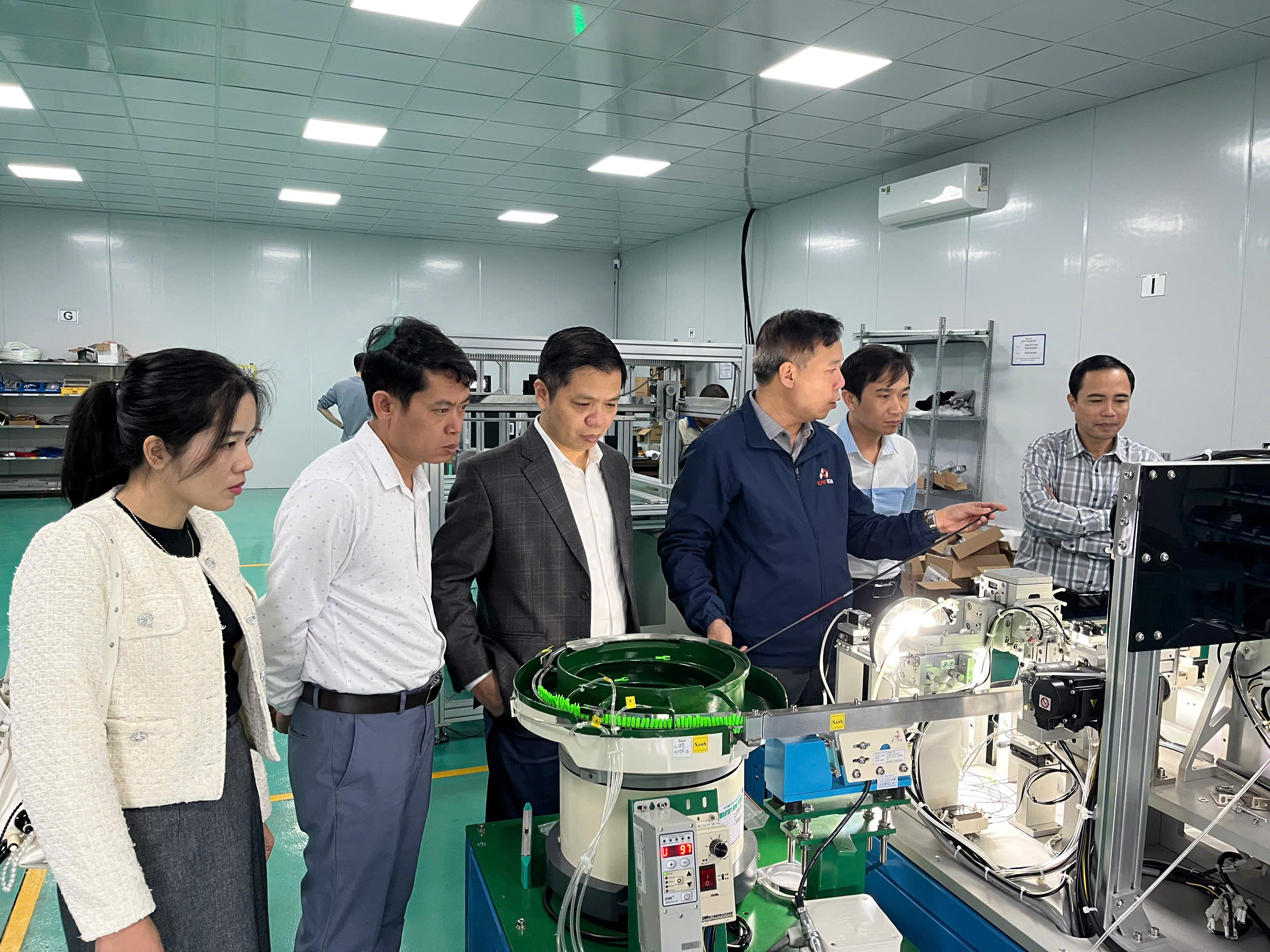
The Ministry of Industry and Trade supports localities in building sustainable supply-demand linkages for highland products. Photo: Quyen Luu
Not all highland areas are ready for digital trade, but early results are clear: broader brand recognition, higher profits, and better alignment with market-driven production.
Regional linkages pave the way for exports and sustainable incomes
The MoIT identifies regional connectivity and export development as the backbone of trade promotion. The Northwestern region cannot thrive if it only sells domestically. This explains why recent trade-connection conferences have attracted enterprises from China, the EU, Laos, and beyond.
In the first nine months of 2025, Northwestern provinces organized or participated in more than 40 trade-promotion events at home and abroad, connecting more than 300 enterprises and cooperatives and expanding commercial ties with key markets, especially China and Laos.
A successful linkage can unlock an entire value chain, from raw-material zones and preliminary processing to deep processing, modern distribution, and export. The MoIT is diligently promoting this model. More cooperation agreements and purchasing contracts are being signed, helping secure long-term, stable outlets for local products.
A representative of a distribution company noted that highland products are of exceptional quality and uniqueness. What they often lack is stable supply and consistent standards. Coordinated solutions are required to overcome these challenges. The MoIT plays a guiding role in connecting stakeholders into a unified value chain to ensure that products are not only delicious but also meet the requirements to expand into broader markets.
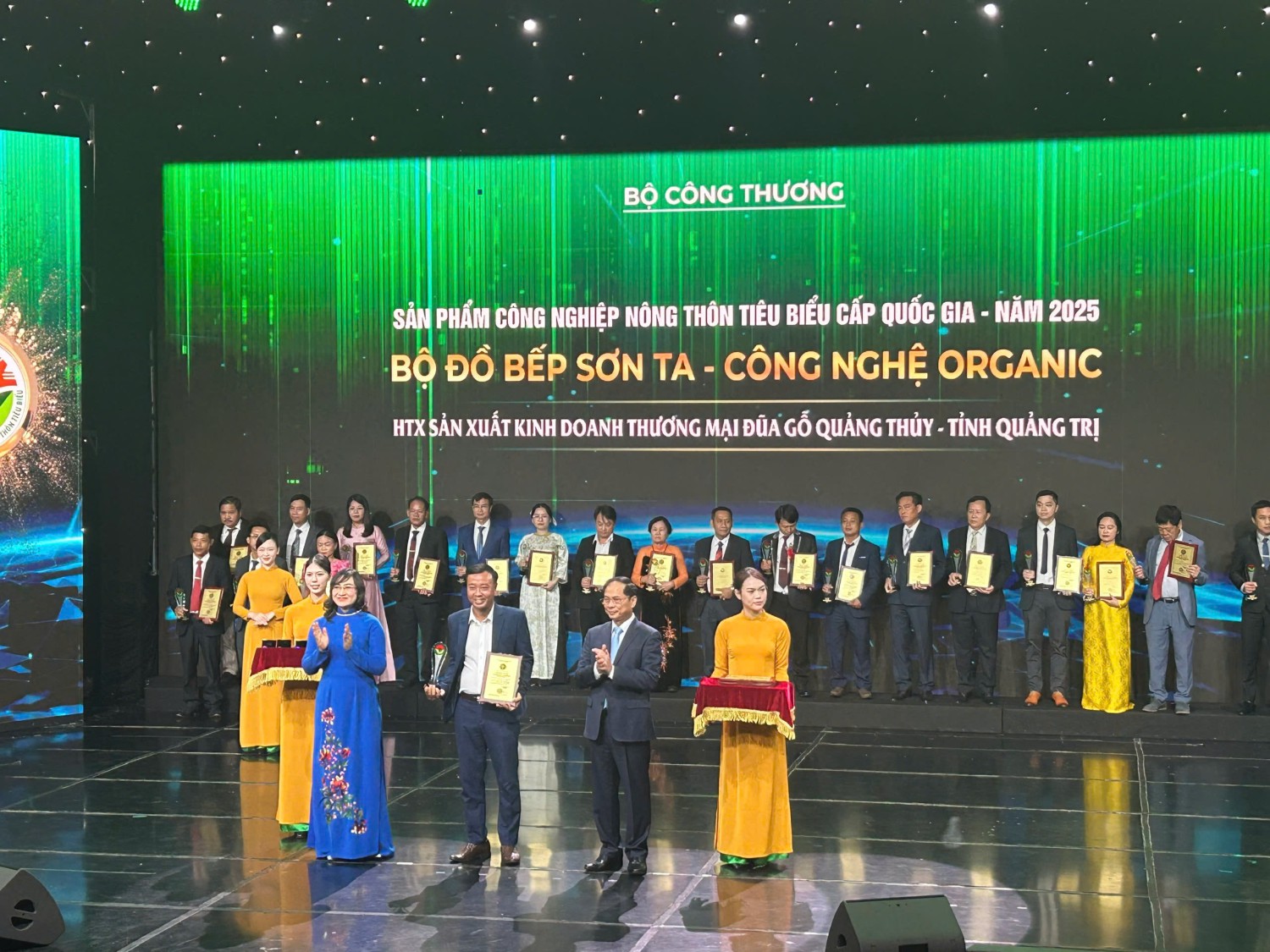
Livestream sales are increasingly adopted by ethnic-minority communities. Photo: Quyen Luu
The establishment of a supply-demand network brings more than just market access. It transforms production mindsets. When local people see their products on supermarket shelves or ordered online by urban customers, confidence in developing commercial agriculture grows stronger. This empowerment is perhaps the most valuable outcome, giving communities the opportunity to build prosperity right at home.
Looking ahead, highland trade still faces many paths to climb: production standardization, deeper processing, and stronger exports. But a foundation has been laid. Each connection built today becomes a stepping stone for tomorrow.
Ethnic-minority products no longer wait for “luck” or occasional traders. They are finding their own voice and their position in a much larger market.
In the context of rapid advances in science, technology, innovation, and digital transformation, e-commerce has become an important driver of economic growth, particularly in trade promotion to boost the sale of products made by ethnic-minority communities in the province. The Lai Chau provincial Department of Industry and Trade has prioritized digital transformation, supporting enterprises and production facilities in applying e-commerce to product promotion, business operations, and cashless payments.
A wide range of programs and events has been organized, most notably the series of events aimed at promoting regional linkages in e-commerce development to elevate products from the Northern midland and mountainous region, which featured 50 booths, nearly 1.000 visitors, and more than VND 1.5 billion in revenue. The province has also supported the production of 55 promotional videos, organized five livestream sessions attracting more than 50 million views, and delivered training for nearly 400 enterprises and young sellers. Workshops on digital transformation and e-commerce have drawn more than 200 participants.
Lai Chau has also coordinated training in livestreaming skills and TikTok channel development for nearly 500 trainees. Several livestream sessions in Sin Ho achieved strong results, generating nearly 1.900 orders and VND 320 million in revenue. The provincial e-commerce platform laichau.biz has operated stably with 402 registered accounts and 358 listed products. The province aims to continue improving solutions to ensure that e-commerce becomes a key driver of economic growth.
In the long term, e-commerce remains an effective solution for Lai Chau to boost sales and integrate ethnic-minority products into a wider range of distribution channels.
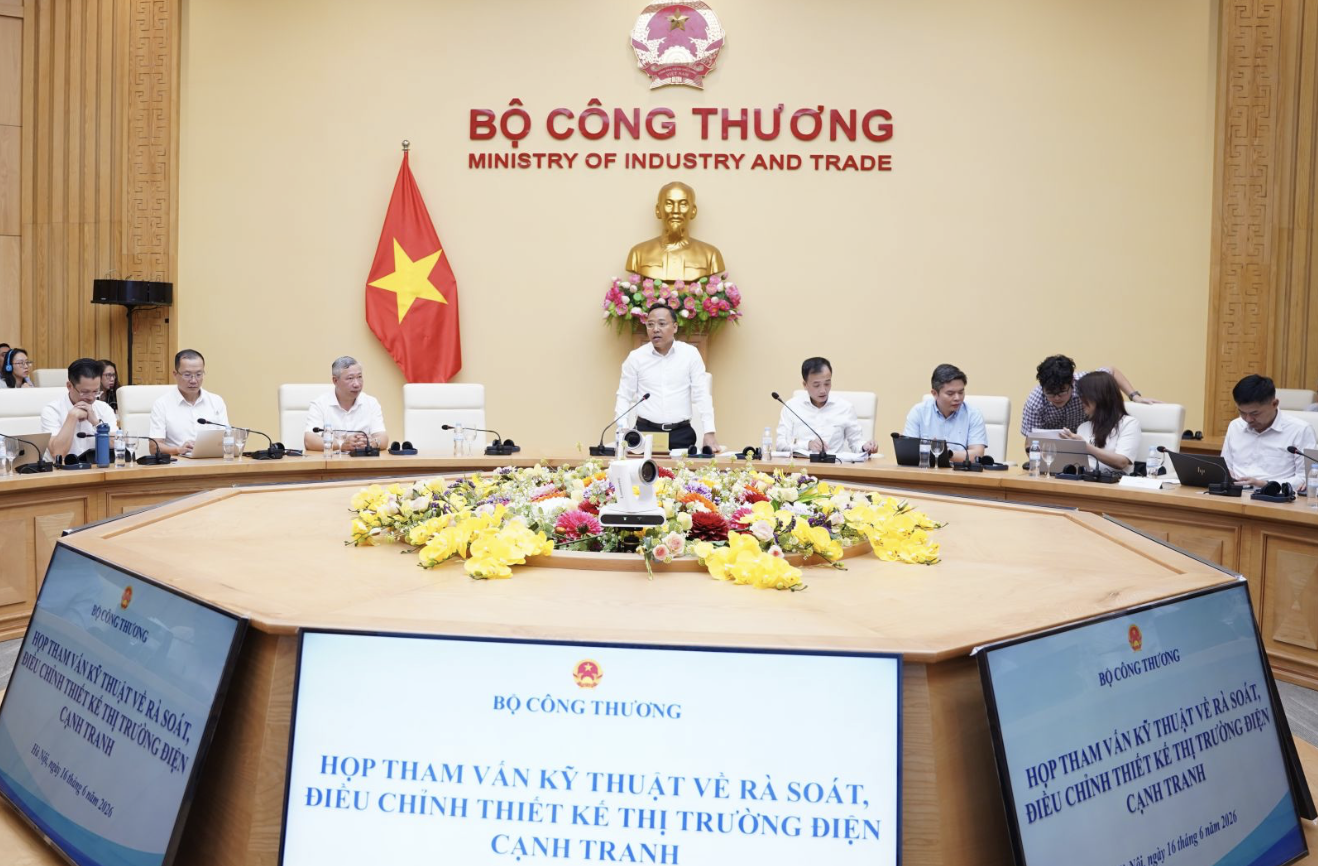
Ministry of Industry and Trade (MoIT) held a technical consultation in Hanoi on reviewing and adjusting the design of Vietnam’s competitive electricity market.
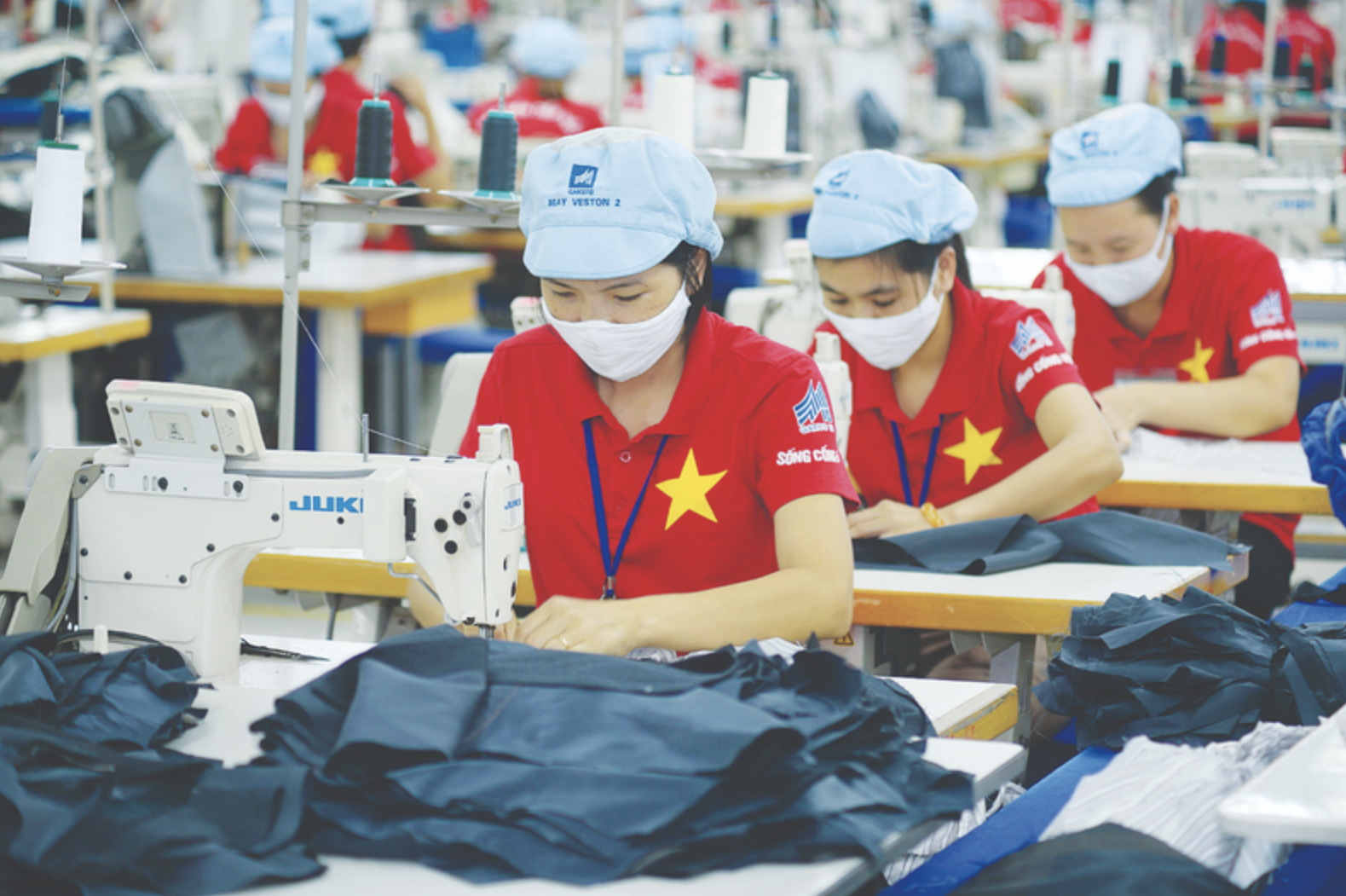
Textiles and garments continued to be one of Vietnam’s leading export categories to the Russian market in the first five months of 2026, generating export revenue of more than USD 106.99 million.
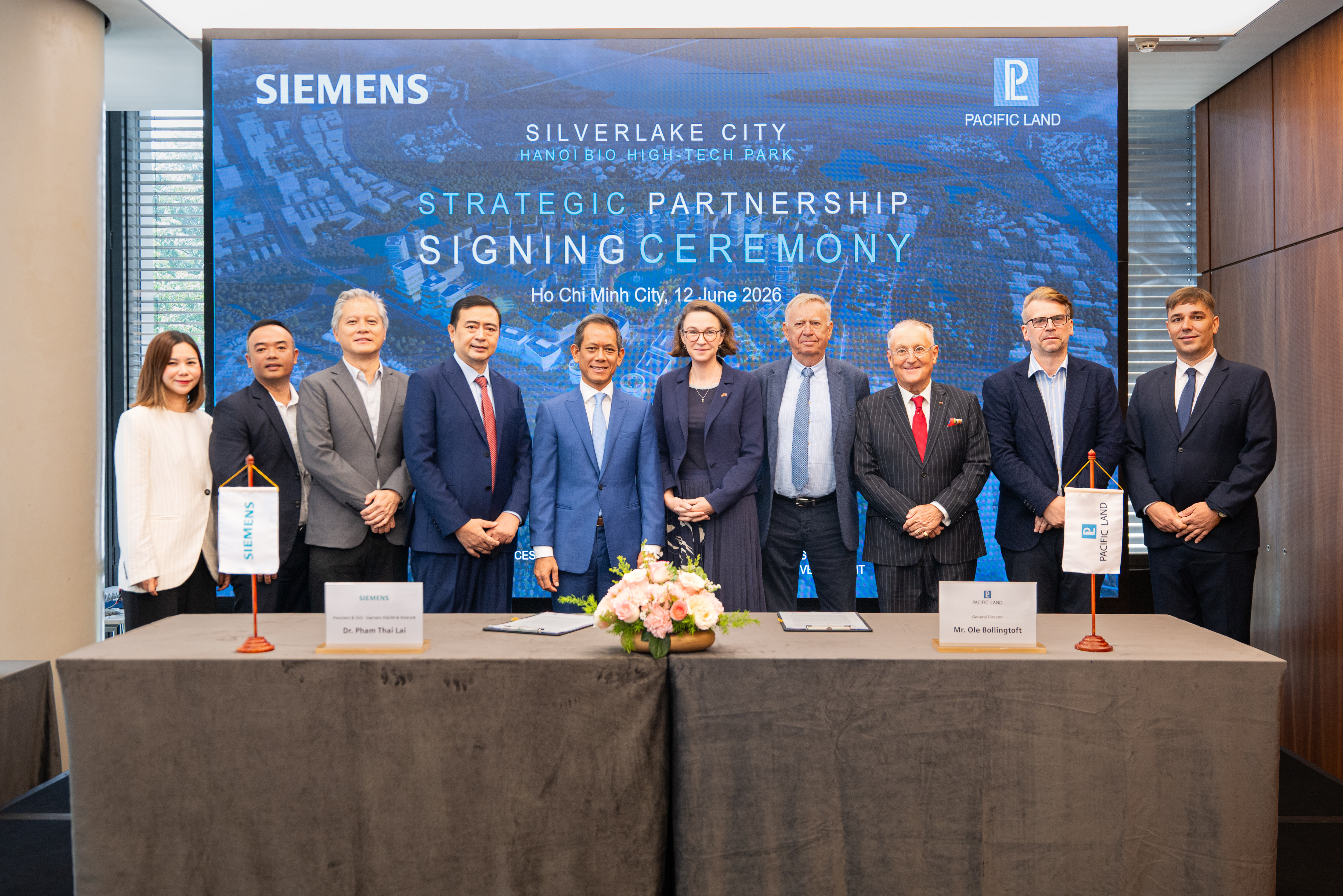
Siemens and Pacific Land will transform Silverlake Bio Hi-Tech Park into a smart, sustainable innovation hub supporting Vietnam’s high-tech growth ambitions.
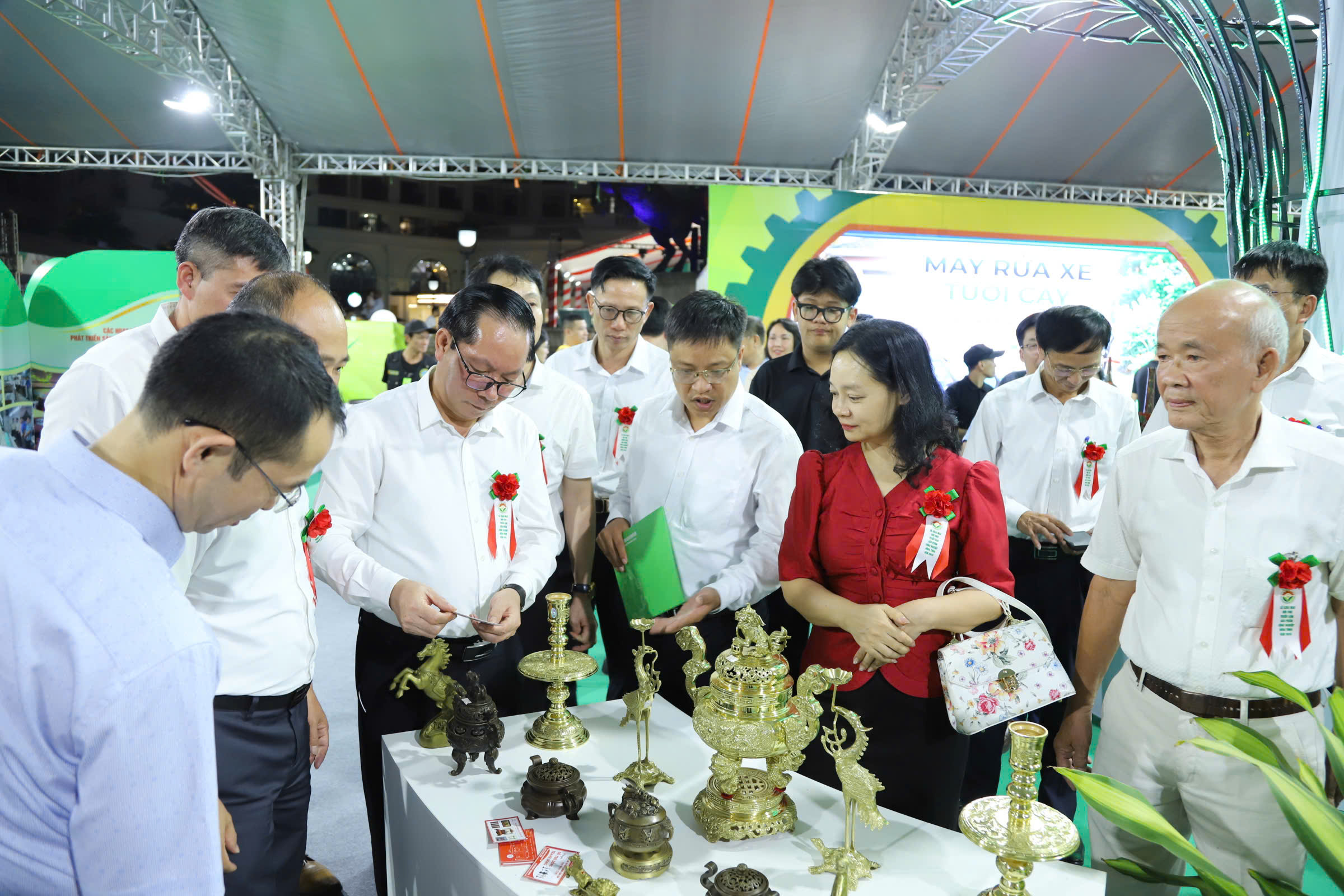
The Rural Industrial Products Fair and Exhibition 2026 has attracted more than 300 booths from provinces and cities across the country, helping promote outstanding rural industrial products, strengthen business connections, and expand consumer markets.
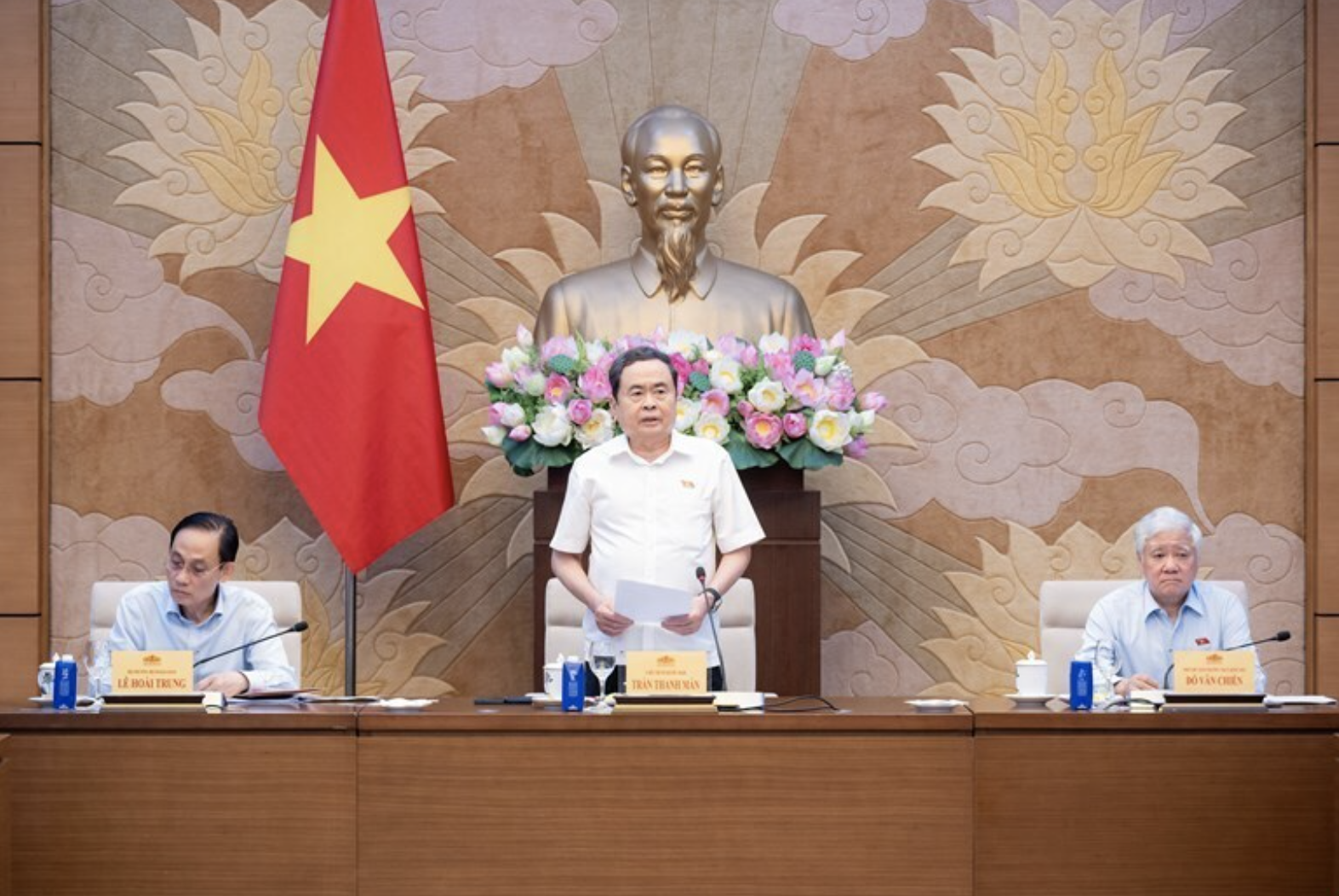
National Assembly Chairman Tran Thanh Man stressed that in the country's new stage of development, foreign affairs must not only contribute to safeguarding the nation from an early stage and from afar, but also serve as a key driver of development.
The Rural Industrial Products Fair and Exhibition 2026 has attracted more than 300 booths from provinces and cities across the country, helping promote outstanding rural industrial products, strengthen business connections, and expand consumer markets.
To further enhance the effectiveness of the national industrial promotion program, representatives from provincial Departments of Industry and Trade have proposed increasing support expenditures during the 2026-2030 period to align with the growing demands of digital transformation, green transition, and technological innovation at production facilities.
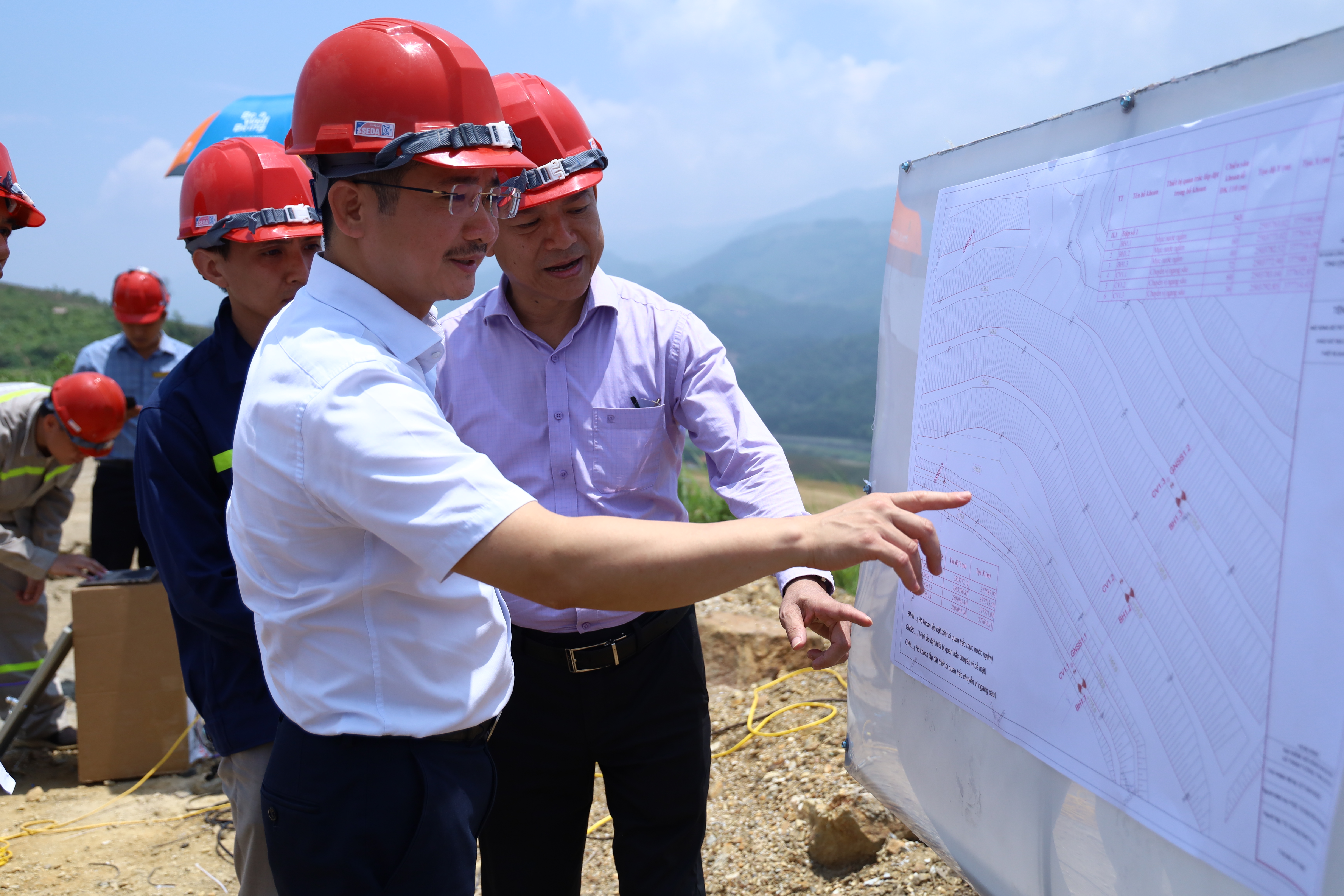
The Ministry of Industry and Trade (MoIT) delegation inspected TKV Minerals Corporation JSC (Vimico)’s 2026 storm-season preparations, highlighting AI-based monitoring and early warning systems to strengthen mine safety efforts