Cao Bang is turning highland products into economic value, helping ethnic-minority communities escape poverty with quality improvements and market support.
Leveraging local advantages
Cao Bang is blessed with pristine climate, fertile soil, and a rich diversity of endemic crop varieties. Its people carry a vibrant cultural heritage, preserving traditional crafts that have lasted for centuries. Together, these factors create distinctive products such as smoked pork ribs, dong vermicelli, black jelly, Phuc Sen forged knives, Tra Linh mandarins, and Trung Khanh chestnuts, all sought after by consumers nationwide during harvest seasons.
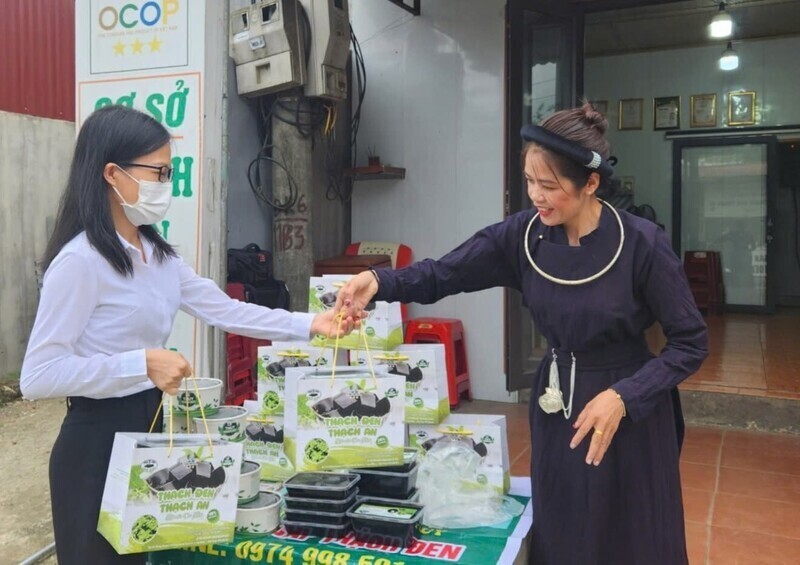
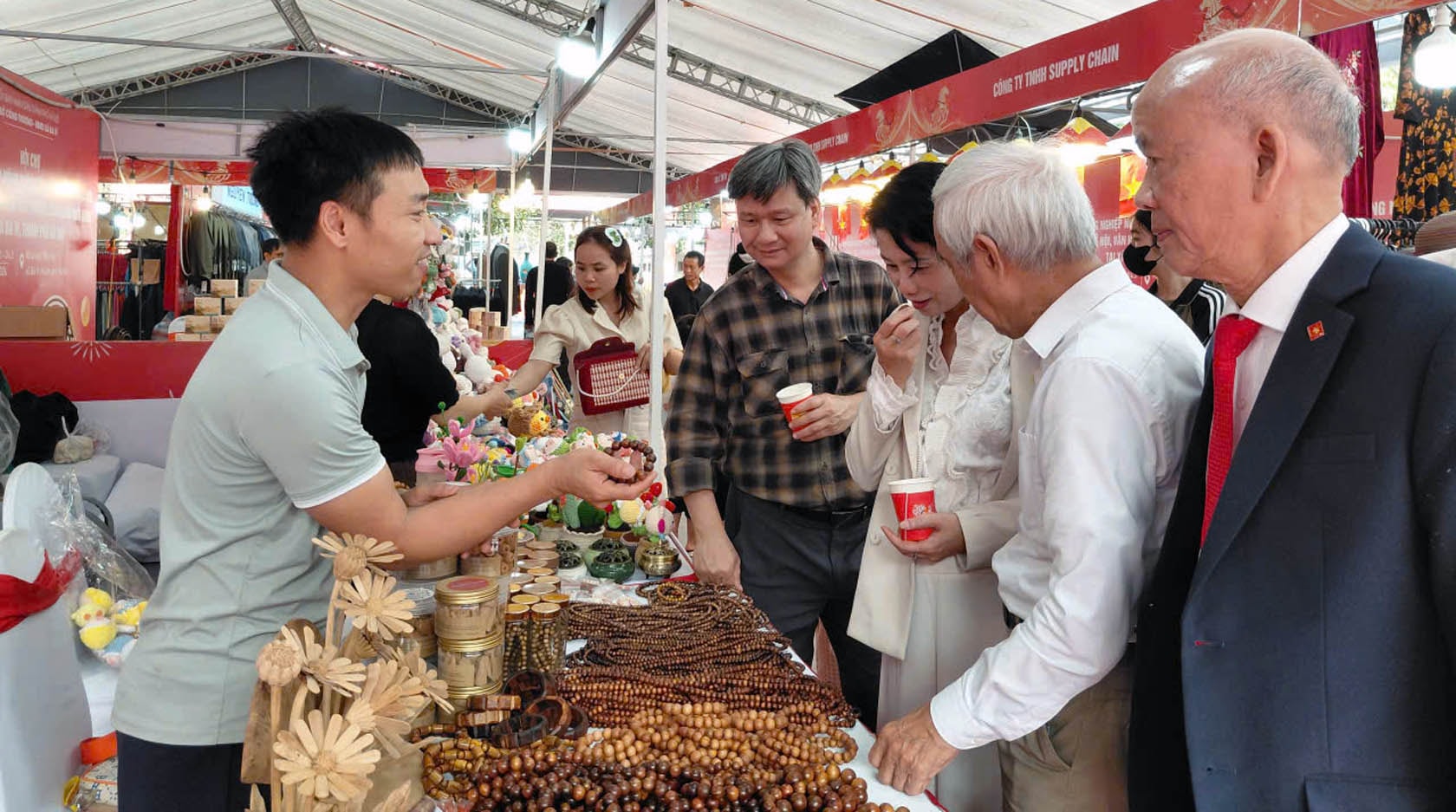
Trade-promotion activities create new market access for Cao Bang’s highland products. Photo: Le Tuan
Where these products once circulated only in local markets, hundreds of cooperatives and thousands of households are now gradually establishing organized supply chains aimed at wider markets. More than 500 rural craft and production establishments serve as the backbone, turning raw materials into high-value goods.
The One Commune One Product (OCOP) program, vigorously implemented since 2020, has enabled Cao Bang to accumulate a significant number of quality products for nationwide promotion. Over 170 OCOP products have been recognized in a short time, mainly in food, beverages, handicrafts, and community-based tourism. This initiative has given rise to new brands. For example, Tan Viet A dong vermicelli is now officially exported to the US at four tonnes per month, clearly demonstrating the competitiveness of highland products. Trung Khanh chestnuts, Tra Linh mandarins, Bao Lac fragrant glutinous rice, and Mong beef have become collectively branded and protected, significantly increasing product value.
In addition, systematic trade-promotion activities have expanded market access for local producers. Annual OCOP fairs in the province, as well as agricultural week events in Hanoi and Ho Chi Minh City, have helped many products reach supermarkets and convenience stores. At the 2025 Cao Bang Product Week event in Ho Chi Minh City, nearly 80 items were displayed in a professional retail environment.
Importantly, highland communities themselves are becoming more adept with e-commerce. Products from Cao Bang increasingly appear on Shopee, Lazada, Voso, Postmart, and TikTok Shop, accompanied by lively livestream presentations reaching thousands of customers within minutes. Products no longer wait for buyers; they now find their way directly to consumers.
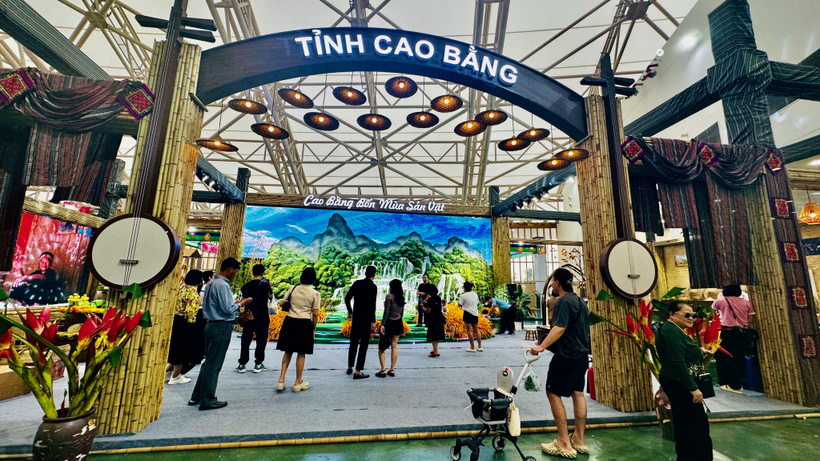
Cao Bang’s exhibition area at the First Autumn Fair 2025.
From domestic markets, Cao Bang’s agricultural products have also entered regional markets. At the 2025 Vietnam-Laos Trade Fair in Vientiane, Cao Bang’s booth attracted over two thousand visitors and connected six products with the Vimart supermarket chain. Dong vermicelli, herbal tea, dried noodles, and glutinous rice were praised internationally for their natural qualities and consistent standards. Each successful transaction not only generates revenue but also broadens perspectives, proving that highland culture can become a strong economic asset when production and marketing are professionally organized.
Laying the foundation for long-term poverty reduction
The improvements in livelihoods and poverty reduction are primarily thanks to the proactive efforts of the local authorities. Equally important is the timely and well-targeted policy support from ministries and agencies, particularly the Ministry of Industry and Trade (MoIT).
Under the National Target Program on Socioeconomic Development for Ethnic-Minority and Mountainous Areas in the 2021 - 2025 period, the MoIT prioritizes support for boosting product sales. Supply-demand connections are regularly implemented from local to central levels. Training sessions equip producers with skills to promote brands, standardize processes, and ensure quality to compete in an open economic environment. Digital platforms are established so highland agricultural products do not fall behind new shopping trends.
Alongside short-term market support, long-term solutions are implemented. The province prioritizes upgrading small-scale logistics centers suitable for mountainous conditions to reduce transportation costs. Models that link local products with tourism are encouraged, turning local cultural heritage into complete economic experiences. Deep processing continues to be a strategy to increase added value and reduce dependence on traders buying raw materials at low prices.
Crucially, cooperatives have become the core of the value chain. Ba Sach Cooperative and An Lai dong vermicelli Cooperative are compelling examples. When farmers unite, they can invest in machinery, improve quality, build brands, and maintain markets. Many cooperatives have moved beyond small-scale thinking, daring to sign major contracts with enterprises and supermarkets. Local people gain stable employment and gradually improved living standards.
Consumers show interest in Cao Bang’s specialties.
These changes are directly reflected in poverty reduction results. Cao Bang’s multidimensional poverty rate dropped from 18 percent in 2021 to below 10 percent in 2024, and is projected to reach around 4 percent by the end of 2025. This is the outcome of carefully nurtured thinking through trade-promotion programs, market-linking trips, and standardized OCOP products.
Cao Bang now aims higher to build a sustainable development ecosystem based on three pillars: (1) product development tied to local culture, emphasizing uniqueness and differentiation; (2) strengthening processing and logistics to increase value; and (3) comprehensive digital transformation in production and sales to keep pace with new consumer trends. By the end of 2025, the province targets at least 150 OCOP products rated three stars or above, four to five products rated five stars, and half of the producers represented in modern distribution channels.
Looking back, Cao Bang’s journey in poverty reduction for ethnic-minority communities has been intertwined with finding market access for local agricultural products. When highland products are valued and invested in seriously, the future of ethnic-minority communities can change from the smallest beginnings. Trade promotion not only opens markets but also opens doors to confidence, aspiration, and the preservation of culture in modern life.
Be Ngoc Dung, Deputy Director of the Cao Bang Center for Industry and Trade Promotion, underlined: To boost the sale of products made by ethnic-minority communities, the most important factor is changing the production mindset, moving from “selling what we have” to “producing what the market needs.” Accordingly, the province has implemented a wide range of coordinated solutions, from supporting enterprises and cooperatives in designing and upgrading packaging to strengthen brand recognition, to providing training in digital business skills, e-commerce, and livestream sales.
At the same time, market-linking activities must be strengthened. Trade fairs, market sessions, and domestic and international supply-demand connection programs help businesses access distribution systems and expand their sales channels, particularly targeting the Chinese and Lao markets where many highland products have competitive advantages.
When market barriers are removed, the flow of goods from Cao Bang’s villages will become smoother, creating stable incomes for local communities and elevating highland specialties in the marketplace. Trade-promotion agencies must not only “organize events” but also play a strategic advisory role, fostering innovation and brand development. Only then can highland specialties grow sustainably and reach global markets.
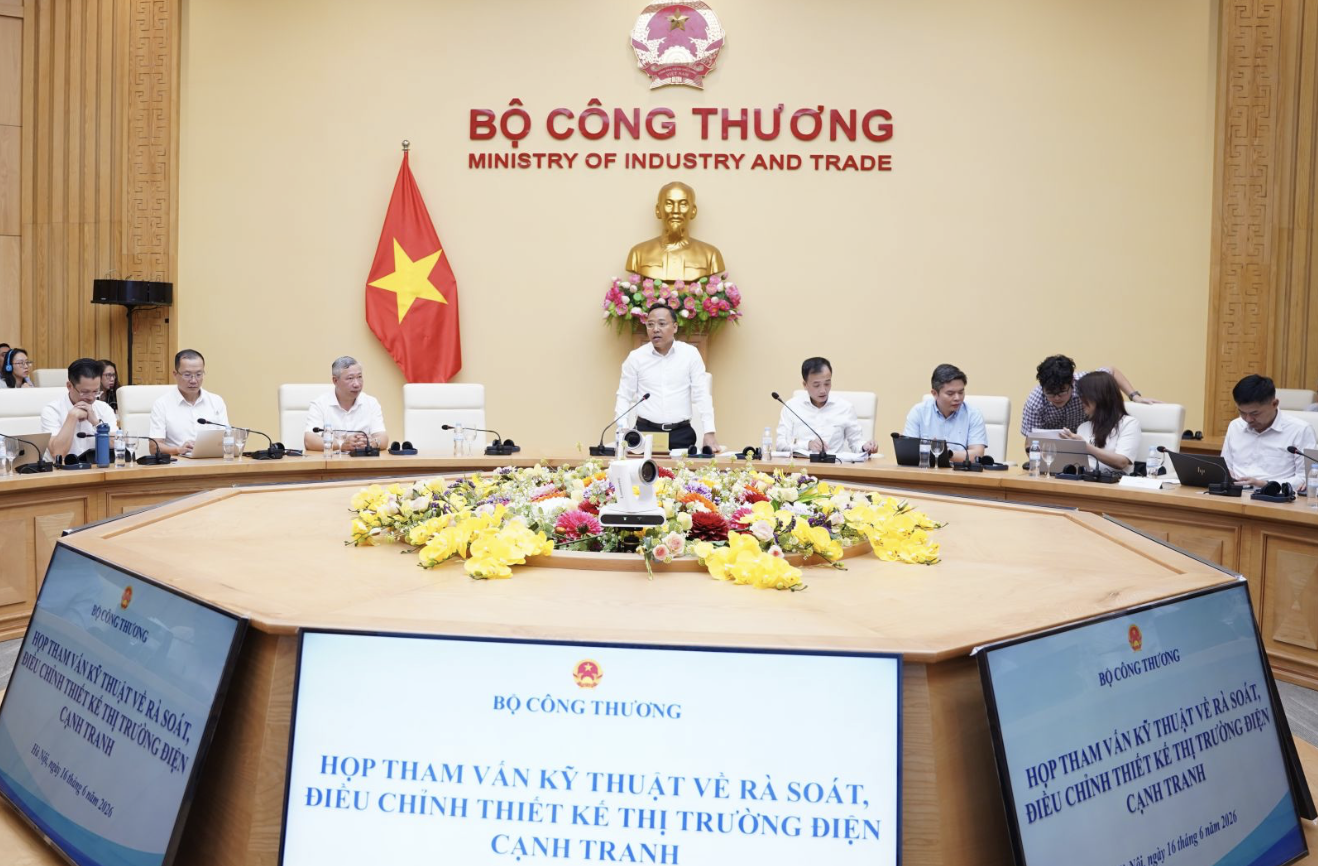
Ministry of Industry and Trade (MoIT) held a technical consultation in Hanoi on reviewing and adjusting the design of Vietnam’s competitive electricity market.
Textiles and garments continued to be one of Vietnam’s leading export categories to the Russian market in the first five months of 2026, generating export revenue of more than USD 106.99 million.
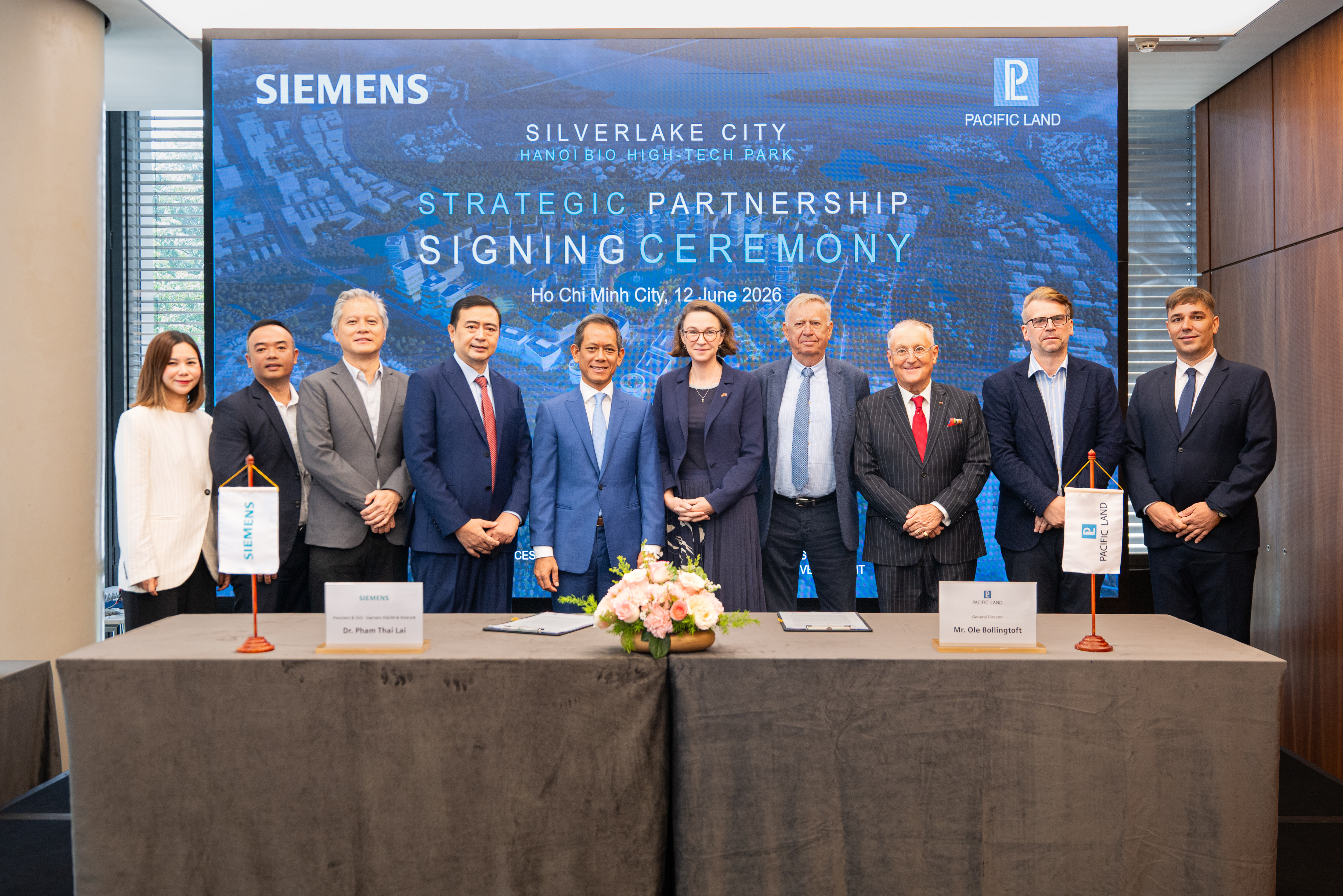
Siemens and Pacific Land will transform Silverlake Bio Hi-Tech Park into a smart, sustainable innovation hub supporting Vietnam’s high-tech growth ambitions.
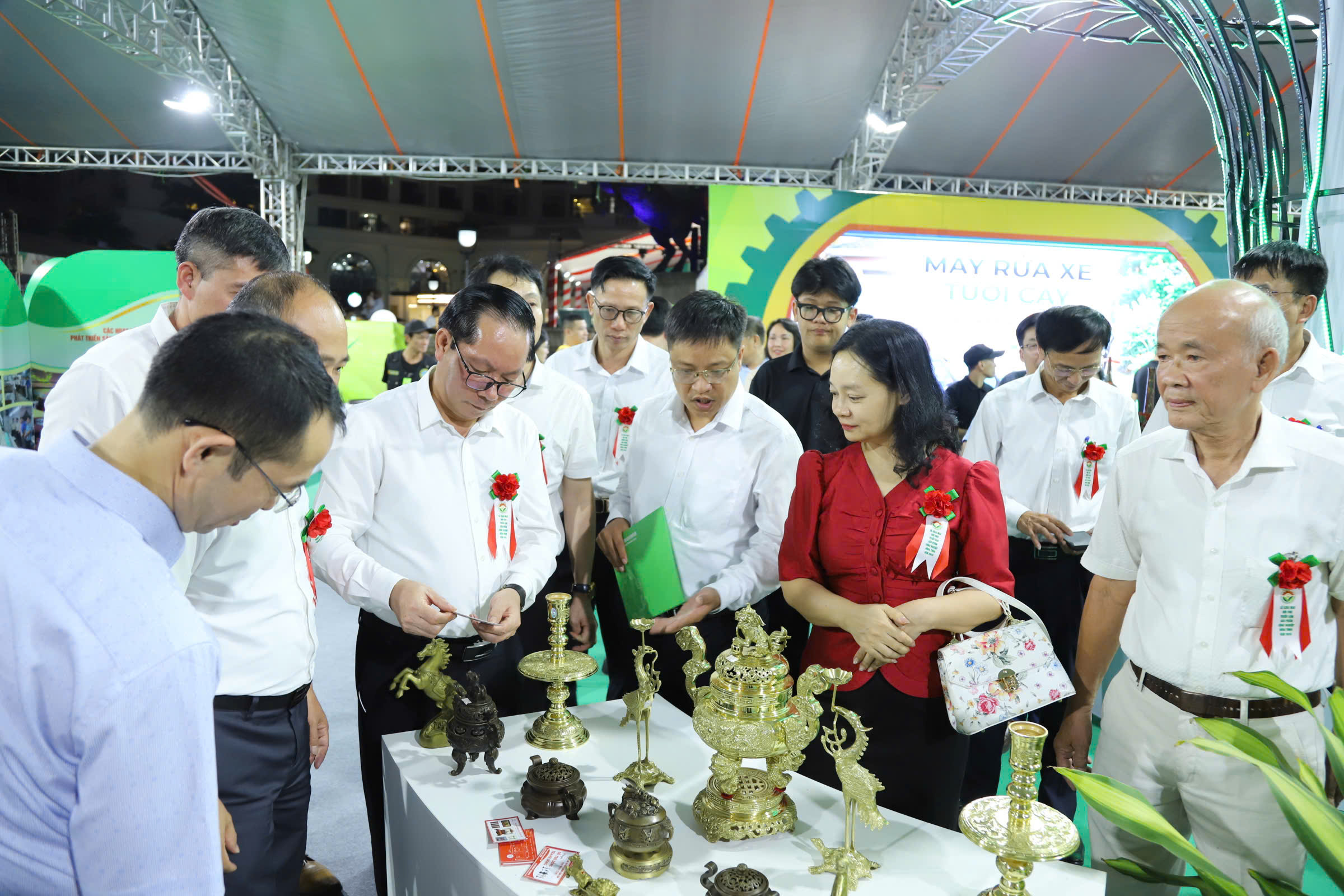
The Rural Industrial Products Fair and Exhibition 2026 has attracted more than 300 booths from provinces and cities across the country, helping promote outstanding rural industrial products, strengthen business connections, and expand consumer markets.
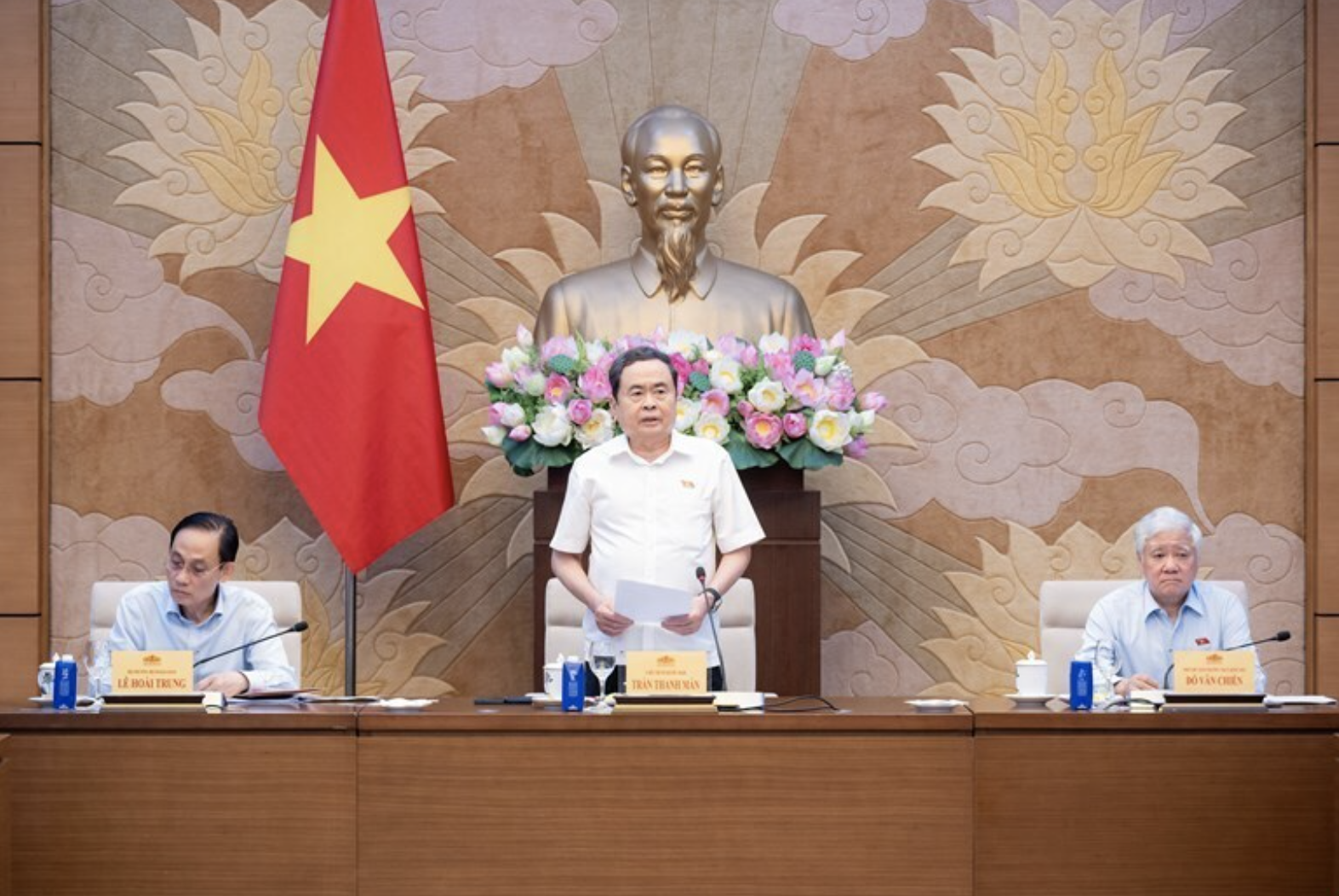
National Assembly Chairman Tran Thanh Man stressed that in the country's new stage of development, foreign affairs must not only contribute to safeguarding the nation from an early stage and from afar, but also serve as a key driver of development.
The Rural Industrial Products Fair and Exhibition 2026 has attracted more than 300 booths from provinces and cities across the country, helping promote outstanding rural industrial products, strengthen business connections, and expand consumer markets.
To further enhance the effectiveness of the national industrial promotion program, representatives from provincial Departments of Industry and Trade have proposed increasing support expenditures during the 2026-2030 period to align with the growing demands of digital transformation, green transition, and technological innovation at production facilities.
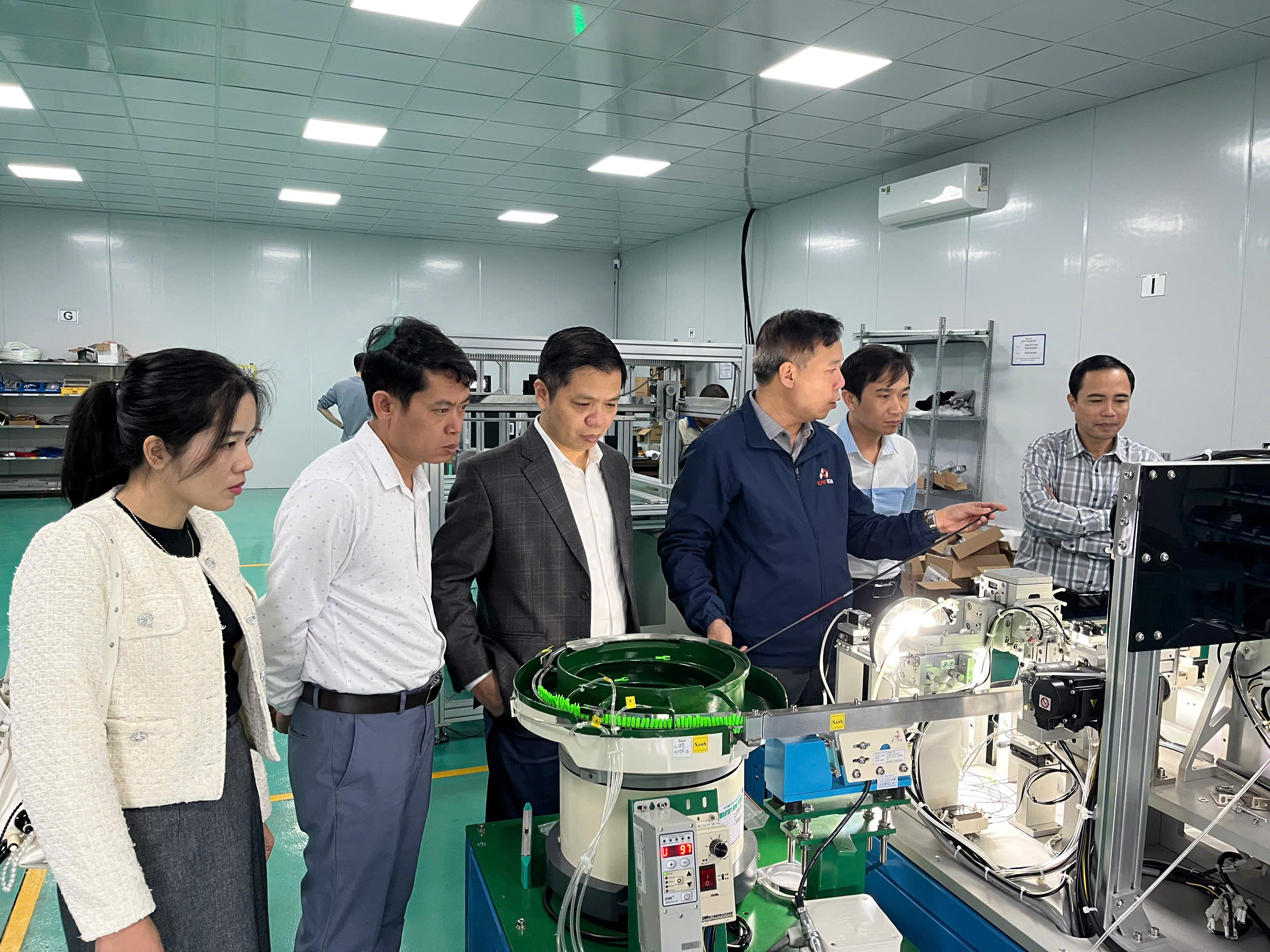
The Ministry of Industry and Trade (MoIT) delegation inspected TKV Minerals Corporation JSC (Vimico)’s 2026 storm-season preparations, highlighting AI-based monitoring and early warning systems to strengthen mine safety efforts