Global supply chains are facing mounting risks, requiring Vietnamese enterprises to rapidly adapt, strengthen compliance capabilities, accelerate innovation.
Multiple challenges impacting global supply chains
Speaking at the international workshop on “Risk, Compliance and Innovation in Supply Chains,” jointly organized by the National Innovation Center (NIC) under the Ministry of Finance and the Supplier Compliance Audit Network (SCAN), Do Tien Thinh, Deputy Director of NIC, noted that 2025 marked a significant milestone for Vietnam’s economy, with GDP growth reaching 8.02% and the economic scale estimated at USD 514 billion. Notably, total import-export turnover surpassed USD 930 billion and is approaching the historic USD 1 trillion mark.
Vietnamese enterprises need to shift their mindset in approaching global supply chains.
However, alongside its growing role as a “critical link” in global supply chains, the economy is also confronting considerable challenges. Major markets such as the US and Canada are increasingly tightening standards on security, transparency, and sustainability (ESG).
Addressing these challenges, Carlos E. Ochoa, Chief Executive Officer of SCAN an organization providing a trusted platform for collaboration in conducting and sharing high-quality security audits to reduce duplication and enhance compliance with international trade regulations, emphasized that geopolitical tensions and climate change-related events are intensifying. Meanwhile, customs enforcement and monitoring are becoming stricter, and requirements for transparency, traceability, and supply chain security have never been higher.
According to experts, if 2025 was considered the “year of tariffs,” then 2026 is likely to be the “year of tariff consequences.” Global trade is projected to slow significantly as the full effects of trade barriers take hold. Container supply chains worldwide continue to undergo restructuring, shifting away from traditional routes toward emerging regions.
In addition, risks of maritime transport disruptions, trade agreements lacking long-term binding commitments, and legal rulings related to U.S. tax policies are expected to create further uncertainties. In this context, investment in technology, particularly artificial intelligence and green technologies is anticipated to partially offset the decline in traditional trade.
Proactive adaptation to turn challenges into opportunities
Amid growing challenges to global supply chains, Do Tien Thinh stressed that risk management and compliance with international standards are no longer optional but essential requirements for businesses to survive and maintain their position in global value chains.
Echoing this view, Jennifer Kissner, Chair of the Board of Directors of SCAN, stated that expectations for compliance in global trade are at their highest level ever. Vietnamese enterprises, therefore, need to shift their mindset and treat compliance with supply chain security regulations as an integral part of their development strategy rather than merely an administrative burden.
“SCAN, as a non-profit network supporting major importers in the United States and Canada, provides a collaborative platform that helps reduce duplication in security audits, thereby improving efficiency and transparency for suppliers in Vietnam,” she emphasized.
Solutions are needed to help businesses expand opportunities to participate in global supply chains.
To support enterprises in expanding their participation in global supply chains, NIC, in its role as a connector within the innovation ecosystem, has been actively promoting new growth models based on science and technology, while enhancing enterprises’ capacity to access emerging technologies and innovative management practices, particularly in the field of import-export.
“We identify supporting enterprises in enhancing capacity and applying innovation to promote global supply chains as a key task to improve competitiveness in the economy,” Do Tien Thinh stated. He added that the joint organization of the international workshop with SCAN aims to help businesses address compliance barriers within supply chains, strengthen capabilities in traceability and risk management, promote digital transformation and innovation in export-oriented industries, and contribute to Vietnam’s broader goals of sustainable global integration.
Through the workshop, organizers expect enterprises to gain access to practical insights and in-depth perspectives on risk management, cybersecurity, and product traceability.
Do Tien Thinh, Deputy Director of the National Innovation Center: Risk management and compliance with international standards are no longer optional but mandatory requirements for enterprises to survive and maintain their position in the value chain.
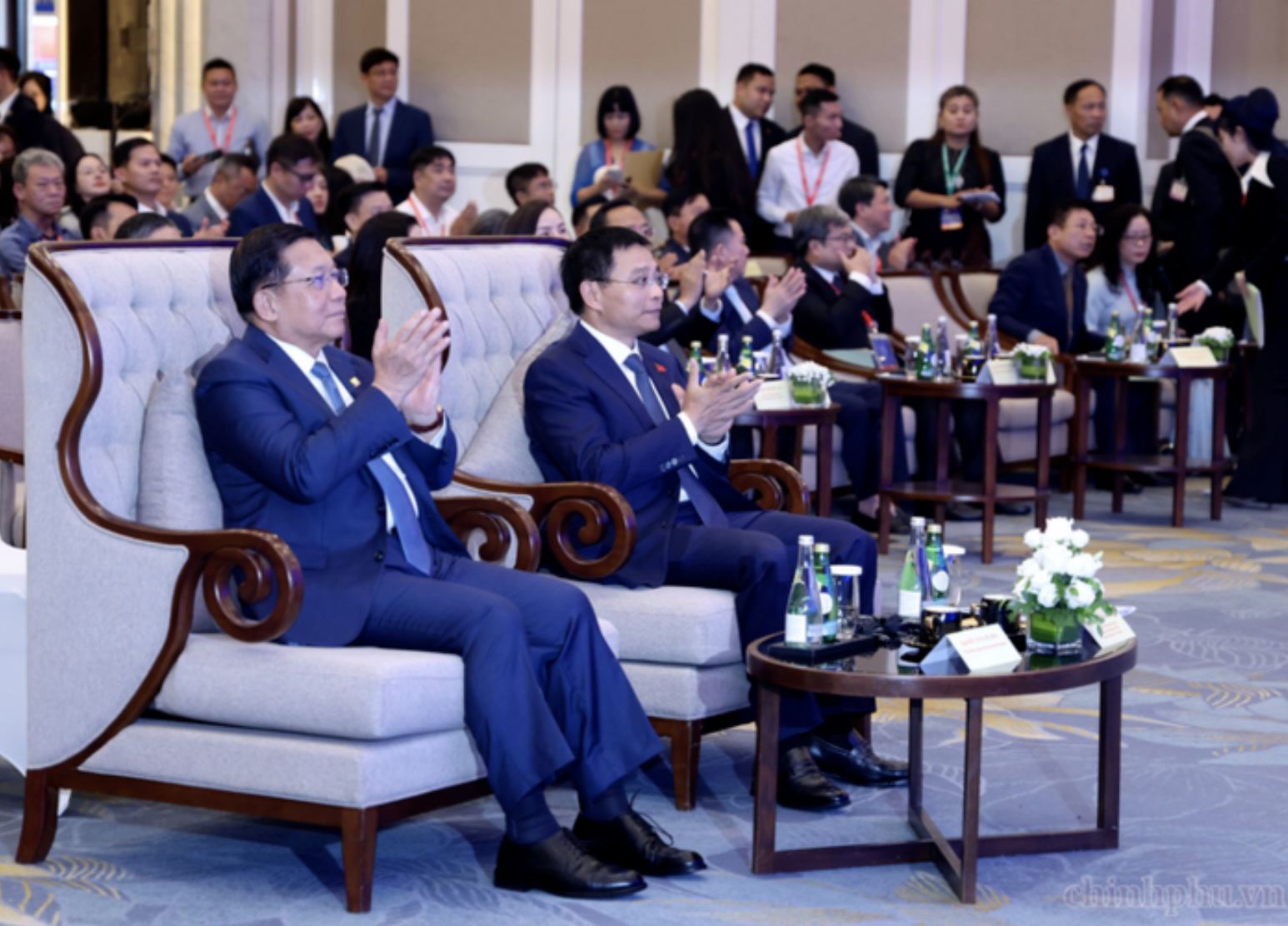
Addressing the Myanmar - Viet Nam Business Forum, Deputy Prime Minister Nguyen Van Thang said the two sides should expand the space for cooperation and leverage their respective resources to support the self-reliant and resilient development of each country, contributing to the implementation of agreements reached by the senior leaders of the two countries.
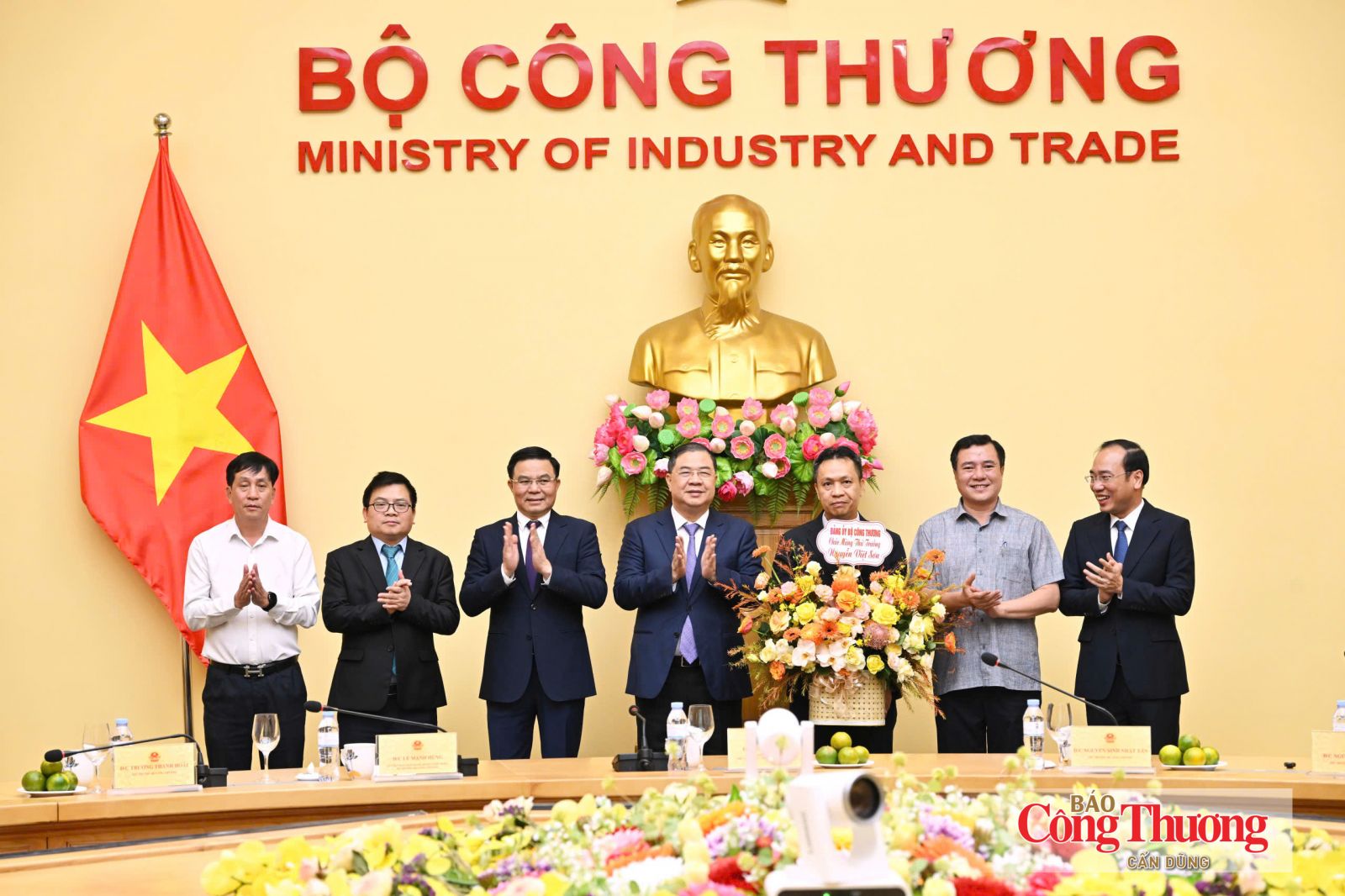
On the afternoon of September 6, at the headquarters of the Ministry of Industry and Trade (MoIT), Politburo member and Standing Deputy Prime Minister Pham Gia Tuc handed over the Prime Minister's decision appointing Nguyen Viet Son as Deputy Minister of Industry and Trade.
The iDEA and TikTok Shop launched the “Beyond Vietnam” initiative to help Vietnamese businesses build digital export capabilities and expand global market access.
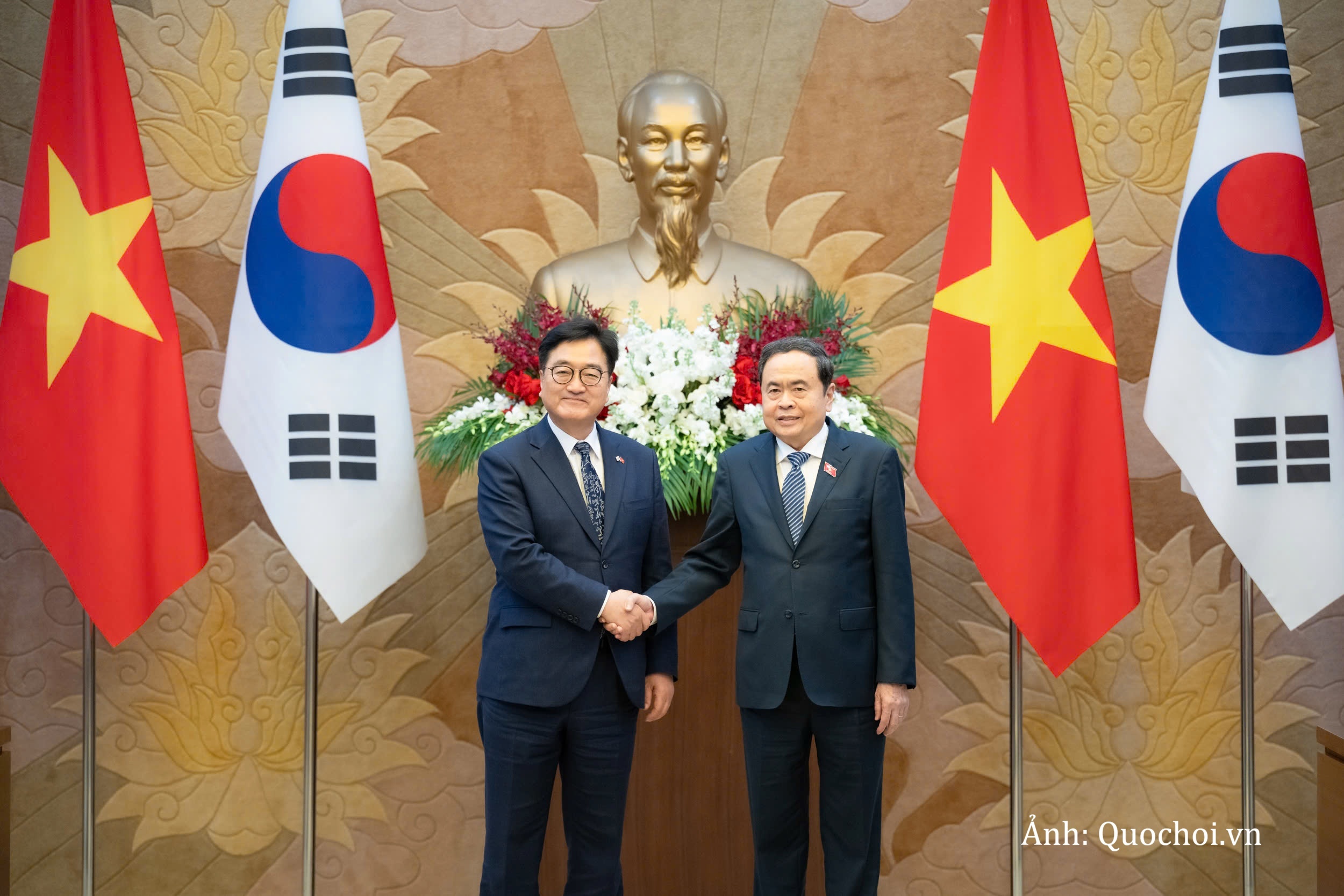
As Viet Nam and the Republic of Korea (RoK) work towards the goal of raising bilateral trade to USD 150 billion, the National Assemblies of the two countries have an important role to play in improving institutions and removing bottlenecks.
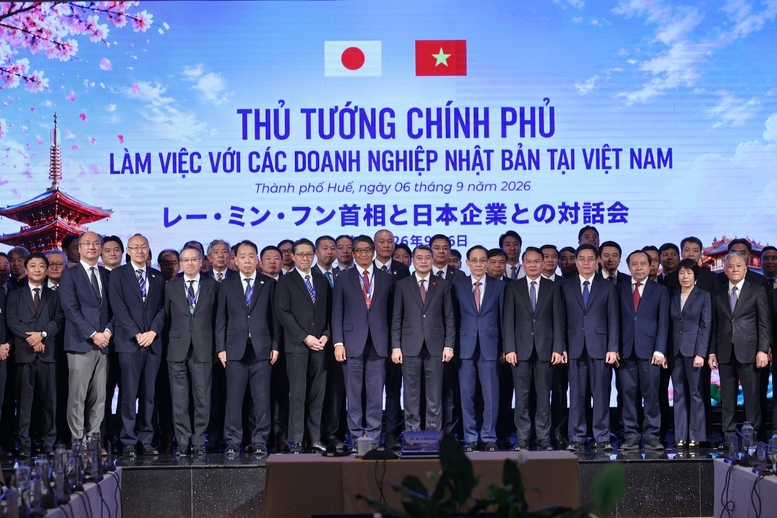
Chairing a meeting with Japanese businesses on the morning of September 6, Prime Minister Le Minh Hung called for Viet Nam - Japan investment ties to shift decisively from a relationship between “investors and investment destinations” toward a partnership for joint development and co-creation, involving joint research, innovation, production, and effective participation in and affirmation of their positions and roles in global value chains.
The iDEA and TikTok Shop launched the “Beyond Vietnam” initiative to help Vietnamese businesses build digital export capabilities and expand global market access.
Tourism Malaysia reaffirmed its commitment to the Vietnamese market at ITE HCMC 2026, promoting the extended Visit Malaysia 2026 - 2027 campaign and expanding tourism cooperation.
Viet Nam Trade Office in Argentina is boosting business links to expand cooperation in timber, minerals and investment, opening new opportunities for firms in both countries.
Vitafoods Asia 2026 in Thailand highlighted the growing presence of Vietnamese health and nutrition products, opening new opportunities for global market expansion.
Viet Nam is addressing key bottlenecks and improving durian quality to boost exports, with the sector targeting USD 4 billion in export turnover this year.