Homestay and community-based tourism is a strategic path for Phu Tho, harnessing cultural and ecological heritage to create sustainable livelihoods.
Leveraging cultural heritage as a foundation for community-based tourism
Phu Tho, the sacred Land of the Ancestors, is not only the cradle of Vietnam’s cultural origins but is also standing before significant opportunities to break through in sustainable tourism development. As the national tourism sector shifts decisively towards experience-based, green and community-linked models, the promotion of homestay tourism has been identified by Phu Tho as a new and appropriate pathway aligned with its inherent potential and local conditions.
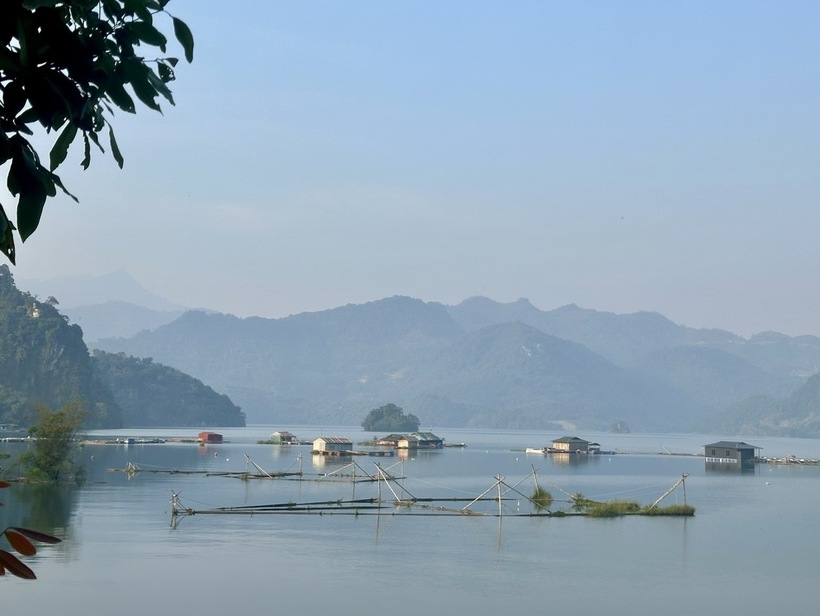
Community-based tourism is emerging as a strategic development pathway for Phu Tho. Photo: Thu Thuy
Rather than pursuing mass tourism, the province has adopted an approach that places heritage conservation at its core, with local communities positioned as both key participants and direct beneficiaries of tourism activities. Within this strategy, community-based tourism is defined as a central pillar, contributing to the promotion of the Land of the Ancestors while serving as a driving force for socio-economic development in rural and mountainous areas, gradually improving incomes and living standards for local people.
Practical experience shows that in localities such as Long Coc, Da Bac, and Cao Son, community-based tourism models linked with ecology and agriculture have proven effective, generating additional employment opportunities and opening new pathways for household economies.
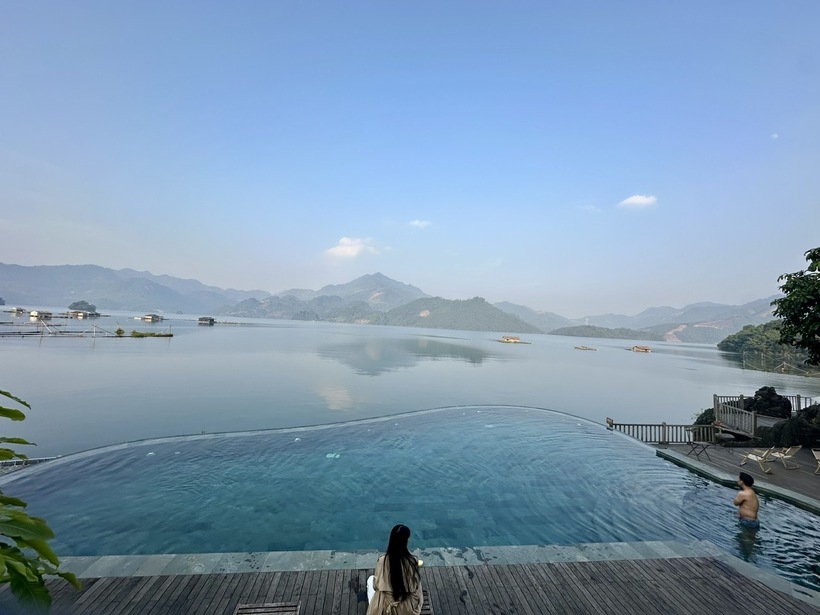
Community-based tourism in Xom Ke, Da Bac commune (Phu Tho province) effectively harnesses cultural and ecological heritage to create sustainable livelihoods for local residents. Photo: Thu Thuy
Long Coc commune, renowned for its rolling green tea hills, has become a familiar destination for nature lovers, photographers and travelers seeking authentic local experiences. In recent years, the locality has focused on developing community-based tourism, gradually establishing homestays and accommodation services closely connected with tea production and local cultural life. Communal stilt houses and high-end camping models, including glamping, are being developed to diversify tourism products, extend visitor stays and enhance tourism spending value.
Alongside Long Coc, Da Bac commune has emerged as a bright spot in the province’s community-based tourism landscape. As a highland commune with dozens of kilometers bordering the Da River reservoir, Da Bac boasts pristine natural scenery, a temperate climate and rich cultural diversity, home to five ethnic groups Muong, Tay, Dao, Kinh and Thai.
Notably, Da Bac is included in the master plan for the development of the Hoa Binh Lake national tourism area through 2030, creating substantial room for the development of ecological tourism, resorts and water-based sports combined with community-based tourism.
Preserving identity while creating added value from community tourism
Xom Ke has emerged as a destination with considerable potential in the broader picture of community-based tourism development in Da Bac commune. Located entirely within Hien Luong Bay, a branch of Hoa Binh Lake, Xom Ke is home to 112 households of the Muong ethnic group and enjoys rare advantages in terms of water landscapes, peninsulas, small bays, and a largely intact natural ecosystem.
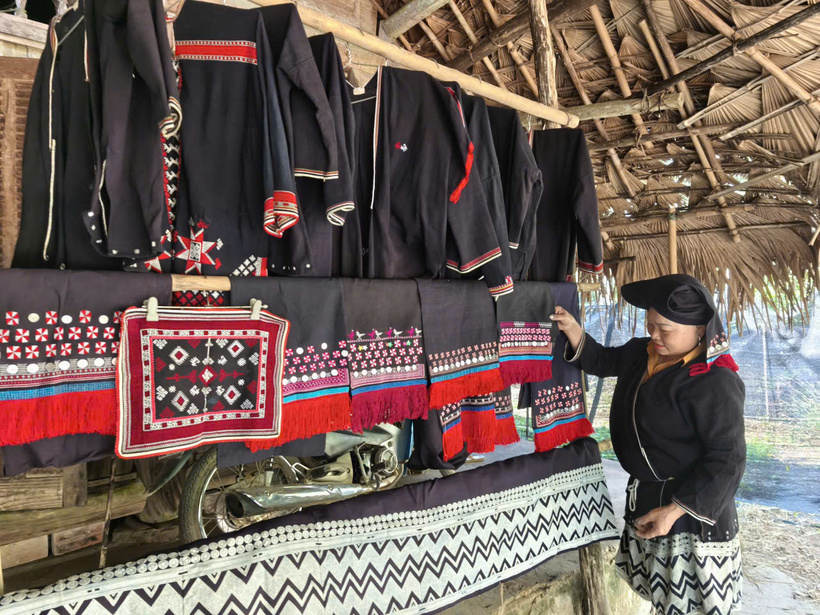
Cultural preservation in Xom Sung, Cao Son commune (Phu Tho province) is a key strength in developing community-based tourism. Photo: Thu Thuy
Community-based tourism in Xom Ke is developed by capitalizing on river and lake strengths combined with indigenous experiences. Visitors can engage in activities such as kayaking, bamboo rafting, swimming in the lake, visiting fish hatchery centers, learning about cage fish farming on the reservoir, and exploring spiritual sites including Doi Co Temple or natural attractions such as Suoi Trach waterfall. From Xom Ke, tourists can also easily connect to neighboring community tourism villages such as Xom Sung and Xom Da Bia by road or waterway, forming a continuous chain of lakeside experiences.
With its open space, distinctive landscape and favorable regional connectivity, Xom Ke is regarded as an area with significant potential to attract investment in ecological and community-based resort tourism, contributing to the diversification of tourism products and enhancing the economic value derived from Hoa Binh Lake.
In Xom Sung, a representative Dao Tien community in Cao Son commune, community-based tourism has been developed on the foundation of preserving the traditional cultural landscape in its entirety. Single-storey houses with wooden walls and palm-leaf roofs have retained their original architecture while being adapted to meet accommodation needs, creating a distinctive identity for the destination.
At the same time, traditional crafts such as brocade weaving, indigo dyeing, beeswax printing, herbal medicine preparation and do paper making have been revived and transformed into experiential tourism products. The brocade weaving group, involving women from the village, not only helps preserve traditional crafts but also creates marketable products with tangible economic value for the tourism sector.
To date, more than 80% of households in Xom Sung earn income from tourism-related services, including accommodation, catering, experiential guiding, cultural performances, brocade products, and herbal medicine. Community-based tourism has truly become a sustainable livelihood, contributing to economic restructuring in rural and mountainous areas.
Homestay tourism and community-based tourism are not merely niche tourism products but are increasingly becoming a key pillar in Phu Tho’s tourism development strategy. By effectively harnessing cultural heritage and indigenous ecological landscapes, this model helps create sustainable livelihoods for local people while promoting the shift of rural and mountainous economies towards service-oriented development. More importantly, community-based tourism enables Phu Tho to pursue in-depth tourism development, linking economic growth with cultural preservation, environmental protection and improvements in social well-being, in line with the province’s sustainable development orientation in the new period.
Polish Prime Minister Donald Tusk will pay an official visit to Viet Nam from October 24 to 26 as the bilateral trade continues to grow, creating opportunities for deeper cooperation.
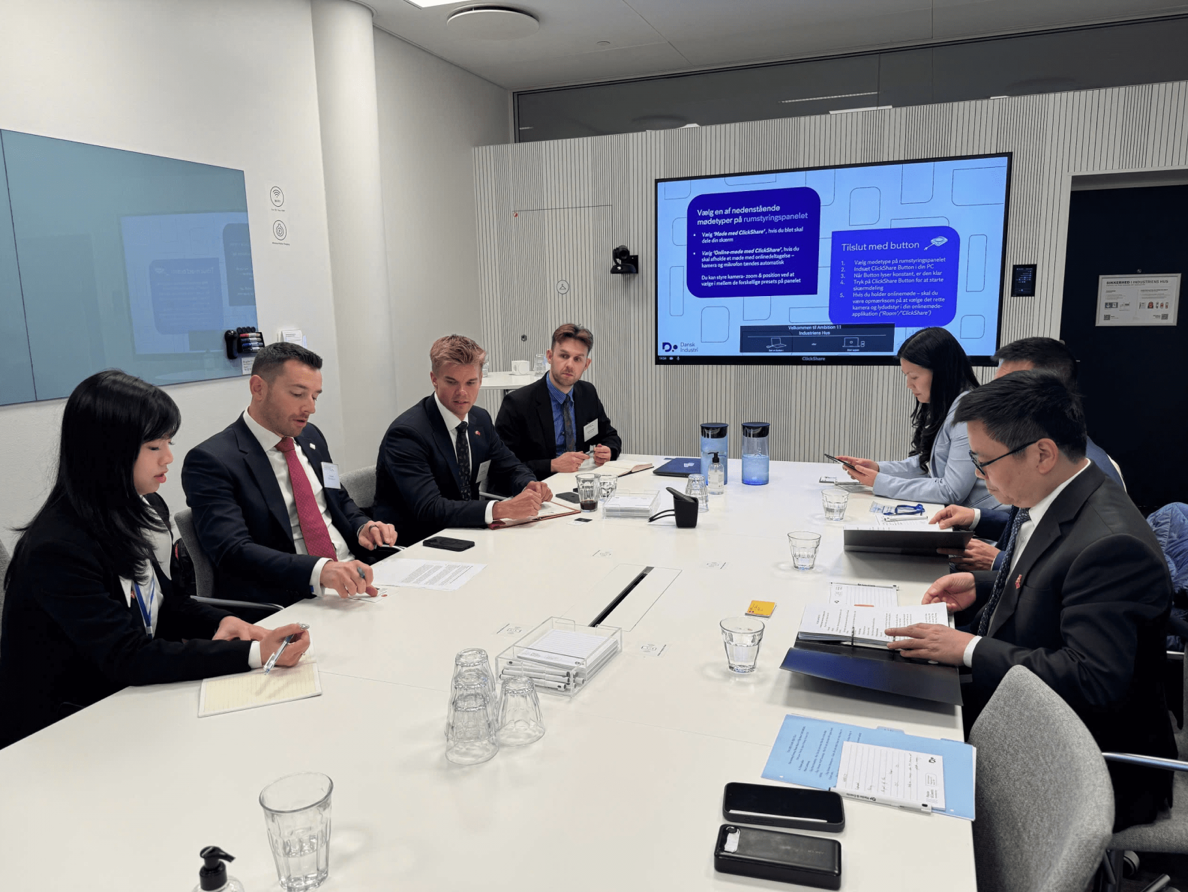
Deputy Minister Truong Thanh Hoai met with LEGO and Carlsberg in Denmark on October 20 to discuss green investment and sustainable manufacturing in Viet Nam.
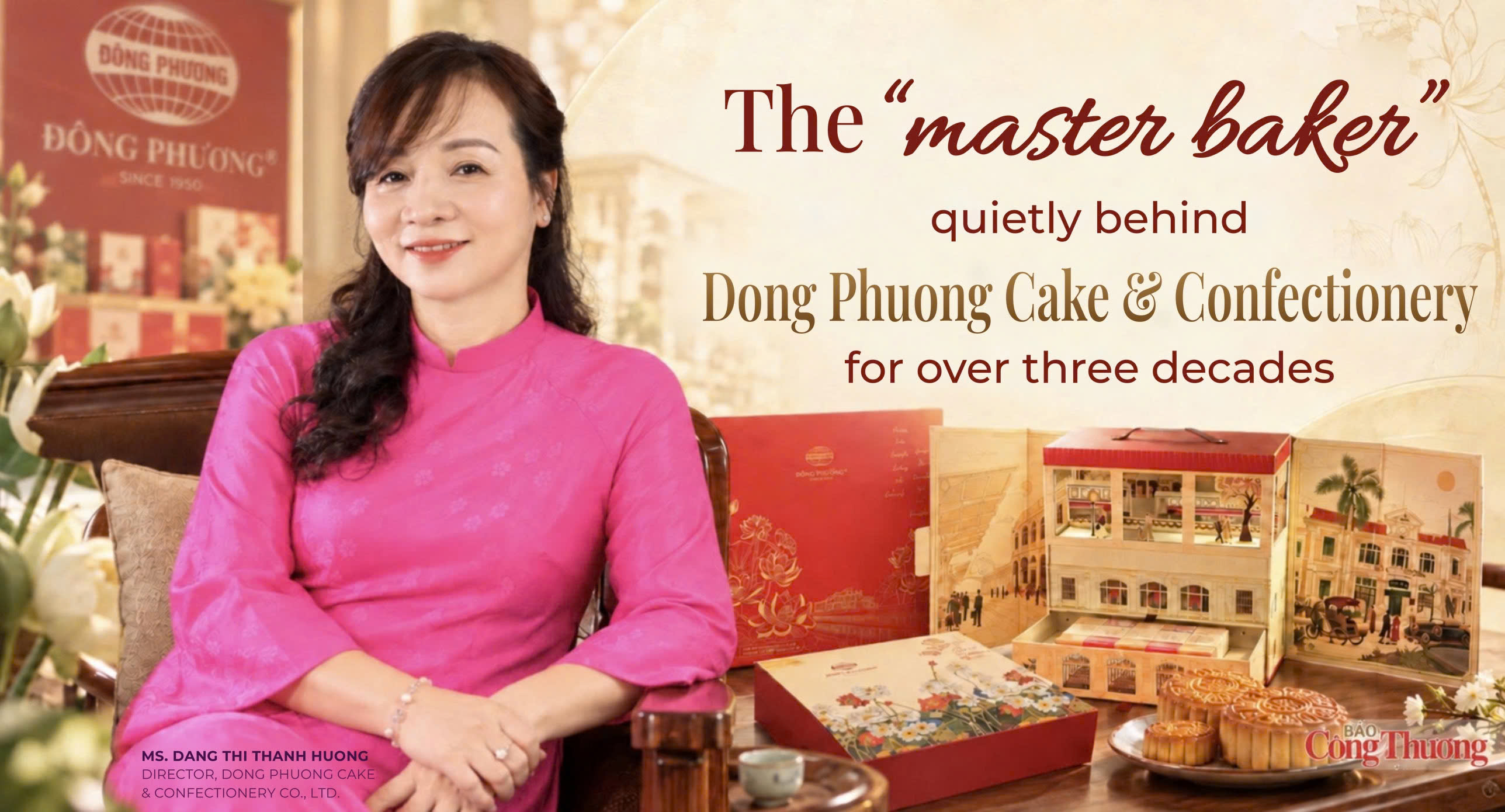
For more than three decades, Ms. Dang Thi Thanh Huong has quietly shaped the legacy of Dong Phuong Cake & Confectionery, a brand rooted in tradition, craftsmanship.
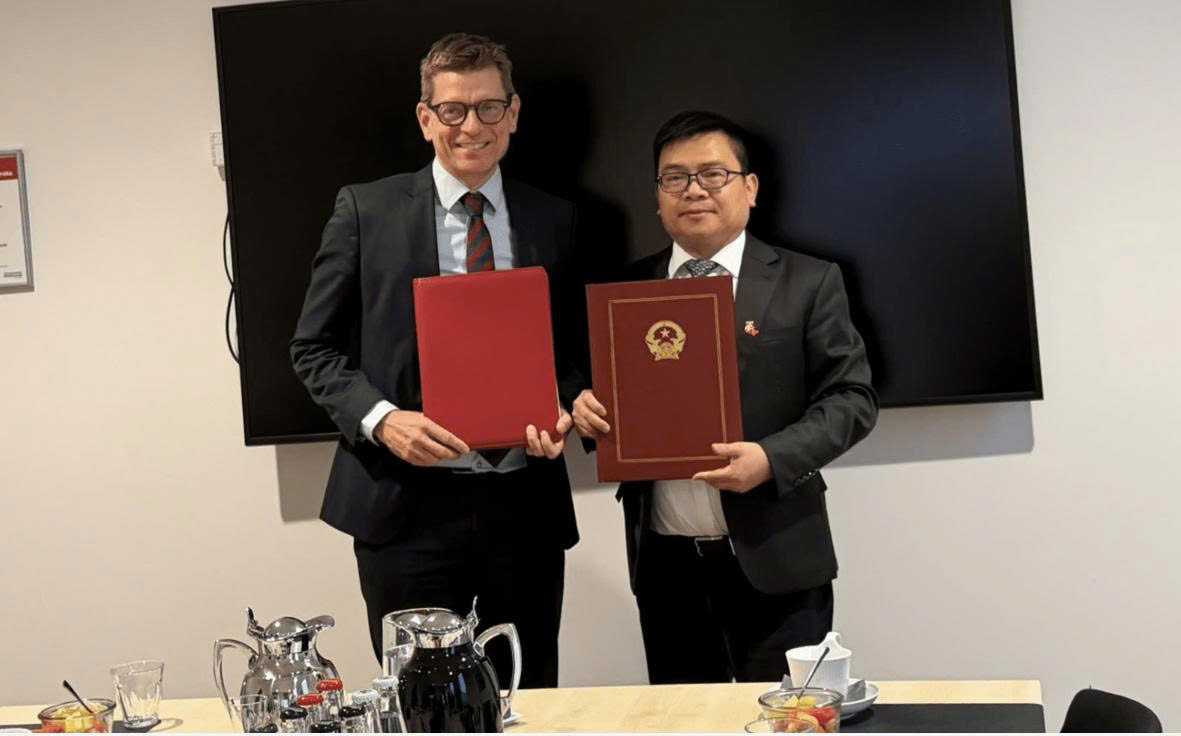
Viet Nam and Denmark have signed an MoU on energy cooperation to strengthen bilateral ties and advance collaboration in renewable energy and the green transition.
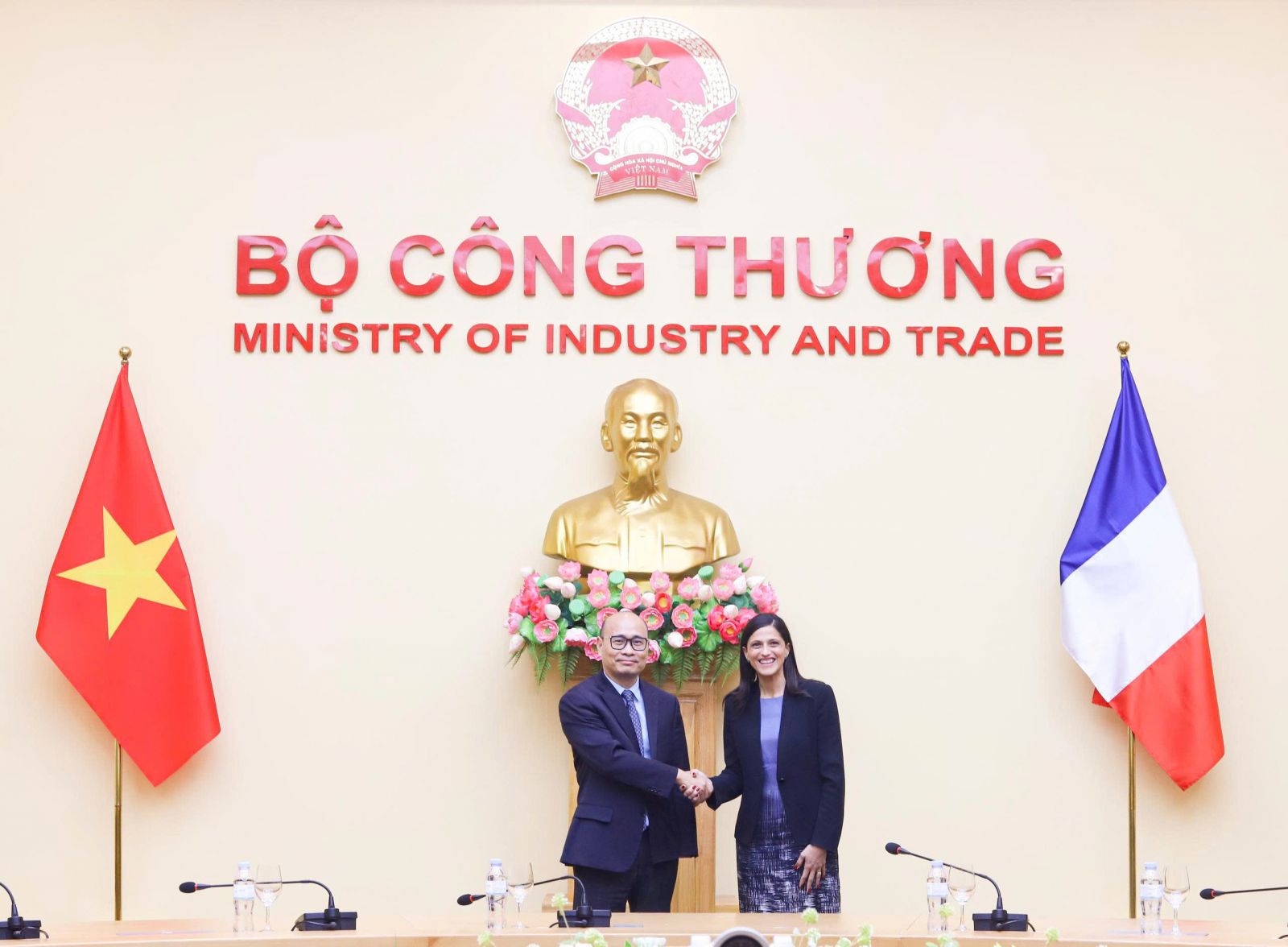
Deputy Minister Luong Hoang Thai met French Minister Delegate Eleonore Caroit on October 19 to discuss ways to strengthen Viet Nam - France cooperation.
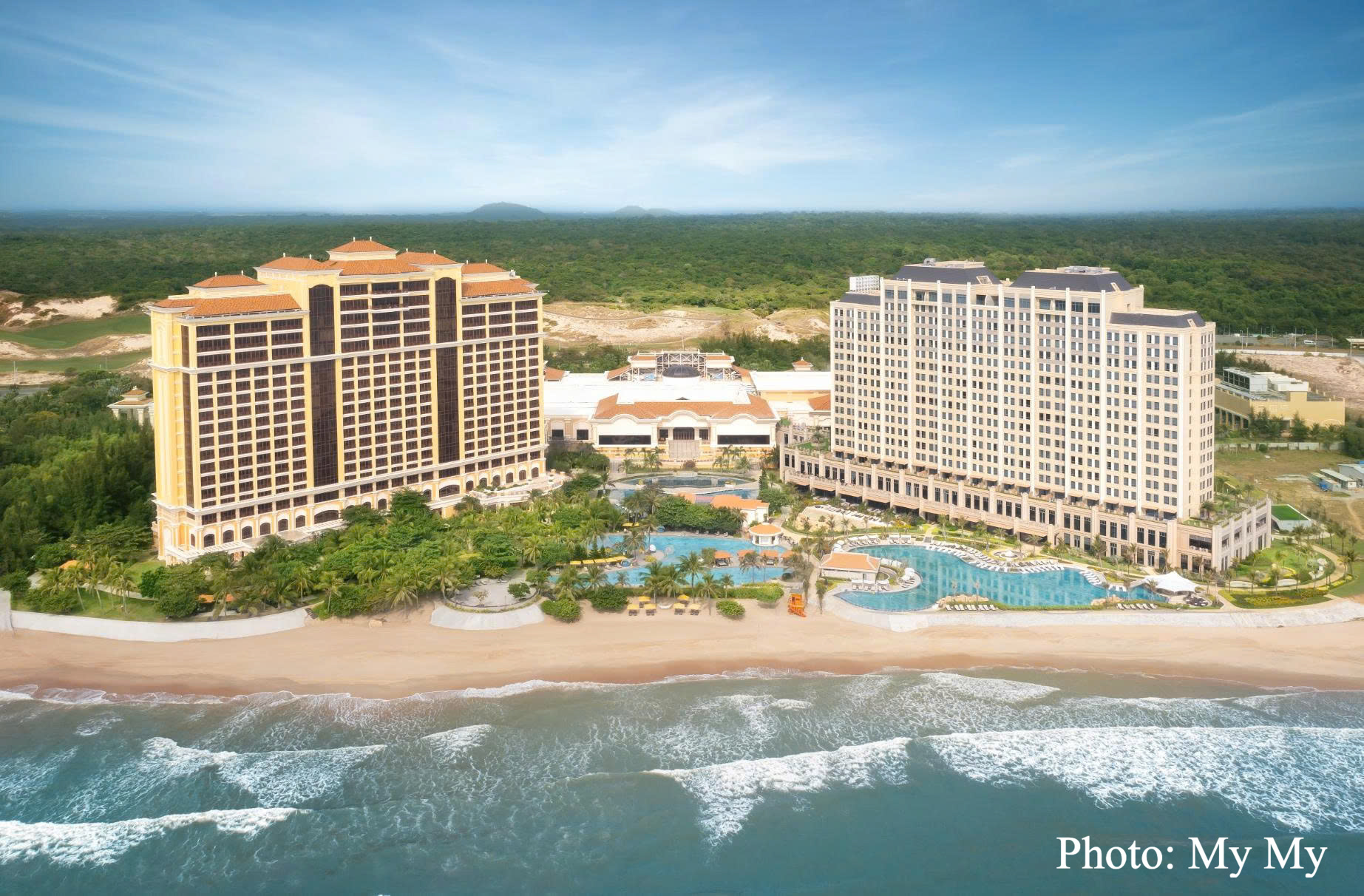
The Grand Ho Tram has been named “Best Integrated Resort” at the 35th TTG Travel Awards 2026, marking its second consecutive win at the Asia-Pacific travel and hospitality awards.
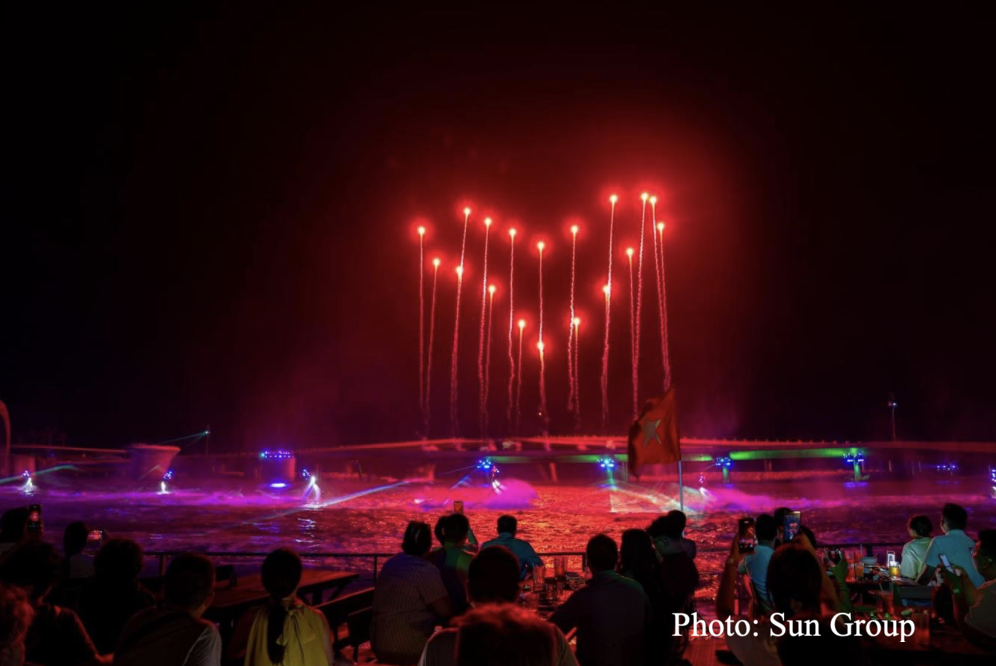
Phu Quoc is awash in red and yellow as flags, flowers, fireworks and lights create a vibrant atmosphere ahead of Vietnam’s National Day on September 2.
A new report from Booking.com shows that Vietnamese travelers are placing increasing importance on sustainable tourism, with many seeking to reduce their environmental impact while supporting local communities.