Vietnam is deploying multiple measures to ensure stable fuel supply and maintain market stability amid growing volatility in global energy markets.
Proactive and flexible market management
Geopolitical tensions in the Middle East are sending new shockwaves through global energy markets. The conflict involving the United States, Israel and Iran has raised concerns over potential disruptions to several strategic oil transport routes, including the Strait of Hormuz, a passage that handles roughly 20% of the world’s daily oil supply. As international energy prices surge, Vietnam’s domestic fuel market has also responded swiftly.
In this context, the Government and the Ministry of Industry and Trade have proactively implemented a range of measures to ensure adequate fuel supply, stabilize the domestic market and safeguard national energy security. On March 9, 2026, the Ministry of Industry and Trade issued Directive No. 06/CT-BCT on strengthening measures to ensure energy security amid the complex developments of the military conflict in the Middle East.
The Government and the Ministry of Industry and Trade have continuously issued directives and taken timely action in regulating fuel prices, ensuring a stable supply for the domestic market
On the same day, the ministry also sent Official Dispatch No. 1488/BCT-TTTN to petroleum trading wholesalers, fuel producers and distributors regarding the assurance of energy security in light of the evolving situation.
The Government and the Ministry of Industry and Trade have continuously issued directives and timely decisions on fuel price management to ensure stable supply for the domestic market.
According to the Ministry of Industry and Trade, the Dung Quat and Nghi Son oil refineries currently meet around 70% of Vietnam’s domestic fuel demand. At the Dung Quat refinery, crude oil for production is largely sourced domestically and is therefore not directly affected by the Middle East conflict.
Meanwhile, the Nghi Son refinery faces a certain level of risk as it depends on crude oil imports from Kuwait. However, existing inventories and shipments already en route are sufficient to maintain production in the near term.
Regarding imported supply, Vietnam currently relies on imports for approximately 30% of its domestic fuel consumption. Reports from petroleum trading wholesalers indicate that import supplies in March 2026 remain largely secure. The supply chain from wholesalers and distribution systems to retail outlets continues to operate normally. As of now, the domestic fuel supply remains stable and well assured.
Preventing rumors from disrupting the market
Energy markets are inherently sensitive. Even a small signal of instability or an unfounded rumor can quickly trigger hoarding behavior, creating artificial shortages in the market. In recent days, several social media platforms have circulated speculation about potential fuel shortages due to international conflicts. However, these claims are inaccurate. Official data show that domestic fuel supply remains under control and fully secured.
Over the past few days, fuel stations across the country have continued to receive regular supply replenishments to meet public demand
In recent days, fuel stations have been continuously replenished to meet the consumption needs of the public.
Historical experience in fuel markets indicates that many crises did not originate from temporary supply disruptions, but from misinformation that caused consumer panic. When false rumors spread widely, demand for stockpiling can surge suddenly, placing pressure on distribution systems and potentially leading to localized shortages. In reality, recent hoarding by some individuals and businesses, driven by concerns over supply disruptions, has not only disturbed the market but also posed serious safety risks particularly the risk of fire and explosions in residential areas.
In response to complex developments in global energy markets, the Government has moved swiftly with timely policy decisions. On March 6, 2026, the Government issued Resolution No. 36/NQ-CP, which plays a significant role in guiding the country’s response to fluctuations stemming from the Middle East conflict.
The resolution introduces a new price management mechanism that is more flexible than previous regulations. Under the key provisions in Section 6, Part IV, the Ministry of Industry and Trade will take the lead, in coordination with the Ministry of Finance, to adjust fuel prices immediately if the base price calculated based on Platts Singapore quotations plus costs of commonly used products such as RON95 gasoline, diesel and kerosene rises by more than 7% compared with the previous period.
If the increase remains below 7%, prices will continue to be adjusted on the regular weekly schedule every Thursday, in accordance with Decree No. 80/2023/ND-CP.
The resolution also supports inflation control and macroeconomic stability, given the wide-ranging impact of fuel prices on transportation, production and other sectors.
Most recently, on March 9, 2026, the Government issued Decree No. 72/2026/ND-CP adjusting preferential import tariff rates for various petroleum products. Under the decree, import tariffs on several products including gasoline, diesel and aviation fuel have been reduced to 0%. This move not only supports fuel importers but also represents a proactive step to diversify supply sources and stabilize the domestic market amid global energy volatility.
At the same time, the Government and relevant ministries have been working with international energy partners to strengthen additional supply sources. Vietnam has mobilized an additional four million barrels of oil from partners to ensure short-term supply for the domestic market.
Relevant ministries and local authorities have also established inspection teams to monitor fuel trading and supply activities. Businesses have been required to maintain normal sales operations and ensure uninterrupted supply, while authorities have pledged to strictly handle cases of speculation, hoarding and unlawful price increases.
The Ministry of Industry and Trade has also instructed that accountability be reviewed for heads of market surveillance agencies if violations in petroleum trading are not promptly detected or addressed within their jurisdictions.
Although global uncertainties are likely to persist, posing continued challenges for energy markets, Vietnam’s proactive governance, the cooperation of businesses and the responsible behavior of consumers provide a solid foundation for maintaining stability in the domestic fuel market.
Consumers are encouraged to access information carefully, refrain from sharing unverified claims, and purchase fuel based on actual needs while practicing reasonable and efficient consumption. Such responsible behavior is also a practical contribution to maintaining market stability.
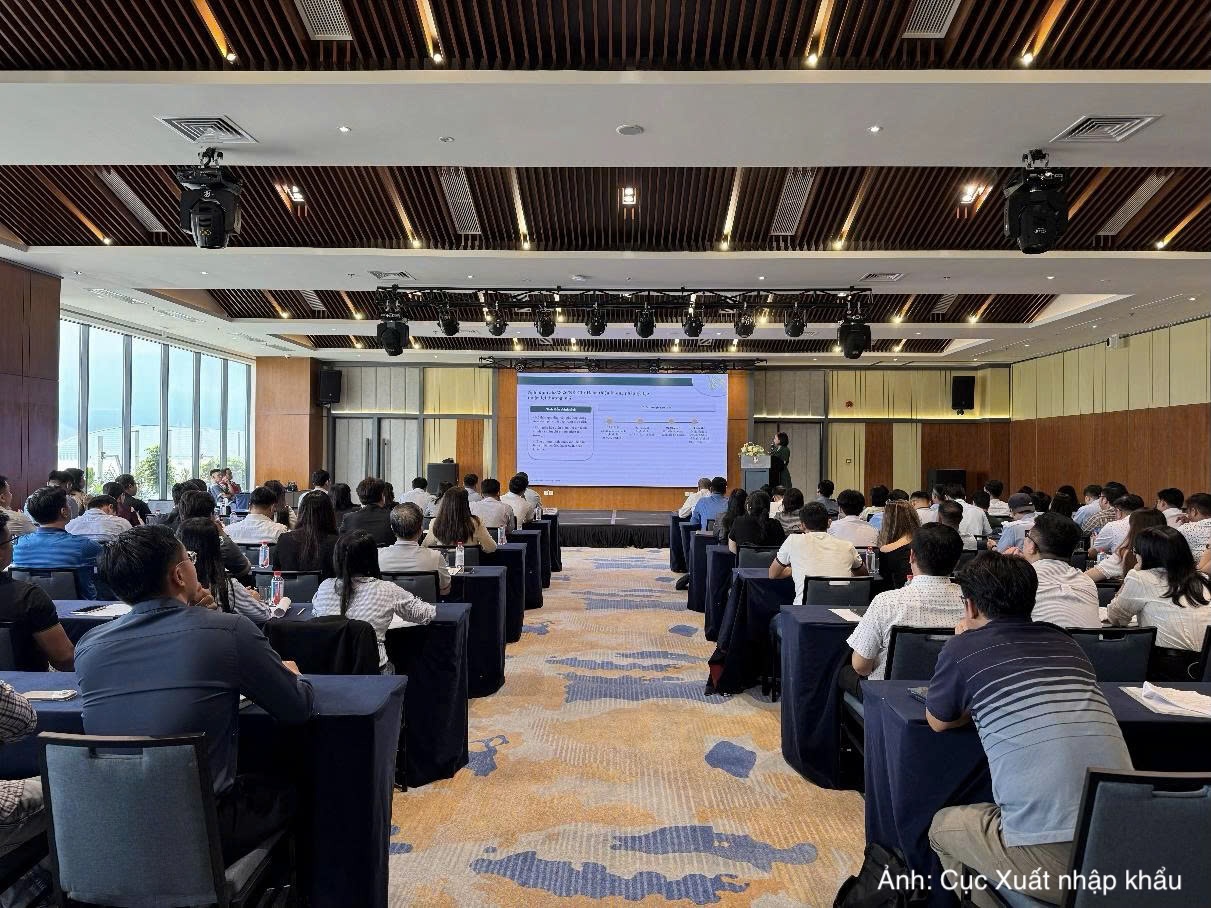
On October 13, the Agency of Foreign Trade under the Ministry of Industry and Trade (MoIT) held a conference in Dong Thap province to disseminate Government Decree No.365/2026/ND-CP dated September 23, 2026, on rice export and import business, and Circular No.65/2026/TT-BCT dated October 1, 2026, issued by the Minister of Industry and Trade, detailing certain provisions and measures for implementing Decree No.365/2026/ND-CP.
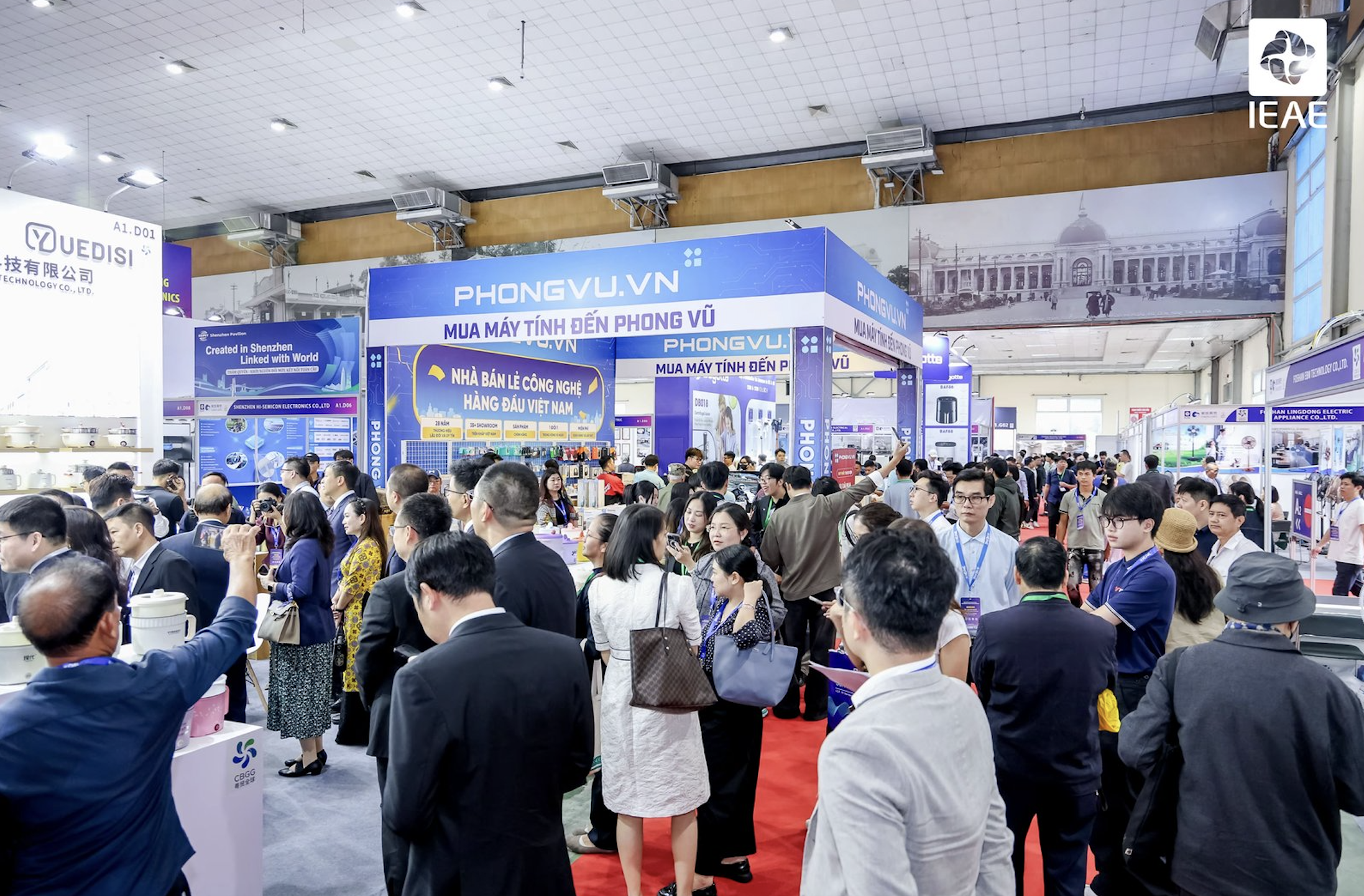
IEAE Hanoi 2026 will gather over 300 exhibitors, showcasing electronics, smart appliances and connecting businesses with sourcing and trade opportunities in Vietnam.
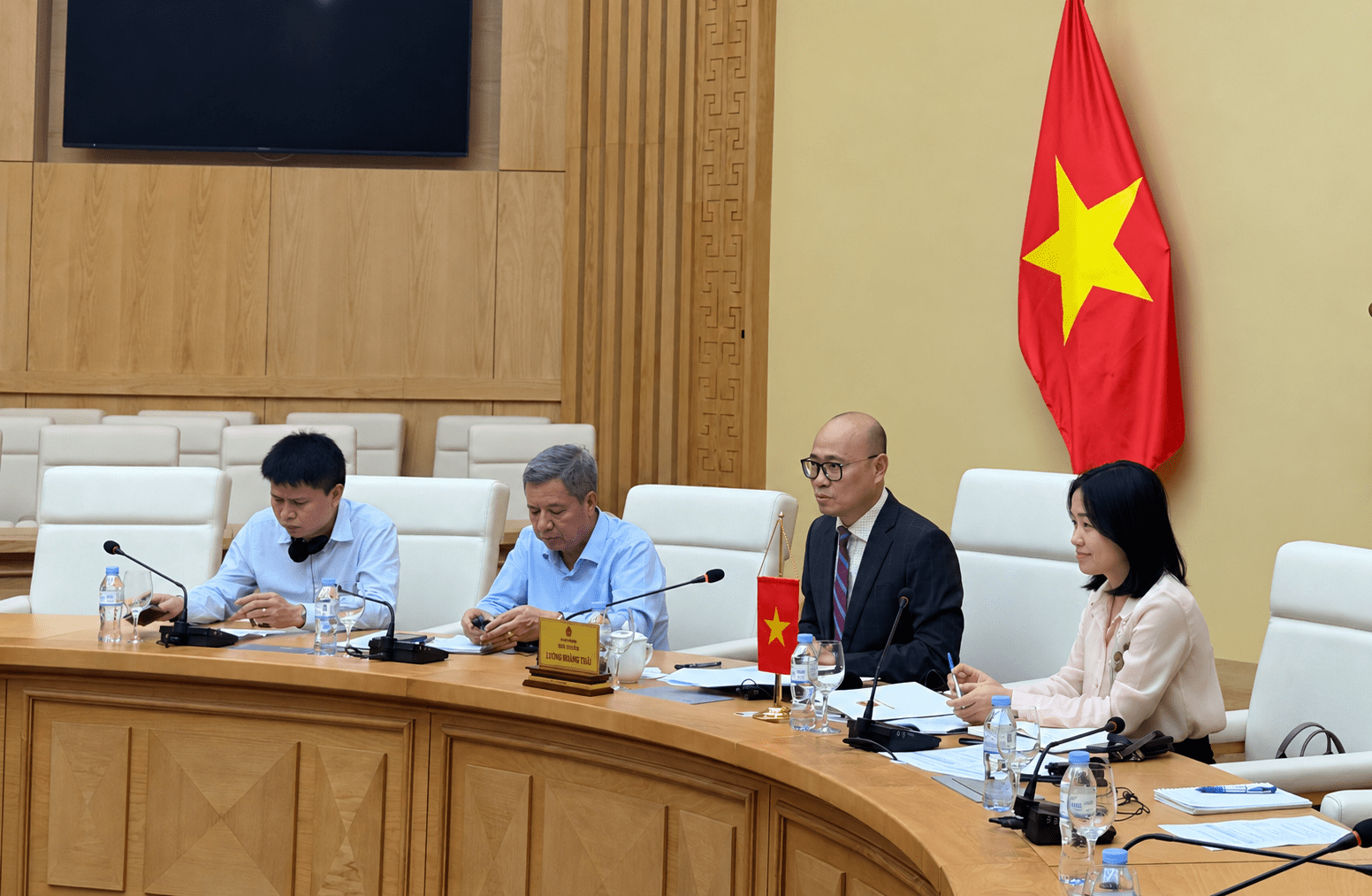
On October 13, Deputy Minister of Industry and Trade Luong Hoang Thai held a working session with MEDEF International, a French business organization, and representatives of French corporations operating in various sectors, including energy, industry, transport, construction and infrastructure development, food and beverages, and services, at the Ministry of Industry and Trade's headquarters.
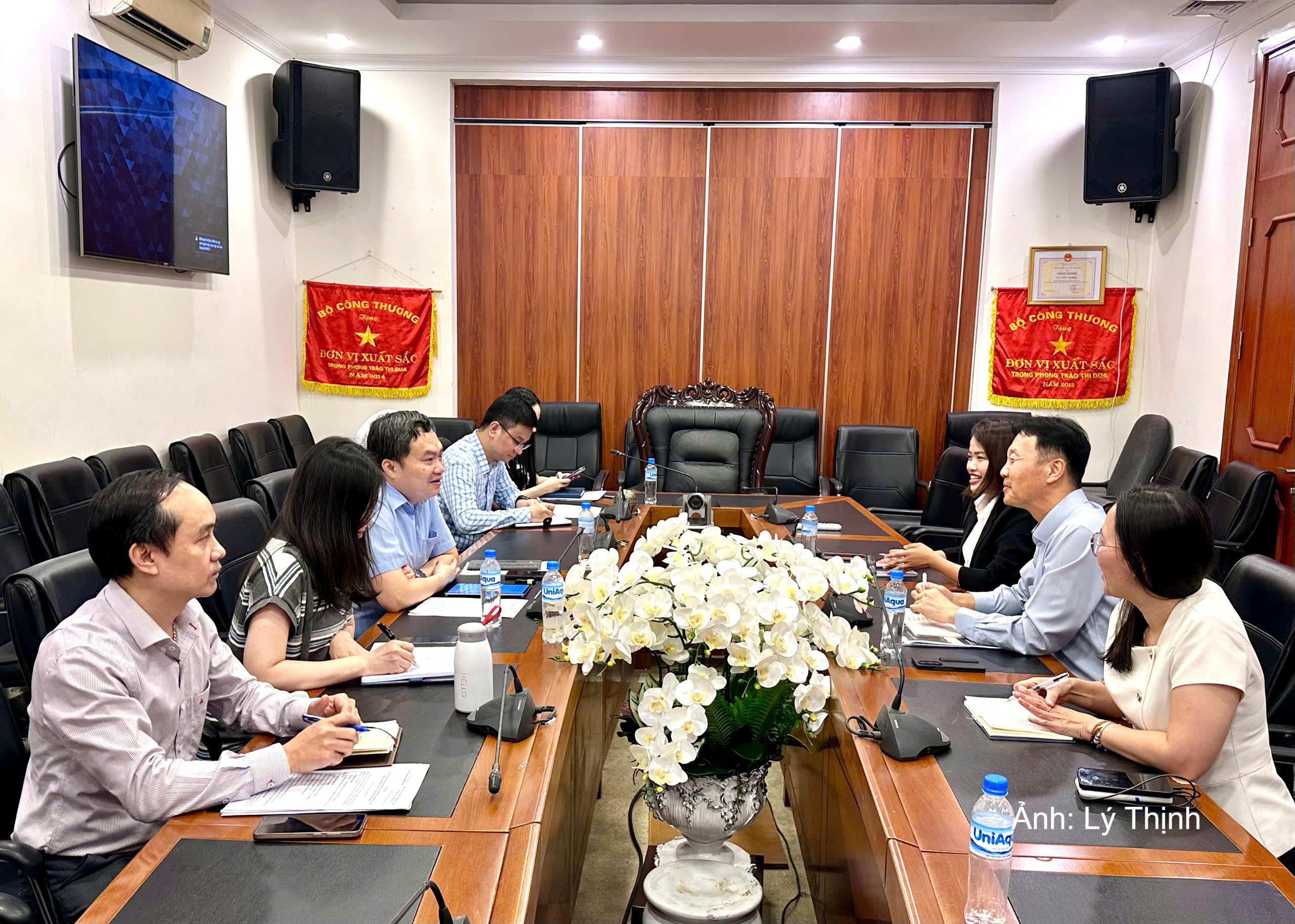
On October 14, Deputy Minister of Industry and Trade Luong Hoang Thai received and held a working session with a delegation from Hamburg, Germany, led by the city's First Mayor Peter Tschentscher at the Ministry of Industry and Trade's headquarters.
The Copyright Office is working closely with relevant agencies to develop plans for inspections and enforcement action against copyright and related rights infringements in the digital environment.
The Vietnam Industry Agency under the Ministry of Industry and Trade and Samsung Vietnam continue to strengthen cooperation in developing supporting industries, enhancing the capabilities of domestic enterprises and expanding opportunities for their participation in global supply chains.
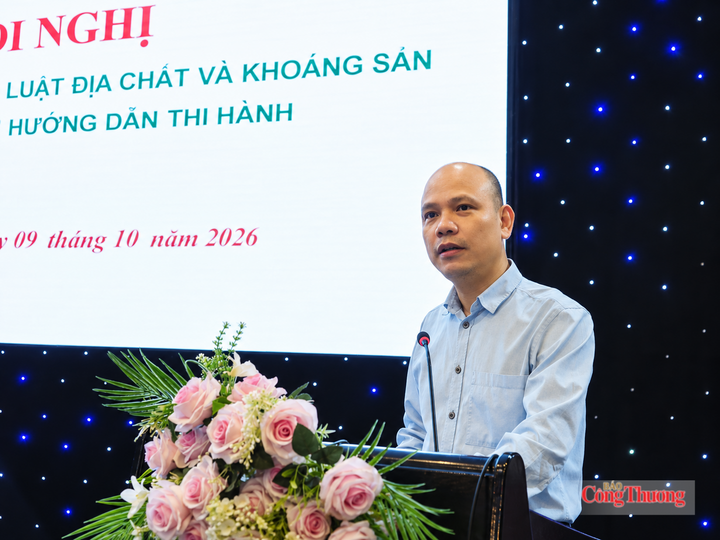
On October 9, the Viet Nam Department of Geology and Minerals, in coordination with the Thai Nguyen Department of Industry and Trade, held a conference in Thai Nguyen province to disseminate the Law on Geology and Minerals and its implementing regulations.
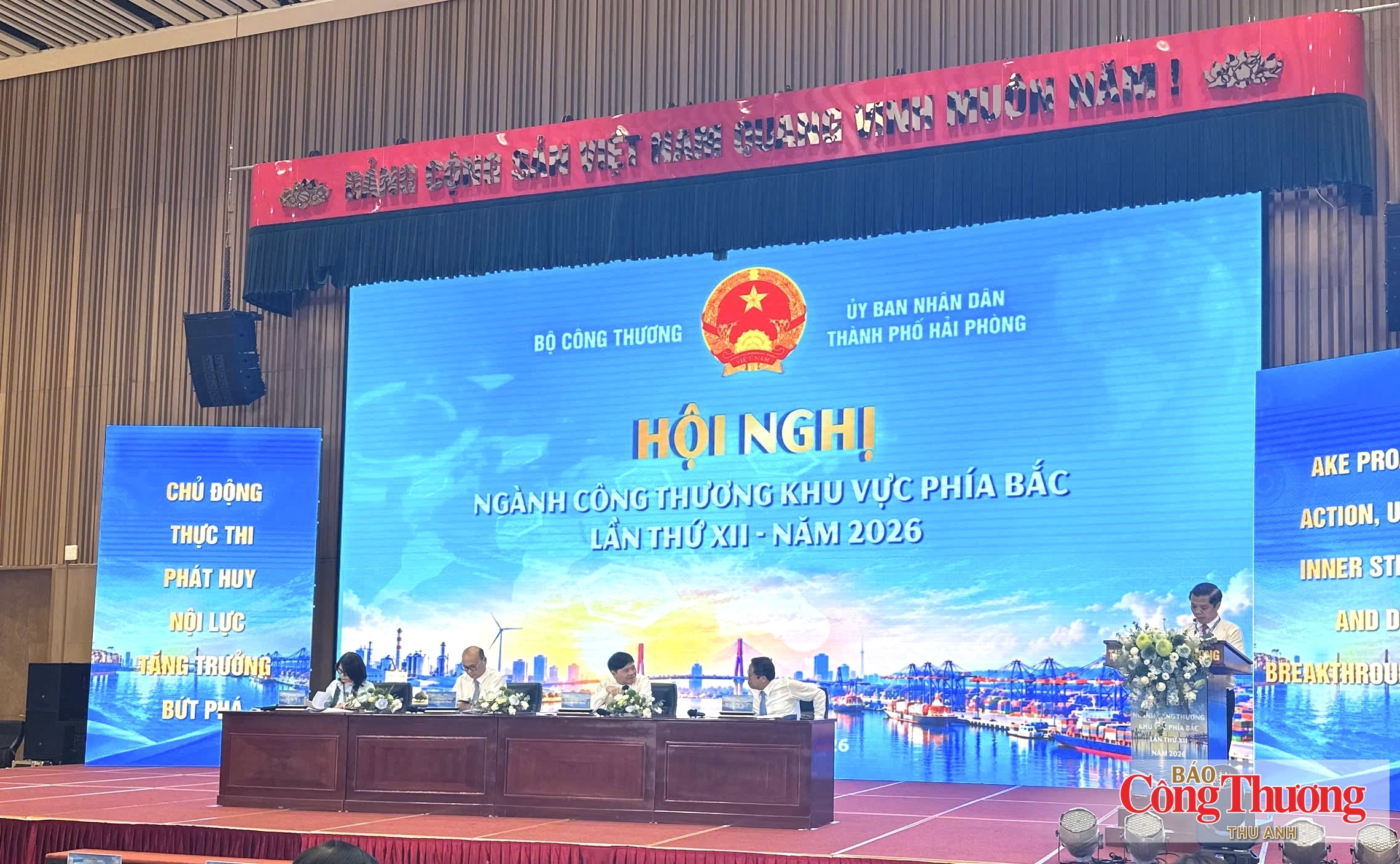
Northern localities are strengthening links in supporting industries, energy and logistics to build competitive value chains and create new growth drivers.
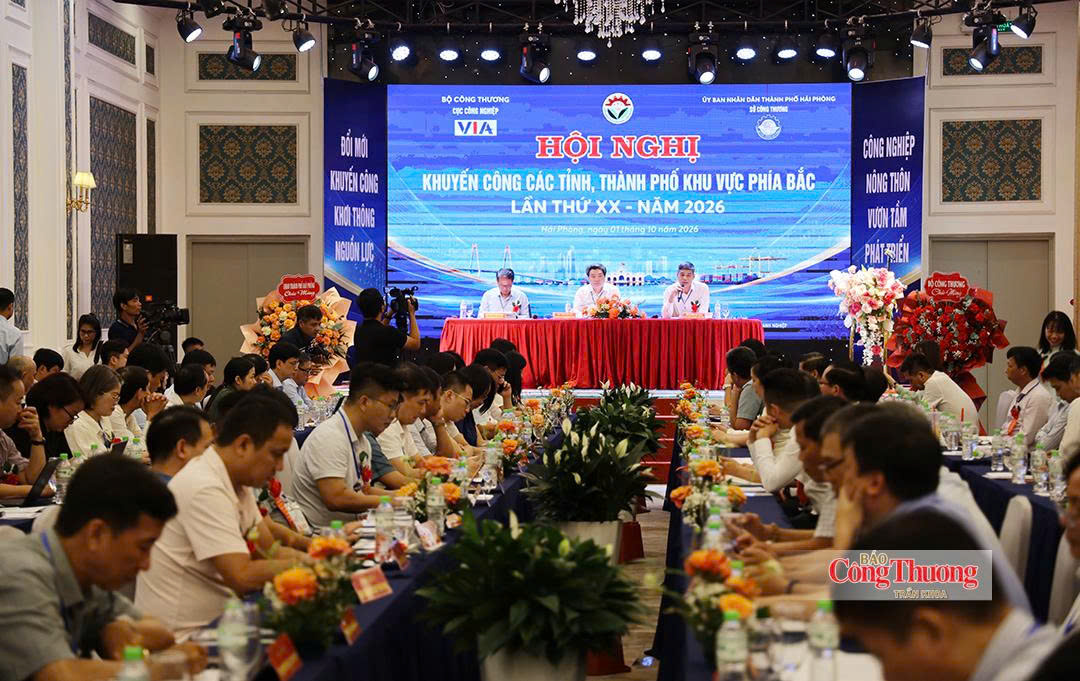
The 20th Industrial Promotion Conference for Northern Provinces and Cities in 2026 was held in Hai Phong City on October 1, with discussions focusing on renewing industrial promotion activities.
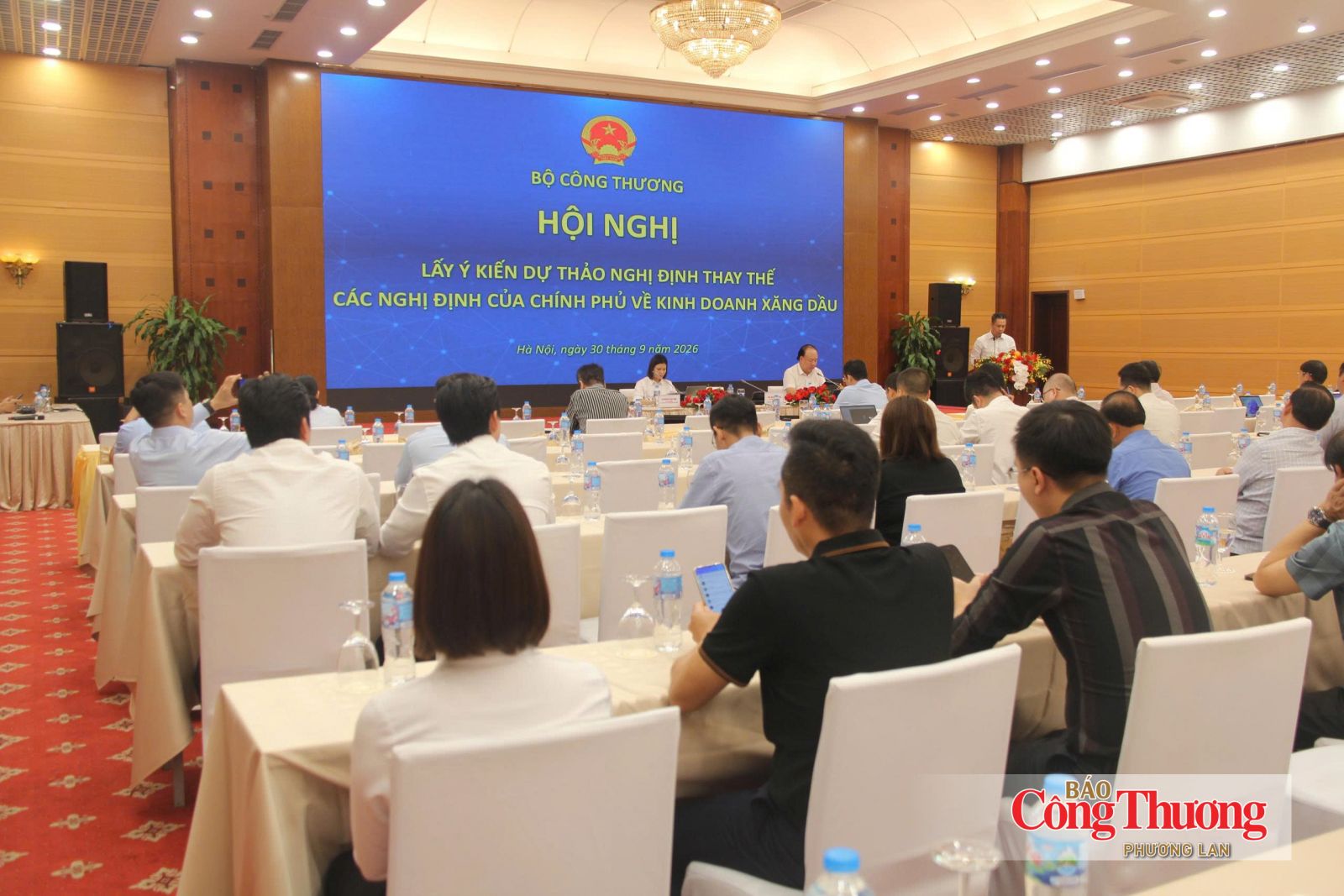
On September 30 in Ha Noi, the Ministry of Industry and Trade (MoIT) held a conference to gather broad feedback on a draft decree replacing the Government’s existing decrees on petroleum trading.