Prime Minister Pham Minh Chinh outlined five key actions and three pillars to develop Vietnam’s “silver economy” in response to rapid population aging.
At the conference, participants exchanged international experiences in adapting to population aging, assessed the implementation of Vietnam’s national strategy for the elderly, and proposed models for developing a “silver economy” suited to domestic conditions.
Developing the ‘silver economy’ to adapt to population aging
In his concluding remarks, Prime Minister Pham Minh Chinh emphasized the conference’s shared understanding that older people should not be viewed as a burden but rather as an important resource for national development, contributing to social progress and equity while reflecting the humanistic values embedded in development policies.
Analyzing global trends in the development of the silver economy, the Prime Minister noted that international experience points to three main groups of solutions for responding to population aging.
The conference was jointly organized by the Vietnam Association of the Elderly, the Ministry of Health and relevant agencies, and was connected online from the Government Headquarters to provinces and cities nationwide. Photo: VGP
First, improving the quality of life for older adults through long-term care systems, geriatric medicine, and community-based care services.
Second, adjusting retirement ages with greater flexibility. In the European Union, retirement ages are commonly set between 65 and 67. Germany has set the retirement age at 67, Japan encourages people to work until the age of 70, while South Korea has a roadmap to raise it to 68.
Third, encouraging businesses to invest in the silver economy market by developing products and services tailored to older adults, such as assistive technologies, age-friendly housing, wellness tourism, and specialized care services.
Prime Minister Pham Minh Chinh affirmed that the Communist Party of Vietnam and the State have consistently paid attention to supporting and creating conditions for older people to continue contributing to society, thereby laying the political and legal foundation for developing the silver economy in Vietnam.
The documents of the 14th National Congress set targets for Vietnam to achieve a Human Development Index (HDI) of around 0.8, an average life expectancy of about 75.5 years, and at least 68 years of healthy life expectancy. Vietnam also aims to rank among the world’s top 40 countries in the global happiness index.
As part of the action program implementing the Party’s resolutions, the Party Central Committee’s Policy and Strategy Commission has been assigned to lead the development of a project on the silver economy to enhance social welfare and promote the contributions of older people to socio-economic development.
In addition, Resolution No. 72-NQ/TW of the Politburo on strengthening the protection and improvement of public health places particular emphasis on healthcare for older adults in the context of population aging. The Government has also issued the National Strategy on Older Persons under Decision No. 383 dated February 21, 2025, Directive No. 35 dated December 23, 2025 by the Prime Minister on strengthening work related to older people, and Resolution No. 36 dated March 6, 2026 aimed at promoting high-quality healthcare services.
The conference was jointly organized by the Vietnam Association of the Elderly, the Ministry of Health, and relevant agencies, connecting the Government Headquarters with provinces and cities nationwide via an online platform. Photo: VGP
A new growth driver for the economy
According to the Prime Minister, Vietnam has already formed two fundamental elements in its thinking on developing the silver economy.
First, population aging is opening up a new source of momentum and resources for development.
Second, older people represent a valuable asset of the nation and serve as a pillar of support for families and society.
Assessing the domestic situation, the Prime Minister said awareness of the silver economy has been steadily increasing. Caring for older adults is no longer seen solely as a healthcare or social welfare issue but also as an economic sector with significant growth potential.
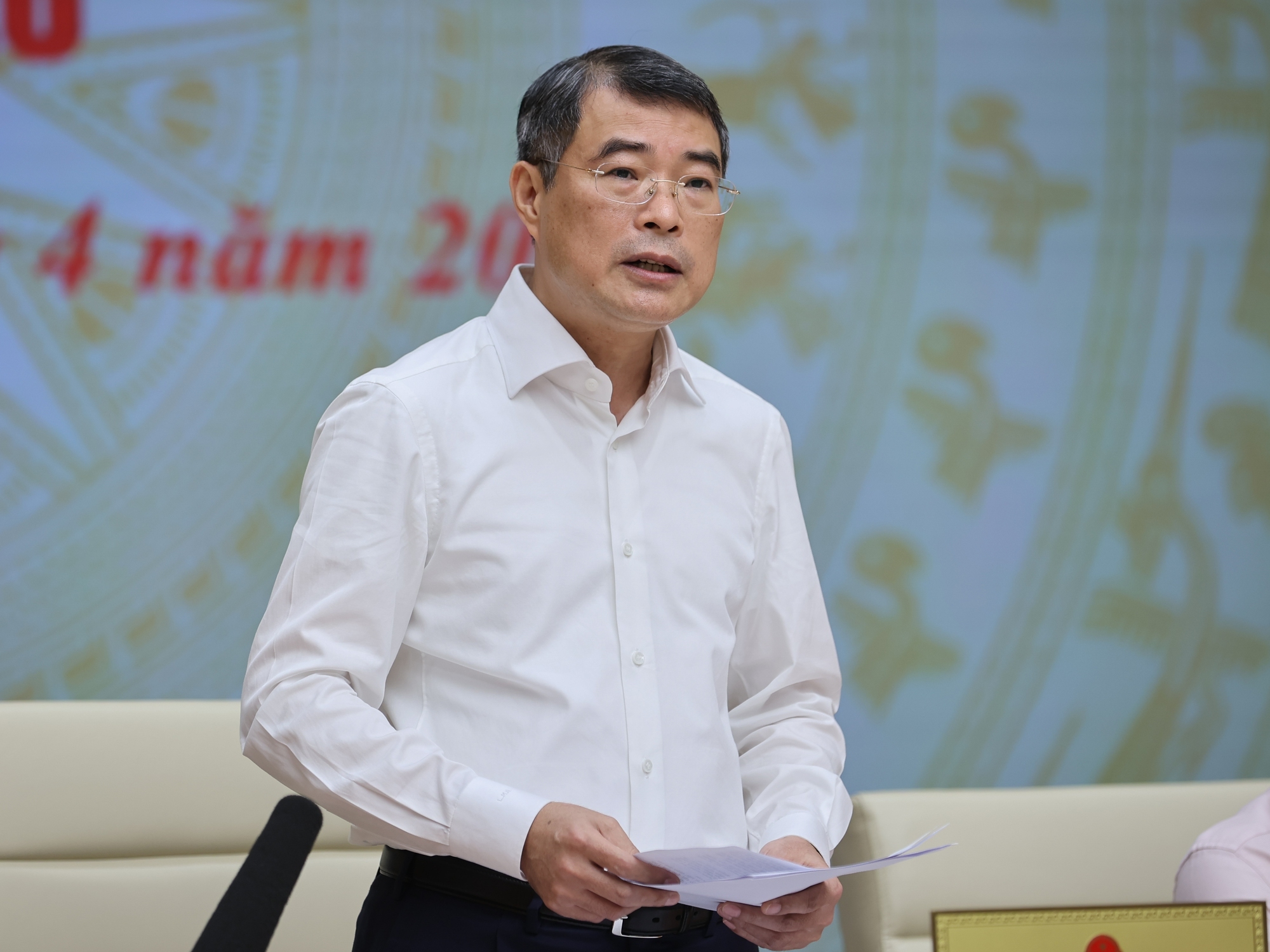
Nguyen Thanh Binh, Chairman of the Vietnam Association of the Elderly, delivers remarks. Photo: VGP
Vietnam has also gradually established a policy framework to adapt to population aging. The retirement age has been adjusted under the Labor Code and Decree No. 135 of 2020, with a roadmap to raise it to 62 for men by 2028 and 60 for women by 2035.
Several community-based models, such as intergenerational clubs, have also been introduced to provide care, social activities, and livelihood support for older adults.
However, the Prime Minister acknowledged that the development of the silver economy in Vietnam still faces many limitations. These include the absence of a comprehensive policy framework, insufficient mechanisms to unlock development potential, limited mobilization of social resources, and inadequate public-private partnerships.
The long-term care system remains underdeveloped, service quality is uneven, and the economic role of older adults has not yet been fully realized.
He attributed these challenges partly to the rapid pace of population aging, while the ecosystem of services for the elderly has not yet caught up. Markets for long-term care and assistive technologies remain limited, policy thinking still leans heavily toward social protection, and implementation capacity across localities remains uneven.
Looking ahead, the Prime Minister stressed that the development of the silver economy must be pursued comprehensively and in a coordinated manner, aligned with the goals of the 14th National Congress and the National Strategy for Older Persons through 2035.
The Government has identified five key areas of action: raising social awareness of the silver economy, developing a healthcare ecosystem for older adults, encouraging businesses to develop age-friendly services, promoting the role of older people in communities, and strengthening the role of the Vietnam Association of the Elderly.
Three development pillars have also been identified: older people as the center and key actors within the silver economy ecosystem; businesses as the driving force for innovation and implementation; and the State as the architect of institutions and the legal framework.
The Prime Minister requested ministries, sectors, and local authorities to synchronously implement tasks related to institutional development, infrastructure for elderly care, mobilization of social resources, and human resource training.
Under the plan, the Ministry of Health will finalize the national strategy for adapting to population aging and draft revisions to the Law on Older Persons, expected to be submitted to the National Assembly in 2027. The Ministry of Finance will formulate a national silver economy strategy through 2045, while the Ministry of Foreign Affairs will prepare a project to strengthen international cooperation on issues related to older people.
The Ministry of Industry and Trade has been tasked with studying and developing models for a silver economy ecosystem that integrates technology, services, and production to meet the needs of older adults.
The Prime Minister emphasized that population aging is an inevitable trend of development. The key lies in proactively adapting through appropriate policies and effective actions to build a sustainable silver economy ecosystem that can create new momentum for growth and innovation.
He also expressed confidence that Vietnam’s older generations will continue to set positive examples and actively contribute to national development in the new era across all fields, guided by the 24-word motto:“Older age, shining example - Healthy aging - A pillar for descendants - Advancing the nation - Profound wisdom - Leading nation-building.”
On April 24, Prime Minister Le Minh Hung chaired a nationwide conference on accelerating the allocation and disbursement of public investment capital in 2026.
International media highlight Vietnam’s strong growth, rising FDI, market upgrades and tourism appeal, reinforcing its growing role and global standing today.
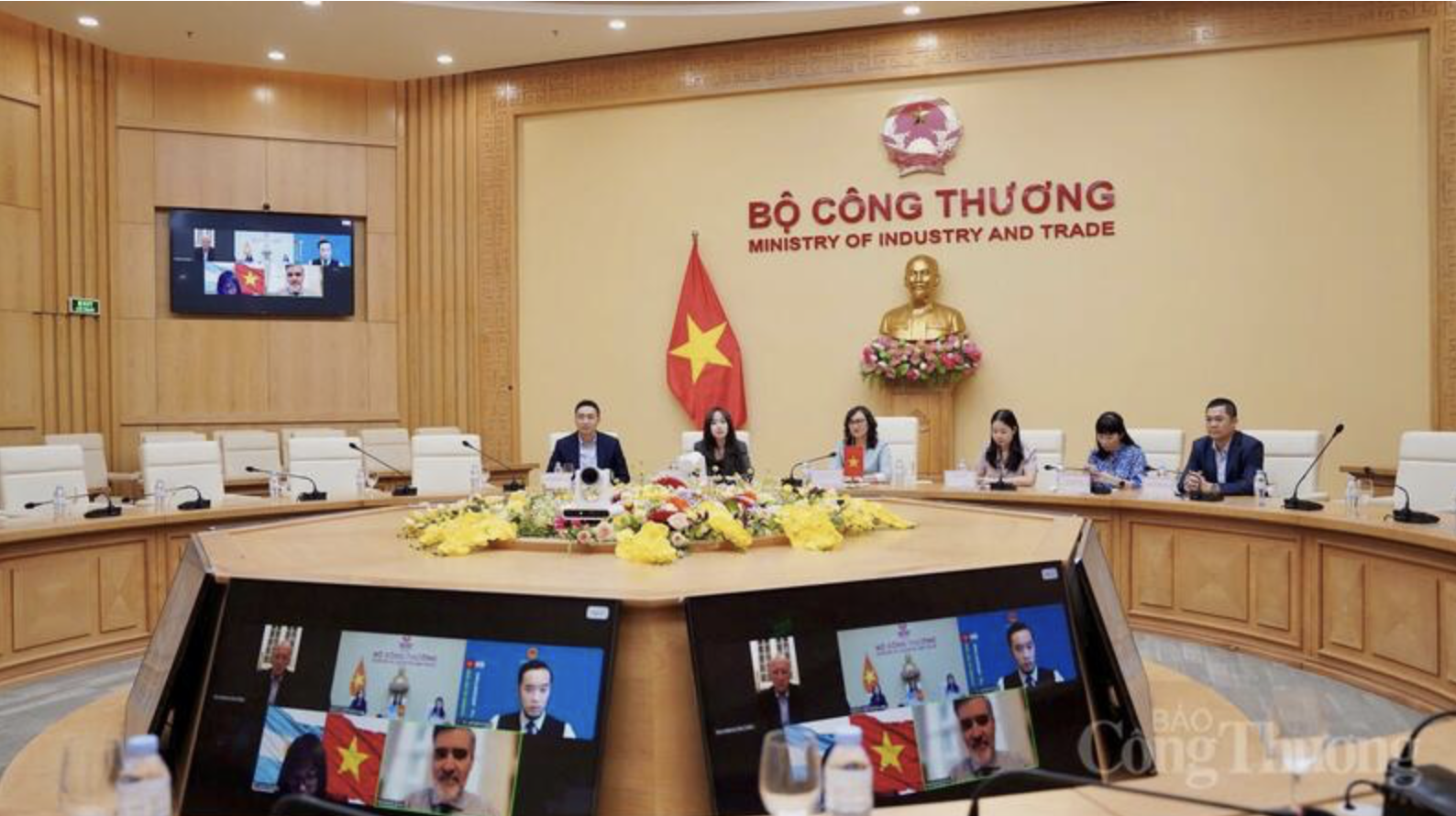
The Ministry of Industry and Trade (MoIT) held trade promotion activities in Yunnan and Shandong, boosting business links, exports, and investment cooperation between Vietnam and China.
A prestigious international award and a two-million-guest milestone mark a strategic evolution, highlighting the success of the entertainment-led integrated resort model in the regional hospitality market.
On April 24, Prime Minister Le Minh Hung chaired a nationwide conference on accelerating the allocation and disbursement of public investment capital in 2026.
A prestigious international award and a two-million-guest milestone mark a strategic evolution, highlighting the success of the entertainment-led integrated resort model in the regional hospitality market.
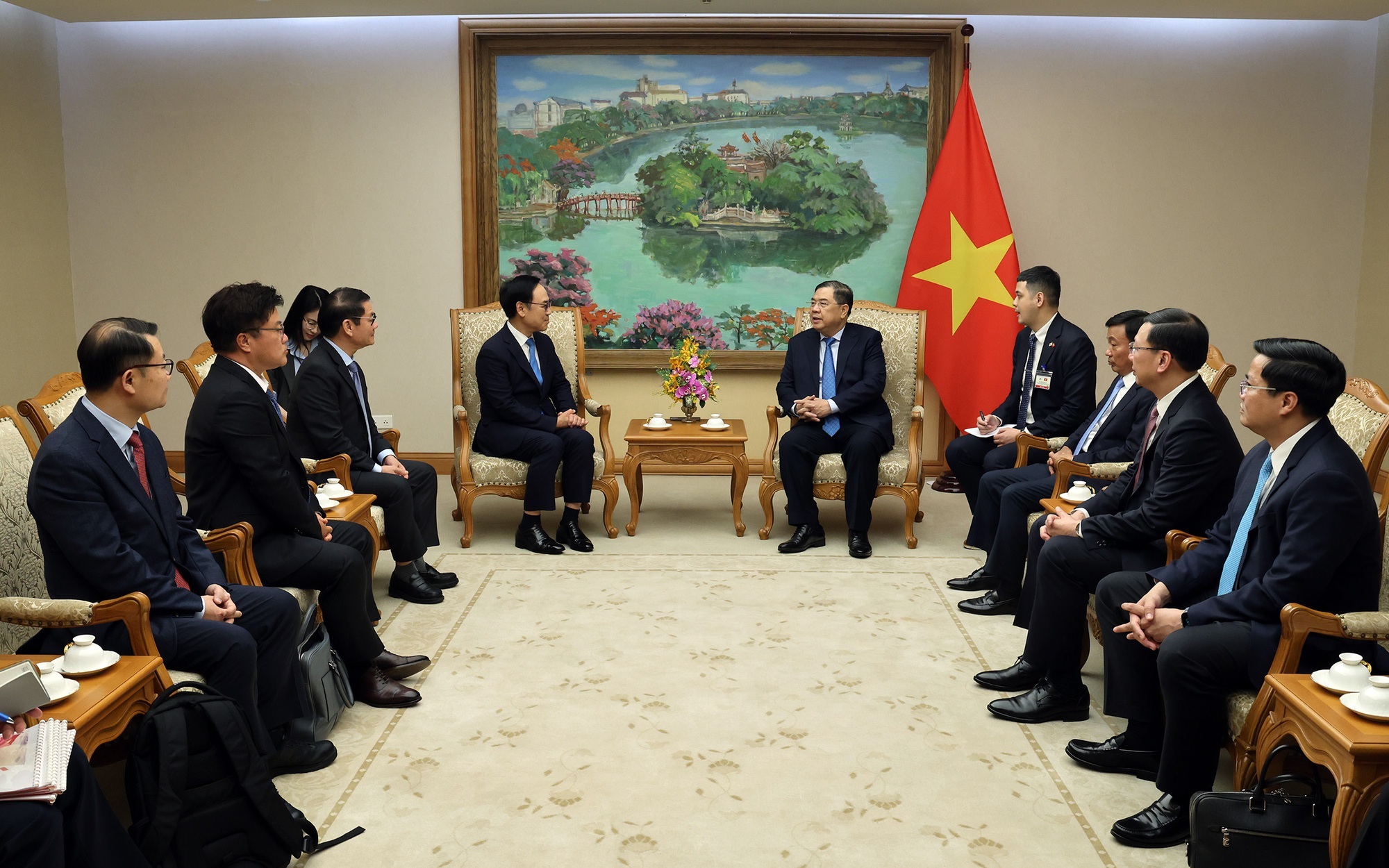
Permanent Deputy Prime Minister Pham Gia Tuc urged Hyundai Rotem to expand cooperation, technology transfer, and participation in Vietnam’s railway projects.
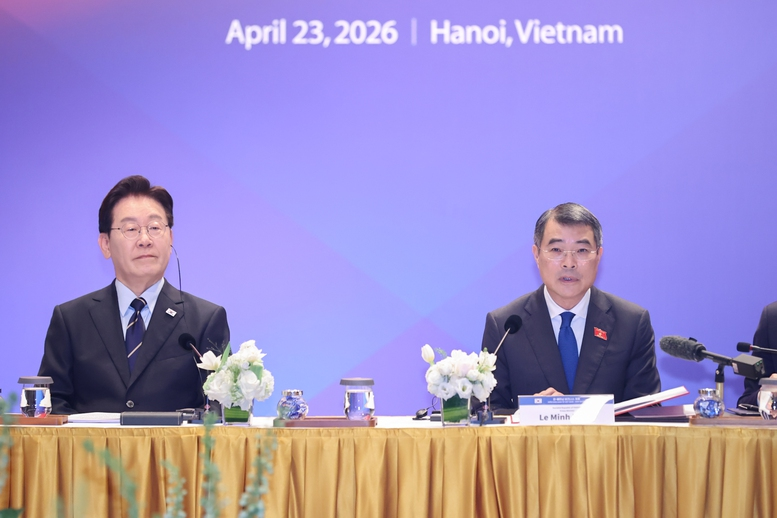
Prime Minister Le Minh Hung and President Lee Jae Myung led a Vietnam - the Republic of Korea (RoK) business roundtable in Hanoi, calling for deeper high tech cooperation.