Hanoi launches Earth Hour 2026, calling for efficient energy use amid rising demand and summer heat pressures.
The event aims to sustain and promote energy-saving and efficiency initiatives with strong community-wide impact, while honoring collectives and individuals in the capital who actively contribute to ensuring power supply, conserving energy and resources, and protecting a sustainable living environment.
In 2026, the campaign is held under the theme “Green Innovation - Green Future,” taking place from 9:00 a.m to 9:30 p.m on March 28 at the Thong Nhat Park in Hai Ba Trung ward, Hanoi.
In recent years, Hanoi has consistently affirmed its role as a leading economic engine of the Northern Key Economic Region and the country, driving sustainable growth through green economy development, circular economy practices, and efficient energy use. During the 2021 - 2025 period, with concerted efforts from authorities at all levels, businesses, and residents, the city achieved notable energy milestones, including total energy savings of 705.7 kTOE, equivalent to 8.26% of projected demand; installed rooftop solar capacity reaching 118 MWp and the stable operation of Soc Son and Seraphin waste-to-energy plants with a combined capacity of 127 MW.
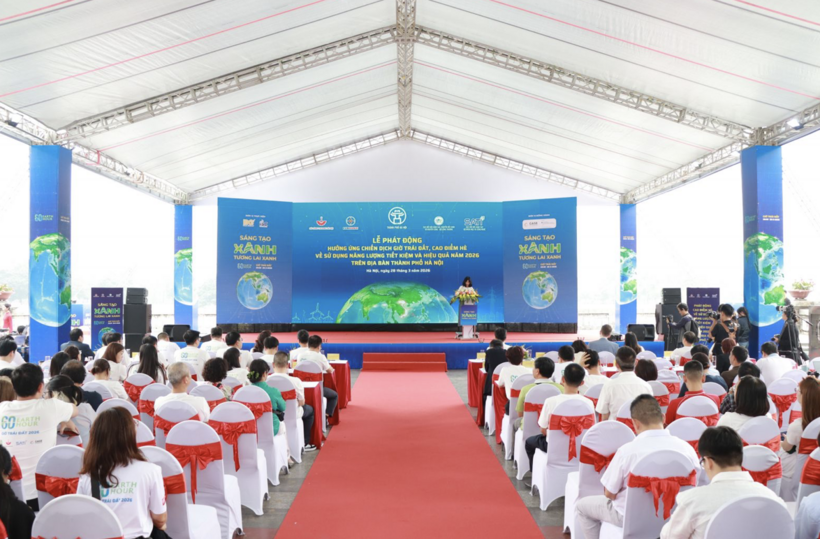
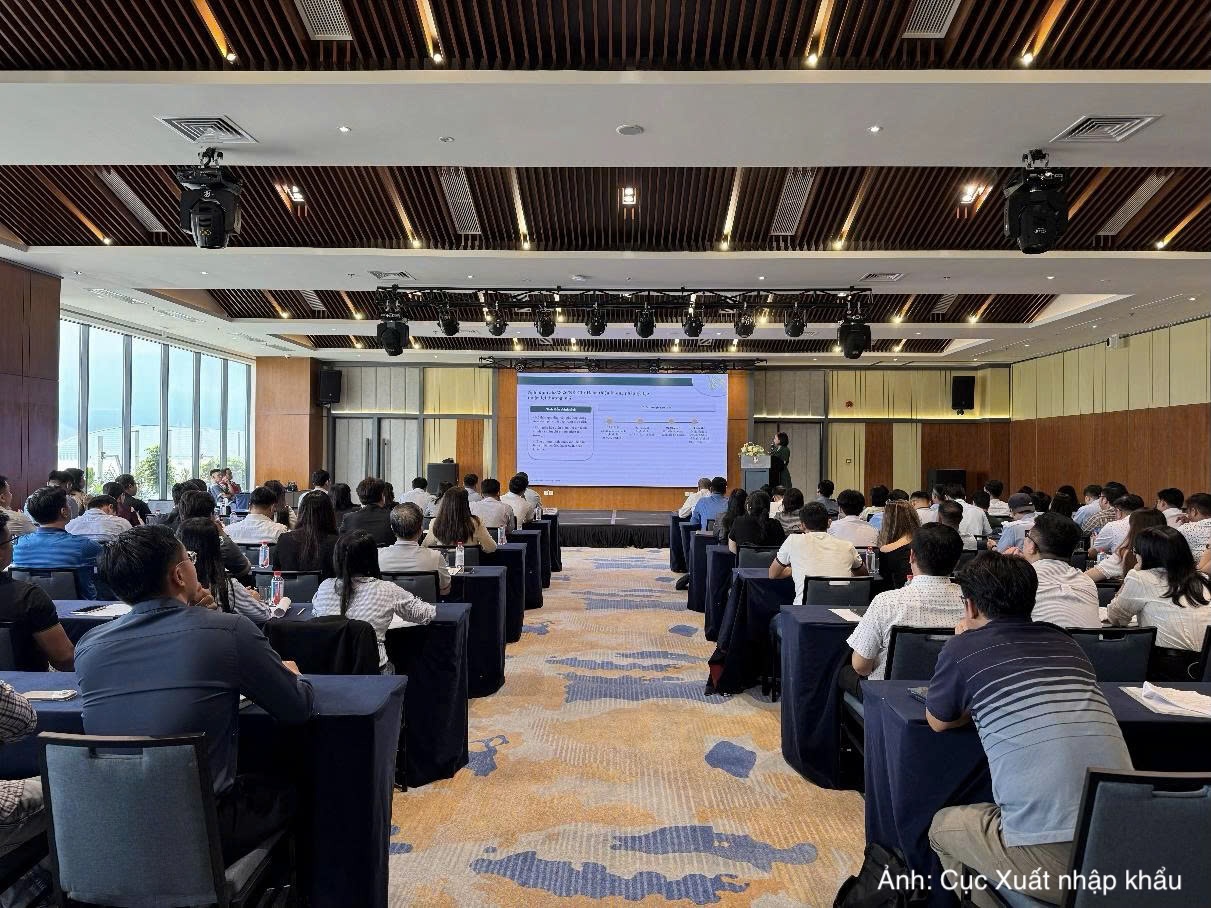
Overview of the event.
Despite these achievements, Hanoi continues to face significant challenges in energy supply, particularly during the summer peak when electricity demand surges. In 2026, meteorological forecasts indicate that prolonged and early-arriving El Niño conditions may lead to higher temperatures and potential drought, adversely affecting hydropower generation. Meanwhile, rapidly evolving and increasingly complex global geopolitical developments, along with disruptions in global energy supply chains, have driven up prices, directly impacting domestic fuel supply and input costs for gas- and coal-fired power plants.
These factors place considerable pressure on national energy forecasting, reserves, and distribution management. Coupled with ambitious socio-economic growth targets, the electrification of transport, and anticipated heatwaves, electricity demand is expected to rise sharply, with potential record-breaking spikes.
On March 19, 2026, the Prime Minister issued Directive No. 09/CT-TTg on strengthening energy conservation, accelerating energy transition, and promoting electric vehicles. The directive sets targets to reduce energy consumption per unit of GDP by 1 - 1.5% annually by 2030; achieve a minimum annual electricity savings rate of 3% among major energy-consuming facilities; reduce transmission and distribution losses to 5.8% by 2030; ensure 100% of key energy users adopt energy management systems; and convert at least 50% of public transport vehicles in major cities to electric power.
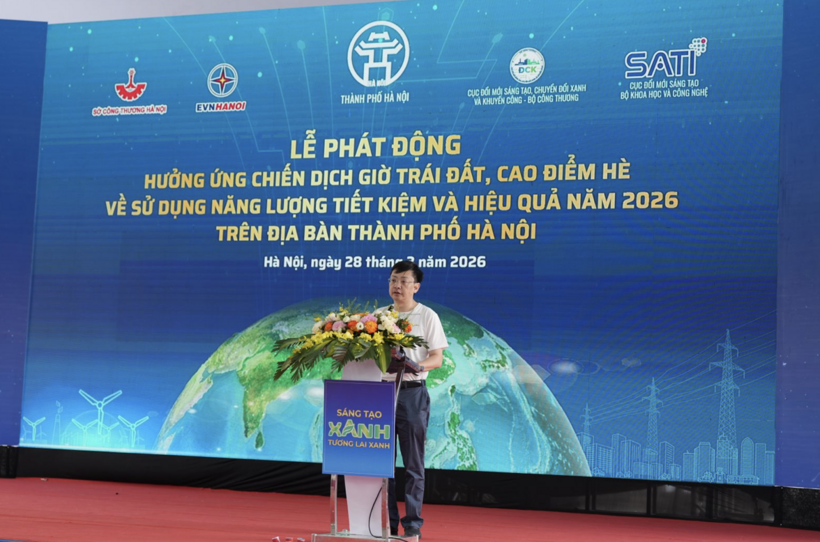
Dang Hai Dung, Deputy Director of the Agency for Innovation, Green Transition and Industry Promotion, delivers remarks at the event.
Implementing the Prime Minister’s directive, and to ensure energy security, especially during peak summer demand, alongside macro-level measures to balance supply and manage load, energy conservation and efficient, intelligent use of energy through practical actions and concrete solutions by the entire political system, businesses, and the public are considered critical in the current period and the months ahead.
These efforts contribute to Hanoi’s 2026 targets of achieving energy savings of 1.6 - 1.8% compared to projected demand; at least 2.2% electricity savings across consumption sectors; 3% annual savings among major energy users; reducing grid losses to below 3.5%; recognizing 60 facilities with “Green Energy” certification; and honoring 1,260 exemplary households at the city level and 6,300 at the ward and commune levels for efficient energy use.
Speaking at the event, Dang Hai Dung, Deputy Director of the Agency for Innovation, Green Transition and Industry Promotion, emphasized that the initiative carries practical significance, not only in raising public awareness but also in delivering a clear message on responsible energy use in the new context.
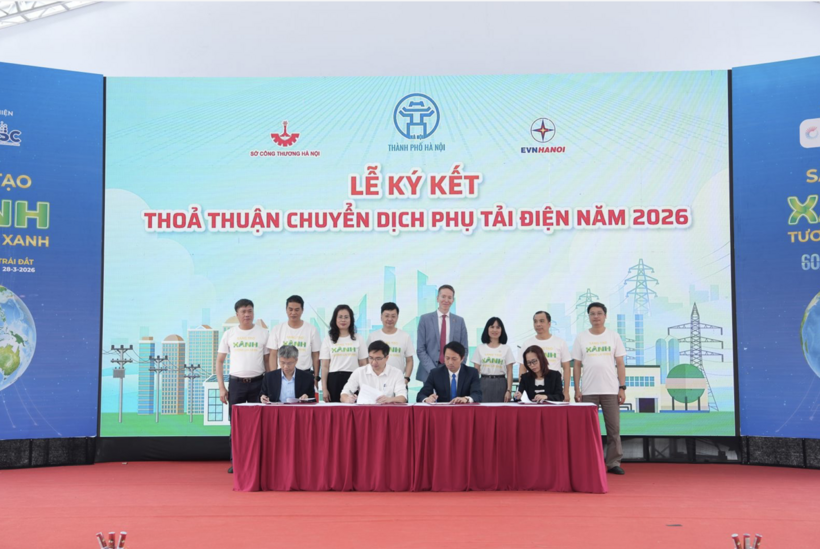
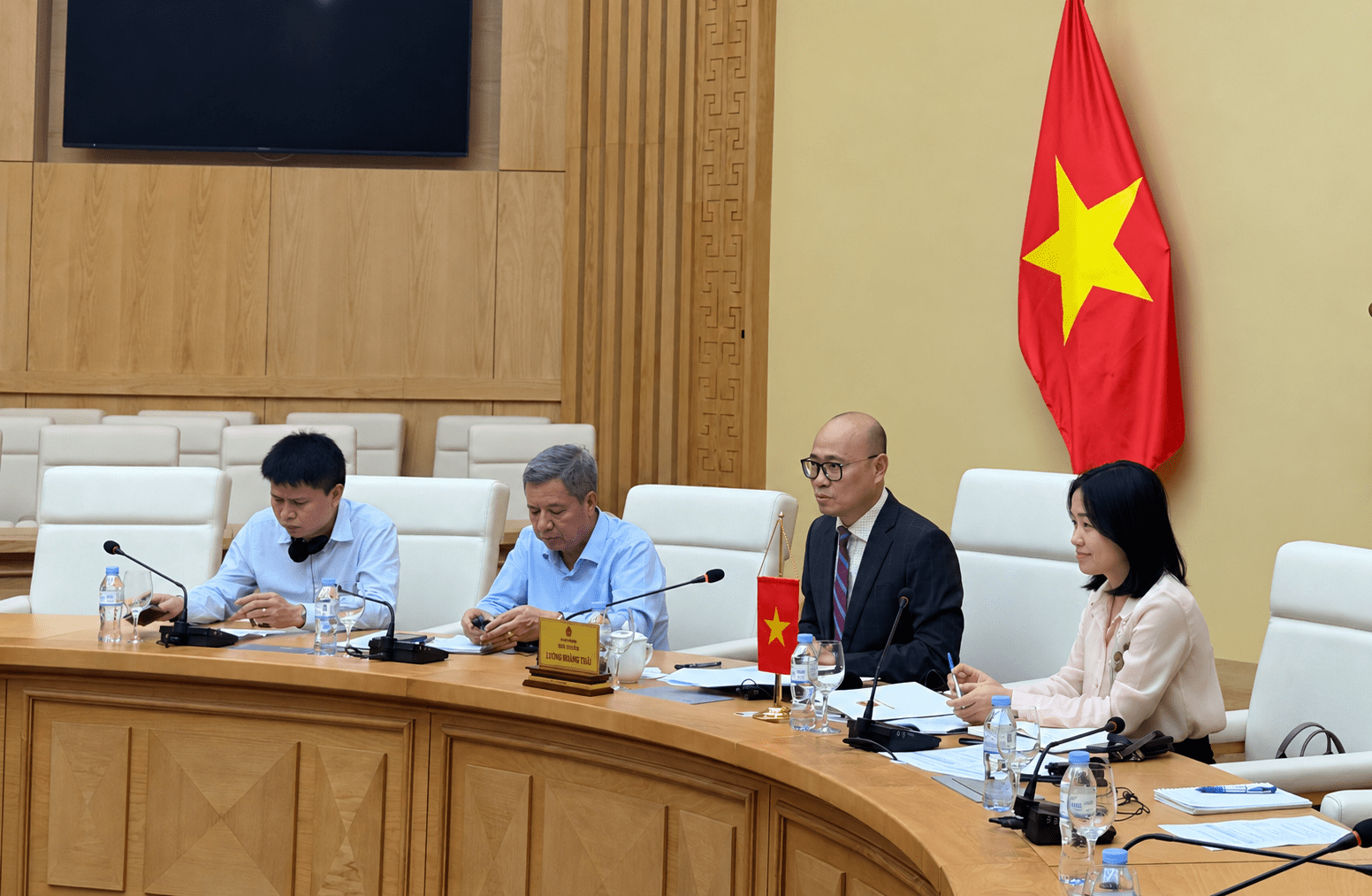
Signing ceremony of the demand response agreement.
“We are entering a new phase of development in which the energy challenge is no longer solely about meeting demand but has become a cornerstone of macroeconomic stability, competitiveness, and the quality of growth. Energy demand continues to rise; the transition is accelerating; and external factors are becoming increasingly complex and unpredictable. In particular, recent volatility in global energy markets, especially oil, has created significant pressure on ensuring supply and controlling domestic energy costs,” he noted.
In this context, ensuring energy security in tandem with sustainable development has become more urgent than ever. This orientation is clearly defined in Politburo Resolution No. 70-NQ/TW, which emphasizes efficient energy use, the development of a diversified and sustainable energy system, and reduced dependence on external energy sources. It is also concretized in Directive No. 09/CT-TTg issued by the Prime Minister in 2026, with specific goals and solutions.
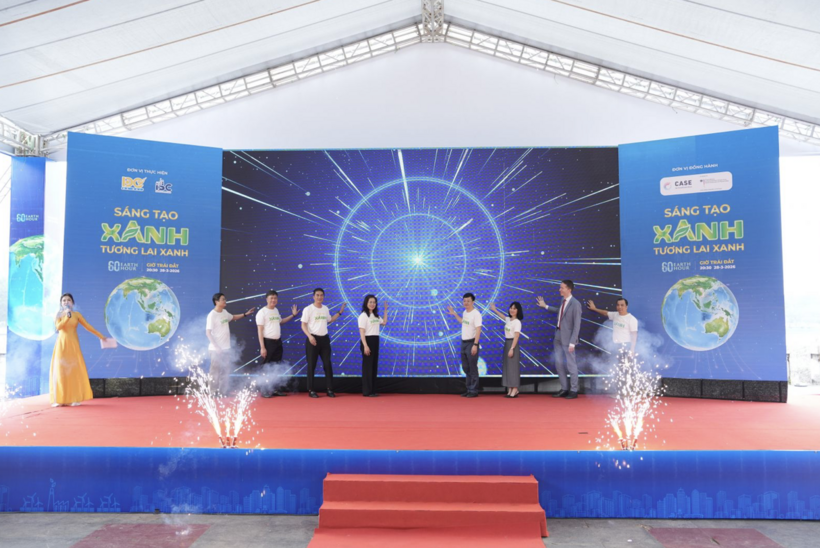
Delegates perform the launch ceremony ritual.
“With this year’s message, ‘Green Innovation - Green Future,’ we aim to promote a new approach: energy conservation is not merely about reduction, but about becoming smarter, more efficient, and more sustainable. Innovation, digital transformation, technological application, high-efficiency equipment, and modern energy management are key drivers to enhance energy efficiency across the economy. Each innovative solution today will help shape a green lifestyle, modern production and consumption patterns, and a sustainable economy in the future,” the Ministry of Industry and Trade representative stated.
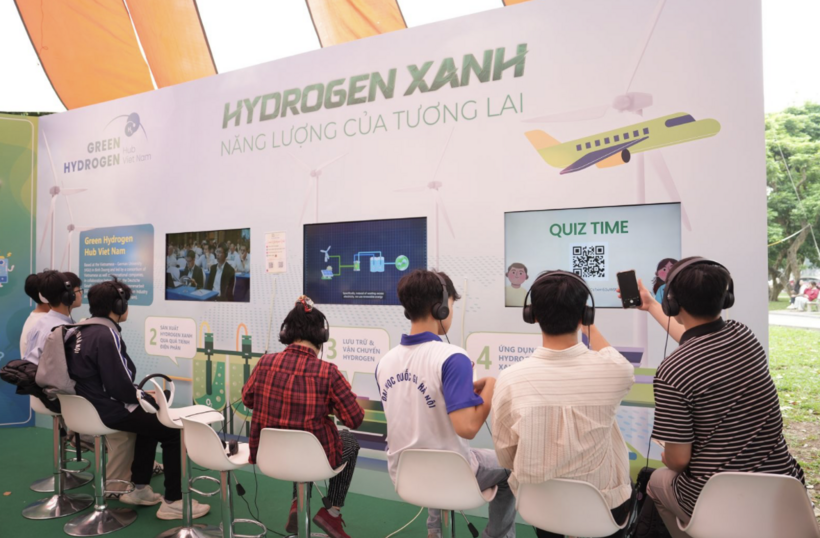
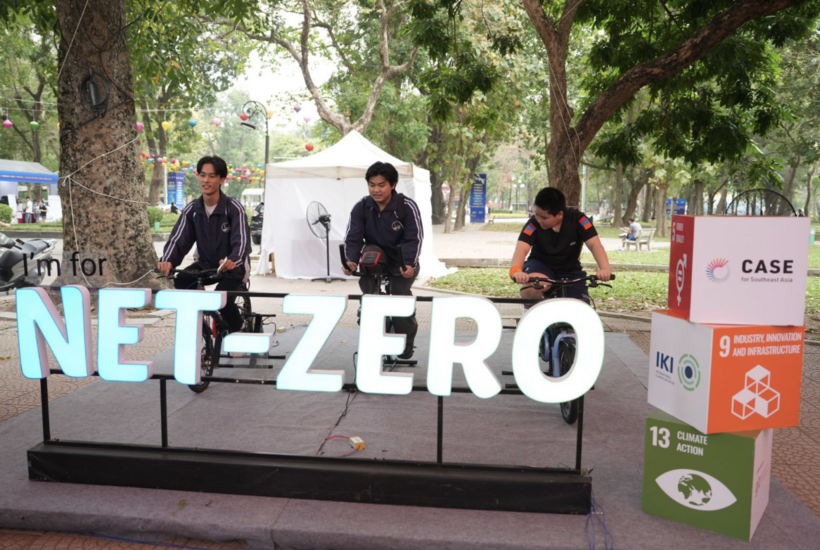
Energy-saving experience activities at the event.
According to Dang Hai Dung, Earth Hour should go beyond the symbolic 60 minutes of switching off lights and be translated into continuous, year-round actions, including technological innovation, optimization of energy use in production, adoption of modern energy management systems, and the formation of responsible energy consumption habits in daily life.
On October 13, the Agency of Foreign Trade under the Ministry of Industry and Trade (MoIT) held a conference in Dong Thap province to disseminate Government Decree No.365/2026/ND-CP dated September 23, 2026, on rice export and import business, and Circular No.65/2026/TT-BCT dated October 1, 2026, issued by the Minister of Industry and Trade, detailing certain provisions and measures for implementing Decree No.365/2026/ND-CP.
On October 13, Deputy Minister of Industry and Trade Luong Hoang Thai held a working session with MEDEF International, a French business organization, and representatives of French corporations operating in various sectors, including energy, industry, transport, construction and infrastructure development, food and beverages, and services, at the Ministry of Industry and Trade's headquarters.
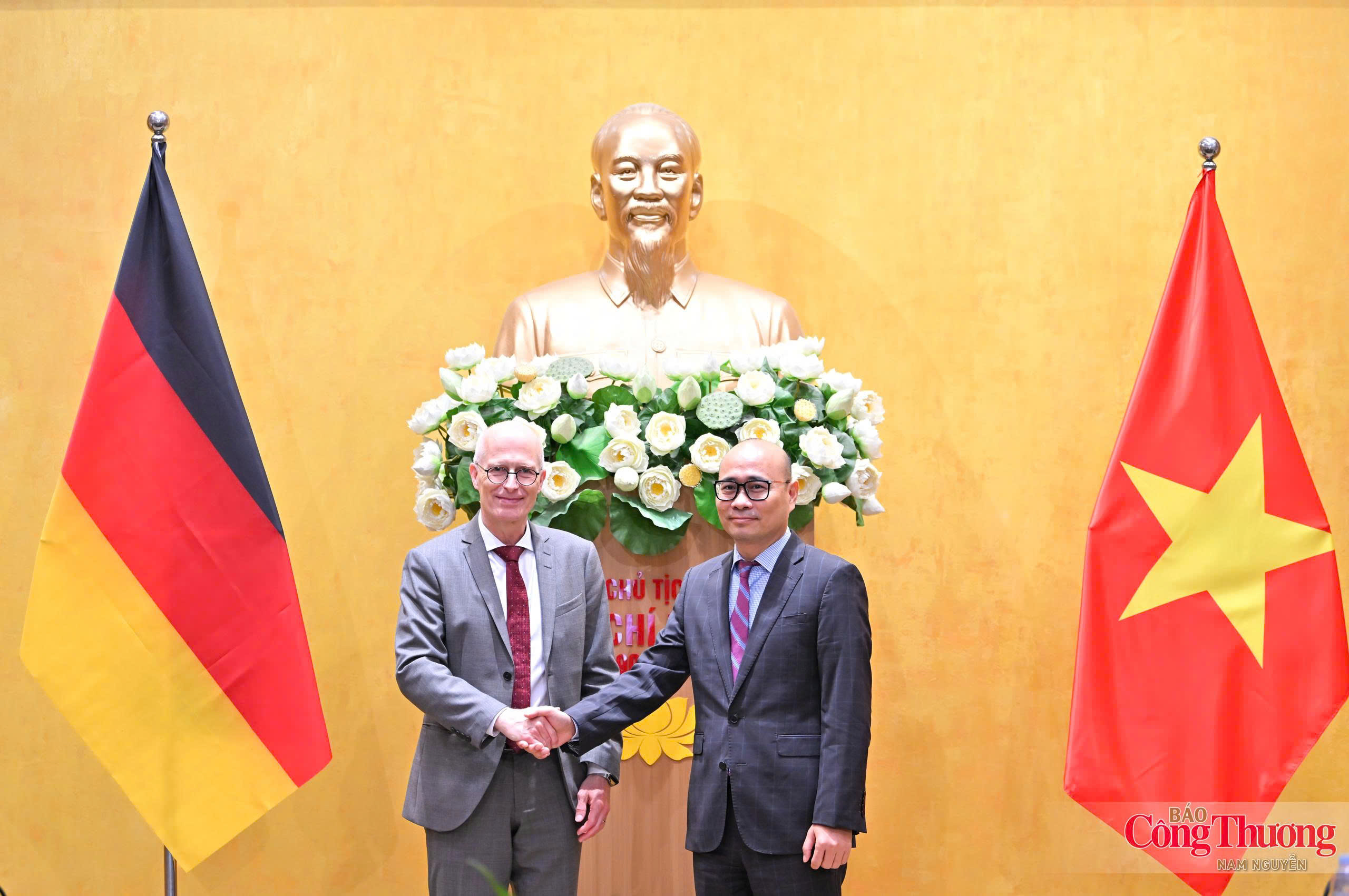
On October 14, Deputy Minister of Industry and Trade Luong Hoang Thai received and held a working session with a delegation from Hamburg, Germany, led by the city's First Mayor Peter Tschentscher at the Ministry of Industry and Trade's headquarters.
The Copyright Office is working closely with relevant agencies to develop plans for inspections and enforcement action against copyright and related rights infringements in the digital environment.
Viet Nam’s cultural industries are poised for growth as development targets become clearer, the digital content market expands and technology creates new ways.
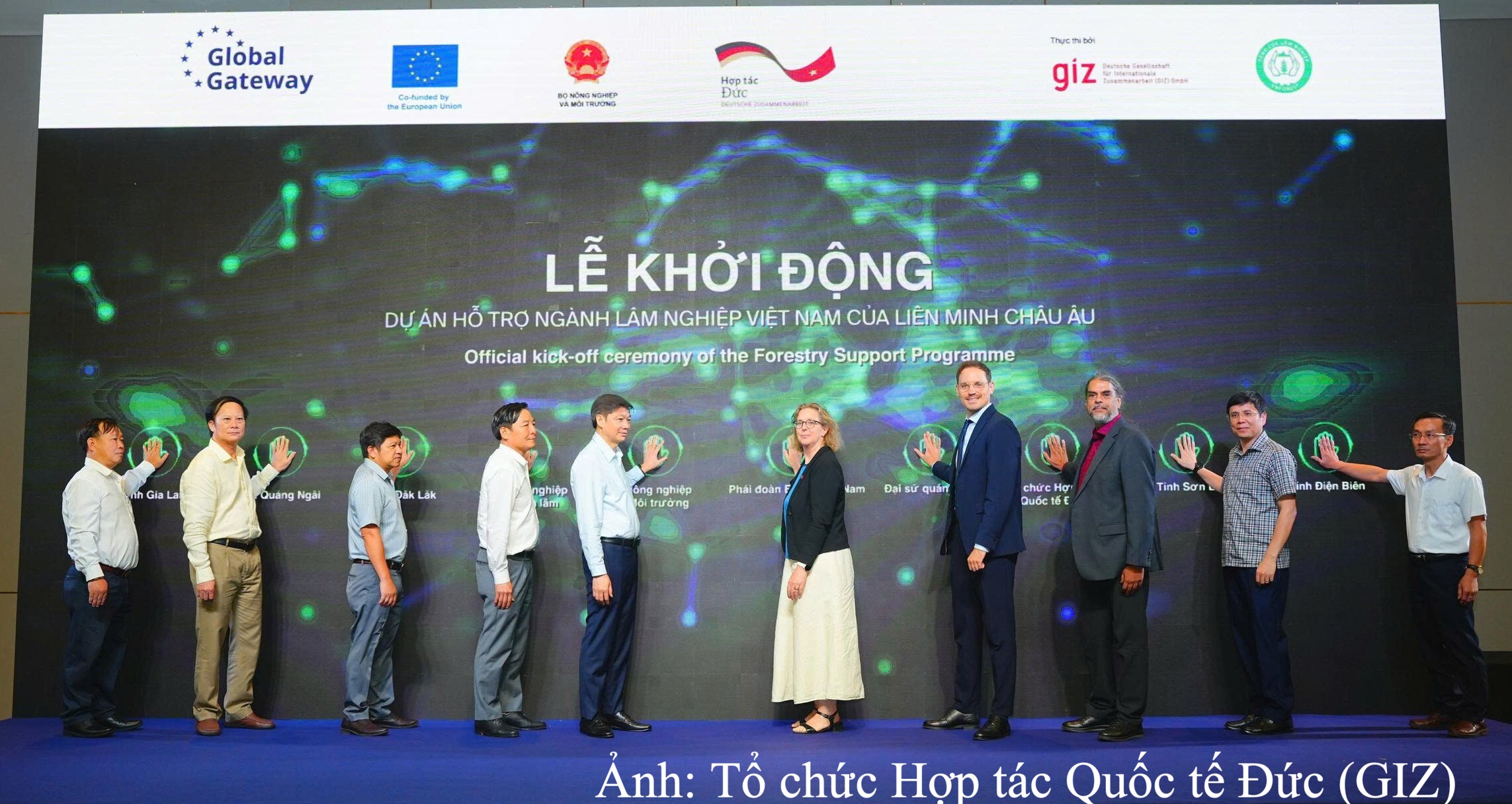
Viet Nam, the EU, and Germany have launched a forestry project to restore and sustainably manage natural forests, advancing green growth and climate resilience.
From 29 June, Vietnam’s domestic carbon market officially entered its pilot phase, marking a transition from emissions management through administrative command-and-control measures to a market-based mechanism.