The promotion of investment and production based on green chemistry is expected to create long-term competitive advantages for Vietnam’s chemical sector.
A stronger legal foundation
According to Phung Manh Ngoc, Director General of the Chemical Agency under the Ministry of Industry and Trade (MoIT), Vietnam’s chemical industry is entering a new development phase built on an increasingly robust legal framework. Decision No. 726/QD-TTg, issued on June 16, 2022, approved the Strategy for Developing Vietnam’s Chemical Industry to 2030 with a vision to 2040. More recently, on June 14, 2025, the National Assembly adopted the Chemical Law No. 69/2025/QH15, completing a comprehensive legal foundation that strengthens state management and guides the sector’s future development.
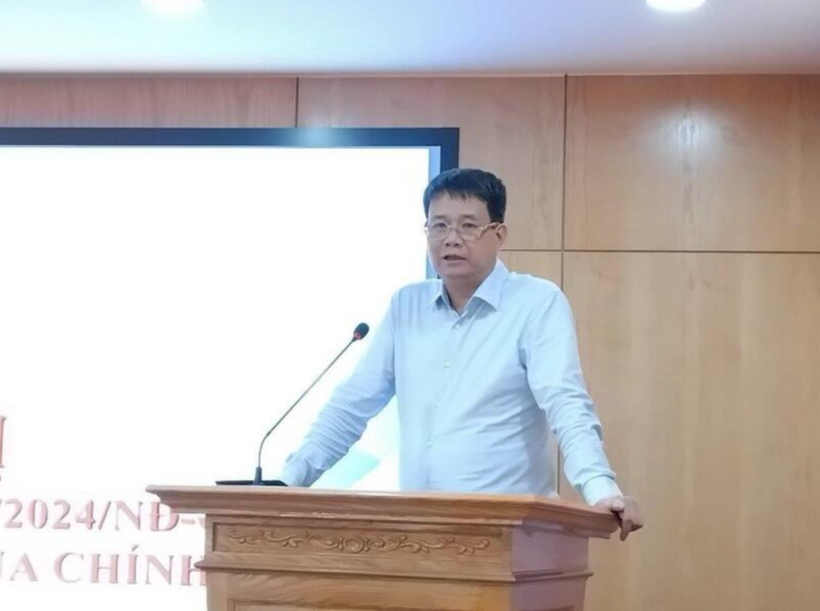
Phung Manh Ngoc, Director General of the Chemical Agency under the MoIT.
These documents not only set out clear strategic priorities but also lay the groundwork for structural transformation, productivity improvements, product quality enhancement and deeper participation of Vietnamese firms in global value chains. The development strategy positions chemicals as a foundational industrial sector, requiring both scale expansion and technological depth, while encouraging value-added production, modern and environmentally friendly technologies, green growth, circular economy models and digital transformation.
In terms of safety and regulatory compliance, the Chemical Law No. 69/2025/QH15 clarifies the responsibilities of all organizations and individuals across the entire chemical value chain. The strengthened regulations aim to raise management standards, protect workers and the environment, and increase transparency within enterprises. This, in turn, builds greater trust among domestic and international partners, enhances product value and supports regulators in supervising and fostering sustainable industry growth.
ESG emerges as an essential standard
Phung Manh Ngoc emphasized that to realise the MoIT leadership’s direction of moving from “compliance for legal requirements” to “compliance for competitive advantage”, the sector must adopt more substantive and targeted measures.
First, the major guidelines from the Party, the National Assembly and the Government must be translated into concrete actions to improve safety regulations in chemical production and trading. Policies that encourage technological renewal, the adoption of cleaner processes and efficient resource use are considered essential for reducing long-term production costs and increasing product value.
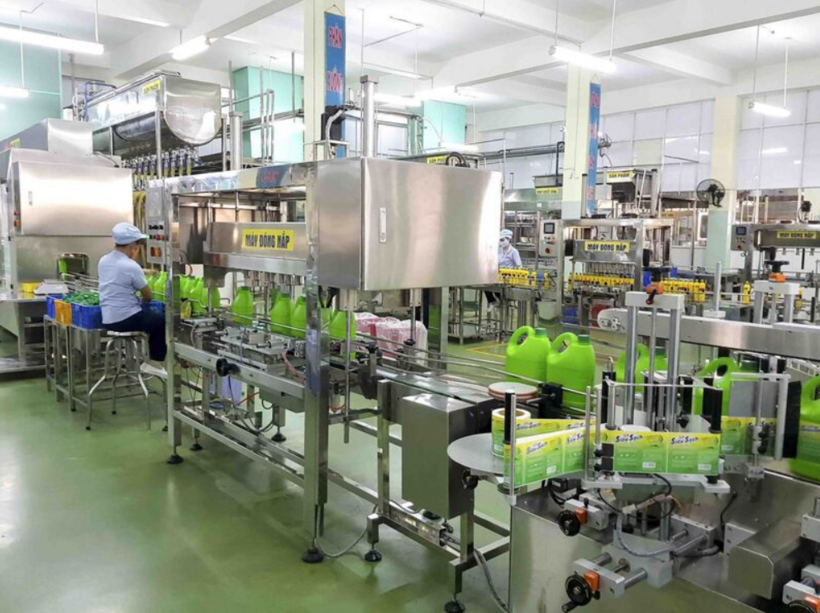
Chemical businesses need to meet green standards to strengthen their integration capacity.
Equally important is strengthening communication through exhibitions, conferences and training programmes built on tripartite cooperation among regulators, businesses and research institutions. A unified chemical sector database, interconnected across ministries, associations and enterprises, is seen as critical for reducing compliance costs, improving transparency, facilitating trade and enhancing the sector’s ability to respond to risks and incidents.
“Capacity-building support for enterprises is also a key priority,” Phung Manh Ngoc noted. This includes upgrading Health - Safety - Environment (HSE) systems, promoting the adoption of Environmental, Social and Governance (ESG) standards, expanding training and certification schemes, and encouraging financial-support tools, risk-insurance mechanisms and export incentives. Proactively developing and applying technical standards aligned with the Globally Harmonized System (GHS) and international norms will help build a compliance-driven corporate culture, reinforce branding efforts and strengthen competitiveness.
In the long term, green chemistry, green economy models, circular economy practices and closed-loop value chains are regarded as strategic pathways for building sustainable competitive advantages. As global markets shift towards green, clean and transparent production requirements, Vietnam’s materials and chemical enterprises face growing pressure to demonstrate environmental compliance and sound governance. Proving the sustainability of inputs, controlling emissions and ensuring responsible production have become mandatory for many international markets. ESG, therefore, has moved beyond trend status to become a core requirement for retaining customers, boosting resilience and deepening global integration.
“When enterprises effectively leverage the opportunities created by the Chemical Industry Development Strategy and the 2025 Chemical Law, combined with strong ESG implementation, Vietnam’s chemical industry will gain important new drivers for competitiveness. This approach aligns with global green-transition trends and ensures sustainable development in the years ahead,” Phung Manh Ngoc stressed.
Harnessing the advantages of the current legal and policy framework, particularly the chemical industry strategy to 2030, vision 2040, and the Chemical Law No. 69/2025/QH15, alongside decisive ESG adoption, will provide essential momentum for Vietnam’s chemical enterprises to strengthen their competitive edge.
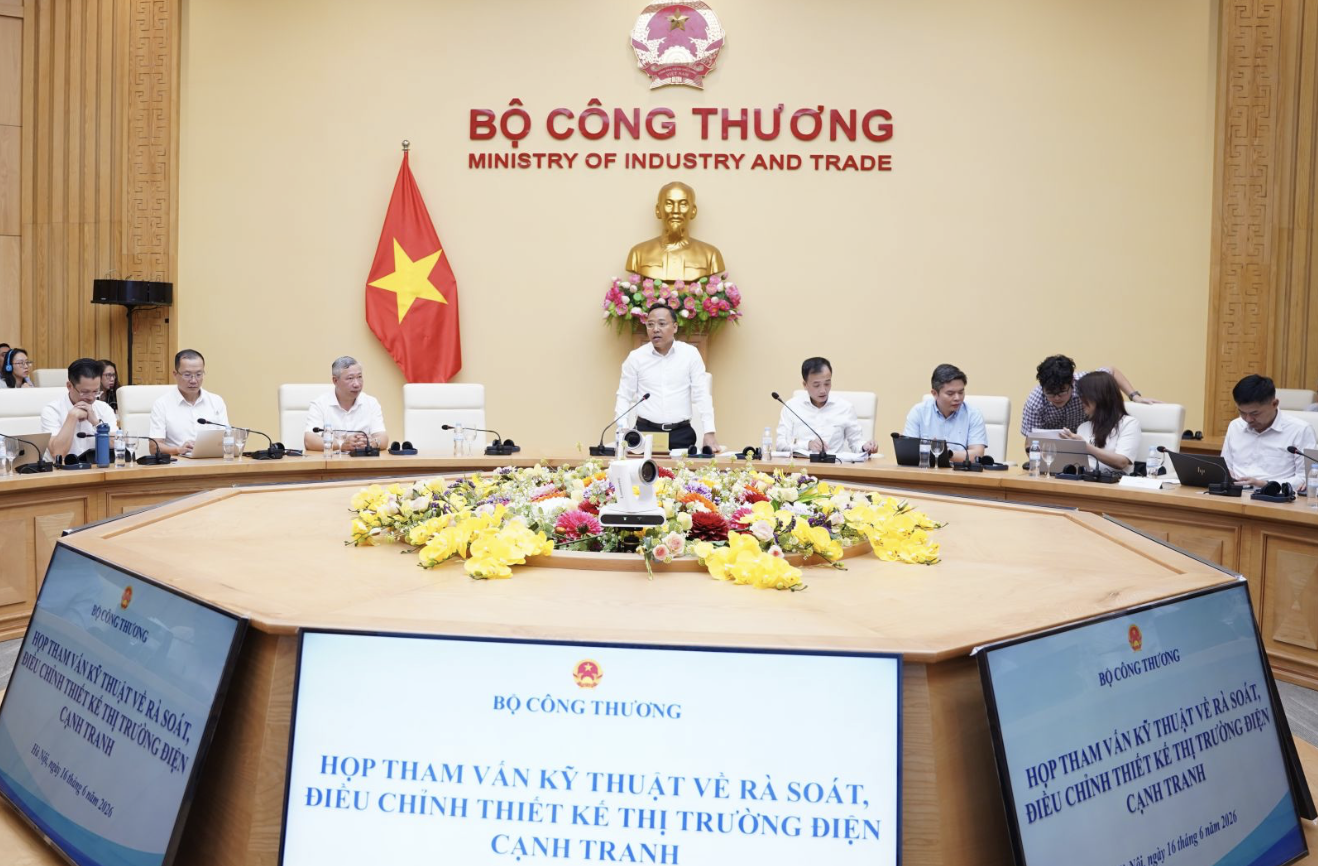
Ministry of Industry and Trade (MoIT) held a technical consultation in Hanoi on reviewing and adjusting the design of Vietnam’s competitive electricity market.
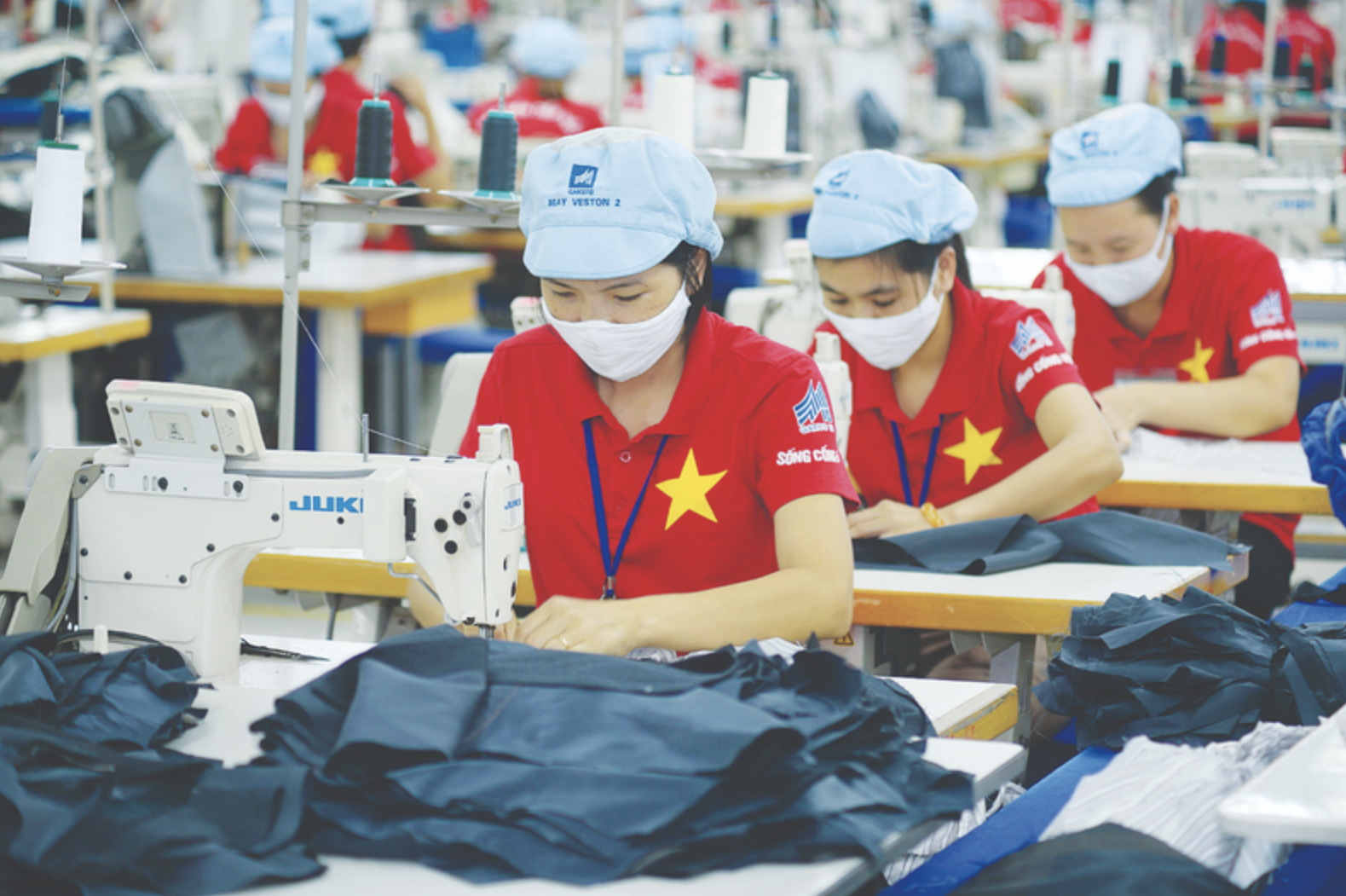
Textiles and garments continued to be one of Vietnam’s leading export categories to the Russian market in the first five months of 2026, generating export revenue of more than USD 106.99 million.
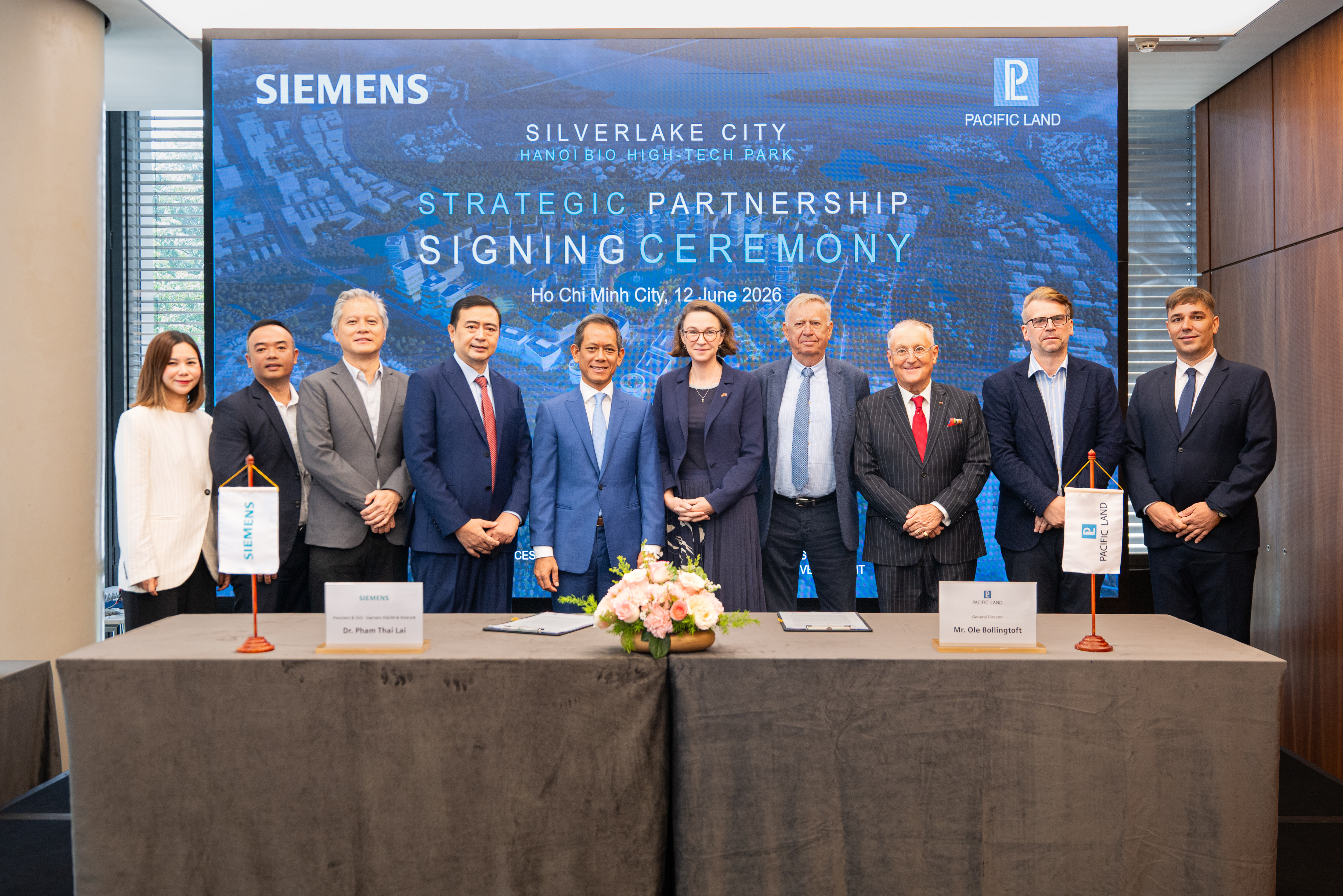
Siemens and Pacific Land will transform Silverlake Bio Hi-Tech Park into a smart, sustainable innovation hub supporting Vietnam’s high-tech growth ambitions.
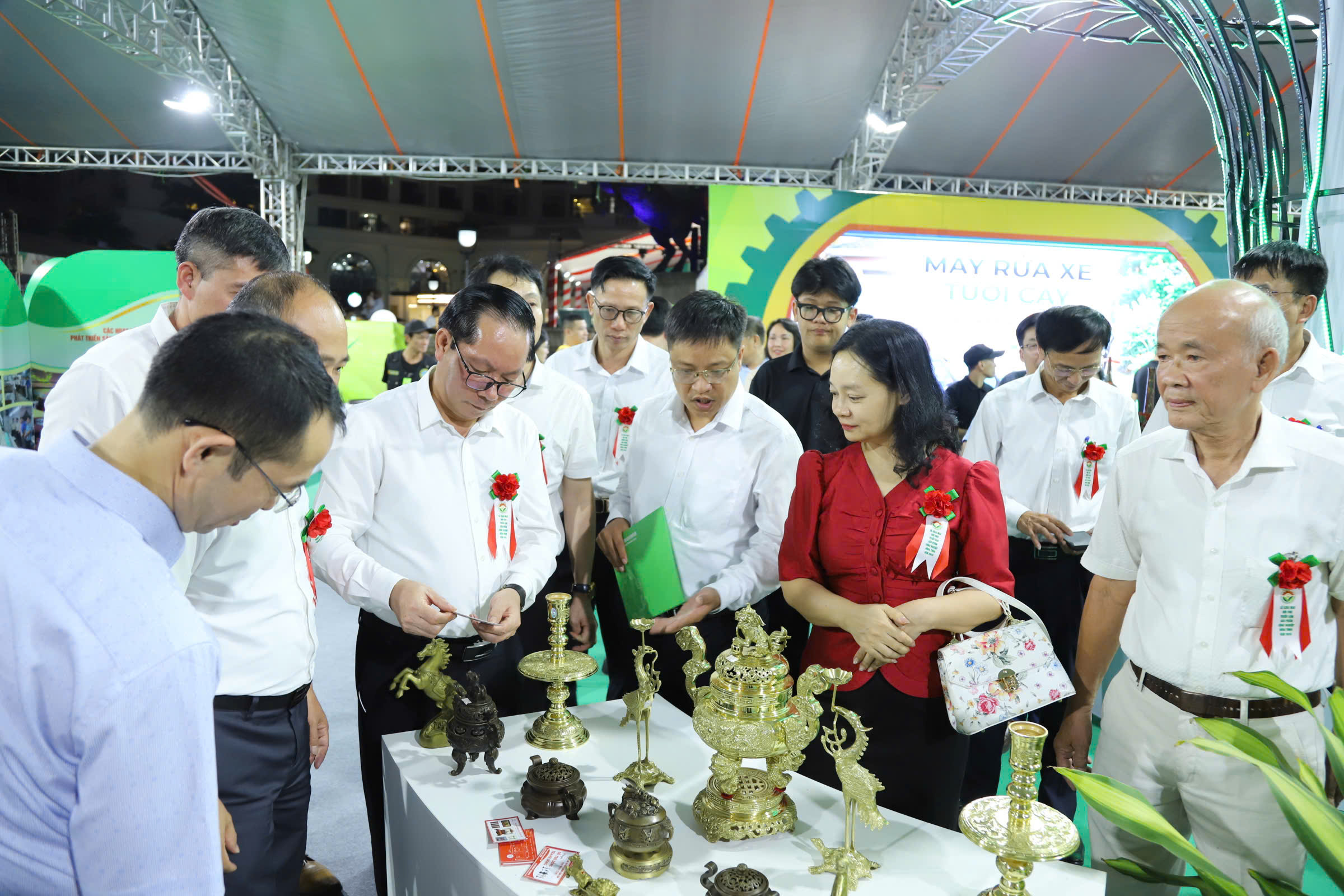
The Rural Industrial Products Fair and Exhibition 2026 has attracted more than 300 booths from provinces and cities across the country, helping promote outstanding rural industrial products, strengthen business connections, and expand consumer markets.
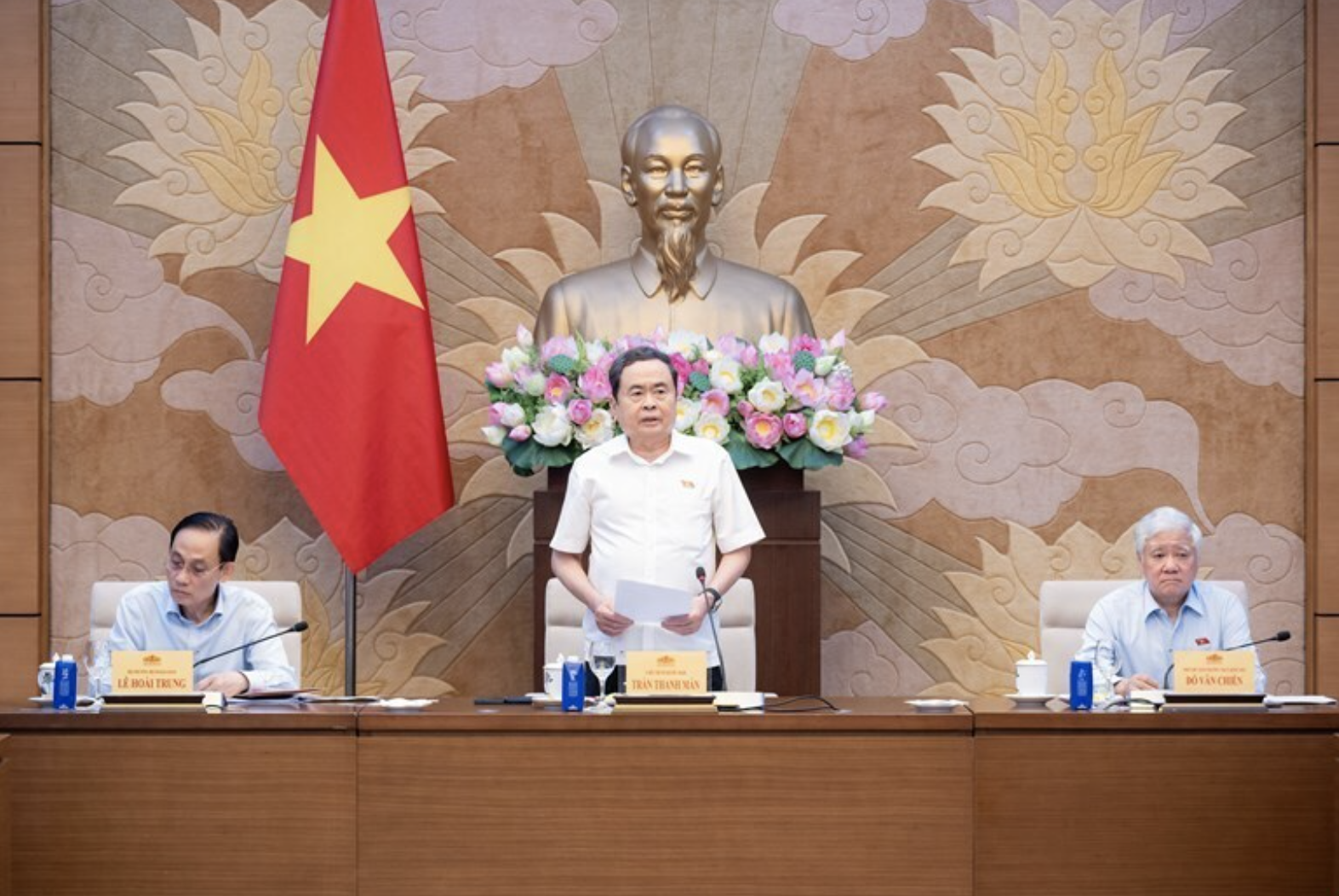
National Assembly Chairman Tran Thanh Man stressed that in the country's new stage of development, foreign affairs must not only contribute to safeguarding the nation from an early stage and from afar, but also serve as a key driver of development.
The Rural Industrial Products Fair and Exhibition 2026 has attracted more than 300 booths from provinces and cities across the country, helping promote outstanding rural industrial products, strengthen business connections, and expand consumer markets.
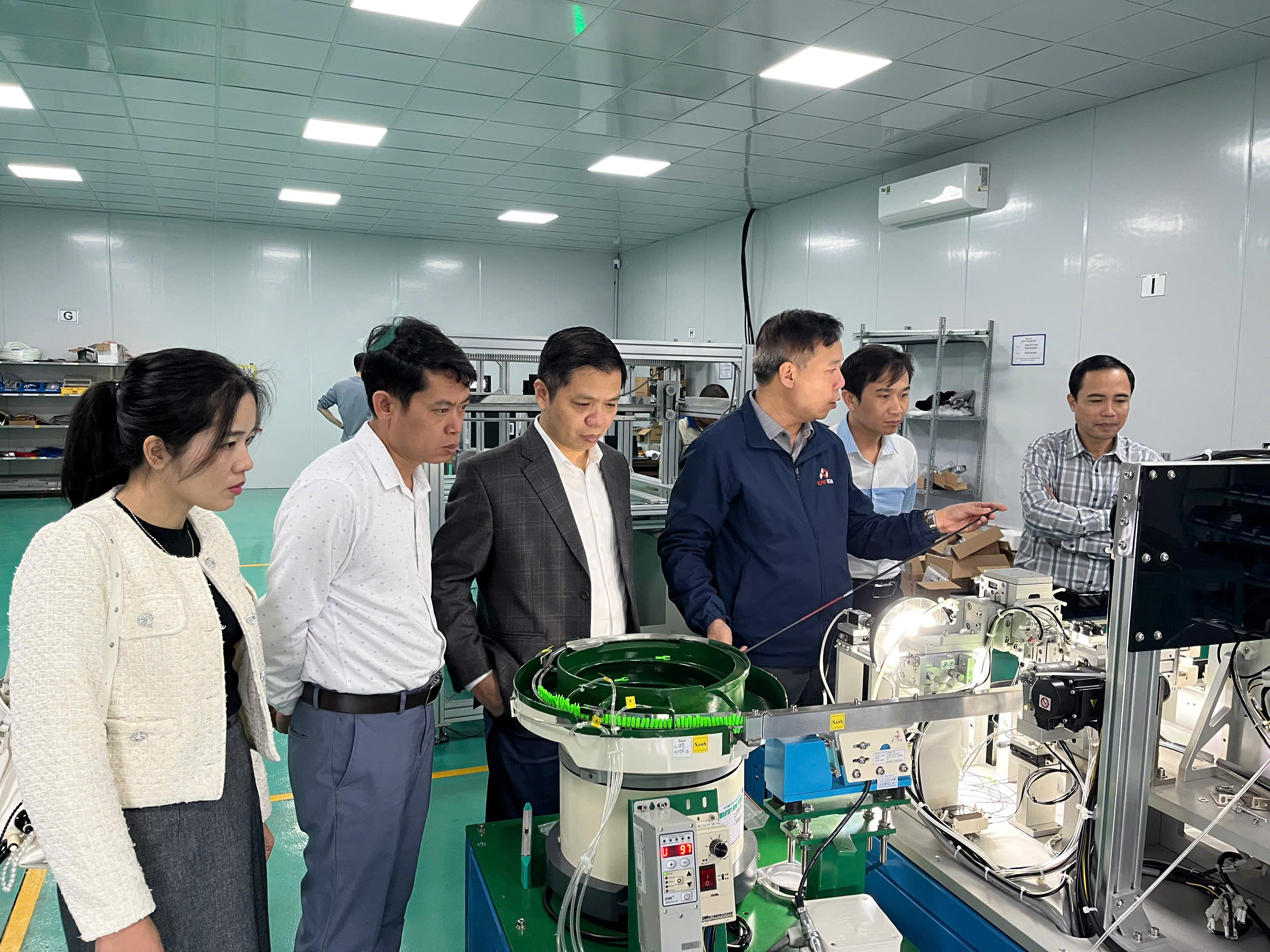
To further enhance the effectiveness of the national industrial promotion program, representatives from provincial Departments of Industry and Trade have proposed increasing support expenditures during the 2026-2030 period to align with the growing demands of digital transformation, green transition, and technological innovation at production facilities.
The Ministry of Industry and Trade (MoIT) delegation inspected TKV Minerals Corporation JSC (Vimico)’s 2026 storm-season preparations, highlighting AI-based monitoring and early warning systems to strengthen mine safety efforts