MoIT leader Le Manh Hung clarified major issues in the revised Petroleum Law, including decentralisation, investment incentives, CCS and offshore energy development.
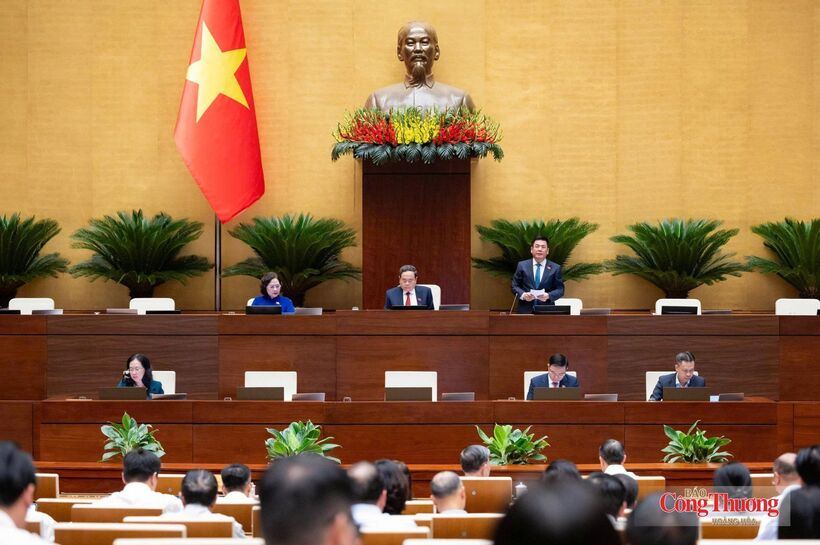
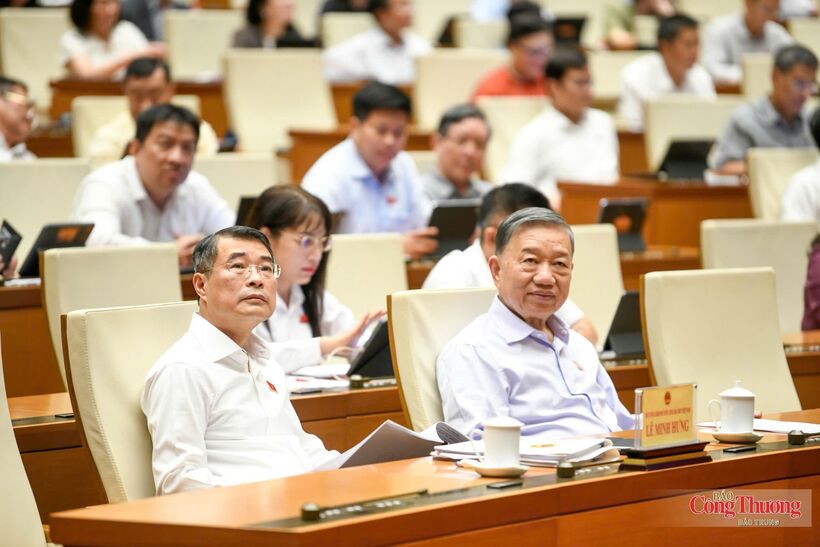
Continuing the agenda of the first extraordinary session of the 16th National Assembly, lawmakers convened on the afternoon of August 8 for a plenary discussion on the draft revised Petroleum Law, under the chairmanship of National Assembly President Tran Thanh Man and the direction of National Assembly Vice President Nguyen Hong Dien. Party General Secretary and President To Lam and Prime Minister Le Minh Hung attended the session.
During the plenary discussion, National Assembly deputies expressed broad agreement on the need to amend and supplement the 2022 Petroleum Law, noting that the revision is underpinned by sufficient political, legal and practical grounds. The draft introduces a number of new and progressive provisions designed to establish a legal framework for transforming the petroleum sector from a traditional extractive industry into a modern energy industry, while shifting the legislative approach towards integrated management of resources and marine space.
Notably, the draft defines the role and broadens the scope of operations of the Viet Nam National Industry - Energy Group (Petrovietnam) and the petroleum sector as a whole, moving from an approach focused on overcoming difficulties to maintain output towards one aimed at creating momentum for breakthrough development.
Under the chairmanship of National Assembly President Tran Thanh Man and the direction of National Assembly Vice President Nguyen Hong Dien, the National Assembly holds a plenary discussion on the draft revised Petroleum Law.
Party General Secretary and President To Lam and Prime Minister Le Minh Hung attend the plenary discussion on the draft revised Petroleum Law.
During the session, many National Assembly deputies raised and offered opinions on a wide range of issues, including the scope of regulation governing carbon capture, treatment, transportation, injection and storage; high-tech petroleum technical services and the development of offshore energy projects associated with petroleum activities; incentive policies for petroleum activities and resource exploitation policies applicable to end-of-life petroleum fields and blocks; as well as decentralisation, appraisal and approval mechanisms involving the Ministry of Industry and Trade and the delegation of authority to Petrovietnam.
Fully and seriously considering all opinions
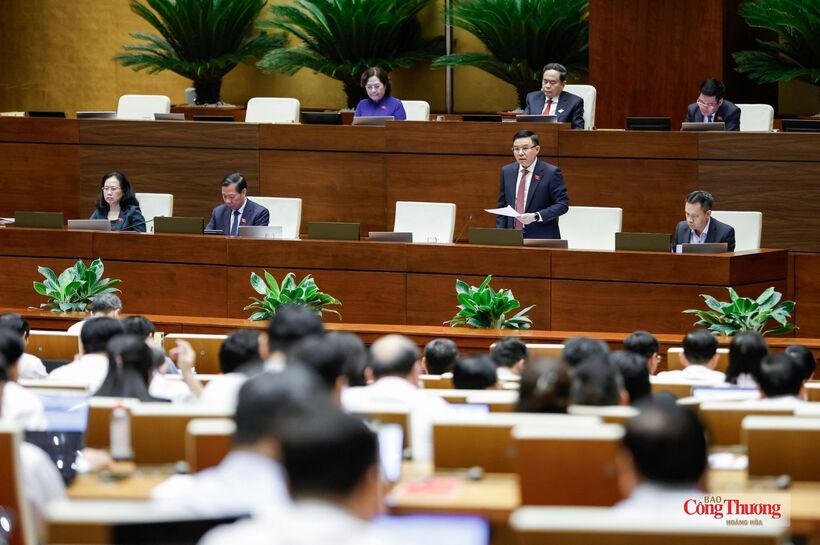
Responding to and explaining issues raised by lawmakers, Minister of Industry and Trade Le Manh Hung said statistics showed that 66 opinions had been expressed during group discussions, while another 16 opinions were recorded at the plenary session.
The discussions were wide-ranging and comprehensive, focusing on new policy issues as well as major and important matters contained in the draft law. Most opinions strongly supported the need to amend and promptly adopt the Petroleum Law in order to make more effective use of petroleum resources, contribute to ensuring energy security and serve the country’s growth objectives.
“The Ministry of Industry and Trade, as the agency in charge of drafting the law, will seriously and fully take into account all opinions expressed by National Assembly deputies,” Minister Le Manh Hung affirmed.
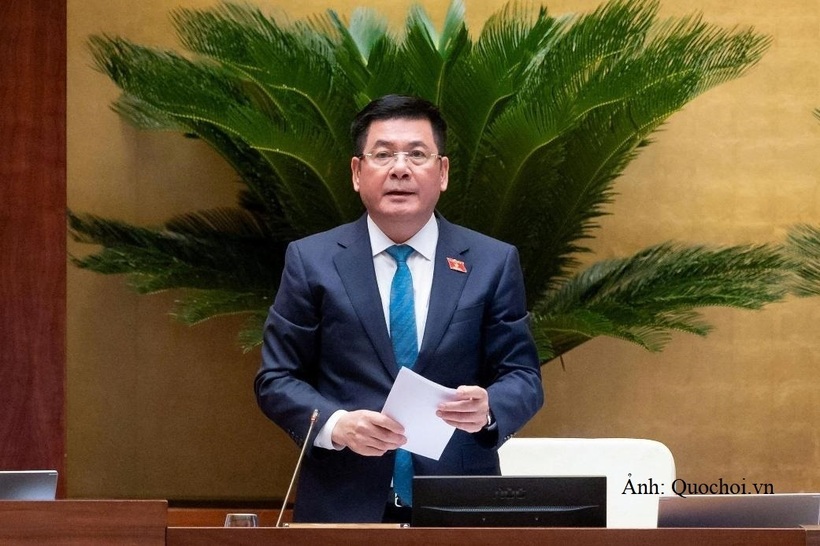
Minister of Industry and Trade Le Manh Hung delivers explanations and clarifies a number of issues raised by National Assembly deputies.
Providing further explanations on matters of concern to lawmakers, Minister Le Manh Hung focused on clarifying several key groups of issues. The first group concerned decentralisation, delegation of authority and the role of Petrovietnam.
According to the Minister, a consistent and prominent principle running throughout the draft law is to strengthen decentralisation and delegation of authority and simplify procedures to unlock resources, while at the same time enhancing inspection and supervision in line with the Party’s policies, international practices, commitments and treaties. The approach also draws on experience accumulated during implementation of the 2022 Petroleum Law and reflects the broader spirit of governance reform.
Accordingly, once the Petroleum Law is adopted by the National Assembly, the state management model will be structured at three levels. At the Government and Prime Minister level, decisions will be made on macro-level matters and other major issues, including the division of petroleum blocks, investment incentives, and particularly matters relating to national defence, security and foreign affairs, as specifically stipulated in Articles 7, 14, 20 and 41.
State management agencies, with the Ministry of Industry and Trade serving as the focal point in coordination with other ministries, sectors and localities, will perform specialised state management functions. These include approving matters related to petroleum contracts, granting investment registration certificates, managing petroleum resources and reserves, and carrying out inspection and supervision activities.
Petrovietnam, acting as the host-country representative, will be assigned certain powers in signing, managing, monitoring and supervising petroleum activities. In particular, the group will be authorised to approve specific technical matters falling within its competence, while making full use of the organisational apparatus and operational experience it has accumulated over nearly 50 years.
Alongside decentralisation, National Assembly deputies also paid close attention to the mechanism for inspection and supervision. Clause 10, Article 58 clearly stipulates that the Government will issue detailed regulations on the organisation of inspection and supervision.
Based on data provided by Petrovietnam and investors that have entered into petroleum contracts, state management agencies will conduct data-based supervision and risk-oriented audits.
Clause 3, Article 59 also clearly defines the management and supervisory responsibilities of the agency representing the owner of state capital, including supervision over investment and the preservation and development of state capital. The Minister therefore considered the principles and model of decentralisation and delegation of authority designed in the draft law to be appropriate.
Additional incentives to attract investment
The second group of issues concerned investment incentive policies for petroleum activities, another matter that drew considerable attention from deputies. Clarifying the issue, Minister Le Manh Hung said petroleum projects are increasingly being developed in deep-water and offshore areas, where implementation conditions are more difficult, geological conditions more complex, investment requirements higher and capital recovery periods longer.
In particular, many small and marginal fields would not be commercially viable for investors if conventional mechanisms were applied. Without such investment projects being implemented, including projects involving small and marginal fields, the State would also be unable to generate additional revenue.
For that reason, Chapter VI of the draft law introduces additional incentive policies aimed at encouraging the development of marginal fields and projects in deep-water and offshore areas, including provisions under Article 43, with particular emphasis on improving the oil recovery factor. Increasing the oil recovery factor requires petroleum contractors to make substantial investments not only in scientific and technical solutions but also in research and other activities aimed at improving recovery rates. Accordingly, the draft law introduces policies encouraging investors to apply science and technology to enhance oil recovery, carry out end-of-life exploitation at petroleum fields, field clusters and blocks, increase production output, and make greater contributions to the State budget and the country’s primary energy supply, Minister Le Manh Hung added.
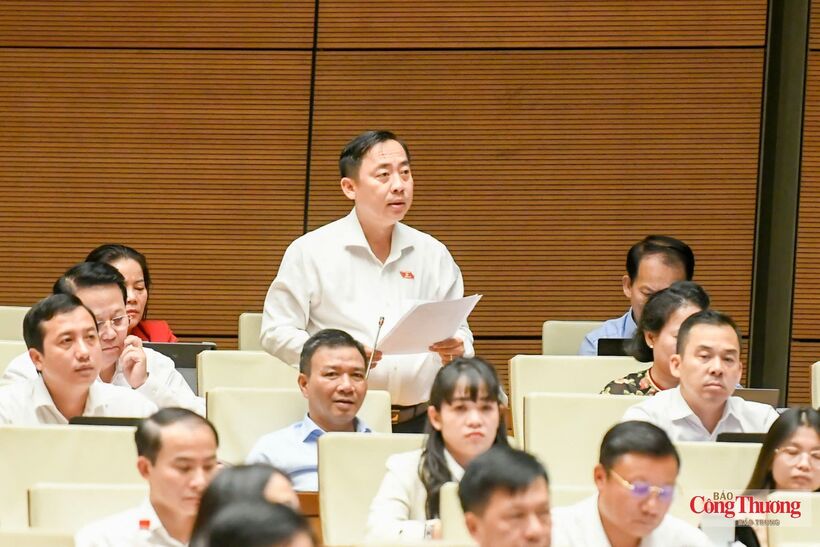
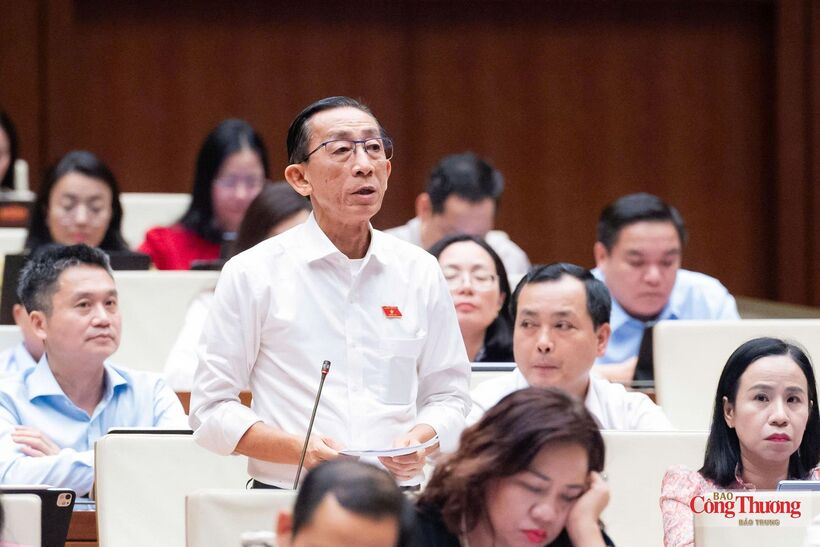
National Assembly deputies discuss and offer opinions on the draft revised Petroleum Law at the plenary session.
The third group of issues concerned carbon capture and storage, or CCS, and the development of offshore energy facilities associated with petroleum activities. This is a new area that attracted considerable attention from deputies.
These matters are addressed in Chapters VIII and IX with the aim of establishing a legal framework for the energy transition and emissions reduction, while making maximum use of petroleum resources, data and infrastructure that have already been invested in.
According to preliminary assessments, if effectively utilised and developed, this market alone could become a major service industry for Southeast Asia, with a value amounting to tens of billions of USD. Petrovietnam is currently working with Japanese partners on pilot studies at several fields that could potentially be used for CO2 injection and storage in the region.
Minister Le Manh Hung emphasised that developing offshore energy in association with petroleum activities is important to expanding the petroleum value chain, conserving resources and improving exploitation efficiency.
Petroleum production projects themselves are major energy consumers. Therefore, integrating renewable energy to directly serve these facilities would bring substantial benefits, while also allowing greater use of existing pipeline systems and platforms, with a longer-term orientation towards producing hydrogen through electrolysis and transporting it through pipelines. The Government has also drafted detailed guidance in an accompanying decree.
The fourth group of issues concerned the development of high-tech petroleum technical services.
According to the Minister, the development of petroleum technical services has been one of Viet Nam’s notable achievements compared with petroleum companies elsewhere in the region, and Viet Nam has already exported such services to international markets.
He further explained that Article 52 of the draft law provides for encouraging the development and application of high-tech petroleum technical services in order to strengthen technological mastery, gradually increase localisation and enhance competitiveness.
The relevant criteria and conditions will be detailed by the Government in a manner consistent with advances in science and technology as well as practical conditions.
The fifth group concerned safety and integrated chain facilities.
Article 8 of the draft law links safety requirements with security and national defence, given the specific nature of offshore petroleum activities. Regarding integrated chain facilities under Clauses 1 and 2 of Article 31, where a chain project is governed by several laws, the Government will issue detailed regulations on coordination among ministries, sectors and localities.
The Minister of Industry and Trade affirmed that, given the strong consensus and support expressed by National Assembly deputies, the drafting agency would seriously and fully take into account all responsible and constructive opinions in order to continue refining the draft law before reporting it to the Government for submission to the National Assembly for adoption.
National Assembly Vice President Nguyen Hong Dien concludes the discussion session.
Concluding the plenary discussion on the draft revised Petroleum Law, National Assembly Vice President Nguyen Hong Dien requested the drafting agency to continue reviewing, revising and completing the draft in terms of both policy content and legislative drafting techniques, ensuring consistency and coherence across the legal system.
In particular, he called for a careful review of the scope of regulation, especially new provisions compared with the 2022 Petroleum Law, while ensuring conformity with the National Assembly’s authority and international commitments to which Viet Nam is a party.
Regarding provisions on CO2 capture, treatment, transportation and storage, high-tech petroleum technical services and offshore energy, the National Assembly Vice President proposed that the law should regulate these activities in a way that facilitates and encourages their implementation only when they are directly associated with petroleum activities.
At the same time, the political, legal and practical grounds for incentive policies in petroleum activities should be further clarified, while the management model for upstream petroleum activities should continue to be refined towards clear and appropriate decentralisation and delegation of authority.
The National Assembly Vice President requested the Government to urgently study and fully incorporate opinions expressed by National Assembly deputies in order to complete the draft law before submitting it to the National Assembly for consideration and adoption at the end of the first extraordinary session of the 16th National Assembly.
The draft revised Petroleum Law has been developed by inheriting the progressive provisions of the current 2022 Petroleum Law and specifying five policy groups approved by the Government under Resolution No. 81/NQ-CP dated April 3, 2026.
These comprise simplifying procedures and strengthening decentralisation and delegation of authority; improving regulations governing petroleum contracts and activities; introducing investment incentive policies; developing the petroleum value chain, high-tech technical services and offshore energy; and establishing a framework for reducing greenhouse gas emissions and carbon capture and storage.
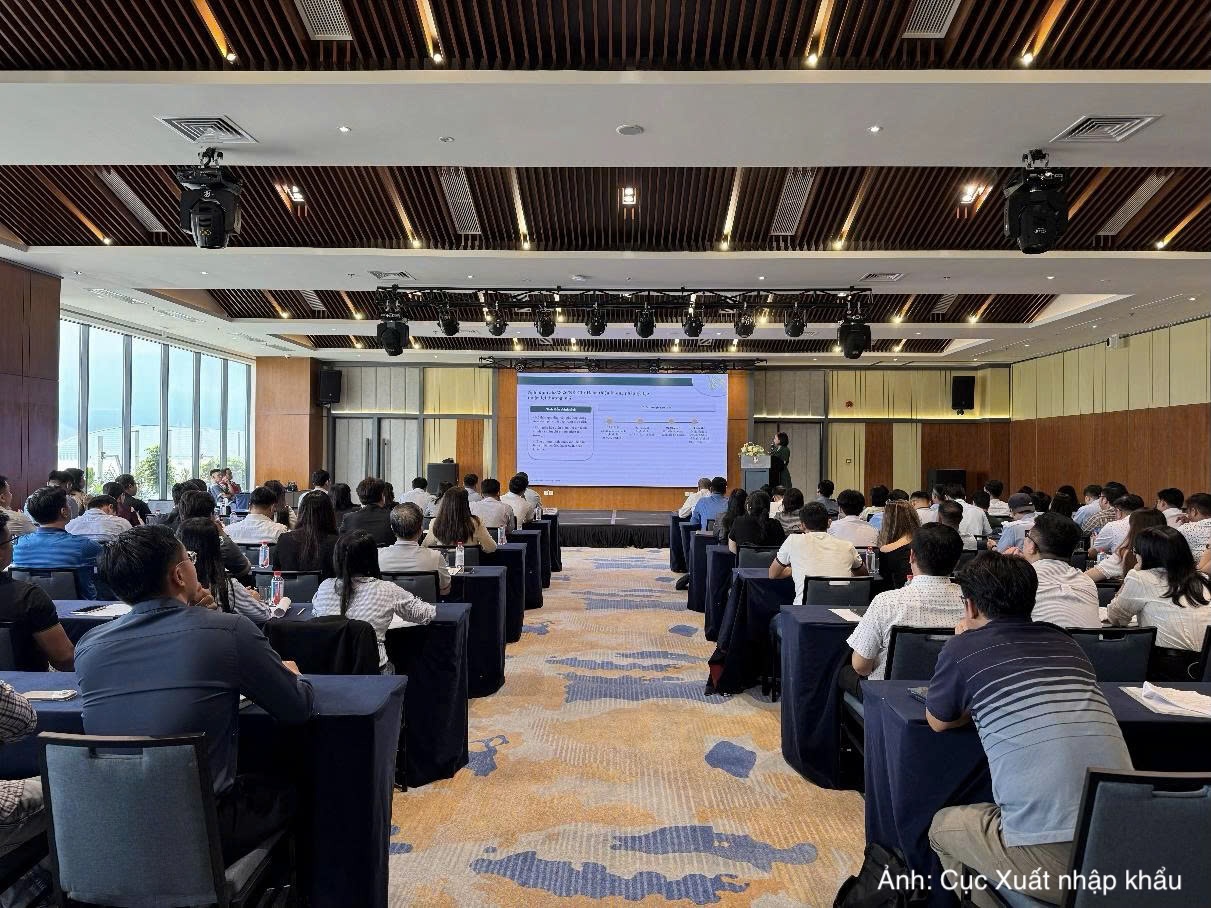
On October 13, the Agency of Foreign Trade under the Ministry of Industry and Trade (MoIT) held a conference in Dong Thap province to disseminate Government Decree No.365/2026/ND-CP dated September 23, 2026, on rice export and import business, and Circular No.65/2026/TT-BCT dated October 1, 2026, issued by the Minister of Industry and Trade, detailing certain provisions and measures for implementing Decree No.365/2026/ND-CP.
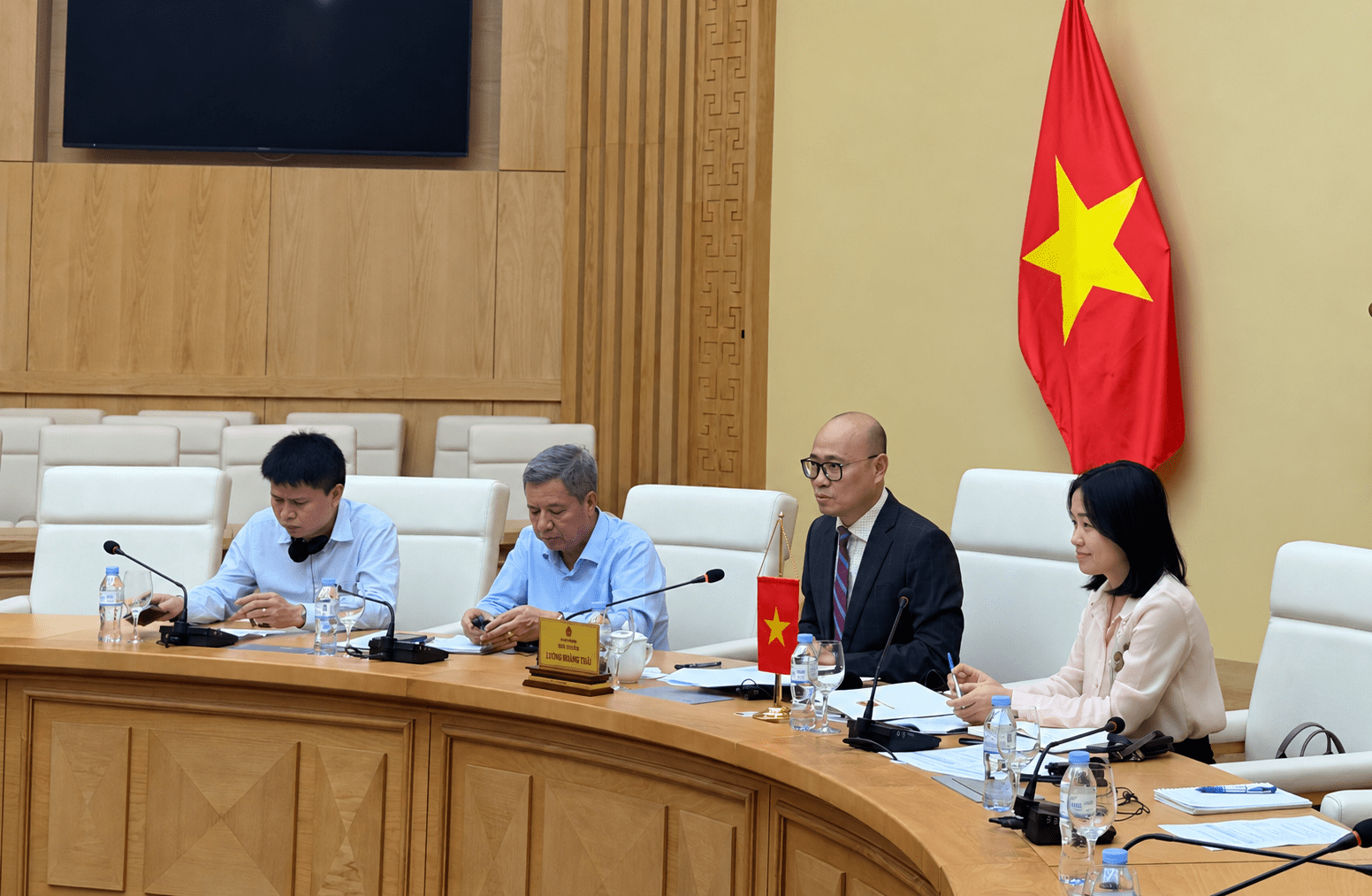
On October 13, Deputy Minister of Industry and Trade Luong Hoang Thai held a working session with MEDEF International, a French business organization, and representatives of French corporations operating in various sectors, including energy, industry, transport, construction and infrastructure development, food and beverages, and services, at the Ministry of Industry and Trade's headquarters.
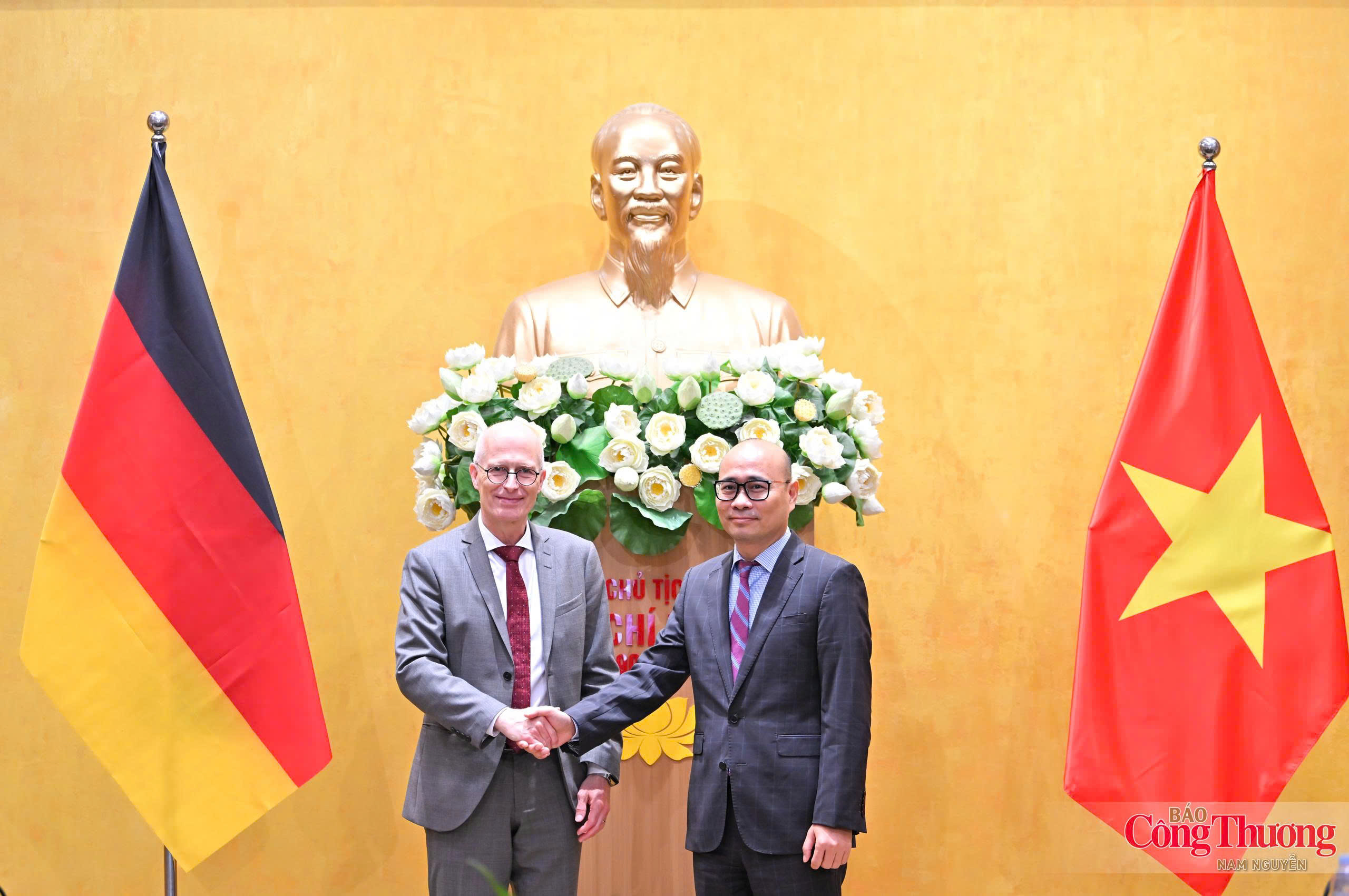
On October 14, Deputy Minister of Industry and Trade Luong Hoang Thai received and held a working session with a delegation from Hamburg, Germany, led by the city's First Mayor Peter Tschentscher at the Ministry of Industry and Trade's headquarters.
The Copyright Office is working closely with relevant agencies to develop plans for inspections and enforcement action against copyright and related rights infringements in the digital environment.
Viet Nam’s cultural industries are poised for growth as development targets become clearer, the digital content market expands and technology creates new ways.
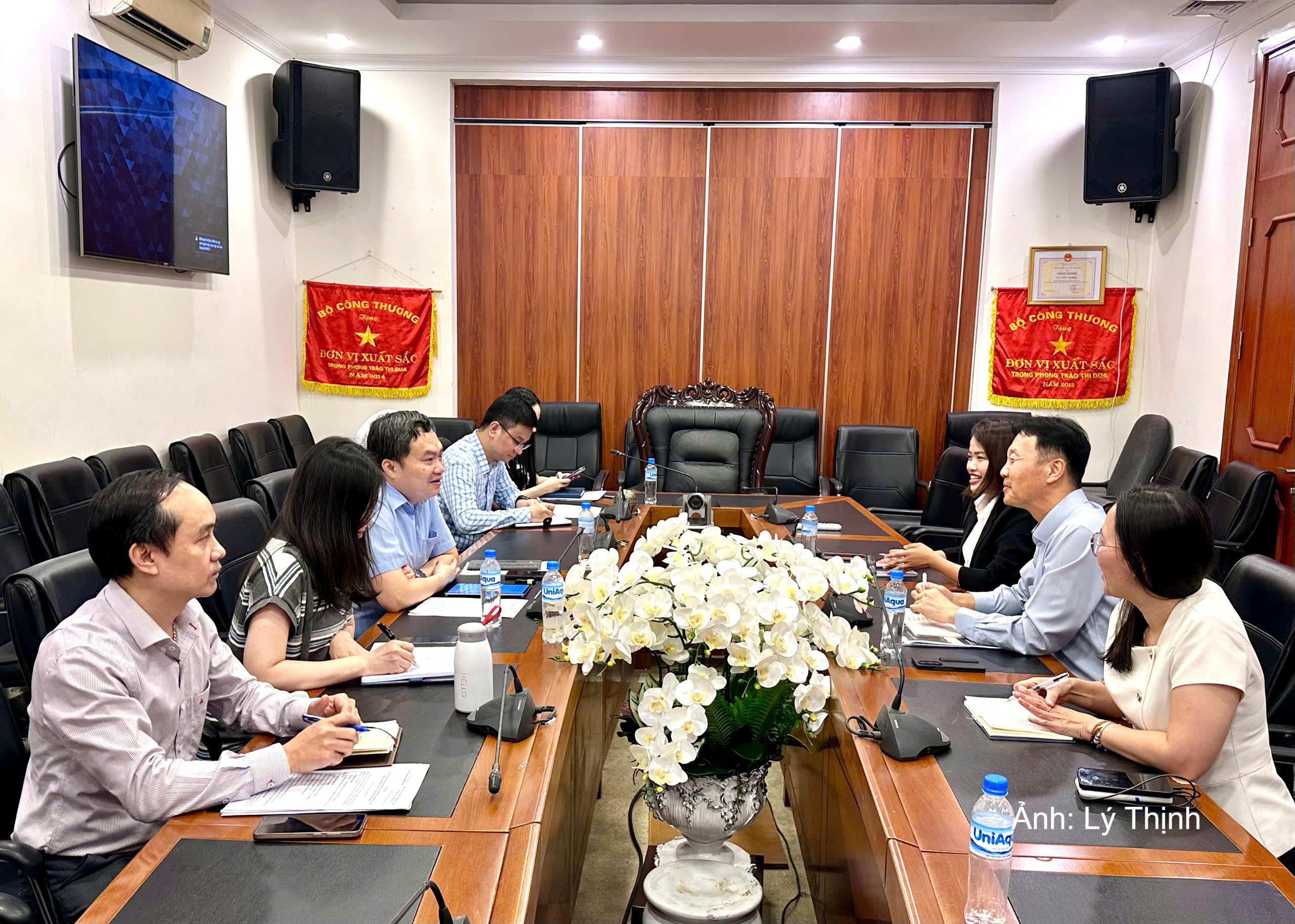
The Vietnam Industry Agency under the Ministry of Industry and Trade and Samsung Vietnam continue to strengthen cooperation in developing supporting industries, enhancing the capabilities of domestic enterprises and expanding opportunities for their participation in global supply chains.
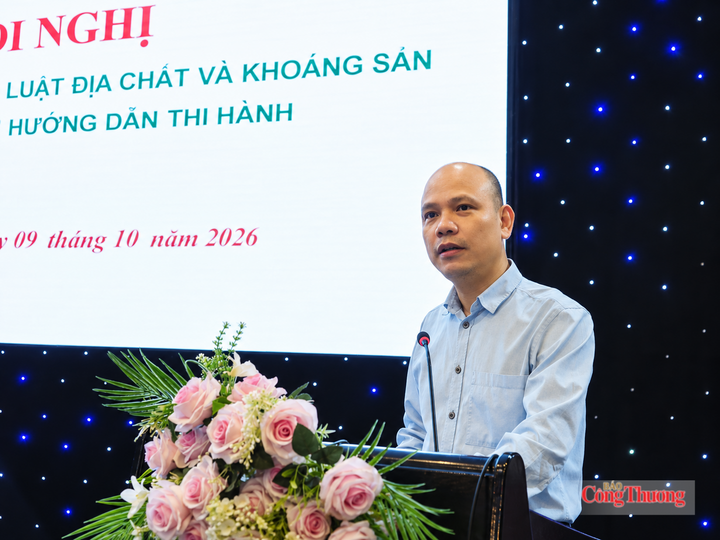
On October 9, the Viet Nam Department of Geology and Minerals, in coordination with the Thai Nguyen Department of Industry and Trade, held a conference in Thai Nguyen province to disseminate the Law on Geology and Minerals and its implementing regulations.
Northern localities are strengthening links in supporting industries, energy and logistics to build competitive value chains and create new growth drivers.
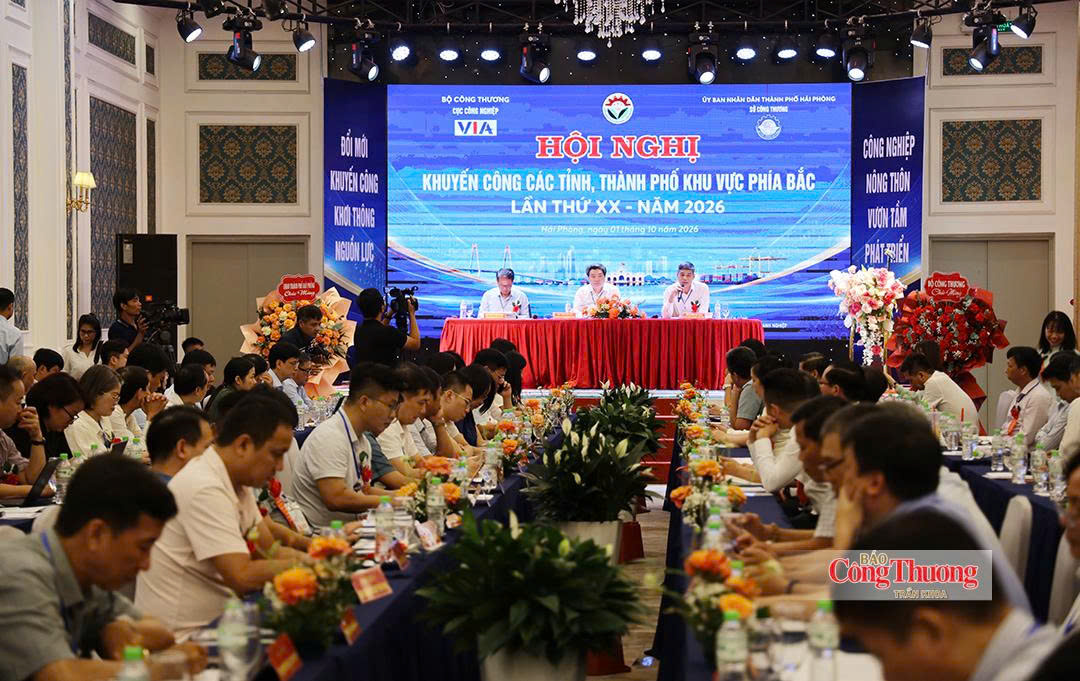
The 20th Industrial Promotion Conference for Northern Provinces and Cities in 2026 was held in Hai Phong City on October 1, with discussions focusing on renewing industrial promotion activities.
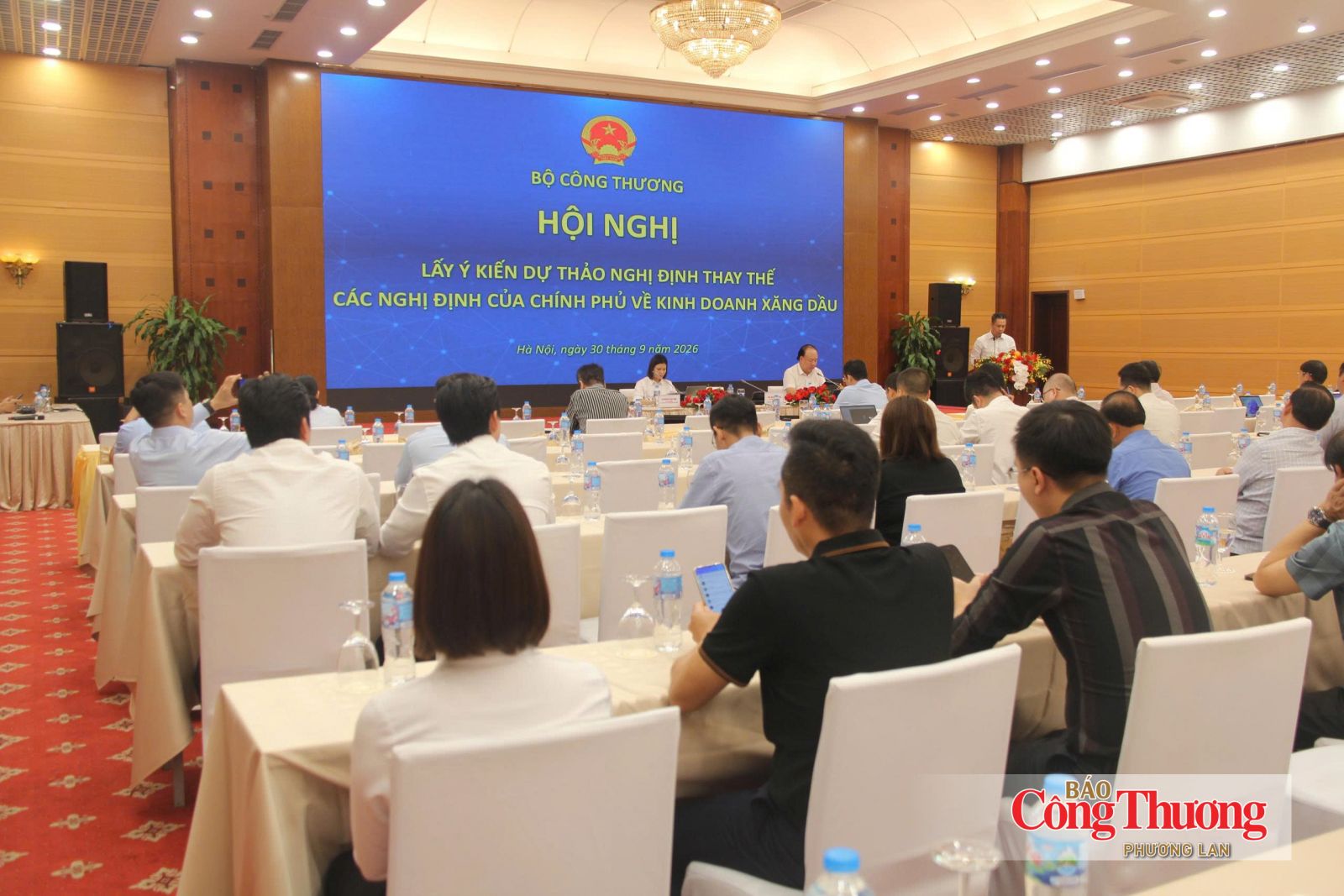
On September 30 in Ha Noi, the Ministry of Industry and Trade (MoIT) held a conference to gather broad feedback on a draft decree replacing the Government’s existing decrees on petroleum trading.