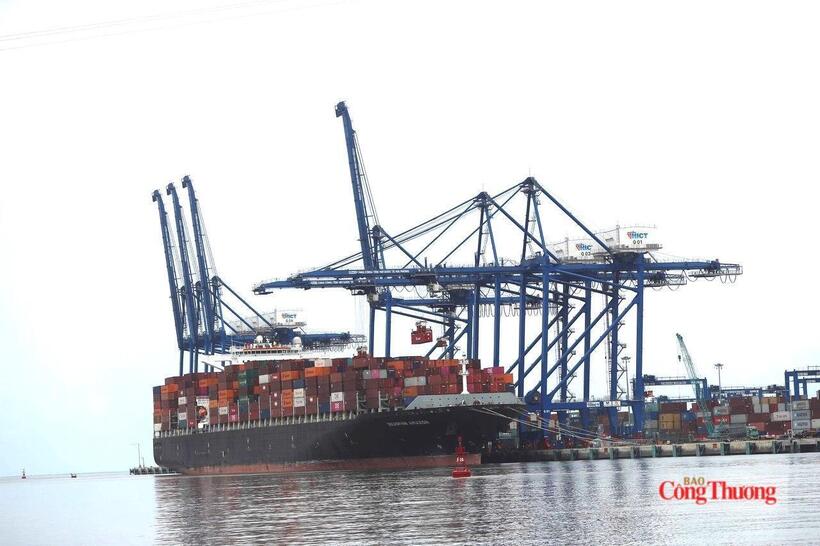
In the first seven months of 2026, Viet Nam’s exports topped USD 319.5 billion, up 21.7%, as expanding trade helped sustain growth momentum into the year-end period.
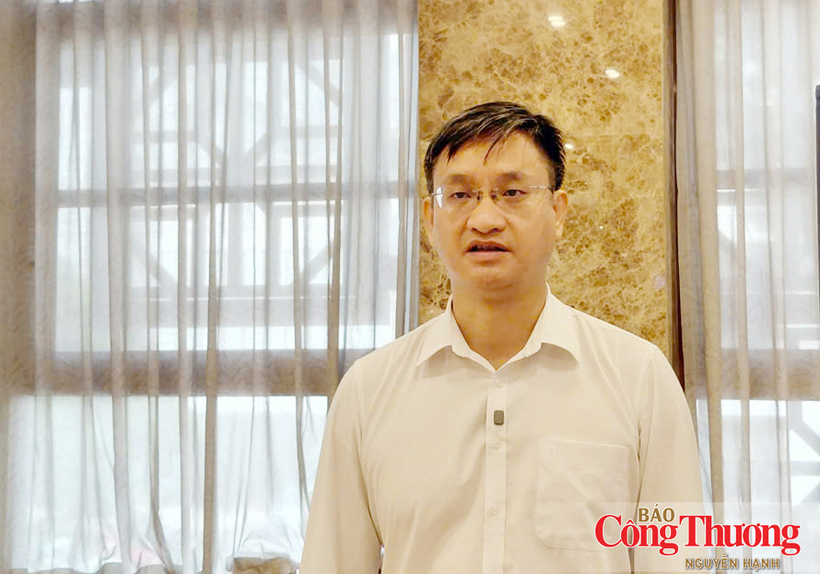
Newspaper of Industry and Trade has an interview with Pham Anh Tuan, PhD, Deputy Director of the Viet Nam and World Economy Institute, about the issue.
Processing and manufacturing continues to lead export growth
- According to newly released data, merchandise exports reached more than USD 319.5 billion in the first seven months of 2026, up 21.7%. How do you assess Viet Nam’s export performance during this period?
Pham Anh Tuan: Viet Nam’s import-export performance in the first seven months of 2026 continued to show many positive signals, particularly in terms of trade scale and export capacity. Total import-export turnover reached USD 659.58 billion, up 28.1% year on year, of which exports amounted to USD 319.53 billion, an increase of 21.7%. This was the highest total import-export turnover ever recorded for the first seven months of a year, indicating that Viet Nam’s production and delivery capacity, as well as its participation in global supply chains, continued to be maintained at a strong level.
Total import-export turnover reached USD 659.58 billion, up 28.1% year on year, of which exports amounted to USD 319.53 billion, an increase of 21.7%.
Notably, processed industrial goods reached USD 287.91 billion, accounting for 90.1% of total export turnover. This reflects the increasingly important role of the processing and manufacturing sector in export activities, while also showing that Viet Nam’s production base serving international markets is being further consolidated.
Another bright spot is that Viet Nam continues to maintain a number of major export product groups with substantial turnover. In the first seven months of the year, 31 export items recorded turnover of more than USD 1 billion each, together accounting for 93% of total exports. Of these, seven items exceeded USD 10 billion, accounting for 69.7%.
This structure shows that Viet Nam has established a system of industries with competitive capacity and the ability to drive growth, most notably processing and manufacturing, electronics, equipment, textiles and garments, footwear, and processed agricultural products.
- The FDI sector continues to play a major role in exports. In your view, how should Viet Nam make better use of this advantage to generate additional momentum for the economy?
Pham Anh Tuan: The foreign-invested enterprise sector continues to be an important force driving Viet Nam’s exports. In the first seven months of 2026, the FDI sector, including crude oil, exported USD 255.89 billion worth of goods, up 26.4%.
This shows that Viet Nam remains an attractive destination for global production chains and continues to attract investment flows associated with production and export activities.
The key issue in the coming period is how to better harness the spillover effects of the FDI sector for domestic enterprises. This also presents an opportunity for Vietnamese businesses to gradually upgrade their production capacity, technology and governance, while participating more deeply in supply chains.
Rather than viewing FDI merely as a source of investment capital, it should be considered a channel through which domestic enterprises can gain access to technology, international standards, modern management methods and global market networks.
In my view, the objective should be to move domestic enterprises from supplying simple products and services towards higher value-added stages, gradually building their own production capabilities and brands.
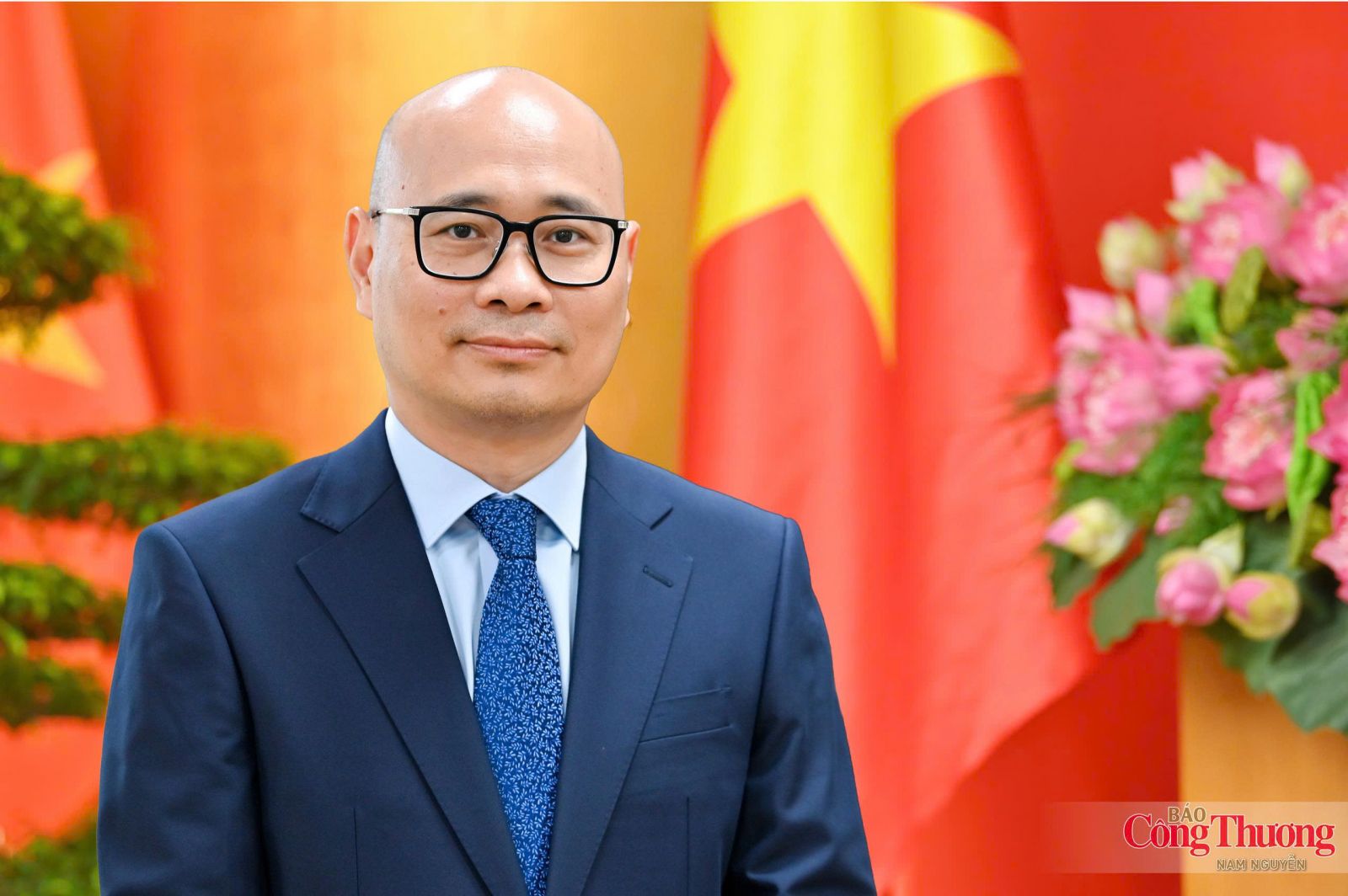
Pham Anh Tuan, PhD, Deputy Director of the Viet Nam and World Economy Institute.
- Against the backdrop of an uneven recovery in global demand, how do you forecast Viet Nam’s export performance in the remaining months of 2026?
Pham Anh Tuan: I believe exports in the remaining months of the year are still capable of maintaining positive growth, although the pace may vary across product groups and markets.
An important basis for this outlook is the relatively strong export momentum recorded in the first seven months, while industrial production has continued to expand.
In the first seven months of the year, the index of industrial production rose by 11.4%, the highest year-on-year growth rate for the seven-month period in many years.
Viet Nam’s manufacturing Purchasing Managers’ Index, or PMI, reached 52.9 points in July 2026, the highest level since February 2026. These are positive indicators for production activities and business orders.
In particular, the increase in imports of production materials is also creating further room for production expansion in the coming months. As production capacity expands, enterprises will be in a better position to fulfil export orders, particularly in industries with relatively stable markets.
I expect processed industrial goods, electronics, machinery, textiles and garments, footwear and several agricultural products with favourable market conditions to remain important export drivers in the coming period.
At the same time, the network of free trade agreements signed by Viet Nam continues to provide significant advantages. This creates a foundation for enterprises to expand markets, diversify customers and strengthen their participation in international supply chains.
Expanding growth potential through FDI and FTAs
- In your view, what will be the most important drivers for exports to maintain growth momentum while improving the quality of growth in the coming period?
Pham Anh Tuan: In the short term, the most important driver will remain industrial production, particularly processing and manufacturing.
With processed industrial products accounting for 90.1% of total export turnover, export growth is fundamentally closely linked to the health of the industrial production sector.
Therefore, maintaining stable electricity supply, logistics services, skilled labour, working capital, input materials and a favourable investment environment are direct conditions for sustaining export growth.
The second driver is FDI flows. In the first seven months of 2026, registered FDI reached USD 38.06 billion, up 58%, while disbursed FDI stood at USD 15.2 billion, up 11.8%. These are positive results that continue to add production capacity and provide further momentum for exports. However, alongside attracting FDI, greater attention should be paid to project quality, linkages with domestic enterprises and spillover effects in terms of technology, skills, governance, standards and innovation.
The third driver is the ability to make effective use of free trade agreements and expand markets. Viet Nam enjoys a major advantage from its extensive FTA network. If enterprises can effectively utilise tariff preferences while meeting rules of origin, technical standards, green standards and traceability requirements, there remains considerable room for further export expansion.
- What should domestic enterprises do to better capitalise on opportunities arising from international integration?
Pham Anh Tuan: Domestic enterprises need to gradually enhance their capabilities in order to participate more deeply in supply chains.
In the immediate term, they can aim to become Tier-1 or Tier-2 suppliers to major corporations, before moving towards higher value-added stages.
These may include component and material production, design, technical services, logistics, inspection, data services or brand development. The key is to move from simply participating in supply chains to improving their position within those chains. As enterprises gain control over more stages of production and services, a greater share of added value will be retained domestically, while their competitiveness will also be strengthened.
This process will take time, but there is a solid foundation for progress as Vietnamese enterprises continue to accumulate experience, technology, management capacity and knowledge of international markets.
- Based on the performance of the first seven months, what policy recommendations would you make to further promote exports?
Pham Anh Tuan: In my view, policies should focus on three overarching objectives: maintaining export growth momentum, increasing added value and strengthening the competitiveness of Vietnamese enterprises.
First, Viet Nam should continue to promote trade facilitation and reduce logistics costs. With total trade approaching USD 660 billion in just seven months, improvements in the business environment, digital customs, data connectivity and the reduction of overlapping inspection procedures would help enterprises save time and costs while improving competitiveness.
Second, supporting industries should be developed in a more focused manner. Viet Nam should concentrate on sectors with strong potential to generate high added value and broad spillover effects, including electronics, electrical equipment, precision engineering, technical materials, components, industrial packaging, industrial logistics and technical services.
At the same time, programmes connecting FDI enterprises with Vietnamese businesses should be strengthened, while greater support should be provided to help domestic firms meet international standards and build capacity to become suppliers in global production chains.
Third, enterprises need to improve their ability to comply with emerging market standards. Green standards, traceability and environmental requirements are becoming increasingly important factors in international trade. If enterprises prepare early, they will not only be able to meet market requirements but may also turn these standards into competitive advantages.
Fourth, businesses should continue to receive better access to capital for technology upgrades. Enterprises seeking to meet international standards, undertake green transformation, upgrade factories, expand production and develop higher value-added products require appropriate sources of finance.
Therefore, in addition to bank credit, there is a need to develop supply chain finance, green credit, technology innovation funds and medium- and long-term capital channels.
Fifth, the quality of FDI attraction should be further improved. FDI remains an important driver of production and exports. Accordingly, priority should be given to projects involving high technology, the capacity to develop domestic suppliers, workforce training and the promotion of research and development activities in Viet Nam.
Sixth, Viet Nam should strengthen its market information and early-warning systems so that enterprises can respond proactively to changes in trade policies, technical standards, rules of origin, environmental requirements and demand in major markets.
- Thank you very much!
With its production base, extensive FTA network, strong capacity to attract FDI and increasingly deep participation in global supply chains, Viet Nam still has considerable room for export growth. The key in the coming period is to continue strengthening enterprise capacity, increasing added value and making better use of opportunities arising from international integration. By doing so, exports will not only increase in value but also create additional momentum for production, investment, employment and economic growth.
Bilateral and multilateral engagement during General Secretary of the Communist Party of Viet Nam Central Committee and State President To Lam's five-day trip through the US and Canada opened doors for concrete cooperation while advancing shared goals with the UN, US and Canada want Viet Nam to take a bigger hand in global and regional affairs.
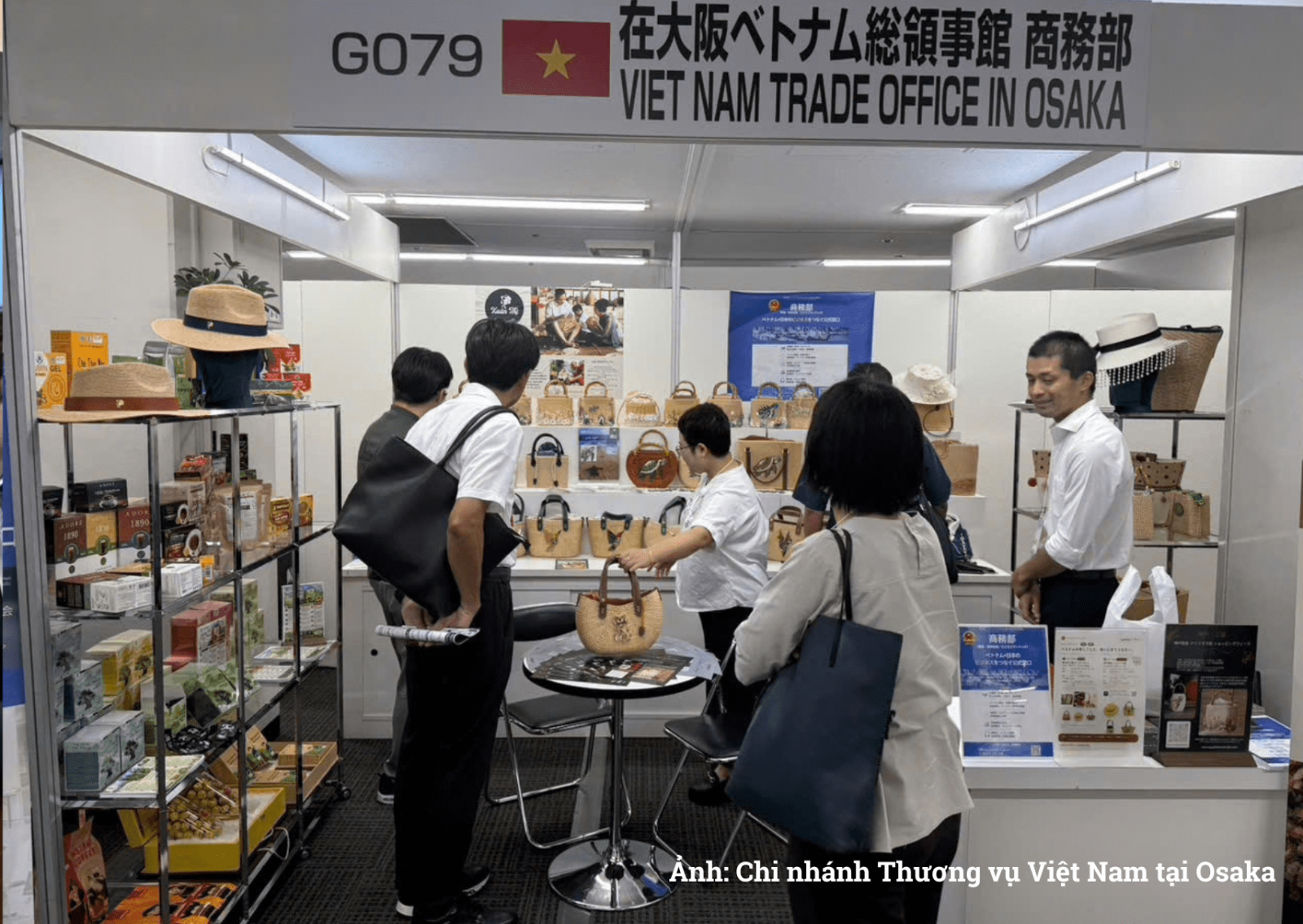
Viet Nam showcased designed handicrafts and farm products at the Osaka International Gift Show, highlighting products tailored to the local Japanese market's needs.
Viet Nam - Laos Product Week in Ha Noi is expected to help businesses from both countries promote goods, expand market access and advance the bilateral trade target.
Viet Nam showcased designed handicrafts and farm products at the Osaka International Gift Show, highlighting products tailored to the local Japanese market's needs.
Viet Nam - Laos Product Week in Ha Noi is expected to help businesses from both countries promote goods, expand market access and advance the bilateral trade target.
The Halal market is expanding, while increasingly stringent standardization requirements are creating both opportunities and challenges for Vietnamese businesses.
MoIT is advancing the Energy Efficiency Promotion Fund to mobilize financial resources and support greater investment in energy efficiency in Viet Nam.