Vietnam’s industry and trade sector enters a new era of autonomy, modernization and green-digital transformation, advancing policy to deepen global integration.
The country and the industrial and trade sector are entering a new spring with aspirations for a brighter future, while also confronting greater responsibilities of profound historical significance. Opportunities and challenges are intertwined, yet with unity and shared determination, the entire nation is resolutely moving forward.
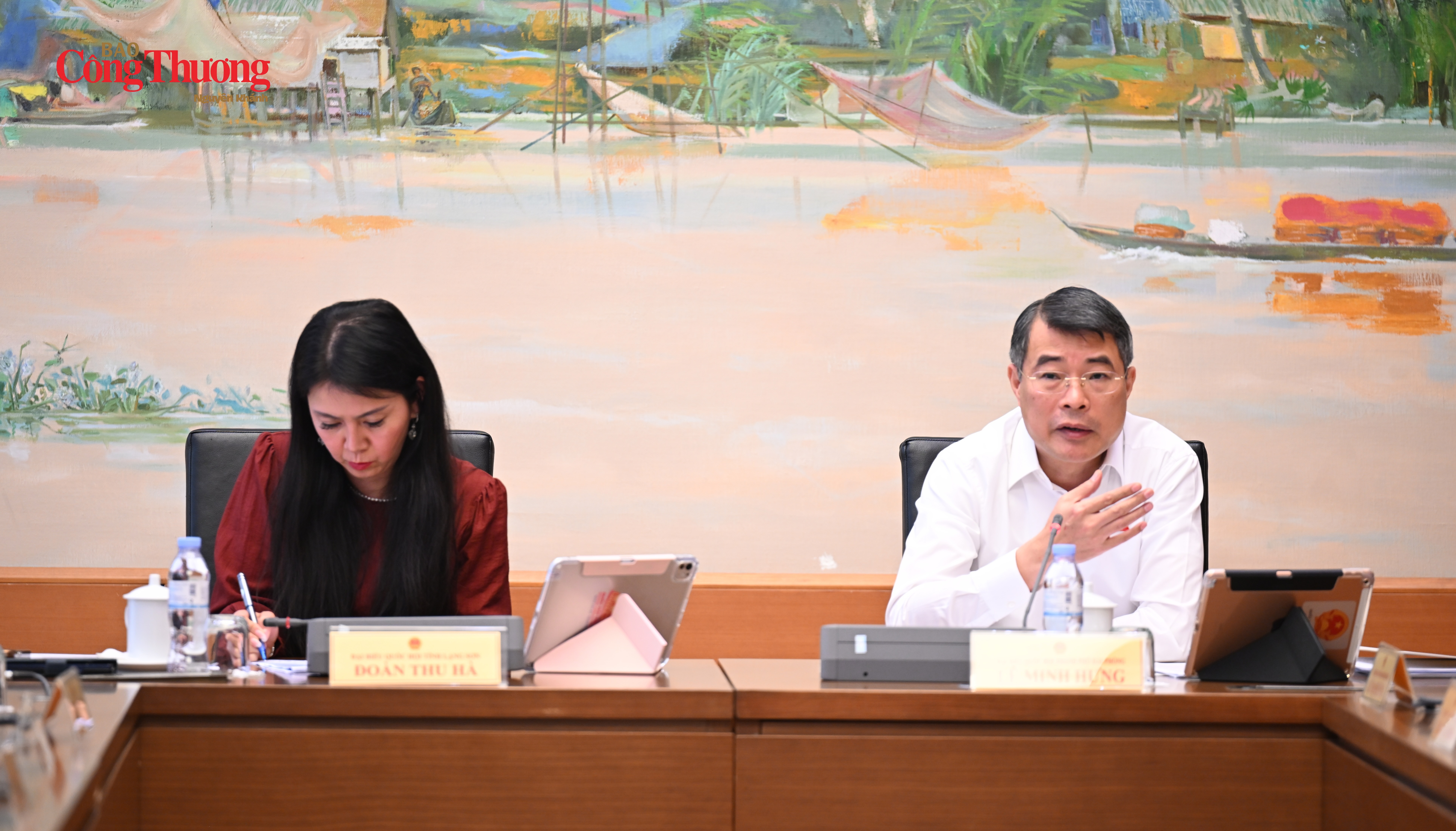
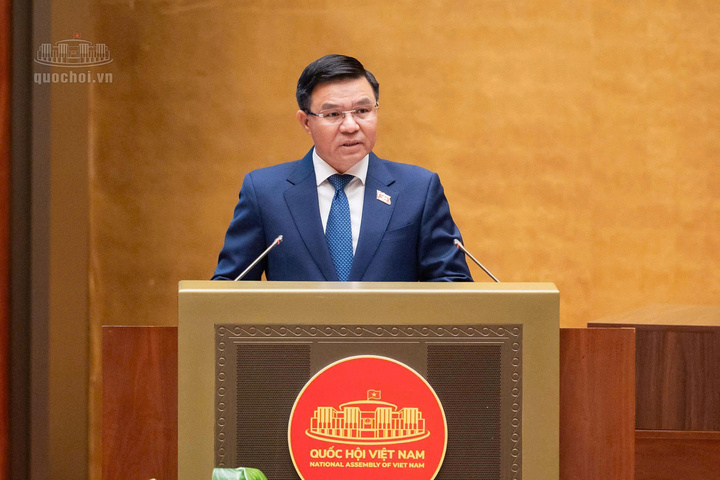
On this occasion, Newspaper of Industry and Trade respectfully introduces the speech delivered by comrade Le Manh Hung, Member of the Party Central Committee, Secretary of the Party Committee and Acting Minister of Industry and Trade of Vietnam at the 14th National Congress, titled “Developing Vietnam’s Industry and Trade Toward Autonomy, Connectivity, Modernization, Green and Digital Transformation and Effective Integration into Global Production and Supply Chains.” The speech outlines key strategic orientations for the sector in a new era of national advancement.
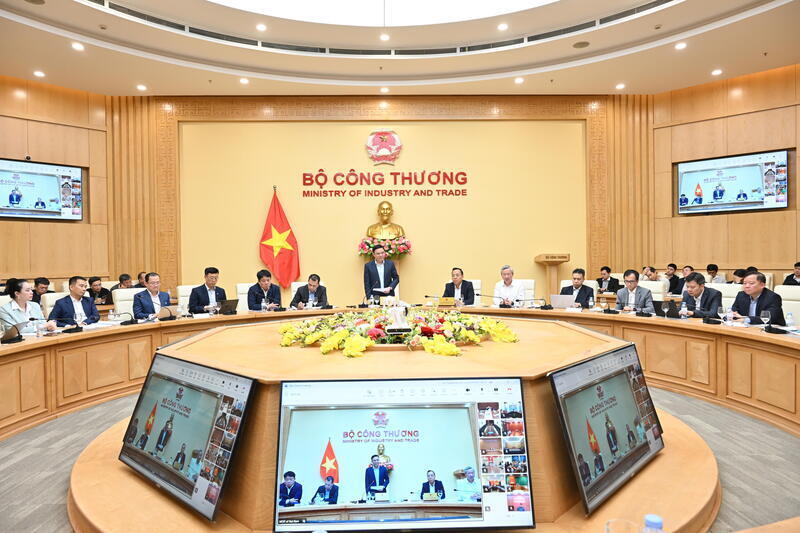
The Acting Minister chaired a working session with energy corporations and representatives from various localities to implement tasks aimed at ensuring electricity supply for 2026 and the following period.
Bright spots and contributions to the national economy
Amid the country’s overall achievements, the industrial and trade sector has made substantial contributions, serving as a strategic pillar and one of the main drivers of socio-economic development. It has advanced national progress toward autonomy, connectivity, modernization, green and digital transformation, and deeper, more effective international integration.
Notably, industrial production has recovered markedly, achieving solid growth (averaging 6.1% per year). Manufacturing and processing industries expanded at an average rate of 6.9% annually, becoming a key engine of growth and a driving force for national industrialization and modernization. Localization rates have improved, while several key industrial sectors have successfully integrated into global value chains and strengthened their positions.
The energy sector has developed strongly, rising to the largest power system scale in Southeast Asia. National energy security has been safeguarded, fundamentally meeting the needs of socio-economic development and people’s livelihoods.
Exports and imports have remained a bright spot, recording impressive average growth of 10.9% annually. Trade surpluses have been consistently maintained at high levels, contributing to foreign exchange reserves and macroeconomic stability.
The domestic market has expanded steadily, with average growth of 7.7% per year, serving as a crucial “buffer” that enables the economy to withstand external shocks and recover rapidly. E-commerce has surged, growing by over 20% annually, driving the digital economy and leading digital transformation within enterprises.
International economic integration has been implemented comprehensively and effectively, with preferential market access secured through 17 free trade agreements (FTAs). These have supported export expansion, attracted foreign investment, enhanced competitiveness, and accelerated economic restructuring toward modernization.
Despite these achievements, Vietnam’s industrial and trade sectors still face several challenges: limited technological autonomy, low value added, and modest labor productivity in industry; underdeveloped foundational industries and core technologies; slow progress in transitioning toward green and smart production; energy infrastructure lagging behind the growth of renewable capacity; regional imbalances in power supply structures and slow development of baseload generation; export structures that remain insufficiently diversified with relatively low value added and heavy dependence on imported inputs and the FDI sector and incomplete commercial and logistics infrastructure with high costs. These constraints stem from both global conditions and domestic factors.
Strategic orientations and key tasks for the sector in a new era
The country is entering a new era defined by science and technology, innovation, green and digital transformation, and deep international integration. In this context, to further advance industrial and trade development and contribute to the comprehensive realization of the 14th National Congress Resolution, the Party Committee of the Ministry is committed to focusing on several key priorities:
First, institutional and policy improvement. Institutionalize the Party’s socio-economic development orientations and industrialization policies into coherent, feasible frameworks with effective implementation. Promote the “dual transformation”, combining green transition with national energy security and digital transformation, as a strategic breakthrough to improve the business environment, remove bottlenecks, mobilize resources, and foster both traditional and new growth drivers.
Second, restructuring industry and trade in line with science, technology, and innovation. Reform thinking and accelerate restructuring to enhance productivity, quality, efficiency, and competitiveness, with the goal of raising the share of manufacturing and processing industries to 28 - 30%. Science, technology, innovation, digital transformation, and green transition will serve as the principal engines of growth.
Priority will be given to mastering emerging industries, developing leading domestic enterprises capable of spearheading strategic sectors, and building competitive advantages that drive industrialization and modernization. Infrastructure for energy, industry, commerce, and logistics centers will be developed in a synchronized, modern, green, and intelligent manner.
Third, developing autonomous supply chains. Strengthen domestic production and supply chains to enhance economic self-reliance. Implement policies that help Vietnamese enterprises integrate more deeply into global value chains and link with FDI enterprises, thereby raising localization rates and reducing external dependence. Establish procurement mechanisms enabling domestic firms to participate in major national projects.
Fourth, deep and effective international integration. Proactively engage in international economic integration and seize shifting investment flows into key sectors. Improve early warning systems and trade defense capacity to protect domestic production. Support localities and enterprises in maximizing FTA benefits, accelerate negotiations to upgrade existing agreements, and pursue new ones with potential partners. Diversify supply sources and export markets, enhance trade promotion, strengthen supply-demand connectivity, and expand e-commerce and the digital economy.
Fifth, digital transformation and administrative reform. Accelerate digital transformation across industry and trade to create breakthroughs in development. Streamline administrative procedures and public service delivery, expand online public services, and implement effective one-stop mechanisms to save time and reduce compliance costs for businesses.
Promoting international economic integration in a proactive, substantive, and effective manner is one of the key solutions for advancing the development of the industry and trade sector in the coming period.
Developing autonomous and modern national industry and trade
To successfully implement these priorities, the Party Committee of the Ministry proposes the following solutions:
First, continue to lead and advance major national policies on industrial and trade development toward autonomy, modernization, green and digital transformation, with manufacturing and energy identified as the material foundations of an independent, self-reliant economy.
Second, fundamentally reform the mindset of legal development and enforcement toward a development-enabling approach. Pilot controlled mechanisms to promptly remove bottlenecks and unlock resources, then review and scale effective models.
Third, mobilize both public and private resources to develop synchronized, modern infrastructure for energy, industry, logistics, and commerce, while enabling private sector participation in key infrastructure segments under strict guarantees of system security and national interests.
Fourth, steadfastly enhance the capacity of domestic enterprises through comprehensive solutions, recognizing this as a strategic requirement for strengthening national economic autonomy.
Fifth, deepen international economic integration in a proactive, substantive, and effective manner, linking integration with stronger domestic capacity and sustainable growth.
The industrial and trade sector is committed to shifting its mindset from “management” to “development facilitation,” standing alongside businesses, proactively unlocking resources, and transforming the challenges of green and digital transformation into opportunities for breakthrough progress, contributing to the nation’s overall development.
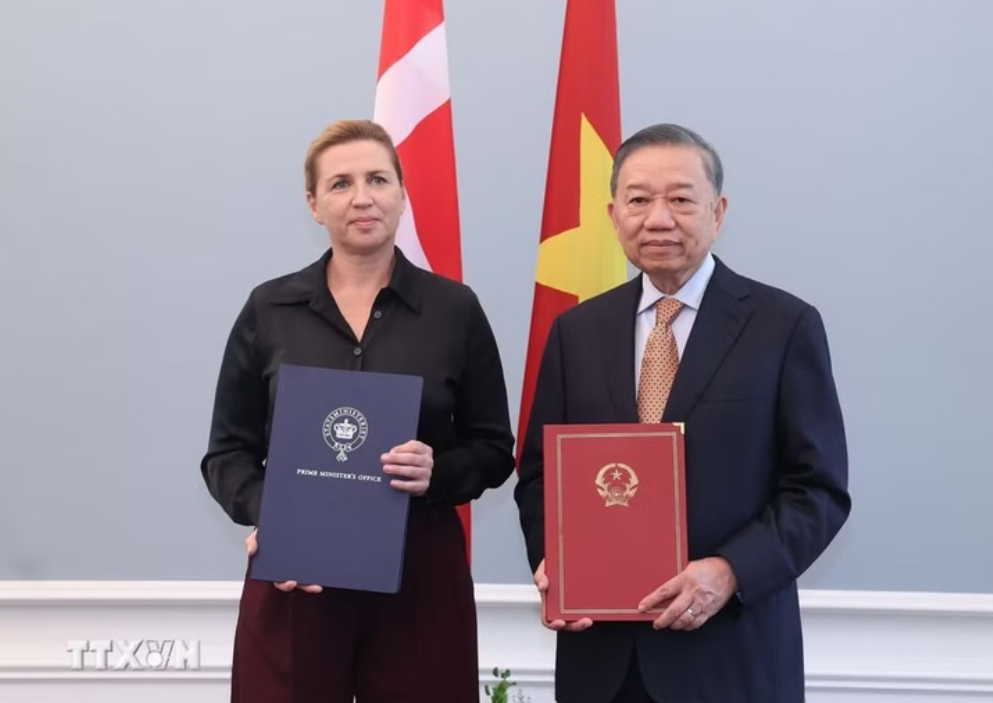
The Viet Nam Economic News respectfully presents the full text of the Joint Statement on the Establishment of a Comprehensive Strategic Partnership between Viet Nam and Denmark.
Prime Minister Le Minh Hung urged Electricity Law amendments to ensure consistency, balance state, public and investor interests, and mobilize resources.
On October 20, at the second session of the 16th National Assembly, Minister of Industry and Trade Le Manh Hung presented the Government's submission on the draft Law amending and supplementing a number of articles of the Electricity Law.
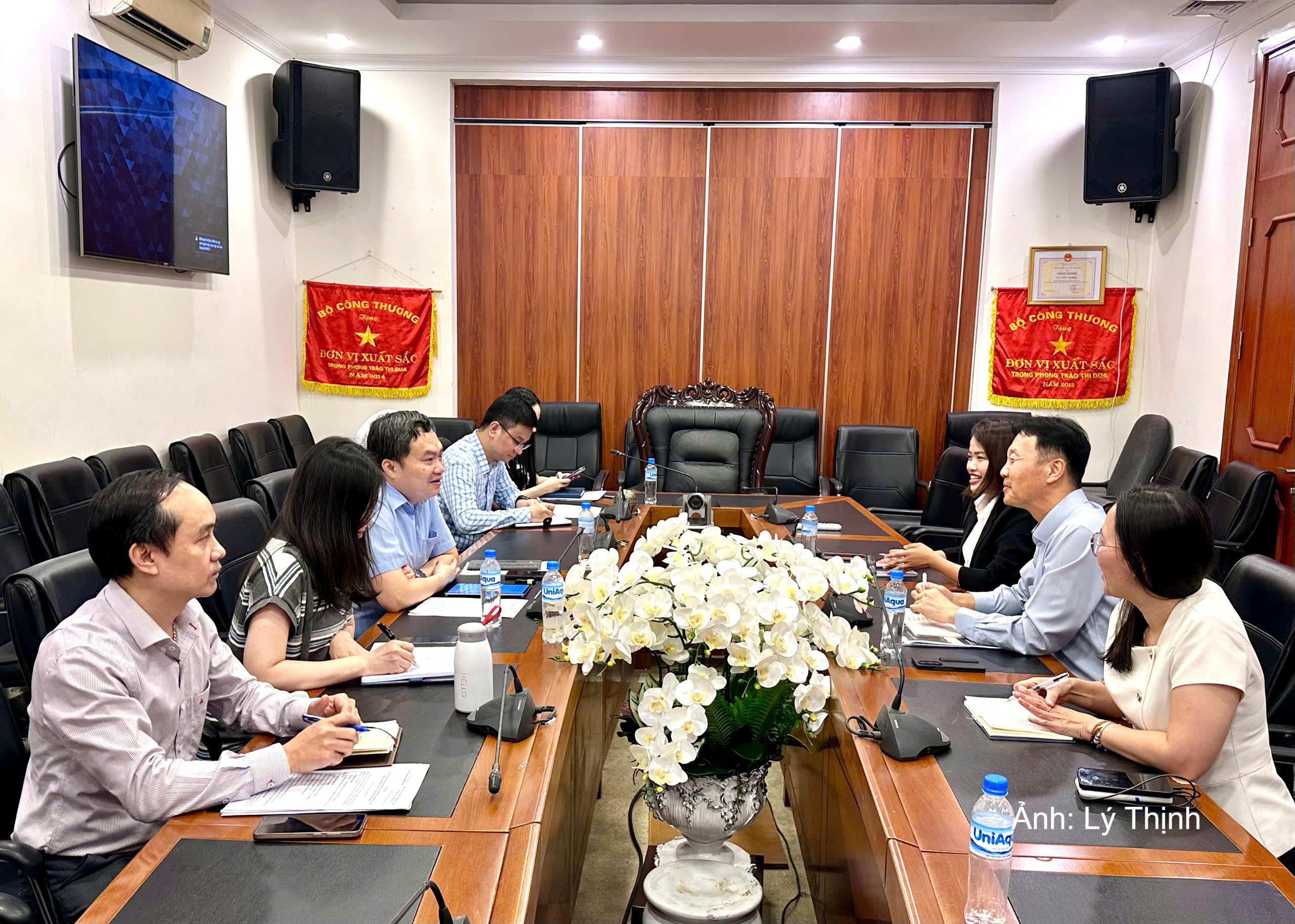
The Vietnam Industry Agency under the Ministry of Industry and Trade and Samsung Vietnam continue to strengthen cooperation in developing supporting industries, enhancing the capabilities of domestic enterprises and expanding opportunities for their participation in global supply chains.
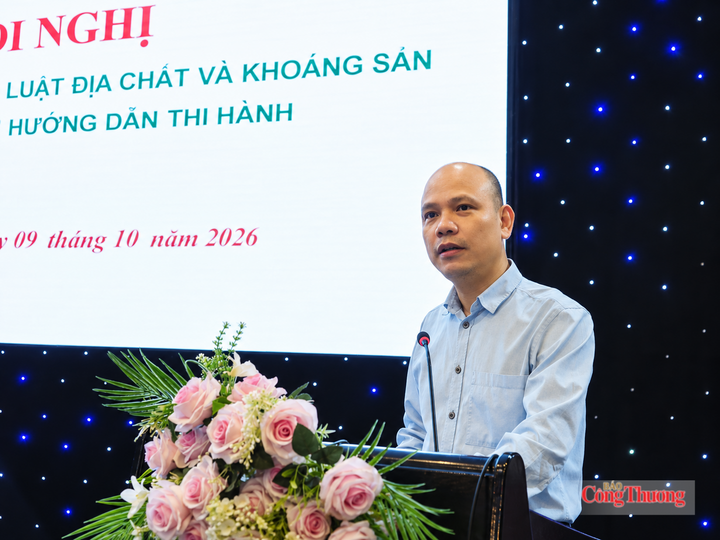
On October 9, the Viet Nam Department of Geology and Minerals, in coordination with the Thai Nguyen Department of Industry and Trade, held a conference in Thai Nguyen province to disseminate the Law on Geology and Minerals and its implementing regulations.
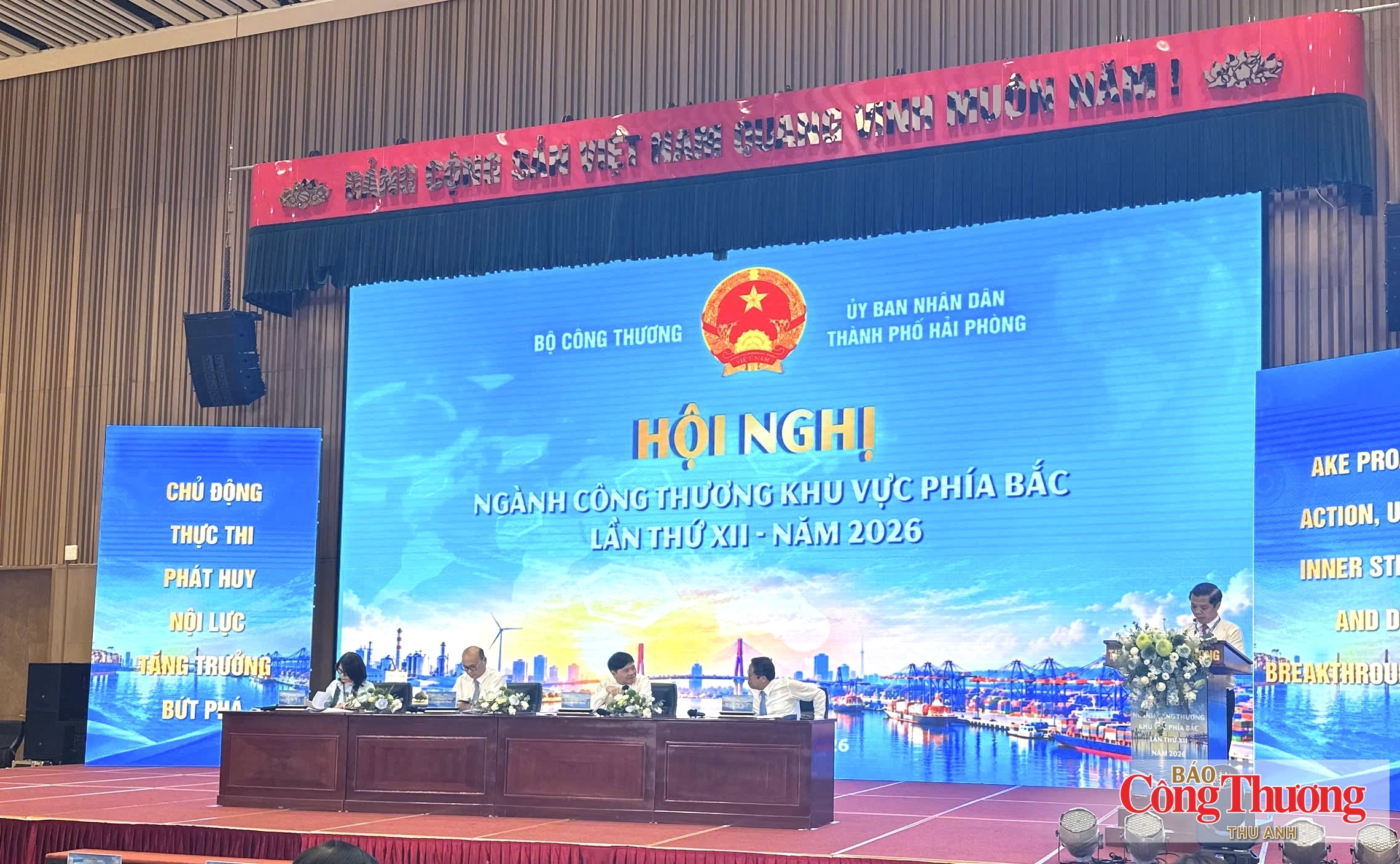
Northern localities are strengthening links in supporting industries, energy and logistics to build competitive value chains and create new growth drivers.
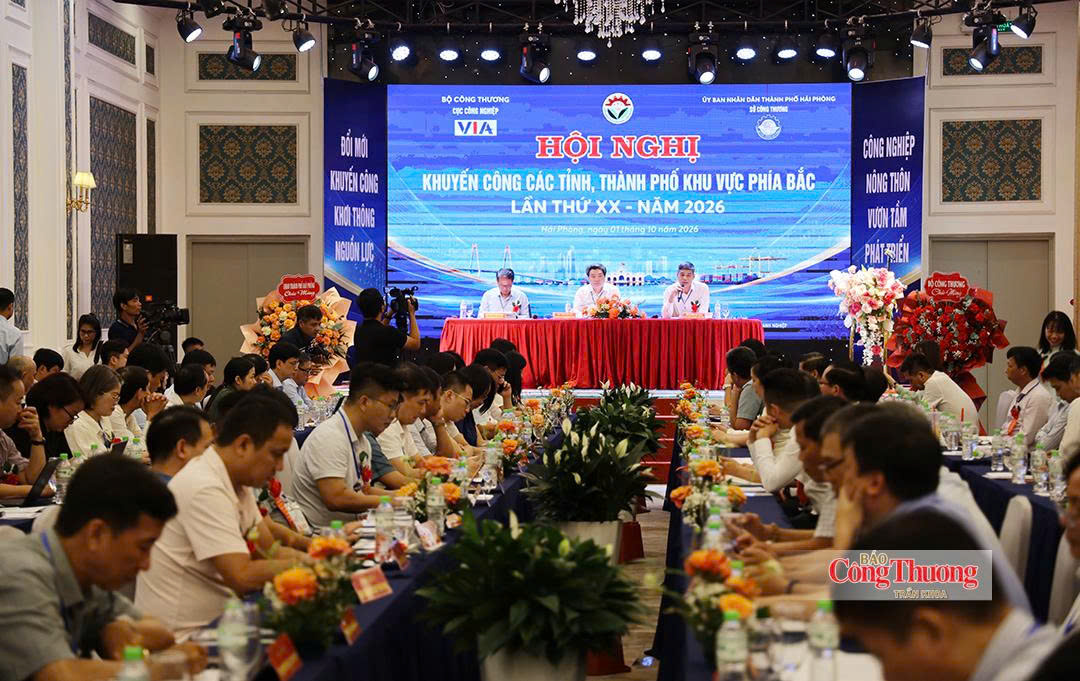
The 20th Industrial Promotion Conference for Northern Provinces and Cities in 2026 was held in Hai Phong City on October 1, with discussions focusing on renewing industrial promotion activities.
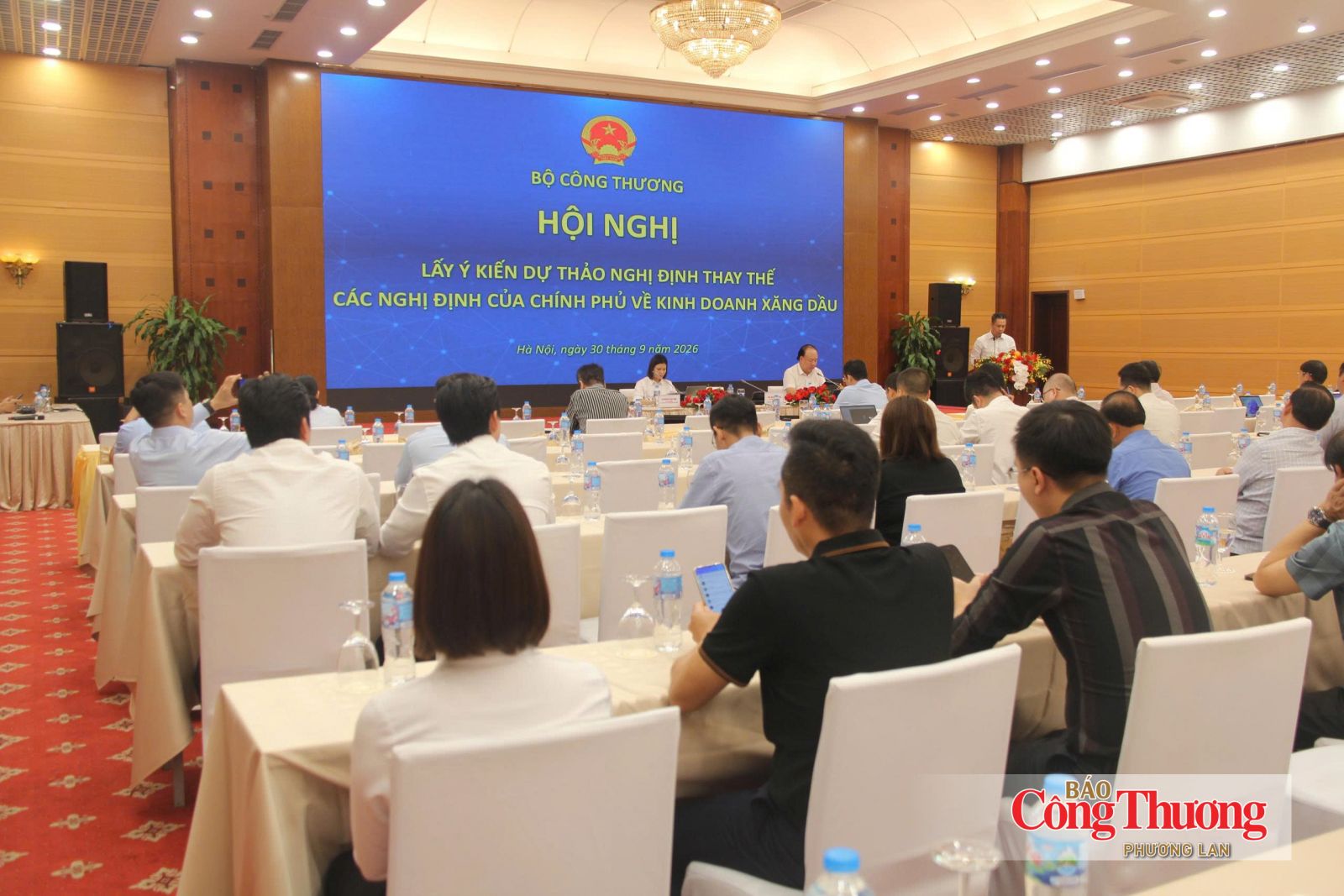
On September 30 in Ha Noi, the Ministry of Industry and Trade (MoIT) held a conference to gather broad feedback on a draft decree replacing the Government’s existing decrees on petroleum trading.