Vietnam’s trade rebounds strongly in early 2026, with rising imports reflecting production demand as policymakers push exports to drive resilient.
Early-year recovery, trade balance shifts
The first quarter of 2026 recorded a clear recovery in import-export activities, with total turnover reaching nearly USD 250 billion, marking a strong increase compared to the same period last year. Notably, import growth was mainly driven by production inputs, reflecting rising demand for raw materials and components to serve upcoming export orders.
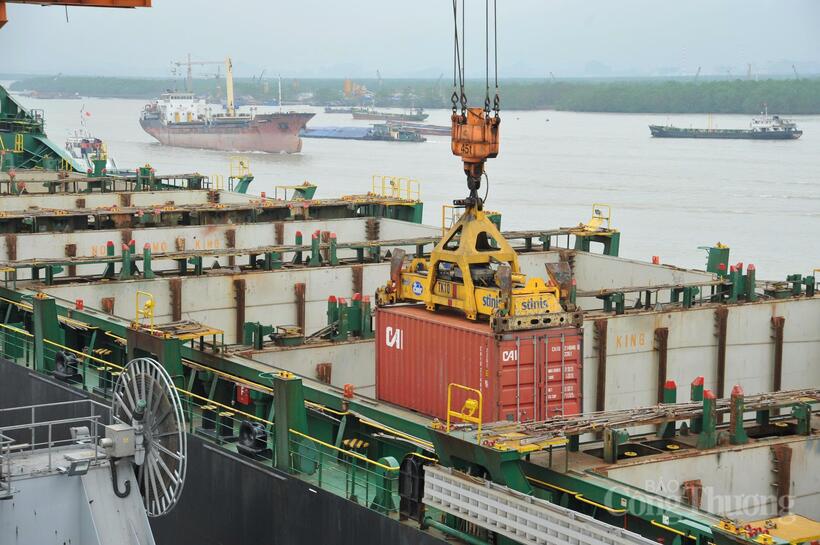
The conclusion of the second plenum of the Party Central Committee places exports and imports at the center of a new growth axis, requiring quality enhancement, market expansion and flexible management amid global volatility. Photo: Can Dung
By mid-April, the import-export landscape continued to expand in scale while also revealing new pressures. According to data from the Customs Department, as of April 15, total import-export value reached USD 297.06 billion, up 24.5% year-on-year; of which exports were estimated at USD 144.6 billion, up 20.3%, while imports reached USD 152.5 billion, rising 28.8%.
Clarifying this development, Nguyen Anh Son, Director of the Import-Export Department under the Ministry of Industry and Trade, stated that in the early months of 2026, both exports and imports achieved notable growth rates.
“The trade deficit during this period is not a cause for concern. It is an objective development, reflecting demand for imported materials, energy and components to serve production and business plans at the beginning of the year,” Nguyen Anh Son emphasized.
According to Son, following a period of accelerated exports at the end of 2025 to serve major markets, export momentum at the beginning of the year showed a certain slowdown, while enterprises increased imports to prepare for a new production cycle. “The rise in imports is a signal that production activities are operating actively,” he said.
This is also a concrete manifestation of the movement of traditional growth drivers as outlined in the conclusion of the second plenum of the Party Central Committee, in which exports continue to play an important role in promoting economic growth.
However, geopolitical developments in the Middle East are directly affecting supply chains and global transportation costs. “Around 20% of global oil and gas flows pass through this region. When conflicts occur, transportation and transshipment costs are affected, and these impacts may persist even after tensions ease,” Nguyen Anh Son noted.
Aligning with central orientations, expanding export space
From current developments, it is evident that import-export activities are entering a different phase from before. As input costs rise, markets fragment, and supply chains face continuous challenges, growth space no longer lies in going “faster,” but in going “more firmly.”
Short-term trade deficits, when viewed in the proper context, are not merely about the trade balance, but a test of the economy’s capacity to organize production and control inputs. As most materials, energy and components still depend on external sources, any fluctuation in the global market is immediately transmitted into domestic costs.
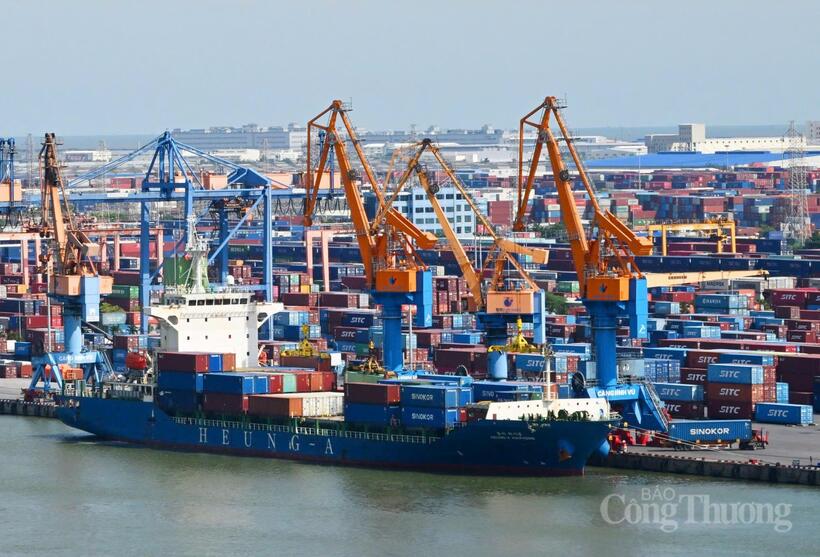
As of April 15, total import-export value reaches USD 297.06 billion, up 24.5% year-on-year. Photo: Can Dung
Conversely, the ability to sustain export momentum depends not only on orders but also on where Vietnamese goods stand within global supply chains. If they remain in low-value segments, subject to price and standard pressures, faster expansion may lead to greater vulnerability.
This issue was also raised in the conclusion of the second plenum of the 14th National Party Congress, which calls for a shift in the growth model toward improving quality, increasing value-added content, and reducing dependence on external factors.
Therefore, the current challenge is not how many new markets can be opened, but how to redefine the path of exports: which segments to enter, which advantages to leverage, and how to reduce reliance on external inputs. This is also the key to maintaining proactiveness in an environment where volatility has become the norm.
From the practical management experience in the early months of the year, the Director of the Import-Export Department noted that the greatest pressure currently does not lie in orders, but in factors beyond enterprises’ control. As transportation costs remain high and energy supply is affected by geopolitical conflicts, overall input costs for export activities are pushed upward, increasing risks related to delivery schedules and efficiency.
In this context, management requirements no longer stop at balancing exports and imports, but shift toward closely monitoring every market fluctuation, from freight rates and cargo flows to partners’ policies. Timely responses to these changes have become decisive in maintaining stable export momentum.
Notably, growth space no longer lies entirely in expanding markets, but in the ability to reorganize trade flows in a more flexible manner. As traditional transport routes face pressure, redirecting markets, diversifying transport modes, or utilizing less-affected routes can help reduce risks and sustain growth.
This approach is also consistent with central orientations on market diversification, effective use of free trade agreements, and proactive adaptation to external fluctuations.
From the perspective of enterprises, the requirement to enhance adaptability has become more evident than ever. As costs and risks can change rapidly, decisions regarding partners, transport methods, and markets are no longer isolated choices but decisive factors for export efficiency.
The conclusion of the second plenum of the Party Central Committee emphasizes striving for double-digit economic growth. Within this growth structure, exports continue to serve as a key driver of the economy. The focus is placed on increasing value-added, diversifying markets, and reducing dependence on external inputs, thereby strengthening economic autonomy and resilience.
Addressing the Myanmar - Viet Nam Business Forum, Deputy Prime Minister Nguyen Van Thang said the two sides should expand the space for cooperation and leverage their respective resources to support the self-reliant and resilient development of each country, contributing to the implementation of agreements reached by the senior leaders of the two countries.
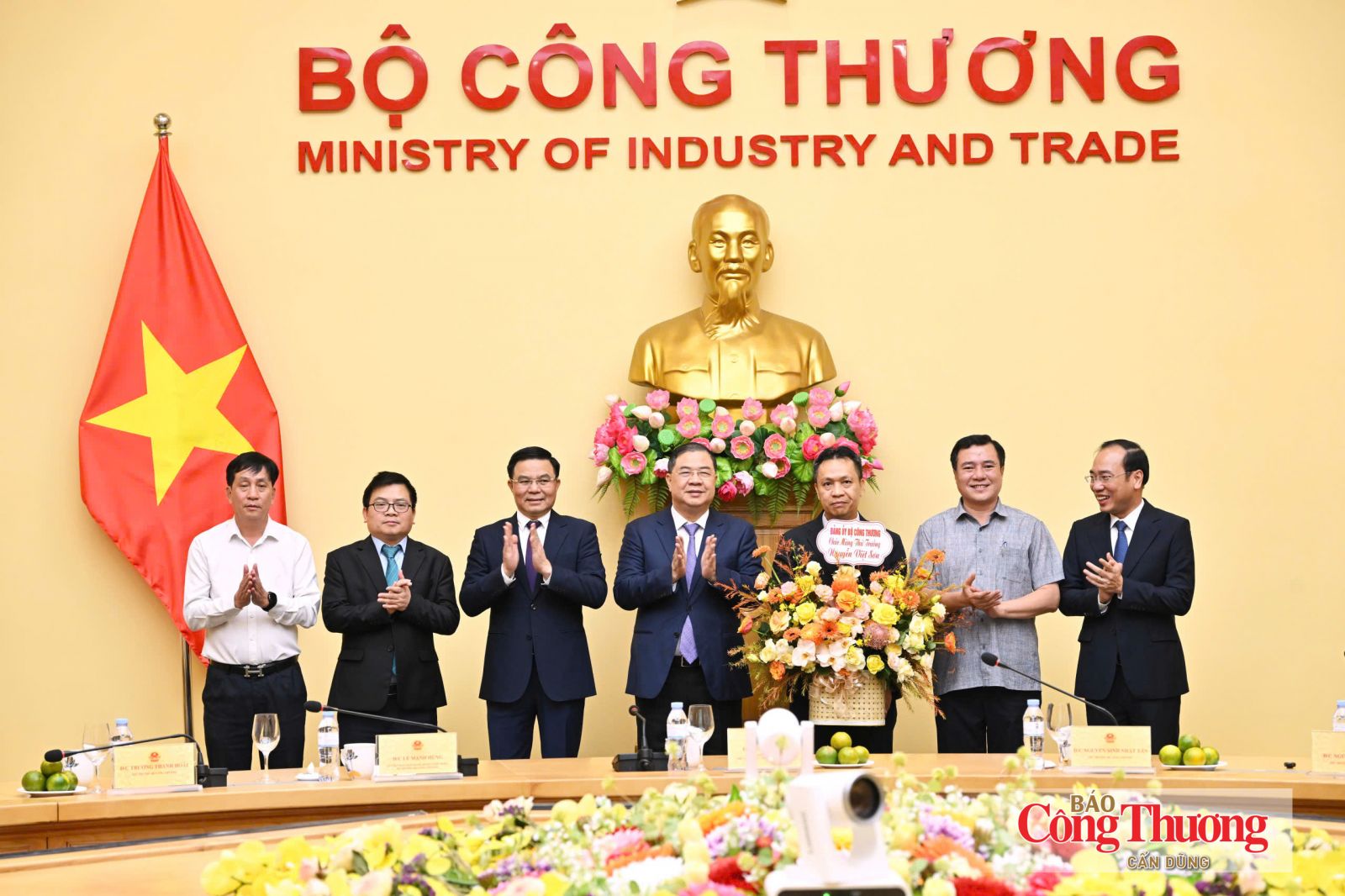
On the afternoon of September 6, at the headquarters of the Ministry of Industry and Trade (MoIT), Politburo member and Standing Deputy Prime Minister Pham Gia Tuc handed over the Prime Minister's decision appointing Nguyen Viet Son as Deputy Minister of Industry and Trade.
The iDEA and TikTok Shop launched the “Beyond Vietnam” initiative to help Vietnamese businesses build digital export capabilities and expand global market access.
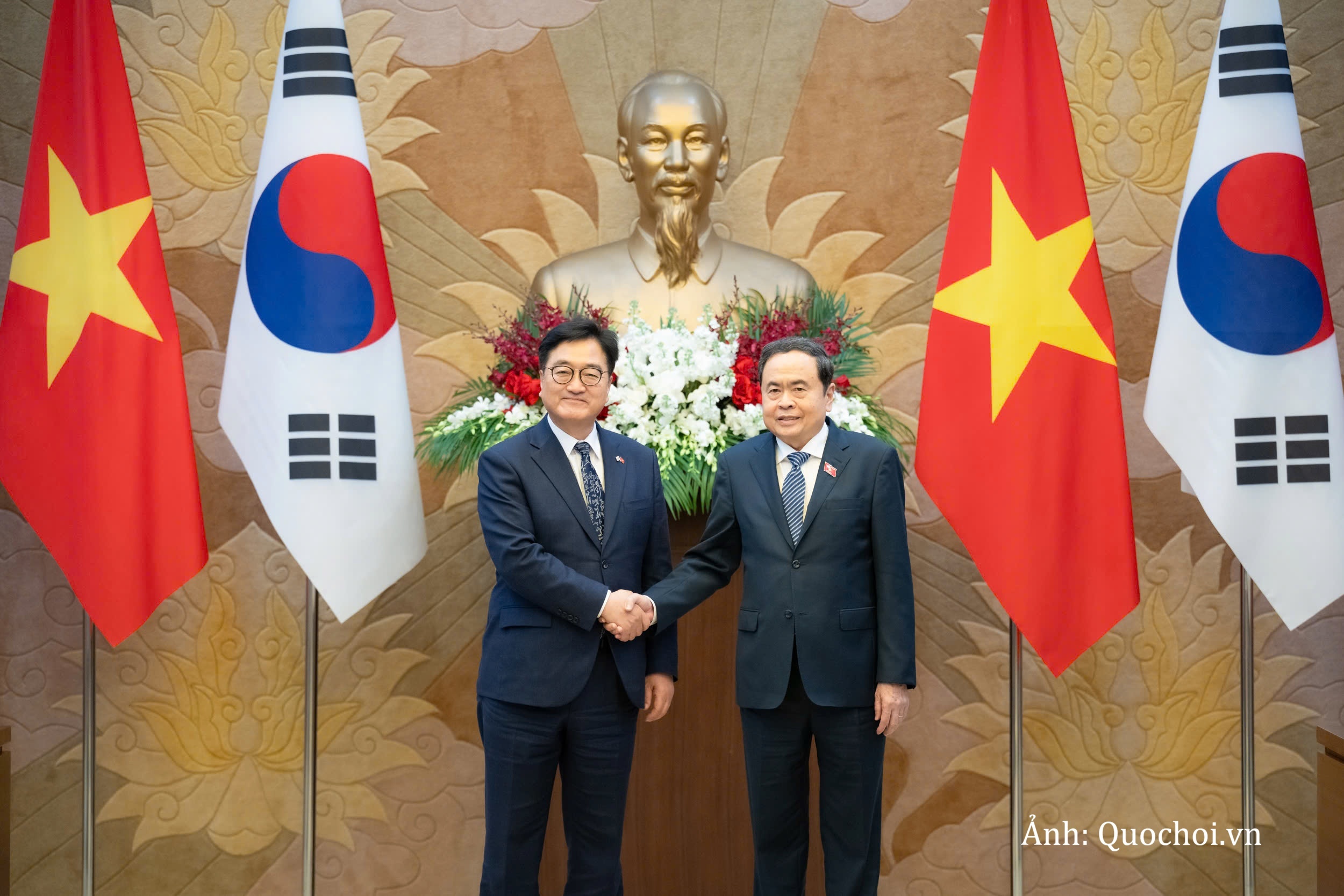
As Viet Nam and the Republic of Korea (RoK) work towards the goal of raising bilateral trade to USD 150 billion, the National Assemblies of the two countries have an important role to play in improving institutions and removing bottlenecks.
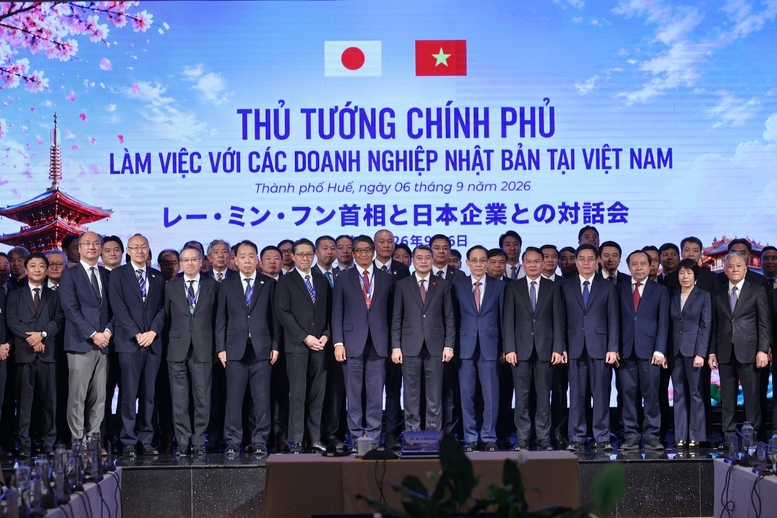
Chairing a meeting with Japanese businesses on the morning of September 6, Prime Minister Le Minh Hung called for Viet Nam - Japan investment ties to shift decisively from a relationship between “investors and investment destinations” toward a partnership for joint development and co-creation, involving joint research, innovation, production, and effective participation in and affirmation of their positions and roles in global value chains.
The iDEA and TikTok Shop launched the “Beyond Vietnam” initiative to help Vietnamese businesses build digital export capabilities and expand global market access.
Tourism Malaysia reaffirmed its commitment to the Vietnamese market at ITE HCMC 2026, promoting the extended Visit Malaysia 2026 - 2027 campaign and expanding tourism cooperation.
Viet Nam Trade Office in Argentina is boosting business links to expand cooperation in timber, minerals and investment, opening new opportunities for firms in both countries.
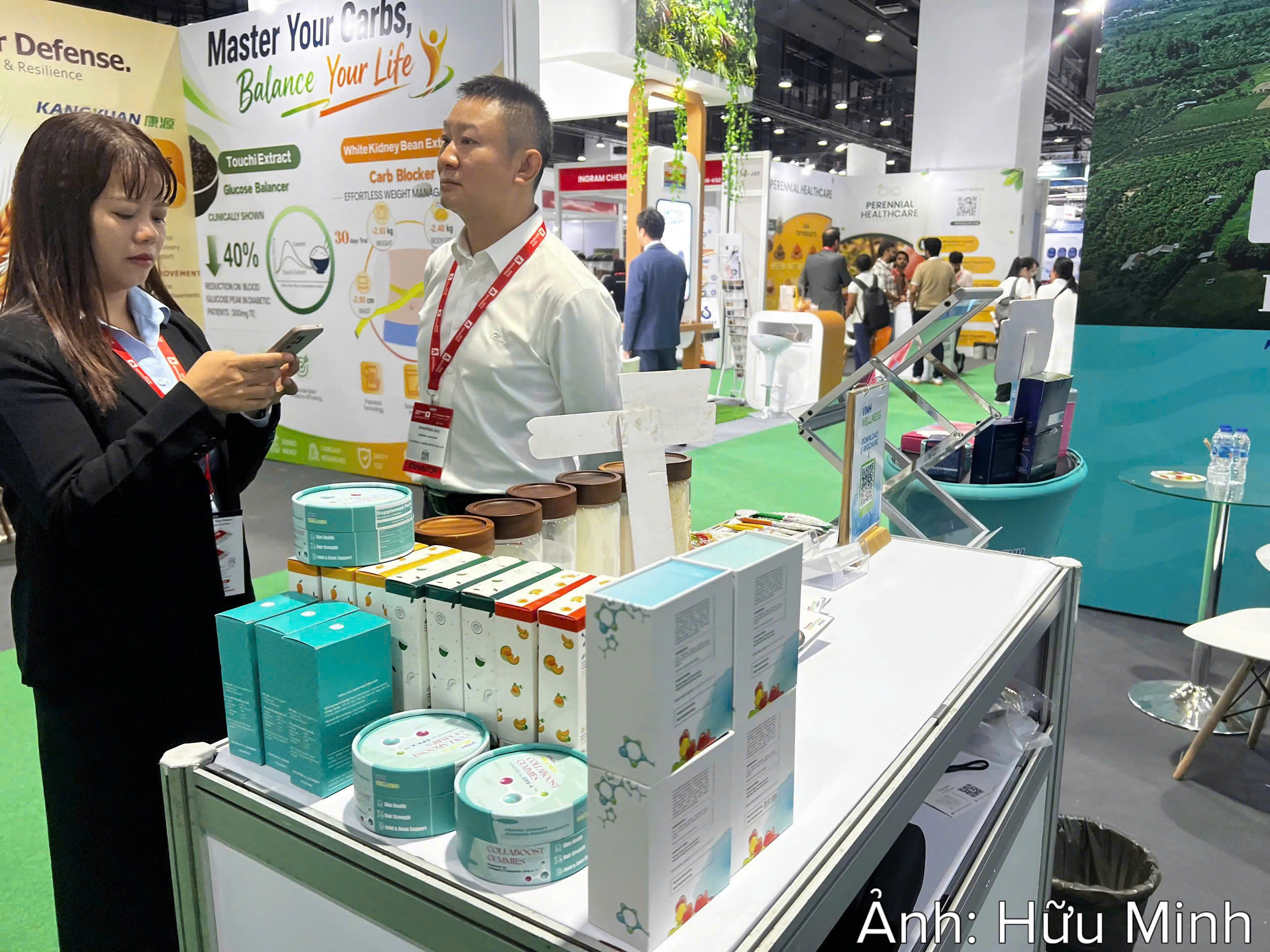
Vitafoods Asia 2026 in Thailand highlighted the growing presence of Vietnamese health and nutrition products, opening new opportunities for global market expansion.
Viet Nam is addressing key bottlenecks and improving durian quality to boost exports, with the sector targeting USD 4 billion in export turnover this year.