ESG is becoming a new market standard. However, awareness, resources and policy mechanisms remain major bottlenecks for Vietnamese enterprises.
Businesses want to act but do not know where to start
ESG is gradually becoming a common standard in the global marketplace. For Vietnamese enterprises, it is no longer merely a matter of corporate image or social responsibility, but has become a prerequisite for participating in supply chains, accessing capital and enhancing competitiveness.
According to experts, pressure to implement ESG is coming from multiple directions. New regulations in international markets, such as the Carbon Border Adjustment Mechanism (CBAM), requirements on traceability, emissions reduction and social responsibility, are increasingly becoming trade conditions. Domestically, Vietnam has committed to achieving net-zero emissions by 2050 while promoting green growth, the circular economy, the carbon market and green finance.
In this context, ESG is shifting from an encouraged practice to a mandatory requirement. However, a considerable gap remains between awareness and action.
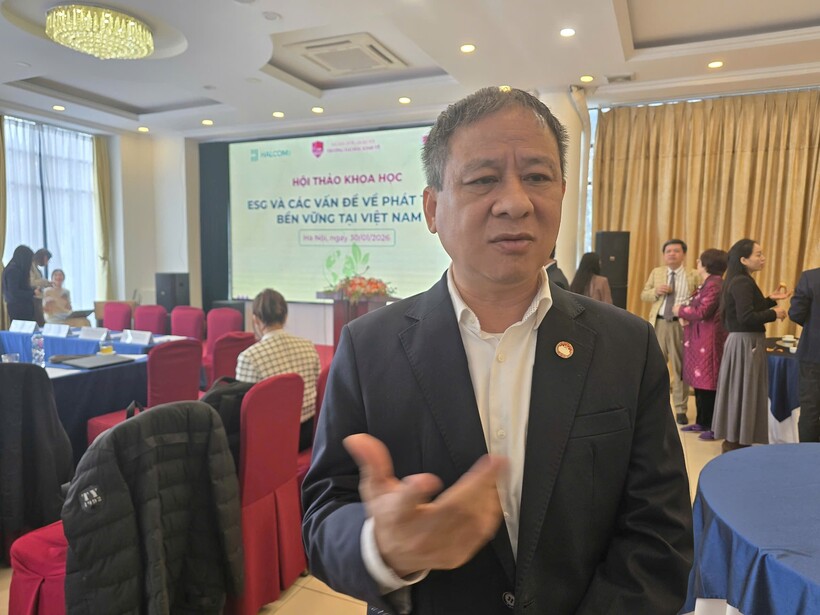
Nguyen Cong Hung, Vice Chairman of the Vietnam Automobile Transportation Association, said the biggest bottleneck at present is that many businesses still do not fully understand what ESG is and where they should begin.
Nguyen Cong Hung, Vice Chairman of the Vietnam Automobile Transportation Association.
According to Hung, effective ESG implementation must start with helping enterprises gain a proper understanding of the concept. Only when businesses fully understand ESG can they develop plans, organize implementation and establish governance systems aligned with ESG standards.
“People are the central actors in the transition process. Understanding is the foundation for action,” Hung said.
In reality, many transport enterprises remain uncertain about how to implement ESG due to a lack of specialized knowledge, while the domestic system of standards and technical regulations remains incomplete, leaving businesses without a sufficient basis for application.
From an environmental perspective, Professor Dang Kim Chi, Chairwoman of the Scientific and Technical Council under the Vietnam Association for Conservation of Nature and Environment, said sustainable development is an irreversible trend. According to her, ESG is gradually becoming a mandatory requirement, similar to the process of implementing environmental impact assessments in the past.
“When environmental impact assessments were first introduced, they also faced considerable resistance. However, once they became a legal requirement and were accompanied by monitoring mechanisms, implementation gradually became standard practice,” Professor Dang Kim Chi said.
According to Chi, Vietnam could consider gradually incorporating ESG as an important criterion in business operations, thereby ensuring harmony between economic development, environmental protection and social responsibility.
However, experts also noted that the transition process must be aligned with the practical conditions of Vietnamese enterprises.
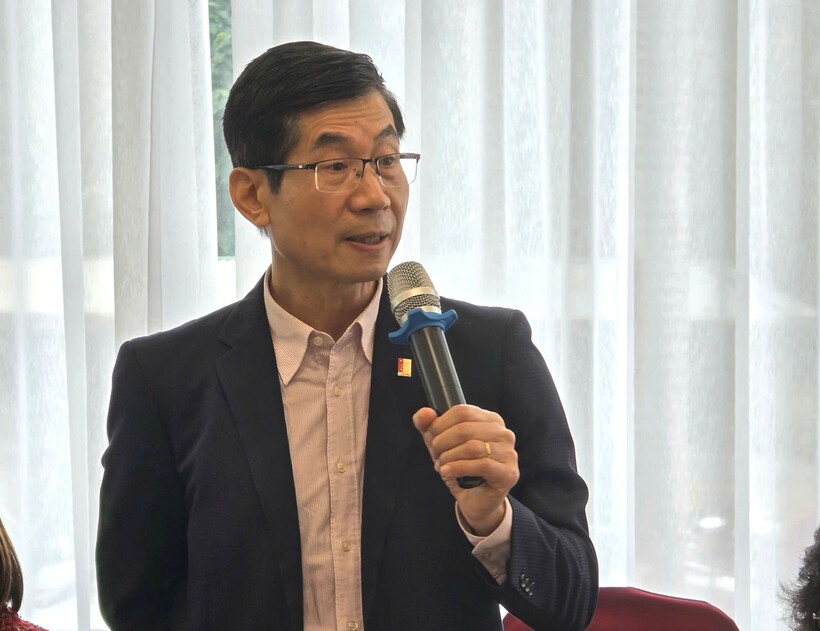
Associate Professor and Dr. Pham Hoang Luong said that more than 95% of Vietnamese enterprises are small and medium-sized businesses, most of which primarily serve the domestic market. Applying high-level ESG standards across the board without taking into account the adaptability of this group would create substantial pressure.
Associate Professor and Dr. Pham Hoang Luong shares his views on ESG.
According to Luong, newly established enterprises may be able to adopt high standards from the outset, while existing businesses require an appropriate transition roadmap to gradually reduce environmental impacts and strengthen governance capacity.
“Businesses need a sufficiently long and stable roadmap to adapt. The most important factor is policy consistency,” Luong emphasized.
He noted that investment projects in energy and manufacturing often have lifecycles spanning several decades. Sudden policy changes could significantly affect investment decisions and market confidence.
Addressing bottlenecks to ensure substantive ESG implementation
According to experts, ESG can only achieve its intended effectiveness if the transition process is fair and inclusive. While businesses recognise the need for green transformation, many continue to face challenges related to capital, technology, human resources and technical infrastructure.
Ta Dinh Thi, Deputy Chairman of the National Assembly’s Committee for Science, Technology and Environment, said ESG is a modern tool for realising sustainable development goals. However, substantive implementation requires synchronised policies and an appropriate roadmap.
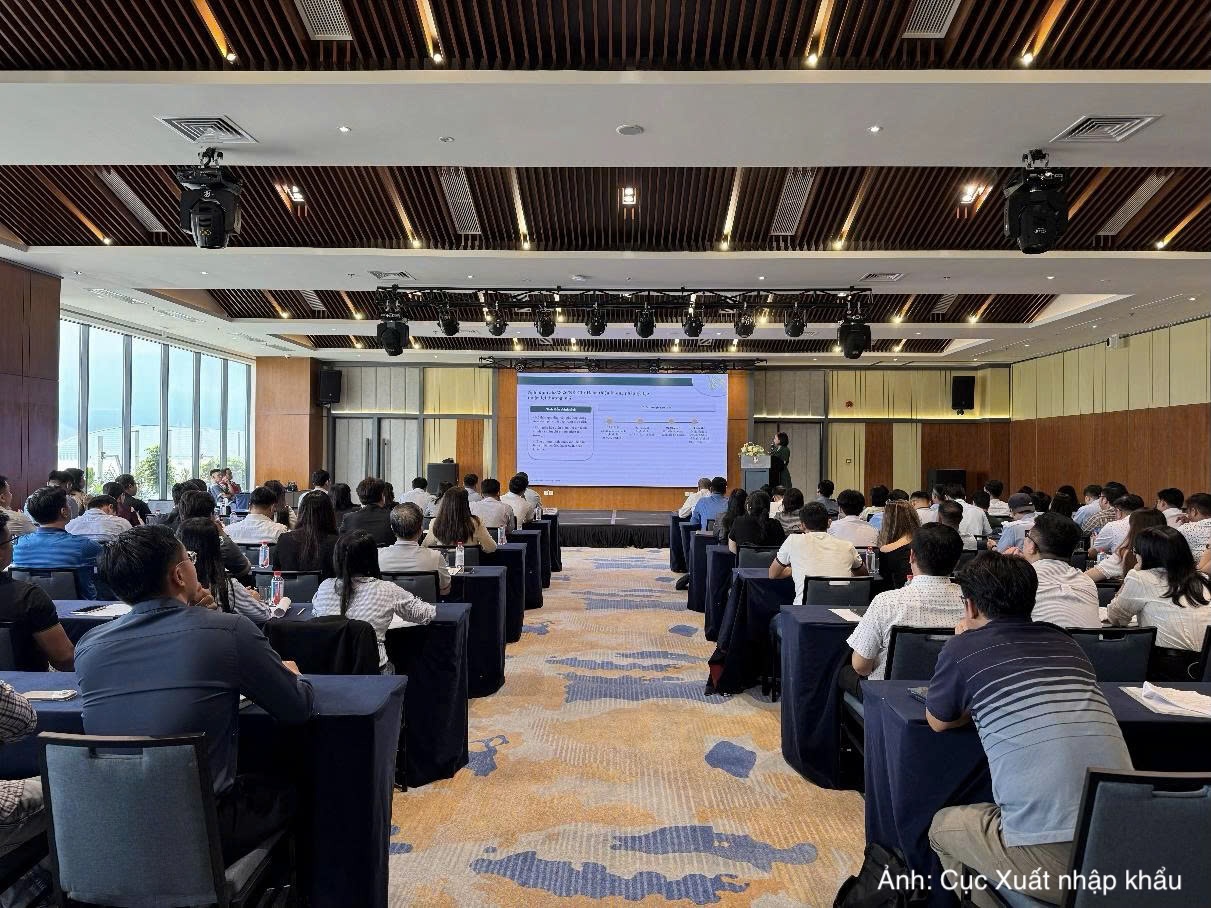
Ta Dinh Thi points out bottlenecks and solutions for ESG implementation
According to Thi, through oversight of the implementation of the 2020 Law on Environmental Protection, the National Assembly has recognised the need to further promote ESG-related initiatives in order to guide enterprises towards more sustainable development.
“Through my engagement with businesses, I have found that effective ESG implementation requires improvements in governance capacity, the strengthening of internal capabilities, and the integration of production and business activities with environmental and social responsibilities,” he said, noting that ESG continues to face numerous challenges related to awareness, resources, implementation conditions and support mechanisms.
He stressed that “policy is the driving force, while the market provides the pull.” For ESG to become a reality, the participation of the State, businesses and consumers is required simultaneously.
In this process, the State should continue improving mechanisms, policies and legislation; businesses should proactively develop transition roadmaps that match their capacities; and consumers should serve as a driving force and a supervisory mechanism for the fulfilment of corporate environmental and social responsibilities.
ESG is becoming a benchmark of corporate competitiveness in a new stage of development
“ESG is an effective toolkit for achieving sustainable development goals. However, meaningful implementation requires strong policies, an appropriate roadmap and the coordinated participation of society as a whole,” Thi emphasised.
Looking beyond compliance requirements, ESG is increasingly becoming a benchmark of corporate competitiveness in a new stage of development. As green standards become a growing condition for market access, delayed transition could result in businesses losing opportunities to participate in global supply chains. Conversely, companies that move early will gain advantages in accessing capital, markets and investors, thereby creating a foundation for sustainable long-term growth.
On October 13, the Agency of Foreign Trade under the Ministry of Industry and Trade (MoIT) held a conference in Dong Thap province to disseminate Government Decree No.365/2026/ND-CP dated September 23, 2026, on rice export and import business, and Circular No.65/2026/TT-BCT dated October 1, 2026, issued by the Minister of Industry and Trade, detailing certain provisions and measures for implementing Decree No.365/2026/ND-CP.
On October 13, Deputy Minister of Industry and Trade Luong Hoang Thai held a working session with MEDEF International, a French business organization, and representatives of French corporations operating in various sectors, including energy, industry, transport, construction and infrastructure development, food and beverages, and services, at the Ministry of Industry and Trade's headquarters.
On October 14, Deputy Minister of Industry and Trade Luong Hoang Thai received and held a working session with a delegation from Hamburg, Germany, led by the city's First Mayor Peter Tschentscher at the Ministry of Industry and Trade's headquarters.
The Copyright Office is working closely with relevant agencies to develop plans for inspections and enforcement action against copyright and related rights infringements in the digital environment.
Viet Nam’s cultural industries are poised for growth as development targets become clearer, the digital content market expands and technology creates new ways.
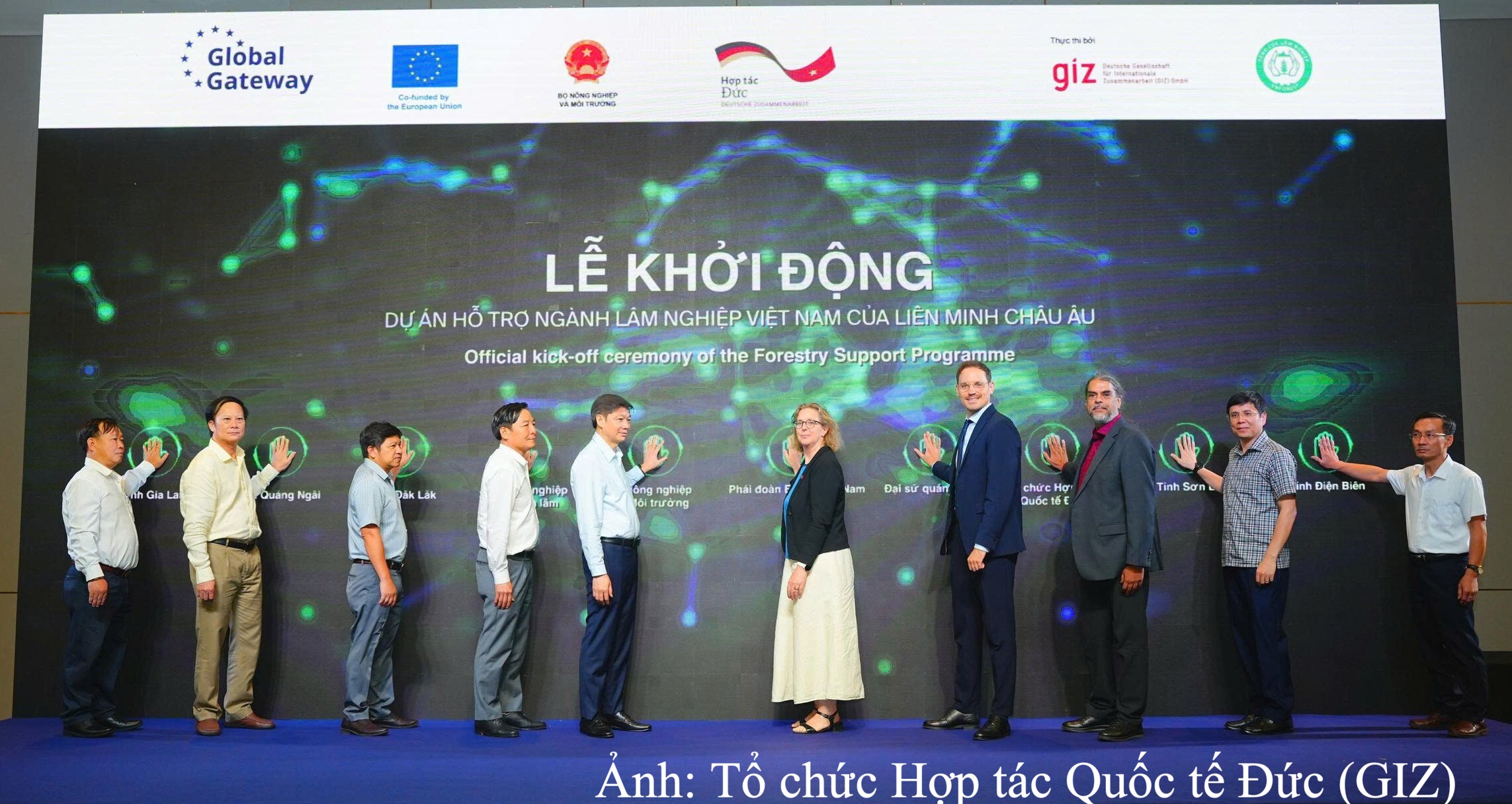
Viet Nam, the EU, and Germany have launched a forestry project to restore and sustainably manage natural forests, advancing green growth and climate resilience.
From 29 June, Vietnam’s domestic carbon market officially entered its pilot phase, marking a transition from emissions management through administrative command-and-control measures to a market-based mechanism.