Directive No.20/CT-TTg is creating new momentum for the green transition process in industries with high emissions.
As an energy-intensive sector with significant greenhouse gas emissions, the steel industry is stepping up technological innovation, improving resource efficiency, reducing carbon emissions, and moving towards a sustainable production model. From government policies to corporate action, the green transition is opening up opportunities to enhance the competitiveness of Vietnam's steel industry amid deeper international integration.
Green transition becomes an inevitable requirement
The steel industry is considered one of the sectors with the highest greenhouse gas emission intensity in the world. According to international statistics, each tonne of steel produced using traditional blast furnace technology can generate between 1.8 and 2 tonnes of CO2 emissions. With global steel output exceeding 1.8 billion tonnes annually, the industry currently accounts for around 7 - 9% of total global greenhouse gas emissions.
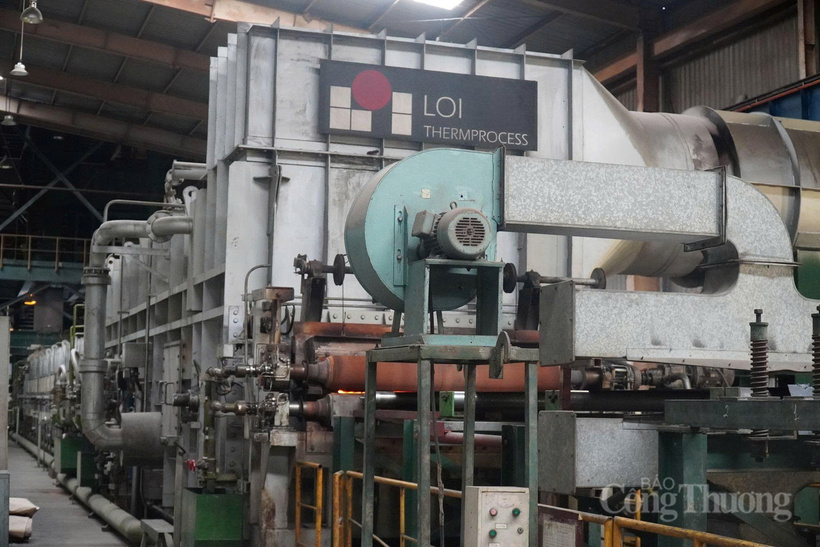
The furnace of VNSTEEL Thang Long Coated Steel's galvanising line uses LNG as fuel. Photo: Thu Huong
In Vietnam, alongside the country's industrialization and modernization process, the steel industry plays a crucial role in infrastructure development, construction, and industrial manufacturing. However, production growth has also brought increasingly stringent requirements for environmental protection, efficient energy use, and emission reductions.
Against this backdrop, Directive No.20/CT-TTg issued by the Prime Minister on a number of urgent environmental protection tasks is regarded as an important orientation for promoting innovation in industrial development models. The directive assigns the Ministry of Industry and Trade (MoIT) to take the lead, in coordination with relevant ministries and agencies, in proposing and directing the development of environmental industries. It also requires coordination with ministries, sectors, and localities to strengthen state management of environmental protection in industrial parks and clusters, as well as the import of used vehicles, machinery, and scrap materials used as production inputs. Specific implementation plans are to be developed from the third quarter of 2025.
These requirements are also fully aligned with global development trends. From January 1, 2026, the European Union (EU) officially began fully implementing the Carbon Border Adjustment Mechanism (CBAM), under which imported steel products must bear carbon costs equivalent to those imposed on producers within the bloc. This means that carbon emissions are no longer merely an environmental issue but have become a determining factor in the competitiveness of products in international markets.
Domestically, the implementation of greenhouse gas inventories, pilot emissions quota allocations, and preparations for the operation of a carbon market are bringing fundamental changes to industrial production activities. Under Decree No.119/2025/ND-CP, steel manufacturing facilities subject to regulatory oversight are required to gradually conduct emissions inventories and participate in the national emissions reduction roadmap.
According to data from the Vietnam Steel Association (VSA), the country’s crude steel output reached nearly 24.7 million tonnes in 2025, up 12% year-on-year and the highest level recorded in the past five years. As production continues to expand, the need for green development is becoming increasingly urgent.
Experts note that while environmental protection was previously viewed mainly as a corporate social responsibility, it has now become a prerequisite for maintaining competitiveness and participating in global supply chains. As a result, green transition is no longer an option but an inevitable requirement for the entire steel industry.
From policy to action
To achieve green growth and sustainable development goals, many steel enterprises have proactively developed emission reduction strategies, adopted new technologies, and enhanced environmental management efficiency.
As a leading enterprise in Vietnam’s steel industry, Vietnam Steel Corporation - JSC (VNSTEEL) considers environmental protection one of the key pillars of its long-term development strategy. Guided by the vision of “surviving and developing in a carbon-neutral world,” the corporation has established a phased emissions reduction roadmap extending to 2050.
Currently, around 82% of VNSTEEL's crude steel output is produced using electric arc furnace (EAF) technology, while only 18% comes from traditional blast furnaces. This represents a significant advantage, as EAF technology uses recycled scrap steel as its primary input material, substantially reducing carbon emissions compared to steelmaking based on virgin iron ore.
Under its established roadmap, VNSTEEL aims to reduce carbon emissions by 5 - 10% in the short term through improved energy efficiency, lower material consumption, better input quality, and optimized production processes. By 2030, the corporation targets emission reductions of 20 - 30% while gradually replacing outdated technologies with more advanced equipment. Looking further ahead, the goal of achieving net-zero emissions by 2050 is being translated into concrete actions through research into renewable energy sources, including wind and solar power, as well as other low-carbon technologies.
Beyond strategic orientations, many VNSTEEL subsidiaries have implemented practical measures to realize green transition objectives.
At Southern Steel Company Limited - VNSTEEL, electric arc furnace technology was selected from the outset when the plant commenced operations. With an annual steelmaking capacity of approximately 500,000 tonnes, the company is regarded as one of the pioneers in applying low-emission technologies within Vietnam's steel industry.
To control air pollution, the company invested more than VND 42 billion in upgrading its electric arc furnace exhaust gas treatment system. The system is capable of capturing and treating approximately 1.56 million cubic metres of gas per hour, utilizing more than 4,100 fabric filter bags and meeting national technical standards for emissions from steel production facilities.
At the same time, a wastewater treatment system with a capacity of 950 cubic metres per day is operated under a continuous 24/7 automated monitoring mechanism directly connected to state management authorities. This is also one of the requirements emphasized in Directive 20 to enhance transparency and ensure effective control of major emission sources.
In the field of energy management, the company has implemented a series of measures, including installing variable-frequency drives for pumping and compressed-air systems, replacing motors with high-efficiency alternatives, establishing a centralized compressed-air control system, and utilizing residual heat from hot billets during production. These solutions not only help reduce production costs but also contribute to lowering greenhouse gas emissions.
Another important milestone was the completion of a greenhouse gas inventory in line with international standards, covering both direct emissions and indirect emissions arising from electricity consumption. The establishment of a comprehensive emissions database enables the company to accurately identify opportunities for further reductions while preparing for participation in the future carbon market.
At the National Forum on Environment and Climate 2026, VNSTEEL leaders stated that emission reduction is not only a mandatory requirement but also an opportunity to enhance corporate competitiveness. Accordingly, the corporation is focusing on three key groups of solutions: optimizing technology and emissions management; promoting renewable energy use and the circular economy; and improving product quality while raising labor productivity to generate resources for the green transition process.
In reality, the implementation of Directive 20 goes beyond compliance with environmental regulations and is creating momentum for enterprises to innovate their development models. As green standards increasingly become a “passport” for goods entering international markets, green transition is the pathway for Vietnam's steel industry to strengthen its competitiveness and integrate more deeply into global value chains.
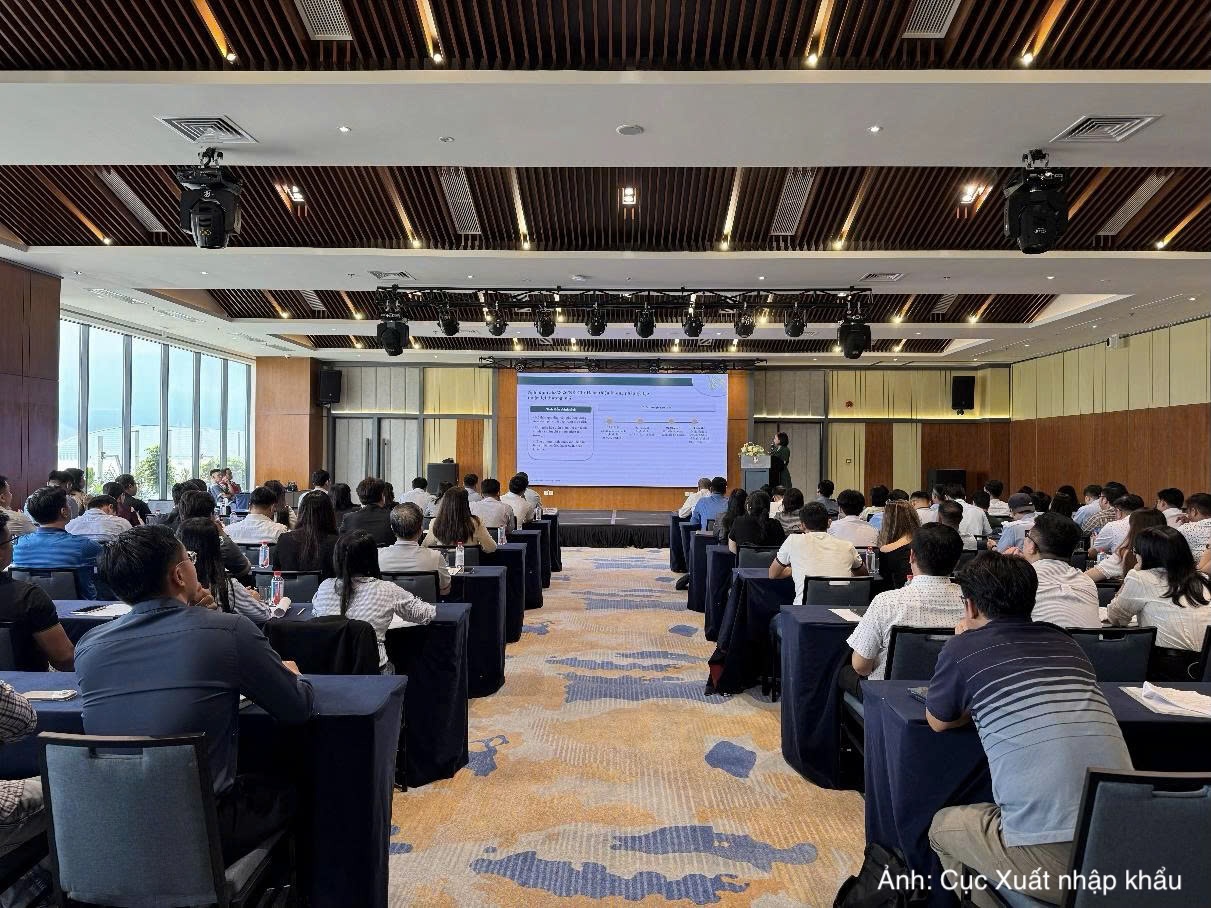
On October 13, the Agency of Foreign Trade under the Ministry of Industry and Trade (MoIT) held a conference in Dong Thap province to disseminate Government Decree No.365/2026/ND-CP dated September 23, 2026, on rice export and import business, and Circular No.65/2026/TT-BCT dated October 1, 2026, issued by the Minister of Industry and Trade, detailing certain provisions and measures for implementing Decree No.365/2026/ND-CP.
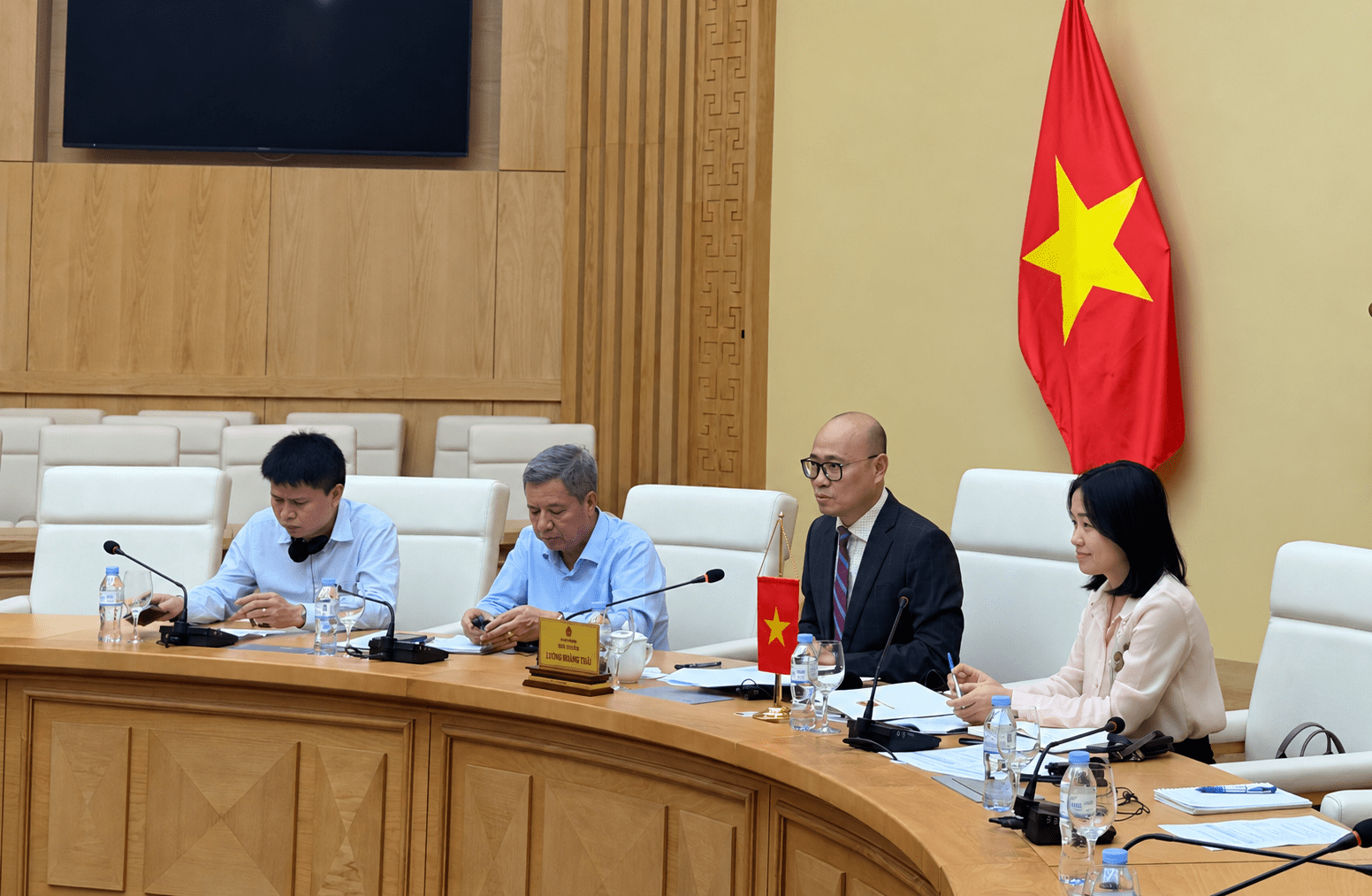
On October 13, Deputy Minister of Industry and Trade Luong Hoang Thai held a working session with MEDEF International, a French business organization, and representatives of French corporations operating in various sectors, including energy, industry, transport, construction and infrastructure development, food and beverages, and services, at the Ministry of Industry and Trade's headquarters.
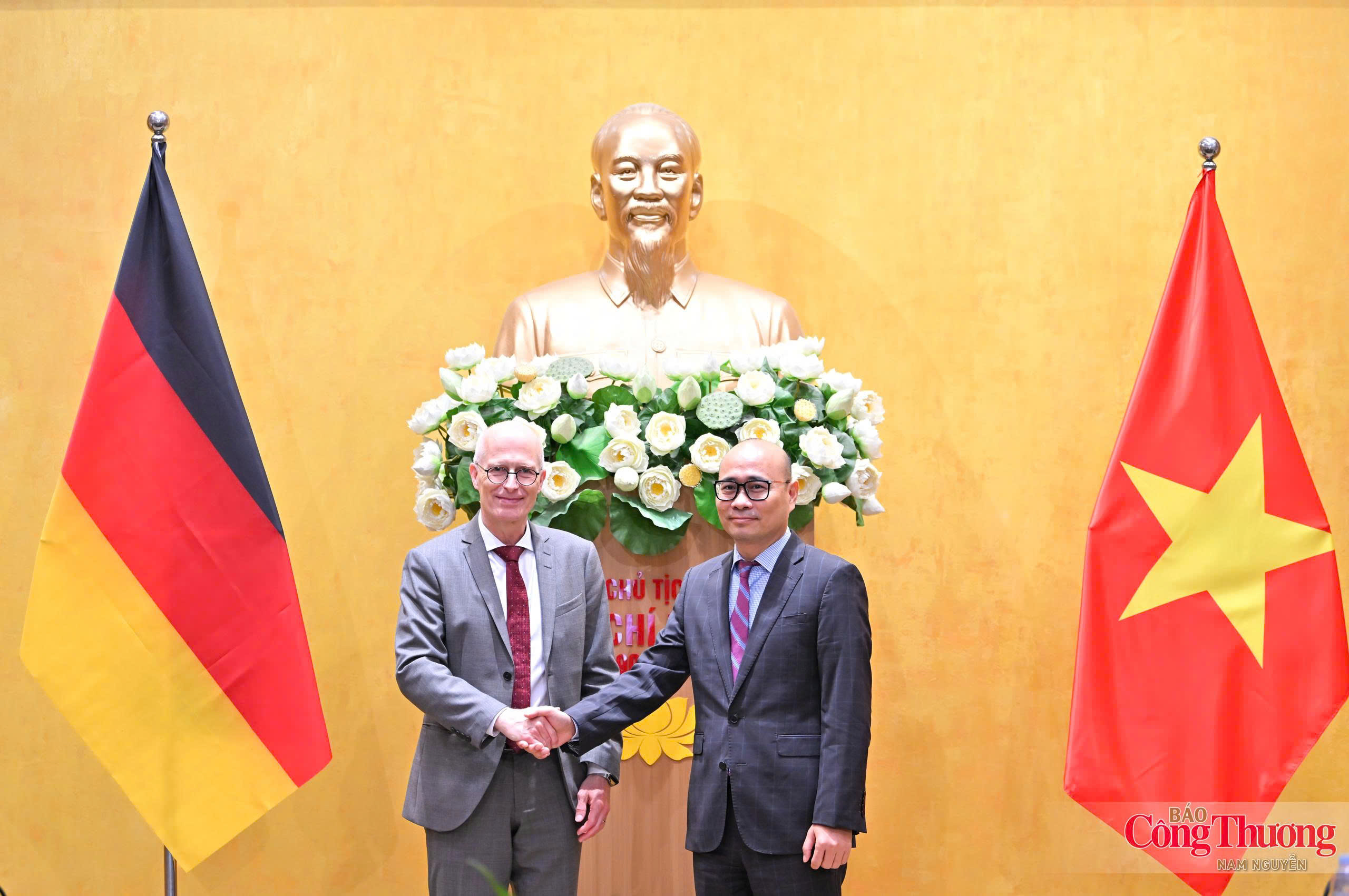
On October 14, Deputy Minister of Industry and Trade Luong Hoang Thai received and held a working session with a delegation from Hamburg, Germany, led by the city's First Mayor Peter Tschentscher at the Ministry of Industry and Trade's headquarters.
The Copyright Office is working closely with relevant agencies to develop plans for inspections and enforcement action against copyright and related rights infringements in the digital environment.
Viet Nam’s cultural industries are poised for growth as development targets become clearer, the digital content market expands and technology creates new ways.
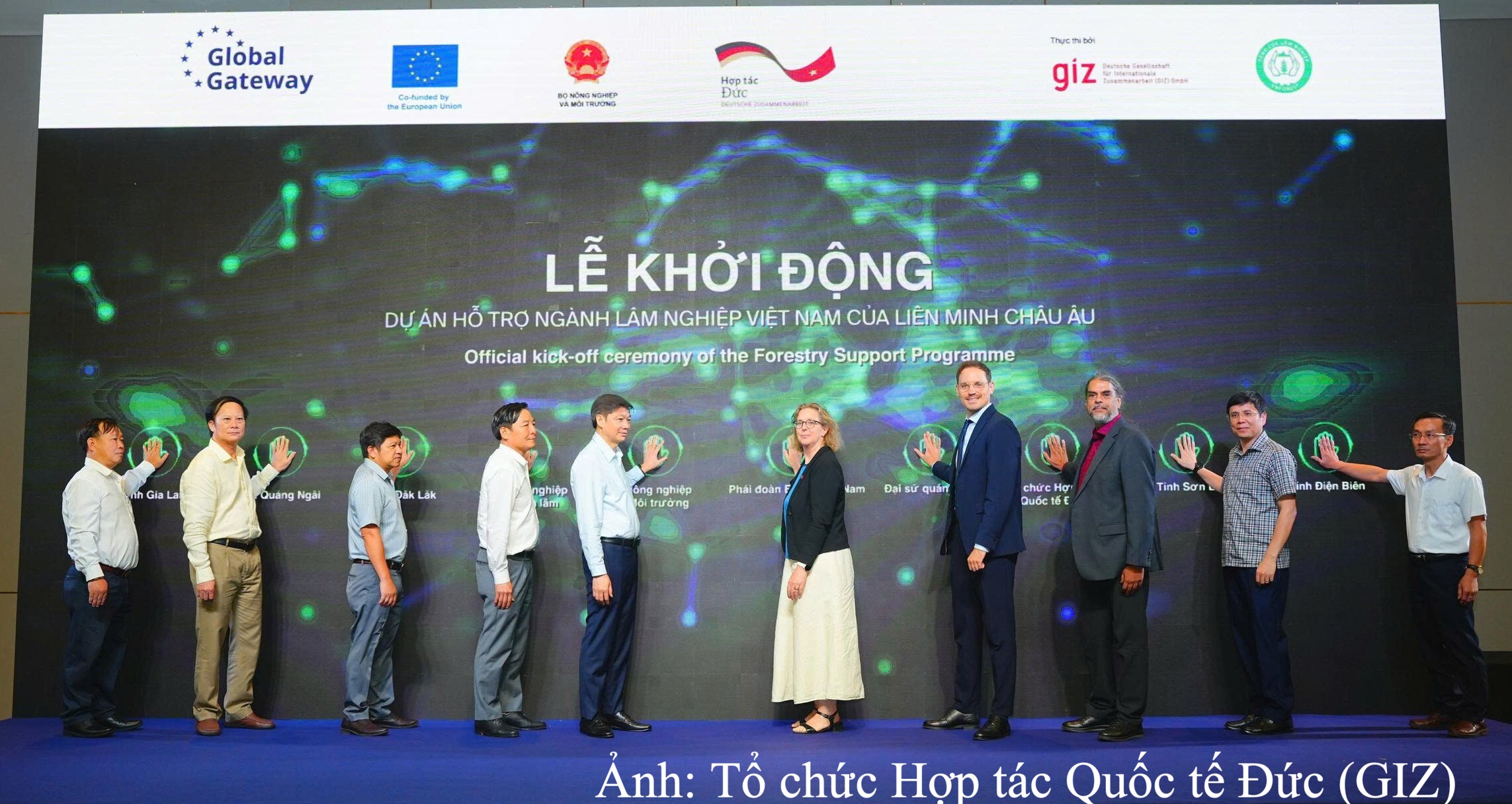
Viet Nam, the EU, and Germany have launched a forestry project to restore and sustainably manage natural forests, advancing green growth and climate resilience.
From 29 June, Vietnam’s domestic carbon market officially entered its pilot phase, marking a transition from emissions management through administrative command-and-control measures to a market-based mechanism.