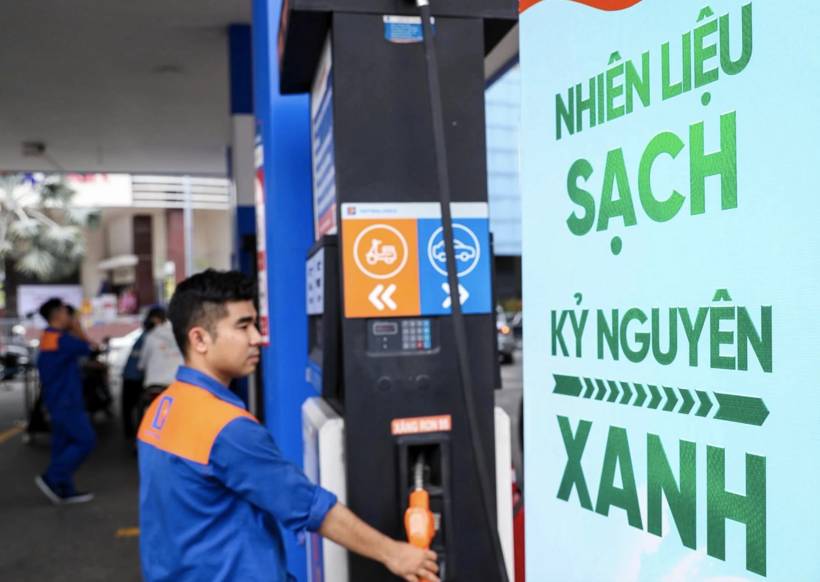
After more than six months of pilot use, E10 RON95 is gaining acceptance in Vietnam as real-world performance begins to ease initial concerns over compatibility and efficiency.
E10 gasoline is a standard fuel that blends 90% traditional gasoline with 10% ethanol, a clean burning alcohol fuel that is produced from agricultural feedstocks. In countries like the Philippines, Thailand, United States, Canada and the United Kingdom, E10 is the standard fuel sold at petrol stations due to its ability to help reduce harmful vehicle emissions and petroleum dependence.
After six months of pilot use, E10 RON95 is gradually gaining user confidence in Vietnam
Under Vietnam’s national roadmap for ethanol fuel adoption announced by the Ministry of Industry and Trade, E10 RON95 has been piloted at petrol stations across major cities since August 2025 to assess market response and real-world deployment readiness.
Before E10 was introduced, the most common ethanol fuel sold in Vietnam was E5 RON92, which was first introduced in 2018. With E10, the ethanol ratio increases to 10% through blending ethanol, which is produced through fermentation of sugarcane, grains and agricultural by-products with mineral petrol.
Over the lifecycle of crop growth, plants absorb more CO2 than is released during fuel production and combustion. As a result, ethanol fuel such as E10 is delivers positive emissions-reduction benefits when evaluated across the full fuel lifecycle.
However, despite its environmental advantages, the higher ethanol content in fuel has raised questions among some users unfamiliar with the product regarding vehicle compatibility and long-term operational stability.
“At first, I was a bit worried about switching to E10, but after using it for a while, my car has been running well with smooth engine start and no steering vibration. The car also rolls forward more smoothly when shifting into gear and easing off the brake. I’m not sure if it’s specifically because of switching from E0 RON95 to E10 RON95, but the good thing is that after more than six months, my car hasn’t had any issues,” said Cong Dat, 30, an office worker in Hanoi, who began using E10 RON95 in 2025.
From a technical perspective, ethanol has a high-octane rating, which helps increase resistance to premature engine knocking in the combustion chamber. Compared to E0 and E5 gasoline, the higher ethanol content in E10 allows these high-octane properties and combustion-stabilizing effects to be expressed more clearly, helping engines maintain smoother and more consistent operation under normal driving conditions.
In addition, ethanol contains more oxygen than conventional gasoline. When blended into fuel, this additional oxygen can support more complete combustion, helping reduce unburned fuel residues in the combustion chamber, which in some cases may contribute to more stable fuel consumption during everyday driving.
However, experts also emphasize that real-world driving performance does not depend solely on fuel type. It is also influenced by engine condition, fuel system integrity, vehicle age and maintenance, such as tire inflation. For vehicles manufactured in recent years, fuel systems are designed to be compatible with ethanol-blended fuels. For older vehicles, regular inspection and maintenance remain important to ensure stable performance when using higher-ethanol fuel blends.
“My motorbike was passed down from my dad, and he bought it back in 2011. I’ve noticed that since switching to the new fuel, I’ve needed to refuel fewer times per month, even though my driving distance hasn’t changed,” said Lam Phuong, 18, a high school student based in Ca Mau.
After more than six months of pilot implementation, E10 is gaining broader acceptance.
Real-world experience suggests that beyond environmental considerations, users are increasingly focused on long-term stability, driving performance and total cost of use.
As E10 RON95 is set to be rolled out nationwide from June 1, 2026, proactively equipping users with the right knowledge is seen as essential for a smooth transition.
According to technical experts, users should first check fuel compatibility based on vehicle manufacturers’ recommendations, especially for vehicles that have been in use for many years. Routine maintenance, including inspection of fuel systems, fuel lines, rubber seals and fuel filters, can help minimize potential risks when using higher-ethanol fuel.
Beyond technical preparation, users are also advised to monitor fuel consumption trends, maintenance frequency and any unusual performance signs during the early stages of transition. This practical approach allows users to proactively assess vehicle conditions while optimizing fuel efficiency in daily driving conditions.
As ethanol fuel such as E10 becomes widely used nationwide, proactive adaptation, such as staying informed about technical guidance and maintaining regular servicing routines, will play a key role in ensuring stable driving performance and sustainable fuel efficiency over time.
Deputy Minister of Industry and Trade Luong Hoang Thai emphasized that building the national brand is a driving force for improving Viet Nam’s competitiveness and international standing.
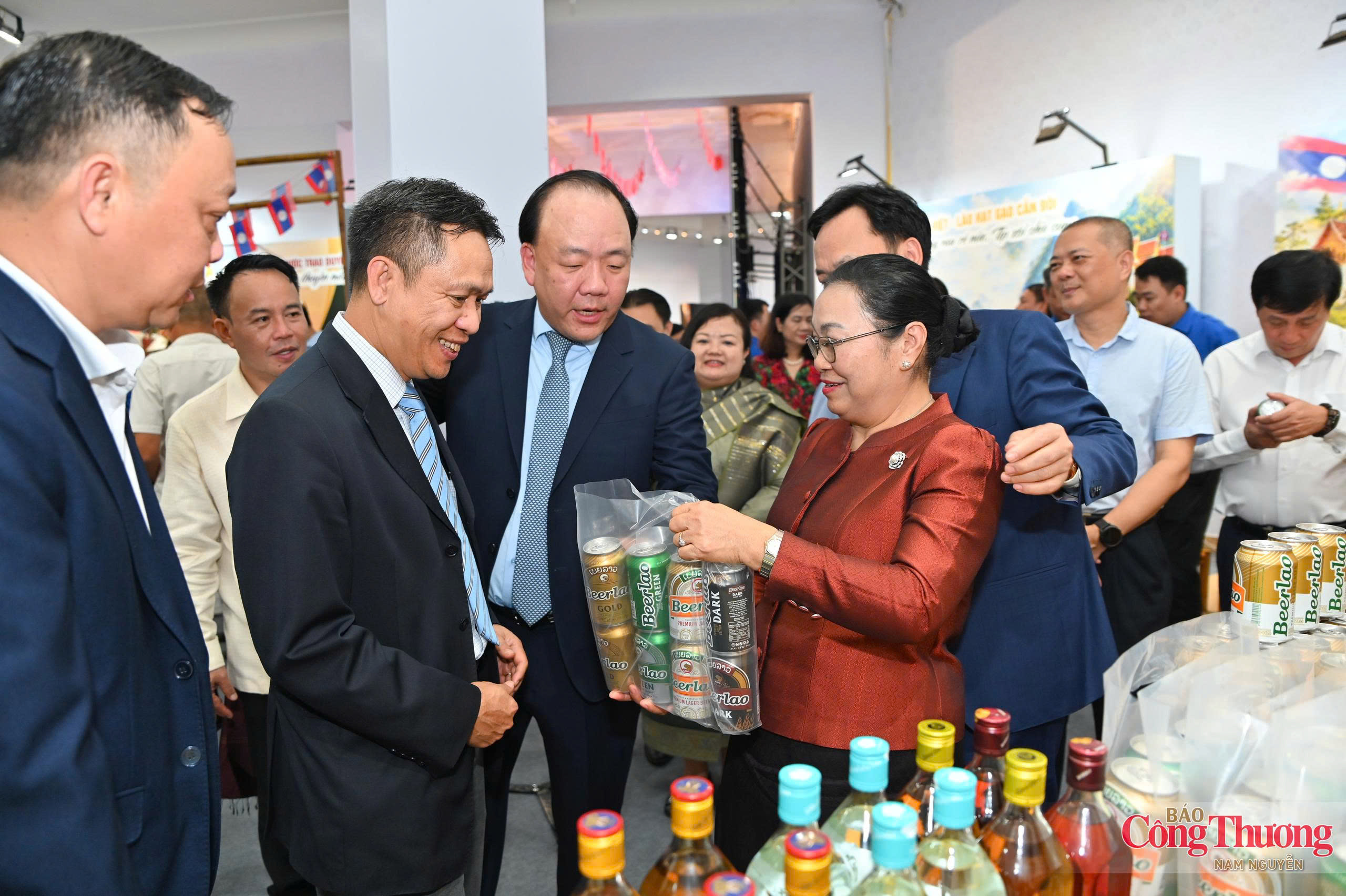
The official visit to Laos by Prime Minister Le Minh Hung is expected to inject fresh momentum into bilateral relations, with economic, trade and investment cooperation continuing to serve as a core pillar.
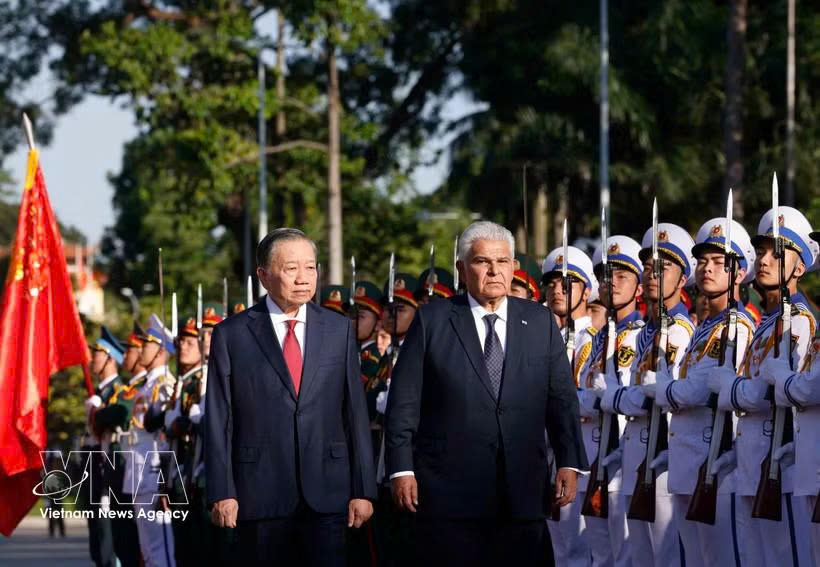
The Panamanian President’s visit is expected to contribute to further deepening and making the traditional friendship and cooperation between the two nations more substantive and effective.
On October 2, the Ministry of Industry and Trade (MoIT) held a working session between Minister of Industry and Trade Le Manh Hung and research institutes, universities and colleges under the Ministry to review their recent operations and identify solutions to better harness the potential, advantages and collective strengths of the Ministry’s education and research institutions. Minister of Industry and Trade Le Manh Hung chaired the meeting.
On October 5 in Ha Noi, Deputy Minister of Industry and Trade Nguyen Viet Son held a working session with the Viet Nam Department of Geology and Minerals.
On October 2, the Ministry of Industry and Trade (MoIT) held a working session between Minister of Industry and Trade Le Manh Hung and research institutes, universities and colleges under the Ministry to review their recent operations and identify solutions to better harness the potential, advantages and collective strengths of the Ministry’s education and research institutions. Minister of Industry and Trade Le Manh Hung chaired the meeting.
Industry and Trade Newspaper would like to introduce a podcast series on the implementation of the Politburo's Resolution No. 57 in the Industry and Trade sector.
The Industry and Trade Newspaper introduces a podcast series on the implementation of Politburo Resolution No. 57-NQ/TW dated December 22, 2024, on breakthroughs in the development of science, technology, innovation and national digital transformation in the Industry and Trade sector.
The Ministry of Industry and Trade is accelerating digital transformation to modernise management, improve public services, strengthen the competitiveness of businesses.
The Ministry of Industry and Trade is expanding international cooperation in science and technology, focusing on research, innovation and technology transfer.