General Secretary To Lam highlights railway links with China as key to cutting logistics costs, boosting trade, and strengthening Vietnam’s regional role.
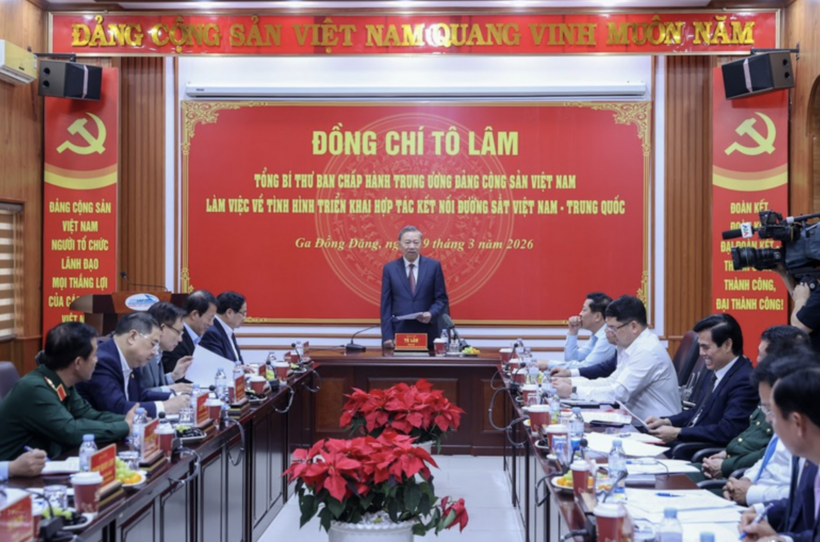
On the morning of March 19, at the Dong Dang Station in Lang Son province, General Secretary To Lam chaired a working session with several ministries, central agencies, and local authorities on the implementation of Vietnam - China railway cooperation.
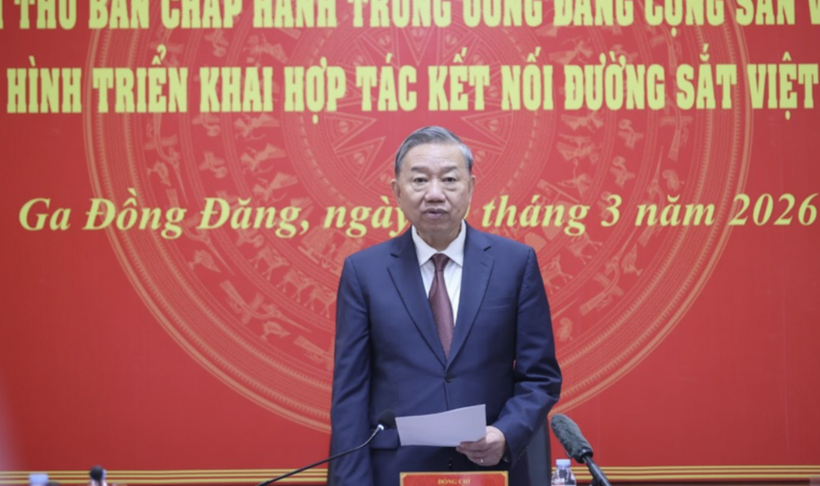
General Secretary To Lam speaks at the meeting. Photo: VGP
Also attending the meeting were Prime Minister Pham Minh Chinh; General Luong Tam Quang, Politburo member and Minister of Public Security; Le Hoai Trung, Politburo member and Minister of Foreign Affairs; Pham Gia Tuc, Politburo member, Secretary of the Party Central Committee, and Chief of the Office of the Party Central Committee; along with members of the Party Central Committee and leaders of various central and local agencies.
This is an important initiative that helps orient Vietnam - China trade relations toward a new phase of development, more substantive, effective, and sustainable, creating additional momentum and opening new space for economic growth in line with Party resolutions.
General Secretary To Lam emphasizes that Vietnam - China cooperation in the railway sector is both a necessity and an opportunity, and represents one of the most practical and effective areas of collaboration between the two countries in the years ahead. Photo: VGP
After conducting a field inspection at Dong Dang Station, the General Secretary listened to a briefing by the Ministry of Construction on the status of cooperation in investing in three railway lines (Hanoi - Dong Dang; Lao Cai - Hanoi - Hai Phong; Hai Phong - Ha Long - Mong Cai), the progress of connectivity agreements, passenger transport links with China, and opinions presented at the meeting.
In his concluding remarks, General Secretary To Lam underscored that Vietnam - China railway cooperation is a necessity, an opportunity, and a highly practical and effective area of collaboration for the coming years. It will serve as a powerful lever for Vietnam to modernize its infrastructure, reduce logistics costs, expand international connectivity, and gradually master a new foundational industry.
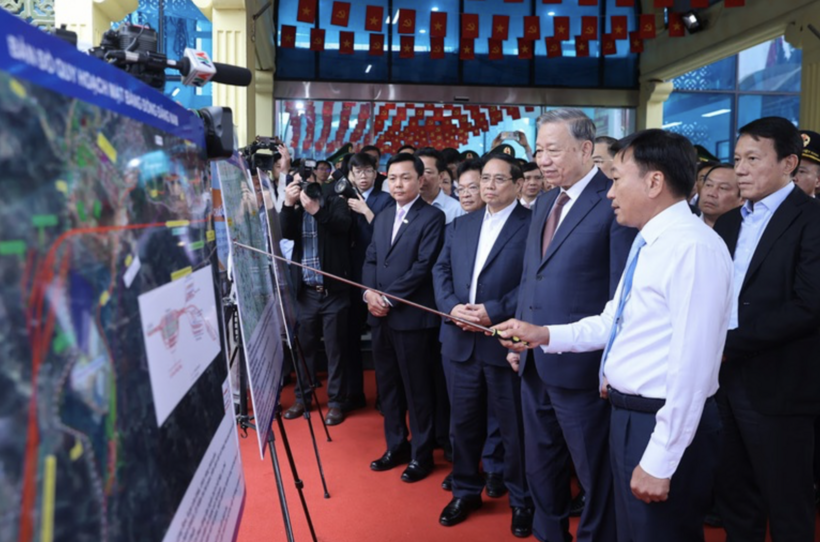
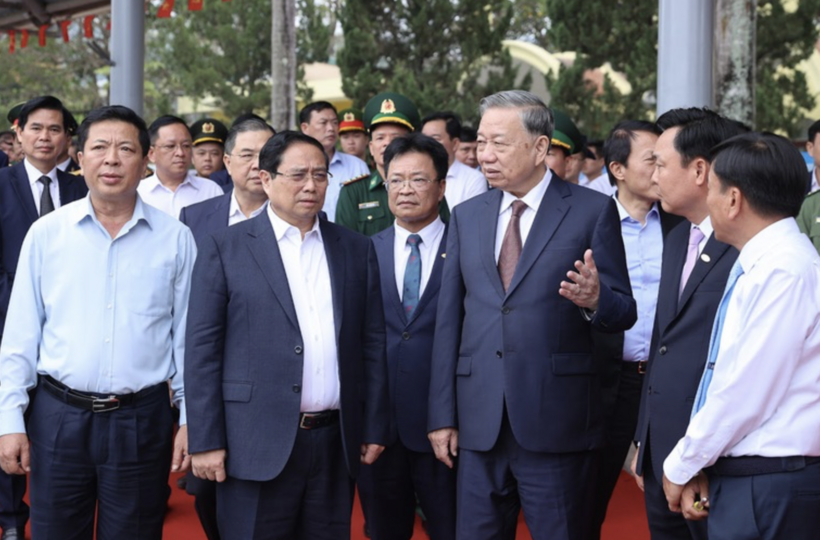
General Secretary To Lam, Prime Minister Pham Minh Chinh, and the Central delegation conduct a field inspection at the Dong Dang Station. Photo: VGP
Cooperation in infrastructure connectivity and railways between Vietnam and China carries significant implications: reducing logistics costs and transport time while enhancing competitiveness; promoting trade and economic development in border areas; improving customs clearance capacity and reducing congestion at road border gates; developing logistics centers, border economic zones, and industrial clusters in border provinces; connecting Vietnam to the Asia - Europe railway transport network, thereby diversifying international transport routes and reducing dependence on maritime shipping; fostering the formation of economic corridors and regional production chains; strengthening regional economic connectivity; and enhancing Vietnam’s position in the Asian supply chain.
Addressing the challenge of mobilizing capital effectively for railway construction while ensuring national financial security, the General Secretary stressed the need to develop diverse and sustainable financing mechanisms. A unified national-level coordination mechanism must be established for these strategic infrastructure projects, ensuring centralized leadership, clear assignment of responsibilities among ministries, sectors, and localities, and the creation of an effective focal point for coordination during negotiations, preparation, and implementation.
Strengthening inter-sectoral coordination must ensure synchronized alignment between transport infrastructure development and regional economic planning, logistics systems, and industrial zones along economic corridors, rather than focusing solely on standalone railway projects.
The General Secretary noted that infrastructure connectivity, particularly railway links between Vietnam and China must be identified as a strategic breakthrough in bilateral economic cooperation. Photo: VGP
He also pointed out challenges in implementing Vietnam - China railway projects, while emphasizing that such connectivity must be regarded as a strategic breakthrough in bilateral economic cooperation. It will help reduce logistics costs, enhance the competitiveness of the economy, and lay the foundation for connecting Vietnam with regional and international transport networks.
At the same time, cooperation must adhere to strategic principles, ensuring that projects align with Vietnam’s national development strategy and infrastructure planning; diversify funding sources; guarantee economic efficiency; and ensure transparency in technology and standards.
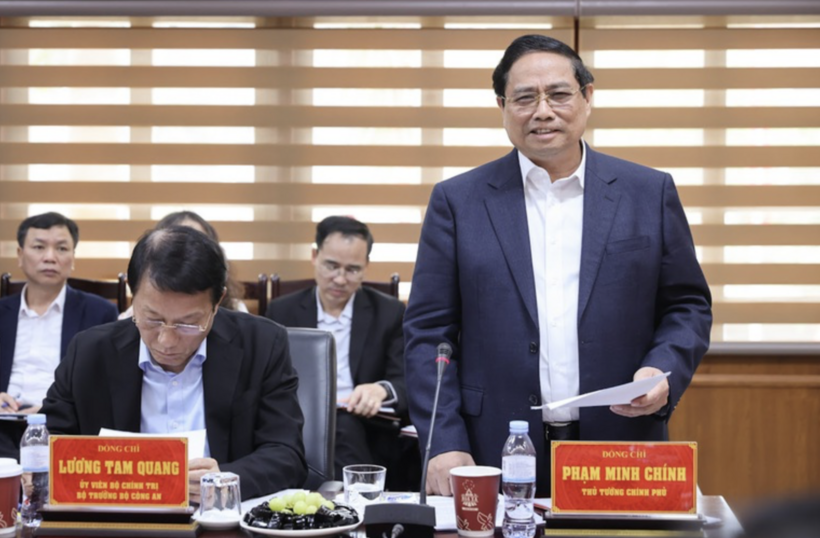
Prime Minister Pham Minh Chinh speaks at the meeting. Photo: VGP
Highlighting the heavy workload, tight timeline, and high requirements, the General Secretary called for strong determination and unity across the entire political system. The Government Party Committee, and directly the Ministry of Construction, are tasked with developing a strategy for Vietnam - China railway development within the broader framework of Vietnam’s railway development strategy for 2026 - 2030, with a vision to 2045, 2100, and 2130.
On April 24, Prime Minister Le Minh Hung chaired a nationwide conference on accelerating the allocation and disbursement of public investment capital in 2026.
International media highlight Vietnam’s strong growth, rising FDI, market upgrades and tourism appeal, reinforcing its growing role and global standing today.
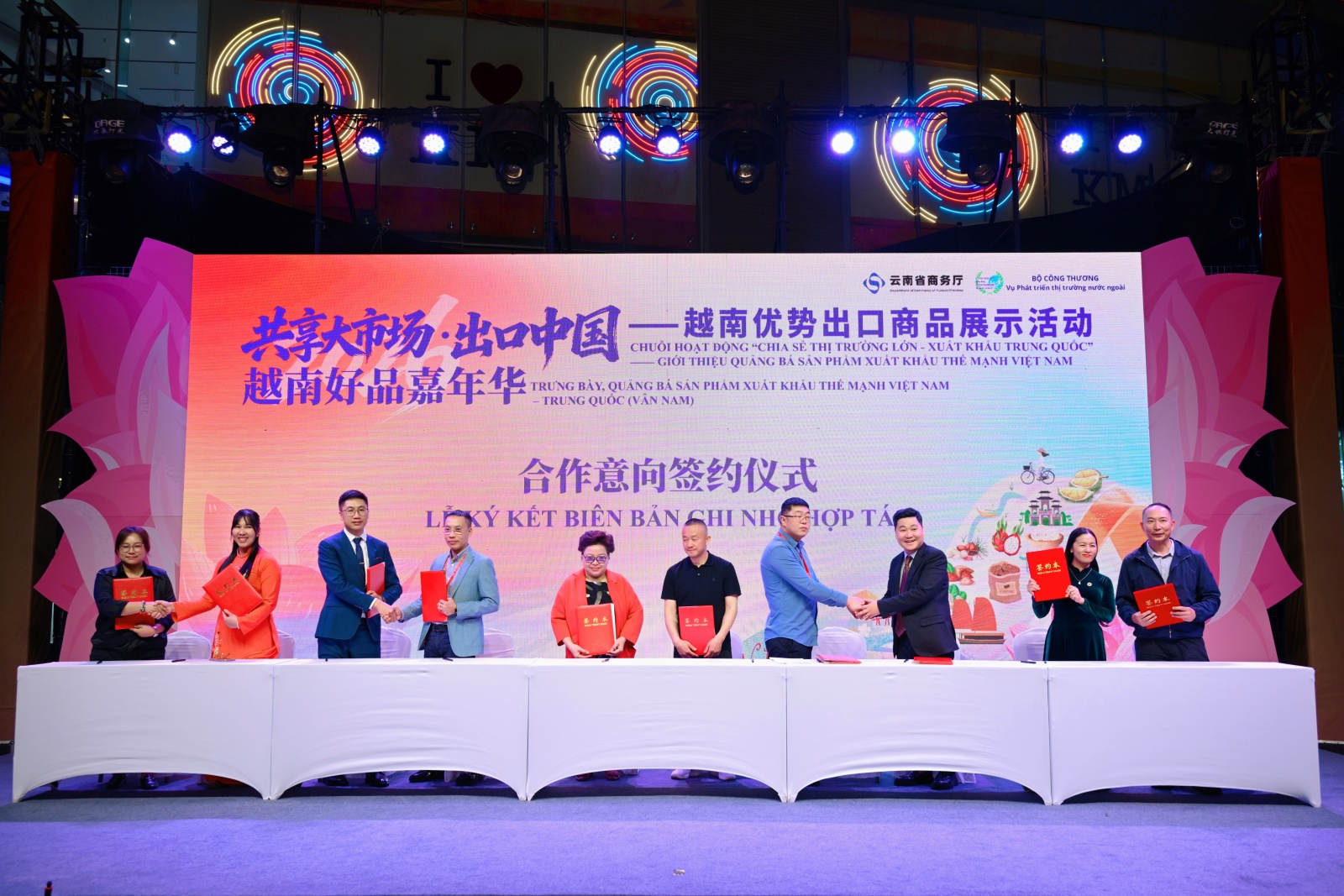
The Ministry of Industry and Trade (MoIT) held trade promotion activities in Yunnan and Shandong, boosting business links, exports, and investment cooperation between Vietnam and China.
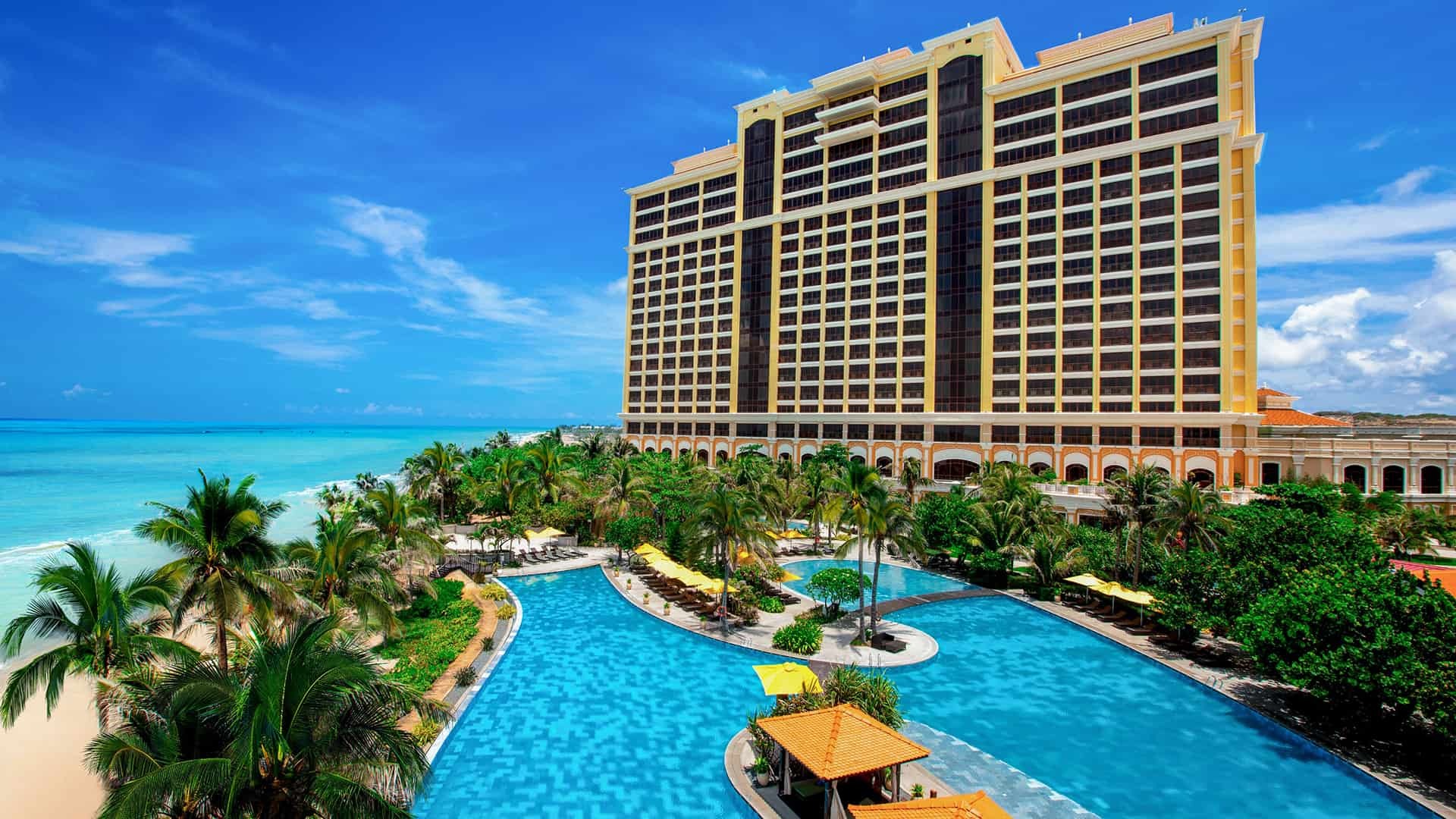
A prestigious international award and a two-million-guest milestone mark a strategic evolution, highlighting the success of the entertainment-led integrated resort model in the regional hospitality market.
On April 24, Prime Minister Le Minh Hung chaired a nationwide conference on accelerating the allocation and disbursement of public investment capital in 2026.
A prestigious international award and a two-million-guest milestone mark a strategic evolution, highlighting the success of the entertainment-led integrated resort model in the regional hospitality market.
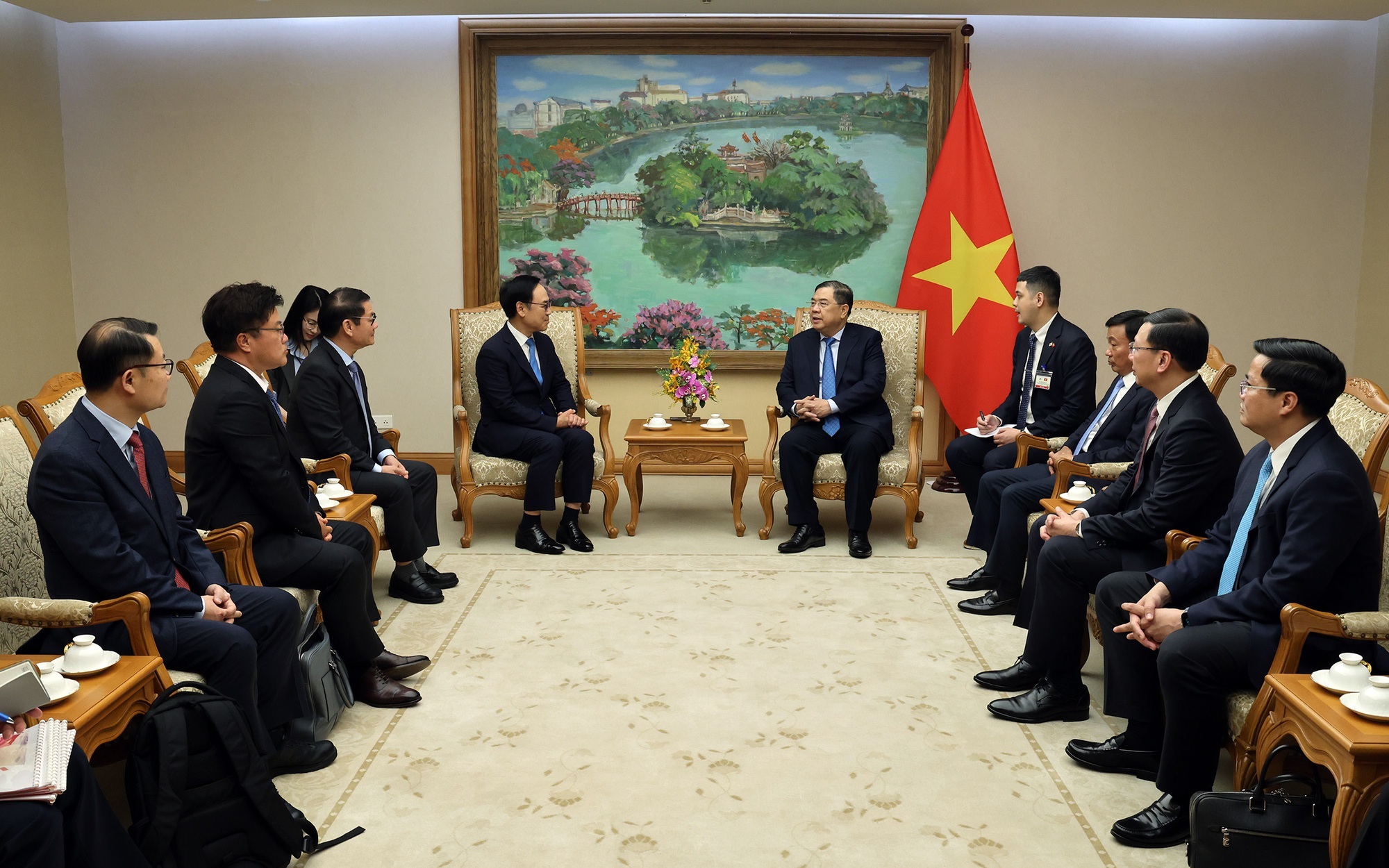
Permanent Deputy Prime Minister Pham Gia Tuc urged Hyundai Rotem to expand cooperation, technology transfer, and participation in Vietnam’s railway projects.
Prime Minister Le Minh Hung and President Lee Jae Myung led a Vietnam - the Republic of Korea (RoK) business roundtable in Hanoi, calling for deeper high tech cooperation.