In first two months of 2026, Vietnam’s wood industry maintained a growth, with exports of wood and wood products reaching USD 2.59 billion up 5.0% year-on-year.
Exports of wood and wood products in February 2026 reached USD 969.3 million, down 39.6% compared to January 2026 and decreasing by 6.4% compared to February 2025. Of which, exports of wood products alone totaled USD 596.5 million, falling sharply by 43.2% compared to January 2026 and by 11.9% year-on-year.
In the first two months of 2026, exports of wood and wood products reached USD 2.59 billion, up 5.0% compared to the same period in 2025.
The primary reason for this decline was the Lunar New Year holiday in February, which temporarily disrupted production activities and customs clearance at enterprises. Despite these fluctuations, in the first two months of 2026 as a whole, the wood industry still maintained its growth momentum, with export turnover of wood and wood products reaching USD 2.59 billion, up 5.0% year-on-year; wood products continued to account for a large proportion in the export structure, reaching USD 1.66 billion, down slightly by 0.5% compared to the same period in 2025.
The 5% increase in export value in the first two months of 2026 is a positive signal, indicating that demand from global markets is recovering and that previously signed orders continue to ensure export progress for the industry.
In the first two months of 2026, the export market structure for Vietnam’s wood and wood products recorded clear differentiation and shifts to adapt to the global economic context. The US continued to maintain its position as the largest export market, with turnover reaching USD 1.26 billion.
However, the share of exports to this market in the total export value of the sector declined from 52.9% in the same period of 2025 to 48.8%. Notably, exports to China emerged as a bright spot, recording a breakthrough growth rate of 48.5%.
This surge raised the share of exports to China from 10.7% to 15.1%, making an important contribution to maintaining overall growth. Exports to EU markets such as the Netherlands, Germany and France recorded positive growth, notably exports to the Netherlands reached USD 31.7 million, up 150.7% compared to the same period in 2025. This reflects efforts to diversify markets and reduce dependence on traditional markets that are facing difficulties.
Prospects for wood and wood product exports in Q2/2026 and risks from Middle East tensions. Although export turnover in February declined due to the Lunar New Year holiday, overall growth in the first two months still reached 5.0%. This provides a basis for expectations of a strong rebound in Q2/2026 when supply chains operate at full capacity. However, the wood industry is facing impacts from tensions in the Middle East.
Accordingly, export activities will face ripple effects across multiple aspects. Logistics challenges arise as maritime routes through the Red Sea to the EU and the eastern US are exposed to high security risks. Rising freight costs and prolonged delivery times are placing significant pressure on supply chains. Production costs are increasing as global oil prices fluctuate, leading to higher expenses for machinery operation, wood drying and domestic transportation of raw materials, directly narrowing profit margins for enterprises, particularly for orders signed at fixed prices from the beginning of the year. Impacts from inflation and exchange rates are also evident, as geopolitical instability may trigger global inflation, causing consumers in the US and the EU to tighten spending on non-essential goods such as furniture.
At the same time, pressure on the VND/USD exchange rate is increasing the cost of importing machinery, components and raw wood materials. In the context of disruptions to maritime routes to Western markets, enterprises need to proactively shift direction and implement urgent solutions, including boosting exports to markets less affected by Middle East shipping routes such as China, Japan, and the Republic of Korea, diversifying sources of raw materials to reduce dependence on imports transported through conflict-affected areas, and strengthening presence in ASEAN and Northeast Asia to mitigate logistics risks and take advantage of tariff incentives under regional free trade agreements.
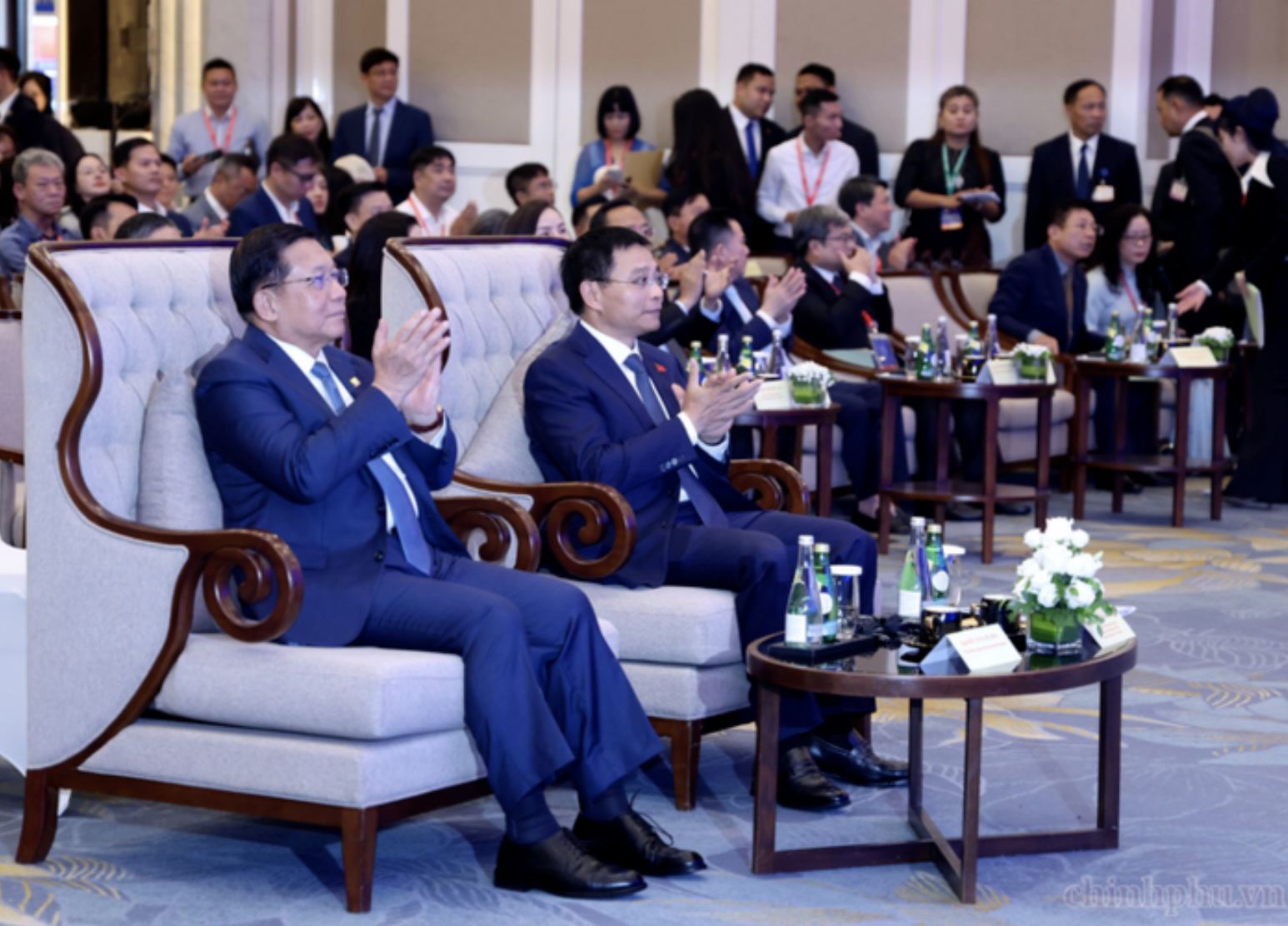
Addressing the Myanmar - Viet Nam Business Forum, Deputy Prime Minister Nguyen Van Thang said the two sides should expand the space for cooperation and leverage their respective resources to support the self-reliant and resilient development of each country, contributing to the implementation of agreements reached by the senior leaders of the two countries.
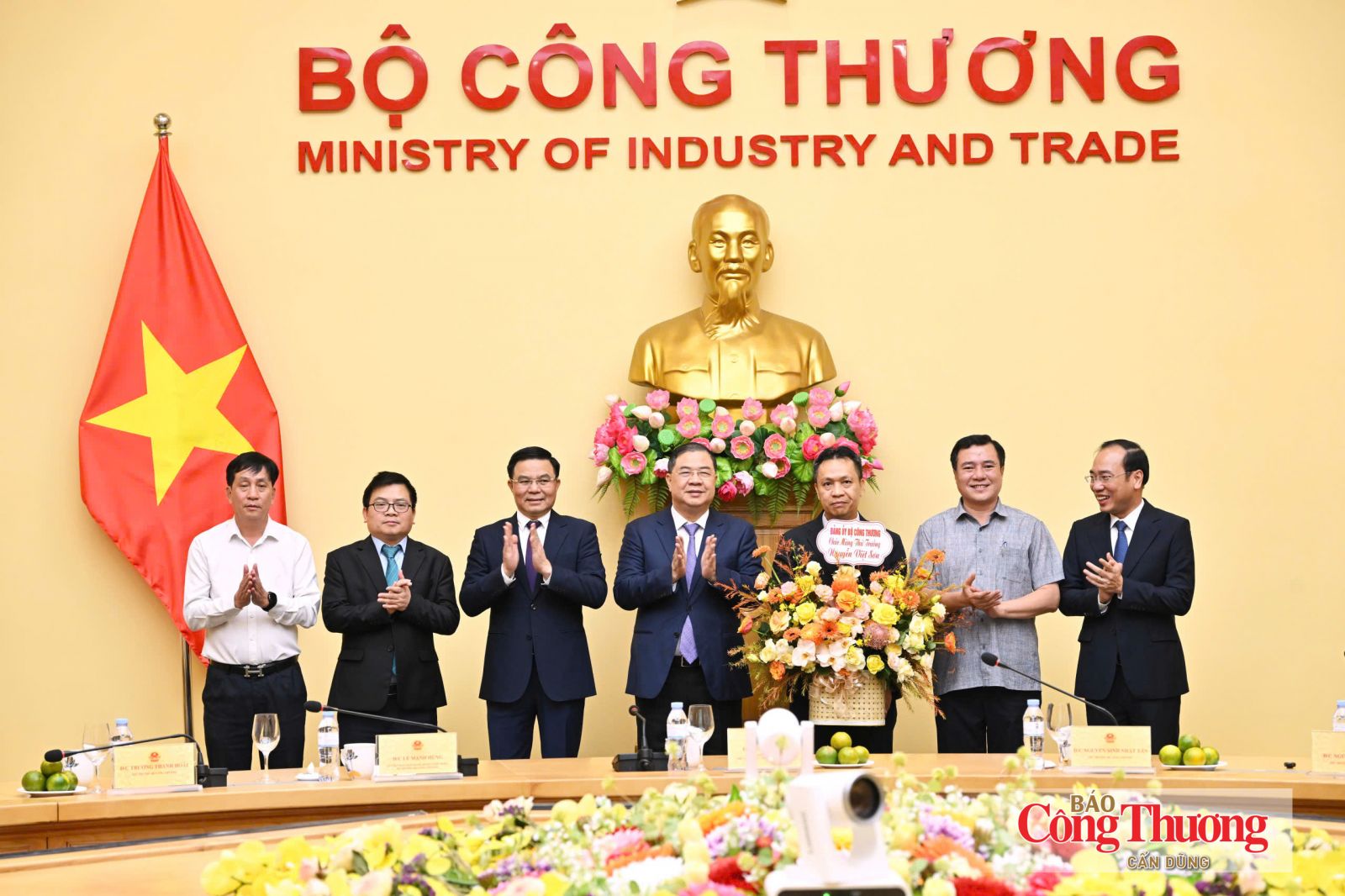
On the afternoon of September 6, at the headquarters of the Ministry of Industry and Trade (MoIT), Politburo member and Standing Deputy Prime Minister Pham Gia Tuc handed over the Prime Minister's decision appointing Nguyen Viet Son as Deputy Minister of Industry and Trade.
The iDEA and TikTok Shop launched the “Beyond Vietnam” initiative to help Vietnamese businesses build digital export capabilities and expand global market access.
As Viet Nam and the Republic of Korea (RoK) work towards the goal of raising bilateral trade to USD 150 billion, the National Assemblies of the two countries have an important role to play in improving institutions and removing bottlenecks.
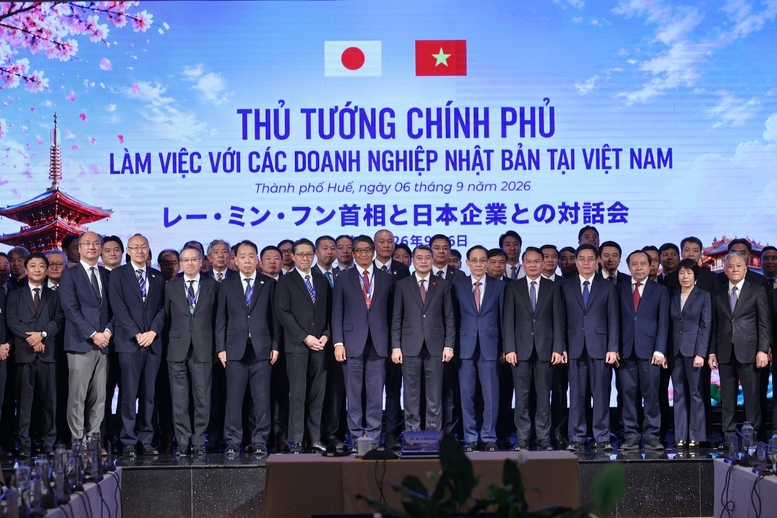
Chairing a meeting with Japanese businesses on the morning of September 6, Prime Minister Le Minh Hung called for Viet Nam - Japan investment ties to shift decisively from a relationship between “investors and investment destinations” toward a partnership for joint development and co-creation, involving joint research, innovation, production, and effective participation in and affirmation of their positions and roles in global value chains.
The iDEA and TikTok Shop launched the “Beyond Vietnam” initiative to help Vietnamese businesses build digital export capabilities and expand global market access.
Tourism Malaysia reaffirmed its commitment to the Vietnamese market at ITE HCMC 2026, promoting the extended Visit Malaysia 2026 - 2027 campaign and expanding tourism cooperation.
Viet Nam Trade Office in Argentina is boosting business links to expand cooperation in timber, minerals and investment, opening new opportunities for firms in both countries.
Vitafoods Asia 2026 in Thailand highlighted the growing presence of Vietnamese health and nutrition products, opening new opportunities for global market expansion.
Viet Nam is addressing key bottlenecks and improving durian quality to boost exports, with the sector targeting USD 4 billion in export turnover this year.