According to Dr. Nguyen Si Dung, the State visits by Party General Secretary and State President To Lam to three countries carried a consistent message: "Vietnam is proactively repositioning its role in the emerging regional order".
Following the successful conclusion of Party General Secretary and State President To Lam’s State visits to Thailand, Singapore and the Philippines, along with his keynote address at the 23rd Shangri-La Dialogue, Vietnam’s international standing has continued to strengthen.
To gain deeper insight into the strategic significance of these major diplomatic events, a reporter from Industry and Trade Newspaper spoke with Dr. Nguyen Si Dung, former Vice Chairman of the National Assembly Office and member of the Prime Minister’s Advisory Group, about major opportunities in trade, investment, digital economy, green transition and flexible implementation mechanisms that could help the country confidently accelerate into a new era.
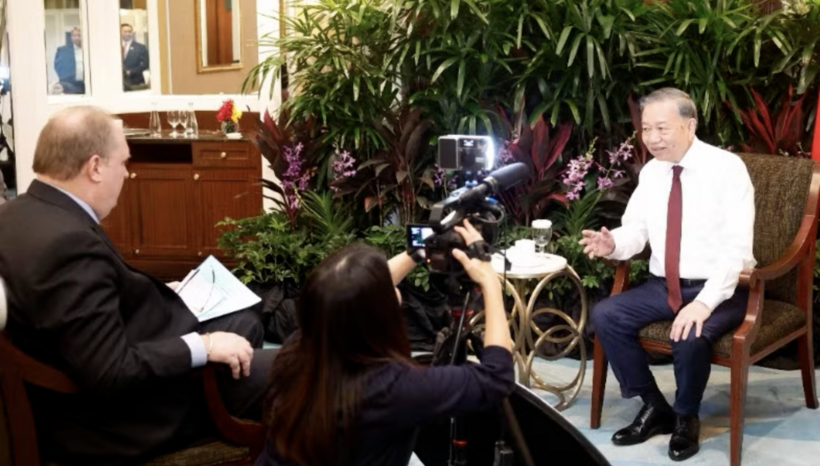
Party General Secretary and State President To Lam during an interview with a Reuters reporter on the sidelines of the 23rd Shangri-La Dialogue. Photo: VNA
Sir, the keynote address delivered by Party General Secretary and State President To Lam at the 23rd Shangri-La Dialogue has attracted significant international attention. In your view, what message did it send regarding Vietnam’s repositioning within ASEAN and among strategic partners?
Dr. Nguyen Si Dung: The keynote speech by Party General Secretary and State President To Lam at the 23rd Shangri-La Dialogue went far beyond the scope of an ordinary foreign policy address.
In my opinion, it was a declaration of Vietnam’s position, vision and responsibility in a world being reshaped rapidly by geostrategic competition, conflicts of interest and growing uncertainty.
What is particularly important is that, at the Shangri-La Dialogue, Vietnam demonstrated the role of a country with its own viewpoints, voice and contributions to regional peace, stability and cooperation, rather than a bystander observing competition among major powers.
The overarching message throughout the speech was the promotion of dialogue over confrontation, cooperation over division, and trust-building over rising suspicion, goals shared by Vietnam, ASEAN and the broader Asia-Pacific region.
At a time when the world is witnessing increasingly sharp polarization, with many countries facing pressure to choose sides, Vietnam once again reaffirmed the value of its independent, self-reliant foreign policy of multilateralization and diversification, choosing instead to proactively shape spaces for cooperation, contribute to strategic balance and reduce the risks of conflict.
I believe the greatest significance of this speech is that it demonstrates Vietnam’s gradual transition from "participation" to "contribution," and from "being listened to" to "being consulted."
Within ASEAN, Vietnam is increasingly demonstrating its role as a responsible member capable of bridging differing interests and promoting regional consensus. For strategic partners, Vietnam is no longer viewed merely as a dynamic market or an important link in global supply chains, but also as a trusted partner in politics, security and development.
In other words, the message delivered at the Shangri-La Dialogue reflected Vietnam’s current standing while also sending a strong signal about the future: Vietnam is ready to engage more deeply in shaping new regional rules, standards and cooperation frameworks, a country confidently entering a new phase of development with greater aspirations and responsibilities.
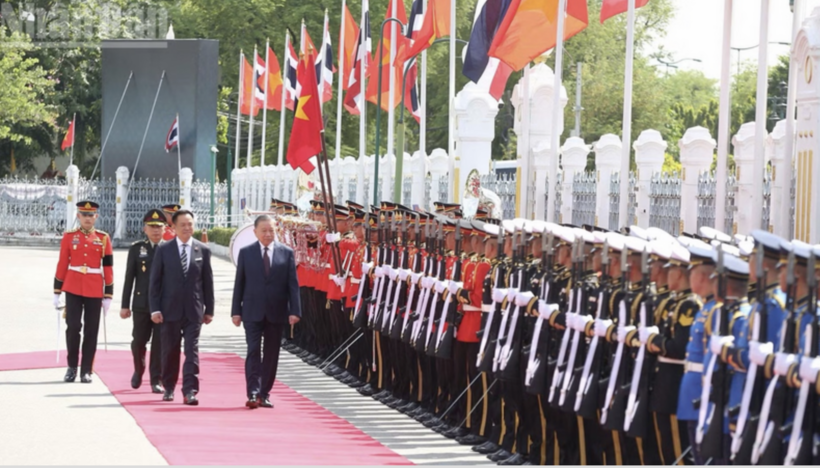
Party General Secretary and State President To Lam and Thai Prime Minister Anutin Charnvirakul review the guard of hornor during the recent state visit. Photo: Minh Thang
Numerous cooperation agreements were signed during the visits. In your opinion, what mechanisms does Vietnam need in order to translate those commitments into reality?
Dr. Nguyen Si Dung: Following high-level visits, inter-agency task forces should be established immediately for each priority sector, including trade, logistics, clean energy, high-tech agriculture, the digital economy, tourism, finance, and supply-chain connectivity.
Each group must have a clearly accountable focal point, measurable targets, deadlines and a regular reporting mechanism to higher authorities.
Second, Vietnam should select several flagship projects for early implementation. With Thailand, priorities could include industrial supply chains, agricultural products, retail, logistics and regional tourism connectivity. With the Philippines, cooperation could focus on rice trade, food security, the maritime economy, seaports, renewable energy and digital transformation. We should avoid spreading resources too thinly across too many sectors; instead, priority should be given to initiatives capable of delivering quick, far-reaching results and translating political trust into concrete economic benefits.
Third, Vietnam must shift from a mindset of “signing agreements” to one of “managing a portfolio of commitments.” Each document should be transformed into a concrete action agenda: who is responsible, who the partners are, where resources come from, what legal bottlenecks exist and what deadlines must be met. Without a mechanism to follow through to completion, many commitments risk becoming diplomatically sound but slow in implementation.
Fourth, the private sector must be mobilized more strongly. The State creates the framework, but businesses are the actors that turn partnerships into trade, investment and technological innovation. Therefore, business forums following these visits should be accompanied by concrete project-support mechanisms, selective investment promotion, faster administrative procedures and direct business-to-business partnerships between the two countries.
In my view, the success of these visits should be measured by the ability to transform signed agreements into tangible economic flows. Diplomacy has opened the door; what matters now is whether implementation is managed intelligently, swiftly and responsibly enough to walk through it.
All three visits placed strong emphasis on the digital economy, artificial intelligence and green transition. With Singapore in particular, the two sides signed a series of cooperation agreements on AI and high technology. What should Vietnam do to turn these opportunities into genuine national competitive advantages?
Dr. Nguyen Si Dung: In my view, the key issue is not only the scale of commitments in the digital economy, artificial intelligence and green transition, but also Vietnam’s capacity to absorb and convert those commitments into its own development capabilities.
Opportunities arising from cooperation with Singapore and regional partners are enormous. Singapore has strengths in governance, finance, high technology, data, AI, logistics and the green economy. However, if Vietnam fails to adequately prepare its domestic institutions, human resources, digital infrastructure, data systems and enterprise capabilities, even major opportunities will remain external to the economy. In other words, diplomacy may open the door, but absorptive capacity determines how far we can go.
First and foremost, Vietnam needs to rapidly improve its institutional framework for innovation. AI, high technology and the green economy are advancing faster than traditional lawmaking processes. Therefore, Vietnam should boldly adopt controlled pilot mechanisms, regulatory sandboxes, secure data-sharing frameworks, stronger intellectual property protection and public procurement mechanisms for emerging technologies.
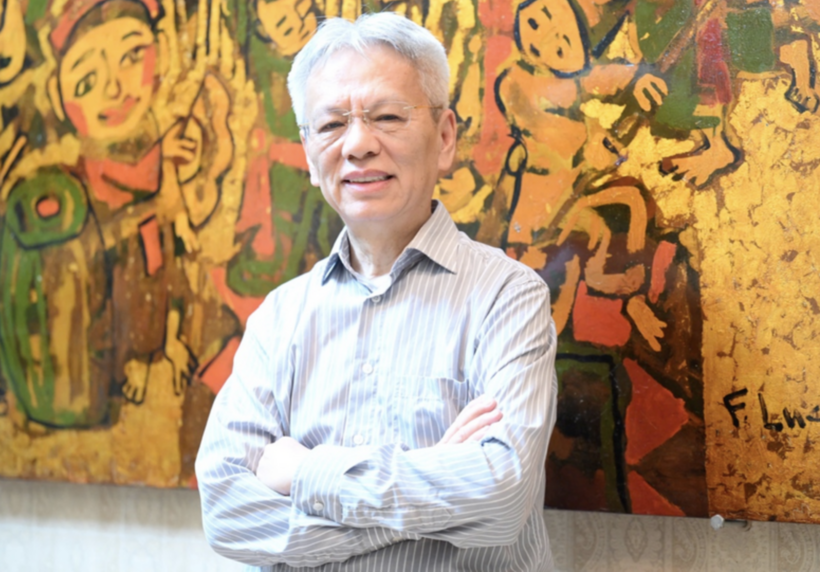
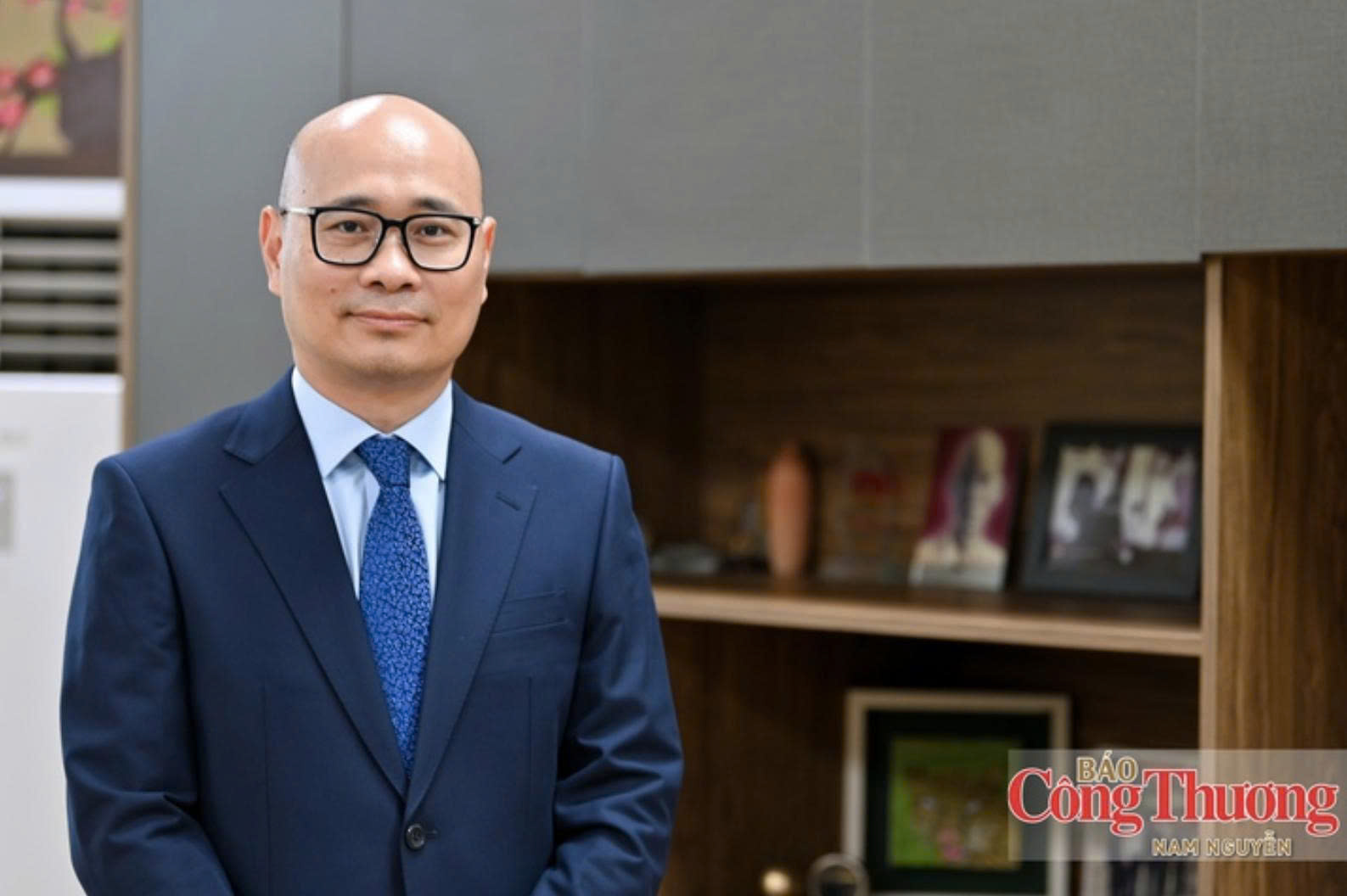
Dr. Nguyen Si Dung, former Vice Chairman of the National Assembly Office and member of the Prime Minister’s Advisory Group. Photo: Nguyen Khanh
Human resources must be treated as strategic infrastructure. There can be no AI-driven economy without data engineers, cybersecurity specialists, technology managers, innovative entrepreneurs and a civil service that understands technology. Vietnam needs large-scale retraining programs that connect universities with businesses, research with markets and international cooperation with genuine capability transfer.
At the same time, domestic enterprises must strengthen their capabilities. Policies are needed to help Vietnamese companies integrate more deeply into digital, green and high-tech supply chains, while encouraging joint ventures, technology acquisition, co-research and co-development projects with Singaporean partners.
Equally important, the State must shift from the role of regulator to that of market architect. For the green transition, Vietnam needs carbon markets, green standards, green credit and green public procurement. For AI and the digital economy, the country needs open data, computing infrastructure, legal frameworks for new business models and mechanisms to protect citizens from technological risks.
Thank you very much, Sir!
Dr. Nguyen Si Dung: “Diplomatic opportunities only become competitive advantages when they are absorbed through smart institutions, high-quality human resources, capable enterprises and a State that actively shapes markets, and this is also a major test for Vietnam during its current phase of breakthrough development.”
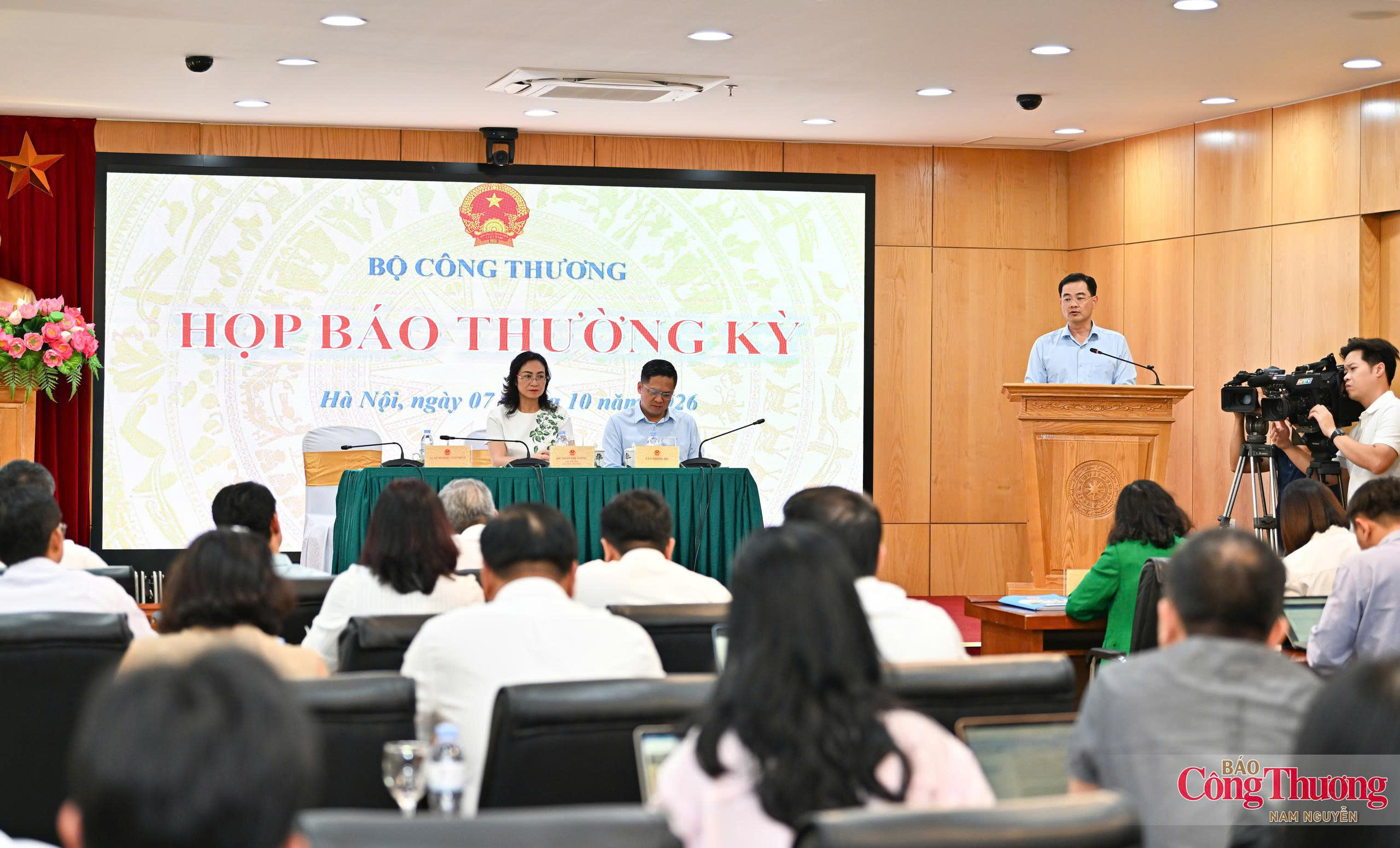
The Ministry of Industry and Trade (MoIT) held its regular press conference for the third quarter of 2026 in Ha Noi on the afternoon of October 7, chaired by Deputy Minister Phan Thi Thang.
Deputy Minister of Industry and Trade Luong Hoang Thai emphasized that building the national brand is a driving force for improving Viet Nam’s competitiveness and international standing.
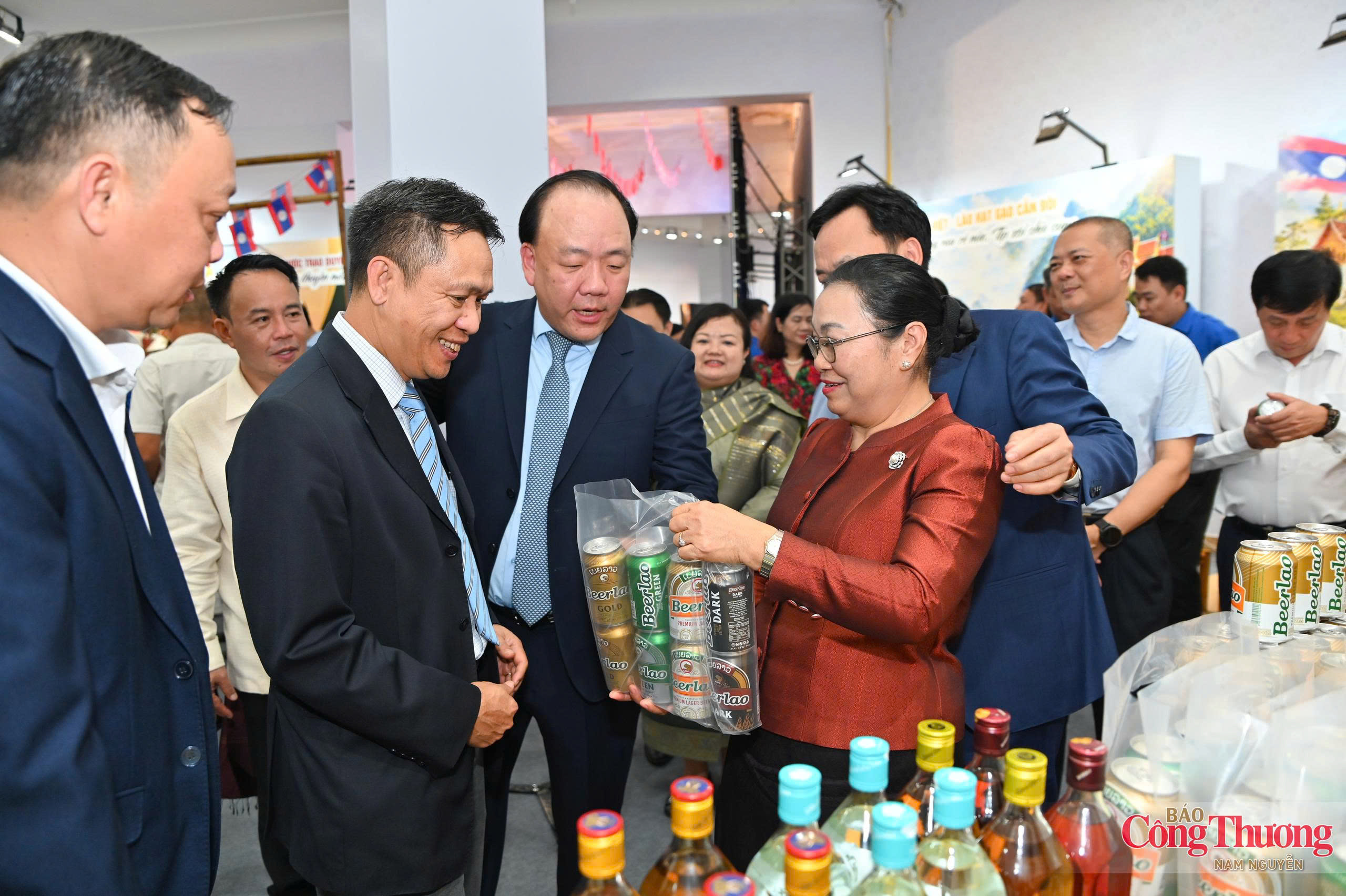
The official visit to Laos by Prime Minister Le Minh Hung is expected to inject fresh momentum into bilateral relations, with economic, trade and investment cooperation continuing to serve as a core pillar.
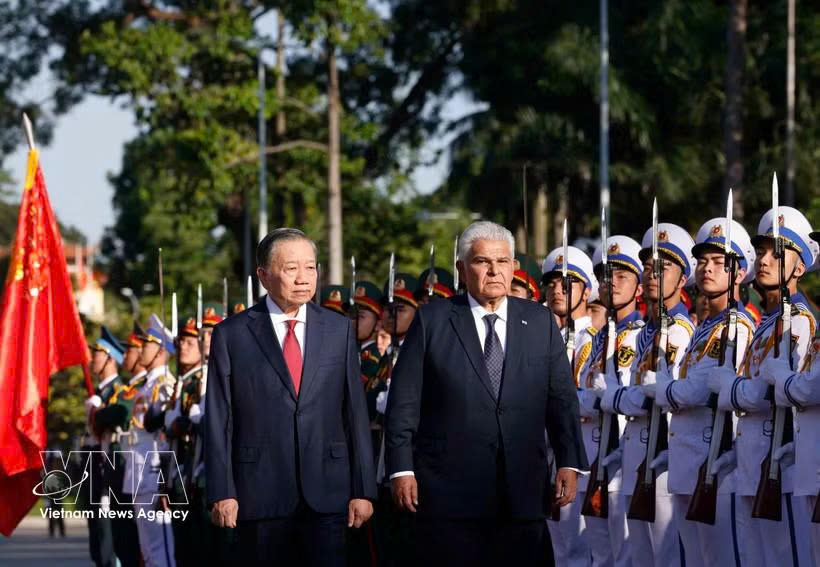
The Panamanian President’s visit is expected to contribute to further deepening and making the traditional friendship and cooperation between the two nations more substantive and effective.
The Ministry of Industry and Trade (MoIT) held its regular press conference for the third quarter of 2026 in Ha Noi on the afternoon of October 7, chaired by Deputy Minister Phan Thi Thang.
Deputy Minister of Industry and Trade Luong Hoang Thai emphasized that building the national brand is a driving force for improving Viet Nam’s competitiveness and international standing.
The Panamanian President’s visit is expected to contribute to further deepening and making the traditional friendship and cooperation between the two nations more substantive and effective.
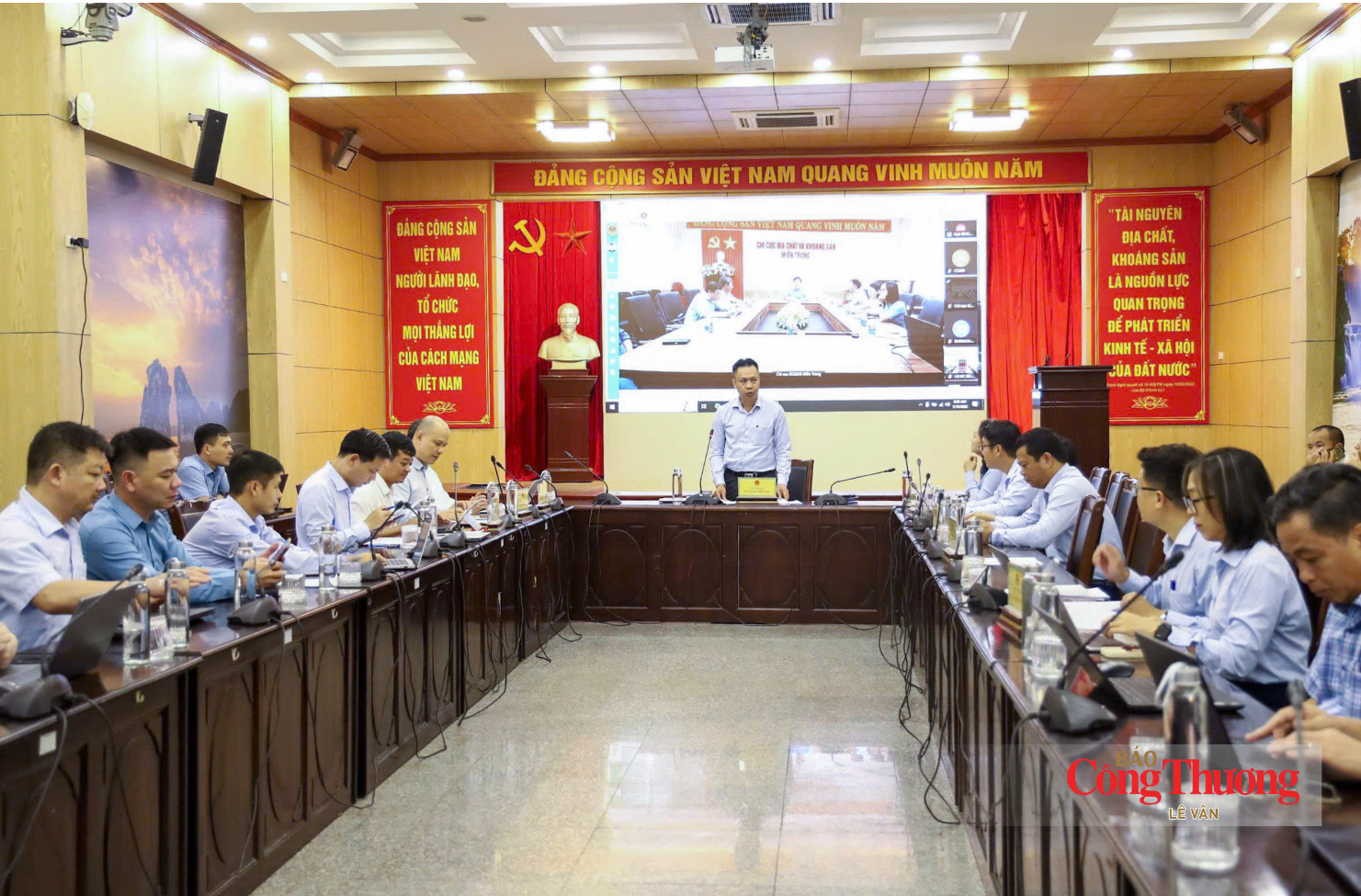
On October 5 in Ha Noi, Deputy Minister of Industry and Trade Nguyen Viet Son held a working session with the Viet Nam Department of Geology and Minerals.
On the afternoon of October 4, in Quang Tri province, Minister of Industry and Trade Le Manh Hung conducted an on-site inspection and held a working session with relevant agencies and units at the Quang Trach Power Centre.