Petrovietnam urged closer diplomatic cooperation to strengthen energy security, diversify supplies and accelerate sustainable energy development.
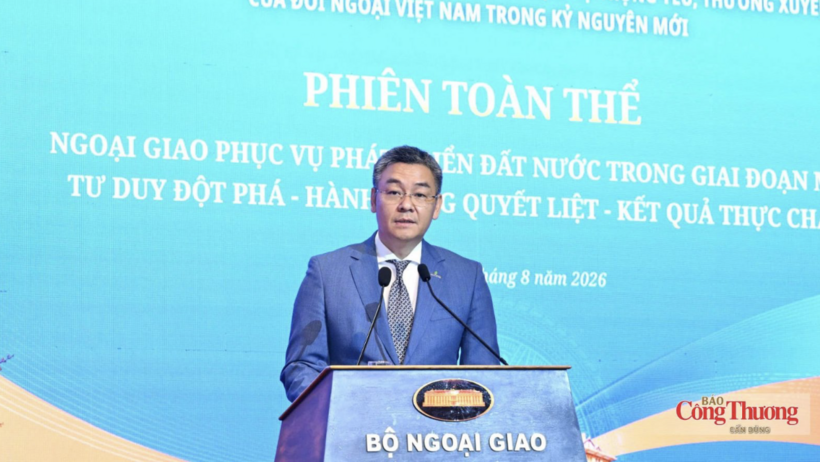
At the 33rd Diplomatic Conference held in Hanoi on August 4, the Ministry of Foreign Affairs convened a plenary session on "Diplomacy for national development in the new era - breakthrough thinking, decisive action and tangible results."
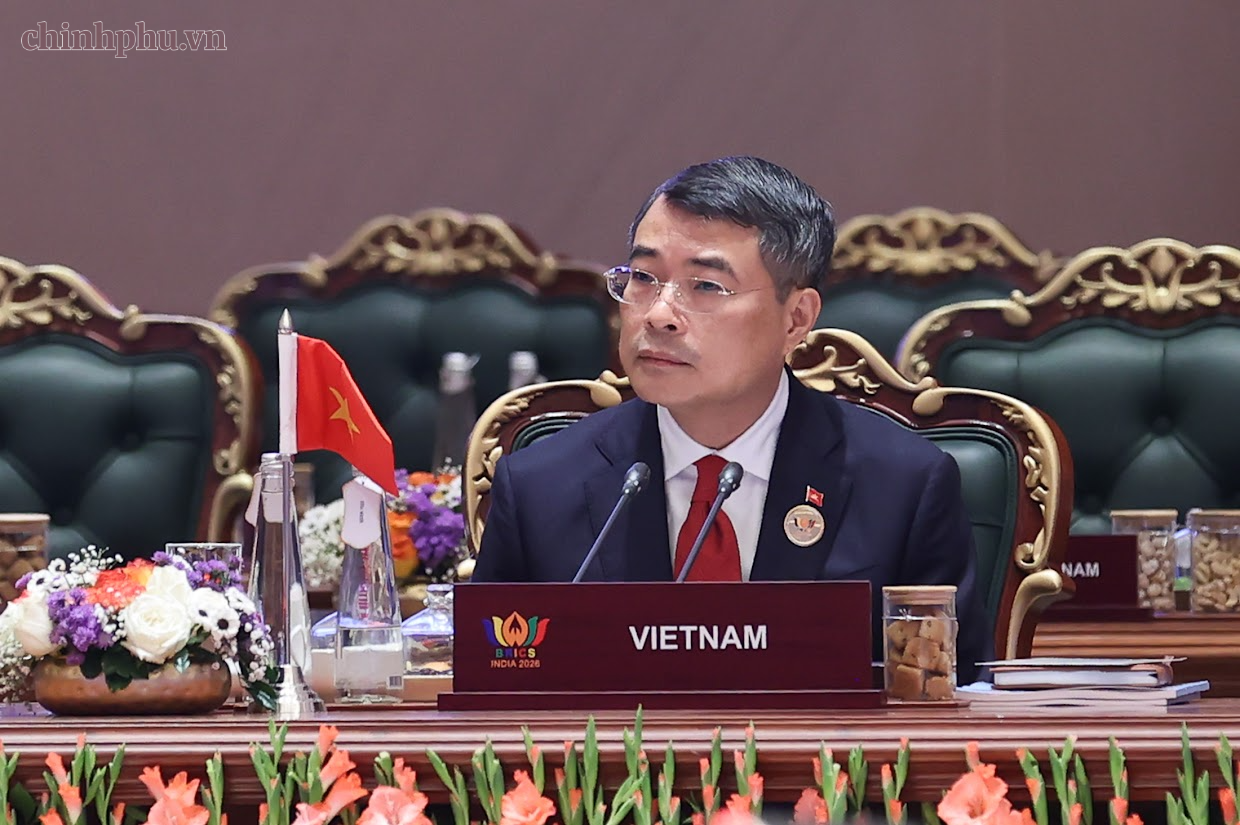
Speaking at the session, Le Manh Cuong, President and Chief Executive Officer of the Vietnam National Industry - Energy Group (Petrovietnam), presented a paper entitled "Ensuring energy security amid today's complex geopolitical landscape: The role and contributions of the diplomatic sector, and recommendations for enhancing coordination."
Safeguarding national energy security
According to Le Manh Cuong, amid rapidly evolving and increasingly unpredictable global economic, political and geopolitical developments, energy is no longer merely an input for economic growth but has become a strategic issue directly linked to national independence, self-reliance and security.
He stressed that achieving Vietnam's goal of double-digit economic growth requires a stable, secure and sustainable energy supply more than ever before. In this context, diplomacy extends beyond expanding international relations; it plays a vital role in creating a favourable environment for mobilizing technology, finance, resources and market access to support the development of the energy sector.
As the country's leading State-owned enterprise in the industrial and energy sector, Petrovietnam views safeguarding national energy security not only as a business responsibility but also as a political mission entrusted by the Party, the State and the people.
According to him, every stage of the industry's development has been closely supported by Vietnam's diplomatic efforts and international cooperation.
Over recent years, Petrovietnam has implemented a range of measures to increase domestic oil and gas reserves and production. Thanks to the direction of the Government and the Ministry of Industry and Trade, 2025 marked a significant milestone, as domestic crude oil output returned to growth after 11 consecutive years of decline.
However, domestic crude oil production currently meets only around 35 - 40% of demand, with the remaining 60 - 65% imported for petroleum refining. Against the backdrop of supply disruptions caused by conflicts in the Middle East, Petrovietnam has worked closely with relevant agencies to diversify crude oil imports by sourcing supplies from the Americas, Africa and other regions. These efforts have enabled the Dung Quat Oil Refinery to operate continuously at more than 100% of its designed capacity, helping stabilize Vietnam's domestic energy market.
He noted that diversifying primary energy sources, including liquefied natural gas (LNG) and fuel for nuclear power generation, has evolved from a purely commercial activity into a strategic requirement for national energy security. These areas require diplomatic support to facilitate technology transfer, human resource training, international knowledge sharing and government-to-government cooperation, laying the groundwork for long-term energy projects.
He also highlighted Vietnam's considerable potential for offshore wind power, saying the country is well positioned to become a regional offshore wind power export hub in Southeast Asia. Realizing this potential will depend not only on domestic policies but also on extensive international cooperation, making diplomacy a decisive factor in the sector's development.
Strengthening energy diplomacy and international cooperation
One of the key proposals put forward by him was the establishment of a national strategic energy reserve system. He argued that no country can guarantee energy security without sufficient strategic reserves, particularly at a time when geopolitical conflicts and supply chain disruptions are becoming more frequent. Vietnam, he said, should promptly study and develop a strategic energy reserve model to strengthen its resilience against external shocks.
Building strategic crude oil reserves, however, requires substantial financial resources. Petrovietnam therefore proposed exploring government-to-government (G2G) cooperation mechanisms that would encourage partner countries to store crude oil and petroleum products in Vietnam.
To support the energy sector's development objectives in the coming years, he called on the Ministry of Foreign Affairs to further strengthen the role of energy diplomacy by expanding cooperation with international partners, enhancing mechanisms for strategic information sharing and coordination, and supporting businesses in responding to global uncertainties. He also urged closer coordination with ministries and agencies to improve policies and mobilize international resources for the sustainable development of Vietnam's energy sector.
According to him, the effectiveness of energy diplomacy should not be measured solely by high-level visits or cooperation agreements. More importantly, it should be reflected in Vietnam's ability to secure stable energy supplies, diversify markets, access advanced technologies, attract international resources and strengthen the country's economic self-reliance.
Petrovietnam reaffirmed its commitment to modernizing corporate governance, expanding international partnerships and working closely with the Ministry of Foreign Affairs, other ministries and agencies, and global partners to build a modern, self-reliant, green and sustainable energy sector, contributing to Vietnam's long-term development goals in the new era.
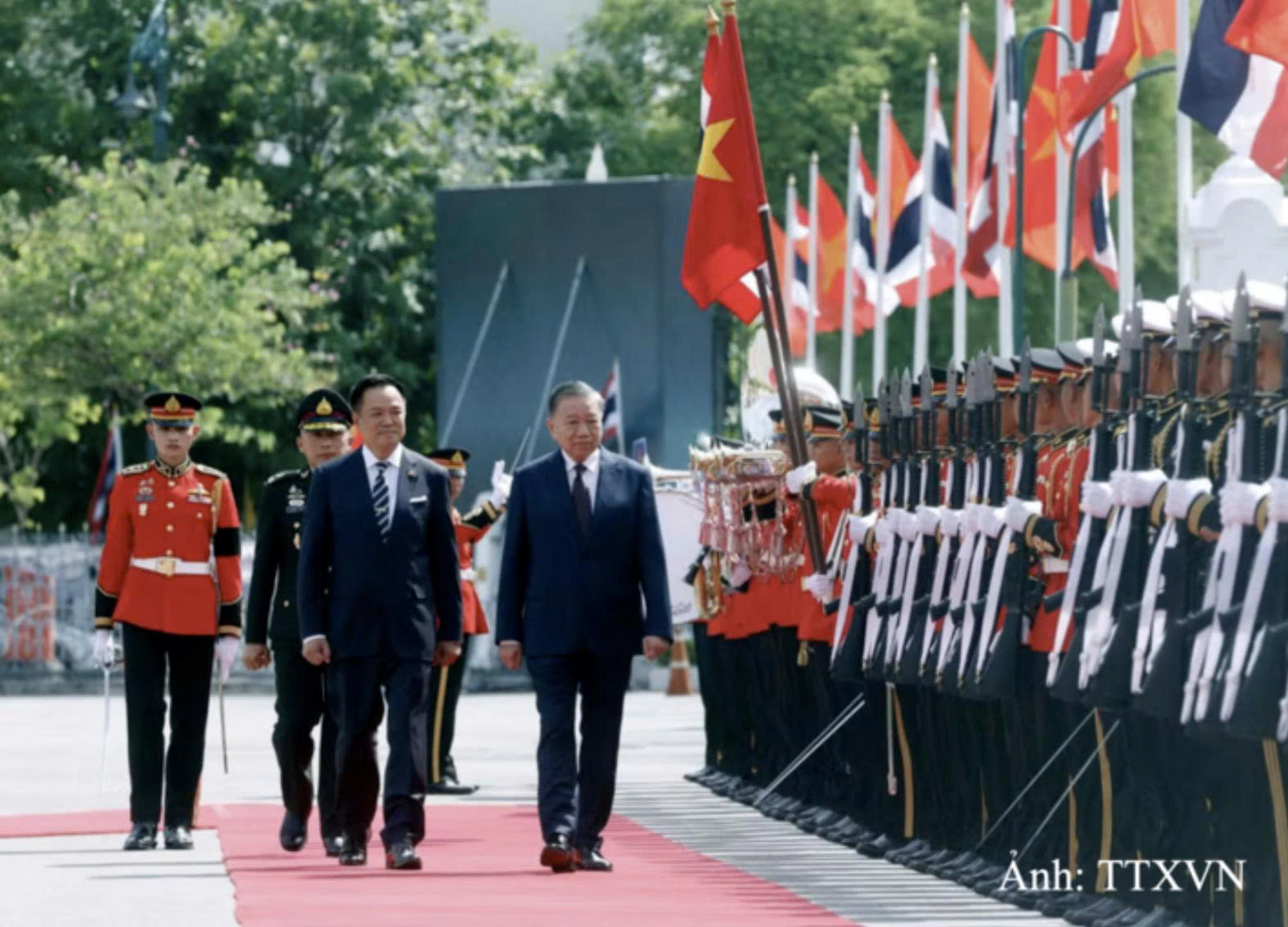
Building on 50 years of diplomatic relations, Viet Nam and Thailand have continued to nurture friendship, strengthen mutual trust, expand cooperation and work toward new milestones in bilateral ties.
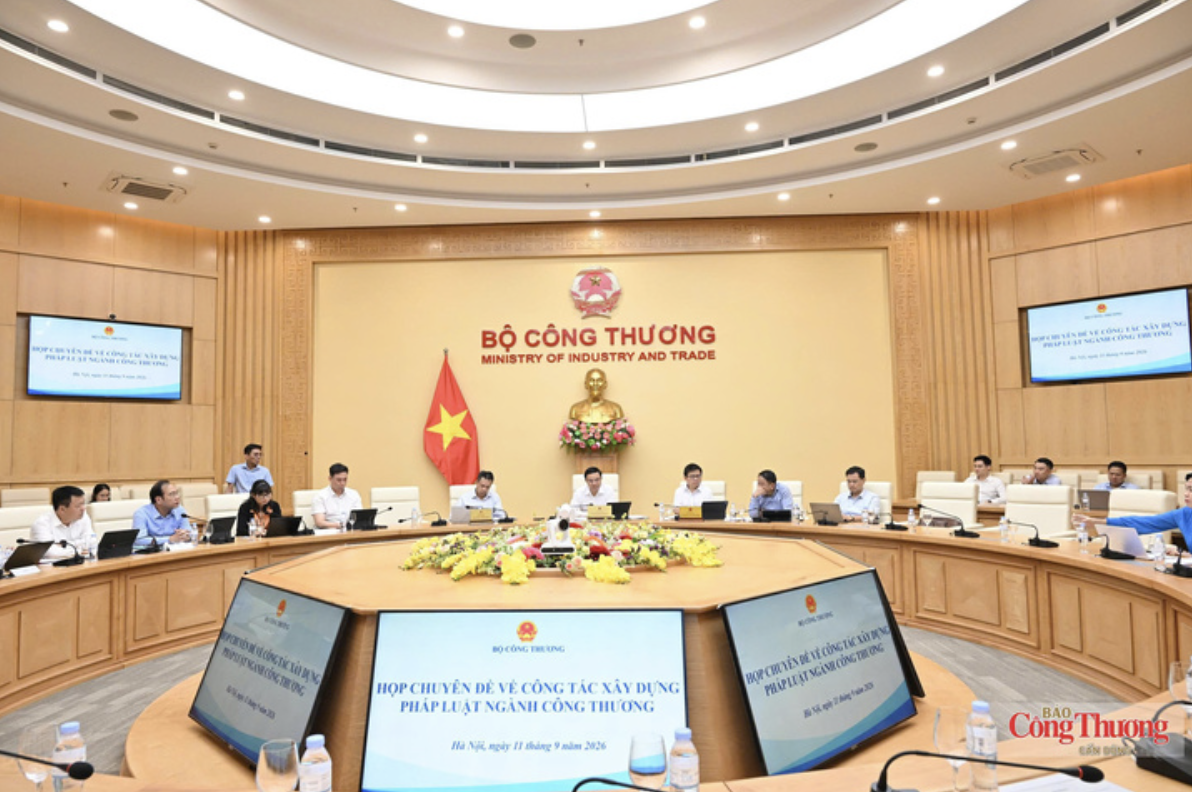
The Ministry of Industry and Trade completed all nine key Q3 legislative tasks and is prioritizing 56 remaining tasks to ensure timely, consistent and effective legal reform.
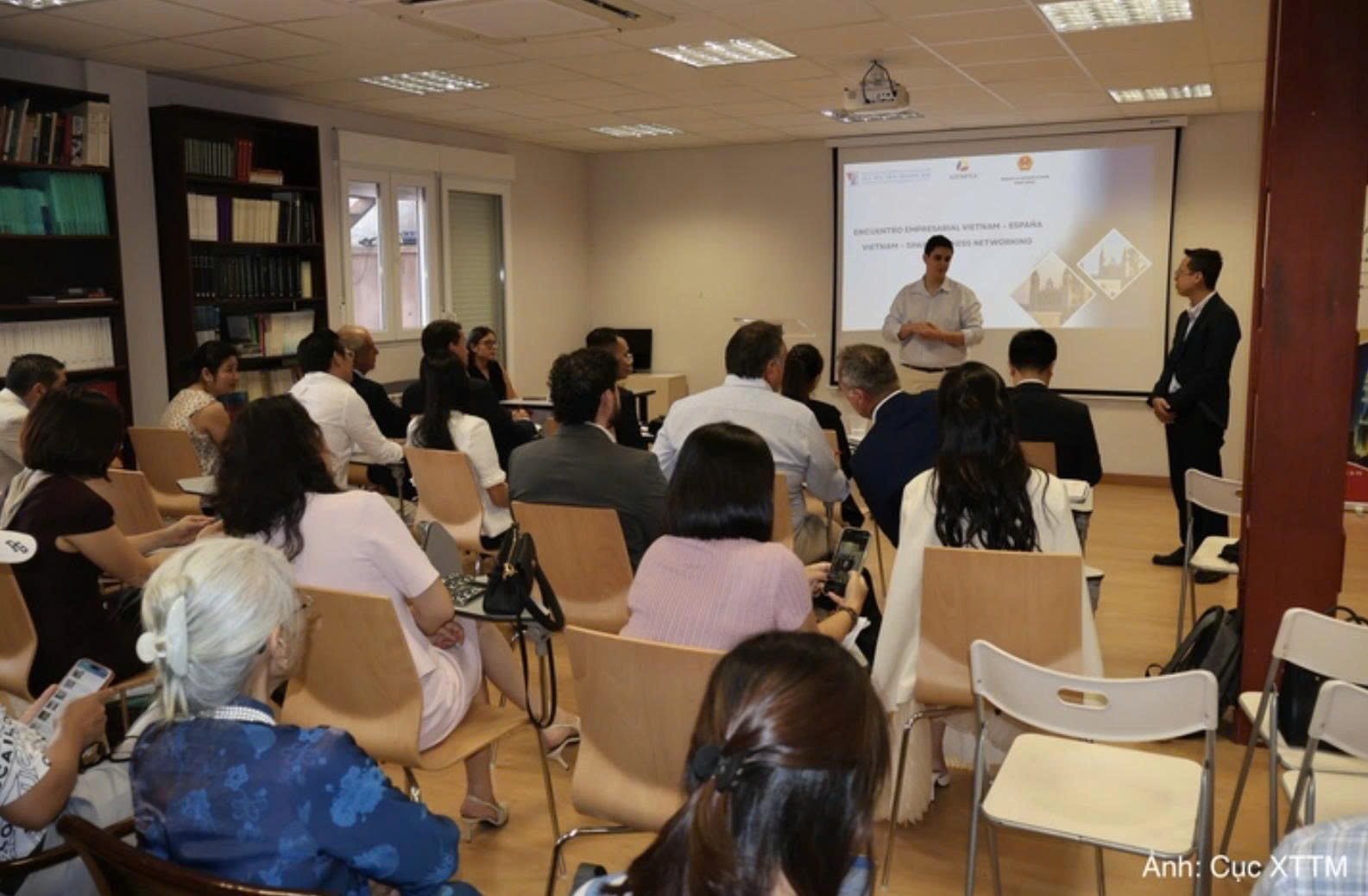
Vietnamese businesses are stepping up trade connections and seeking partners in Türkiye and Spain, opening up new opportunities to boost exports and gain access to European markets.
Access to advanced port technologies and stronger business connectivity are creating new opportunities for logistics cooperation between Viet Nam and China.
Building on 50 years of diplomatic relations, Viet Nam and Thailand have continued to nurture friendship, strengthen mutual trust, expand cooperation and work toward new milestones in bilateral ties.
The Ministry of Industry and Trade completed all nine key Q3 legislative tasks and is prioritizing 56 remaining tasks to ensure timely, consistent and effective legal reform.
Vietnamese businesses are stepping up trade connections and seeking partners in Türkiye and Spain, opening up new opportunities to boost exports and gain access to European markets.
Access to advanced port technologies and stronger business connectivity are creating new opportunities for logistics cooperation between Viet Nam and China.