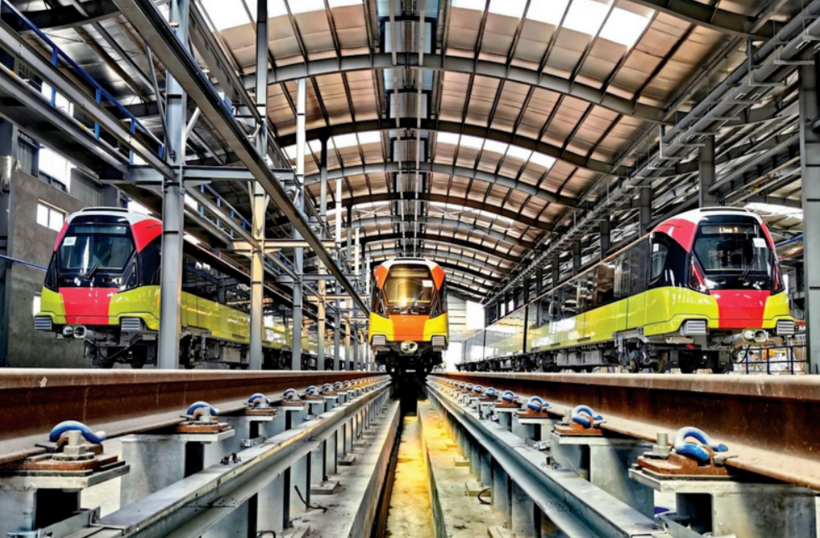
Decree 319 opens a key legal corridor, gives a strong boost to investment, and gradually shapes a distinctly Vietnamese railway manufacturing industry.
The growing maturity of domestic enterprises, combined with increasingly clear and consistent policy mechanisms from the State, is creating a ripe opportunity for Vietnam to form and develop a railway manufacturing industry. Within this broader context, Decree No.319/2025/ND-CP dated on December 12, 2025 is widely seen as a pivotal turning point, laying a crucial legal foundation for this process.
Paving the way
According to Nguyen Xuan Thuy, former Director of the Transport Publishing House, with appropriate technology transfer and a well-defined roadmap, Vietnamese enterprises are fully capable of gradually mastering railway technologies. From rolling stock manufacturing and traction power supply systems to signalling, operations, maintenance and spare parts production, domestic capabilities can be systematically built. Therefore, railway projects, particularly high-speed rail, should not be viewed merely as infrastructure investments but as catalysts for the emergence of a new industrial sector.
Decree 319 opens a key legal corridor, gives a strong boost to investment, and gradually shapes a distinctly Vietnamese railway manufacturing industry.
Under Vietnam’s railway development plan to 2030, seven existing lines will be upgraded and two new high-speed rail lines constructed. Looking ahead to 2050, the national network could comprise up to 25 lines with a total length exceeding 6.300 kilometres. With estimated investment needs surpassing USD 100 billion, this is widely regarded as a historic opportunity to reshape the national railway sector. However, the industry’s inherent characteristics include extremely large capital requirements, complex technologies, lengthy implementation timelines and the need for highly effective management and operational mechanisms.
Against this backdrop, the Government’s issuance of Decree 319, provides a critical legal framework. The decree clearly stipulates the content, procedures and authorities for implementing special mechanisms and policies on research, application and technology transfer for key railway projects, in line with resolutions adopted by the National Assembly.
The core innovation of Decree 319 lies in its establishment, for the first time, of a transparent and comprehensive set of criteria for selecting Vietnamese organisations and enterprises eligible to be assigned or commissioned to receive technology transfer. Eligible enterprises must be legally established, operate in relevant business lines, possess appropriate facilities and workshops, demonstrate financial capacity and capital mobilisation ability, and maintain a workforce capable of absorbing, mastering and operating advanced technologies. They must also present concrete resource mobilisation plans, implementation commitments and experience in international technology transfer cooperation.
Tran Khac Tam, a member of the Can Tho People’s Council and Vice Chairman of the Council of Business Associations of the Mekong Delta, described Decree 319 as an effective “filter” to identify enterprises with sufficient capacity to participate in building Vietnam’s railway manufacturing industry. More importantly, the decree compels investors and foreign partners to take into account the technology absorption and mastery capabilities of Vietnamese enterprises, rather than continuing the long-standing practice of turnkey imports. This approach opens up concrete opportunities for domestic factories, manufacturing workshops and component suppliers to integrate more deeply into emerging value chains, thereby encouraging expanded investment and technological upgrading.
Tam expressed confidence that the expansion of railway lines will generate broader trade connectivity, while the assignment of tasks linked to technology transfer and mastery reflects the State’s strategic intent to enable private enterprises to grow alongside national projects. This is not merely a technical policy, but a strategic move to cultivate a domestic enterprise base capable of underpinning the railway industry.
With stringent technical, safety and transferability criteria, Decree 319 gradually establishes a legal mechanism to identify core enterprises that can serve as anchors for railway industrial development. As a result, domestic supply chains for railway industrial products and equipment can take shape, moving towards the goal of technological self-reliance and the creation of a “Made in Vietnam” railway industrial brand.
A boost for domestic enterprises
In practice, many Vietnamese enterprises have proactively prepared resources to seize these opportunities. Several leading industrial groups such as Hoa Phat, THACO and Vingroup, alongside state-owned corporations including Viettel, EVN and Lilama, are frequently cited as strong candidates when assessed against the criteria set out in Decree 319.
Steel giant Hoa Phat is widely regarded as the strongest contender in the materials and rail structure segment. With the largest steelmaking capacity in Southeast Asia, the group is capable of producing high-quality rail steel, fabricating steel bridge structures and testing new materials. Localising rail steel production is expected to reduce costs by 15 - 20 percent compared to imports. Market confidence is reinforced by the fact that earlier this year, Tran Dinh Long announced plans to build a high-speed rail steel manufacturing plant even before a clear policy framework was in place. On December 19, Hoa Phat is scheduled to break ground on a special steel and railway rail production project in Dung Quat.
Vingroup and THACO stand out for their strengths in mechanical engineering and technology. Vingroup benefits from advanced capabilities in precision mechanics, large-scale manufacturing and complex electrical and electronic system design, built through VinFast and VinES, which have mastered automated production lines. The group could participate in rolling stock manufacturing, AI-based operational systems, battery technologies for electric or hybrid trains, and related solutions.
Meanwhile, THACO operates Vietnam’s largest mechanical industrial complex, positioning it well to manufacture vehicle frames, mechanical components and auxiliary modules. The group has cooperated with Hyundai Rotem of the Republic of Korea to receive technology transfer in urban rail vehicle production, aiming to control the entire value chain from manufacturing to maintenance in line with international standards.
Another notable player is GELEX Electric, which has expressed interest in producing underground power cables for high-speed rail, a product not yet manufactured domestically. Viettel, with its proven capacity to develop radar and telecommunications systems, is considered a promising candidate for railway signalling systems and intelligent operation control centres. EVN, for its part, holds significant potential in providing power supply infrastructure, substations and energy control technologies for high-speed trains.
According to Nguyen Chi Sang, Chairman of the Vietnam Association of Mechanical Enterprises, many companies have already established partnerships with international counterparts to receive technology transfer, with the aim of localising the production of locomotives and rolling stock for urban and high-speed railways. Notable examples include the cooperation between THACO and Hyundai Rotem, as well as Hoa Phat’s investment in modern production lines supplied by Germany’s SMS Group to meet the stringent standards of high-speed rail.
Overall, Decree 319 is expected to be a policy “pathfinder,” establishing rigorous and transparent supplier selection criteria to identify enterprises with genuine capacity to access and master advanced railway technologies. Only manufacturers with substantive production capabilities and long-term investment in technology will be able to emerge as the backbone of the industry.
More than a regulatory document, Decree 319 sends a strong policy signal, encouraging domestic enterprises to mobilise resources in service of national objectives and to participate more deeply in pilot projects, technology transfer and equipment manufacturing. Through this process, Vietnam can gradually shape and complete a railway manufacturing value chain bearing a distinct national imprint.
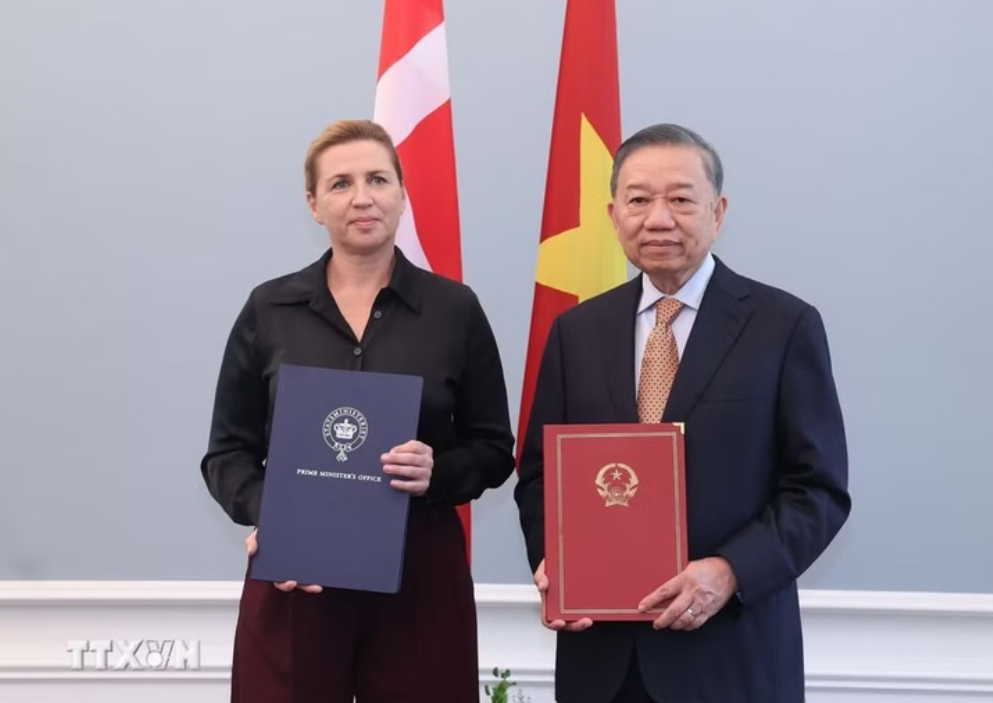
The Viet Nam Economic News respectfully presents the full text of the Joint Statement on the Establishment of a Comprehensive Strategic Partnership between Viet Nam and Denmark.
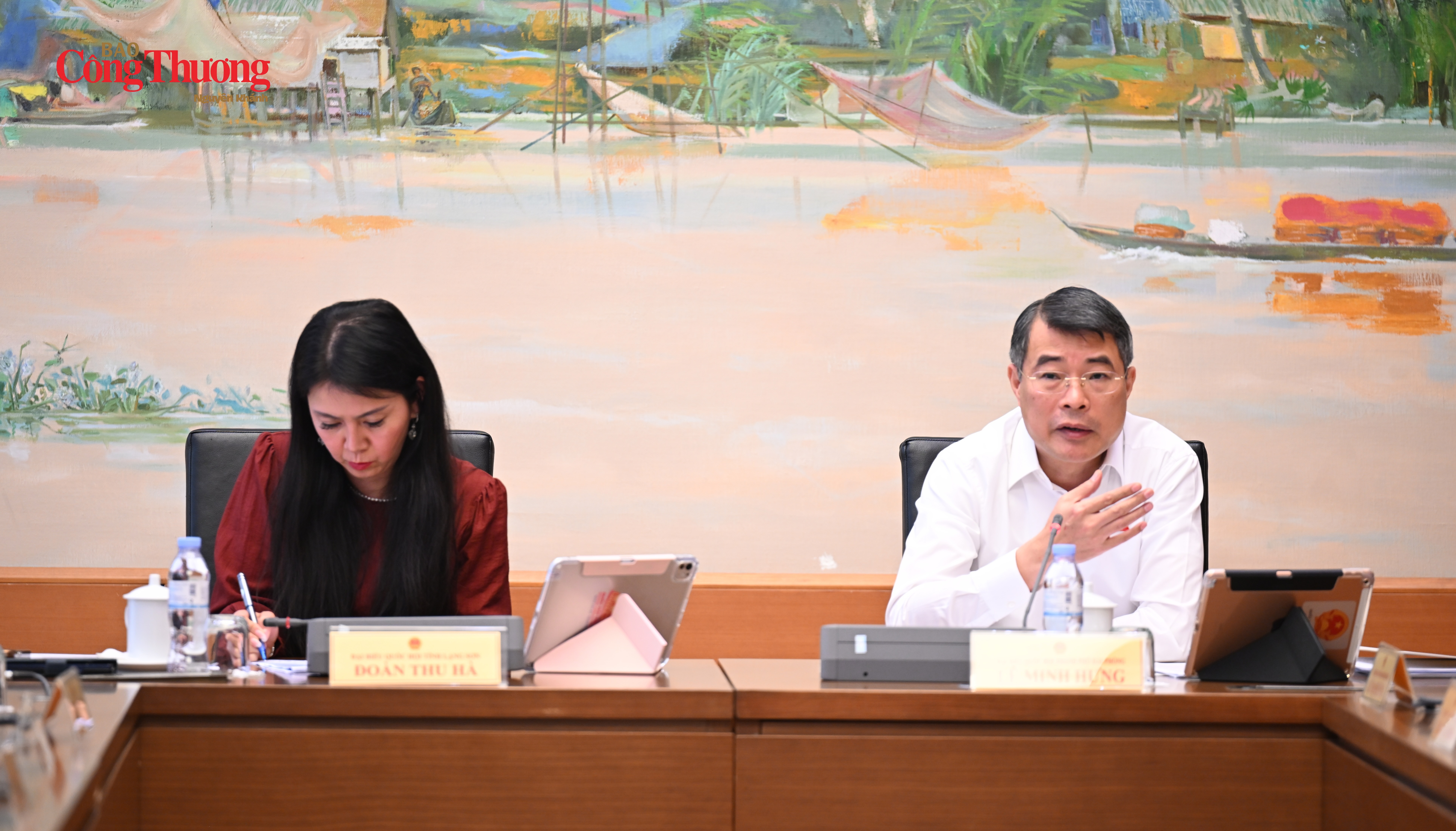
Prime Minister Le Minh Hung urged Electricity Law amendments to ensure consistency, balance state, public and investor interests, and mobilize resources.
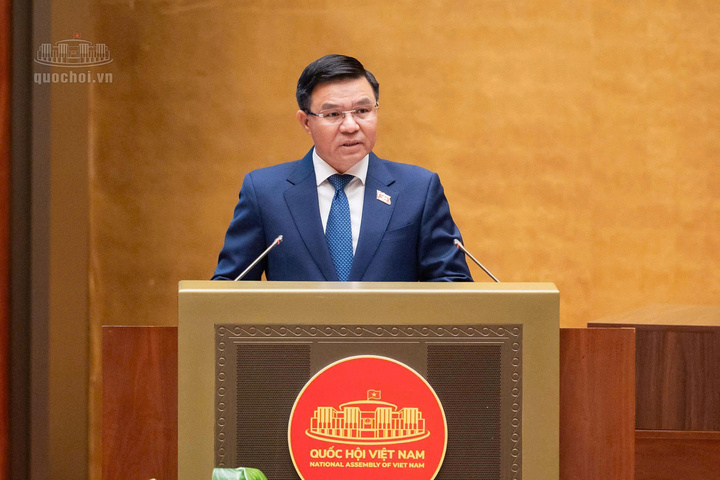
On October 20, at the second session of the 16th National Assembly, Minister of Industry and Trade Le Manh Hung presented the Government's submission on the draft Law amending and supplementing a number of articles of the Electricity Law.
The Vietnam Industry Agency under the Ministry of Industry and Trade and Samsung Vietnam continue to strengthen cooperation in developing supporting industries, enhancing the capabilities of domestic enterprises and expanding opportunities for their participation in global supply chains.
On October 9, the Viet Nam Department of Geology and Minerals, in coordination with the Thai Nguyen Department of Industry and Trade, held a conference in Thai Nguyen province to disseminate the Law on Geology and Minerals and its implementing regulations.
Northern localities are strengthening links in supporting industries, energy and logistics to build competitive value chains and create new growth drivers.
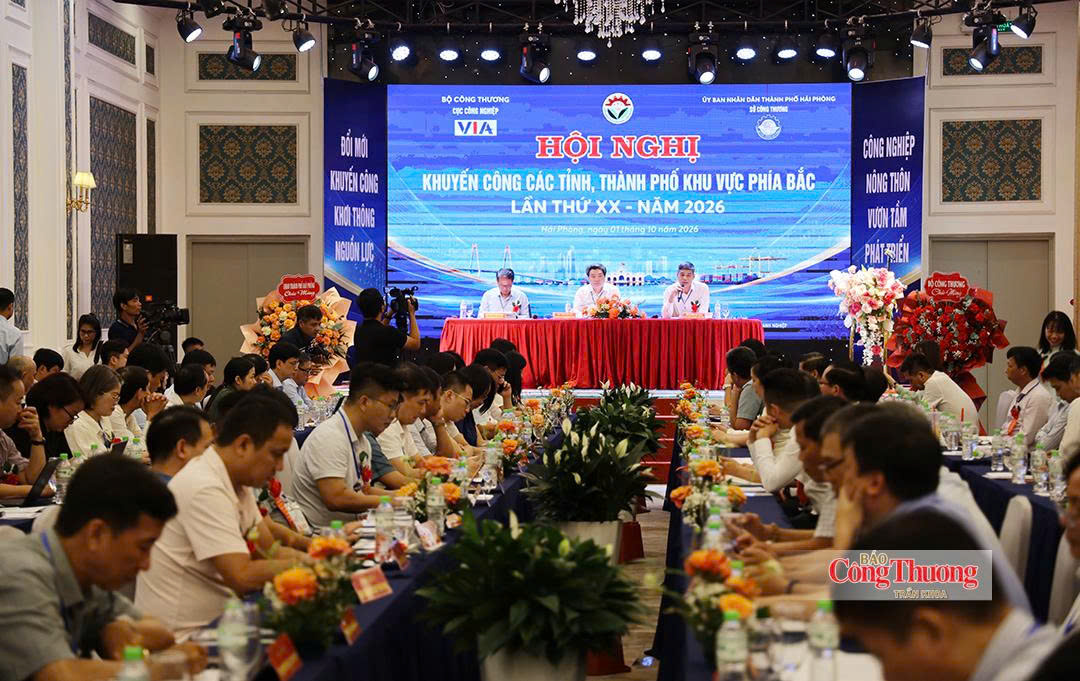
The 20th Industrial Promotion Conference for Northern Provinces and Cities in 2026 was held in Hai Phong City on October 1, with discussions focusing on renewing industrial promotion activities.
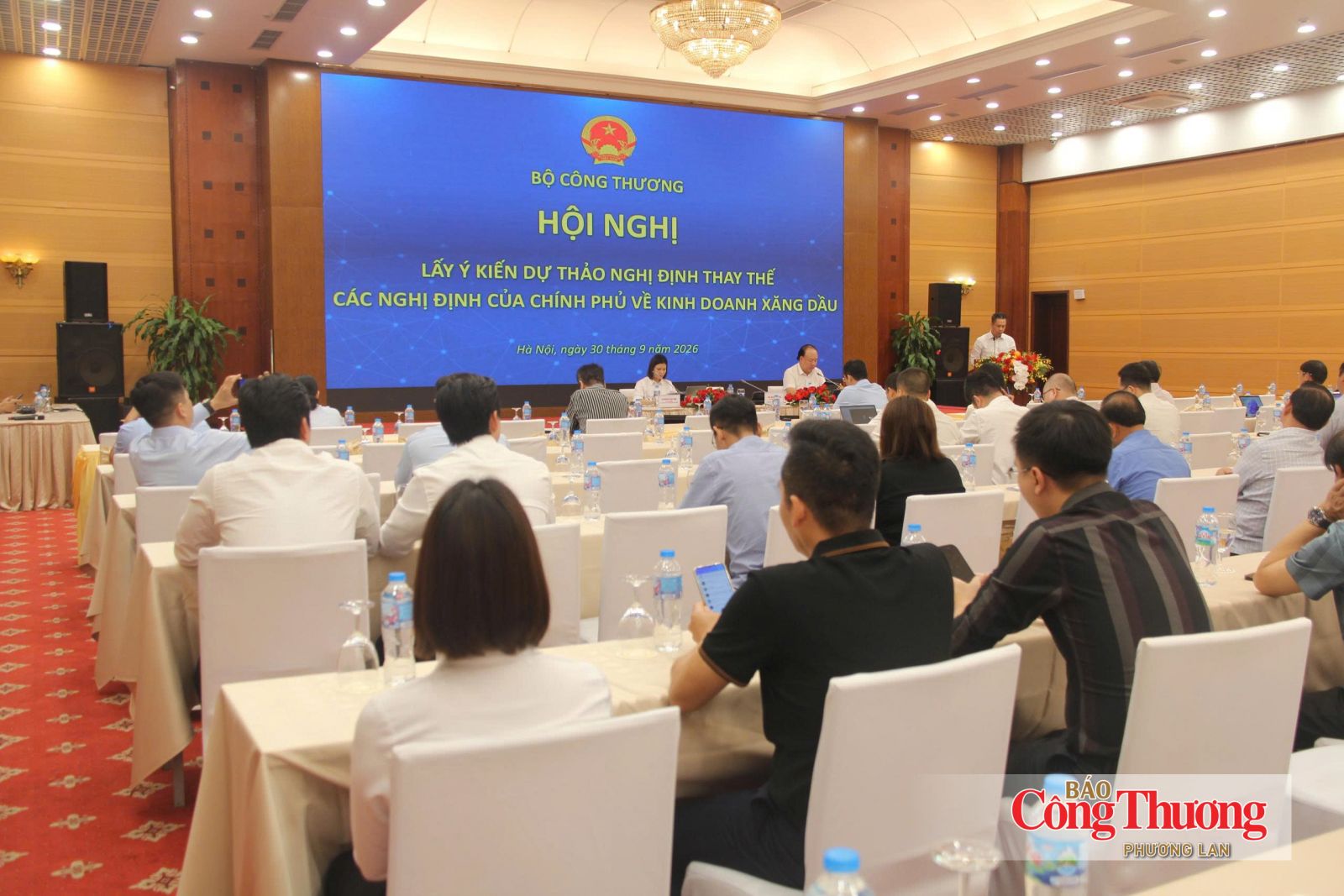
On September 30 in Ha Noi, the Ministry of Industry and Trade (MoIT) held a conference to gather broad feedback on a draft decree replacing the Government’s existing decrees on petroleum trading.