Vietnam reviews draft decree on traditional markets, aiming to modernise management, upgrade infrastructure, and promote digital, green, sustainable development.
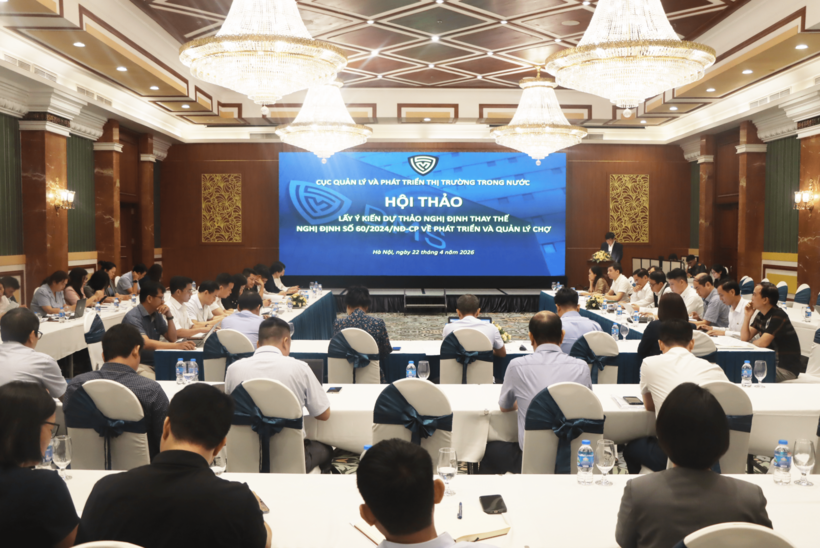
On the morning of April 22 in Hanoi, the Agency for Domestic Market Surveillance and Development under the Ministry of Industry and Trade organized a seminar to collect feedback on the draft decree replacing Decree No. 60/2024/ND-CP on the development and management of traditional markets.
In the opening remarks, a representative of the Agency for Domestic Market Surveillance and Development stated that the formulation of the new decree aims to further refine the legal framework governing the market system, with an orientation toward modern, sustainable development, in line with trends in digital transformation, green consumption, and the promotion of the domestic market. The decree is also expected to address existing shortcomings that have emerged during the implementation process in recent years.
The period from 2015 to 2025 reflects a notable trend: the number of traditional markets has been declining, yet they continue to account for a significant share of retail infrastructure. By 2025, Vietnam is expected to have 8,150 markets, compared with 1,099 supermarkets and 281 shopping centres.
However, the quality of the market system remains limited. Grade III markets account for 86.9%, many of which are deteriorating in infrastructure, while Grade I and Grade II markets represent only a small proportion. This situation highlights an urgent need for infrastructure upgrading and innovation in management approaches.
An overview of the seminar. Photo: Quyen Luu
From an economic perspective, traditional markets continue to play a key role in supplying fresh food due to their convenience, low cost, and compatibility with consumer habits. From a social standpoint, approximately 1.7 - 2 million household businesses operating in markets are generating livelihoods for millions of workers, particularly in the informal and low-skilled labour sectors, thereby contributing significantly to poverty reduction and labour market stability.
Beyond their commercial function, markets also serve as distinctive cultural spaces. Many traditional market models have become well-known tourist destinations, such as Cai Rang Floating Market and Sa Pa Love Market, contributing to the promotion of local identity and added economic value.
The draft decree introduces several notable innovations. In terms of investment resource mobilisation, the mechanism is designed to be more flexible: the central budget will prioritize support for disadvantaged areas such as mountainous regions, border areas, and ethnic minority communities, while local authorities will take responsibility for allocating resources in other regions, combined with legally mobilized funding sources.
At the same time, the draft promotes stronger decentralisation and delegation of authority, clarifying the responsibilities of each administrative level and streamlining decision-making processes to enhance the effectiveness of state management.
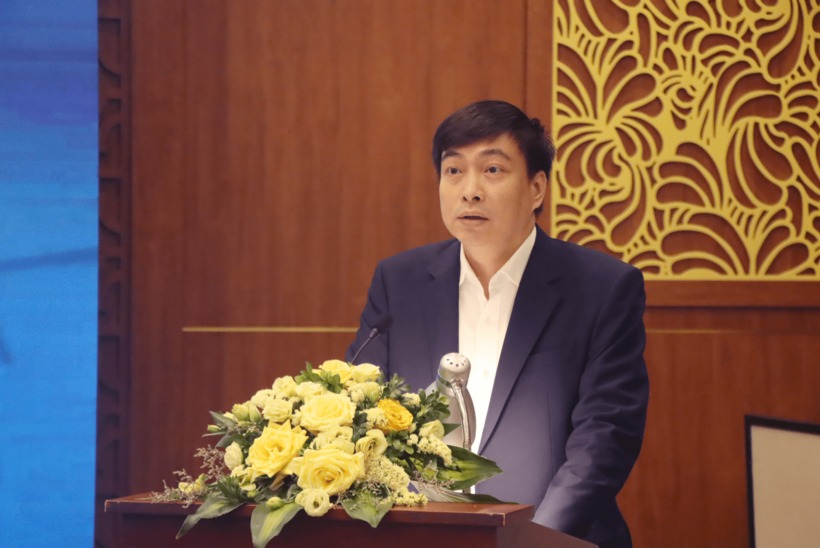
Bui Nguyen Anh Tuan, Deputy Director of the Agency for Domestic Market Surveillance and Development delivers remarks at the seminar. Photo: Quyen Luu
A key highlight is the expansion of investment participation. Accordingly, individuals, household businesses, and private enterprises are encouraged to participate in the development and management of markets, promoting stronger socialisation of investment.
The draft also supplements several practical mechanisms, including allowing multi-functional and multi-purpose utilisation of market infrastructure; enabling the use of market assets in public–private partnership projects; and developing border markets in a modern direction to reduce logistics costs and facilitate trade.
Notably, provisions related to smart markets, digital transformation, product traceability, and green transition are being introduced for the first time in the decree, aiming to build a more civilized, environmentally friendly market system that meets emerging consumption trends.
During the discussion session, representatives from provincial Departments of Industry and Trade, industry associations, and market management units focused their contributions on investment socialisation mechanisms, appropriate management models for different localities, and policies to support the upgrading of traditional markets in association with cultural preservation.
Participants broadly agreed that, within the socio-economic structure, traditional markets continue to play a particularly important role. They are not only places of goods circulation but also spaces for community connection, livelihood maintenance, and cultural identity preservation. In rural and mountainous areas in particular, markets remain a crucial link in the supply chain, functioning both as collection points for agricultural products and as distribution channels for essential goods.
Concluding the seminar, a representative of the Agency for Domestic Market Surveillance and Development stated that the drafting committee will incorporate the comments and recommendations to further refine the draft before submitting it to competent authorities for consideration and issuance in the near future. The new decree is expected to establish a synchronized legal foundation, promoting the development of the market system in a modern and sustainable direction while preserving the distinctive values of Vietnam’s traditional markets.
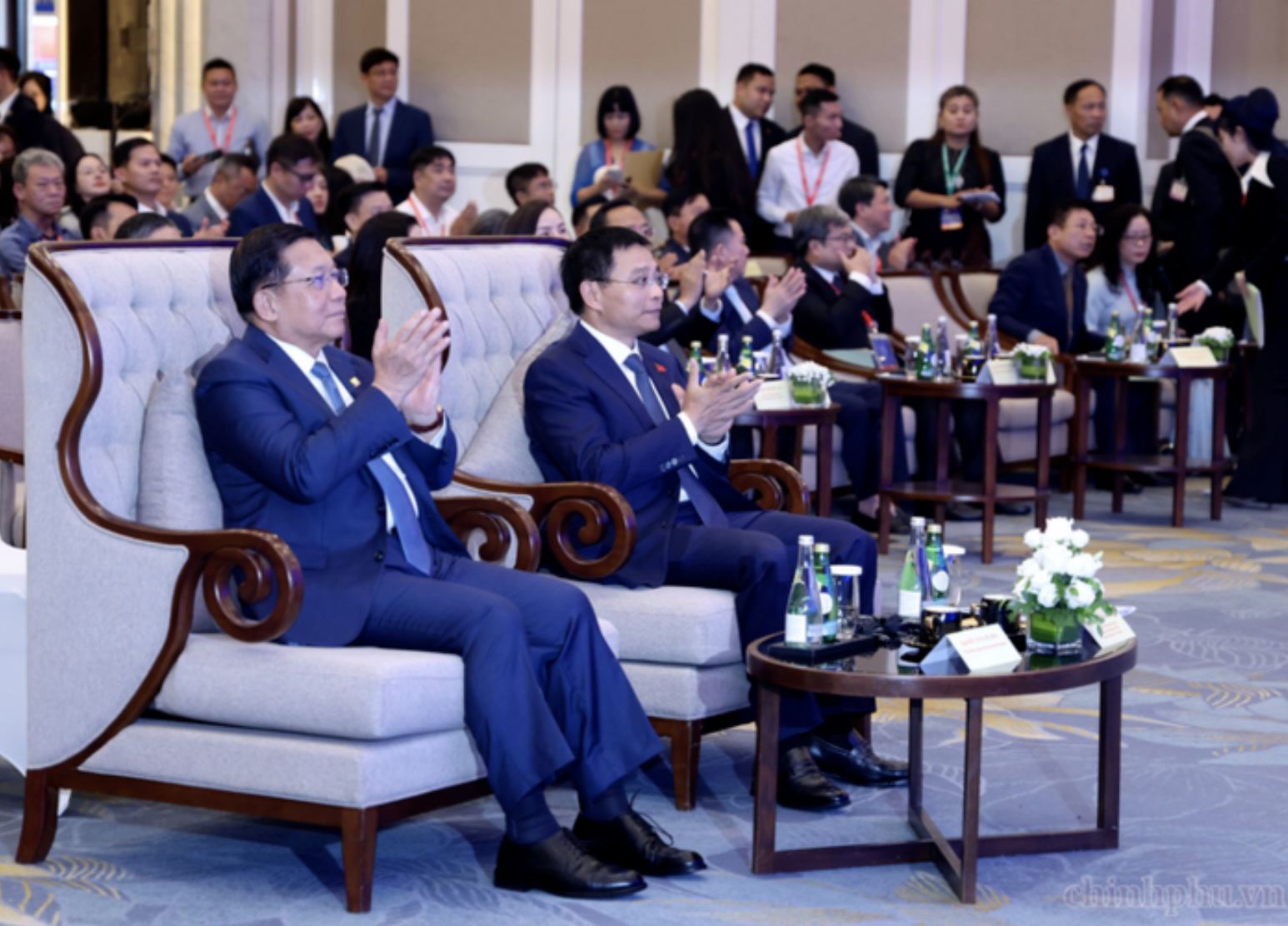
Addressing the Myanmar - Viet Nam Business Forum, Deputy Prime Minister Nguyen Van Thang said the two sides should expand the space for cooperation and leverage their respective resources to support the self-reliant and resilient development of each country, contributing to the implementation of agreements reached by the senior leaders of the two countries.
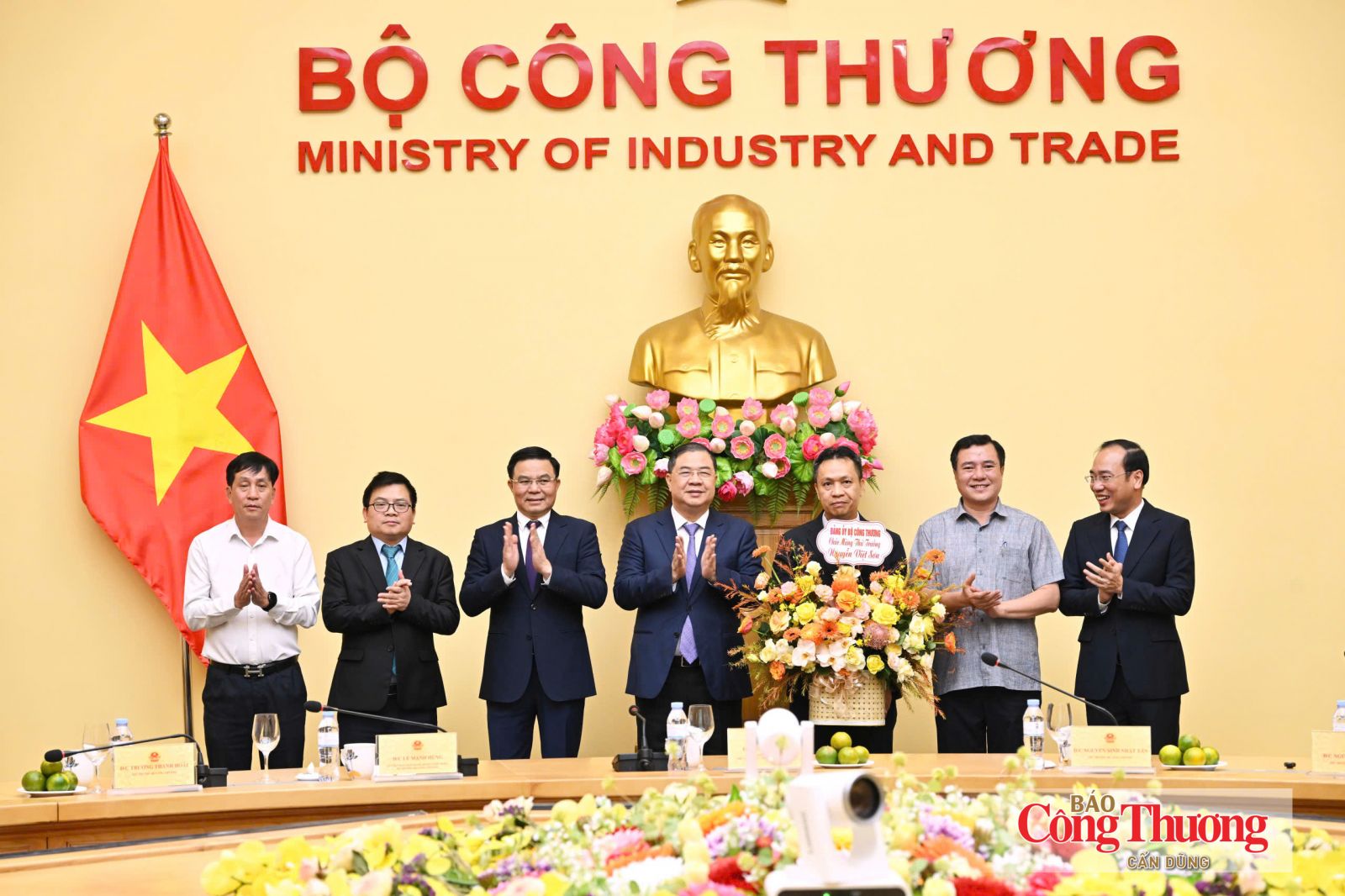
On the afternoon of September 6, at the headquarters of the Ministry of Industry and Trade (MoIT), Politburo member and Standing Deputy Prime Minister Pham Gia Tuc handed over the Prime Minister's decision appointing Nguyen Viet Son as Deputy Minister of Industry and Trade.
The iDEA and TikTok Shop launched the “Beyond Vietnam” initiative to help Vietnamese businesses build digital export capabilities and expand global market access.
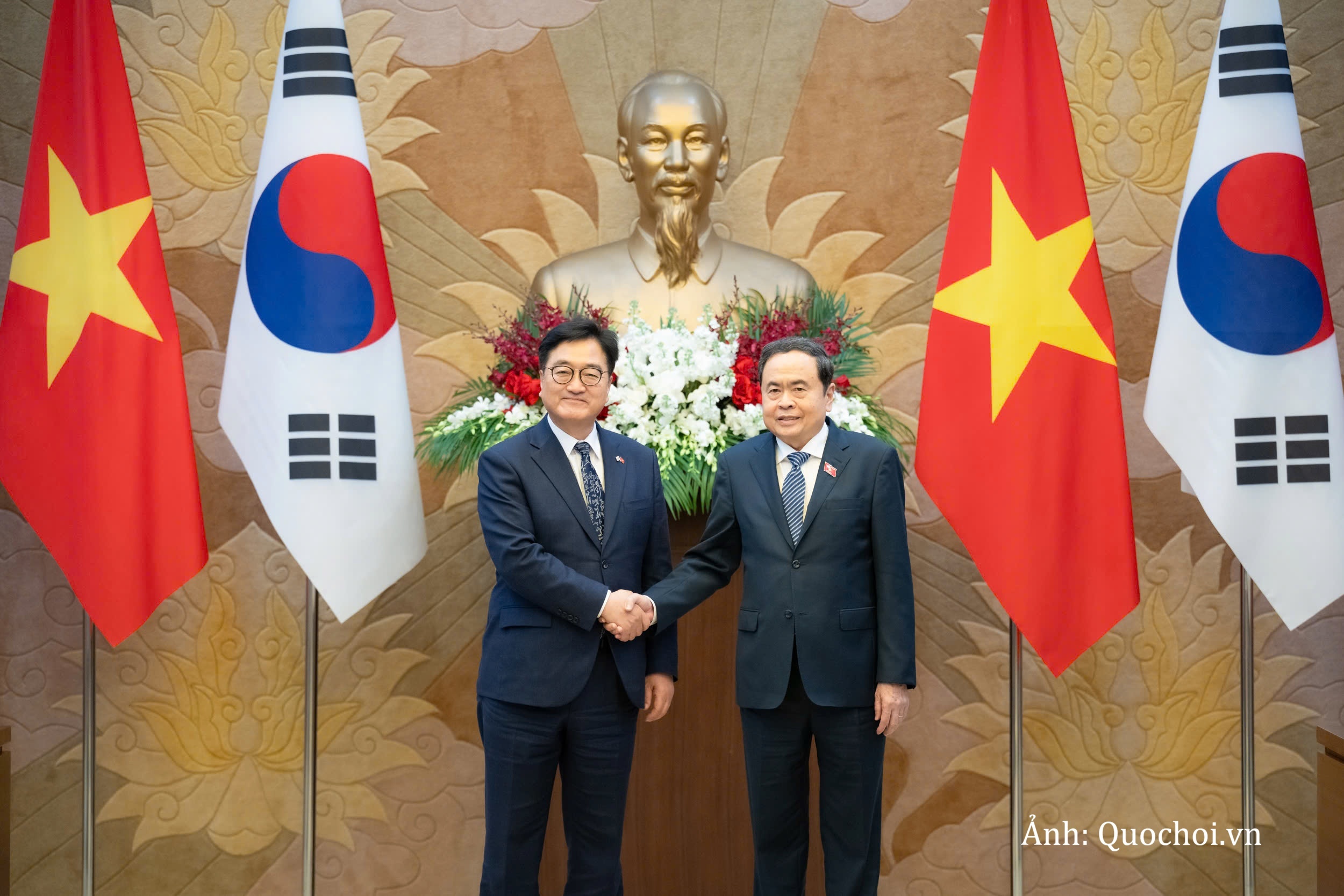
As Viet Nam and the Republic of Korea (RoK) work towards the goal of raising bilateral trade to USD 150 billion, the National Assemblies of the two countries have an important role to play in improving institutions and removing bottlenecks.
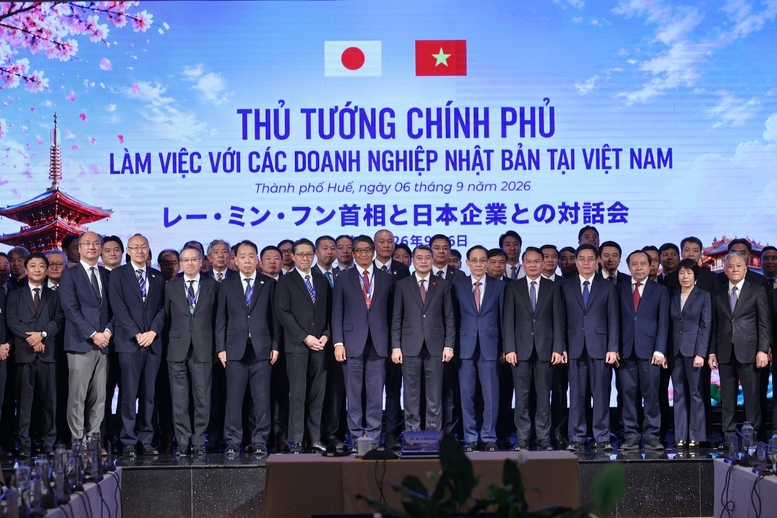
Chairing a meeting with Japanese businesses on the morning of September 6, Prime Minister Le Minh Hung called for Viet Nam - Japan investment ties to shift decisively from a relationship between “investors and investment destinations” toward a partnership for joint development and co-creation, involving joint research, innovation, production, and effective participation in and affirmation of their positions and roles in global value chains.
The iDEA and TikTok Shop launched the “Beyond Vietnam” initiative to help Vietnamese businesses build digital export capabilities and expand global market access.
Tourism Malaysia reaffirmed its commitment to the Vietnamese market at ITE HCMC 2026, promoting the extended Visit Malaysia 2026 - 2027 campaign and expanding tourism cooperation.
Viet Nam Trade Office in Argentina is boosting business links to expand cooperation in timber, minerals and investment, opening new opportunities for firms in both countries.
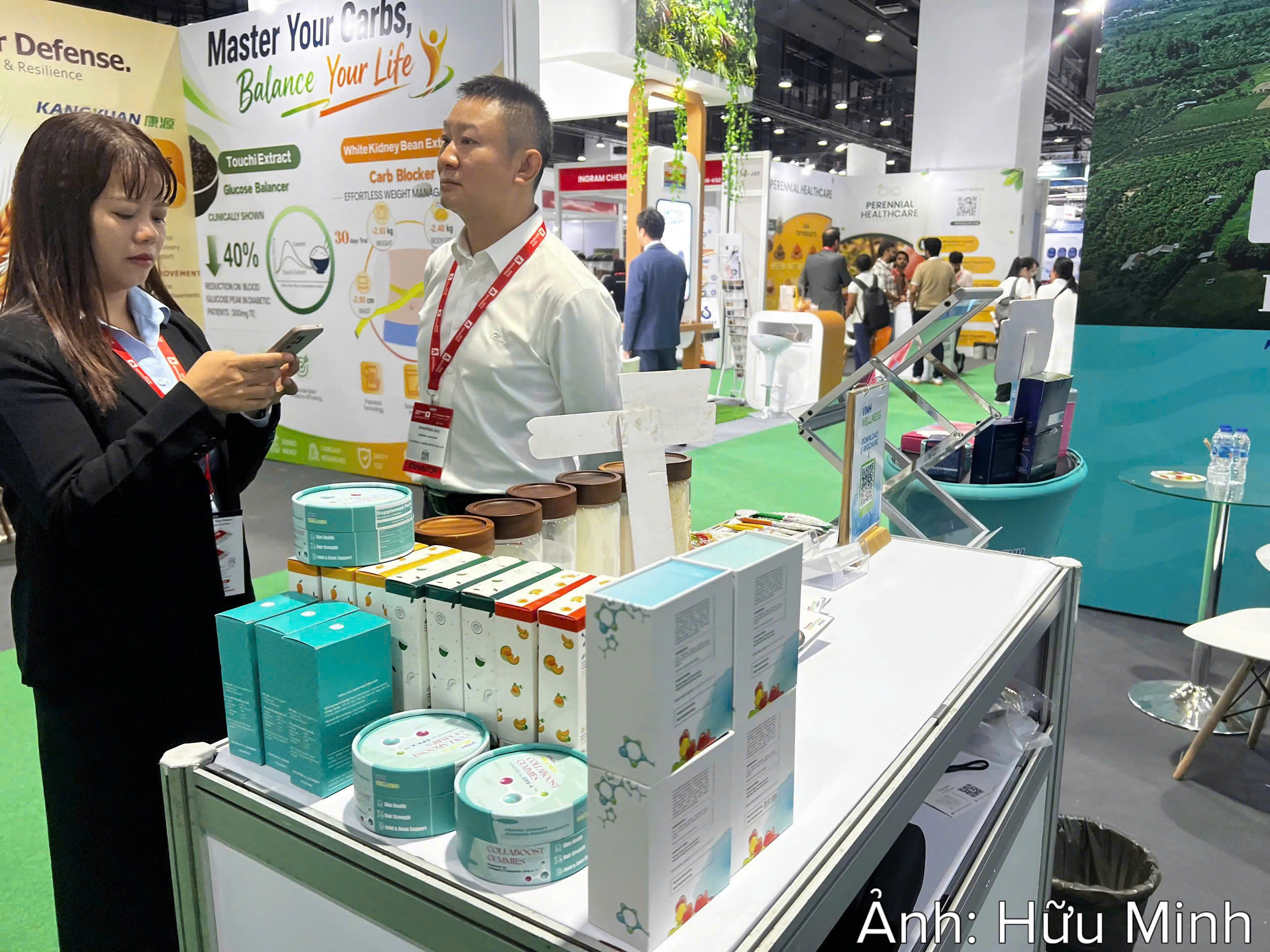
Vitafoods Asia 2026 in Thailand highlighted the growing presence of Vietnamese health and nutrition products, opening new opportunities for global market expansion.
Viet Nam is addressing key bottlenecks and improving durian quality to boost exports, with the sector targeting USD 4 billion in export turnover this year.