AI, the Internet of Things (IoT) and automation are making their way into factories and industrial parks across Ho Chi Minh City, redefining productivity and reshaping the role of human workers.
When industrial park infrastructure starts to 'think'
Export processing zones and industrial parks in Ho Chi Minh City are gradually deploying artificial intelligence (AI), automation and digital transformation across manufacturing, infrastructure management and workforce development.
In an interview with Vietnam Economic News, Tran Viet Ha, Deputy Head of the Ho Chi Minh City Export Processing and Industrial Zones Authority (HEPZA), said the objective is to improve productivity, optimize operations, conserve resources, reduce costs and enhance enterprises' competitiveness amid the ongoing restructuring of global supply chains.
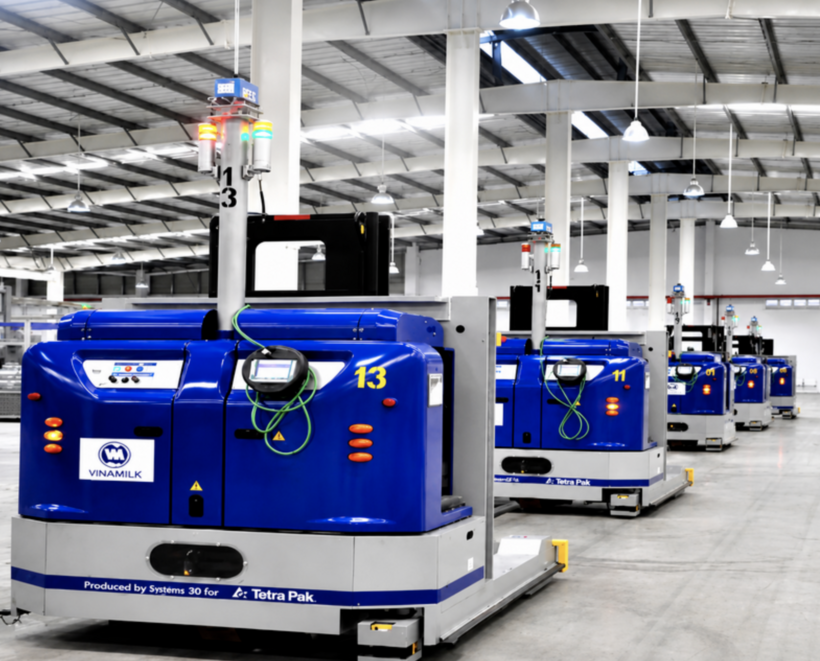
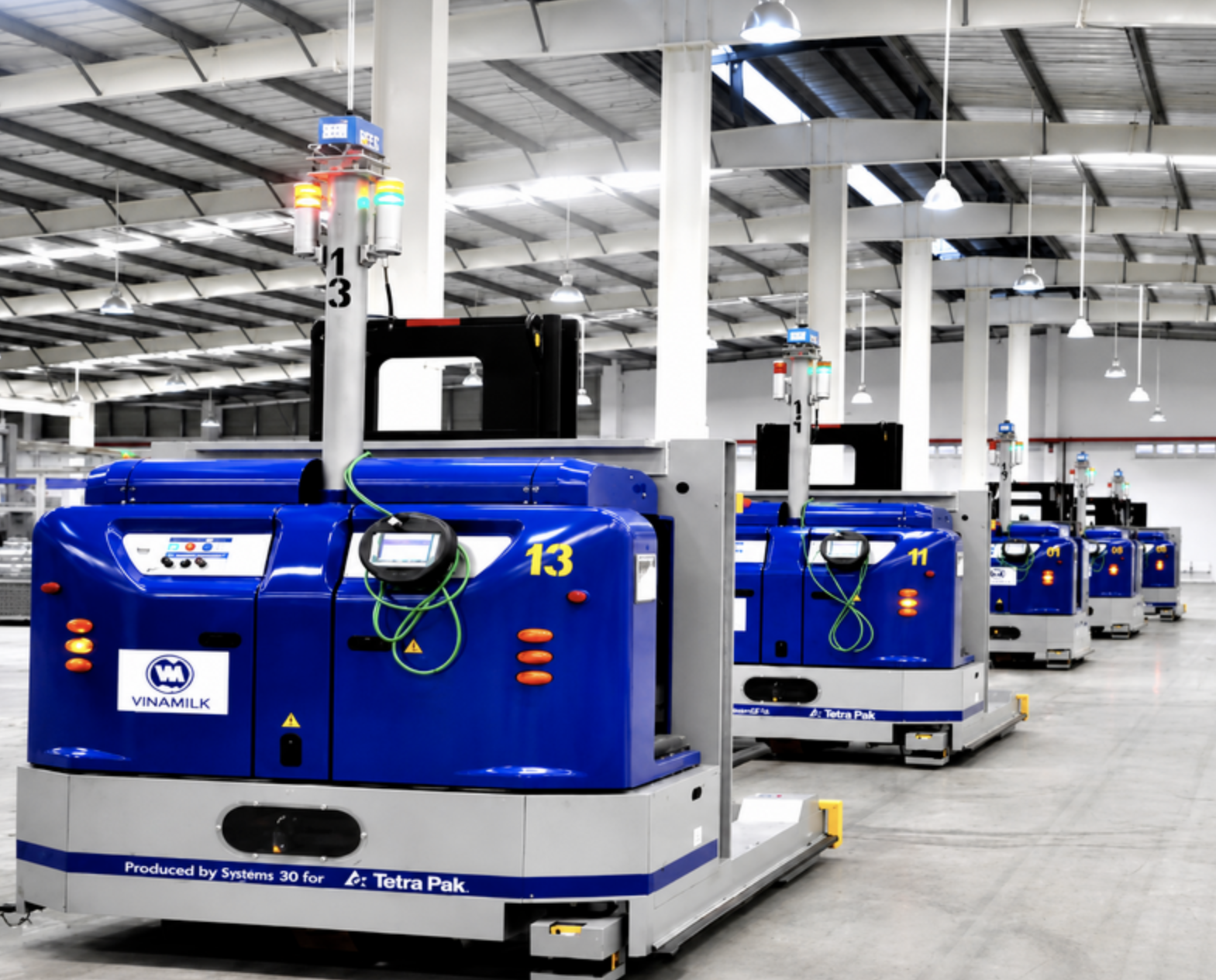
AI, the Internet of Things (IoT) and automation are increasingly being deployed in factories across industrial parks in Ho Chi Minh City. Photo: VNM
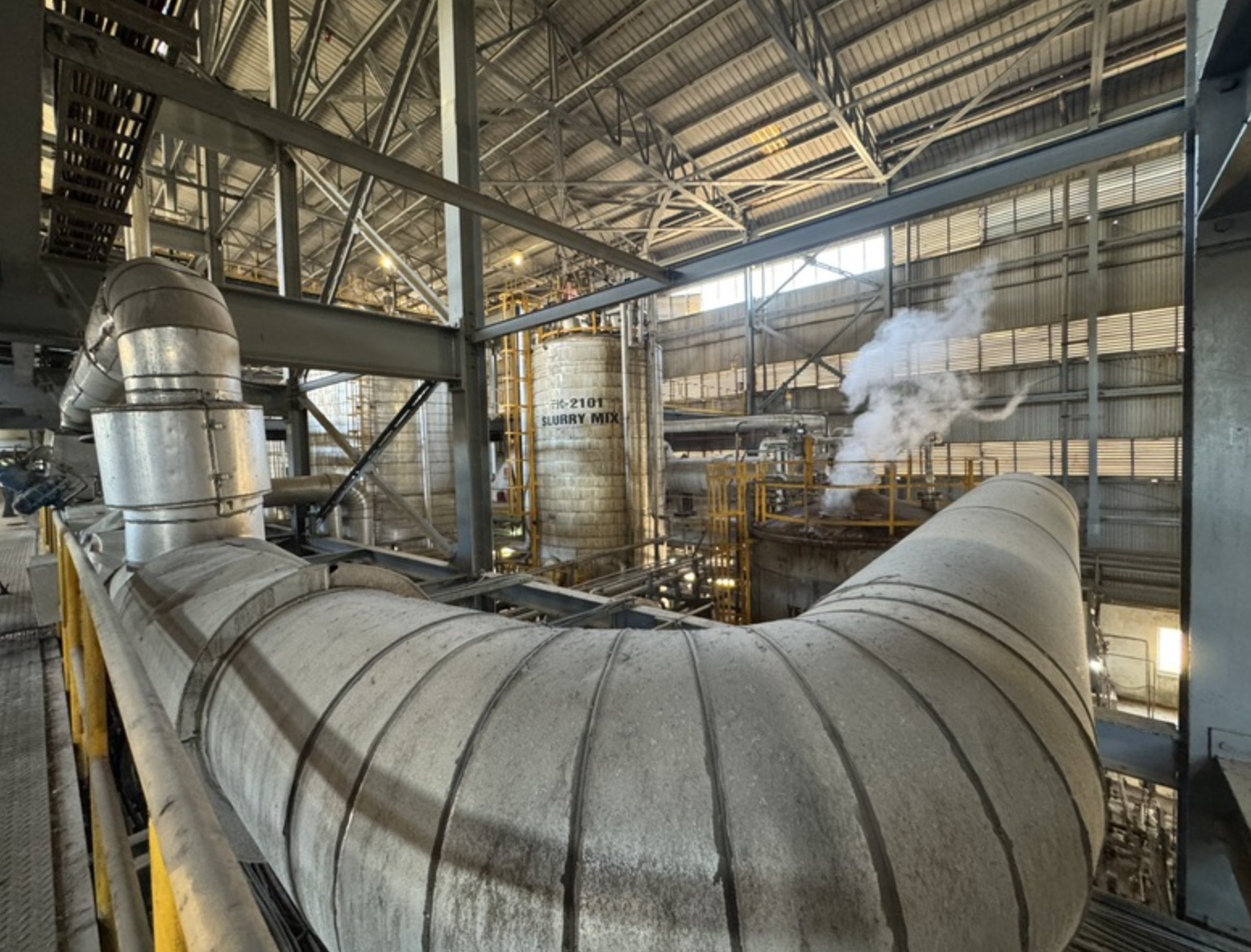
In industrial park infrastructure management and operations, infrastructure developers are working with telecommunications companies to upgrade digital infrastructure, expand 5G coverage, build shared databases and explore smart management platforms based on big data, geographic information systems (GIS), the Internet of Things (IoT) and AI. These technologies are expected to support planning, land administration, technical infrastructure management, as well as security, traffic, environmental and investment monitoring. In other words, not only are factories being digitized, but the entire 'body' of an industrial park, from roads and power systems to security infrastructure, is increasingly being managed through data rather than manual intervention.
According to the HEPZA official, the authority is implementing a comprehensive package of measures to help enterprises improve productivity, upgrade technologies and develop smart factories. These include assessing technology upgrade needs, connecting businesses with experts, research institutes and training institutions, providing consultancy on technical improvements and production line modernization, and supporting the adoption of advanced management systems, productivity improvement tools, quality standards and domestic and international productivity enhancement programs.
On financial support, HEPZA is coordinating with the Ho Chi Minh City Finance and Investment State-owned Company (HFIC) and relevant agencies to help enterprises access preferential financing for investments in equipment and technology upgrades, as well as green and circular manufacturing projects. It is also encouraging businesses to establish and effectively utilize their Science and Technology Development Funds for research and development (R&D), innovation and digital transformation.
When a factory needs only one-sixth of the workforce
While figures on digital infrastructure may appear abstract, developments at one factory in southern Vietnam's industrial belt illustrate the scale of the transformation. Speaking with Vietnam Economic News, Lu Chinh Minh, General Director of Electronic Tripod Vietnam Co., Ltd., said the company's new manufacturing facility has put into operation the most advanced intelligent, automated and visualized production equipment across the group's global manufacturing network.
As a result of these integrated digital transformation solutions, a factory of a comparable scale that previously required around 30,000 employees now operates with fewer than 5,000 workers, less than one-sixth of its former workforce, thanks to automation.
According to Lu Chinh Minh, the facility is also a model green building certified under LEED standards, with its green infrastructure, renewable energy systems and water reuse facilities all meeting high-level sustainability benchmarks.
He stressed that the company's investment strategy in Vietnam is centered on developing a high-tech, fully digitalized manufacturing model rather than taking advantage of low-cost labor or deploying low-end production technologies. The project demonstrates that digital transformation in industrial parks is no longer a vision for the future, but a reality already embedded in production lines operating every day.
To prepare the workforce for this shift, HEPZA is encouraging enterprises to incorporate digital skills, smart equipment operation and digital manufacturing management into in-house training programs, particularly for new employees.
By 2030, the authority aims for the majority of workers in export processing zones and industrial parks to have access to and receive training in fundamental digital skills, enabling them to meet the requirements of digital transformation in manufacturing.
As machines take over an increasing number of production processes, the value of human labor is not diminishing but shifting toward operating, supervising and managing increasingly sophisticated systems, a transformation that requires both businesses and workers to rethink their roles.
According to the latest announcement by the World Economic Forum (WEF) at its Annual Meeting of the New Champions held in Dalian, China, on June 22, 2026, the Global Lighthouse Network, which recognizes manufacturers successfully applying Industry 4.0 technologies, has added 16 new sites, bringing its membership to 238 factories and value chains across more than 35 countries. Vietnam's first representative in the network is Foxconn Industrial Internet's factory in Bac Giang Province, which the WEF said has achieved a 190% increase in labor productivity, a 99.5% on-time delivery rate and a 45% reduction in production costs through the deployment of more than 40 Industry 4.0 solutions, including AI and big data.
After remaining idle for more than a decade, the Dung Quat Biofuel Plant has resumed stable operations, raising fresh expectations for Vietnam's biofuel industry.
AI, the Internet of Things (IoT) and automation are making their way into factories and industrial parks across Ho Chi Minh City, redefining productivity and reshaping the role of human workers.
Portugal's Macedos Pirotecnia team won the championship at the Da Nang International Fireworks Festival (DIFF) 2026 after a spectacular final on July 11, themed "Connecting Horizons."
Fifty years after establishing diplomatic relations, economic cooperation between Vietnam and the Philippines has become increasingly substantive, creating new opportunities for trade, investment and business connectivity.
The application of science and technology, digital transformation and green transformation is becoming essential for recognized outstanding rural industrial products (RISEP) to increase their value, expand market access and achieve sustainable development.
Fifty years after establishing diplomatic relations, economic cooperation between Vietnam and the Philippines has become increasingly substantive, creating new opportunities for trade, investment and business connectivity.
The Ministry of Industry and Trade is accelerating key legislative work and preparing a legal reform strategy through 2030 to strengthen institutional capacity.
Improving supply chain quality, expanding food processing, and increasing product value will be key to helping Vietnamese agricultural products expand their market share in the U.S.
The Vietnam Trade Office in Spain introduced VIS 2026 while highlighting new opportunities for trade, investment and business partnerships between Vietnam and Spain.
Ministry of Industry and Trade removed more than 9,000 infringing products and blocked over 2,000 online stores in a nationwide crackdown on counterfeit goods.