The application of science and technology, digital transformation and green transformation is becoming essential for recognized outstanding rural industrial products (RISEP) to increase their value, expand market access and achieve sustainable development.
Innovation drives higher value
Through six rounds of the national selection of outstanding rural industrial products, more than 800 products have been officially recognized nationwide. In addition, tens of thousands of rural industrial products are produced across localities, making significant contributions to production development, job creation and improved livelihoods.
Since receiving recognition, many outstanding rural industrial products have benefited from the national industrial promotion program, particularly in market access, brand promotion, investment in machinery and equipment, and the adoption of production technologies. However, under new development requirements, recognition alone or the advantage of local raw materials is no longer sufficient. To move further, RISEP products must be upgraded through science and technology, improved governance, stronger branding and broader distribution channels.
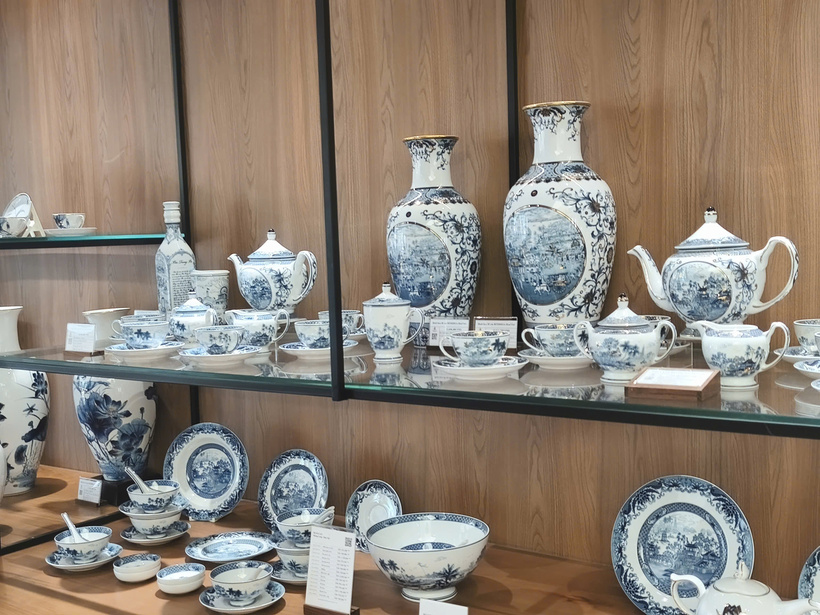
Vietnam has more than 800 recognized RISEP products. Photo: Nguyen Hoa
This direction is also consistent with the spirit of the Politburo's Resolution No. 68-NQ/TW on private sector development and Resolution No. 57-NQ/TW on breakthroughs in science and technology, innovation, and national digital transformation. For the rural industrial sector, applying science and technology in production not only enhances productivity and product quality but also supports the industrialization and modernization of agriculture and rural areas.
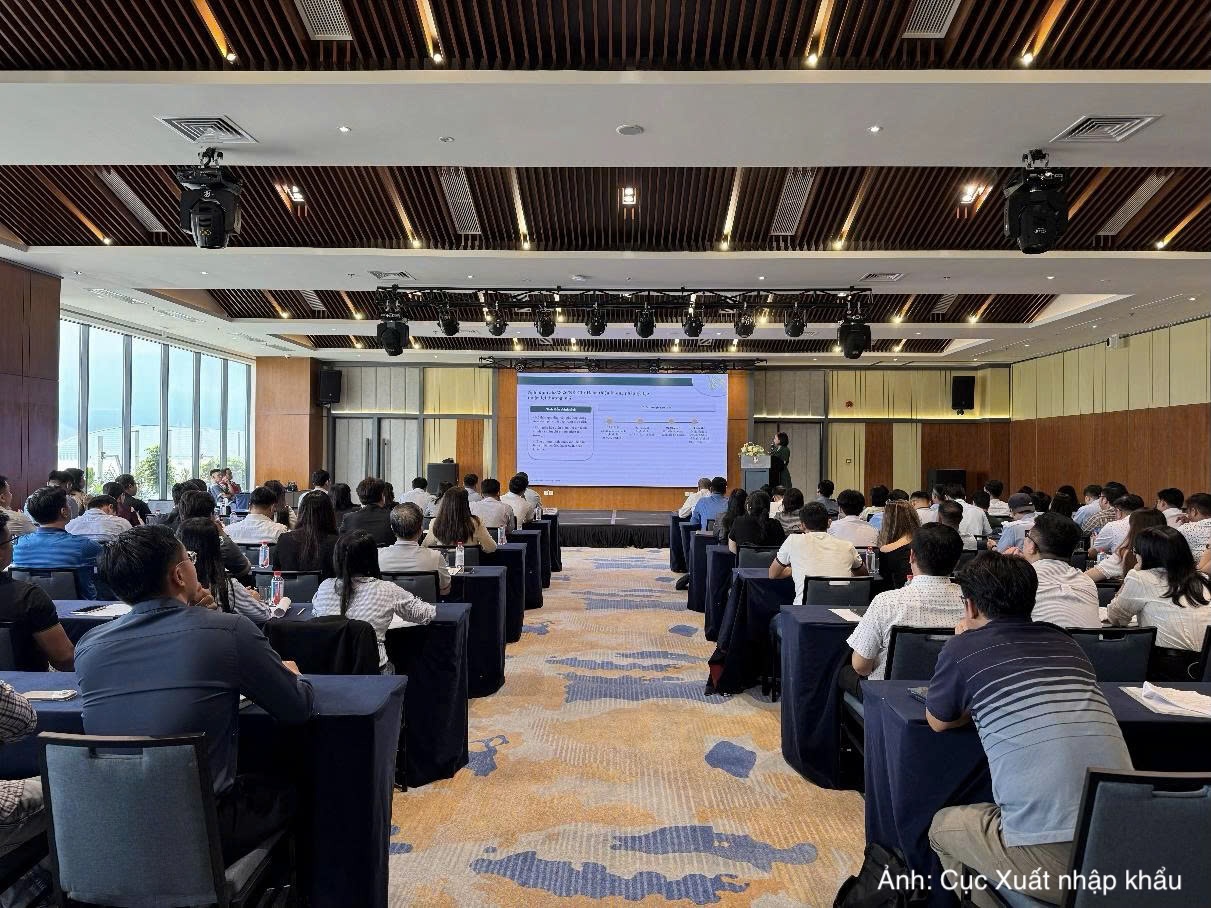
At the recent seminar, Innovation in the Development of Rural Industrial Products, Do Thi Minh Tram, Deputy Director General of the Department of Innovation, Green Transition and Industrial Promotion under the Ministry of Industry and Trade, said innovation, digital transformation and green transformation are key drivers of higher-value rural industrial products.
According to Tram, enterprises need to accelerate the application of science and technology, improve management practices, strengthen branding and expand markets to meet increasingly demanding market requirements. This is an urgent task as consumer preferences are changing rapidly while competition among local and rural industrial products continues to intensify.
In practice, many rural industrial products benefit from high-quality raw materials, traditional craftsmanship, regional identity and compelling product stories. However, products produced through labor-intensive processes, featuring outdated designs, unprofessional packaging or limited traceability are unlikely to secure a strong market position. Science and technology should therefore be viewed as the tool that enables producers to move from simply making products to making them well, and from small-scale production to standardized, scalable manufacturing.
Sharing the same view, Dinh Van Phuc, Deputy Director of the Da Nang Center for Industrial Promotion and Trade Promotion, said that amid digital transformation, the green economy and deeper international integration, innovation has become a crucial driver for increasing the value, competitiveness and market position of rural industrial products.
According to Phuc, following the expansion of Da Nang's administrative boundaries, the city now enjoys significant advantages in developing rural industrial products thanks to abundant raw materials, diverse traditional craft villages, well-developed logistics infrastructure and a vibrant tourism market. The city currently has more than 400 rural industrial products.
Nevertheless, local rural industrial products continue to face a number of challenges. Many production facilities remain small in scale, technological innovation capacity is uneven, and value added remains limited. Brand development and e-commerce activities have yet to match the sector's potential, while value chain linkages remain weak.
These bottlenecks are not unique to Da Nang but are shared by many rural industrial producers nationwide. Many enterprises, cooperatives and household businesses have quality products but lack the capacity to standardize production processes, develop professional branding, access modern distribution channels or fully capitalize on digital markets. As a result, many products struggle to increase their value despite their strong quality and local heritage.
To address these issues, the Da Nang Center for Industrial Promotion and Trade Promotion has proposed stronger support for technology investment, brand development and intellectual property protection; accelerating digital transformation and the application of artificial intelligence in marketing; expanding e-commerce; and modernizing trade promotion activities in conjunction with investment and tourism promotion. It also recommends building an innovation ecosystem and improving workforce quality in the rural industrial sector.
Producers take the initiative
Beyond support from government agencies and the industrial promotion system, many rural industrial enterprises are proactively applying science and technology, digital transformation and artificial intelligence in production and product promotion. This is an encouraging sign because meaningful transformation can only take place when producers themselves recognize its benefits and take the initiative to change.
In an interview with Vietnam Economic News, Nguyen Thi Tuyet of Vinahorn Xuan Huy Handicraft Trading Co., Ltd. said the company has introduced machinery and technology into several stages of handicraft production in recent years. As a result, product designs have become more attractive, production capacity has increased, and the company has been better able to meet customer demand.
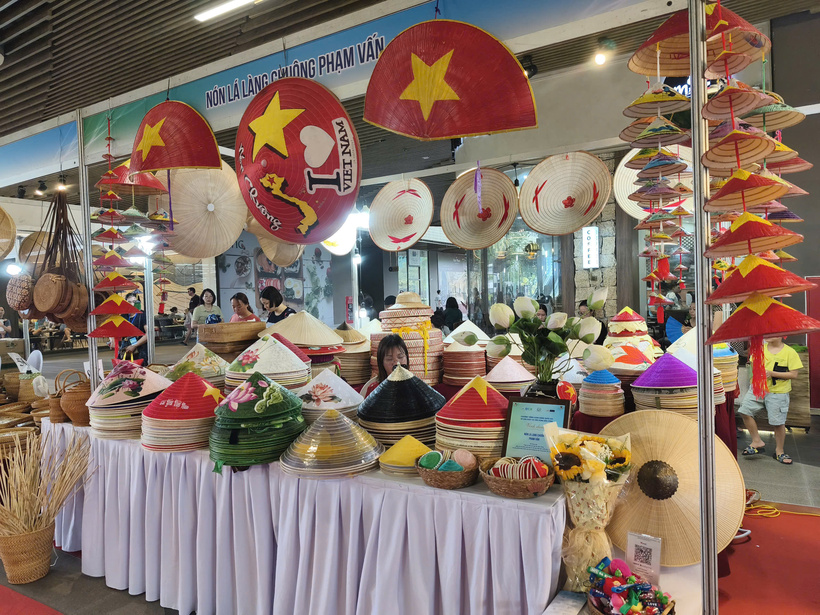
Applying science and technology in production helps increase the value of rural industrial products. Photo: Nguyen Hoa
In Thanh Hoa province, Tran Thi Dung said her small sedge weaving business had previously struggled to sustain livelihoods. However, by applying technology to business planning, digital marketing and commercial operations, the business has become more efficient, enabling it to expand into neighboring communes.
The business now generates monthly revenue of around VND 320-350 million, operates a network of eight distributors and provides jobs for more than 100 workers, most of them women and elderly people. This demonstrates that when technology is applied to the right production stages, rural industrial products can become more competitive while creating sustainable livelihoods for local communities.
These examples suggest that the national industrial promotion program should continue shifting from providing isolated support toward a value chain approach. In addition to machinery and equipment, producers need assistance in quality standards, packaging, branding, product traceability, e-commerce, digital marketing skills and production management. When these elements are integrated, RISEP products will be better positioned to increase their value and expand into new markets sustainably.
Outstanding rural industrial products cannot maintain their competitive edge by relying solely on recognition, local raw materials or traditional craftsmanship. Applying science and technology, improving management, upgrading product design, standardizing production processes, expanding e-commerce and strengthening traceability will help producers improve product quality, increase added value and build a solid foundation for sustainable development.
On October 13, the Agency of Foreign Trade under the Ministry of Industry and Trade (MoIT) held a conference in Dong Thap province to disseminate Government Decree No.365/2026/ND-CP dated September 23, 2026, on rice export and import business, and Circular No.65/2026/TT-BCT dated October 1, 2026, issued by the Minister of Industry and Trade, detailing certain provisions and measures for implementing Decree No.365/2026/ND-CP.
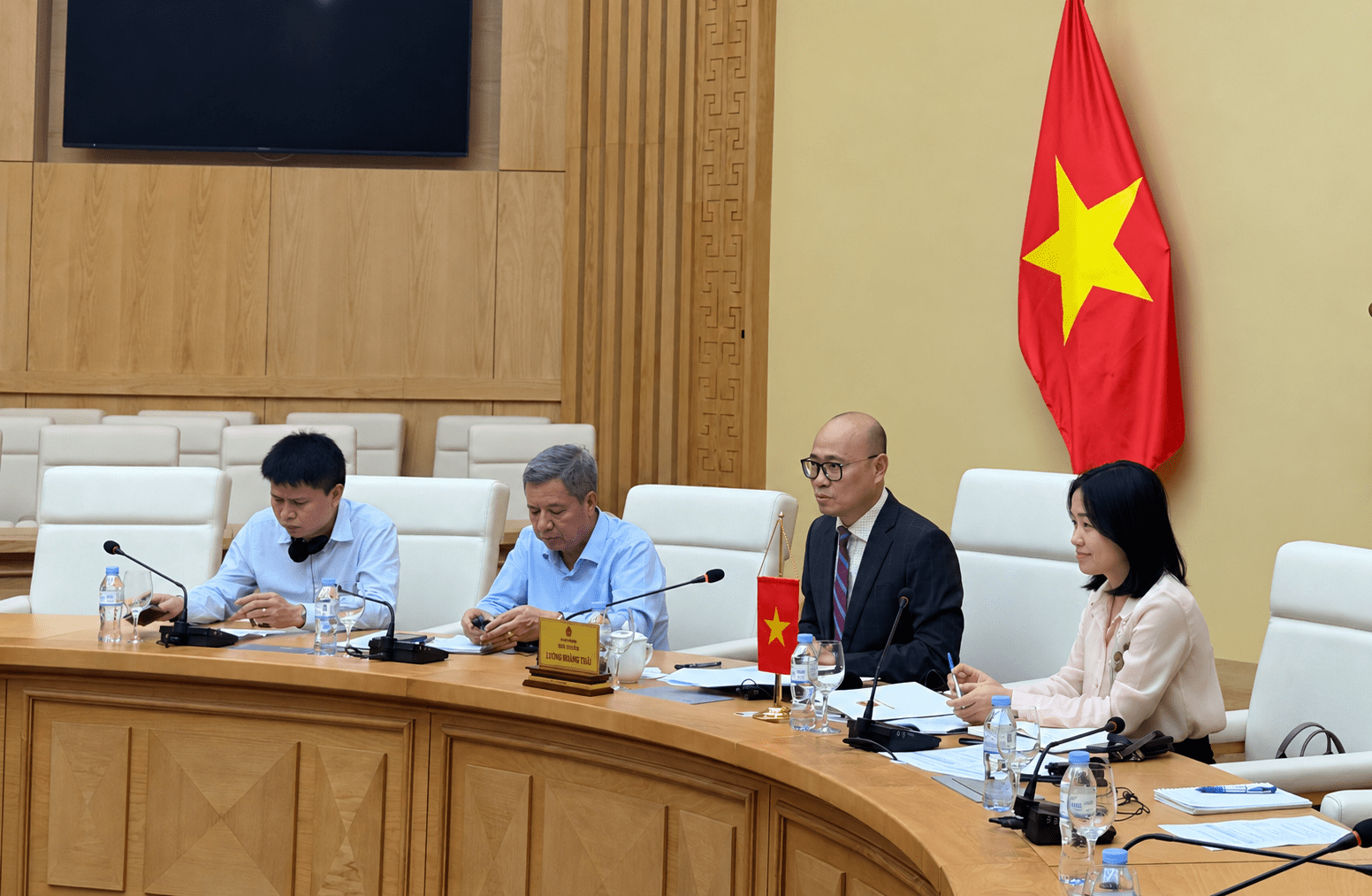
On October 13, Deputy Minister of Industry and Trade Luong Hoang Thai held a working session with MEDEF International, a French business organization, and representatives of French corporations operating in various sectors, including energy, industry, transport, construction and infrastructure development, food and beverages, and services, at the Ministry of Industry and Trade's headquarters.
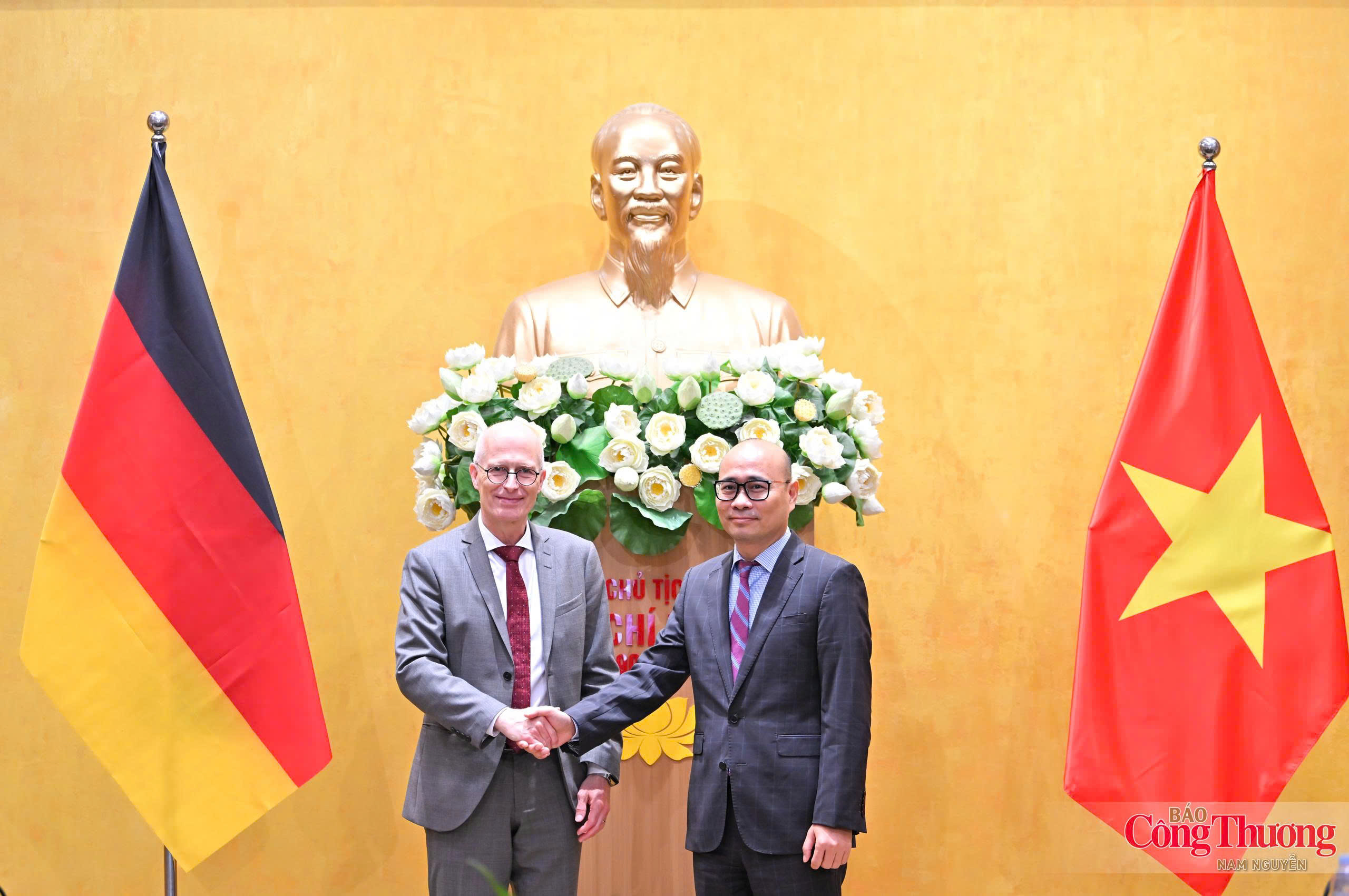
On October 14, Deputy Minister of Industry and Trade Luong Hoang Thai received and held a working session with a delegation from Hamburg, Germany, led by the city's First Mayor Peter Tschentscher at the Ministry of Industry and Trade's headquarters.
The Copyright Office is working closely with relevant agencies to develop plans for inspections and enforcement action against copyright and related rights infringements in the digital environment.
Viet Nam’s cultural industries are poised for growth as development targets become clearer, the digital content market expands and technology creates new ways.
The Vietnam Industry Agency under the Ministry of Industry and Trade and Samsung Vietnam continue to strengthen cooperation in developing supporting industries, enhancing the capabilities of domestic enterprises and expanding opportunities for their participation in global supply chains.
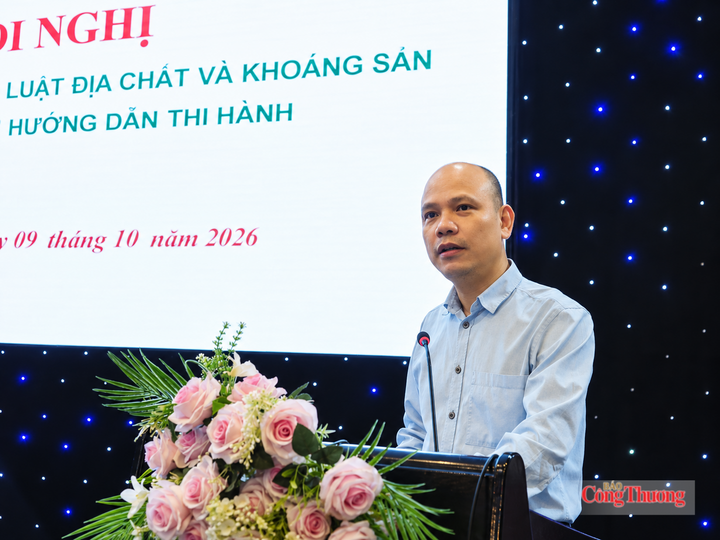
On October 9, the Viet Nam Department of Geology and Minerals, in coordination with the Thai Nguyen Department of Industry and Trade, held a conference in Thai Nguyen province to disseminate the Law on Geology and Minerals and its implementing regulations.
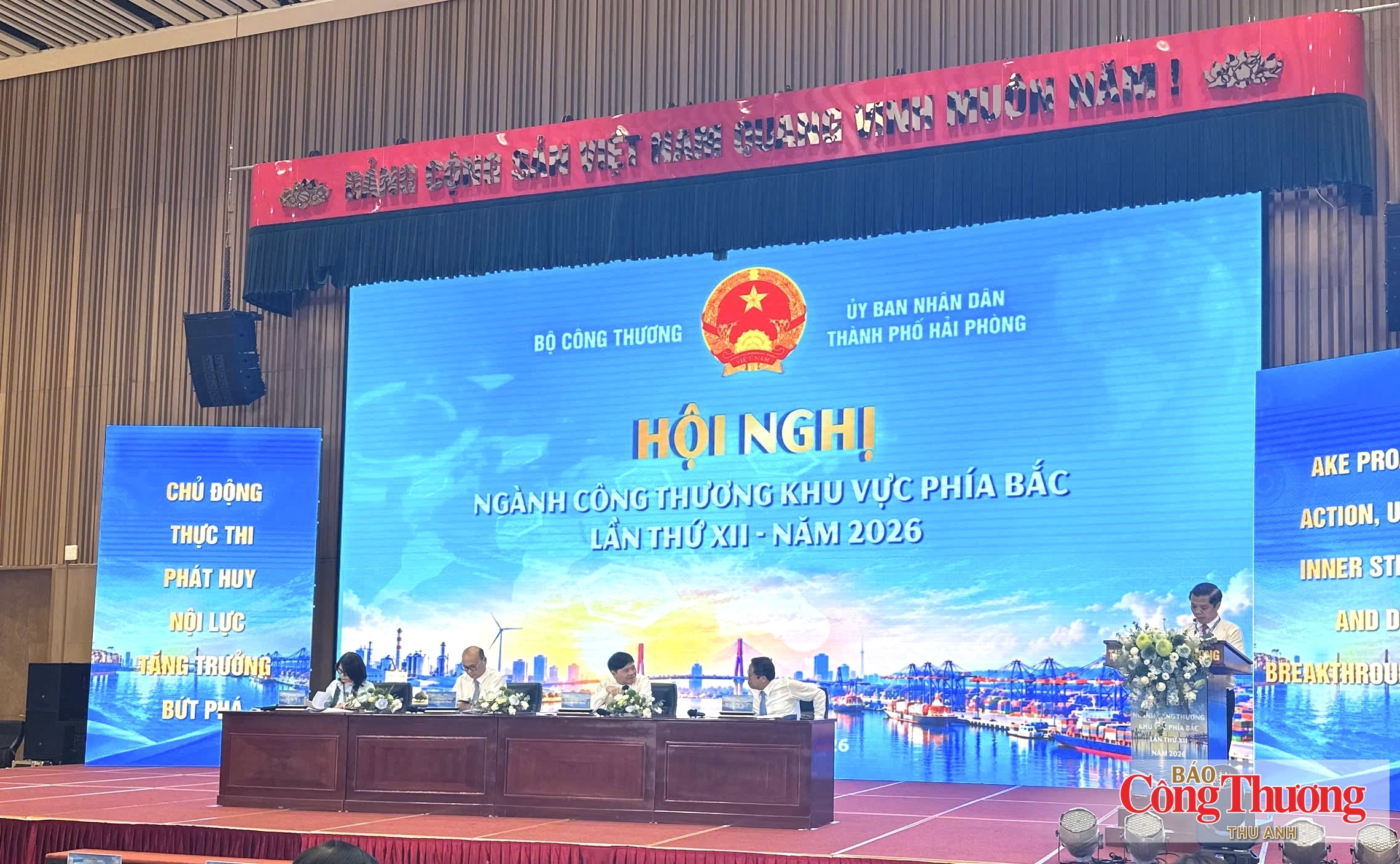
Northern localities are strengthening links in supporting industries, energy and logistics to build competitive value chains and create new growth drivers.
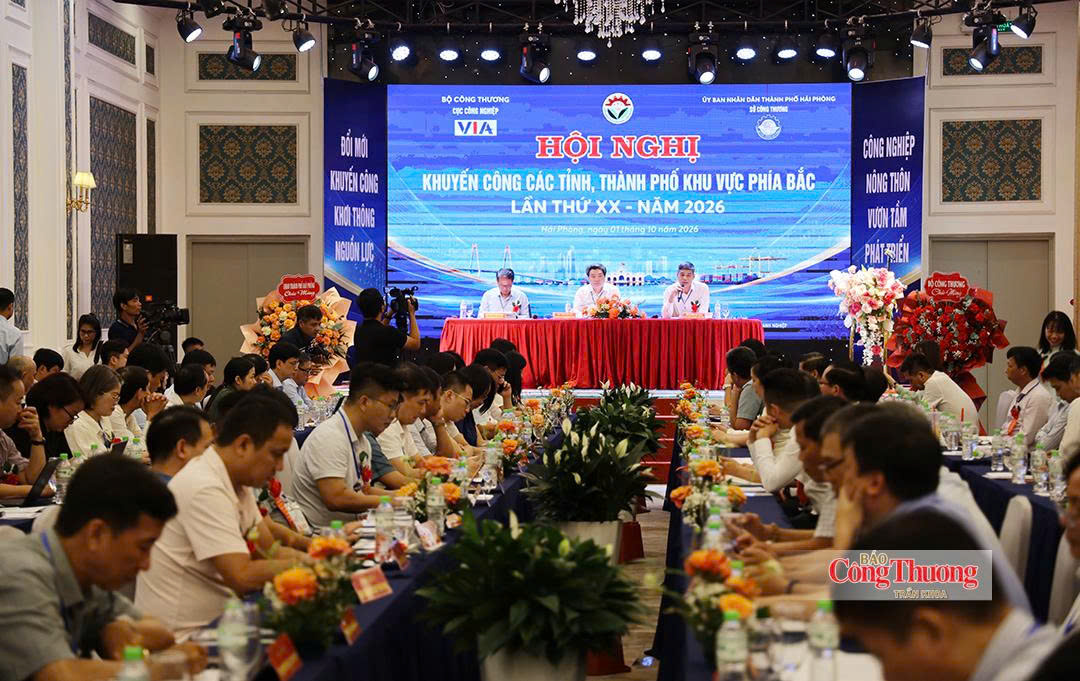
The 20th Industrial Promotion Conference for Northern Provinces and Cities in 2026 was held in Hai Phong City on October 1, with discussions focusing on renewing industrial promotion activities.
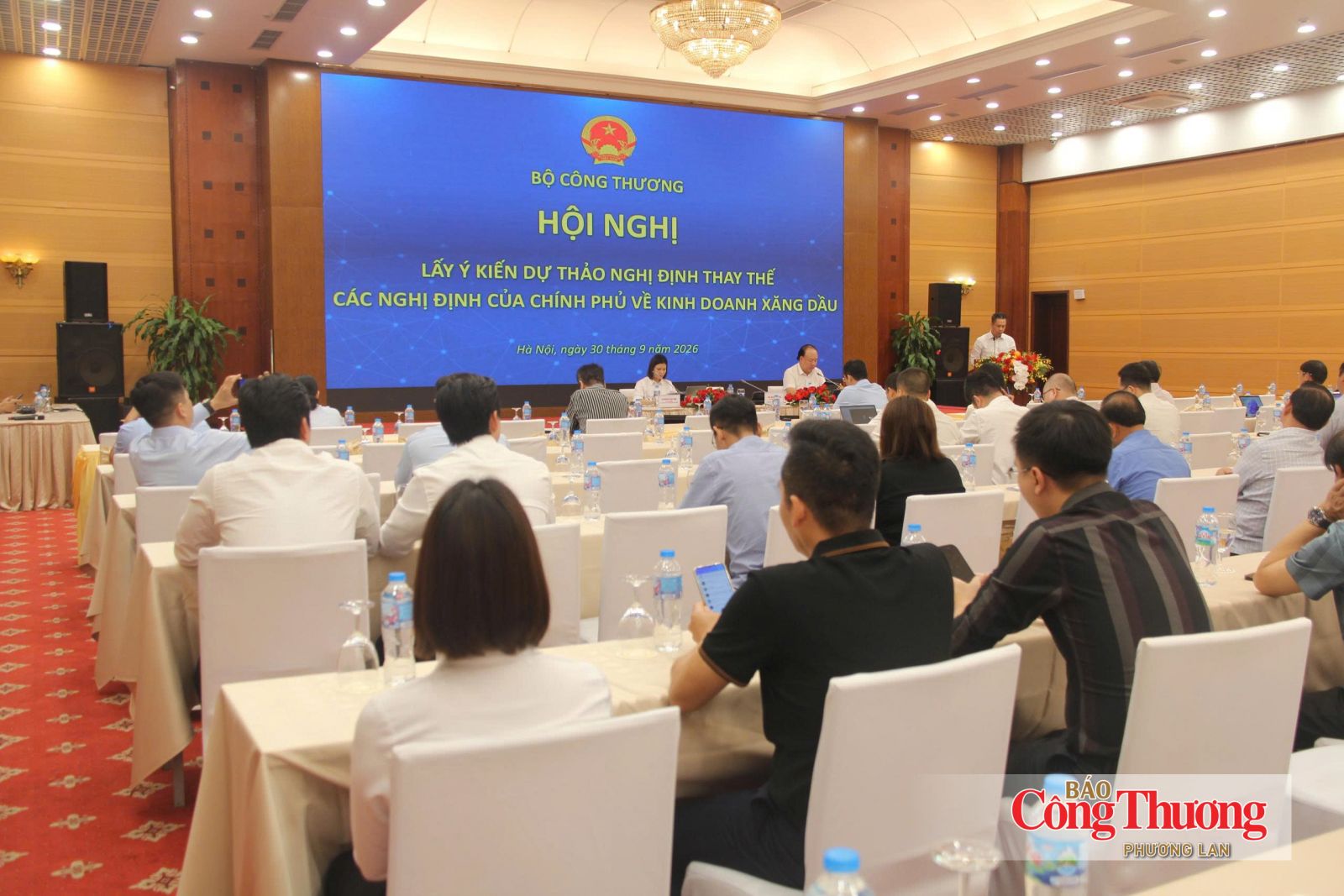
On September 30 in Ha Noi, the Ministry of Industry and Trade (MoIT) held a conference to gather broad feedback on a draft decree replacing the Government’s existing decrees on petroleum trading.