After remaining idle for more than a decade, the Dung Quat Biofuel Plant has resumed stable operations, raising fresh expectations for Vietnam's biofuel industry.
Bringing dormant production lines back to life
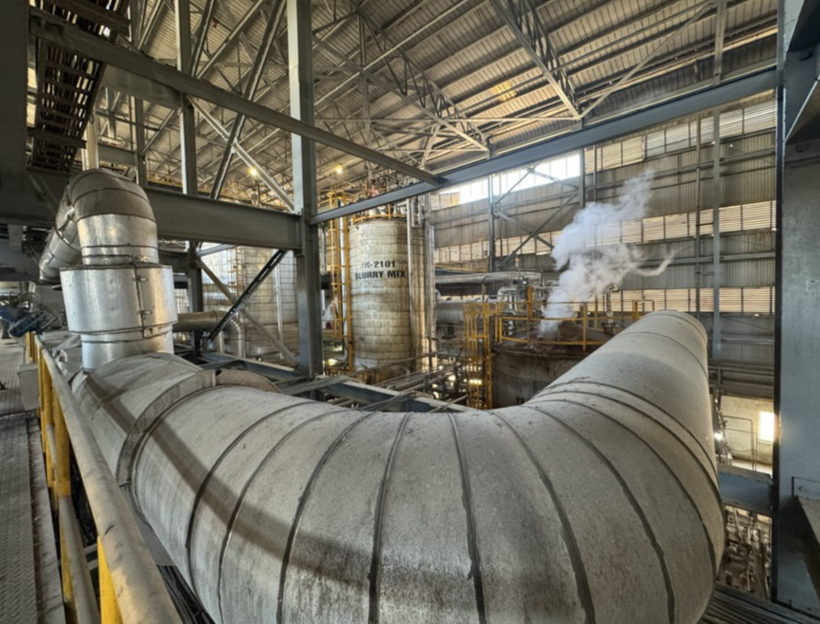
After more than 10 years of inactivity, the Dung Quat Biofuel Plant, operated by PetroVietnam Central Biofuels Joint Stock Company (BSR-BF), is gradually regaining its production momentum. Across the plant's 24-hectare site, activity has returned as trucks carrying dried cassava chips continuously enter and leave the raw material receiving area, ensuring a stable supply for ethanol production.
Inside the production workshops, operating crews work in close coordination around the clock. Every stage of the process is closely monitored to ensure the final product meets stringent quality standards before reaching the market. After years of suspension, the plant's stable operations over recent months have brought renewed optimism to its workforce.
The facility currently employs around 150 workers, including nearly 30 staff members from BSR-BF, while the remainder are employed by partner companies. For many, the plant is more than just a workplace, it represents years of dedication and memories built alongside Vietnam's biofuel industry.
The Dung Quat Biofuel Plant is gradually regaining its production momentum. Photo: Thien Hau
Huynh Thi Hien, 43, a laboratory technician, has been with the plant since its early days. When operations were suspended, she was reassigned to another position at Binh Son Refining and Petrochemical JSC (BSR). After years of waiting, returning to her familiar laboratory has allowed her to resume the work she is most passionate about.
"I have been with the plant since its earliest days, so everyone felt disappointed when it had to stop operating. I only hope it can continue running safely and sustainably so employees can remain committed for the long term and keep contributing," Hien said.
The same sense of satisfaction is evident in the face of Bui Minh Duc, Head of Operations and Maintenance, who has been involved with the project since construction first began in Dung Quat.
Watching Duc enthusiastically explain each operating process, from the production units to utility systems and the wastewater treatment facility, it is easy to recognize his pride in doing the work he loves. For the engineer, the restart of the production lines marks not only the revival of a long-idled industrial project but also a renewed opportunity for Vietnam's biofuel sector to continue its development.
"Every cubic meter of ethanol leaving the plant today delivers not only economic value but also contributes to energy security, emissions reduction and the country's green energy transition. That is what motivates all of us to keep the plant operating safely, reliably and efficiently," Duc said.
Gradually securing domestic ethanol supply
The ethanol production process begins at the raw material receiving area. After being unloaded, dried cassava chips are milled into fine powder and mixed with water to create a slurry. The mixture then undergoes a series of processing stages, including sand removal, gelatinization, liquefaction and fermentation.
Nearly 60 hours after the raw materials enter the production line, anhydrous ethanol with a purity exceeding 99% is recovered and pumped into storage tanks. From there, it is transferred directly via pipeline to the Dung Quat Oil Refinery for blending into E10 biofuel.
According to Bui Minh Duc, the final fuel-grade ethanol is continuously monitored by the plant's quality management laboratory and independently tested by a third-party inspection body. Only after all technical specifications are confirmed to meet required standards is the ethanol approved for blending into biofuel.
"Behind every cubic meter of ethanol are hundreds of technical parameters that must be strictly controlled. If even one parameter fails to meet specifications, the product cannot be released for blending. Quality control is a requirement throughout the entire production process," Duc said.
In an interview with Vietnam Economic News, Pham Van Vuong, Director of PetroVietnam Central Biofuels Joint Stock Company, said restarting the plant after more than a decade involved far more than simply turning production back on. It was, in effect, a comprehensive rebuilding of the entire technological system.
Immediately after the Government introduced the nationwide roadmap for E10 biofuel, Vietnam National Industry-Energy Group, together with BSR and BSR-BF, quickly developed a plan to restart the facility. Engineers, specialists, employees and partner companies worked continuously for months to inspect, maintain and replace equipment, conduct trial runs and fine-tune every stage of the production process.
Those efforts paid off in early March 2026, when the first batches of ethanol were successfully produced after more than 10 years of interruption. The plant is currently operating at around 70% of its designed capacity, producing approximately 200 cubic meters of anhydrous ethanol per day for BSR to blend into E10 biofuel.
Vuong said the company aims to increase output to around 300 cubic meters of ethanol per day by the end of the year to meet growing demand for E10 blending.
More than a decade ago, the Dung Quat Biofuel Plant was expected to pioneer a new chapter for Vietnam's biofuel industry. However, with domestic demand still underdeveloped, policy incentives remaining incomplete and commercial returns falling short of expectations, the project was ultimately forced to suspend operations.
On October 13, the Agency of Foreign Trade under the Ministry of Industry and Trade (MoIT) held a conference in Dong Thap province to disseminate Government Decree No.365/2026/ND-CP dated September 23, 2026, on rice export and import business, and Circular No.65/2026/TT-BCT dated October 1, 2026, issued by the Minister of Industry and Trade, detailing certain provisions and measures for implementing Decree No.365/2026/ND-CP.
IEAE Hanoi 2026 will gather over 300 exhibitors, showcasing electronics, smart appliances and connecting businesses with sourcing and trade opportunities in Vietnam.
On October 13, Deputy Minister of Industry and Trade Luong Hoang Thai held a working session with MEDEF International, a French business organization, and representatives of French corporations operating in various sectors, including energy, industry, transport, construction and infrastructure development, food and beverages, and services, at the Ministry of Industry and Trade's headquarters.
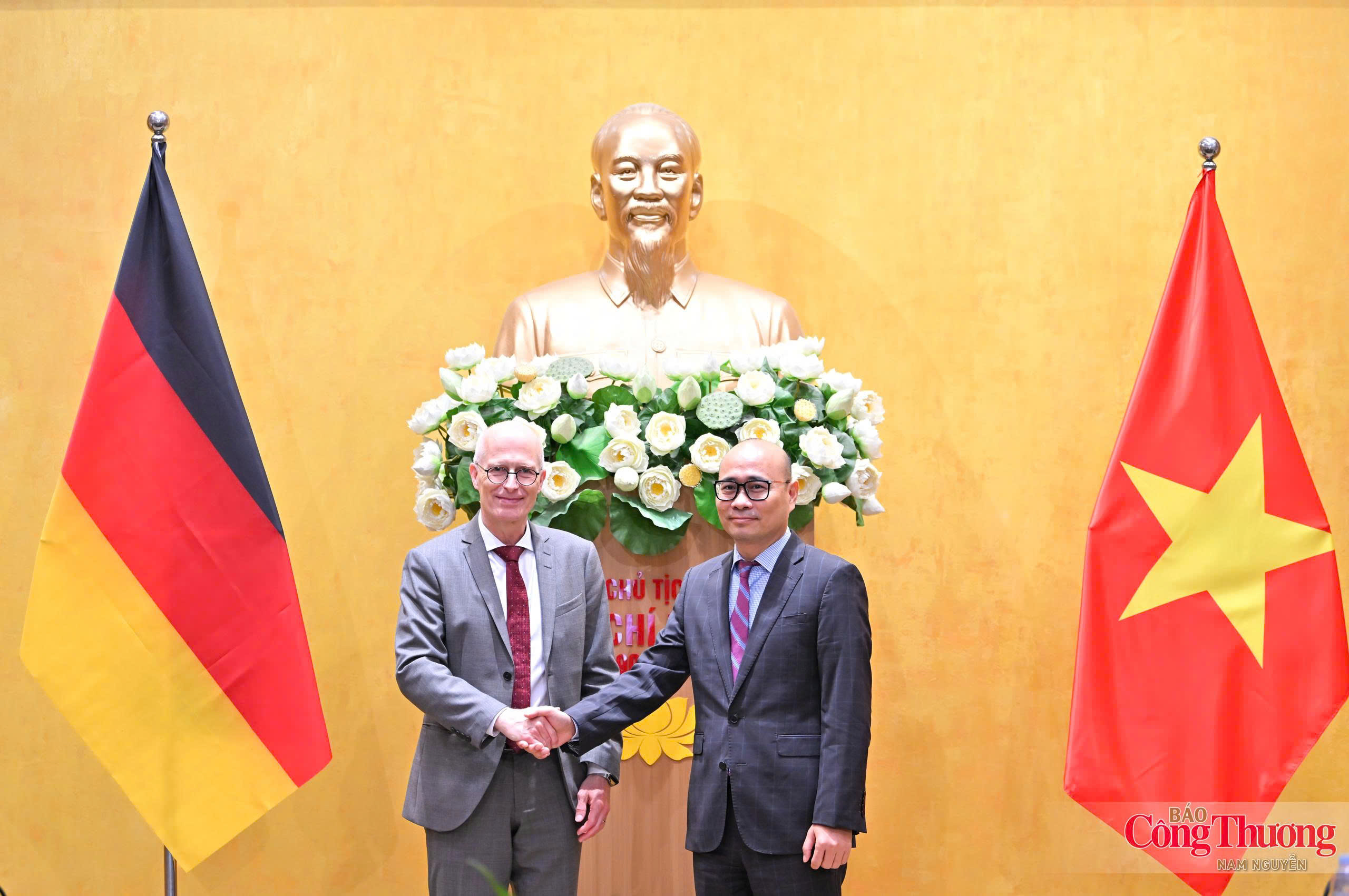
On October 14, Deputy Minister of Industry and Trade Luong Hoang Thai received and held a working session with a delegation from Hamburg, Germany, led by the city's First Mayor Peter Tschentscher at the Ministry of Industry and Trade's headquarters.
The Copyright Office is working closely with relevant agencies to develop plans for inspections and enforcement action against copyright and related rights infringements in the digital environment.
The Vietnam Industry Agency under the Ministry of Industry and Trade and Samsung Vietnam continue to strengthen cooperation in developing supporting industries, enhancing the capabilities of domestic enterprises and expanding opportunities for their participation in global supply chains.
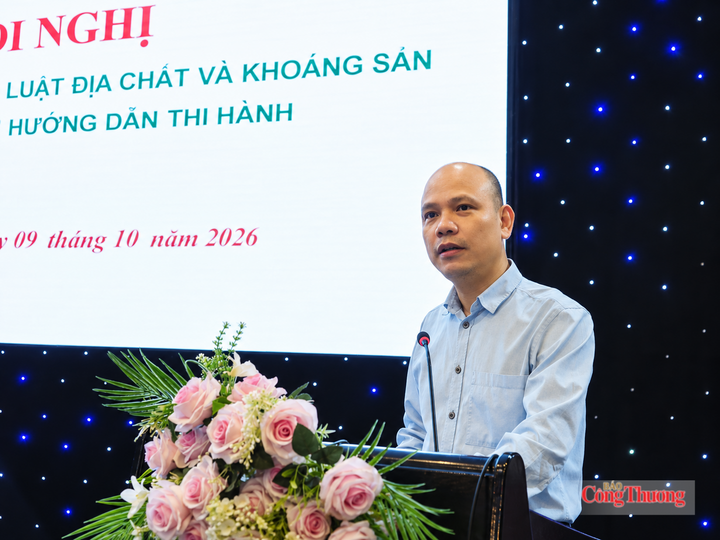
On October 9, the Viet Nam Department of Geology and Minerals, in coordination with the Thai Nguyen Department of Industry and Trade, held a conference in Thai Nguyen province to disseminate the Law on Geology and Minerals and its implementing regulations.
Northern localities are strengthening links in supporting industries, energy and logistics to build competitive value chains and create new growth drivers.
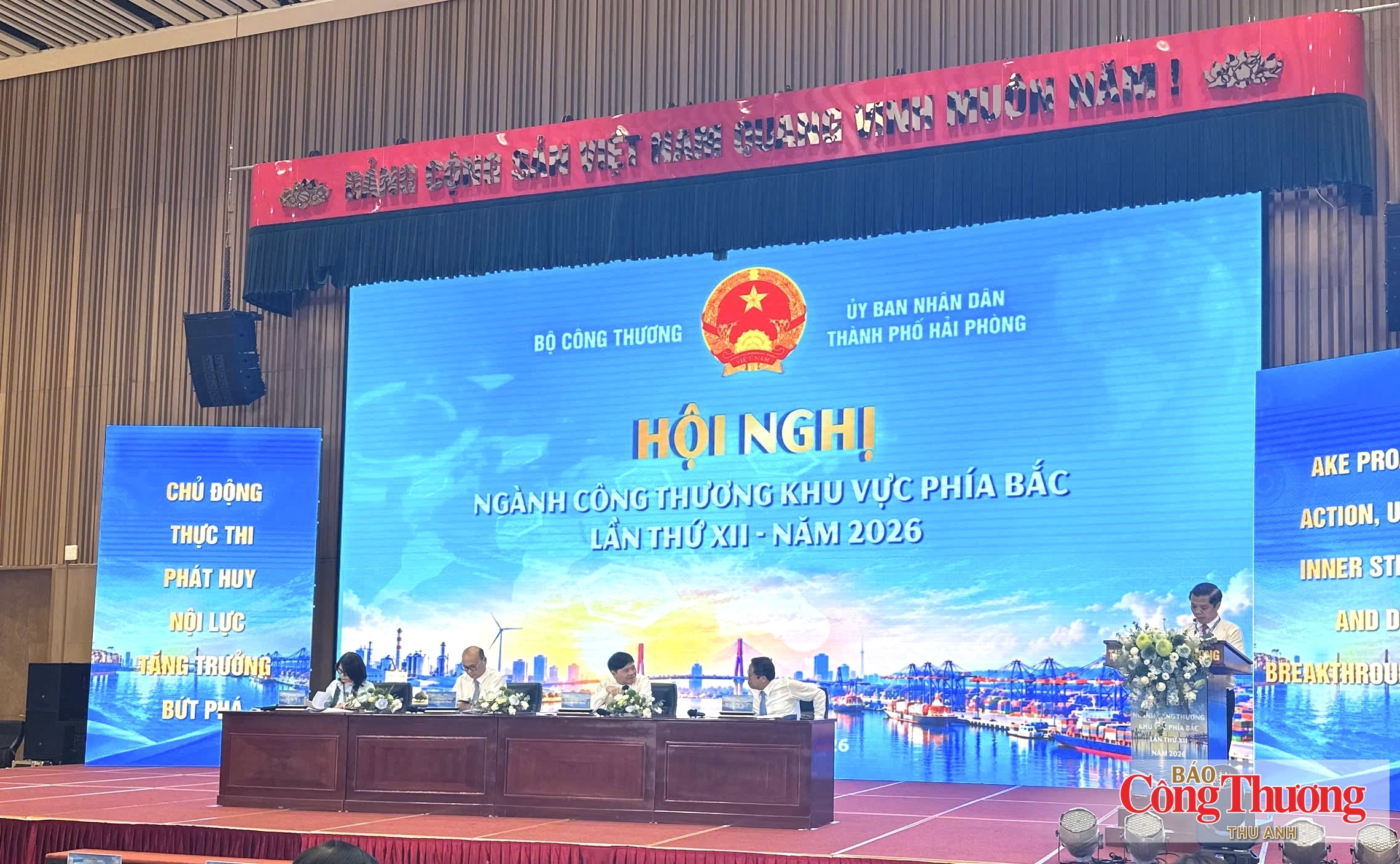
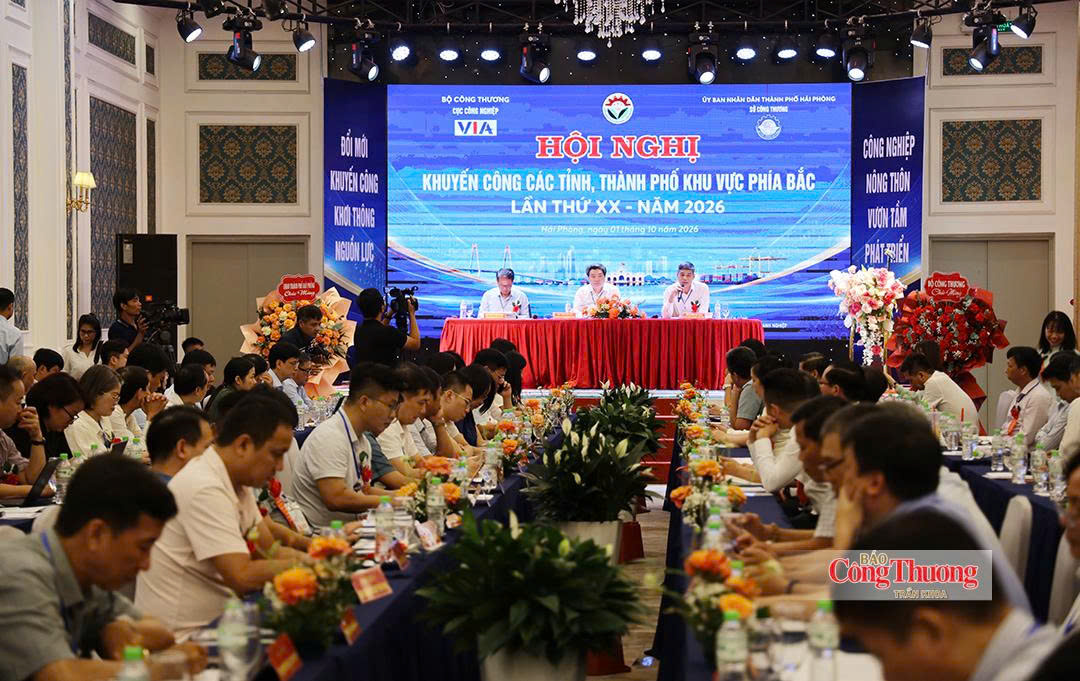
The 20th Industrial Promotion Conference for Northern Provinces and Cities in 2026 was held in Hai Phong City on October 1, with discussions focusing on renewing industrial promotion activities.
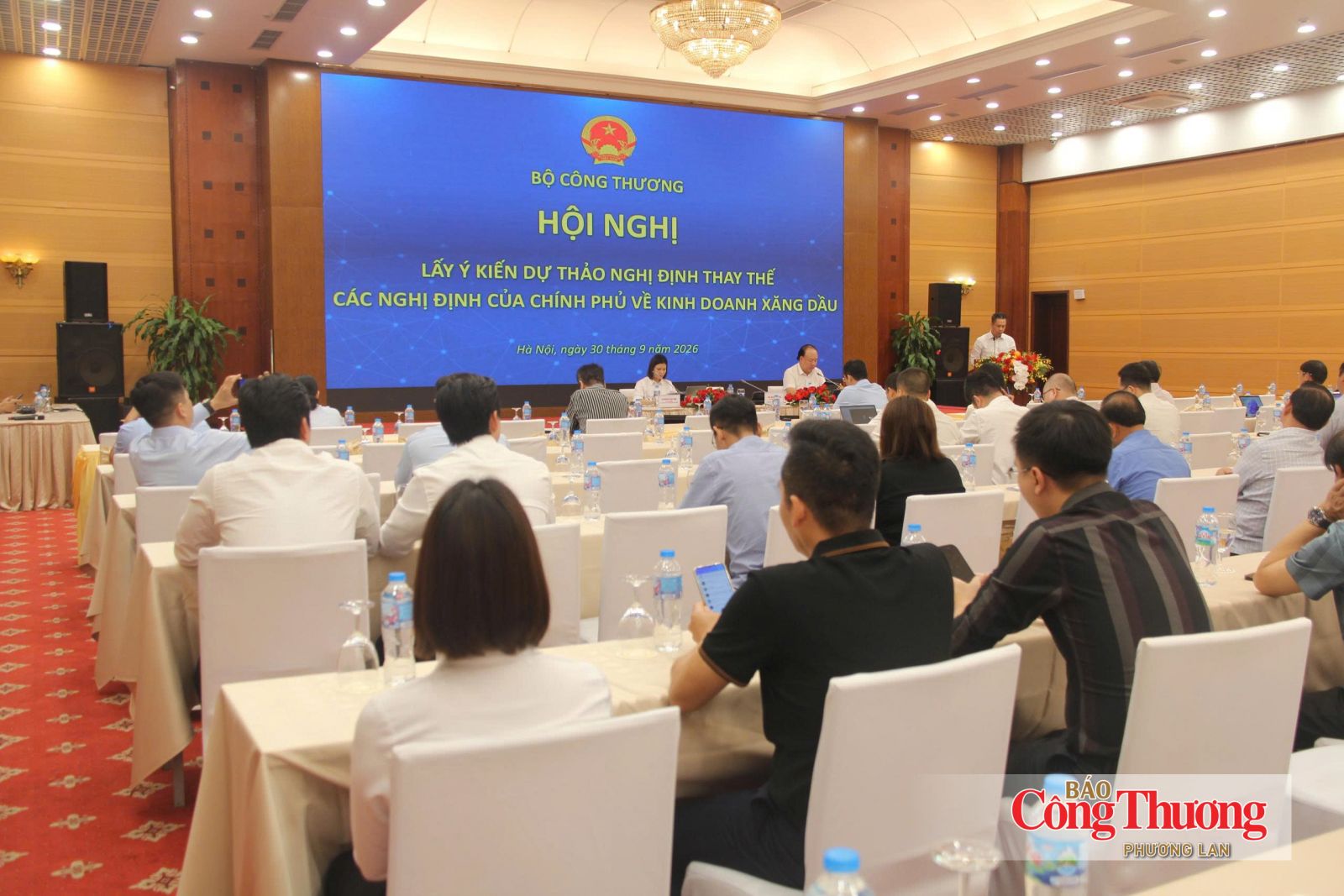
On September 30 in Ha Noi, the Ministry of Industry and Trade (MoIT) held a conference to gather broad feedback on a draft decree replacing the Government’s existing decrees on petroleum trading.