Improving supply chain quality, expanding food processing, and increasing product value will be key to helping Vietnamese agricultural products expand their market share in the U.S.
Vietnam-U.S. agricultural cooperation has significant growth potential
Vietnam's agricultural, forestry, and fishery exports continue to maintain strong growth momentum, with the U.S. remaining one of the country's key export markets. According to the Ministry of Agriculture and Environment, exports of agricultural, forestry, and fishery products reached USD 30.69 billion in the first five months of 2026, up 9.2% year-on-year. Earlier, in the first five months of 2025, total agricultural, forestry, and fishery exports amounted to USD 28.04 billion, an increase of 15.1% compared with the same period of 2024, with the U.S. accounting for 18.5% of Vietnam's export market.
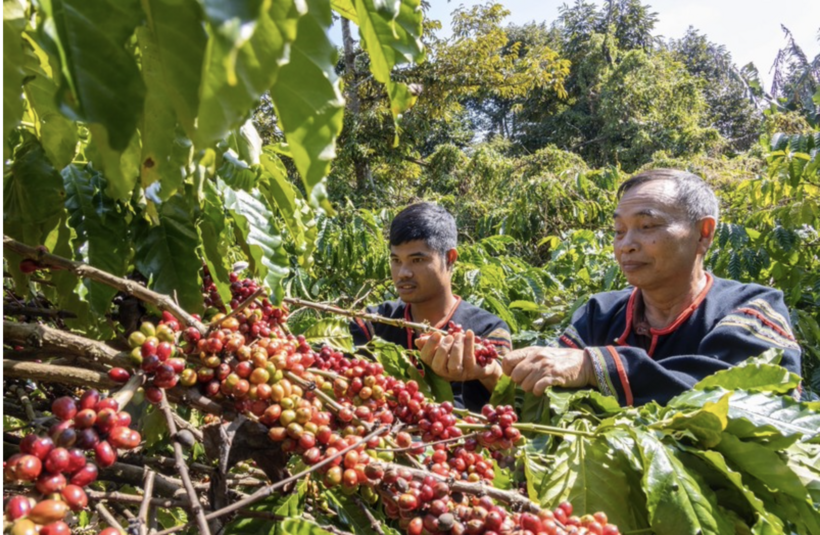
Coffee is one of Vietnam's key exports to the U.S. Photo for illustration.
At the same time, Vietnam is becoming an increasingly attractive market for U.S. agricultural products. In 2025, U.S. exports of consumer-oriented agricultural products to Vietnam reached a record USD 1.2 billion, reflecting the continued expansion of agricultural trade cooperation between the two countries.
In an interview with Vietnam Economic News on the sidelines of the launch of the "American Produce - Superior Quality" campaign organized by MM Mega Market Vietnam on July 9, Ralph Bean, Agricultural Counselor at the U.S. Embassy in Hanoi, said Vietnam-U.S. agricultural relations are multifaceted, extending beyond trade into many other areas of cooperation.
According to Ralph Bean, the two agricultural sectors are highly complementary. The U.S. supplies Vietnam with products in which the domestic agricultural sector has limited advantages, including livestock genetics, animal feed ingredients, and a wide range of agricultural commodities. Meanwhile, Vietnam offers distinctive tropical products, including coffee and other agricultural products that are not produced in the U.S.
In addition to trade, the U.S. is implementing various programs to support Vietnam's agricultural development, including capacity building, risk management, and supply chain management.
"The potential for agricultural cooperation between our two countries is enormous, and both sides have many opportunities to strengthen collaboration," Ralph Bean said.
Regarding measures to increase Vietnam's agricultural exports to the U.S., Ralph Bean said the first priority is to continue building on the strengths Vietnam has already developed.
Supply chains, he noted, play a particularly important role in the agricultural sector. Food preservation, especially for agricultural products, determines product quality when goods reach consumers in distant markets. Vietnam has already supplied many high-quality agricultural products to international markets, demonstrating that Vietnamese enterprises have significantly improved their supply chain capabilities. The priority now is to maintain and further strengthen those capabilities to ensure products retain their quality when they reach overseas consumers.
Vietnam also enjoys a strong advantage in food processing. The country has developed solid processing capabilities for both imported agricultural raw materials and domestically produced agricultural products. This provides a foundation for producing higher value-added products. Ralph Bean therefore recommended that Vietnam place greater emphasis on processed products to increase product value. Value-added products not only offer greater export opportunities in international markets but also better meet domestic consumer demand.
Retail networks and trade promotion connect agricultural products with consumers
According to Ralph Bean, retail networks play an indispensable role in bringing agricultural products to consumers. Retail chains such as MM Mega Market, along with supermarkets and convenience stores across Vietnam, play an important role in delivering high-quality agricultural products to consumers.
Using U.S. cherries as an example, Ralph Bean said maintaining the freshness and quality of the fruit from orchards in the U.S. to consumers in Vietnam requires strict transportation and storage procedures. Retailers ensure the integrity of the cold chain throughout the distribution process, helping preserve product quality during transportation. Likewise, retail channels in overseas markets can serve as a bridge for bringing Vietnamese products to international consumers.
At the same time, the U.S. is implementing programs to help Vietnam strengthen cold chain management, providing producers and retailers with additional knowledge to ensure agricultural products maintain their quality before reaching consumers.
From the perspective of the retail sector, Nguyen Duc Toan, Chief Executive Officer of MM Mega Market Vietnam, said the retail system aims to serve as a bridge for promoting agricultural trade cooperation between the two countries.
As part of its trade promotion activities, MM Mega Market Vietnam, in cooperation with the U.S. Embassy in Hanoi and the U.S. Department of Agriculture (USDA), organized the opening ceremony of the "Celebrating Great American Agriculture" event. Running from July 9 to July 22, 2026, at 11 MM Mega Market distribution centers nationwide, the program showcases high-quality U.S. agricultural and food products to Vietnamese consumers while contributing to stronger agricultural trade cooperation between the two countries.
According to Ralph Bean, Vietnam has recently granted market access to additional U.S. fruits, including mandarins, peaches, and nectarines. Conversely, the U.S. has opened its market to Vietnamese pomelos and hopes to expand access to more Vietnamese agricultural products in the future.
These developments indicate that Vietnam-U.S. agricultural cooperation continues to expand on the basis of complementarity. Supported by strong export growth, competitive supply chains, food processing capabilities, and the participation of distribution enterprises, Vietnamese agricultural products have considerable room to expand their presence in the U.S. market. Maintaining product quality, increasing value-added processing, and maximizing the effectiveness of trade promotion activities will be essential to better tap the potential of one of Vietnam's largest agricultural export markets.
To further increase exports to the U.S., Vietnamese enterprises should continue leveraging their strengths in supply chain management to ensure product quality from production areas to consumers. At the same time, they should capitalize on their food processing capabilities and focus on developing higher value-added products to enhance competitiveness and expand export opportunities.
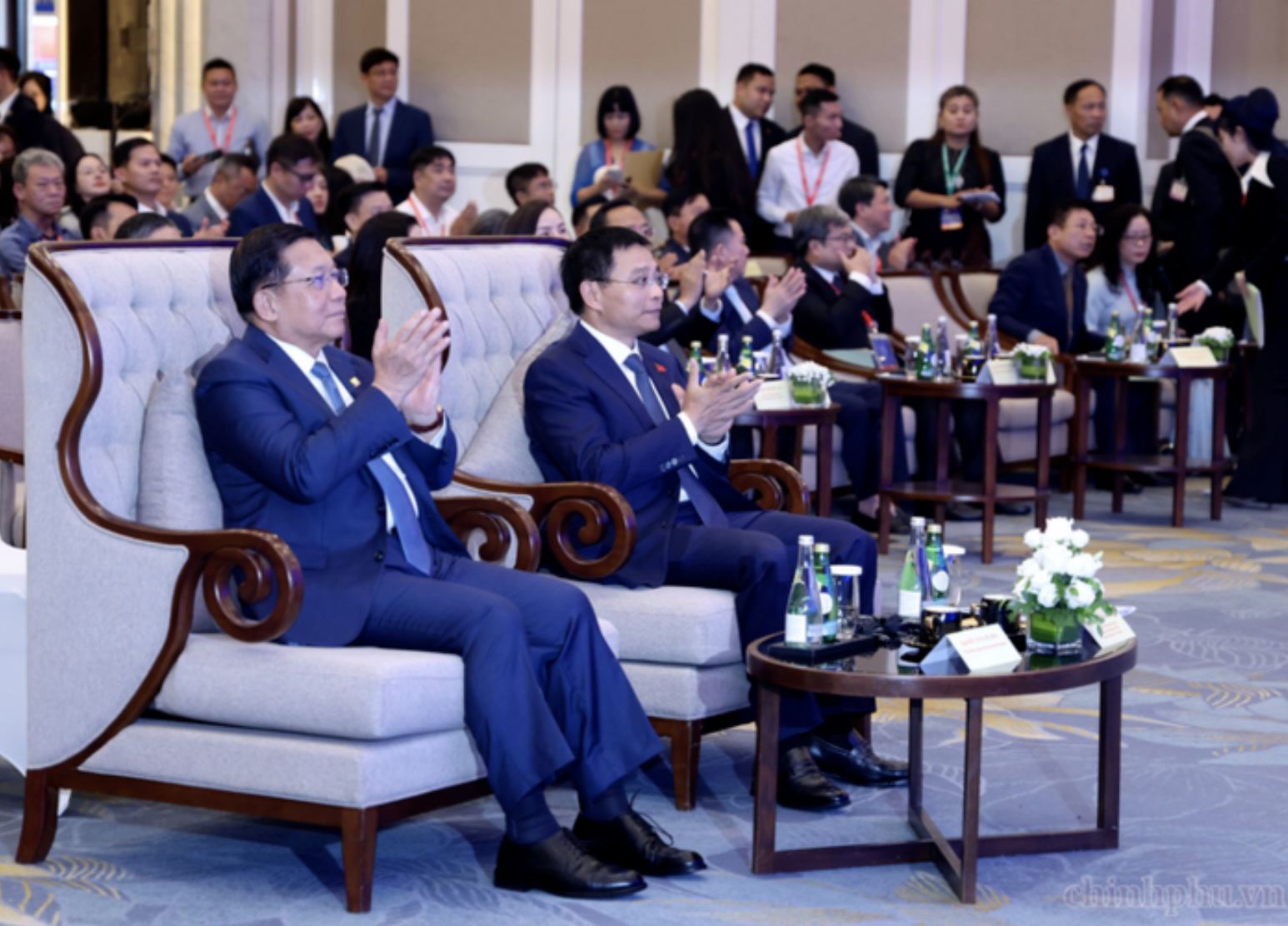
Addressing the Myanmar - Viet Nam Business Forum, Deputy Prime Minister Nguyen Van Thang said the two sides should expand the space for cooperation and leverage their respective resources to support the self-reliant and resilient development of each country, contributing to the implementation of agreements reached by the senior leaders of the two countries.
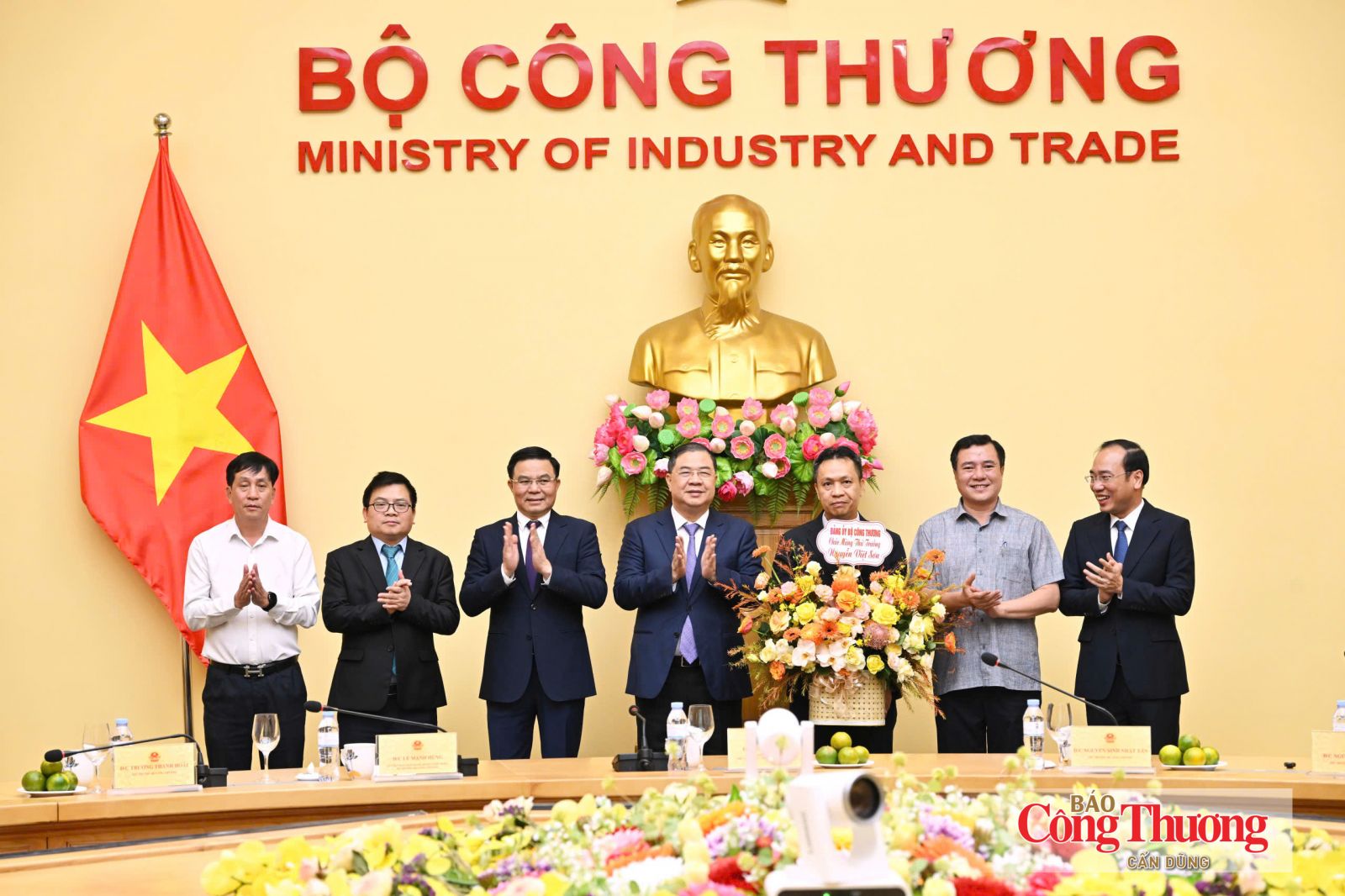
On the afternoon of September 6, at the headquarters of the Ministry of Industry and Trade (MoIT), Politburo member and Standing Deputy Prime Minister Pham Gia Tuc handed over the Prime Minister's decision appointing Nguyen Viet Son as Deputy Minister of Industry and Trade.
The iDEA and TikTok Shop launched the “Beyond Vietnam” initiative to help Vietnamese businesses build digital export capabilities and expand global market access.
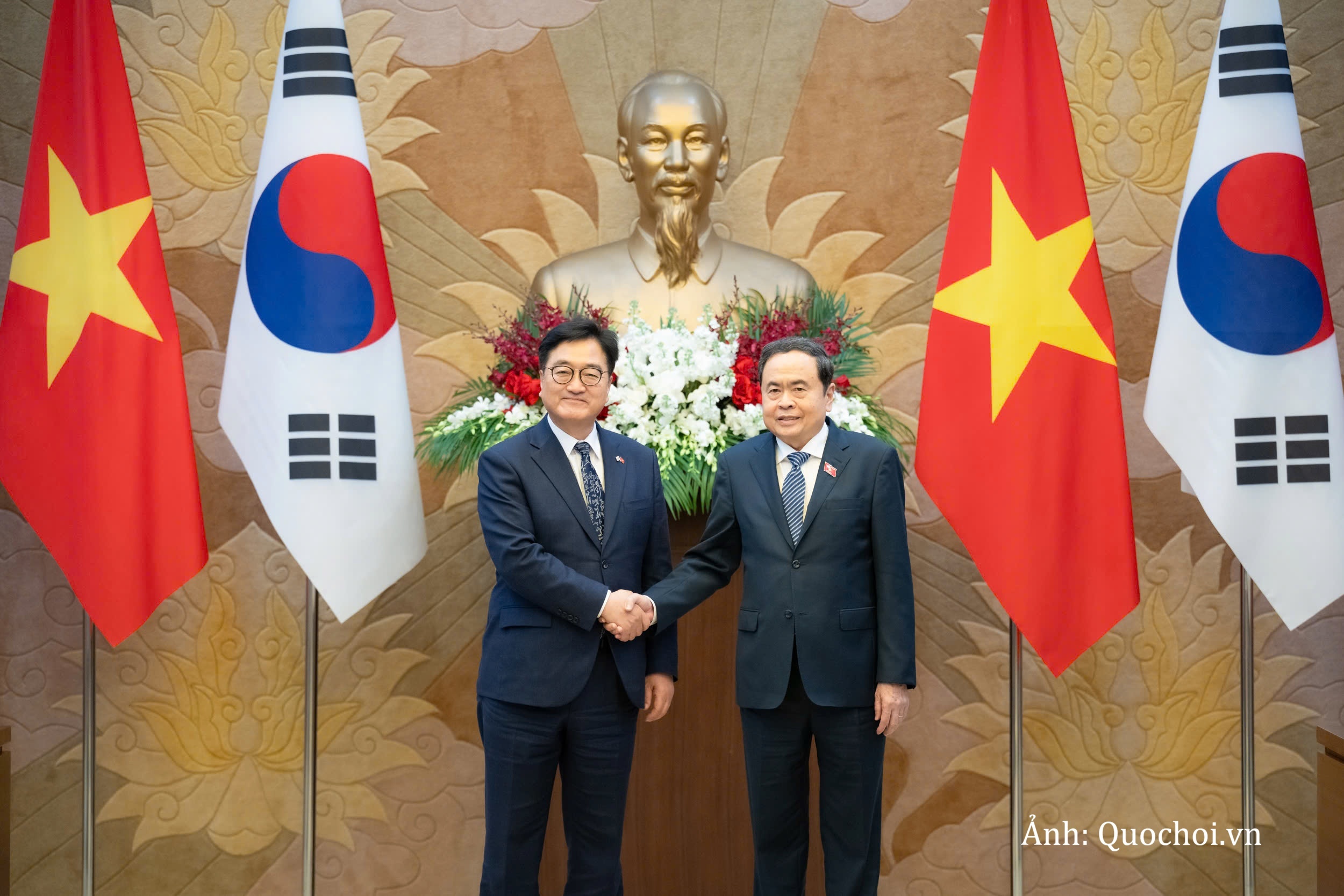
As Viet Nam and the Republic of Korea (RoK) work towards the goal of raising bilateral trade to USD 150 billion, the National Assemblies of the two countries have an important role to play in improving institutions and removing bottlenecks.
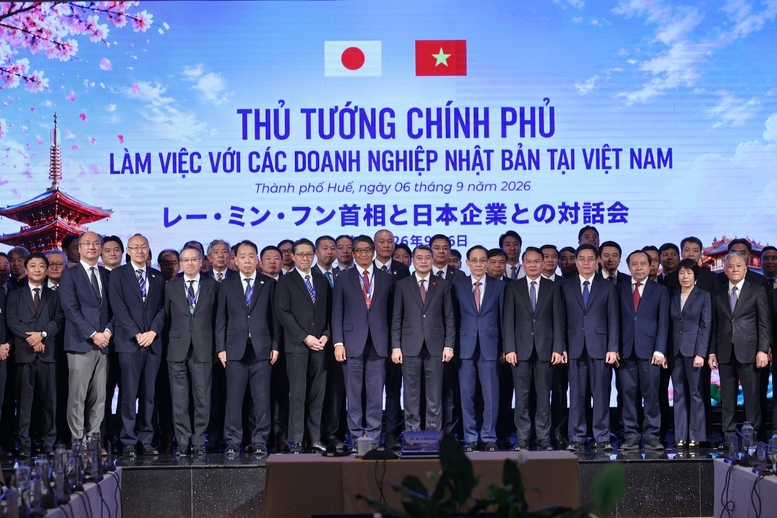
Chairing a meeting with Japanese businesses on the morning of September 6, Prime Minister Le Minh Hung called for Viet Nam - Japan investment ties to shift decisively from a relationship between “investors and investment destinations” toward a partnership for joint development and co-creation, involving joint research, innovation, production, and effective participation in and affirmation of their positions and roles in global value chains.
Addressing the Myanmar - Viet Nam Business Forum, Deputy Prime Minister Nguyen Van Thang said the two sides should expand the space for cooperation and leverage their respective resources to support the self-reliant and resilient development of each country, contributing to the implementation of agreements reached by the senior leaders of the two countries.
On the afternoon of September 6, at the headquarters of the Ministry of Industry and Trade (MoIT), Politburo member and Standing Deputy Prime Minister Pham Gia Tuc handed over the Prime Minister's decision appointing Nguyen Viet Son as Deputy Minister of Industry and Trade.
As Viet Nam and the Republic of Korea (RoK) work towards the goal of raising bilateral trade to USD 150 billion, the National Assemblies of the two countries have an important role to play in improving institutions and removing bottlenecks.
Chairing a meeting with Japanese businesses on the morning of September 6, Prime Minister Le Minh Hung called for Viet Nam - Japan investment ties to shift decisively from a relationship between “investors and investment destinations” toward a partnership for joint development and co-creation, involving joint research, innovation, production, and effective participation in and affirmation of their positions and roles in global value chains.
The Ministry of Industry and Trade Party Committee joined a nationwide conference to study and implement key resolutions and directives issued by the Politburo.