The 2025 VinFuture Grand Prize honored scientists behind the HPV vaccine, celebrating breakthroughs that have transformed global cancer prevention.
On the evening of December 5, the fifth annual VinFuture Global Science and Technology Prize Award Ceremony took place at the Ho Guom Theatre in Hanoi. The event gathered leaders of central agencies, representatives of embassies and international organizations, and distinguished scientists from around the world across key fields ranging from biomedicine and agri-food technology to robotics, smart automation, and sustainability sciences.
Spreading knowledge, creating shared prosperity
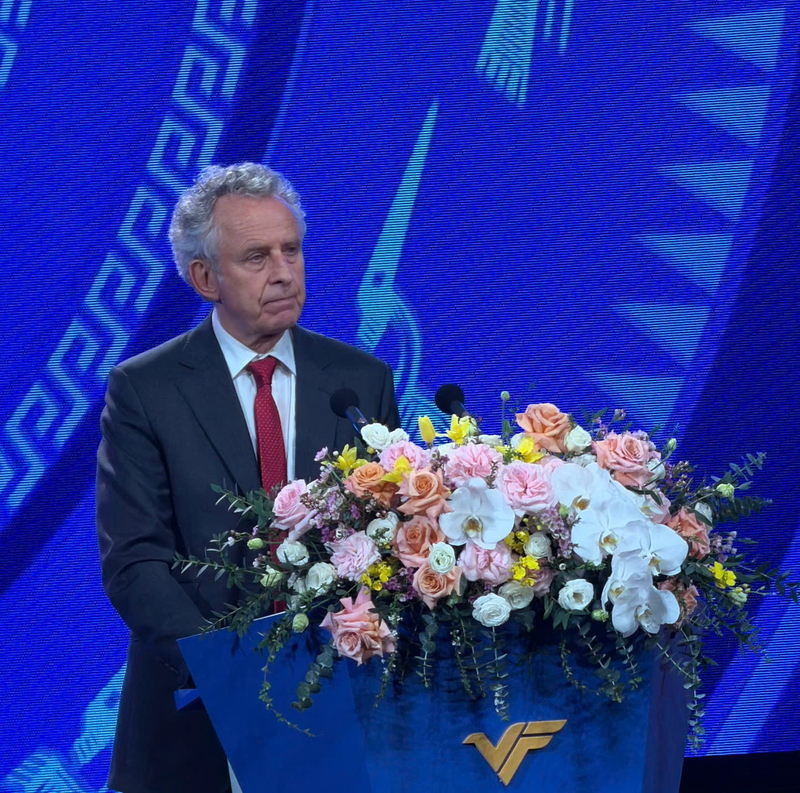
In his opening remarks, Professor Richard Henry Friend, Chair of the VinFuture Prize Council, emphasized that the ceremony marked a moment to reflect on the Foundation’s five-year journey guided by the vision of “science serving humanity.” As the founding Chair, he expressed pride in accompanying the Foundation in its mission to honor scientific breakthroughs that deliver tangible benefits to millions if not billions of people worldwide.
Professor Richard Henry Friend, Chair of the VinFuture Prize Council, delivers remarks at the 2025 VinFuture Award Ceremony. Photo: Nguyen Minh
He noted that the Prize continues to attract a large number of nominations, with 1.705 submissions this year alone. The laureates of 2025, he said, offer outstanding scientific discoveries that contribute significantly to human welfare and sustainable development. “Their work reminds us that science is not only knowledge but also responsibility responsibility to build a better future for our planet and generations to come,” he said.
Over the past five editions, VinFuture has honored many exceptional scientists who later received other prestigious global awards. Among them is Professor Omar Yaghi, awarded the 2025 Nobel Prize in Chemistry for his work on metal organic frameworks (MOFs), who previously received the VinFuture Special Prize for Emerging Fields in 2021.
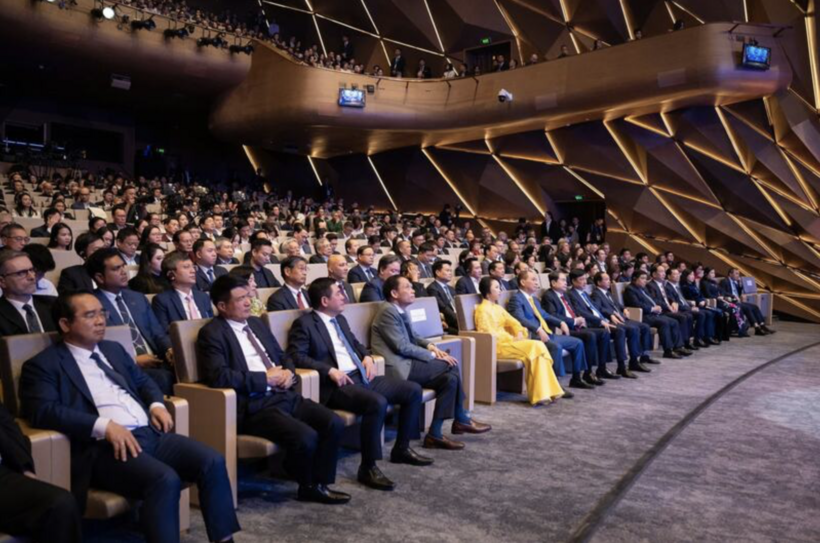
Delegates attend the fifth VinFuture Award Ceremony.
That same year, Professors Katalin Kariko and Drew Weissman winners of the VinFuture Grand Prize went on to receive the 2023 Nobel Prize in Physiology or Medicine. The 2022 Special Prize laureates John Jumper and Demis Hassabis (Google DeepMind) earned the 2024 Nobel Prize in Chemistry for their breakthroughs in AI-based protein structure prediction. In 2024, Professor Geoffrey Hinton, honored with the VinFuture Grand Prize, also received the Nobel Prize in Physics.
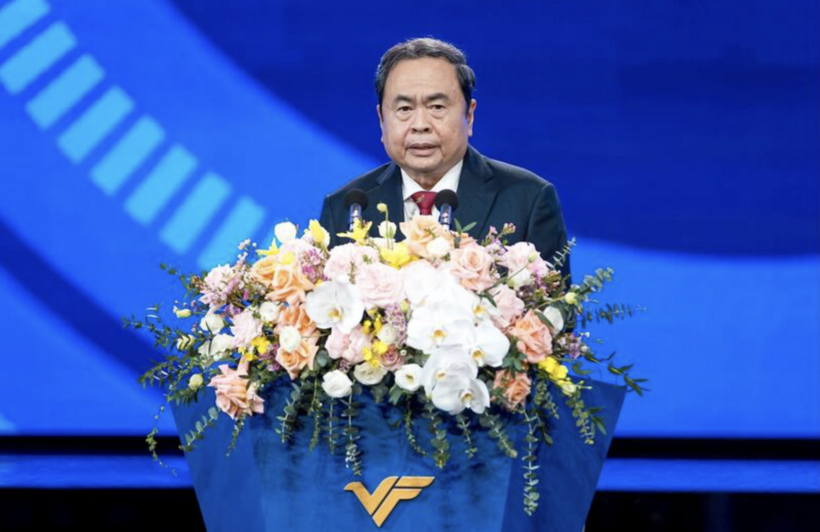
National Assembly Chairman Tran Thanh Man affirmed that the VinFuture Prize not only recognizes groundbreaking scientific work but also fosters dialogue among scientists, businesses, and policymakers, helping spark new ideas, new approaches, and new models of cooperation. After five years, VinFuture has received more than 6.000 nominations from nearly 110 countries and territories, honoring 48 scientists who are shaping some of the most critical scientific domains, including artificial intelligence, clean energy, biotechnology, new materials, precision medicine, and food security.
National Assembly Chairman Tran Thanh Man delivers remarks at the fifth VinFuture Award Ceremony.
The Chairman commended the sustained efforts and strong commitment of the Prize’s founders Pham Nhat Vuong and his spouse who have devoted significant resources to advancing science and promoting the humanistic values of knowledge, helping present Vietnam to the world as a nation rich in intellect, compassion, and aspirations for progress.
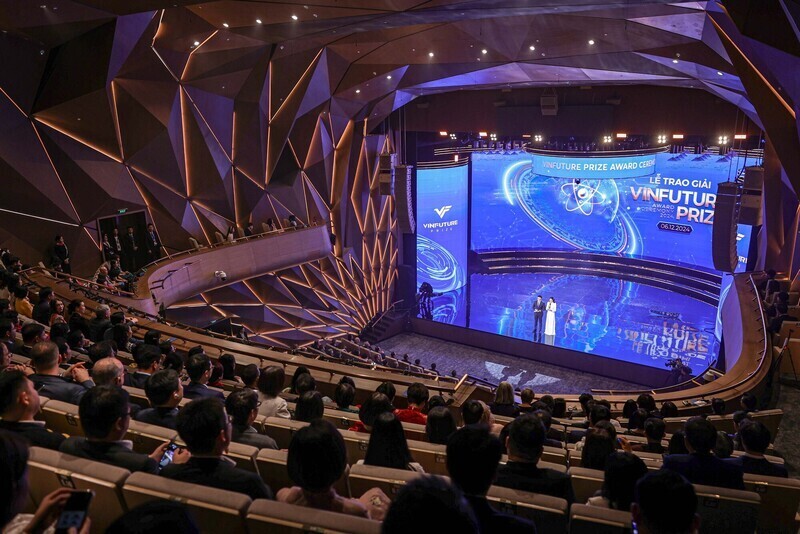
Overview of the award ceremony.
He emphasized Vietnam’s desire to strengthen collaboration with the global scientific community in tackling shared challenges, advancing academic exchange, training high-quality human resources, transferring technology, and implementing green and inclusive development models. “We stand ready to work with countries, organizations, and research institutions in a spirit of openness, responsibility, and mutual respect. Vietnam will continue to be a reliable and attractive destination for scientists, where creativity can be shared and spread to the international community,” he said.
Honoring scientific achievements that change the world
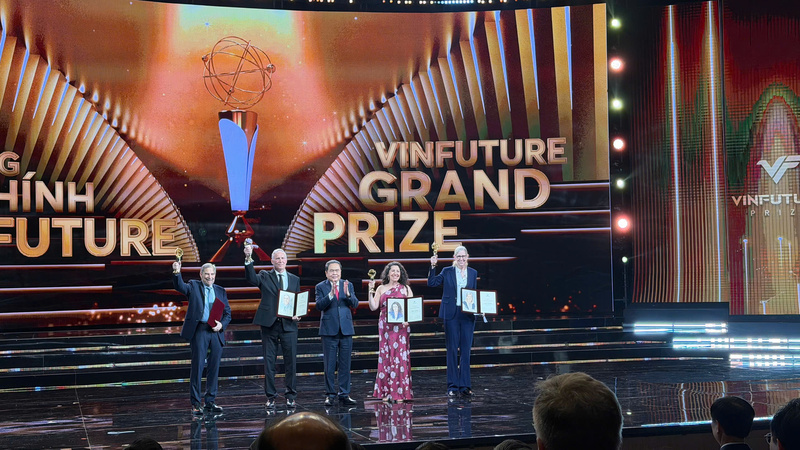
At the ceremony, National Assembly Chairman Tran Thanh Man presented the 2025 VinFuture Grand Prize, worth USD 3 million, to Dr. Douglas R. Lowy, Dr. John T. Schiller, Dr. Aimée R. Kreimer and Professor Maura L. Gillison for their discoveries and development of the HPV vaccine used to prevent cervical cancer caused by HPV.
The foundational research on HPV capsid proteins by Dr. Lowy and Dr. Schiller led to the development of highly effective HPV vaccines that have prevented millions of cervical cancer cases, especially in developing countries. Dr. Kreimer’s work on a single-dose immunization regimen, now recommended by the World Health Organization (WHO), has significantly expanded vaccine accessibility. Laboratory epidemiological research led by Professor Gillison and Dr. Kreimer also established the link between HPV and head-and-neck cancers, serious malignancies that can be prevented through HPV vaccination. Their contributions have saved and will continue to save millions of lives for decades to come.
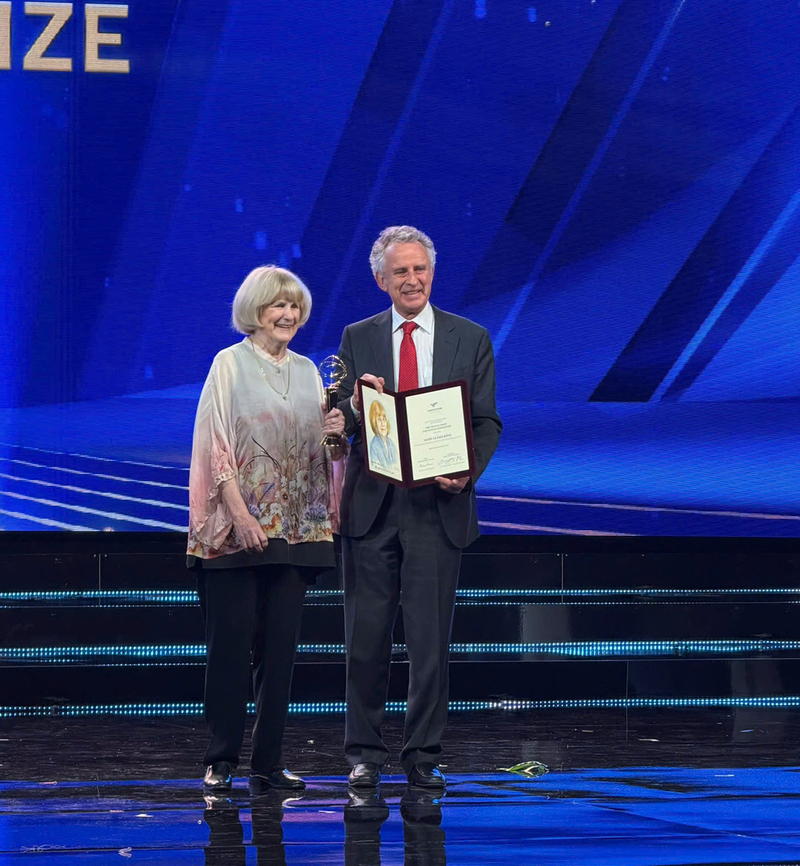
Professor Mary-Claire King of the US receives the 2025 VinFuture Special Prize for Female Scientists for discovering the BRCA1 gene linked to breast and ovarian cancer risk, a breakthrough that laid the foundation for genetic testing, screening programs and personalized treatment. Photo: Nguyen Minh
The 2025 VinFuture Special Prize for scientists from developing countries, worth USD 500.000, was awarded to Professor María Esperanza Martínez-Romero of Mexico for her advances in microbial ecology and symbiotic nitrogen fixation in tropical ecosystems.
The 2025 VinFuture Special Prize for Female Scientists, also worth USD 500.000, went to Professor Mary-Claire King of the US for discovering the BRCA1 gene associated with breast and ovarian cancer risk, laying the foundation for genetic testing, screening programs, and personalized treatment.
National Assembly Chairman Tran Thanh Man presents the 2025 VinFuture Grand Prize to the laureates. Photo: Nguyen Minh.
The 2025 VinFuture Special Prize for Emerging Fields, worth USD 500.000, was awarded to Professors Venkatesan Sundaresan and Raphael Mercier, and Drs. Emmanuel Guiderdoni, Imtiyaz Khanday, and Delphine Mieulet for their innovations in developing hybrid crops capable of self-propagation.
The VinFuture Prize includes four award categories, with the USD 3 million Grand Prize being among the most valuable scientific awards in the world, alongside three USD 500.000 Special Prizes recognizing female scientists, scientists from developing countries, and those working in emerging fields.
Deputy Minister of Industry and Trade Luong Hoang Thai emphasized that building the national brand is a driving force for improving Viet Nam’s competitiveness and international standing.
The official visit to Laos by Prime Minister Le Minh Hung is expected to inject fresh momentum into bilateral relations, with economic, trade and investment cooperation continuing to serve as a core pillar.
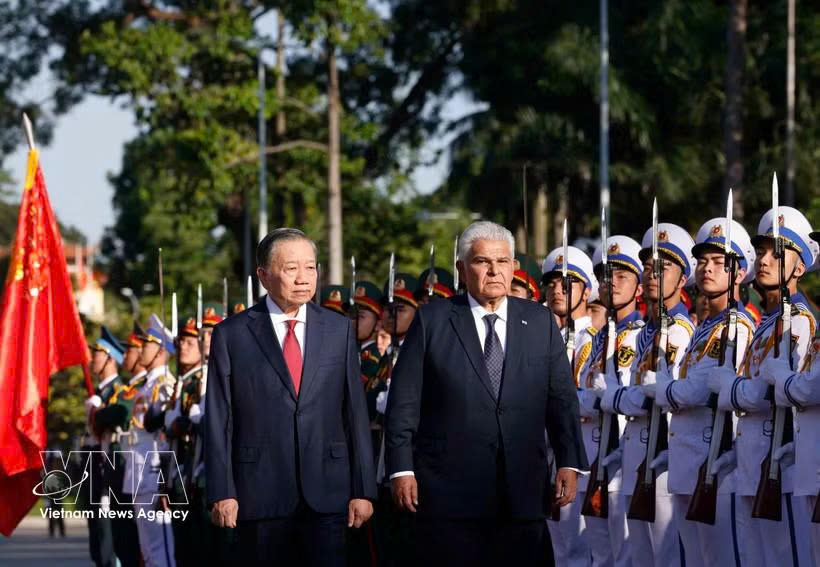
The Panamanian President’s visit is expected to contribute to further deepening and making the traditional friendship and cooperation between the two nations more substantive and effective.
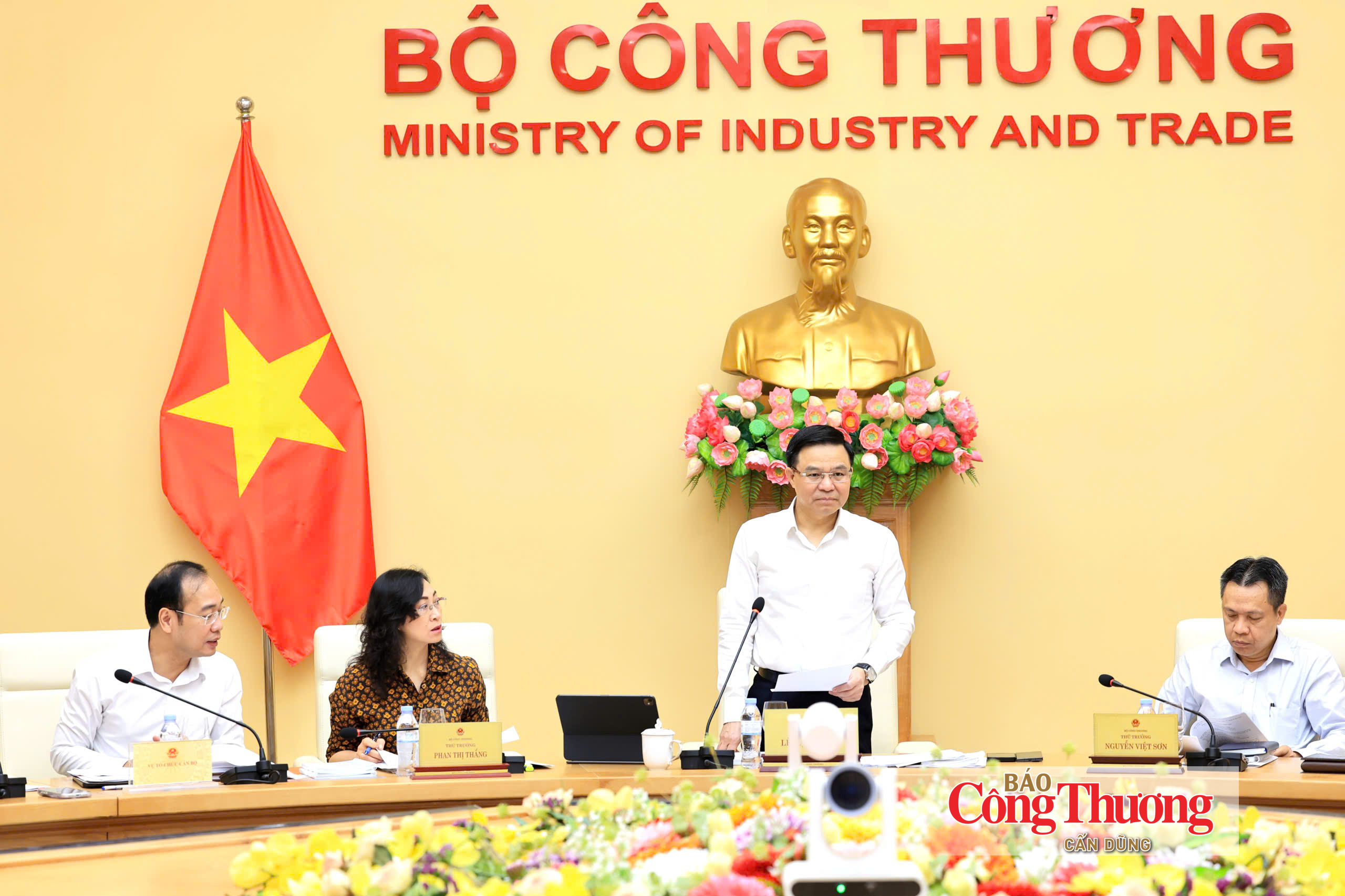
On October 2, the Ministry of Industry and Trade (MoIT) held a working session between Minister of Industry and Trade Le Manh Hung and research institutes, universities and colleges under the Ministry to review their recent operations and identify solutions to better harness the potential, advantages and collective strengths of the Ministry’s education and research institutions. Minister of Industry and Trade Le Manh Hung chaired the meeting.
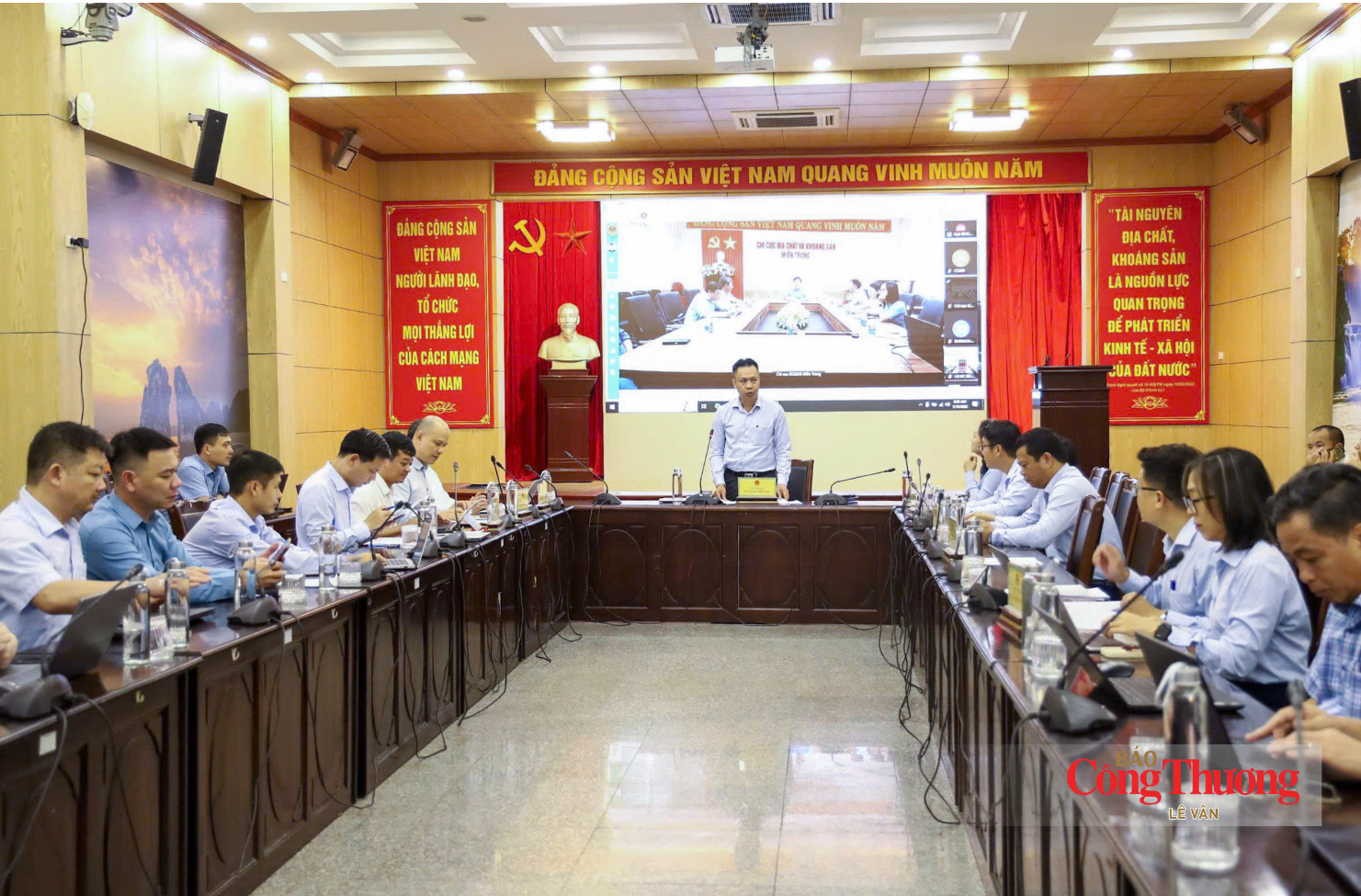
On October 5 in Ha Noi, Deputy Minister of Industry and Trade Nguyen Viet Son held a working session with the Viet Nam Department of Geology and Minerals.
On October 2, the Ministry of Industry and Trade (MoIT) held a working session between Minister of Industry and Trade Le Manh Hung and research institutes, universities and colleges under the Ministry to review their recent operations and identify solutions to better harness the potential, advantages and collective strengths of the Ministry’s education and research institutions. Minister of Industry and Trade Le Manh Hung chaired the meeting.
Industry and Trade Newspaper would like to introduce a podcast series on the implementation of the Politburo's Resolution No. 57 in the Industry and Trade sector.
The Industry and Trade Newspaper introduces a podcast series on the implementation of Politburo Resolution No. 57-NQ/TW dated December 22, 2024, on breakthroughs in the development of science, technology, innovation and national digital transformation in the Industry and Trade sector.
The Ministry of Industry and Trade is accelerating digital transformation to modernise management, improve public services, strengthen the competitiveness of businesses.
The Ministry of Industry and Trade is expanding international cooperation in science and technology, focusing on research, innovation and technology transfer.