Vietnam put forward four recommendations on trade and investment cooperation at the 32nd APEC Ministers Responsible for Trade Meeting, with a focus on innovation and greener growth.
APEC advances cooperation for sustainable growth
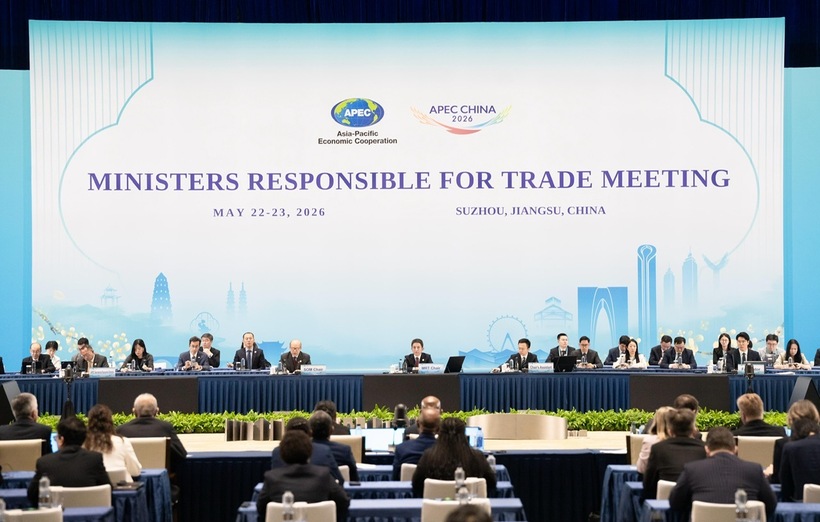
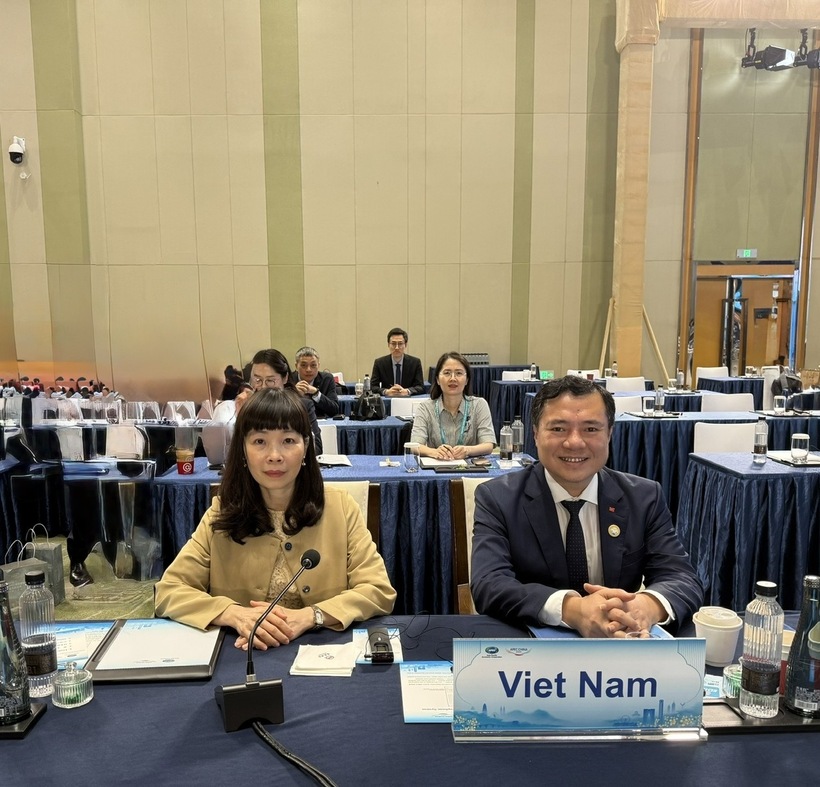
Within the framework of APEC, the 32nd APEC Ministers Responsible for Trade Meeting (MRT 32) was held from May 22 to 23, 2026, in Suzhou city, Jiangsu province, China, under the chairmanship of Wang Wentao, Minister of Commerce of China. The meeting brought together representatives from 21 APEC member economies, the APEC Business Advisory Council (ABAC), and leaders of major international organizations, including the World Trade Organization (WTO), the United Nations Conference on Trade and Development (UNCTAD), the Association of Southeast Asian Nations (ASEAN), the Pacific Economic Cooperation Council (PECC), and the Pacific Islands Forum (PIF) Secretariat. The Vietnamese delegation was led by Deputy Minister of Industry and Trade Nguyen Sinh Nhat Tan.
Overview of the meeting.
MRT 32 took place against the backdrop of a global trading system continuing to face numerous difficulties and challenges. According to the APEC Policy Support Unit (PSU), rapid technological shifts, population aging, climate change, and shocks to supply chains are exerting significant impacts on labor markets, competitiveness, and global production systems. Against this backdrop, APEC remains a leading forum for regional economic cooperation, working together to address economic, trade, and investment challenges while striving toward sustainable growth. Inspired by the theme of APEC 2026, “Building a Prosperous Asia-Pacific Community,” in line with the APEC Putrajaya Vision 2040 and the Aotearoa Plan of Action for the prosperity of all people and future generations, host China identified three priorities: Openness, Innovation, and Cooperation.
Vietnam proactively promotes cooperation
Accordingly, trade ministers at this year’s meeting focused discussions on two key issues.
At Session 1 on building an open and predictable regional trade and economic order, the meeting heard a briefing by WTO Director-General Ngozi Okonjo-Iweala on the outcomes of the 14th WTO Ministerial Conference (MC14) held in March 2026 in Yaounde, Cameroon, and the WTO General Council plenary session convened earlier this month. In essence, most APEC trade ministers reaffirmed the importance of a rules-based multilateral trading system (MTS), with the WTO at its core; recognized the WTO’s role in promoting global trade; and acknowledged that WTO-agreed rules remain an indispensable part of the global trading system. However, the WTO is facing mounting challenges and requires substantive reforms to improve all of its functions, including dispute settlement, trade negotiations, policy monitoring, and addressing emerging issues, thereby ensuring that the organization remains fit for a changing global trade landscape and better serves the interests of its members.
For its part, Vietnam officially ratified the WTO Agreement on Fisheries Subsidies in September 2025 and joined the Multi-Party Interim Appeal Arbitration Arrangement (MPIA) in October 2025. Vietnam called on APEC economies to continue dialogue, information exchange, sharing of best practices, technical assistance, and capacity building through APEC’s role as an “incubator of ideas,” in support of members’ discussions at the WTO, with a view to achieving concrete and substantive progress.
At Session 2 on promoting new drivers for innovative and dynamic trade-investment cooperation, ministers shared the view that emerging technologies such as artificial intelligence (AI) are bringing profound changes to global trade. This reality opens up new opportunities for cooperation while also posing considerable challenges to economies, businesses, and workers. Alongside emerging technologies, green industry is becoming a new driver of global economic growth as the world accelerates its transition toward sustainable and low-carbon development models.
As the global economy is undergoing profound shifts driven by digital transformation, green transition, and technological innovation, fostering new drivers for trade and investment cooperation has become an urgent requirement, contributing to the building of a more dynamic, connected, and sustainable region and world.
Addressing Session 2, Deputy Minister of Industry and Trade Nguyen Sinh Nhat Tan put forward four recommendations for regional trade-investment cooperation in the coming period.
Deputy Minister of Industry and Trade Nguyen Sinh Nhat Tan leads the Vietnamese delegation at the meeting. Photo: Multilateral Trade Policy Department
First, the State should play a facilitating role, businesses should take the lead, and public-private partnerships should move in tandem.
Second, cooperation should be strengthened to create incentive mechanisms and mobilize and effectively utilize resources, in the spirit that “internal resources are fundamental, strategic, long-term and decisive, while external resources serve as breakthroughs.”
Third, cooperation should be enhanced in developing high-quality human resources to meet the demands of green and digital transformation.
Fourth, cooperation and technology transfer should be stepped up, with stronger mutual support among economies and from leading global enterprises, particularly in such areas as artificial intelligence, biotechnology, quantum technology, semiconductors, energy, and others.
MRT 32 concluded on May 23, 2026, with the adoption of a Joint Statement by APEC trade ministers, accompanied by an annex on the Roadmap for Innovative, Competitive and Resilient Services.
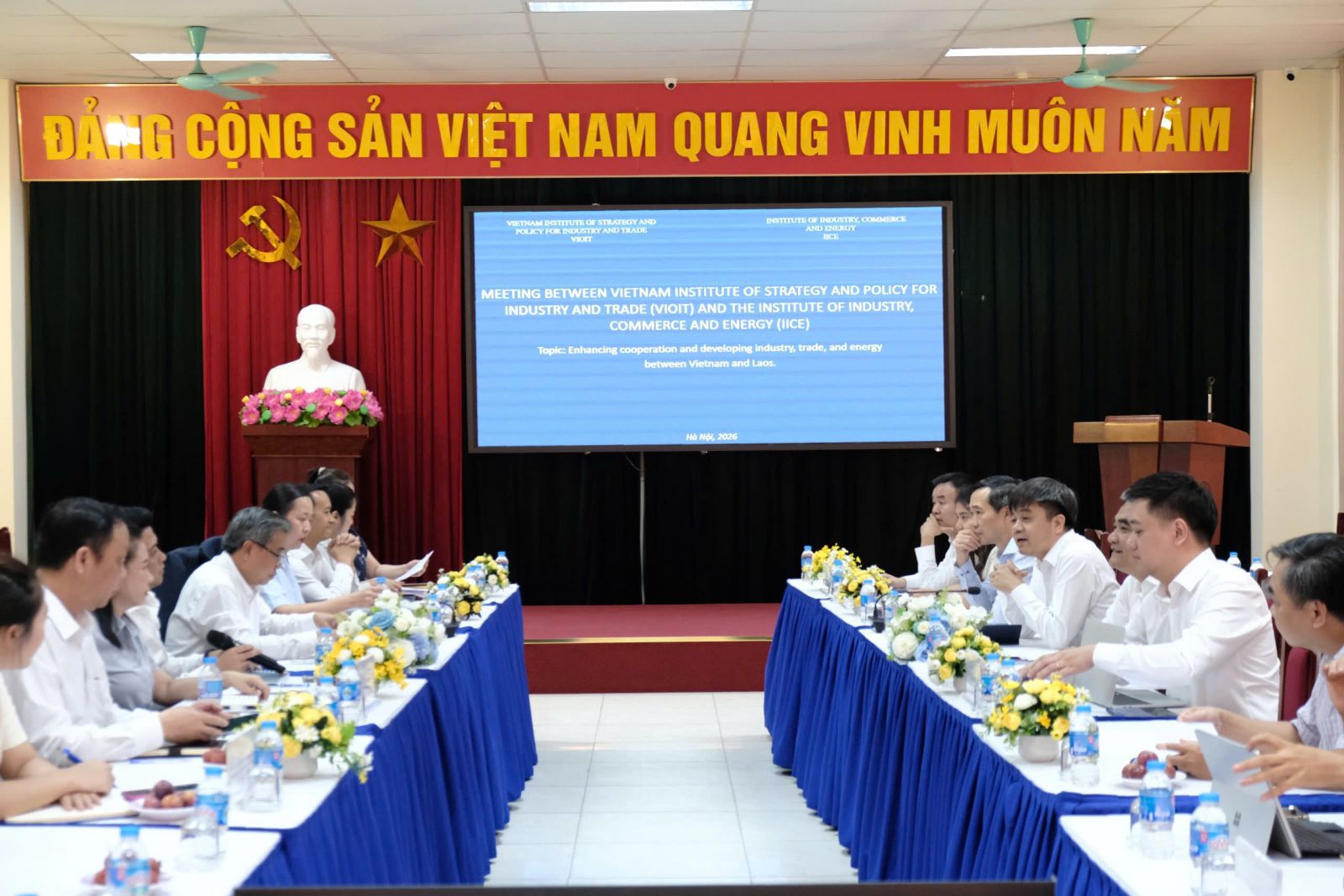
The Vietnam Institute of Strategy and Policy for Industry and Trade and Lao counterpart review the implementation of a bilateral cooperation agreement.
The Vietnam Institute of Strategy and Policy for Industry and Trade and Lao counterpart review the implementation of a bilateral cooperation agreement.
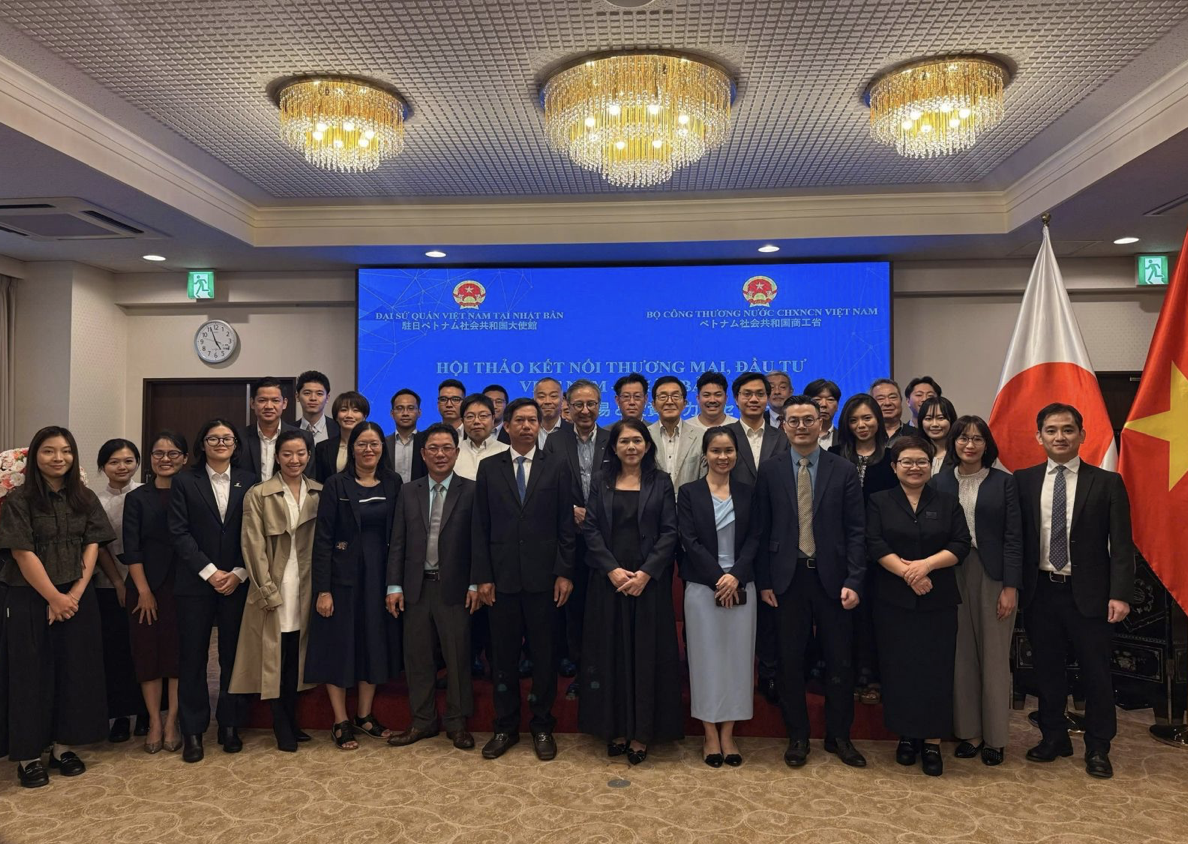
A seminar in Tokyo connected Vietnamese and Japanese businesses, providing market insights and promoting trade, investment and supply chain cooperation.
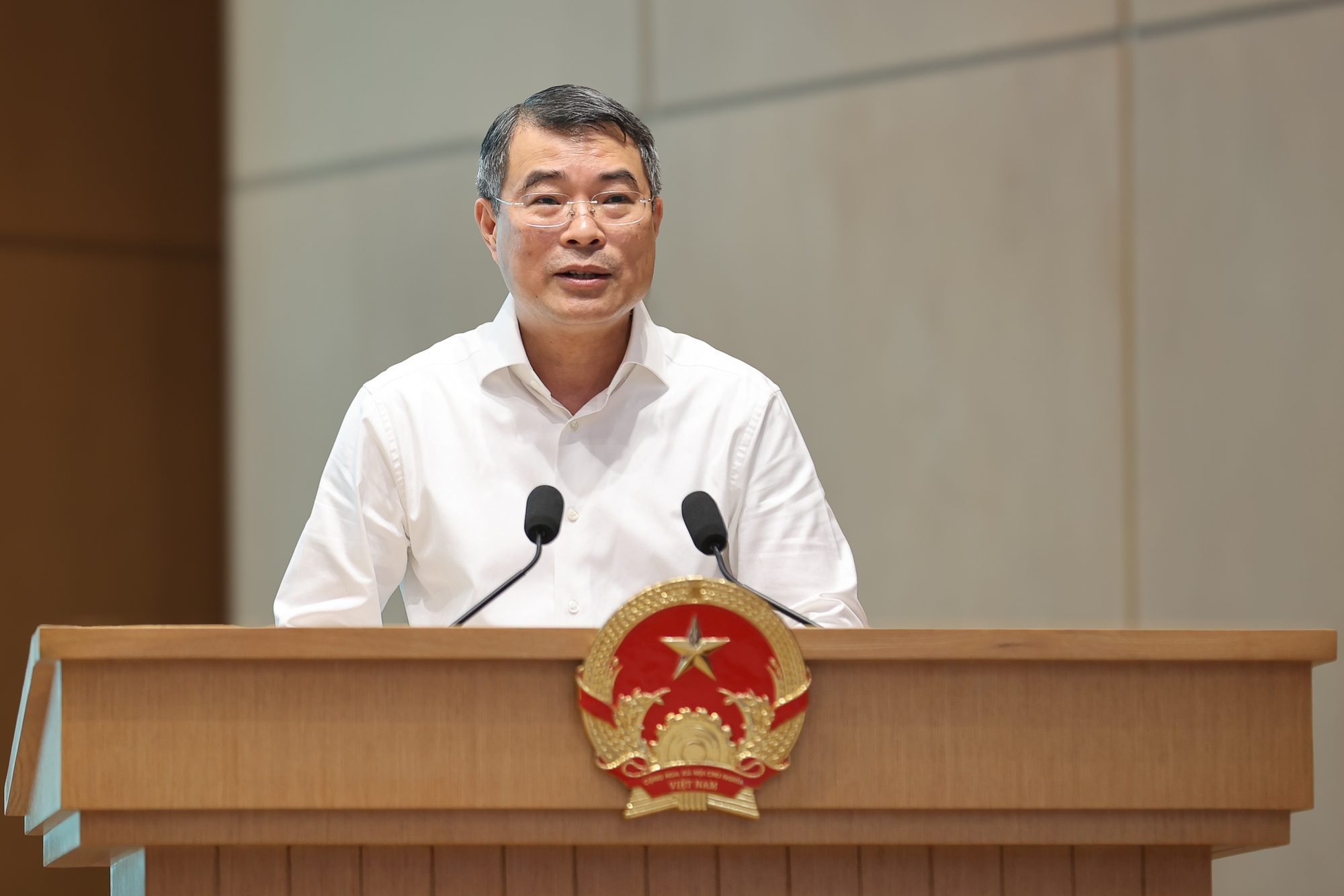
Prime Minister Le Minh Hung chairs thematic meeting on Resolution 57, urging breakthrough mechanisms, decentralisation and innovation-led growth reforms in Vietnam.
Amid rising electricity demand and increasingly complex weather conditions, Vietnam is stepping up efforts to ensure a stable power supply for economic growth.
Vietnam has promulgated two new ordinances to improve judicial procedures, accelerate digital transformation and enhance the consistency and accessibility of laws.