Labeling regulations across RCEP markets are becoming increasingly diverse and fragmented, requiring businesses to proactively stay updated in order to meet technical requirements and minimize trade risks.
TBT and SPS: Two parallel technical requirements in export activities
As international economic integration deepens, technical regulations in trade, particularly those related to product labeling and packaging, are becoming critical factors determining exporters’ access to foreign markets.
Addressing the conference titled "Updates and Dissemination of Information on Food Safety and Sanitary and Phytosanitary (SPS) Regulations under the RCEP Agreement and China’s Decree No. 280," Ton Nu Thuc Uyen, Deputy Head of the Standards Division under the National Commission for Standards, Metrology and Quality at the Ministry of Science and Technology, said that Technical Barriers to Trade (TBT) comprise regulations on standards, technical requirements, labeling, packaging, and quality management for goods circulating in international markets.
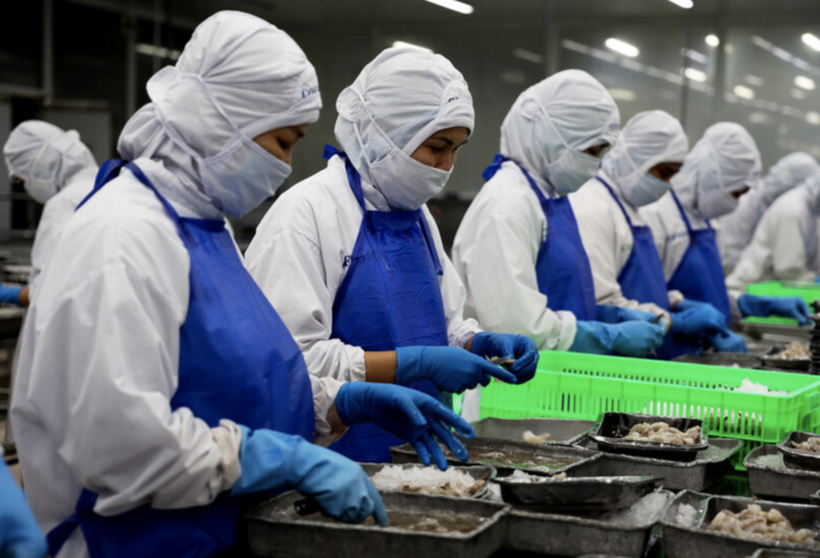
For shrimp exports to the United States, enterprises must comply not only with SPS requirements on quarantine and food safety, but also with TBT regulations concerning size standards, packaging, and labeling. Illustrative photo.
Together with SPS measures, which govern food safety and animal and plant quarantine, TBT represents one of the two key technical frameworks that businesses must comply with when participating in global trade.
According to Uyen, while SPS focuses on food safety and quarantine requirements, TBT covers technical requirements such as standards, technical regulations, labeling, packaging, and traceability. "These two groups of measures always go hand in hand in export activities," she stressed.
Vietnam officially became a member of the World Trade Organization (WTO) in January 2007. Upon accession, the country committed to fully implementing the WTO TBT Agreement without a transition period, creating pressure to comprehensively align domestic legislation with international integration commitments.
The current legal framework in this area includes the Law on Standards and Technical Regulations and the Law on Product and Goods Quality. Both laws were amended and supplemented in June 2025 to further improve the legal framework in line with evolving integration requirements and new management demands.
In parallel, the government has issued numerous decrees and decisions to implement TBT commitments under the WTO and free trade agreements, including RCEP.
In agricultural exports, TBT and SPS measures are closely intertwined. While SPS requirements relate to food safety and quarantine controls, TBT focuses on the technical specifications of products.
Uyen cited shrimp exports to the United States as an example. In addition to meeting SPS requirements on quarantine and food safety, exporters must also comply with TBT regulations covering sizing, packaging, and labeling.
In the US market, shrimp size classifications are highly standardized, such as U10 or size 12/25, requiring the exact number of shrimp per package unit to meet specified standards before customs clearance and distribution.
"That is why TBT and SPS always operate in parallel in export activities," Uyen reiterated, adding that SPS primarily aims to ensure food safety, while TBT seeks to enhance product information transparency and reduce the risk of misleading consumers.
For coffee products, for instance, quarantine authorities may focus on pesticide residue levels, while TBT requirements emphasize accurate labeling, appropriate packaging, and full disclosure of product information.
Uyen also noted that standards are generally voluntary, whereas technical regulations become mandatory once codified into law. This principle enhances business proactiveness in production while ensuring state management requirements. International standards also serve as important references to balance national interests with transparent and efficient trade facilitation.
Significant differences in labeling regulations across markets
One issue drawing particular attention from exporters is the variation in labeling requirements among export markets.
In South Korea, certain concentrated juice products labeled as “100%” may still contain additives under specific circumstances while remaining eligible for such labeling claims.
By contrast, the European Union (EU) applies stricter rules, requiring products labeled “100%” to be entirely pure and free from added substances.
For caffeinated beverages, South Korea limits caffeine content to no more than 0.15 mg/ml. Products exceeding this threshold must clearly disclose the information on labels to inform consumers.
The country is also considering revisions to genetically modified organism (GMO) labeling regulations, potentially expanding the scope to products such as cooking oil, soy sauce, and sugar.
Notably, even when genetically modified DNA is undetectable in the final product, businesses may still be subject to labeling obligations if GMO-related raw materials are used in production.
South Korea has also introduced “e-labeling,” enabling QR codes to provide additional information on product origin and manufacturing processes.
In Australia, labeling systems focus on around eight core categories of information. The market has also marked a milestone for Vietnamese agriculture, with fresh pomelos recently going on sale in Sydney for the first time.
According to Uyen, WTO members issue between 4,000 and 5,000 notifications annually regarding new, revised, or amended TBT measures. While these notifications are an important source of information, they also create major challenges for businesses unable to keep pace with regulatory changes.
Vietnam is currently implementing transparency mechanisms in full compliance with international commitments while continuing to improve its legal framework to strengthen regulatory enforcement and management efficiency.
Uyen warned that businesses failing to proactively monitor regulatory updates could face significant difficulties exporting to WTO markets, which account for a substantial share of global trade.
Practical experience also shows that many trade concerns and disputes arise as early as the drafting stage of technical regulations. Once regulations are officially issued and take effect, opportunities for adjustment become extremely limited.
Therefore, businesses should actively monitor developments, participate in consultations during the policymaking process, and make effective use of the WTO’s TBT database to stay informed.
“Early and proactive engagement will help businesses minimize risks and better capitalize on opportunities in export markets,” Uyen said.
Each year, WTO member economies introduce and notify approximately 4,000-5,000 new technical measures, including standards, technical regulations, and conformity assessment procedures. Without timely updates, exporters may face substantial barriers in accessing international markets.
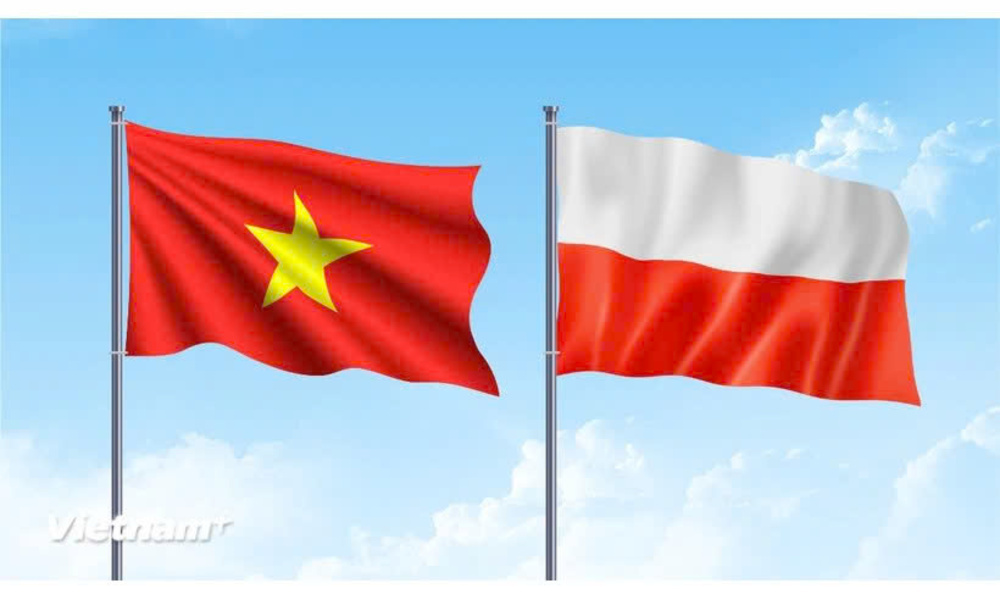
Polish Prime Minister Donald Tusk will pay an official visit to Viet Nam from October 24 to 26 as the bilateral trade continues to grow, creating opportunities for deeper cooperation.
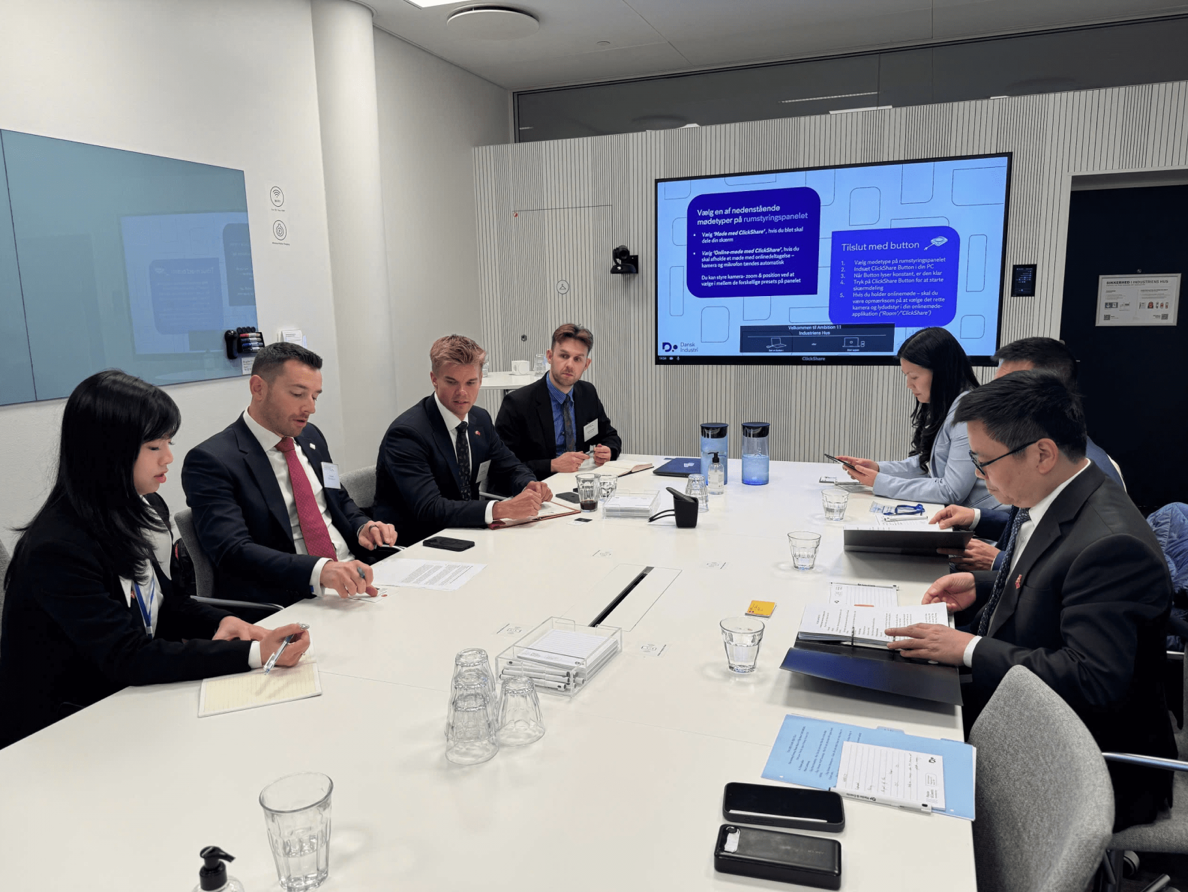
Deputy Minister Truong Thanh Hoai met with LEGO and Carlsberg in Denmark on October 20 to discuss green investment and sustainable manufacturing in Viet Nam.
For more than three decades, Ms. Dang Thi Thanh Huong has quietly shaped the legacy of Dong Phuong Cake & Confectionery, a brand rooted in tradition, craftsmanship.
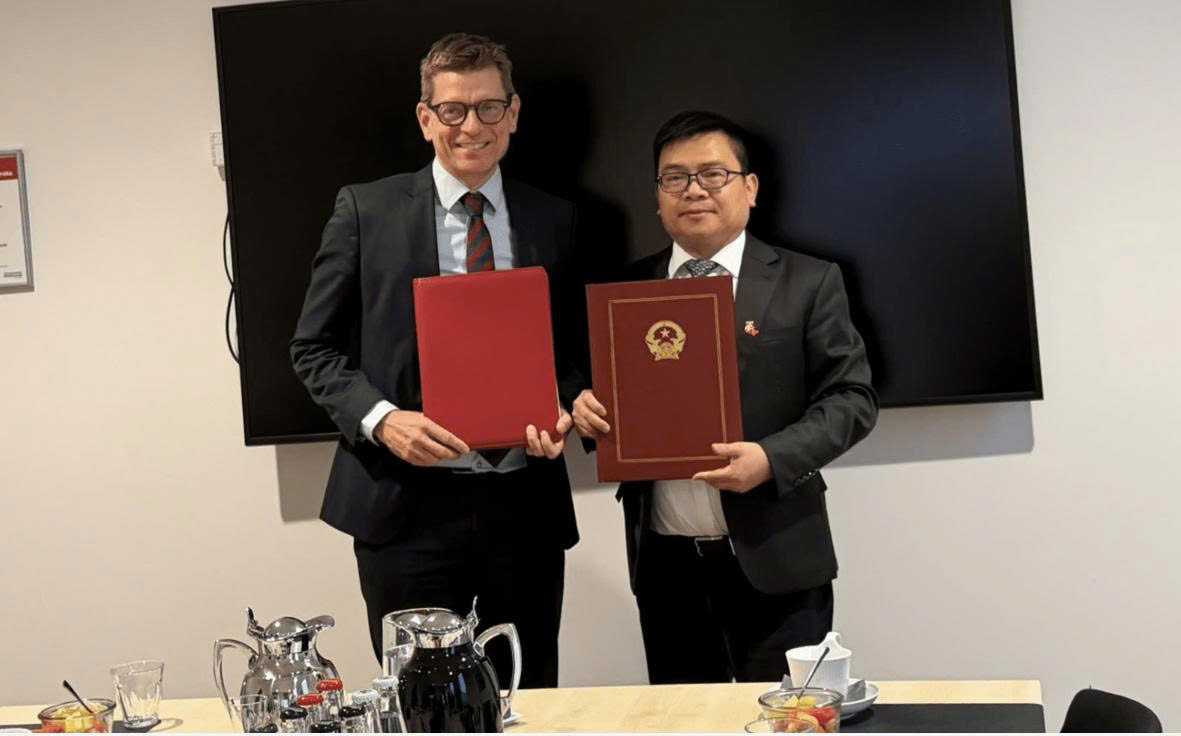
Viet Nam and Denmark have signed an MoU on energy cooperation to strengthen bilateral ties and advance collaboration in renewable energy and the green transition.
Deputy Minister Luong Hoang Thai met French Minister Delegate Eleonore Caroit on October 19 to discuss ways to strengthen Viet Nam - France cooperation.
Polish Prime Minister Donald Tusk will pay an official visit to Viet Nam from October 24 to 26 as the bilateral trade continues to grow, creating opportunities for deeper cooperation.
Deputy Minister Truong Thanh Hoai met with LEGO and Carlsberg in Denmark on October 20 to discuss green investment and sustainable manufacturing in Viet Nam.
Viet Nam and Denmark have signed an MoU on energy cooperation to strengthen bilateral ties and advance collaboration in renewable energy and the green transition.
Deputy Minister Luong Hoang Thai met French Minister Delegate Eleonore Caroit on October 19 to discuss ways to strengthen Viet Nam - France cooperation.
The Viet Nam Economic News respectfully presents the full text of the Joint Statement on the Establishment of a Comprehensive Strategic Partnership between Viet Nam and Denmark.